The FIFA World Cup Is Showcasing More Than Football
As the FIFA World Cup expands into its largest edition ever, the tournament is evolving beyond sport into a global commercial ecosystem.
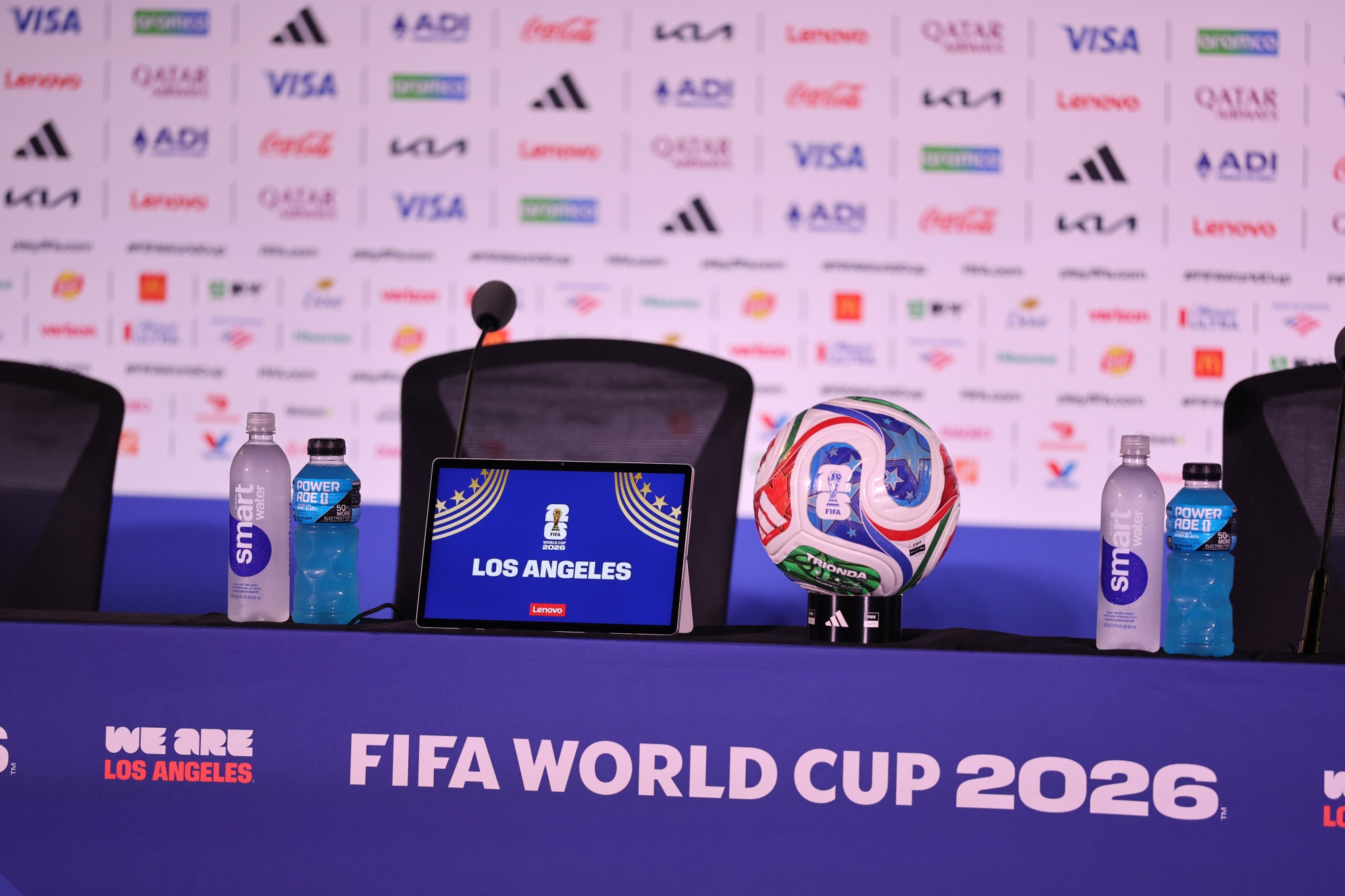
The FIFA World Cup has always been a commercial enterprise. Sponsorships, broadcast rights and merchandising have long underpinned the economics of sporting events as seen with the Olympic Games, the Super Bowl Halftime Show and the F1 Grand Prix. Yet, the 2026 edition represents something different. Expanded to 48 teams and 104 matches across the United States, Canada and Mexico, the tournament is set to be arguably one of the most commercially ambitious sporting events ever staged.
More teams create more matches, more broadcast inventory, more hospitality packages and more sponsorship opportunities. The World Cup has evolved into a platform that extends far beyond football — attracting technology firms, tourism boards, beauty companies and lifestyle brands seeking access to one of the world’s most-watched sporting events. At a time of fragmented media consumption, the World Cup sees billions of people focused on the same event simultaneously across platforms, devices and algorithms. For brands, that concentration of attention has become increasingly unignorable and valuable.
Read More: World Cup 2026 History Points to a Familiar Shortlist
The Business of Scale
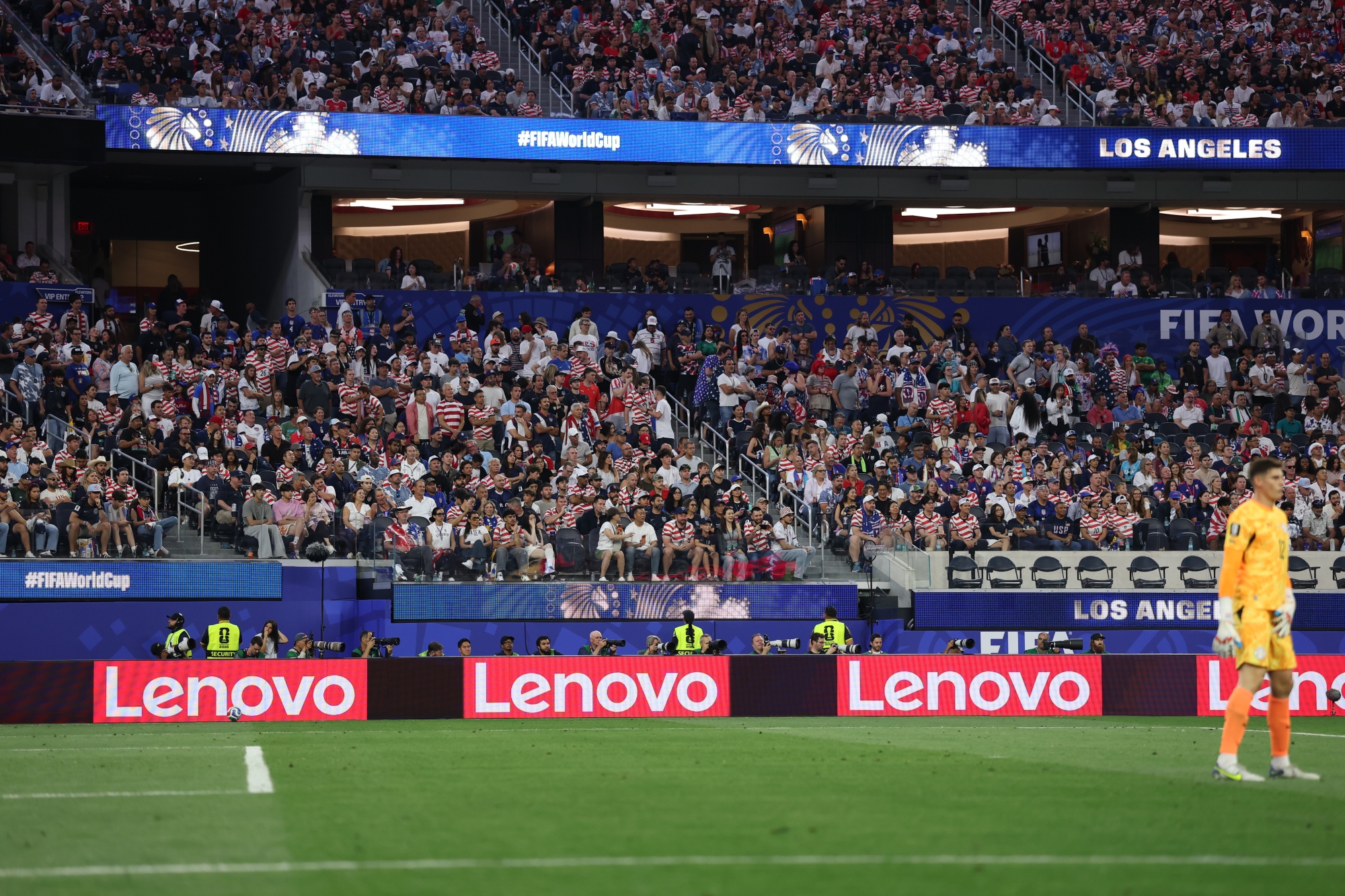
As football business professional Devendra Sardesai recently observed on LinkedIn, FIFA’s decision to expand the World Cup from 32 to 48 teams is as much a commercial strategy as it is a sporting one. The enlarged format increases the number of matches from 64 to 104, creating additional inventory for broadcasters, sponsors and host cities while opening the tournament to new markets and audiences. Every additional match creates another opportunity for advertising, sponsorship activations, hospitality sales and media rights monetisation. More participating nations also bring new audiences, new sponsors and new consumer markets into FIFA’s ecosystem.
Yet, the expansion raises a broader question about its perceived value. The World Cup has historically derived much of its prestige from scarcity. Staged once every four years and limited to a select group of nations, it has traditionally occupied a unique position within global sport. As the tournament grows, FIFA faces the challenge of maintaining that sense of exclusivity while simultaneously increasing commercial returns. Similar debates have emerged around Formula One’s expanding calendar, the proliferation of luxury collaborations and the growing commercialisation of major cultural events. What distinguishes the World Cup from many other sporting properties is its ability to operate simultaneously as entertainment, media infrastructure and cultural currency. Unlike traditional advertising environments where brands compete for attention in fragmented spaces, the tournament creates a concentrated moment where consumers, businesses and governments are all participating in the same global conversation.
From Sponsorship to Cultural Participation
Perhaps the most significant evolution of the modern World Cup is how brands are approaching the tournament. Historically, sponsorship focused on visibility but today, there is an element of cultural participation. Nike’s extensive World Cup campaign illustrates this. The sportswear giant’s “Rip the Script” initiative extends beyond product marketing into entertainment, fashion and celebrity culture. In Singapore, Nike has launched immersive activations and football-focused retail experiences designed to connect consumers with the broader cultural energy surrounding the tournament. The objective is not simply to sell jerseys but to position the brand at the centre of football culture itself. In doing so, Nike is competing not only for market share but for ownership of the cultural narratives that shape consumer loyalty, particularly amongst competitors in the same space.


The same principle can be observed in sectors far removed from sport. Even Hasbro has entered the ecosystem through officially licensed World Cup-themed games, demonstrating how football fandom increasingly influences consumer behaviour across categories with little direct connection to the sport itself. More broadly, they reflect a growing recognition among brands that major sporting events provide access to emotional moments, enabling companies to connect with audiences through shared experiences that extend far beyond the game.
Similarly, skincare brand Paula’s Choice recently announced its partnership as an Official Sponsor of both the FIFA World Cup 2026 and FIFA Women’s World Cup 2027. A skincare brand may appear an unlikely participant in football, yet the strategy showcases how sponsorship has evolved beyond traditional category alignment. The partnership is not purely built on a direct connection between skincare and sport, but on shared emotional themes of resilience and performance. By associating itself with the intensity and emotion of the world’s biggest sporting stage, Paula’s Choice is seeking to become part of the cultural conversation surrounding the tournament rather than simply advertise within it.
Read More: Luxury Asserts Sporting Prominence in 2026
Commercialisation Beyond Advertising
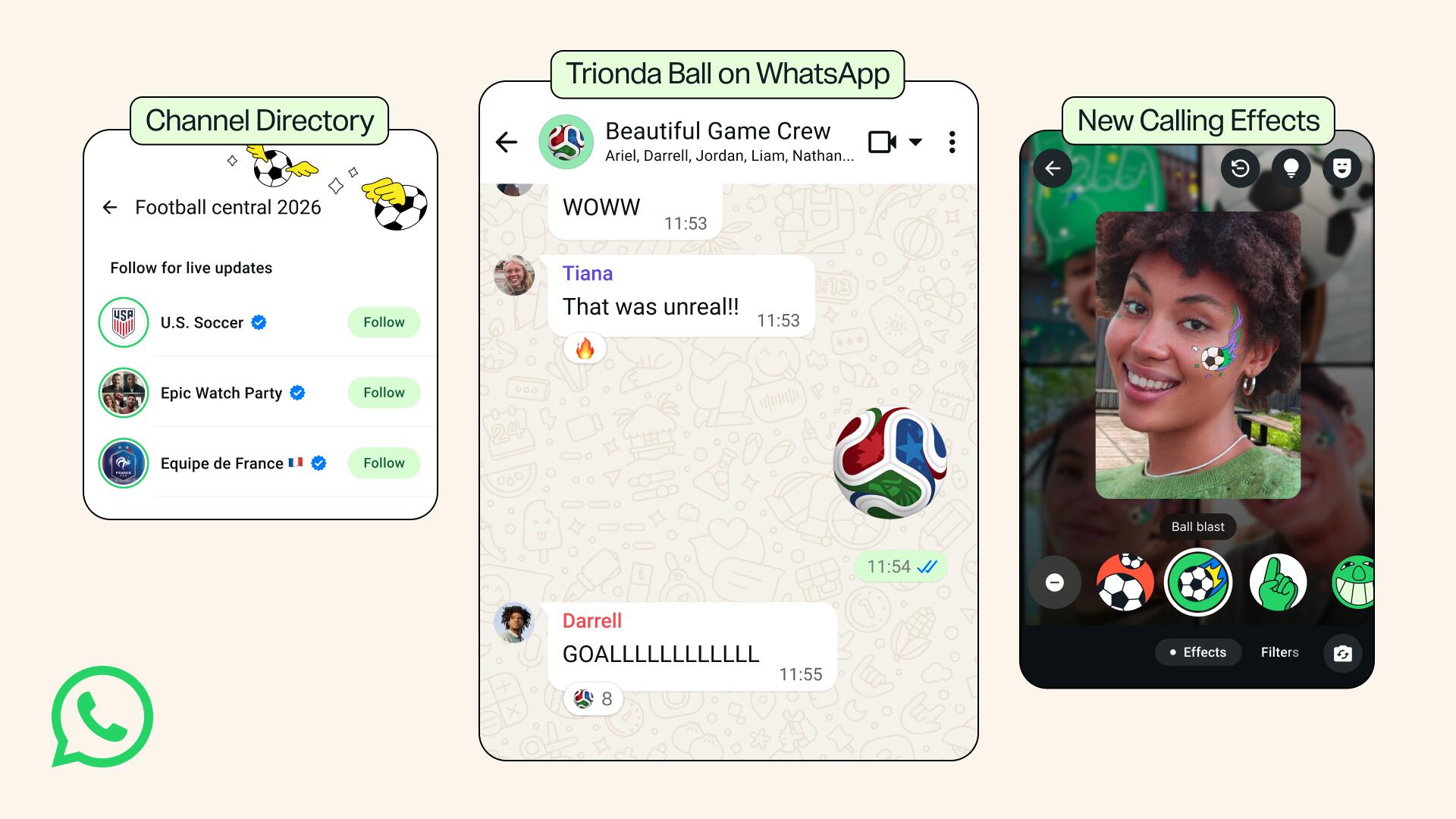
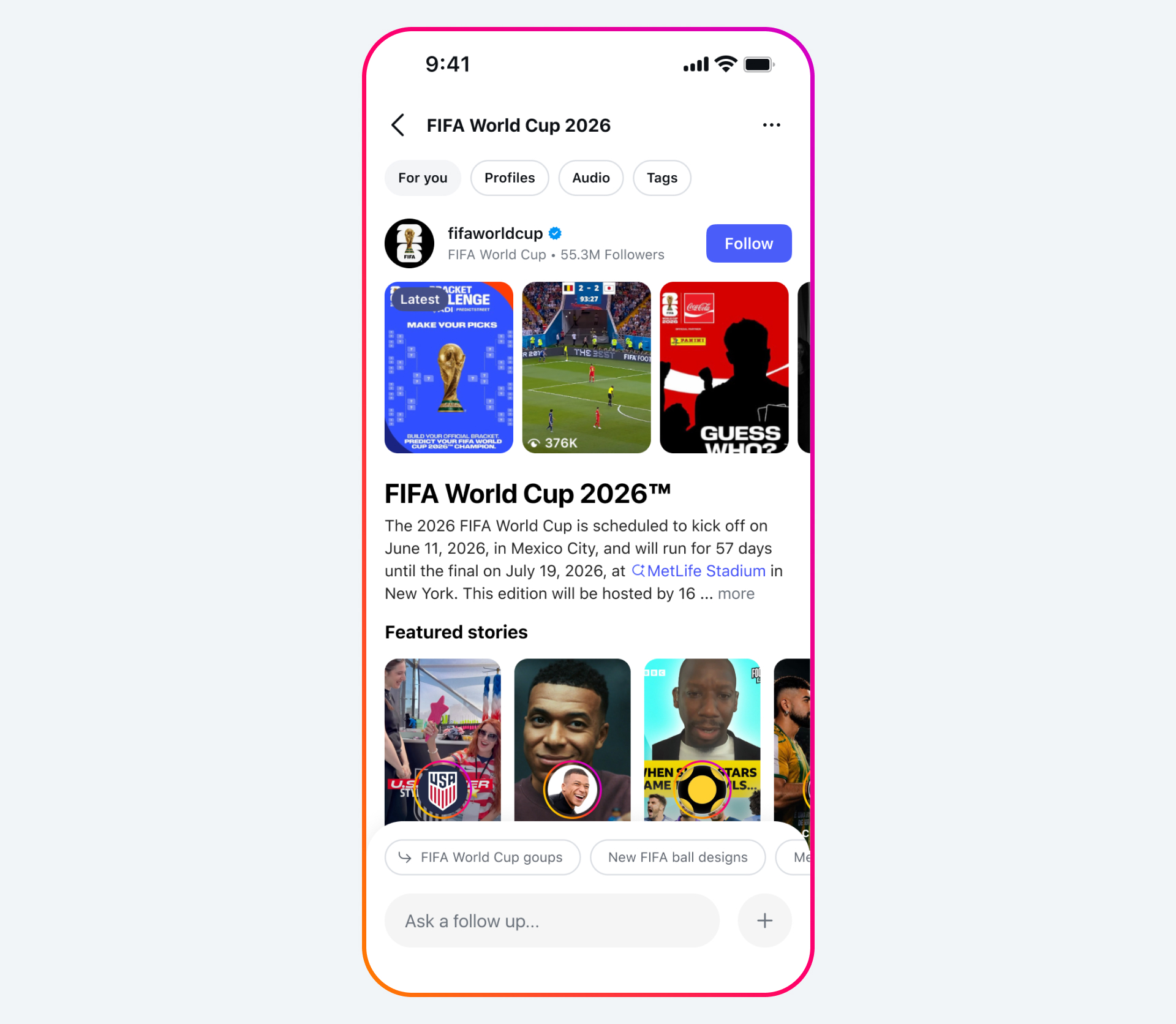
The most profound transformation of the World Cup may be occurring through technology. Today’s commercial opportunities are increasingly embedded within the viewing experience itself. Meta has introduced a suite of football-specific features across Instagram, Threads, Facebook, Messenger and WhatsApp. Dedicated football communities, live chats, AI-powered fan interactions and real-time match integrations transform the tournament into a continuous social experience that goes beyond the ninety minutes on the pitch.
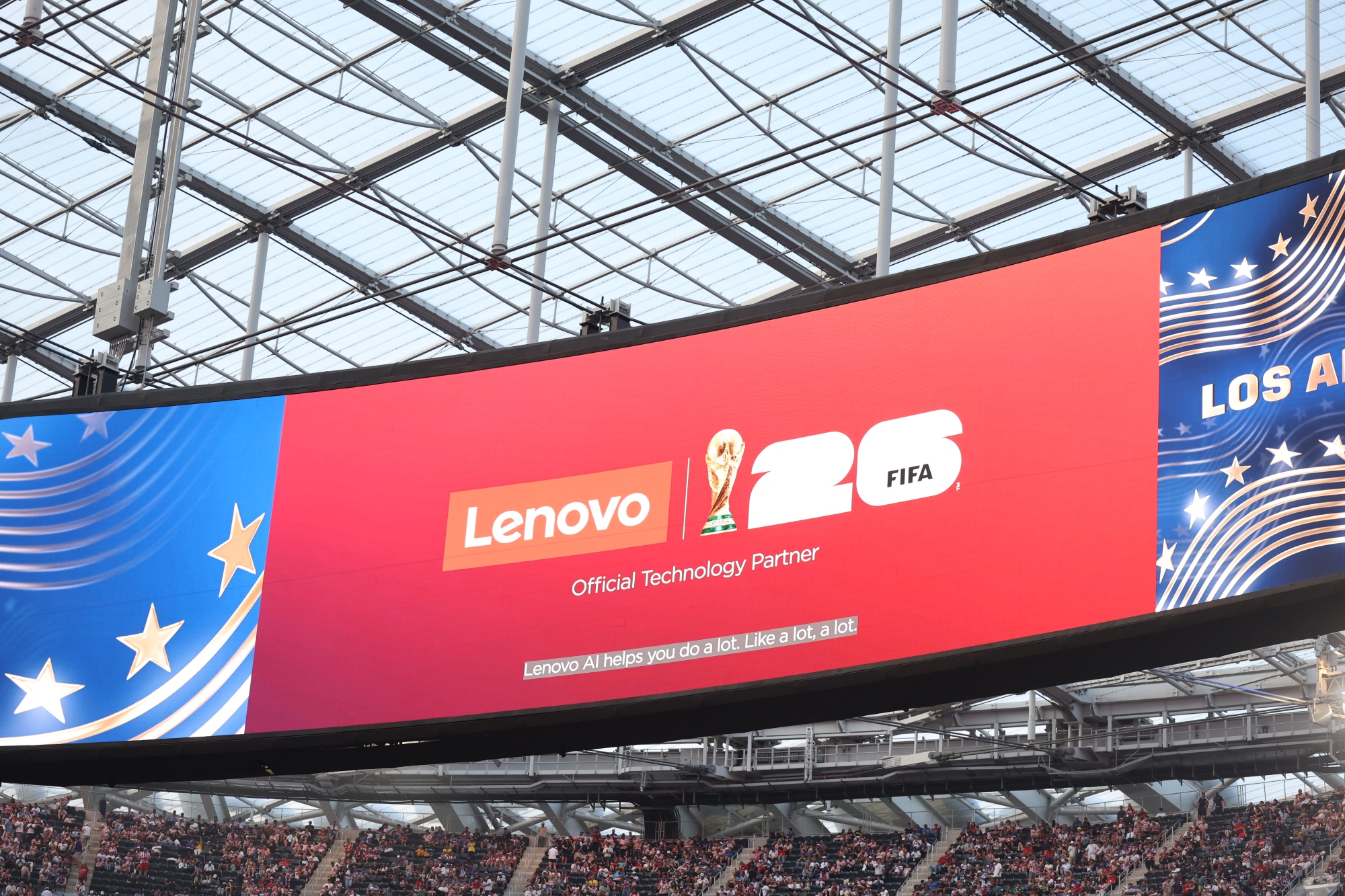
The goal is to leverage conversation and keep audiences engaged within Meta’s ecosystem for as long as possible. Similarly, Lenovo’s role at the tournament demonstrates how technology companies have become integral to the event’s infrastructure. AI-powered officiating tools, digital twins, command centres and fan navigation systems position technology as a core component of the World Cup experience. Meanwhile, Brand USA is leveraging the tournament as a tourism platform. AI-powered travel assistants across host cities help convert football fans into long-term visitors, encouraging exploration beyond the stadiums and extending the economic impact of the tournament into hospitality, retail and tourism sectors. In each case, the World Cup functions as a distribution platform through which companies deliver products, services and experiences to a global audience.
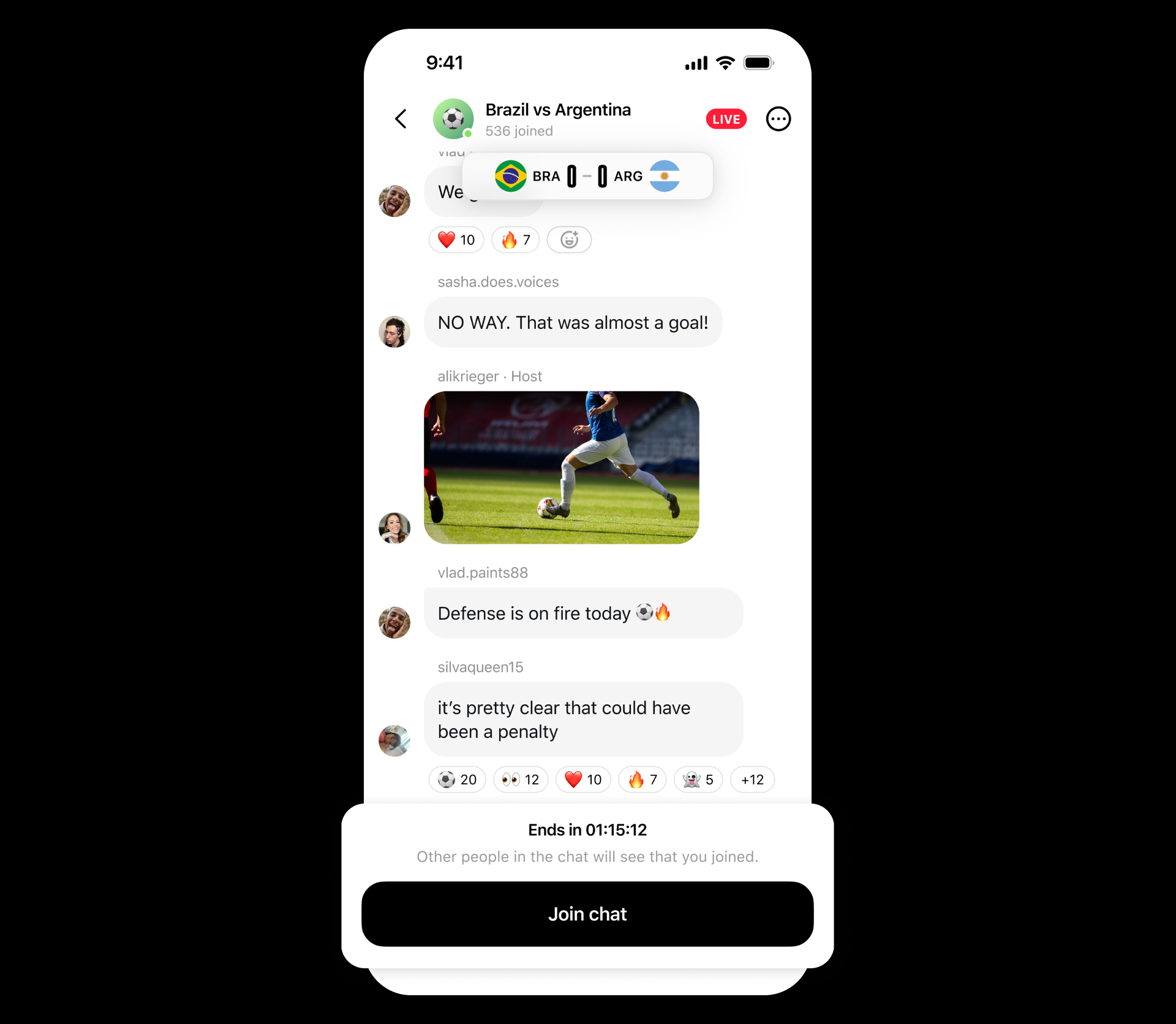
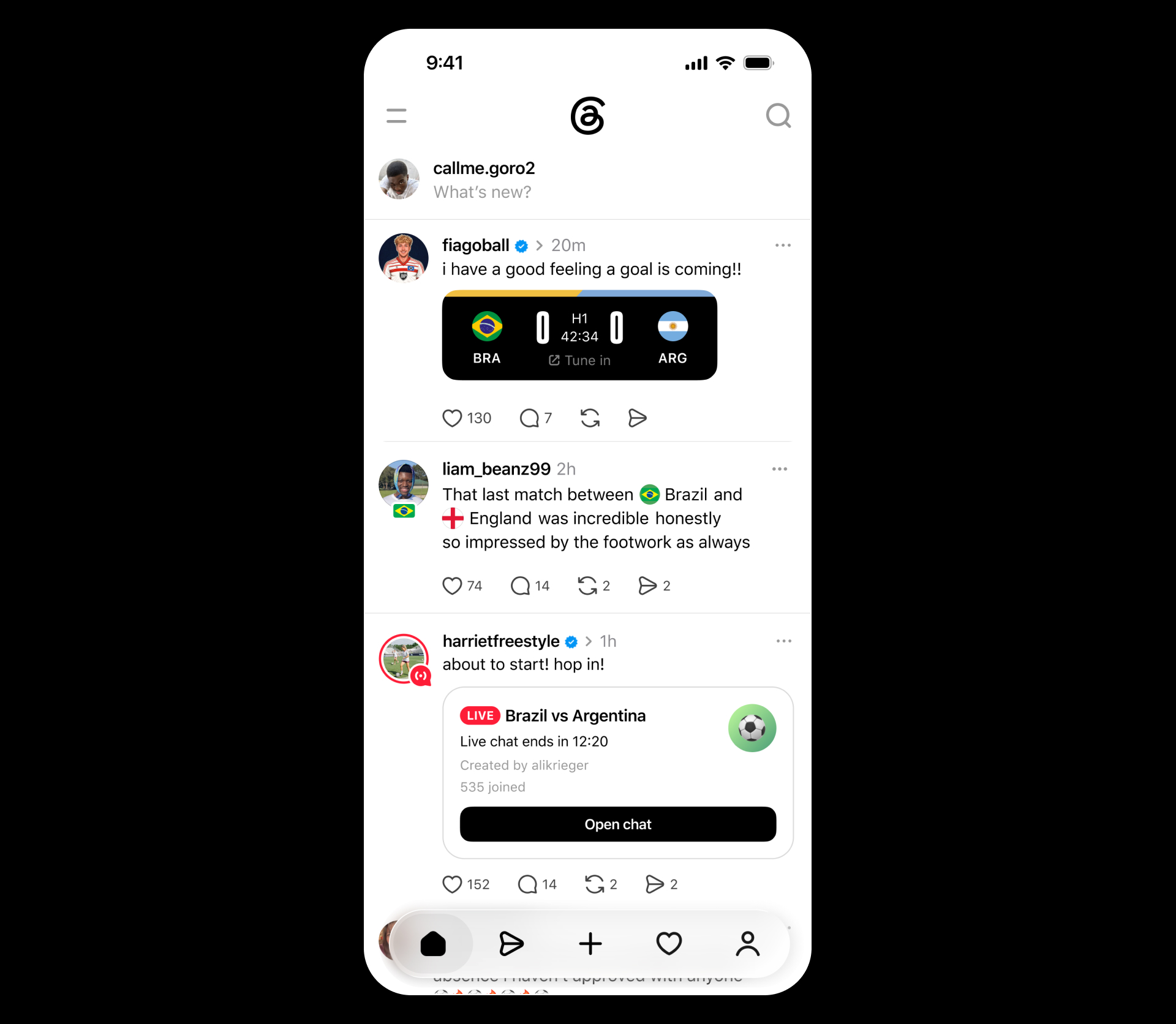
This highlights how budgets are no longer focused on purchasing media exposure. Instead, brands are investing in ecosystems that allow them to create communities, experiences and ongoing consumer relationships before, during and after the tournament itself.
Read More: Sporting Events Have Become Fashion’s Biggest Marketing Tool
The Cost of Infinite Growth
For FIFA, the commercial success of the expanded tournament appears undeniable. Record sponsorship agreements, unprecedented ticket demand and growing global engagement suggest the organisation has successfully built one of the most powerful revenue-generating machines in sports. Yet Sardesai’s observation remains relevant. Revenue maximisation and long-term value creation are not always the same thing. Part of the World Cup’s historical prestige derives from its scarcity. Every match feels consequential because opportunities are limited. Every sponsorship carries weight because access is restricted. Every appearance feels significant because participation is earned.
As the tournament grows, FIFA faces the challenge of balancing expansion with exclusivity. More teams, more sponsors and more activations create greater commercial opportunities, but they also risk diluting some of the qualities that made the tournament valuable in the first place. World Cup has already become hyper-commercialised but the more interesting question is whether the tournament can continue expanding commercially without compromising the sense of rarity and cultural significance that underpins its global appeal, because ultimately, the FIFA World Cup’s greatest asset is not football itself. It is the world’s attention.
For more on the latest in luxury business reads, click here.