The Hype and Controversy on the Summer Movie of 2026: The Odyssey
From billion-dollar box office predictions to debates over casting and representation, the film is generating as much discussion off-screen as it is anticipation on-screen.
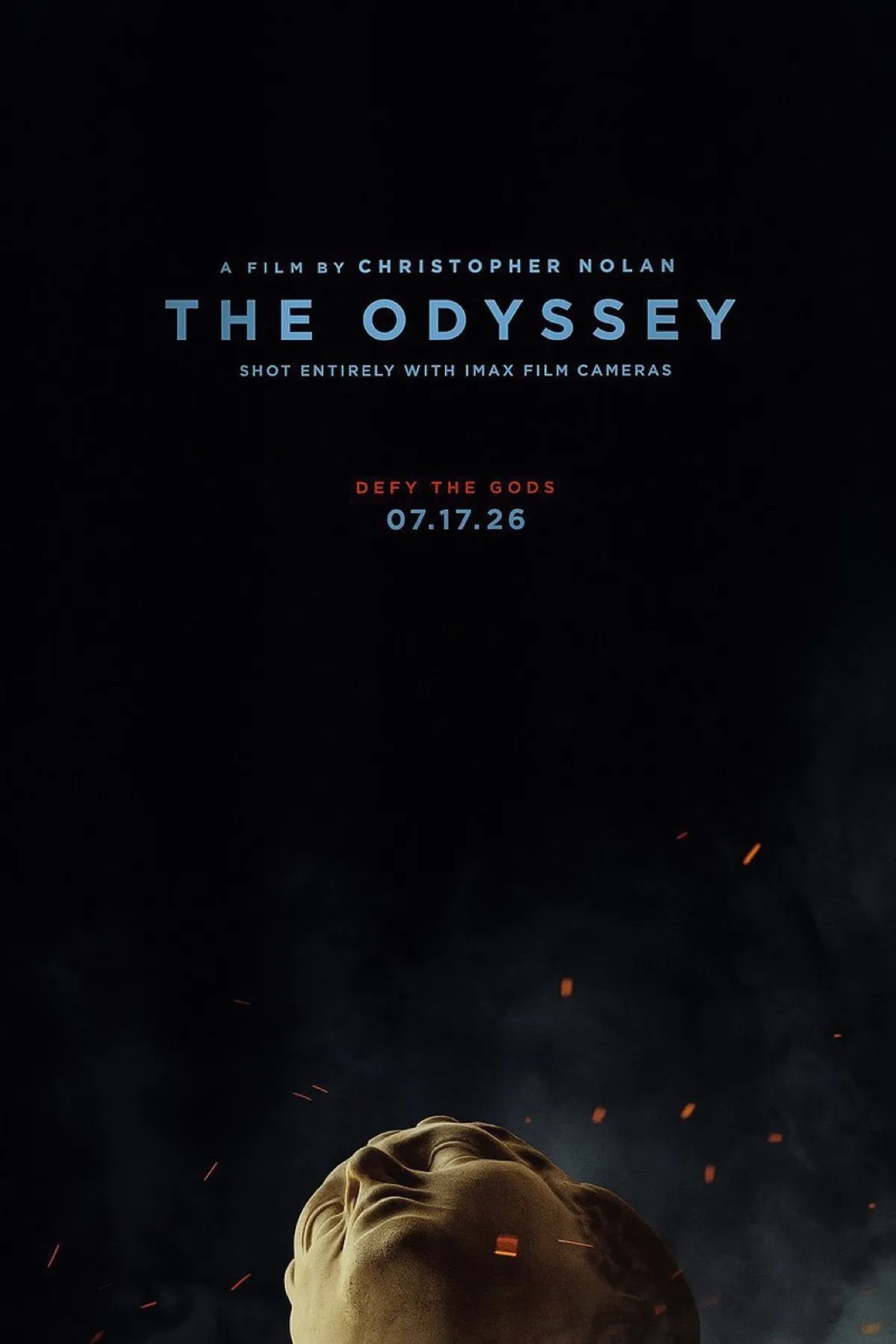
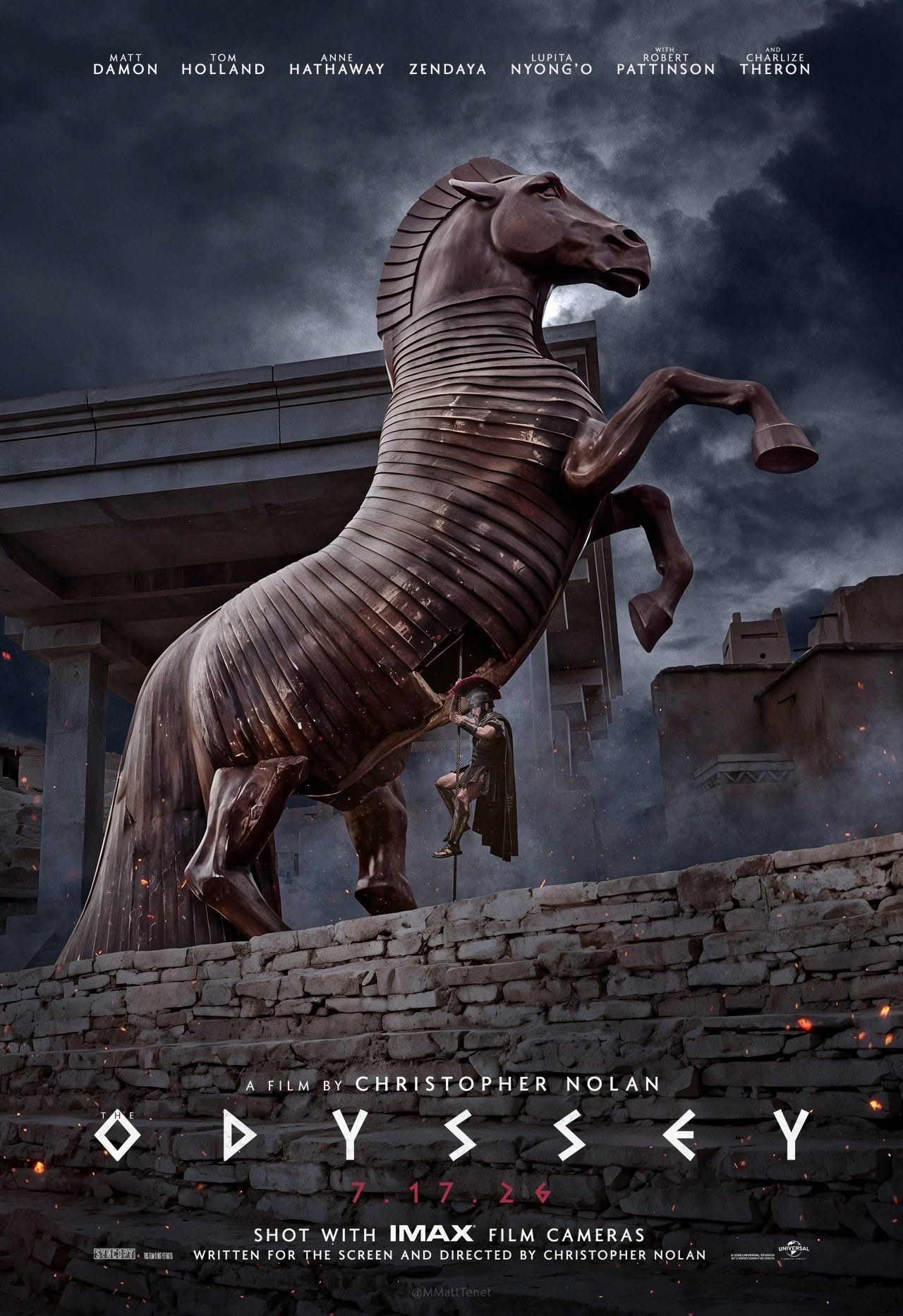
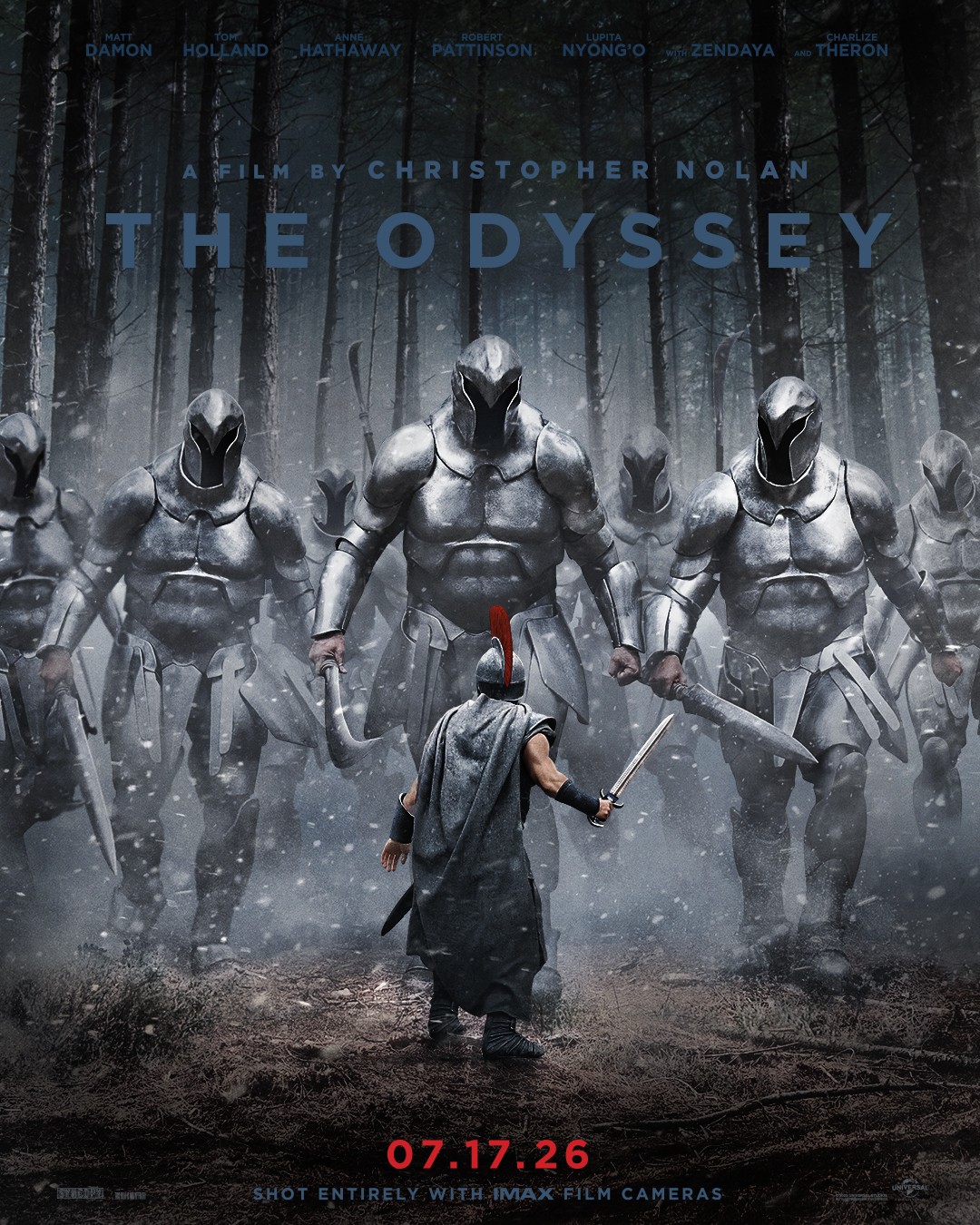
Christopher Nolan’s The Odyssey has quickly become one of the most anticipated films of 2026, with audiences counting down to its July 17 release. Based on Homer’s ancient epic poem, the film follows Odysseus, played by Matt Damon, as he embarks on a decade-long journey home to Ithaca after the Trojan War, encountering gods, monsters and mythical figures along the way. Industry analysts are forecasting blockbuster box office numbers, museums and universities are organising events inspired by the ancient text, and classicists are welcoming a renewed public interest in Homer. At the same time, the film has sparked debates around casting, representation and cultural ownership, prompting wider conversations about how ancient stories should be adapted for contemporary audiences.
The Hype
The project arrives at a time when Hollywood’s interest in adapting literary classics appears to be gaining renewed momentum. CNN has even described the phenomenon surrounding Nolan’s latest film as the “Barbenheimer for the Classics Department”, reflecting the unusual level of excitement the production has generated among both mainstream audiences and academic circles. Much of that enthusiasm stems from Nolan’s track record. Following the commercial and critical success of films such as Oppenheimer, Inception and The Dark Knight trilogy, industry analysts expect The Odyssey to be one of the year’s biggest box-office performers, with some projections suggesting it could surpass USD 1 billion globally.
Read More: Review: Did The Devil Wears Prada 2 Capture Fashion’s Cultural Zeitgeist?
The anticipation extends beyond cinema audiences. Emily Wilson, whose acclaimed 2017 English translation of The Odyssey was cited by Nolan as part of his preparation for the project, has seen renewed interest in her work as discussions around the film continue to grow. There is precedent for this kind of cultural ripple effect. Following the release of Ridley Scott’s Gladiator in 2000, interest in the ancient world surged, leading to increased publishing activity, renewed public fascination with classical history and growing enrolment in Classics programmes. The success of Gladiator also helped pave the way for films such as Troy, Alexander and 300, as well as television productions including HBO’s Rome.
Read More: The Star-studded Cast of Gladiator II Battles in Action-packed Trailer
Many educators and scholars are hoping Nolan’s adaptation will produce a similar effect. Museums, universities and cultural organisations have already begun programming events tied to Homer’s epic. In Los Angeles, the Getty Museum hosted a day of talks, performances and discussions inspired by The Odyssey, while booksellers in Australia have organised lecture series examining the text ahead of the film’s release. Across the UK, Classics associations and reading groups have also centred their activities around Homer, viewing the film as an opportunity to introduce new audiences to one of literature’s most enduring works.
The Controversy
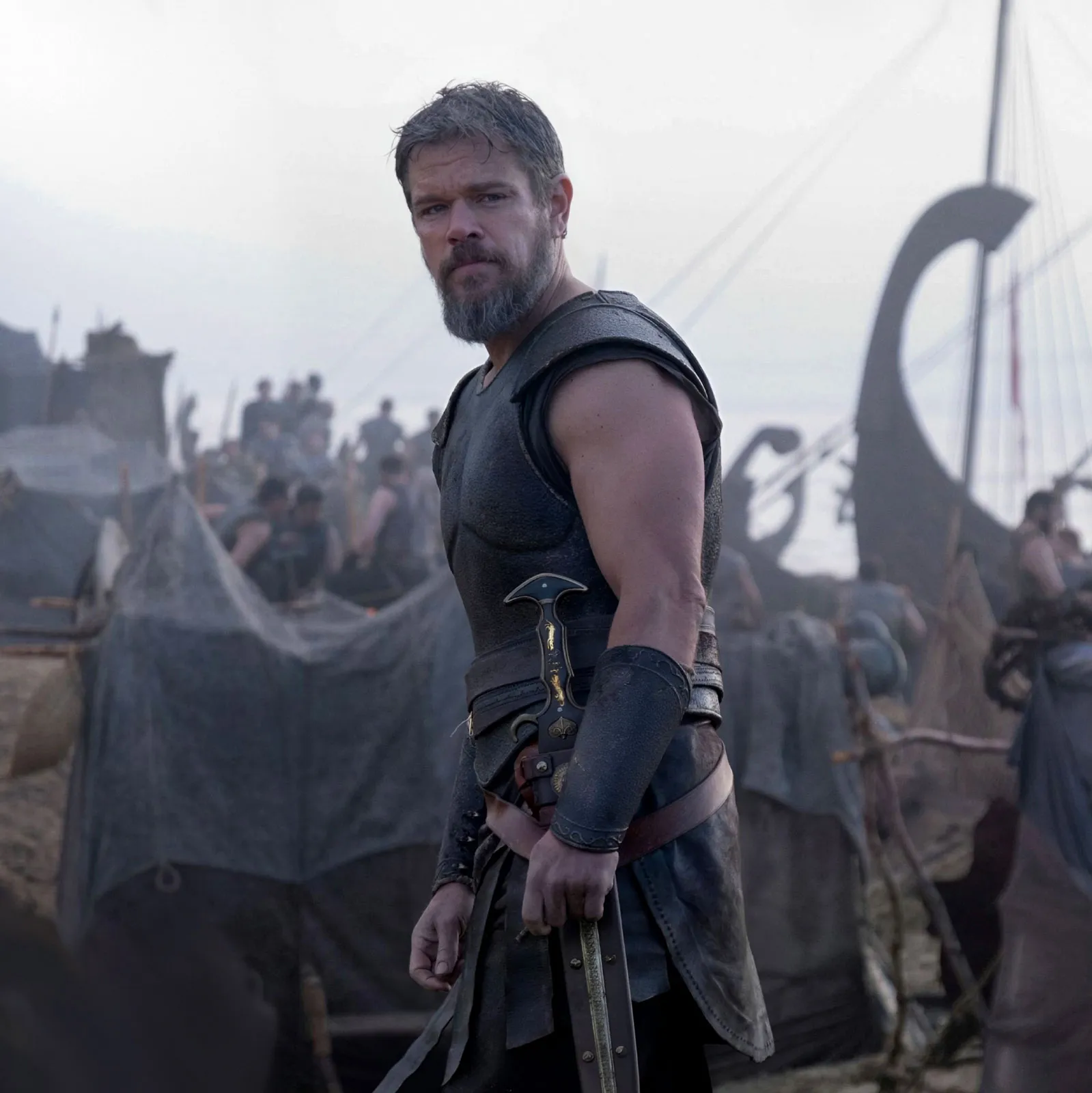
Despite the excitement surrounding the film, The Odyssey has also become the subject of considerable debate long before its release. One of the most prominent discussions has centred on representation. While Nolan assembled an international cast intended to reflect a global audience, some critics have questioned the absence of Greek actors in a film rooted in one of Greece’s most important cultural texts.
The issue has resonated particularly strongly among Greek commentators, many of whom argue that Hollywood has long treated Greek mythology as part of a broader Western cultural inheritance while paying relatively little attention to contemporary Greek representation. For some, the conversation extends beyond casting and raises broader questions about cultural ownership, heritage and who gets to tell certain stories. The debate arrives at a time when Hollywood is increasingly scrutinised for how it adapts stories from different cultures. Critics have pointed out that discussions about authenticity often focus on race or ethnicity while overlooking the absence of performers from the culture that originally produced the source material.
Read More: Opinion: Death of the Cultural Blockbuster
Casting choices have generated further discussion online. Lupita Nyong’o’s role as Helen of Troy drew criticism from some conservative commentators who questioned the historical accuracy of the decision. Others defended the casting, arguing that the debate overlooked the symbolic and literary dimensions of Homer’s work. Classicist and translator Daniel Mendelsohn noted that Helen’s role in The Odyssey is relatively small and suggested that conversations surrounding beauty and perception have always been central to interpretations of the Trojan myth.
Questions have also been raised about the film’s use of accents. Following the release of early trailers, some viewers expressed surprise that many of the characters speak with contemporary American accents rather than the more formal British delivery commonly associated with historical epics.
However, scholars have pointed out that such criticisms overlook the fact that neither modern British nor American speech bears any resemblance to the language of ancient Greece. They argue that expectations surrounding historical dramas are often shaped more by cinematic convention than historical reality. Some have even suggested that a more conversational style may better reflect the oral storytelling traditions from which Homer’s poems emerged. The controversy surrounding The Odyssey is not unusual for Nolan, whose films frequently invite public debate. His previous feature, Oppenheimer, generated extensive discussion about war, morality and the ethical implications of scientific advancement. With The Odyssey, the conversation has shifted towards questions of representation, authenticity and cultural ownership.
Read More: Napoleon and Navigating the War Film in 2023
Whether these debates ultimately affect the film’s reception remains to be seen. What is clear, however, is that Nolan’s adaptation has already achieved something few films manage (particularly in 2026) before reaching cinemas, in that it has reignited public discussion not only about a blockbuster release, but about the enduring relevance of one of the oldest stories ever told.
Read More: Barbie, Camp and Luxury: How A Culture of Subversion Is at the Forefront of Luxury Fashion
For more on the latest in cinema and culture reads, click here.