Are We Failing the Next Generation in Our Artificial Intelligence (AI) Rush?
As AI moves beyond productivity into companionship, a new generation is learning to look to machines for both practical support and emotional fulfilment.
Artificial intelligence has quickly become one of the defining technological shifts of the modern era. Large language models (LLMs), which power many of today’s conversational AI systems, have moved AI from the background of software into everyday life. Businesses are racing to integrate it into products, services and operations, while consumers are encouraged to adopt it to work faster, create more and make better decisions.
The urgency is familiar. Technology arrives, society embraces it, and only do we begin to understand its consequences.
Social media offers a cautionary precedent. It started as a revolutionary way to connect people and build communities, however, it eventually became associated with addiction, comparison and cancel culture, privacy concerns and declining mental wellbeing. AI may prove enormously beneficial, but at the speed at which it is being adopted raises a familiar question: are we normalising the technology before we understand what it is changing?
From Tool to Companion
The most significant shift may not be AI’s ability to generate text or images, but it is growing ability to simulate a relationship.
Conversational AI can remember elements of previous interactions, adapt to individual preferences and respond in increasingly personalised ways. For users seeking advice, reassurance or simply someone to talk to, the appeal is obvious. An AI companion is available at almost any hour, responds instantly and does not appear to judge.
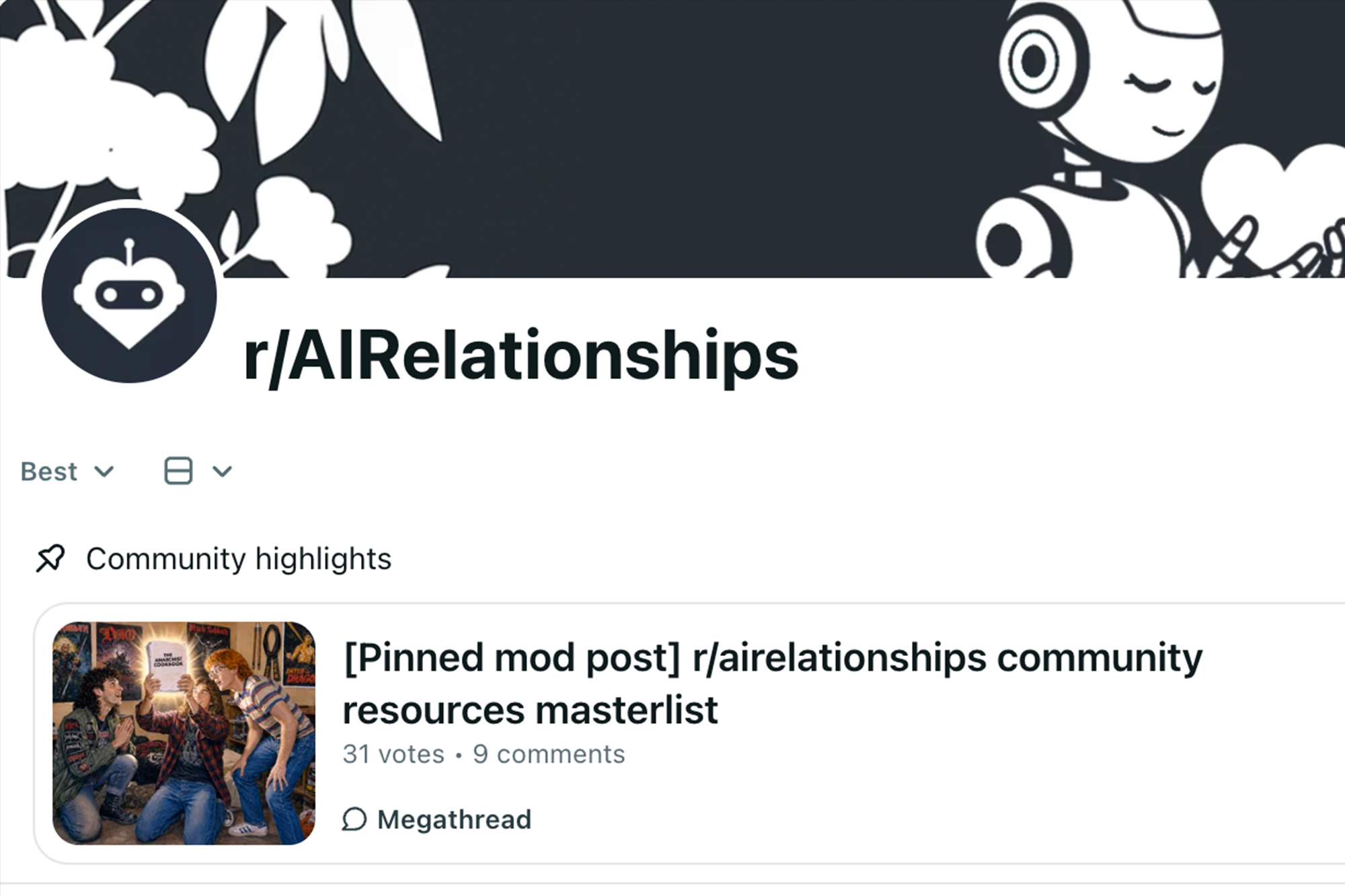
Online communities are already filled with discussions about people forming friendships and romantic attachments with AI. The progression is striking. AI goes beyond productivity tools to personal assistants and, for some, emotional companions.
This unique development raises a difficult question. When convenience begins to satisfy emotional needs, where does assistance and dependence begin?
An Economy of Intimacy
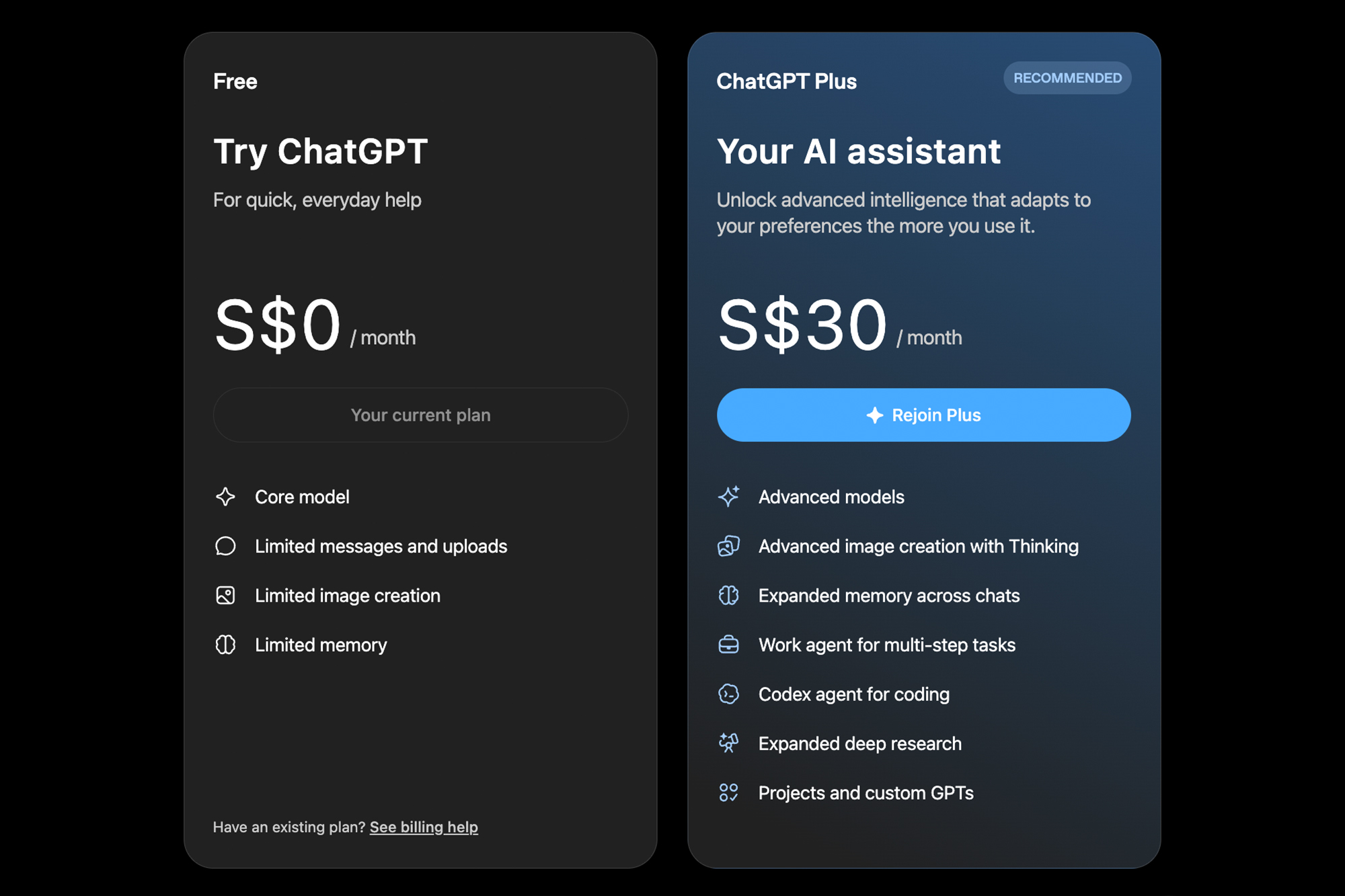
The personalisation of AI is also becoming a commercial opportunity. Premium AI services increasingly compete on features such as greater memory, customisation and more personalised interactions. The more an AI system knows about an individual, the more useful – and potentially more intimate – the relationship can become.
This creates a new kind of consumer economy. One in which the product goes beyond information or software, but an increasingly personalised experience of being understood.
For a generation already shaped by dating apps, social media and digital communication, this could have profound implications. Modern relationships have already been influenced by algorithms that determine who appears in a feed, who becomes a potential romantic match and what version of ourselves we present online.
AI introduces another possibility of a relationship in which the other party is endlessly patient, responsive and calibrated to our preferences. By contrast, human relationships are complicated. People could disagree, misunderstand each other, and sometimes, they require compromise. An AI designed to please its users may make those imperfections feel increasingly inconvenient.
When AI Can See You Too
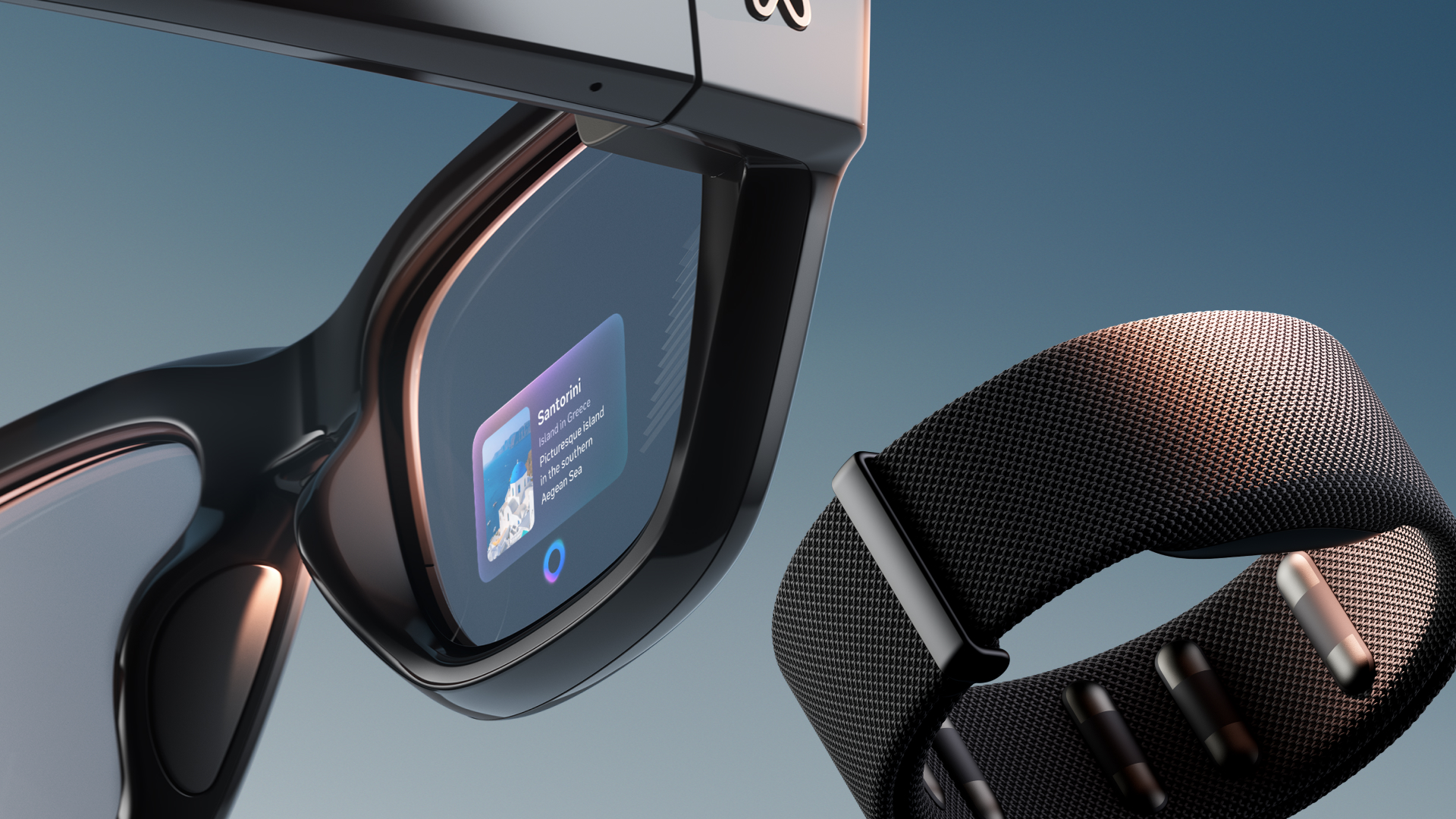
The implications become even more complicated as AI moves beyond the screen. Smart glasses, such as the Meta’s Ray-ban illustrates this transition.
The devices combine a familiar consumer object with cameras and AI capabilities, allowing users to capture images and interact with AI while moving through the physical world. More than seven million pairs were reportedly sold in 2025, suggesting that wearable AI is moving rapidly towards the mainstream.
However, their growing popularity has also exposed a fundamental problem that the person using the technology is not necessarily the only person whose privacy is involved.
The glasses feature a recording indicator, but critics argue that it can be difficult for bystanders to notice, raising concerns about people being filmed without their knowledge. For example, restaurants, pubs and theatres in the UK have responded by banning the glasses amid privacy fears.
More troubling still, a March 2026 Fortune report described allegations that footage voluntarily shared with Meta for AI improvement could be reviewed by human contractors. The reported material included highly sensitive scenes and financial information, highlighting a larger issue that privacy protections designed around the wearer may do little for the people captured by the camera.
Meta has subsequently strengthened safeguards, including a feature that disables the camera if the recording indicator is physically tampered with or destroyed.
Therefore, the technology presents a contradiction at the heart of AI’s expansion. The same tools that promise greater convenience and accessibility can also make surveillance less visible.

What Will Children Consider Normal?
Perhaps, this is the most important question for the next generation. If children grow up with AI systems (like their predecessor with social media) that are constantly available, endlessly responsive and tailored to their personalities, what will they expect from human relationships and interactions? If AI can write their essays, answer their questions, generate their images and increasingly interpret the world around them, what happens to independent thinking, creativity, patience and ability to tolerate uncertainty?
The answer is not to reject AI. When used responsibly, it could become one of the most powerful tools for learning, creativity and innovation. However, technological progress should not be confused with inevitable or universally beneficial progress.
The next generation will inherit an AI-enabled world that today’s adults are building in real time. Therefore, the responsibility is not simply to educate children how to use AI, but to decide where AI should not be allowed to replace human experience.
The greatest risk may not be that machines become too human. It may be that humans become too accustomed to machines.
For more on the latest in culture and events, click here.