The West Has Discovered Asian Beauty and Now Wants to Define It
From J-beauty minimalism to K-beauty glass skin and China’s maximalist cosmetics, Asia is reshaping desirability—but is the West just repackaging it?
The rise of Asian beauty represents a reversal in the traditional flow of global beauty influence, but its commercial success also exposes an enduring imbalance: Asian aesthetics, rituals and philosophies can achieve global recognition while their cultural origins are selectively erased, translated and monetised by Western institutions.
For decades, beauty had a direction. Paris defined sophistication. Milan defined glamour. New York defined modernity. London offered eccentricity. The rest of the world watched, borrowed and bought. Then Asia exited the chat.
The shift did not begin with TikTok, nor even with the now-ubiquitous Korean skincare routine. Japan had been quietly influencing Western beauty for decades through a philosophy built around restraint, precision and consistency. J-beauty rarely demanded attention. It proposed something more understated, including carefully formulated products, meticulous rituals and the belief that good skin was less about transformation than maintenance.
Then came Seoul, and the volume changed.
K-beauty transformed skincare into a cultural phenomenon. Glass skin, essences, sheet masks, cushion foundations and elaborate routines moved from Seoul’s beauty counters to American bathrooms. It went from something unfamiliar to an aspirational global movement.
The commercial evidence is difficult to dismiss. South Korean cosmetics exports reached a record of US$11.43 billion in 2025, while United States became one of Korea’s largest cosmetics export markets for the first time. NielsenIQ estimates that K-beauty generated about US$2 billion in U.S. sales in the same year, up 37%.
From Products to Beauty Ideals

However, the more consequential development is not that Western consumers are buying Asian products. It is that they are increasingly speaking an Asian beauty language.
“Glass skin”, salmon sperm PDRN, dewy complexions, skin-first makeup, blurred lips and intensive skincare rituals have entered the mainstream Western vocabulary. Even J-beauty’s principles of minimalism, functionality and long-term skin maintenance increasingly resonate with consumers moving away from heavy coverage and complicated cosmetic transformation.
This might look like cultural exchange. In many respects, it is. But cultural exchange is rarely as equal as it sounds.
When Influence Becomes Extraction
Consider what happens when an Asian beauty concept becomes successful in the West. It is often stripped of its original cultural context, given an English-language descriptor, transformed into a trend and distributed through predominantly Western retail and media systems. The aesthetics remains and the history becomes optional.
That is where appropriation becomes an uncomfortable and necessary part of the conversation. There is nothing inherently problematic about consumers in one culture enjoying products or techniques from another. Beauty has always travelled. The problem emerges when influence becomes extraction; when the cultural origin becomes invisible while the commercial value remains highly visible.
J-Beauty Was Quietly Ahead
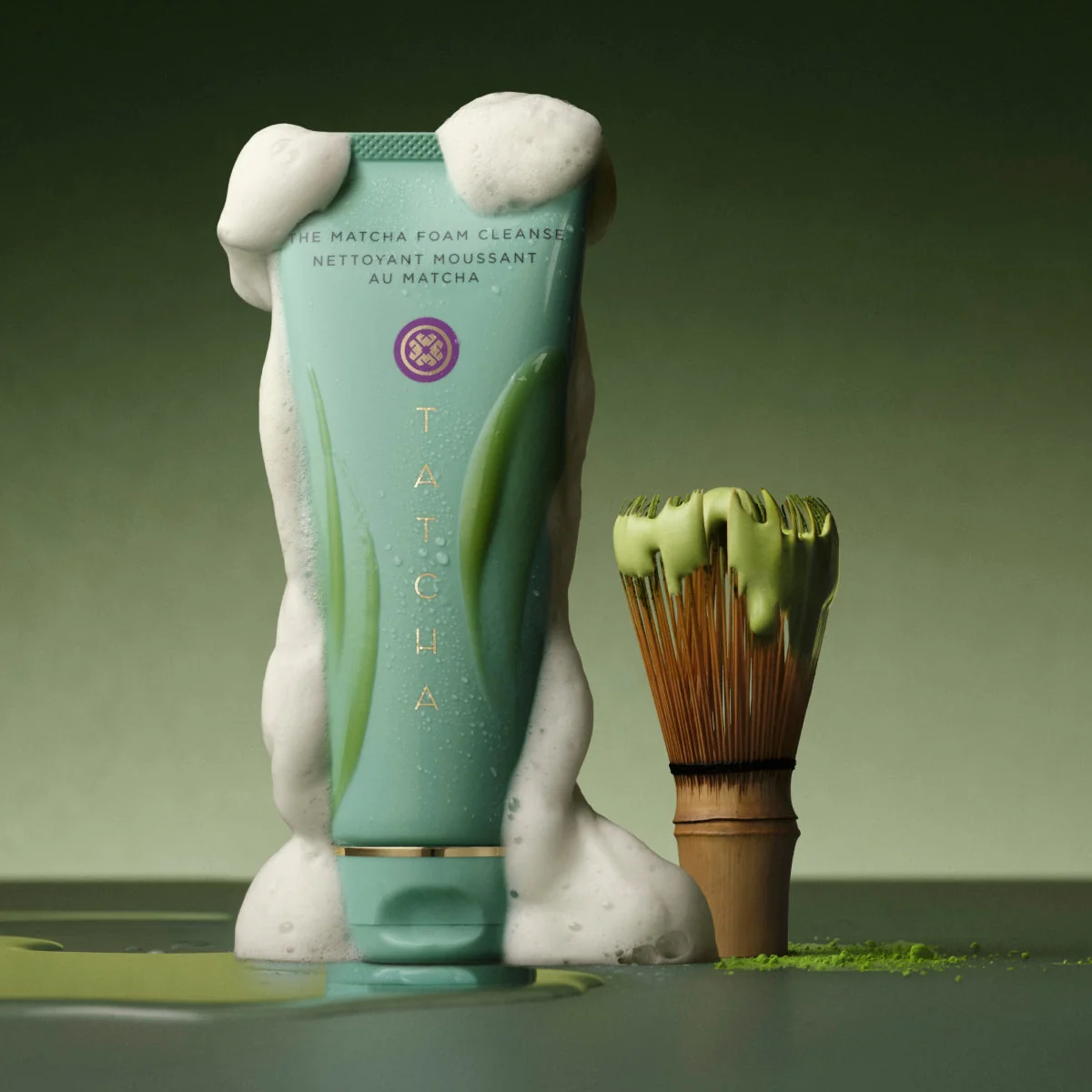
Japan offers an instructive example. The principles associated with J-beauty – simplicity, consistency, meticulous formulation and an emphasis on maintaining rather than dramatically altering the skin – are hardly new. Yet when similar ideas are discovered by Western beauty culture, they can suddenly acquire the language of innovation.
J-beauty’s influence is particularly revealing because it has never depended entirely on virality. Its appeal has traditionally rested on quality, ritual and restraint. In an industry increasingly obsessed with speed, novelty and algorithmic visibility, that quiet philosophy offers a different model of luxury.
It also challenges the assumption that Asian beauty is synonymous with elaborate routines or highly visible trends.
K-Beauty Changed the Conversation
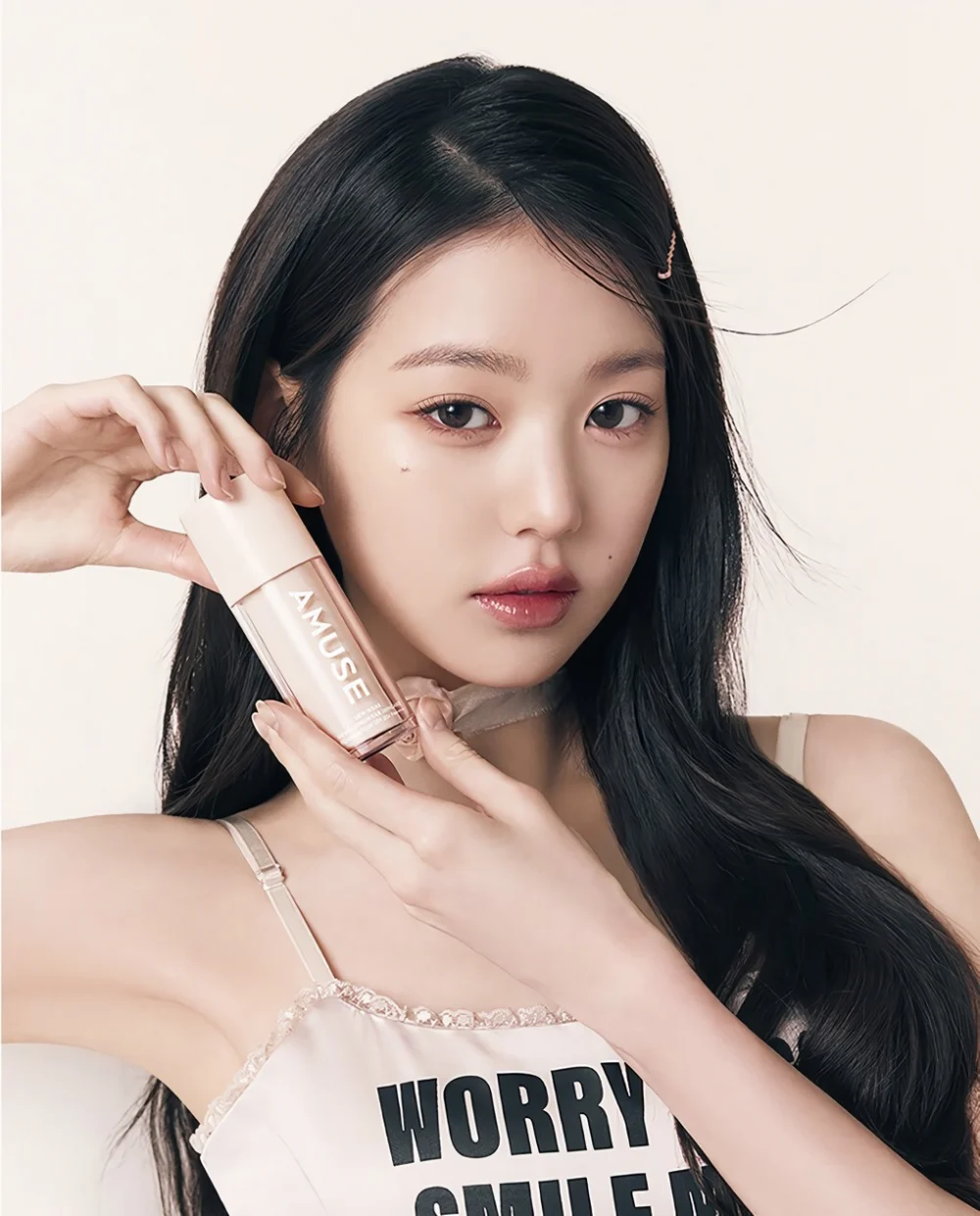
K-beauty, by contrast, made Asian beauty impossible to ignore. Its success went beyond products. It created an entire ecosystem of innovation, celebrity culture, social media and highly distinctive beauty concepts. However, it faces a different paradox: its influence has become so widespread that some of its most recognisable ideas can now appear cultural anonymous.
“Glass skin” may be globally understood, but the Korean context that helped popularise the aesthetic can disappear behind the terminology. That is perhaps the ultimate measure of cultural influence and its complication. When an idea becomes mainstream enough, its origin can become invisible.
Now C-Beauty and T-Beauty Wants a Seat at the Table
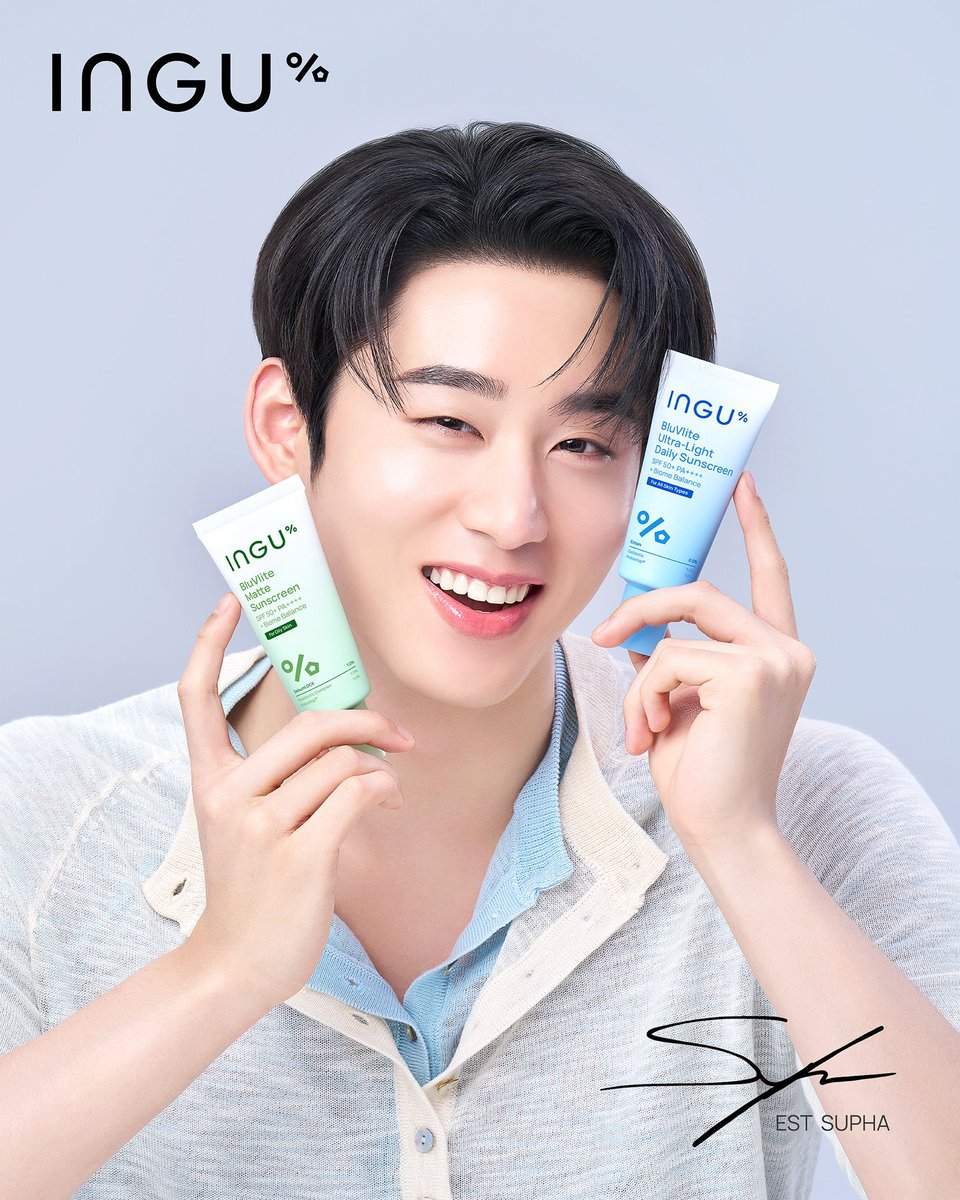
China may offer the next test of whether the West is prepared to engage with Asian beauty on its own terms.
C-beauty brands such as Florasis and Flower Knows have attracted international attention with highly visual packaging, colour cosmetics and references to Chinese artistic heritage. Unlike the minimalist vocabulary often associated with J-beauty or the clinical innovation associated with K-beauty, C-beauty can overtly ornamental, theatrical and culturally specific.
Its challenge is not simply Western shelves. It is to do so without having its identity translated into something more comfortable familiar to Western consumers.
Today, Thailand presents another possibility. Its beauty culture sits at the intersection of skincare, wellness, fragrance, body and aesthetic treatments. T-beauty remains far less established in Western markets, but its potential points towards broader understanding of what Asian beauty can mean.
Its emergence also reinforces a crucial point: there is no single Asian beauty story waiting to be exported.
Asia Is Not One Beauty Standard
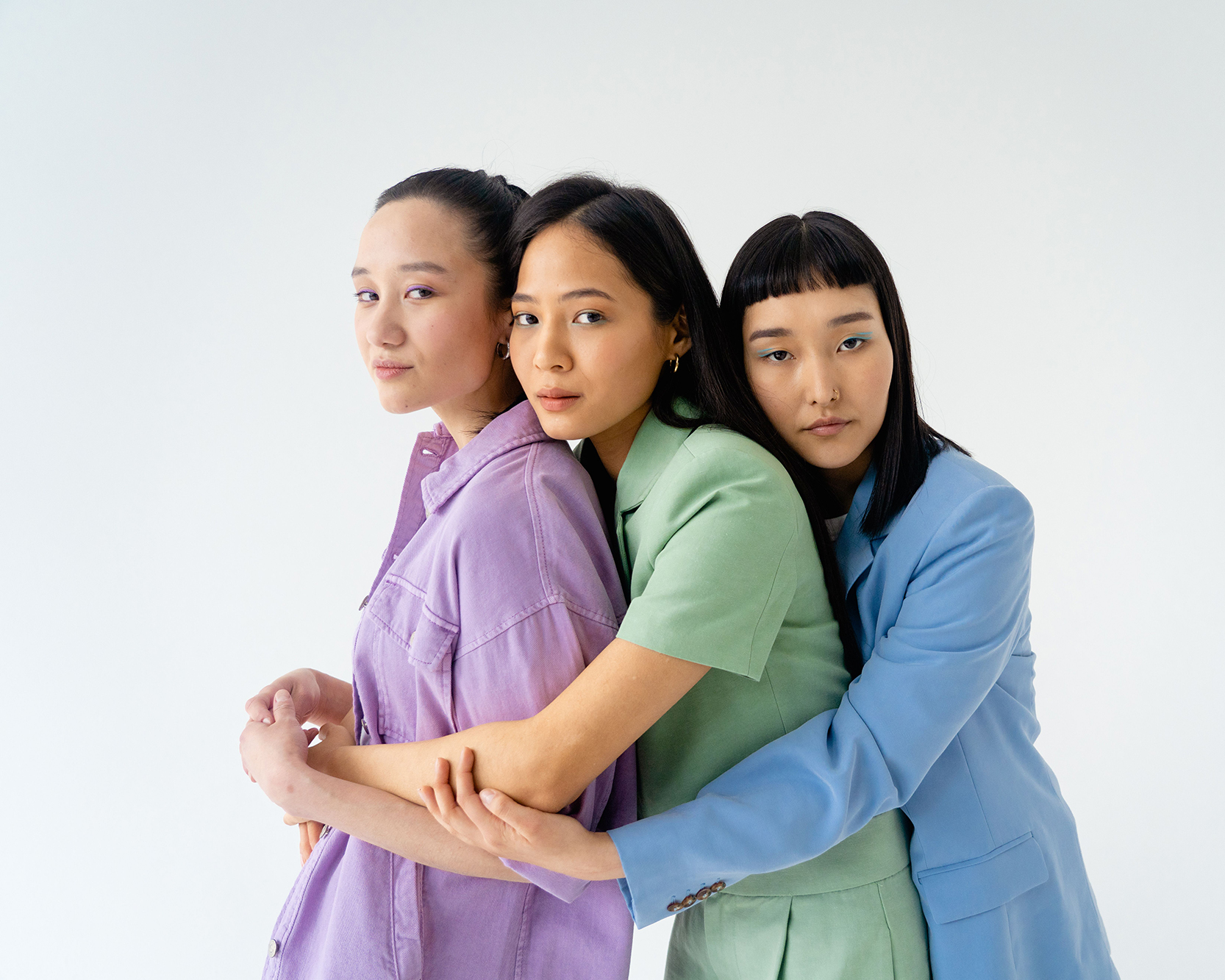
This diversity matters. There is no singular “Asian beauty standard”. Japanese, Korean, Chinese and Thai beauty cultures, just to name a few, contain different histories, aesthetics and ideas about femininity, skin and self-presentation.
Treating them as one interchangeable category risks turning cultural diversity into yet another Western marketing device. The luxury industry should be particularly attentive to this distinction.
Luxury has always traded in cultural capital. It takes craftmanship, heritage and symbolism and turns them into objects of desire. Asian beauty presents an extra ordinary opportunity – but also a test of whether global luxury is prepared recognise cultural authority beyond the familiar European capitals.
Who Gets to Define Beauty?
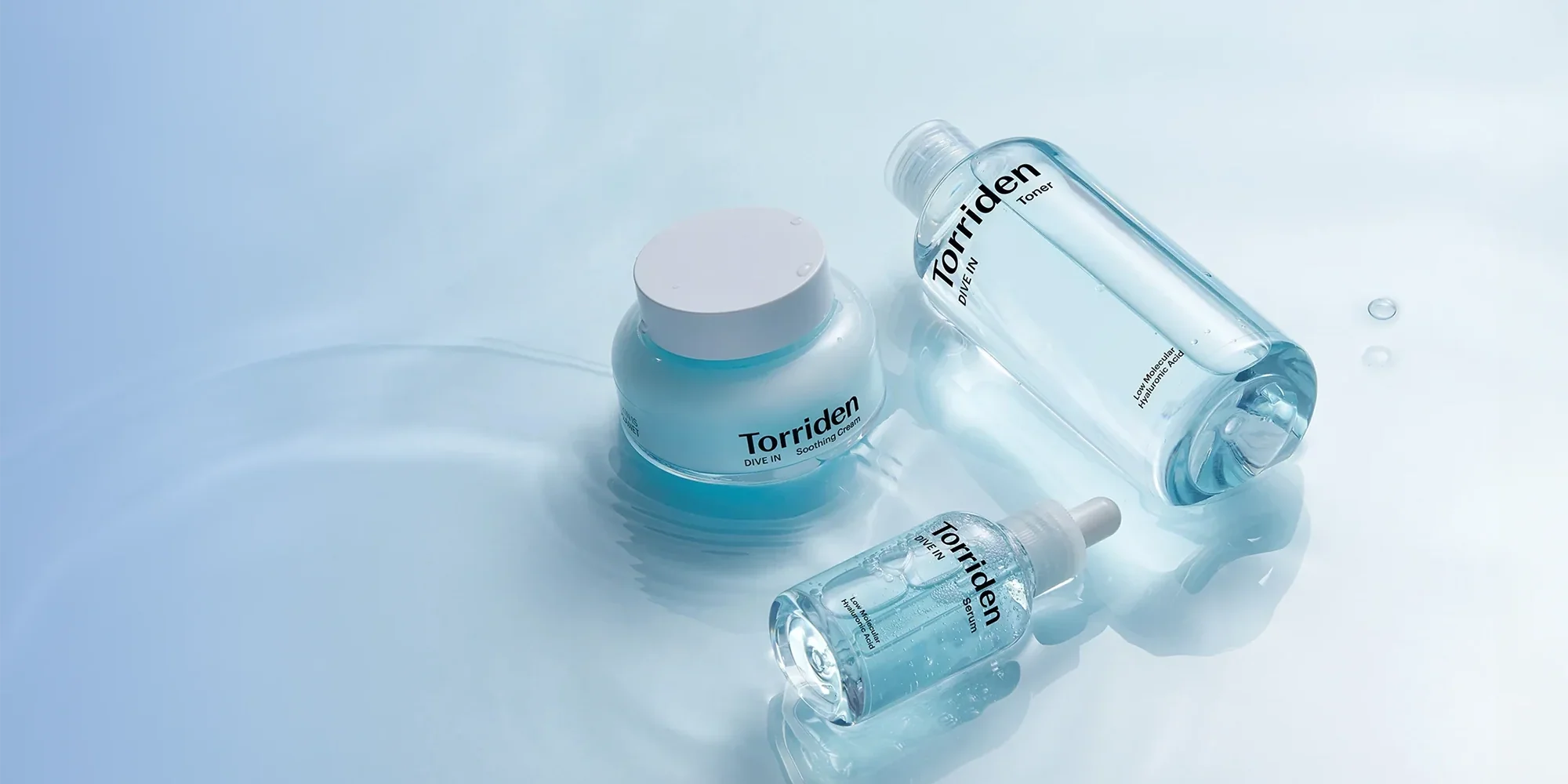
Because the real story is not that Western consumers have finally discovered Asia. It is that Asia has been influencing beauty all along. The difference is that Western consumers—and the industries that serve them—are finally paying attention.
The question is now whether that attention will lead to genuine cultural exchange, or simply another cycle in which Asian ideas are extracted, translated and sold back to the world.
The West no longer needs to be persuaded that Asian beauty is desirable. The next step is considerably harder: allowing Asia to define what that beauty means.
For more on the latest in wellness and beauty reads, click here.