The Connoisseur’s Guide to the Art of Pairing
Eight pairings, from caviar and Champagne to whisky and cigars, show how knowing flavour, temperature and timing completes the experience.
Connoisseurship is where wealth becomes wisdom. Access to exceptional ingredients, bottles and objects has rarely been broader, but acquiring them is only the beginning. Knowing how, when and with what to enjoy them sharpens judgement, deepens pleasure and reveals qualities price alone cannot explain.
Luxury dining has also become increasingly global, allowing traditions once associated with specific regions to meet at the same table. A Piedmont truffle may be followed by Japanese sake; a Highland whisky may accompany a cigar rolled thousands of kilometres away. The modern connoisseur therefore needs fewer rigid rules, not more. The value of ritual lies in understanding why it works.
Pairing Rewards Knowledge
Most successful pairings rely on a small number of principles. Contrast lets acidity cut through richness; complement allows related flavours to deepen one another; texture can make effervescence particularly effective against fat. Intensity keeps neither element from overwhelming the other, while terroir can connect products through place. Progression matters because flavour changes over the course of a meal, glass or cigar.
Knowing these principles matters more than memorising pairings. They allow the connoisseur to understand why a classic works — and recognise when another combination may work better.
The Classics Reveal Their Depth
Where Patience Meets Precision – Caviar and Vintage Champagne
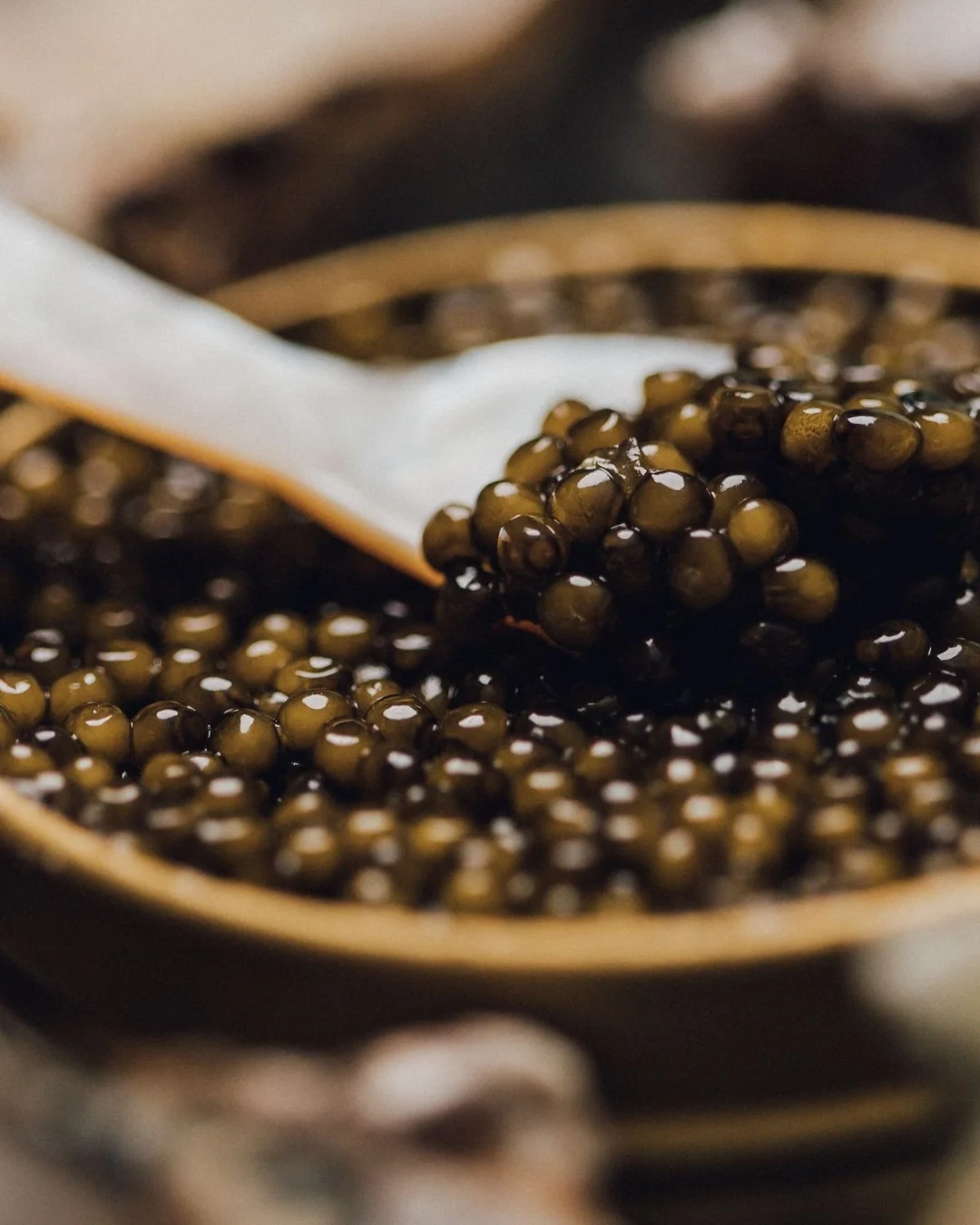
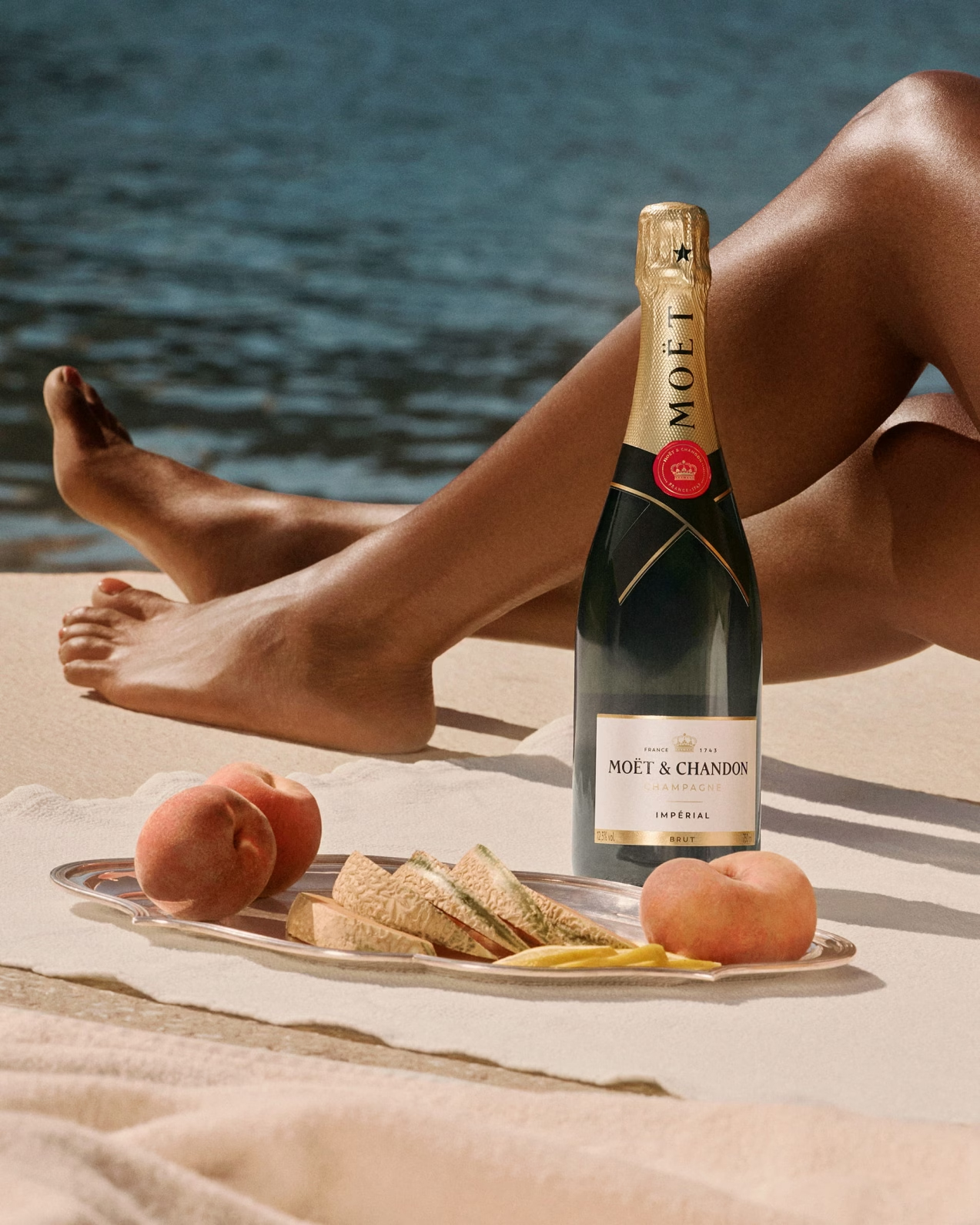
Baleaev Caviar’s oscietra caviar & Moet and Chandon’s imperial brut. Images courtesy of Baleaev Caviar & Moet and Chandon.
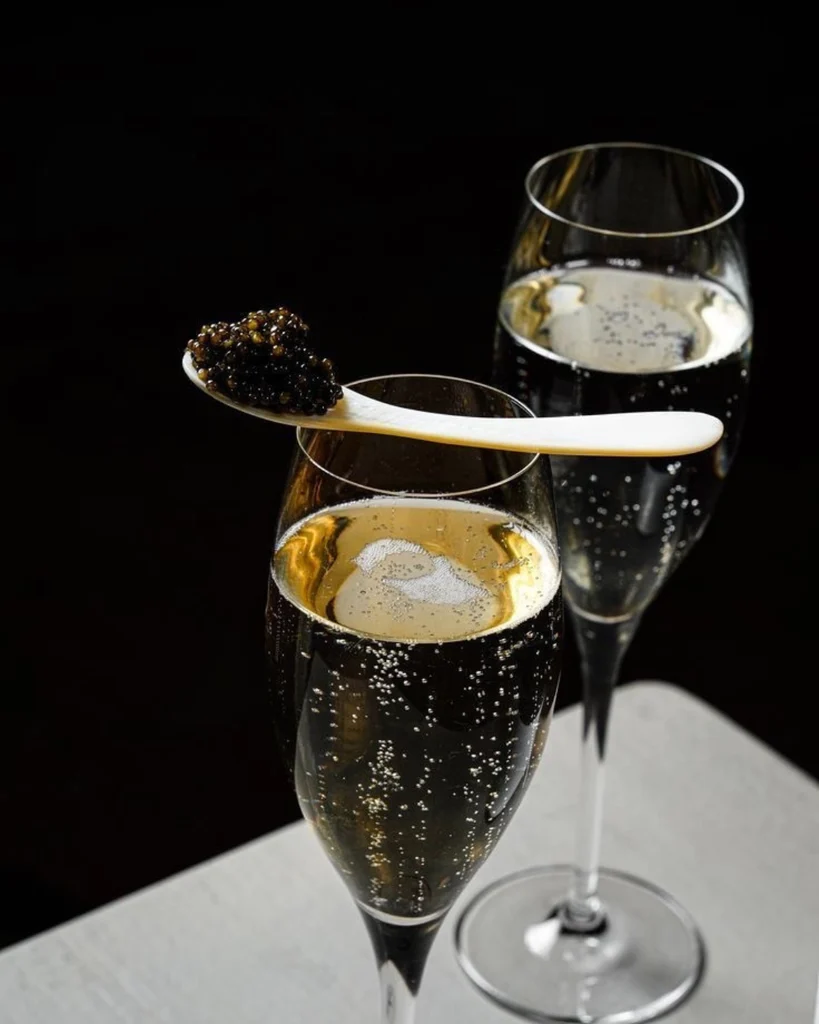
A mother-of-pearl spoon, a well-chilled tin and a glass of vintage Champagne set the stage for one of gastronomy’s most enduring pairings. Champagne’s acidity and fine bubbles cut through the oily richness of the roe and refresh the palate after every spoonful, while an appropriate dosage keeps sweetness in check.
Extended bottle ageing can introduce toasted and nutty notes that echo the hazelnut character of fine caviar. Both products reward patience — from the sturgeon’s slow maturity to Champagne’s long rest in the cellar — and the right combination can reveal nuances that either component might obscure on its own.
The connoisseurial lesson lies in the details. Different caviars vary in salinity, texture and finish, while different cuvées bring changes in acidity, dosage and maturity. There is no single correct pairing, only a more informed one.
A Pairing That Evolves With Time – Rare Whisky and Premium Cigar

A rare whisky brings sweetness, spice and weight that can balance a cigar’s smoke and gentle bitterness. Sherry-cask malts, for example, add dried-fruit richness that can sit beautifully beside cedar, leather and spice in fine tobacco.
Unlike a static food pairing, however, a cigar changes as it burns. Its heat, strength and concentration develop over time, meaning the whisky that works beautifully in the opening third may feel too light later on. A gentler dram can suit the beginning, while the final stages may welcome something richer and more powerful.
This is where progression becomes part of the ritual. The pairing is not fixed; it evolves, asking the drinker to pay attention as both elements develop.
When Craft Begins Before The First Bite – Jamón Ibérico de Bellota and Fino or Manzanilla Sherry
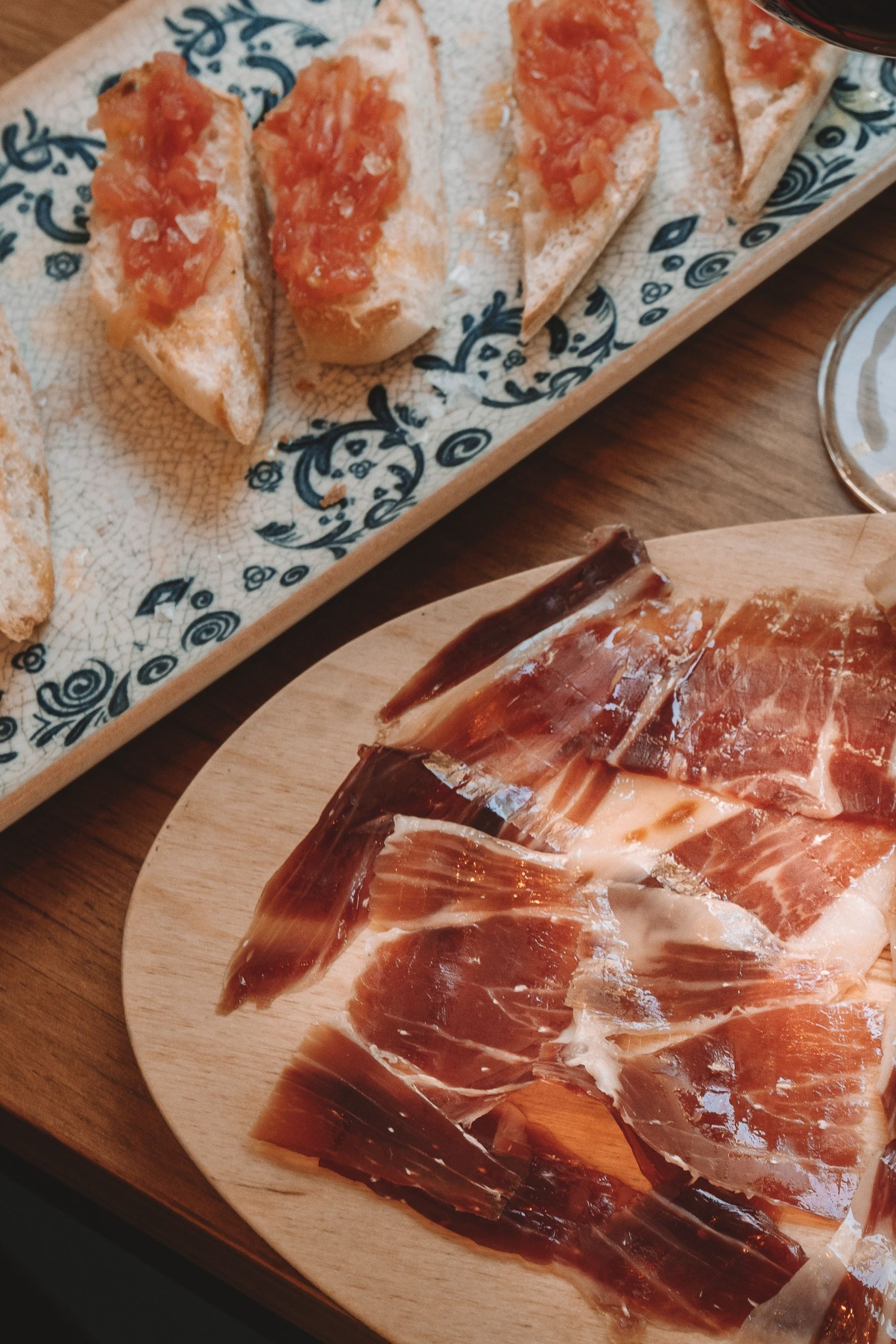
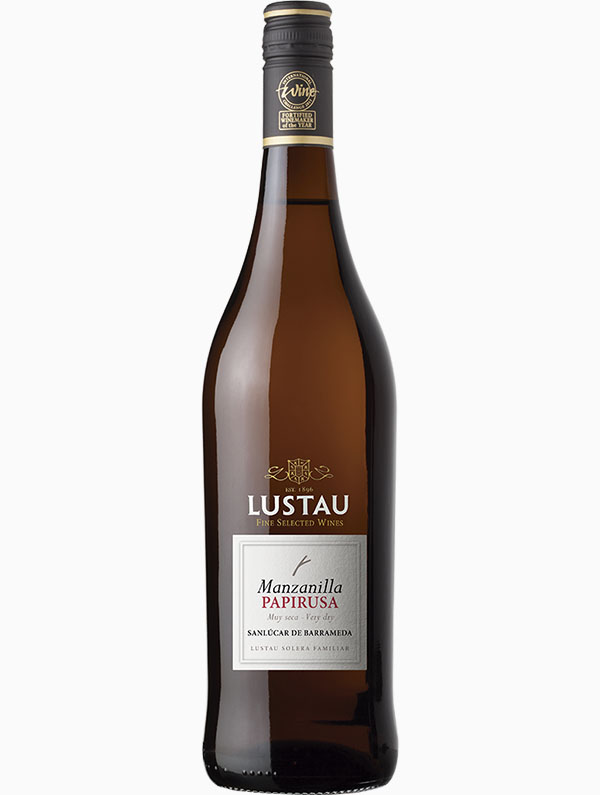
Jamón Ibérico de Bellota with bread & Lustau’s Manzanilla Papirusa. Images courtesy of Pexels & Lustau.
Dry, crisp and gently saline, Fino and Manzanilla cut through the sweet, nutty fat of acorn-fed jamón while echoing its savoury depth. Their shared Spanish origin also brings a sense of regional continuity to the pairing.
The experience begins before the first sip. Breed, acorn feeding, curing time, serving temperature and hand carving all influence the final taste. A skilled cortador controls the angle of the knife, the thickness of each slice and the balance between meat and fat, allowing the jamón to melt rather than chew heavily.
Here, the expensive ingredient is only part of the story. Knowledgeable handling unlocks the rest.
When Place Creates the Pairing
A Study in Restraint and Provenance – White Truffle and Mature Barolo
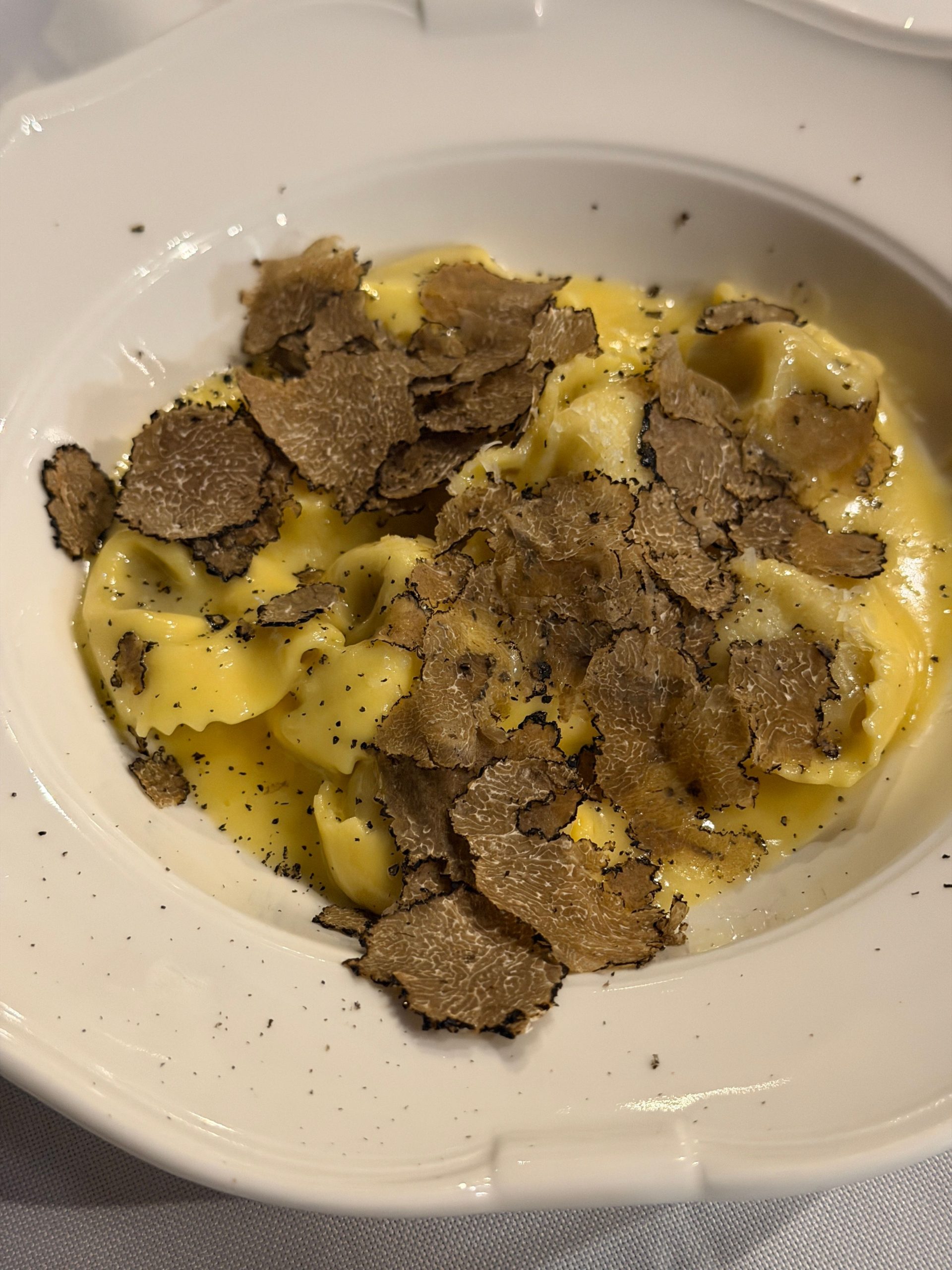
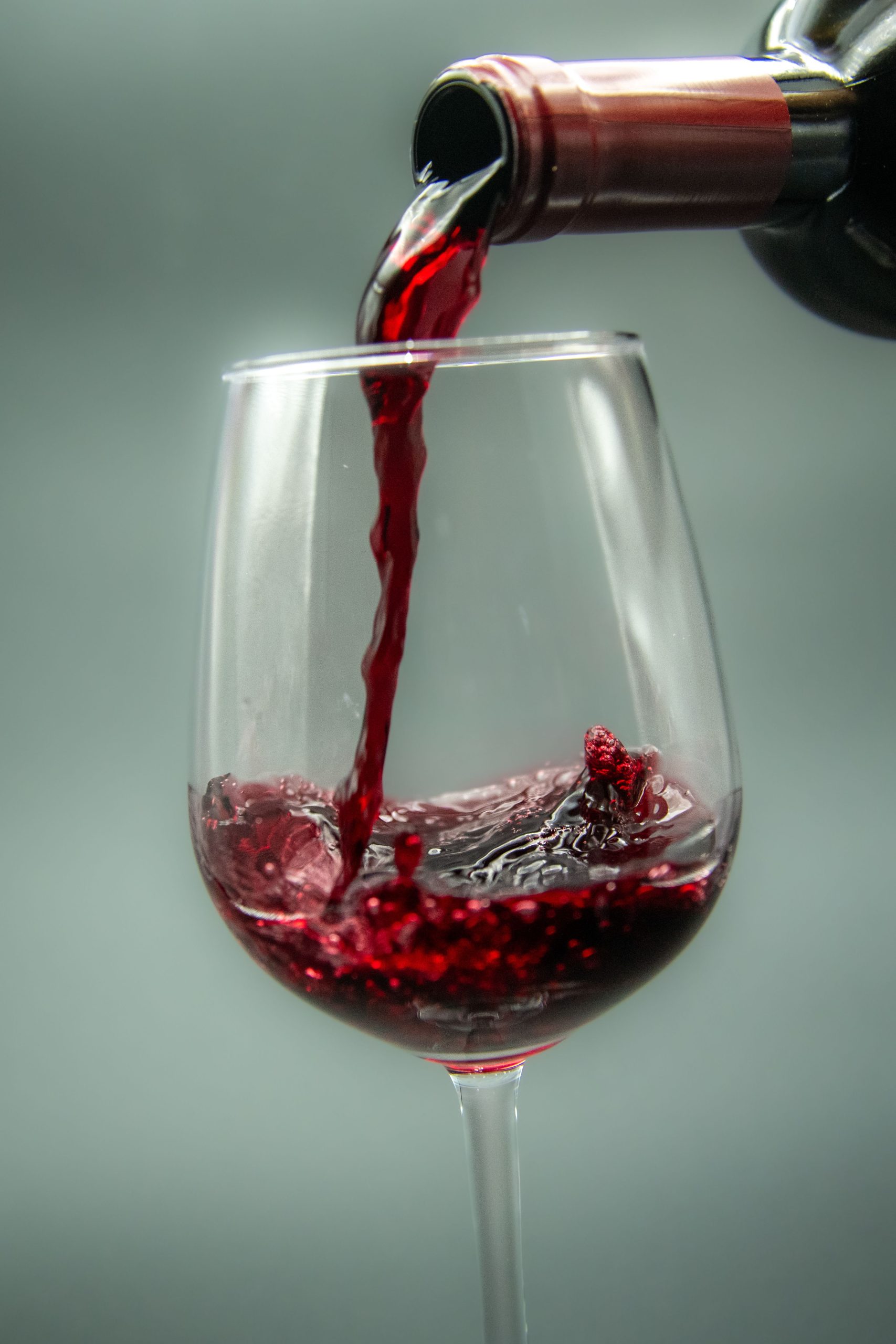
Pasta with shaved truffle & mature Barolo. Images courtesy of Pexels.
White truffle arrives as theatre: presented at the table, weighed and shaved in fine curls while its aromas of earth, garlic and honey fill the air. A mature Barolo answers with rose, dried cherry and forest-floor notes that mirror the truffle’s earthiness, while softened tannins allow its fragrance to remain central.
Both come from Piedmont, giving the glass and plate a shared sense of place. Yet connoisseurship here is expressed as much through restraint as provenance.
White truffle rarely needs culinary complexity. Tajarin, risotto or softly cooked eggs provide a sufficiently neutral canvas for its volatile aroma to dominate. The lesson is simple: the finest ingredient does not always need the most elaborate setting.
The Quiet Importance of Age and Temperature – Artisanal Cheese and Vintage Madeira
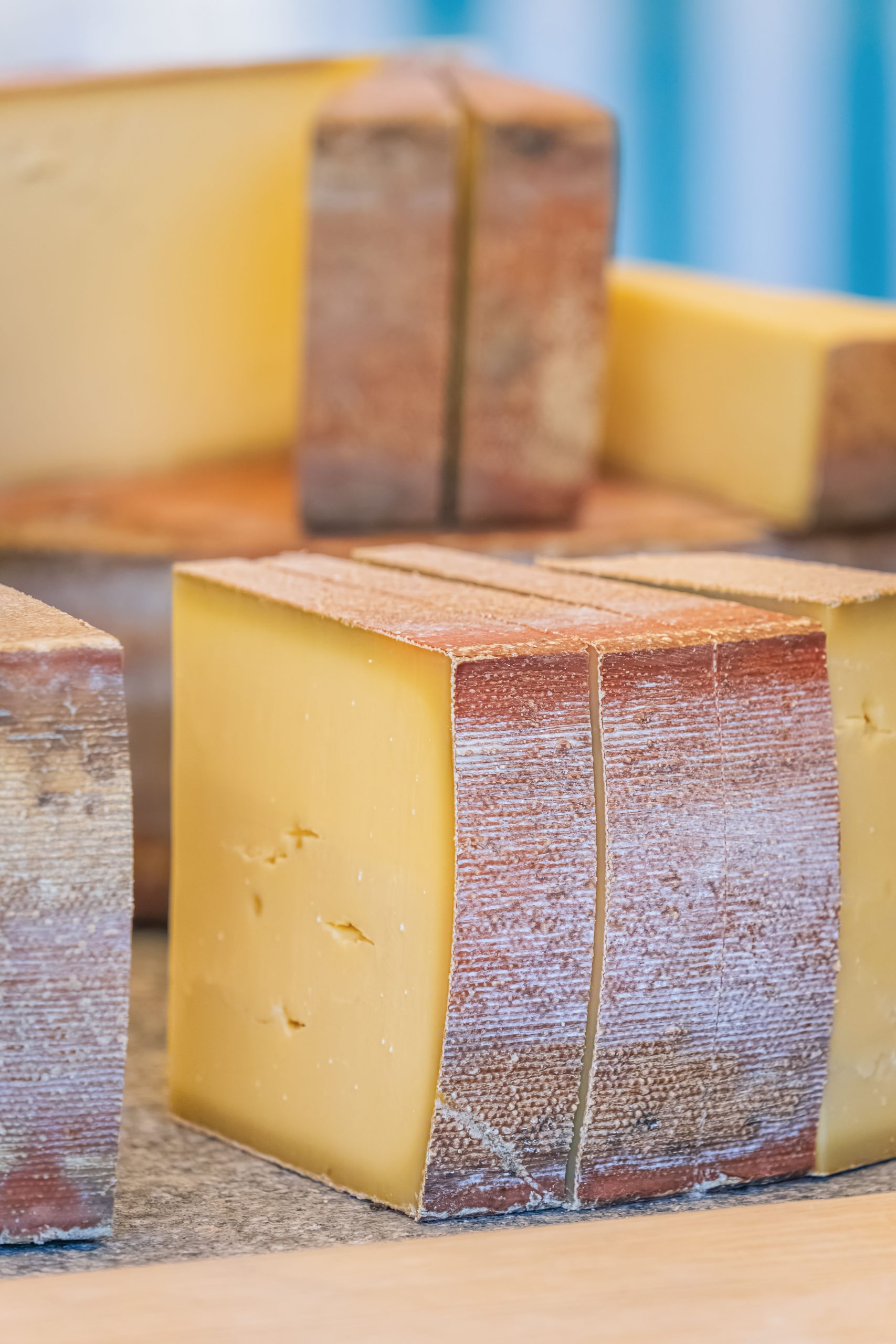
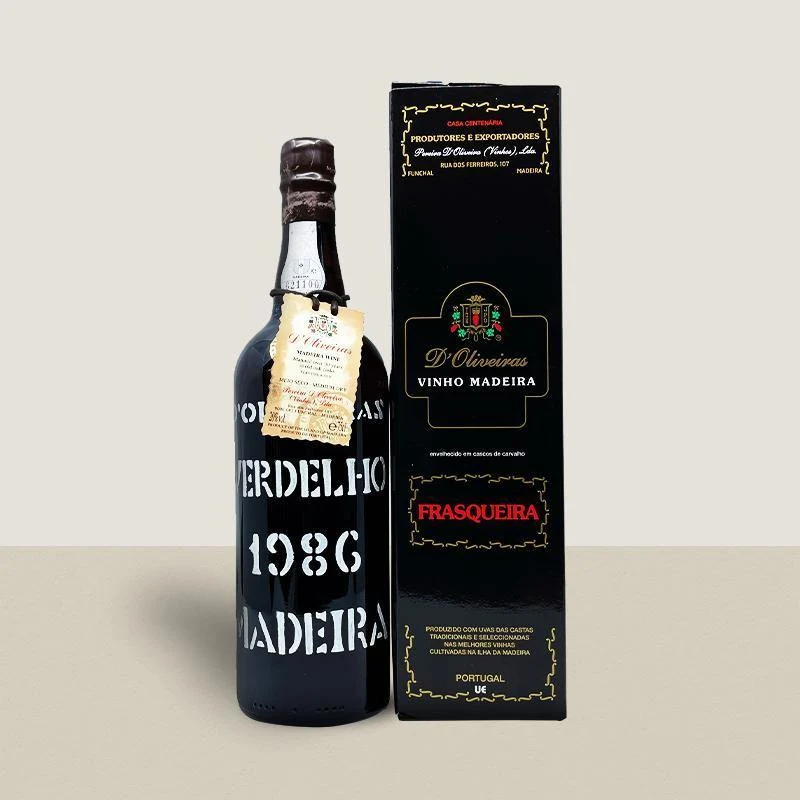
Aged Comté & Pereira D’Oliveira Verdelho Vintage Madeira 1986. Images courtesy of Pexels & Colheitas.
Aged Comté brought to room temperature reveals crystalline texture and notes of toasted nuts and brown butter. Vintage Madeira answers with bright acidity, balancing richness and salt while contributing flavours of caramel, walnut and orange peel.
The lesson is deceptively simple: temperature and maturity matter. Even an exceptional cheese loses much of its aroma straight from refrigeration, while the age and style of Madeira determine whether the pairing feels bright, nutty or deeply oxidative.
Different cheeses draw out different sides of the wine. Parmigiano Reggiano, Stilton and washed-rind styles can each shift the experience, making this less about one definitive match than understanding how ageing, texture and intensity interact.
Beyond the European Pairing Canon
Asian ingredients and drinking traditions add another layer to contemporary connoisseurship, showing how global luxury dining is expanding rather than replacing established rituals.
A New Conversation Around Umami – Caviar and Sake
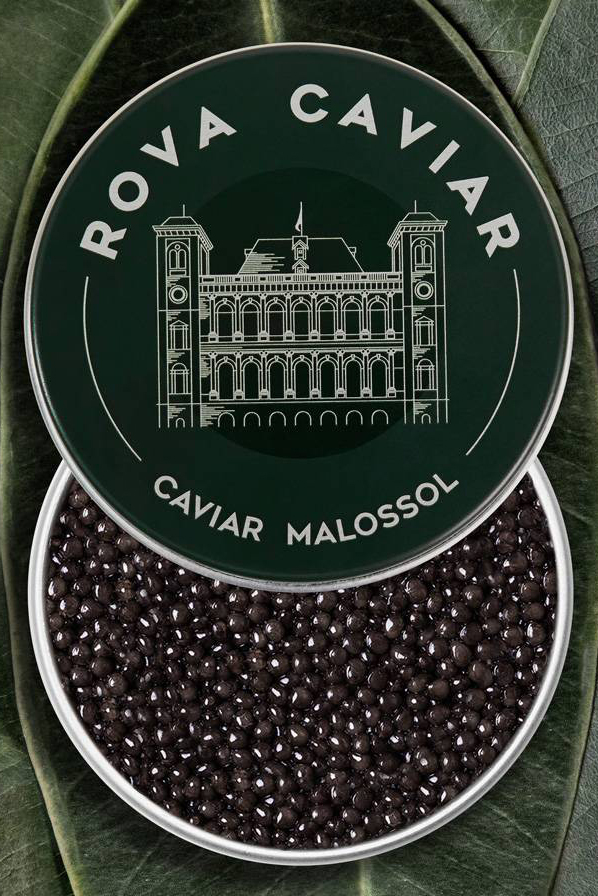
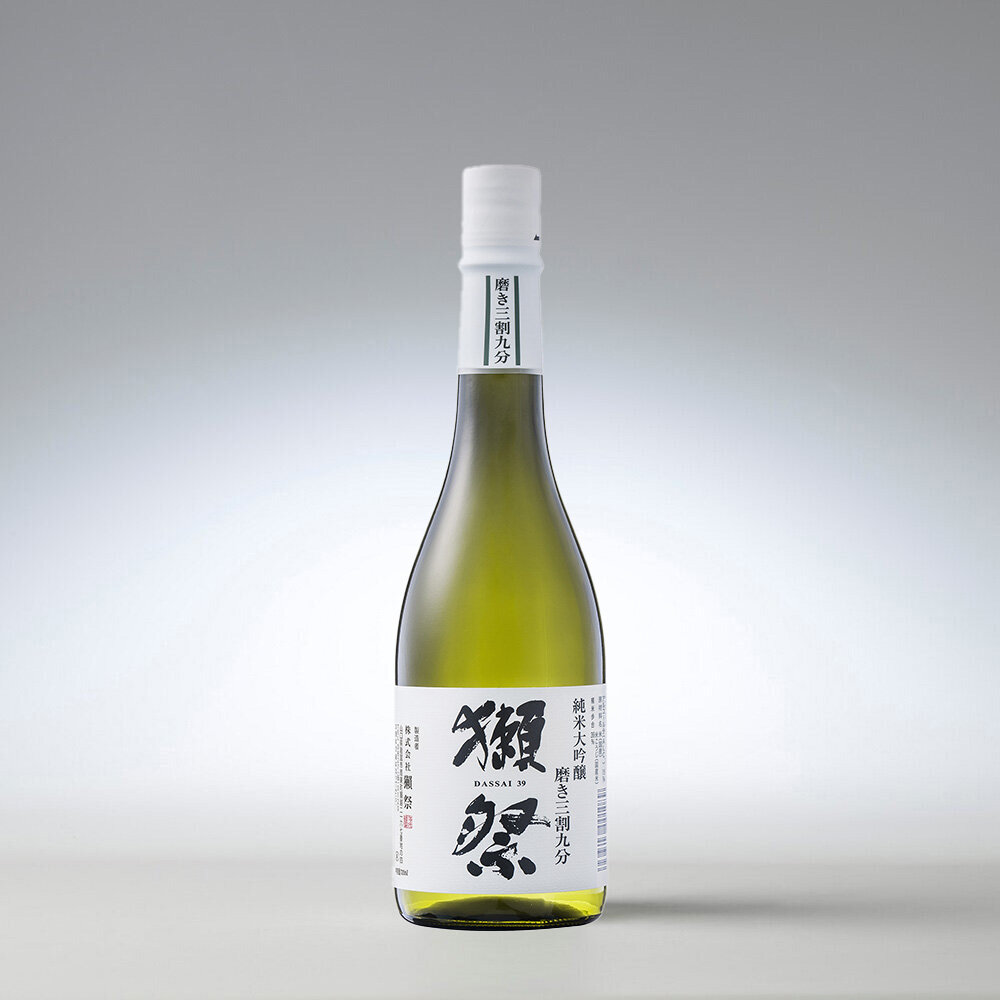
Rova caviar’s Baerii & Dassai 39. Images courtesy of Nova Caviar & Dassai.
Where Champagne refreshes caviar through acidity and effervescence, sake approaches the pairing through texture and umami. Served lightly chilled in fine glassware, sake can harmonise with the roe’s savoury depth while keeping its delicate flavour in the foreground. Aromatic expressions may add melon, pear or white-floral notes to the caviar’s oceanic character, while softer acidity and a silken mouthfeel create a more seamless pairing than Champagne’s sharper contrast.
This is what makes the combination interesting: it challenges the assumption that a luxury ingredient has only one traditional partner.
When Seasonality Shapes the Pairing – Uni and Junmai Daiginjo
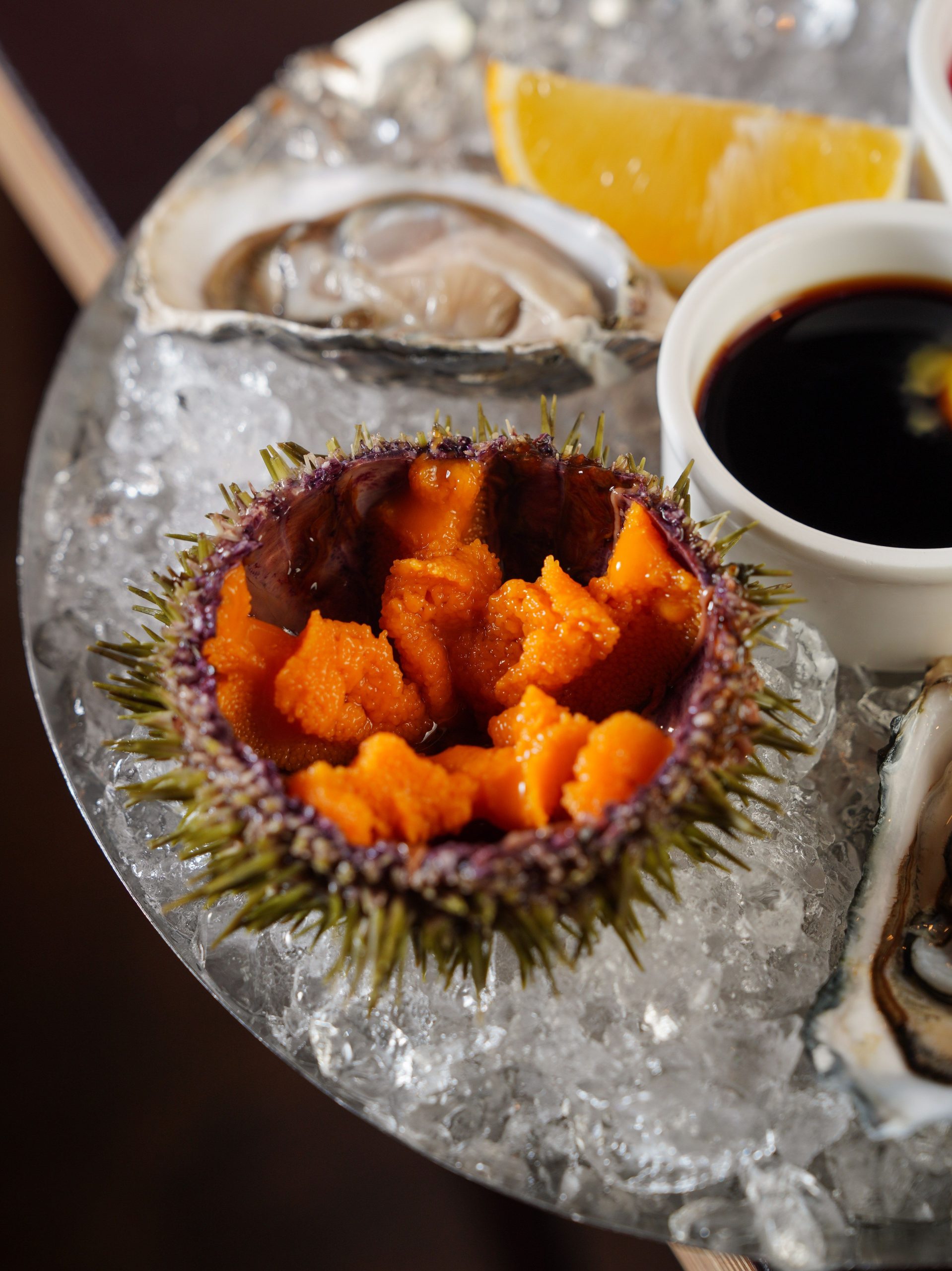
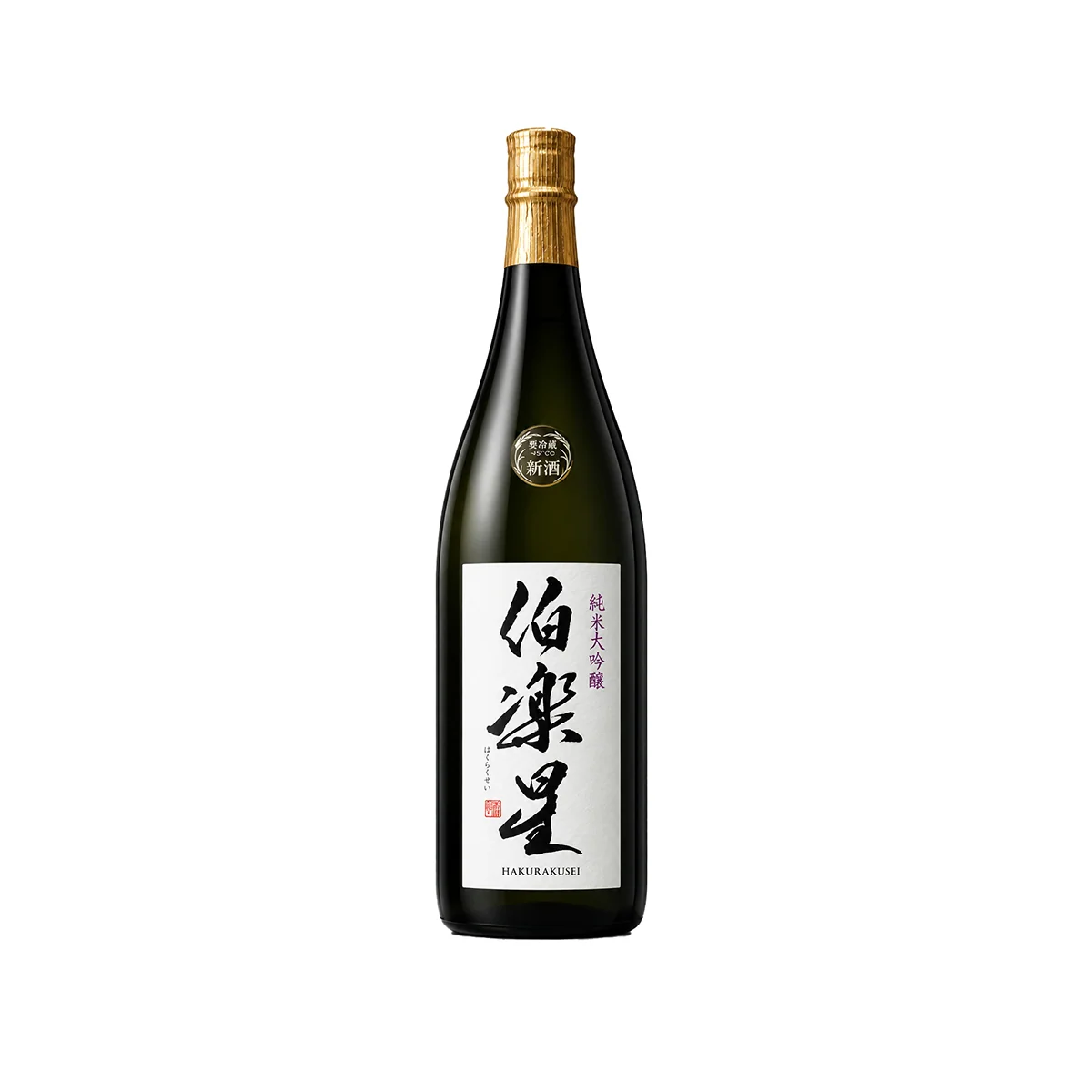
Sea urchin with soya sauce & Hakurakusei Junmai Daiginjo. Images courtesy of Pexels & Sakeya SG.
Uni arrives creamy, saline and sweet, and junmai daiginjo can frame those qualities with clean fruit, minerality and a refined finish. Served cool, the sake preserves the freshness that makes sea urchin so prized while its umami complements the richness of the roe.
Origin and season matter. Uni can range from briny and mineral to exceptionally sweet and creamy depending on species, provenance and freshness. A thoughtful sake choice should respond accordingly. The connoisseurial skill lies in recognising that “uni” is not one fixed flavour profile. The pairing works best when the sake is chosen for the specific character of what is on the plate.
The Confidence to Hold Back
Finding Balance in Richness – Wagyu and Mature Wine
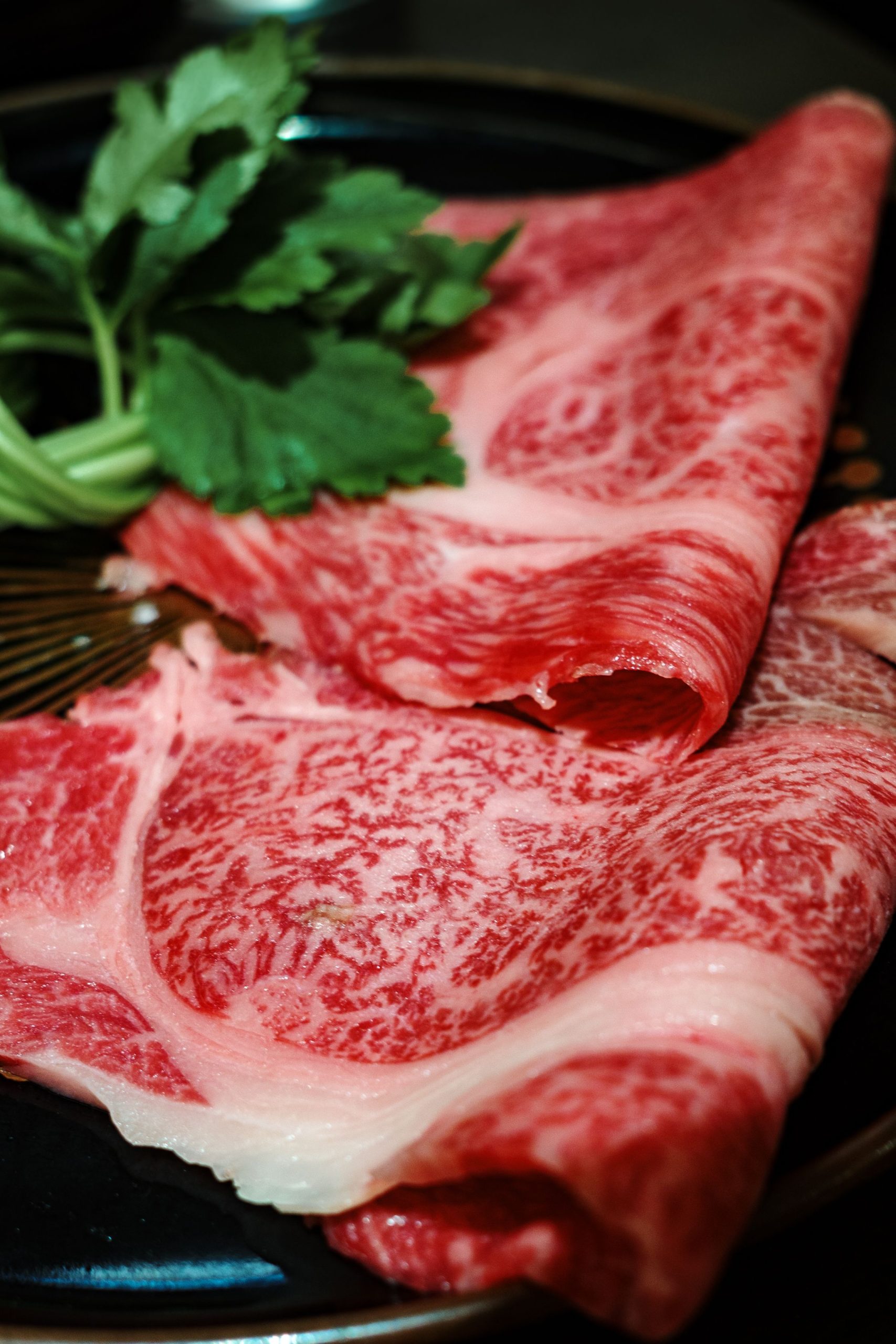
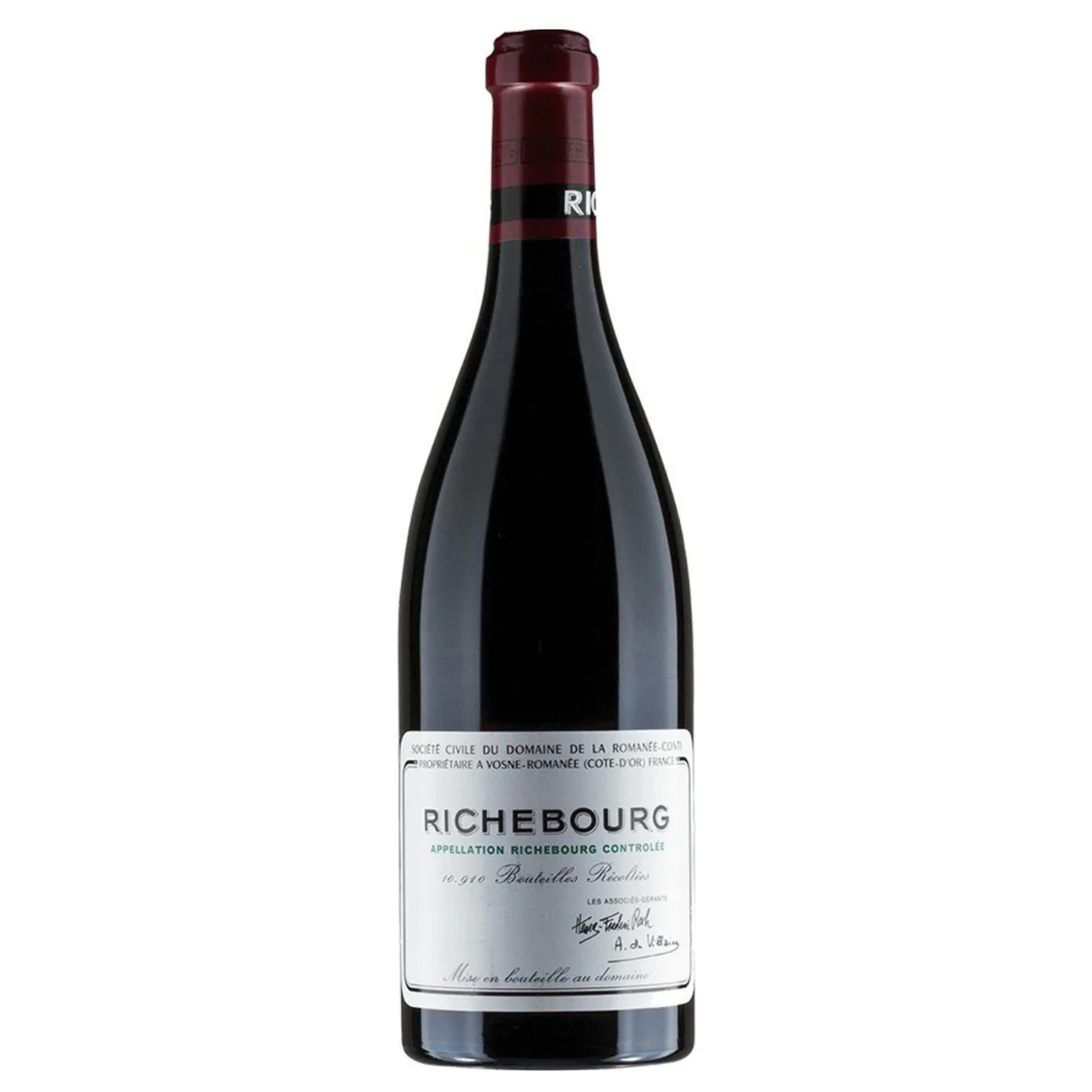
Plate of wagyu beef & Domaine de la Romanée Conti Richebourg Grand Cru 2015. Images courtesy of Pexels & Grand vin.
Wagyu exposes one of luxury dining’s most persistent misconceptions: more intensity does not automatically produce a better pairing. Its intramuscular fat gives it a buttery richness far beyond conventional beef, which can make an aggressively tannic wine feel exhausting rather than impressive. A mature Burgundy or Bordeaux, with softened tannins and lively acidity, can refresh the palate between bites while adding earth, spice and red fruit without overpowering the meat.
The ideal bottle depends on grade, cut and fat content. The finest beef does not always require the biggest wine; often it benefits from a more graceful one. Here, connoisseurship appears as restraint. Knowing when less is more becomes the mark of confidence.
The Ritual Earns Its Place
A pairing ritual earns its place only when it deepens the experience. The modern connoisseur does not follow convention simply because tradition demands it; knowledge provides the confidence to understand why a custom exists, when to respect it and when another approach may work better.
The true luxury, then, is not knowing every rule. It is developing the judgement to know which ones matter.
For more on the latest in luxury lifestyle and gastronomy reads, click here.