How to Build an Effective Home Cleaning Routine for Better Indoor Air Quality
A spotless room isn’t always a healthy one. Here’s how to build a cleaning routine that improves indoor air.
Household dust is rarely just one thing. It’s usually a mix of tracked-in soil, fabric fibers, pollen, pet dander, skin cells, and other small particles that settle on floors, furniture, and surfaces throughout a home. Cleaning effectively isn’t simply about making rooms look tidy; a thoughtful routine can also help cut down on the buildup of these particles indoors. The best results tend to come from combining several habits—source reduction, ventilation, dust control, and appropriate cleaning methods—rather than relying on a single product or tool. Some households turn to automated floor-cleaning equipment, such as a robot vacuum, to help keep a more consistent schedule, though this kind of device works best as a supplement to a broader routine rather than a stand-in for one.
Why Household Cleaning Affects Indoor Air Quality
Settled dust doesn’t necessarily stay settled. Everyday activity—walking across a rug, shaking out bedding, even opening a door—can send particles back into the air, at least temporarily. This is why source control, reducing pollutants where they originate, is considered a foundational strategy by the U.S. Environmental Protection Agency. Ventilation, which replaces or dilutes indoor air with outdoor air when conditions allow, and cleaning or filtration, which physically removes particles, work alongside source control to manage indoor contaminants.
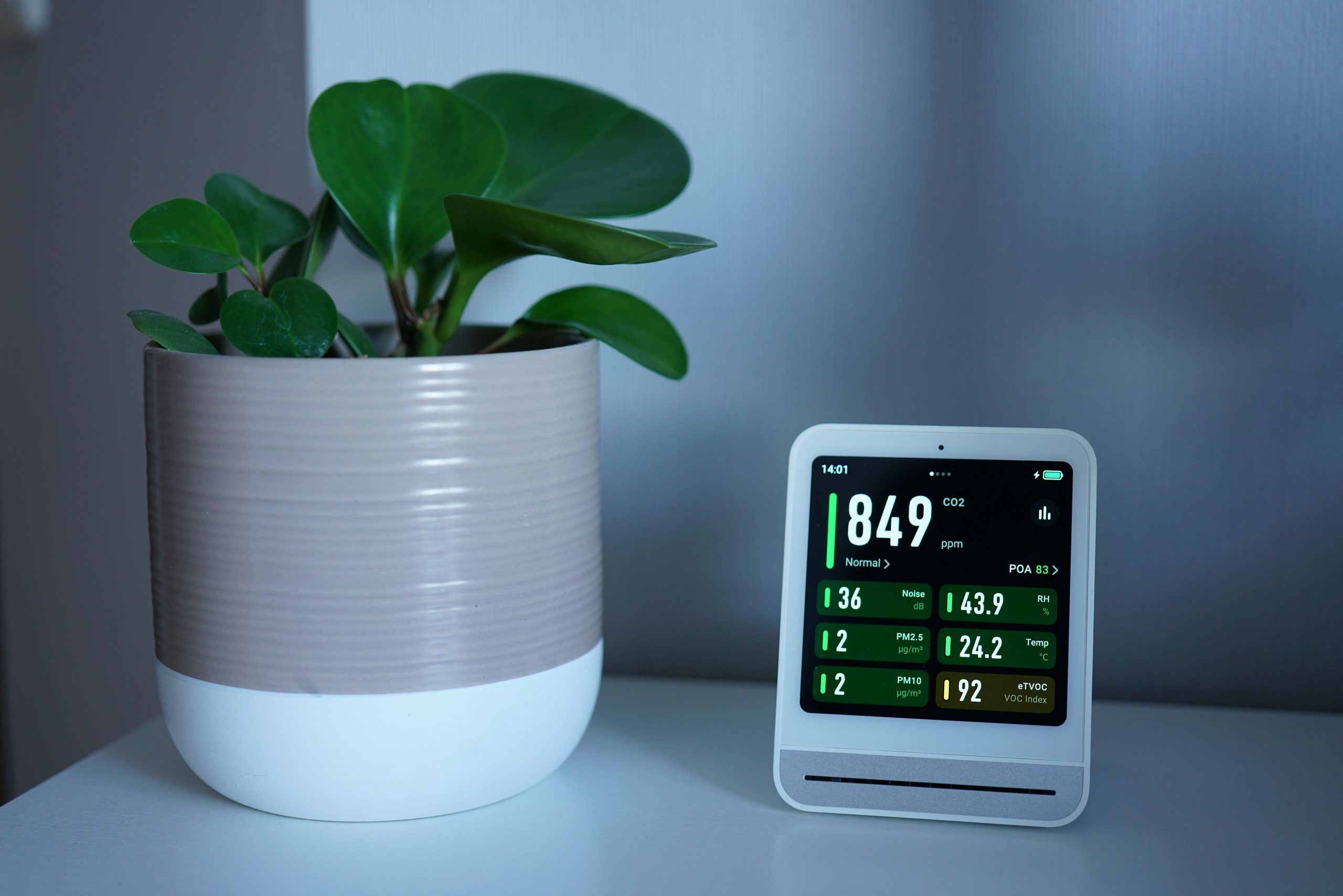
Regular cleaning can reduce dust, pollen, pet dander, and similar materials, but it won’t eliminate them entirely. How much cleaning a household actually needs depends on the number of occupants, whether pets are present, the type of flooring and furnishings, outdoor air quality, moisture conditions, and whether anyone in the home has allergies or asthma. It’s also worth noting that visible cleanliness and improved indoor air quality are related but not identical outcomes—a room can look spotless while still harboring allergens in carpets or upholstery.
Start With Source Reduction
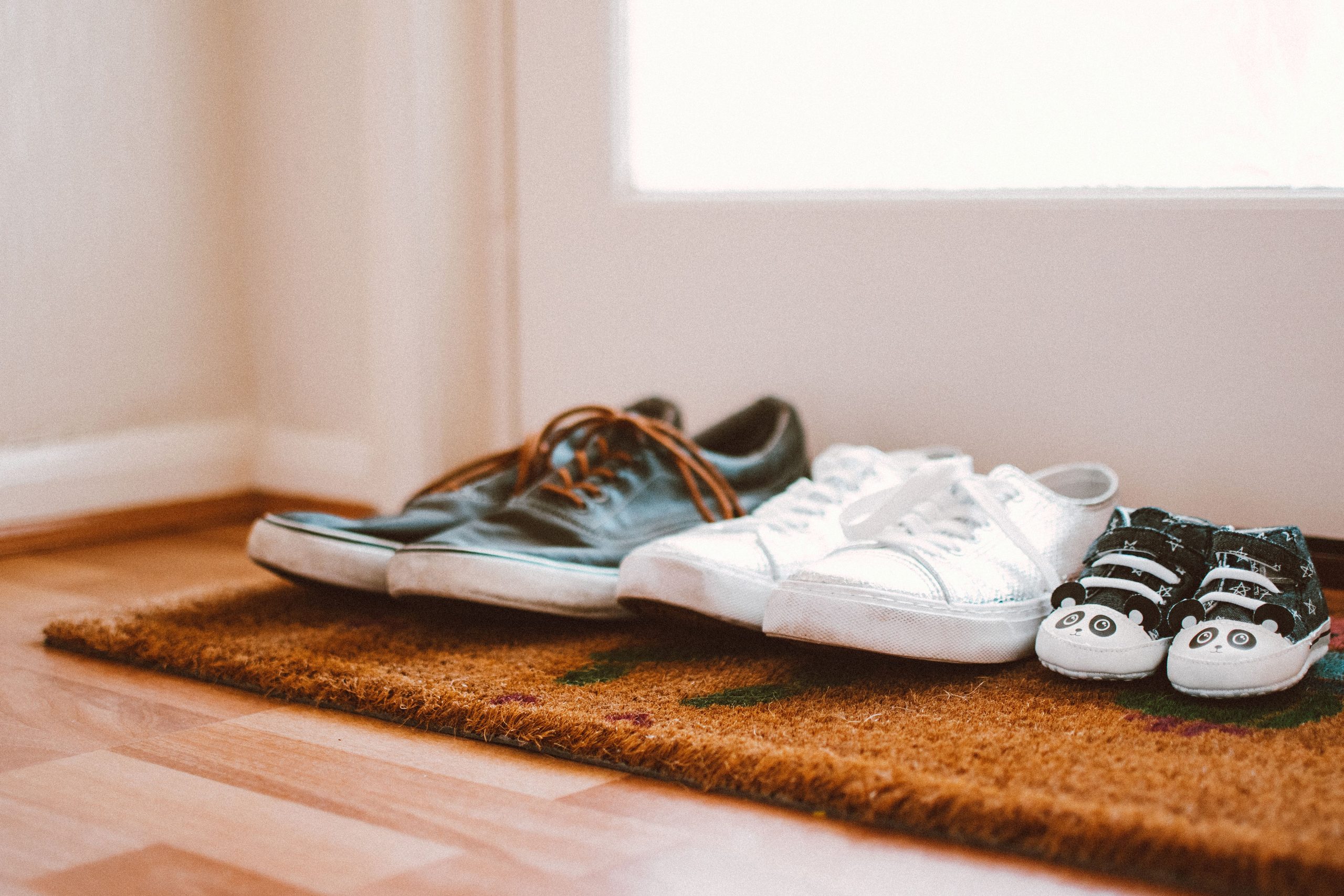
Placing doormats at exterior entrances and leaving outdoor footwear near the door can meaningfully cut down on the soil and debris tracked inside. Wiping a pet’s paws after outdoor time helps for the same reason. High-traffic entry areas typically need more frequent attention than other parts of the home.
Moisture problems deserve prompt attention as well. Leaks, condensation, and water-damaged materials should be addressed quickly, since cleaning visible mold doesn’t fix the underlying moisture source. Minor cleanup may be manageable for small, isolated areas, but extensive or recurring contamination generally calls for a qualified professional assessment rather than routine vacuuming or wiping.
Cutting back on unnecessary fabric accumulation—through washable covers, regularly laundered textiles, and fewer dust-collecting decorative items—also helps. Bedding, curtains, upholstery, and rugs all retain dust and allergens, which is why bedrooms often deserve extra attention for people with dust-mite sensitivities.
Build a Practical Cleaning Schedule
Organizing tasks by frequency, rather than trying to clean an entire home in one go, tends to be more sustainable over time:
- Daily or as-needed: wipe up spills, address tracked-in dirt, keep kitchen and bathroom moisture in check, and clean frequently touched surfaces when visibly dirty or during illness.
- Weekly: vacuum carpets and upholstered furniture, damp-dust hard surfaces, mop floors appropriately, and wash bedding and textiles per care instructions.
- Occasional: clean vents, blinds, and baseboards; wash or replace filters as directed; and check for leaks or hidden dust buildup, adjusting frequency during allergy season or heavy shedding periods.
For readers short on time, a minimum effective routine might simply include wiping entryways, damp-dusting visible surfaces, vacuuming high-traffic floors, and washing bedding weekly.
Choose Cleaning Methods Based on the Surface
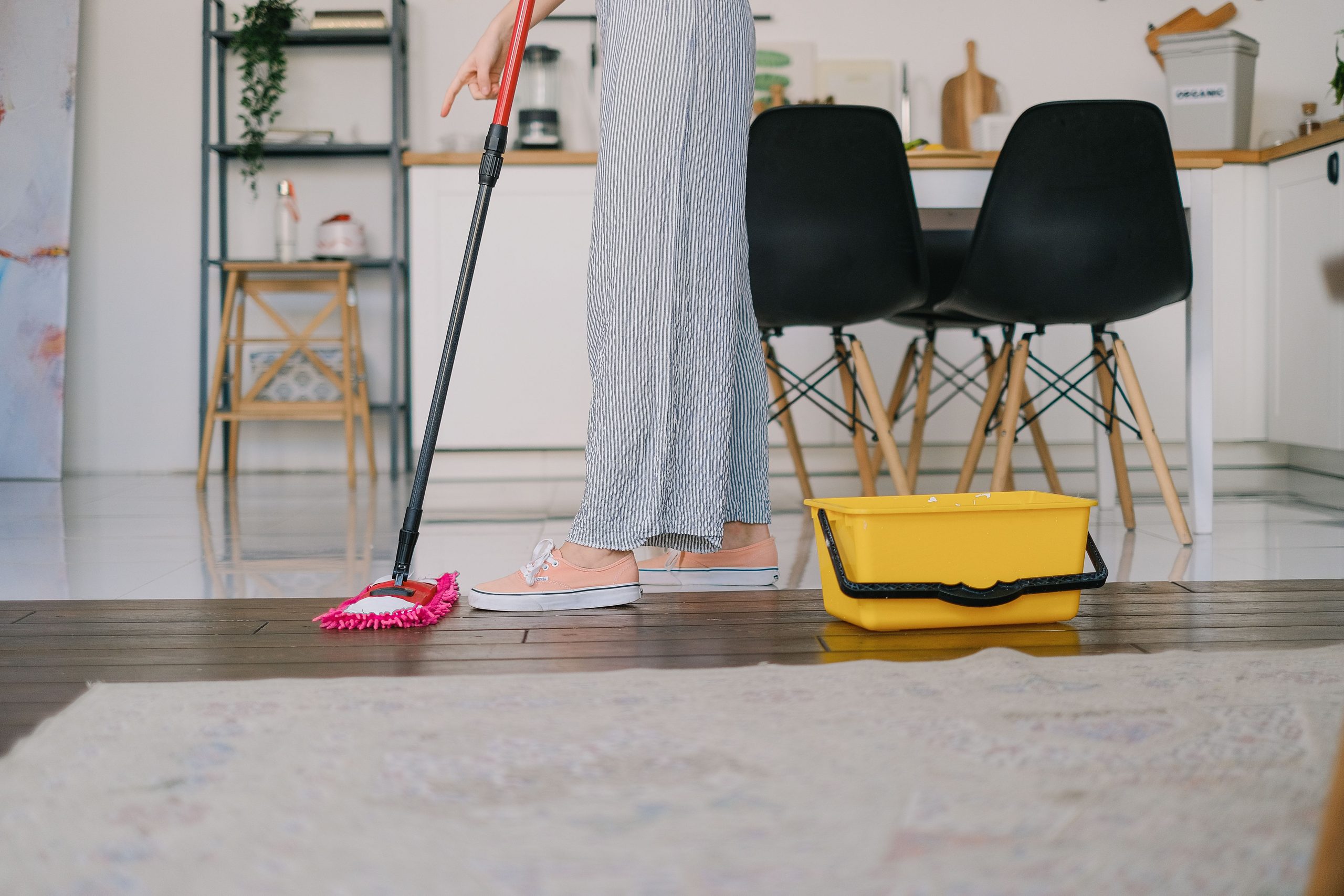
Damp dusting is generally preferable to dry dusting, since dry cloths tend to scatter settled particles rather than capture them. Hard floors, carpets, upholstery, bedding, and electronics each call for different approaches, so it’s worth following manufacturer and material-care instructions rather than treating every surface the same. Sweeping can stir up dust on smooth floors, while vacuuming or damp mopping often captures more debris. A HEPA filter refers to a high-efficiency particulate air filter capable of trapping very small particles, though no filter or appliance removes every indoor pollutant. Vacuum filters and dust containers also need regular maintenance—otherwise performance drops off.
Use Cleaning and Disinfecting Properly
Cleaning versus disinfecting is an important distinction to keep straight. Cleaning removes dirt and some germs from surfaces, while disinfecting uses a product designed to kill specified microorganisms. Routine cleaning is usually sufficient for ordinary household dirt; disinfecting becomes more relevant during illness or specific contamination concerns, following guidance from the Centers for Disease Control and Prevention. Reading labels, observing contact time, ventilating the area, and never mixing chemicals all matter here. More disinfectant isn’t automatically better, and unnecessary use can create avoidable chemical exposure.
Accommodate Allergies, Asthma, Pets, and Children

People with allergies or asthma may benefit from more frequent cleaning, and since vacuuming can temporarily stir up particles, sensitive individuals may prefer to step out of the room and return once the dust has settled. Reducing fabric clutter in sleeping areas, grooming pets regularly, washing pet bedding, and keeping pets off beds can all help. Because children spend so much time near floors, floor-level dust control matters particularly for them. Persistent symptoms are best discussed with a qualified healthcare professional.
Common Mistakes That Reduce Cleaning Effectiveness
Avoid these shortcuts: cleaning only visible surfaces while neglecting floors and textiles; dry-dusting in ways that scatter particles; running a vacuum with a full bin or clogged filter; relying on air fresheners instead of source control; and disinfecting surfaces that only need routine cleaning.
Key Takeaway: Consistent source control paired with targeted cleaning does more for indoor air quality than any single device or chemical product.
Make the Routine Sustainable
An effective routine is consistent, targeted, and adapted to a home’s occupants and materials. Prioritize reducing tracked-in dirt, controlling moisture, damp-dusting surfaces, cleaning floors and fabrics regularly, using disinfectants selectively, and keeping equipment well maintained. Start with a manageable schedule and ramp up frequency wherever pets, allergies, children, or heavy foot traffic demand it. As a next step, try identifying the three areas in your home that collect the most dust and assign each one a specific, recurring task.
For more luxury lifestyle reads, click here.