The Hidden Essentials: What Luxury Buyers Should Check Before Choosing a Remote Estate
Luxury real estate often sells a feeling first: privacy, expansive land, impressive views, and the promise of living away from noise and crowds. However, beautiful photographs only tell part of the story. Behind the gates and long driveways, practical systems determine whether a remote estate feels effortless to own or becomes an expensive responsibility. Water […]
Luxury real estate often sells a feeling first: privacy, expansive land, impressive views, and the promise of living away from noise and crowds. However, beautiful photographs only tell part of the story. Behind the gates and long driveways, practical systems determine whether a remote estate feels effortless to own or becomes an expensive responsibility.
Water access, utility reliability, and ongoing maintenance can shape everyday life more than many buyers anticipate, particularly in large rural homes. Understanding these less visible features before making a purchase can help protect both the property’s value and the experience of living there.
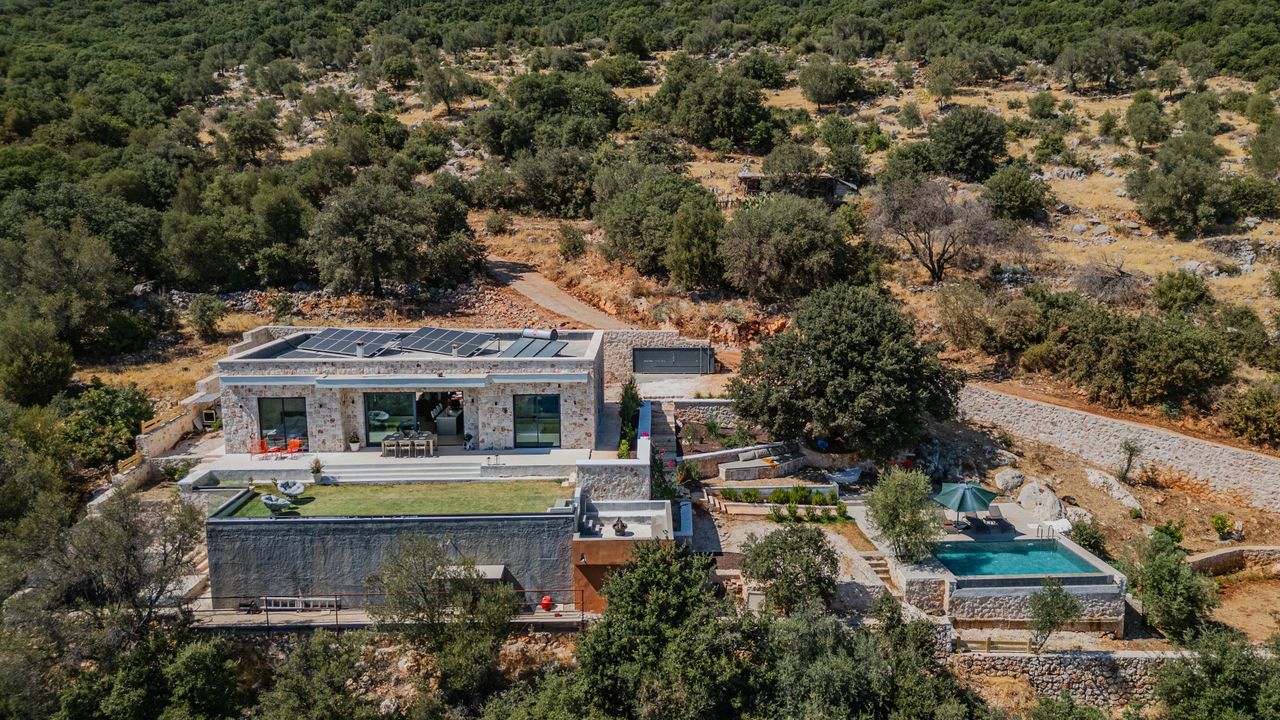
Water Infrastructure Can Change the Entire Value Equation
When purchasing a remote estate, water infrastructure deserves the same attention as architecture, location, or acreage. Many luxury properties outside densely populated areas rely on private wells rather than municipal water supplies. This arrangement can work well, but only when the system is reliable, appropriately sized, and professionally maintained.
Buyers should request well logs, pump age, service records, flow-rate data, and recent water-quality test results. A property with a high-end kitchen, spa bathrooms, guest quarters, irrigation zones, and equestrian facilities can place considerable demand on its water supply. A pump that struggles during periods of heavy use can quickly turn an otherwise impressive estate into a source of daily frustration.
One hidden mechanical issue can affect the comfort and usability of an entire property. In regions where private water systems are common, services such as water well pump repair are an important part of long-term ownership rather than an occasional consideration.
Remote Living Requires More Than Basic Maintenance
Many buyers associate remote properties with peaceful, uncomplicated living. In reality, rural estates can require more active oversight than luxury homes in established urban communities. Owners may be responsible for septic systems, booster pumps, backup generators, drainage controls, and extensive irrigation networks.
Problems with these systems can quickly affect other parts of the property. A brief power interruption may reduce water pressure, poor drainage can damage landscaping and hardscaping, and an aging pump may gradually lose performance. These issues can remain unnoticed until the property is fully occupied during holidays, family gatherings, or private events.
Buyers are not simply purchasing square footage; they are taking responsibility for an operating environment. A thorough assessment should therefore extend beyond a standard residential inspection. Understanding how the property’s essential systems work together can help protect everyday comfort and support its long-term resale appeal.
Landscaping Prestige Depends on Invisible Systems
One of the strongest attractions of a luxury estate is its outdoor environment. Mature trees, expansive lawns, carefully designed gardens, orchards, and entertaining areas create an immediate impression of exclusivity. Maintaining that appearance, however, requires dependable water management.
Large grounds often depend on irrigation systems designed around local climate, soil conditions, and seasonal demand. If a property has extensive landscaping but insufficient well output or inconsistent water pressure, its appearance can deteriorate quickly. Dry patches, stressed trees, and inefficient watering schedules may eventually lead to substantial replacement and maintenance costs.
Review how the landscaping receives water and whether the existing pump system can support household consumption alongside irrigation requirements. This is particularly important in warmer regions, where prolonged dry periods can place additional pressure on private water supplies.
Luxury landscaping is more than an aesthetic feature. It is an ongoing maintenance commitment, and the equipment supporting it plays a significant role in preserving the property’s appeal.
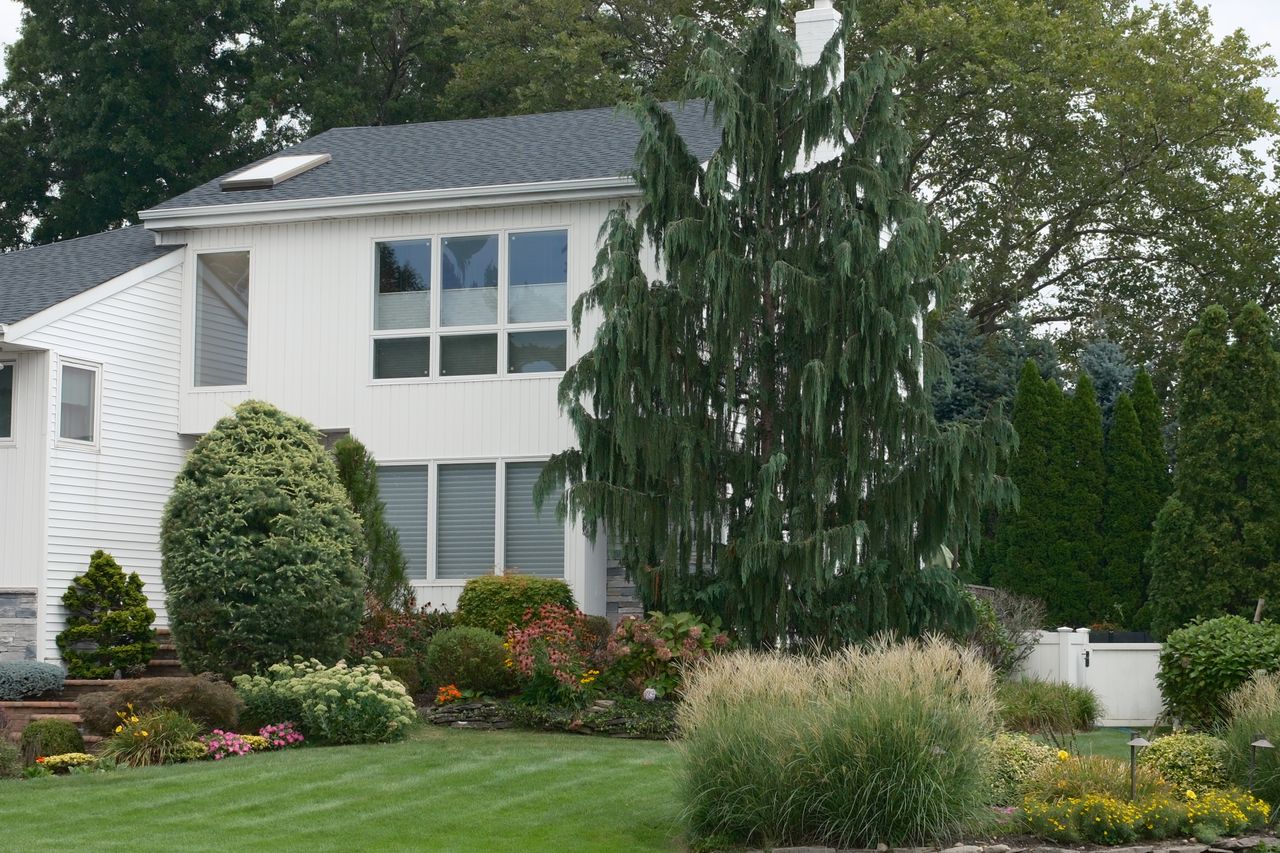
Lifestyle Amenities Put More Stress on Water Delivery
Today’s luxury buyers often expect more than an impressive main residence. Guest houses, pool pavilions, outdoor kitchens, horse barns, wellness facilities, and detached offices are common features of high-end estates. Each additional structure increases the complexity of water distribution and pressure management.
Consider a property hosting extended family for a long weekend. Several showers may be running in the morning while laundry equipment is operating, irrigation is scheduled, and the pool area requires water service. If the infrastructure was not designed to accommodate these simultaneous demands, performance problems can become immediately noticeable.
Buyers should evaluate the system through realistic usage scenarios rather than relying exclusively on a brief inspection. Ask whether water pressure remains consistent when multiple buildings are occupied, whether the pump can handle peak demand, and how its age compares with the property’s current facilities.
Luxury living depends on reliable everyday performance. Water delivery may not be the most visible feature of an estate, but it can have a significant influence on how comfortably the property functions.
Local Service Access Matters More Than Buyers Expect
A remote estate may feel idyllic during a property viewing but become more complicated to manage after closing. One consideration buyers sometimes overlook is the availability of qualified local contractors familiar with rural water systems, irrigation networks, and pump equipment. Access to reliable technicians can affect repair costs, system downtime, and the overall burden of ownership.
Find out who currently maintains the property and whether those service providers have an established presence in the area. A well-designed system is valuable, but it must also be practical to maintain. Emergency diagnostics, replacement parts, and seasonal adjustments can become difficult when qualified contractors are located far away.
This is where local knowledge becomes especially valuable. Well-managed estates often have established support networks that include technicians, landscapers, and water-system specialists familiar with the property’s history and regional conditions.
Before purchasing, ask whether maintenance records and contractor contacts are available. Knowing who understands the existing infrastructure can make future repairs and routine servicing considerably easier. For additional guidance, buyers can review the EPA’s information on private drinking water wells, which explains why private well owners need to pay attention to water quality and household drinking-water safety.
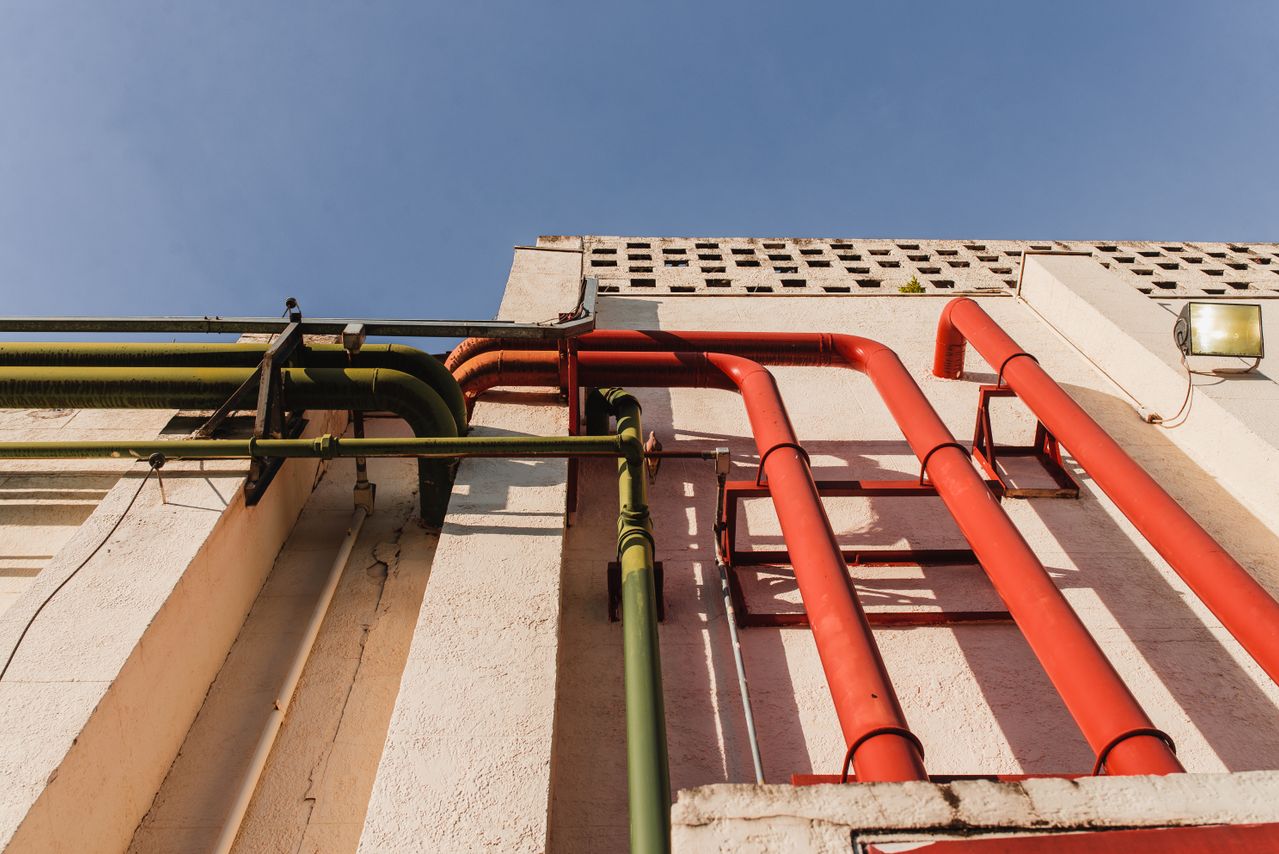
Sustainability Claims Need Technical Proof
Luxury property listings frequently use descriptions such as sustainable, self-sufficient, or eco-conscious. These features can be attractive, but buyers should establish what the claims mean in practical terms. A private well, smart irrigation controls, drought-tolerant landscaping, pressure regulation, and efficient pump equipment may contribute to genuine resource efficiency. Marketing language alone does not demonstrate performance.
Ask whether the property uses variable-frequency drives, leak-monitoring equipment, or irrigation zones designed around different plant-water requirements. Check whether water treatment systems are maintained and appropriately sized. If the estate includes agricultural facilities, vineyards, or equestrian operations, its total water demand may be substantially higher than expected.
Resource efficiency is becoming an important part of evaluating luxury properties. Buyers should consider how effectively an estate manages its water supply, energy use, and maintenance requirements rather than focusing exclusively on its appearance.
A property with reliable infrastructure and responsible resource management may offer a stronger foundation for long-term ownership than one that simply looks impressive in photographs.
The EPA’s WaterSense program also offers practical information about water-efficient products, home maintenance, and landscaping practices that can help property owners use water more responsibly.
Due Diligence Should Match the Price Tag
When evaluating a remote luxury estate, the due diligence process should reflect the property’s value and complexity. A general home inspection is useful, but it may not identify every issue involving private water systems or estate-scale infrastructure. Consulting qualified specialists before closing can help uncover problems that might otherwise become expensive surprises.
Request recent water-quality results, repair invoices, pump specifications, well records, and irrigation maps. If documentation is incomplete, investigate why. Missing records may indicate deferred maintenance, undocumented repairs, or changes to the system that have not been properly recorded.
The smartest buyers do not allow prestige to distract them from practical considerations. They recognize that genuine luxury involves more than visual appeal, exclusivity, and impressive amenities. It also means having reliable systems when the home is fully occupied, the grounds require attention, and expectations are high.
In a remote setting, the estates that remain comfortable and desirable over time are often those supported by dependable infrastructure beneath the surface.
For more luxury property news, click here.