What To Consider Before You Finance a Set of Tires and Wheels
Tires are a make-or-break feature. Here is what to think about and decide if financing your next set of rubber and rims is truly worth it.
Replacing tires and wheels often becomes urgent after uneven tread wear, a failed inspection, road damage, or a bent rim. That pressure can push buyers into quick payment decisions before the full cost is clear. Financing may ease the immediate hit to cash flow, yet the monthly amount tells only part of the story. A careful review of pricing, fitment, lender terms, and return rules helps prevent a necessary purchase from becoming a costly obligation.
Start With Full Cost
The first step is pricing the entire order, not just the tire or wheel shown in large type. Buyers who finance tires and wheels often focus on the product listing first, then meet extra charges for mounting, balancing, valve hardware, disposal, sensors, shipping, or tax during checkout. That full figure matters more than a small instalment, because hidden add-ons can shift a manageable plan into one that strains the budget.
Check the Down Payment
Some programs begin with no upfront charge, while others require a deposit, first installment, or processing amount before the order moves ahead. That opening payment changes affordability right away. A smaller amount due today may look attractive, yet it can stretch repayment over a longer period and increase the final outlay. Buyers should compare what leaves the account at checkout, because that initial charge often determines whether the plan truly fits their current finances.
Review Interest and Fees
Interest rate should never be treated as a minor detail. Annual percentage rate, account fees, late penalties, and lease charges can change the real cost more than the product itself. One plan may offer a low monthly figure while adding expensive terms in the background. Another may cost more each month but finish earlier with less paid overall. Reading each line closely protects buyers from surprises after approval has already happened.
Compare the Repayment Window
Repayment length shapes both monthly pressure and total cost. Short schedules usually reduce the amount paid across the life of the agreement, though each instalment will be larger. Longer plans can ease short-term strain, yet they often raise the final bill through added interest or lease charges. Some lenders also include early payoff or purchase options. Those terms should be confirmed before checkout, including the exact amount required and any timing conditions.
Confirm Product Fit First
A financed order becomes far more complicated if the parts do not fit the vehicle correctly. Tire size, wheel diameter, bolt pattern, offset, load rating, and seasonal purpose should be verified before any approval is accepted. Poor fitment can affect braking response, ride stability, steering feel, fuel use, and tire wear. Style matters to many drivers, but proper specification matters more, especially for daily travel, family transport, or long highway use.
Look At Return Limits
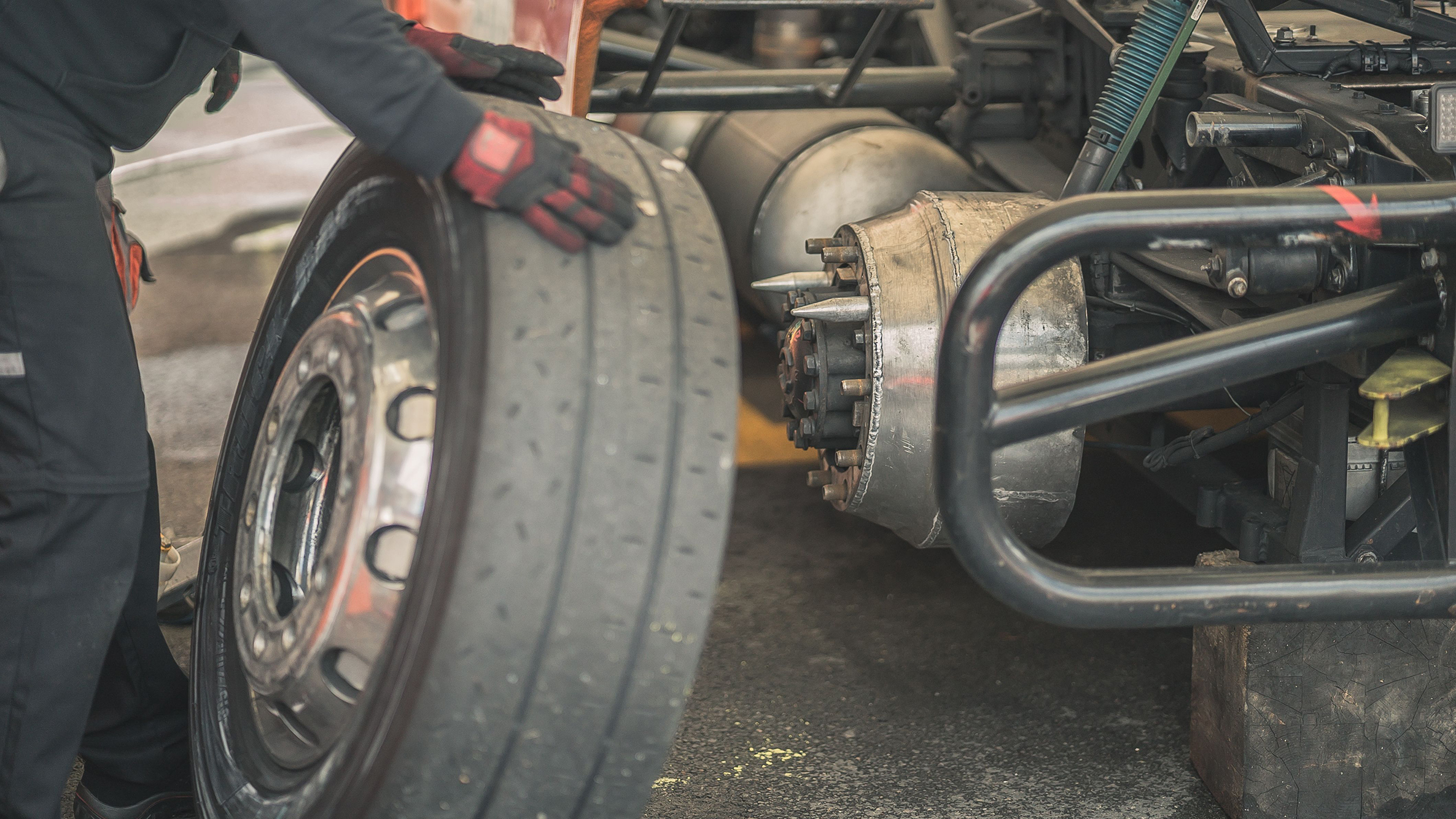
Return policies deserve close attention because wheel and tire purchases often become harder to reverse after mounting or installation. If the set cannot be returned easily, the financing agreement may remain active even when the parts are unusable. Buyers should check cancellation windows, restocking charges, installation restrictions, and any limits tied to custom orders. Written policy language matters here, since a mismatch discovered too late can create expense without a simple remedy.
Protect the Monthly Budget
A payment plan should fit ordinary living costs without depending on overtime, side income, or money that may never arrive. If one missed installment would create stress, the agreement may already be too tight. Urgent vehicle needs can make any approval feel helpful at the moment, yet budget pressure tends to last much longer. A less expensive wheel design, fewer extras, or a shorter shopping list may offer a safer path.
Read the Lender Details
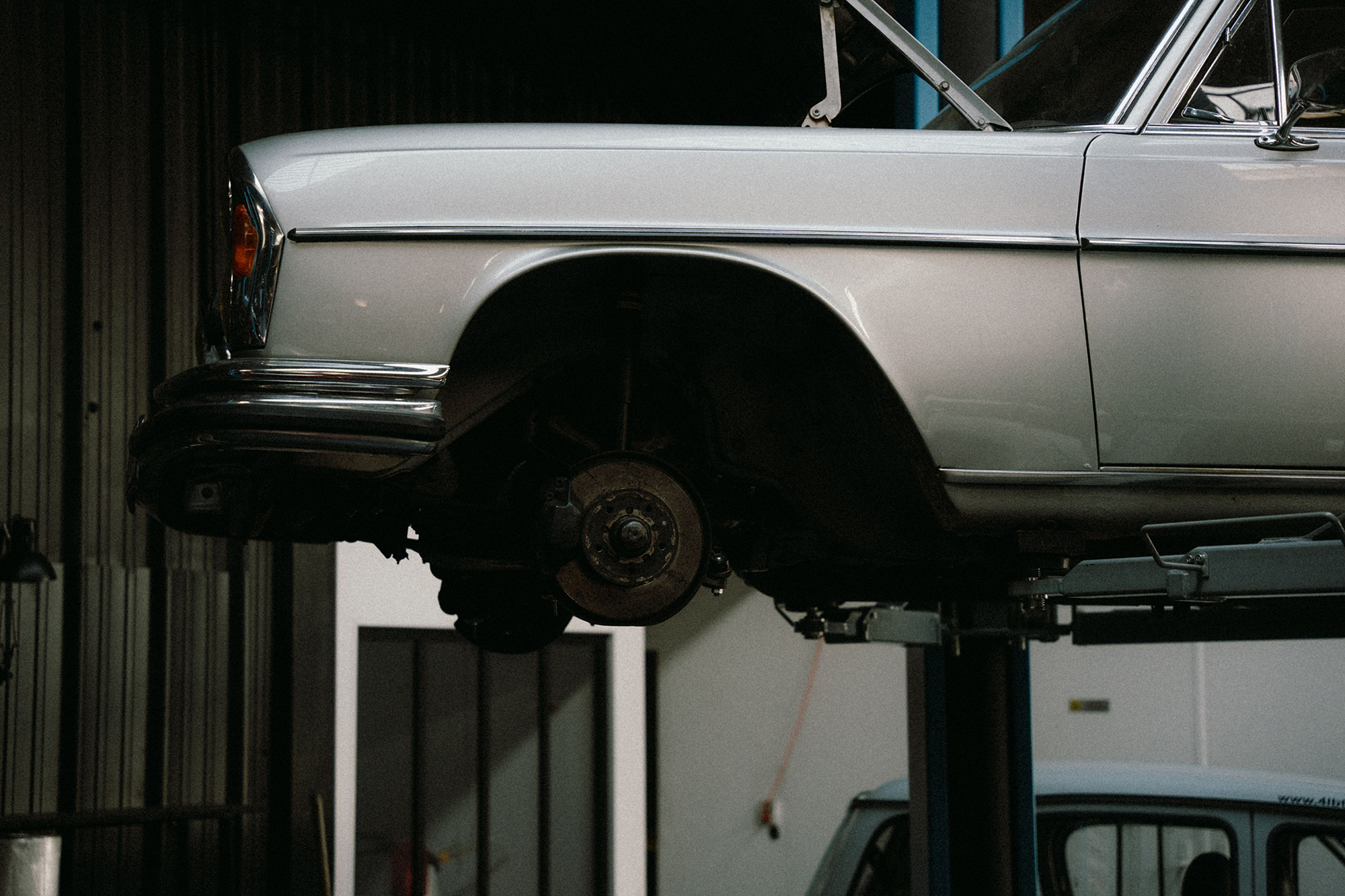
Many checkout pages route buyers to external lenders or leasing partners rather than handling the agreement directly. Each partner may use different approval standards, support channels, fee rules, payment systems, and hardship policies. That matters after the sale, when questions about due dates or account changes begin. Buyers should know exactly who owns the contract, where payments go, and what penalties apply if an installment arrives a few days late.
A Quick Review List: Five Checkpoints
A short checklist can catch problems before they become expensive. Buyers should confirm the final checkout total, the upfront amount due, the annual percentage rate, the repayment term, and the return policy. Fitment should also be verified before approval is completed, including tire size and wheel measurements. That review takes little time, yet it can prevent overspending, delivery setbacks, and debt tied to parts that should never have been ordered.

Conclusion
Financing a set of tires and wheels can help households manage an urgent purchase without paying the full amount at once. Approval alone, though, should never be the deciding factor. Careful buyers consider the total cost, repayment term, product fit, lender terms, and return limits before moving forward. A clear comparison made early gives drivers a better chance to protect vehicle safety, preserve monthly stability, and avoid paying far more than expected.
For more on the latest in car and motoring reads, click here.