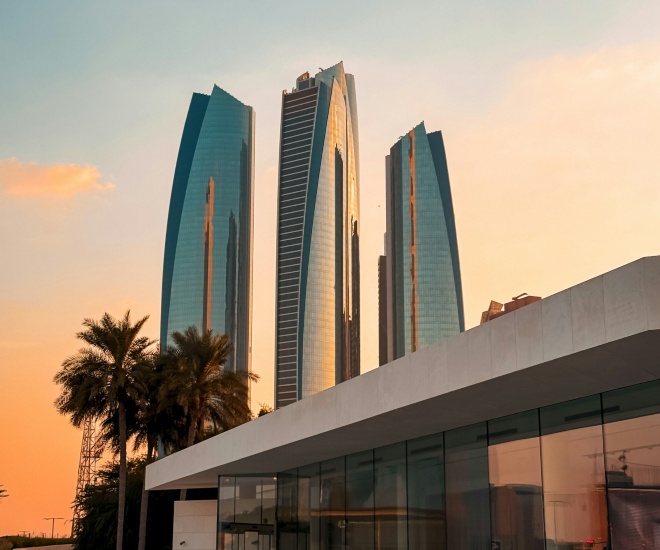
Designing Homes for Hotter Summers
From foundational architectural tips to newer solutions, we look at how homes in the future can be designed to withstand hotter summers.
From Asia to the Mediterranean, holiday homes are facing longer, hotter summers. Architects have to design holiday homes for a hotter future. LUXUO investigates the architectural innovations, high-performance materials, and intelligent design solutions that help luxury residences stay cool while reducing their reliance on air conditioning.
When Luxury Means Staying Cool
The image of a summer holiday home has long been associated with open terraces, sea breezes and afternoons spent escaping the heat. Yet across many of the world’s favourite destinations—from Phuket and Bali to Mallorca, Mykonos and the Côte d’Azur—the hottest months are becoming noticeably warmer and lasting longer. Comfort has become more than an indulgence; it is now a design challenge.
Rather than relying solely on increasingly powerful air-conditioning systems, architects are rethinking how homes respond to the climate itself. The shift marks a return to principles once embedded in traditional tropical and Mediterranean architecture, now enhanced by advanced materials capable of reflecting heat, improving insulation and managing solar gain with remarkable precision.
The result is a new generation of holiday homes designed not merely to withstand hotter summers, but to remain comfortable through intelligent, passive design. Luxury, increasingly, is measured not only by aesthetics, but by how effortlessly a home performs under a blazing sun.
Stop the Heat Before It Enters
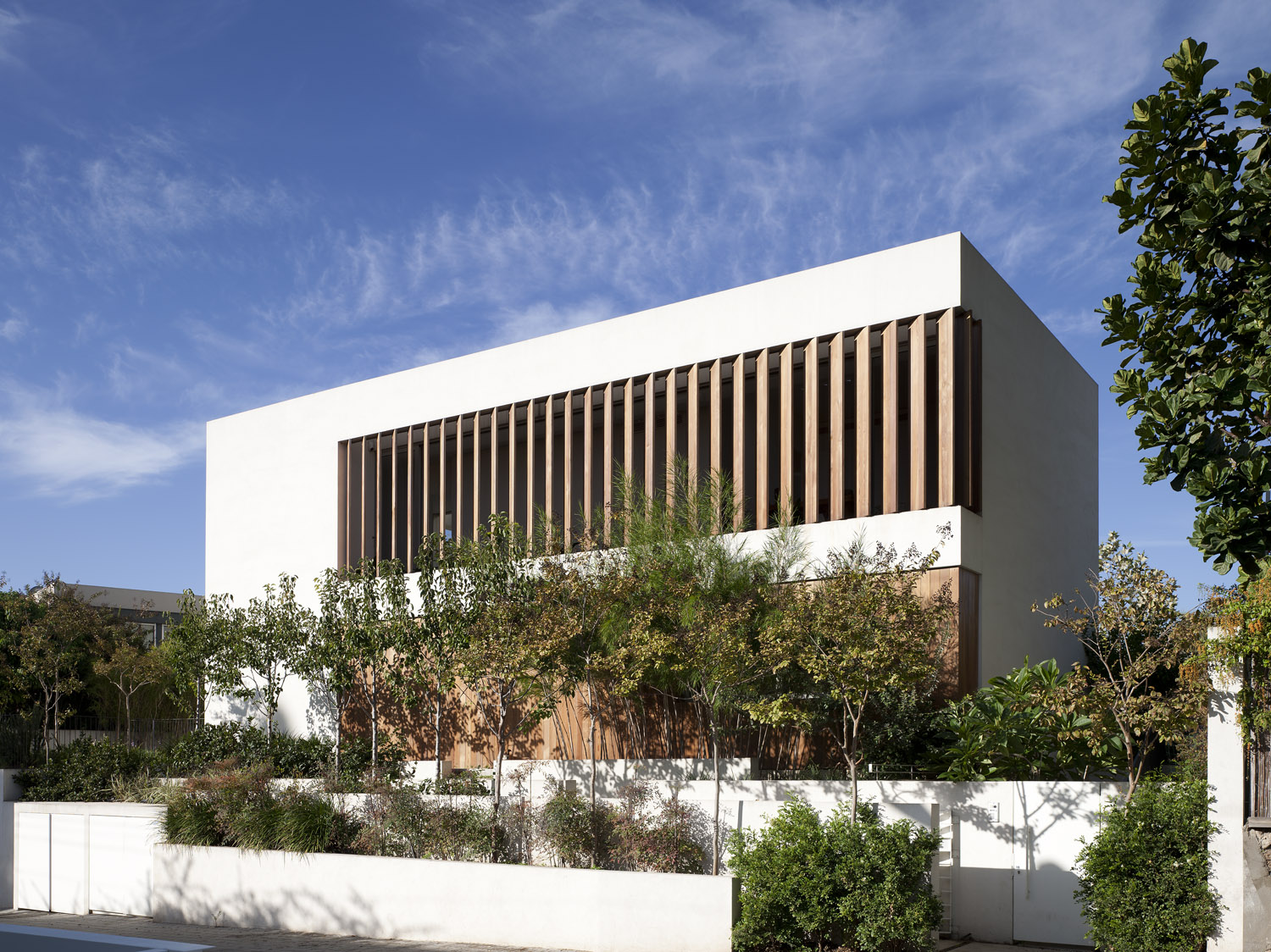
The simplest solution often remains one of the most effective: prevent sunlight from reaching the glass. Architects have long used brise-soleil, deep overhangs, operable shutters and external aluminium louvres to shade windows before solar radiation penetrates the building envelope. Once sunlight passes through glazing, interior blinds or curtains can reduce glare but cannot stop much of the heat already trapped indoors. Today’s luxury villas are adapting this century-old principle with contemporary detailing. Adjustable aluminium fins, timber screening systems and automated external shading now respond to the sun’s movement throughout the day, preserving panoramic views while reducing cooling loads. Instead of treating shading as an afterthought, architects increasingly integrate it into the home’s identity.
The Roof Becomes the First Line of Defence
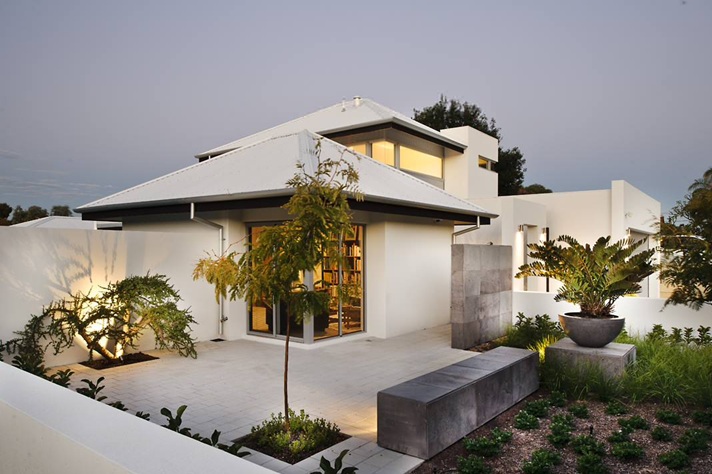
During summer, the roof absorbs more solar radiation than almost any other part of a building. Traditional dark roofing materials can become extremely hot by mid-afternoon, transferring heat into bedrooms and living spaces below long after sunset.
Increasingly, architects are specifying cool roofs finished with highly reflective membranes, ceramic coatings or specialised high-albedo paints. These surfaces reflect significantly more sunlight while emitting absorbed heat back into the atmosphere, reducing roof temperatures and easing the burden on air-conditioning systems. According to the US Department of Energy, reflective roofs can remain around 28 degrees Centigrade cooler than conventional dark roofs under the same summer conditions. The technology has evolved beyond white rooftops. New pigments now allow darker architectural finishes to reflect infrared radiation without compromising contemporary aesthetics.
A Roof That Breathes
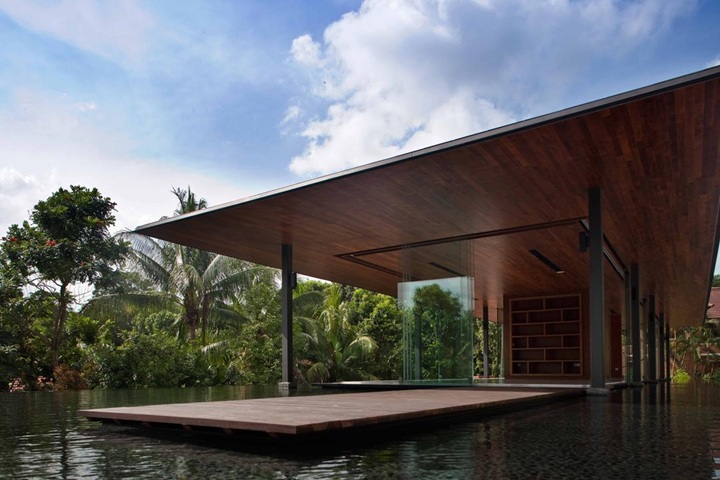
Many tropical homes appear to have floating roofs. The visual effect is deliberate, but the hidden engineering is even more important. Double roofs and ventilated roof cavities create an air space between the outer roof and the ceiling below. As solar heat builds up beneath the outer roof, warm air naturally escapes through the cavity before reaching the living areas. The concept has been used for generations across Southeast Asia and is now being refined with modern construction techniques and thermal insulators. Luxury resorts throughout Indonesia, Thailand and northern Australia continue to demonstrate how naturally ventilated roofs can maintain comfortable interiors despite intense solar exposure. Rather than fighting heat mechanically, the roof quietly dissipates it throughout the day.
Smarter Glass, Cooler Interiors
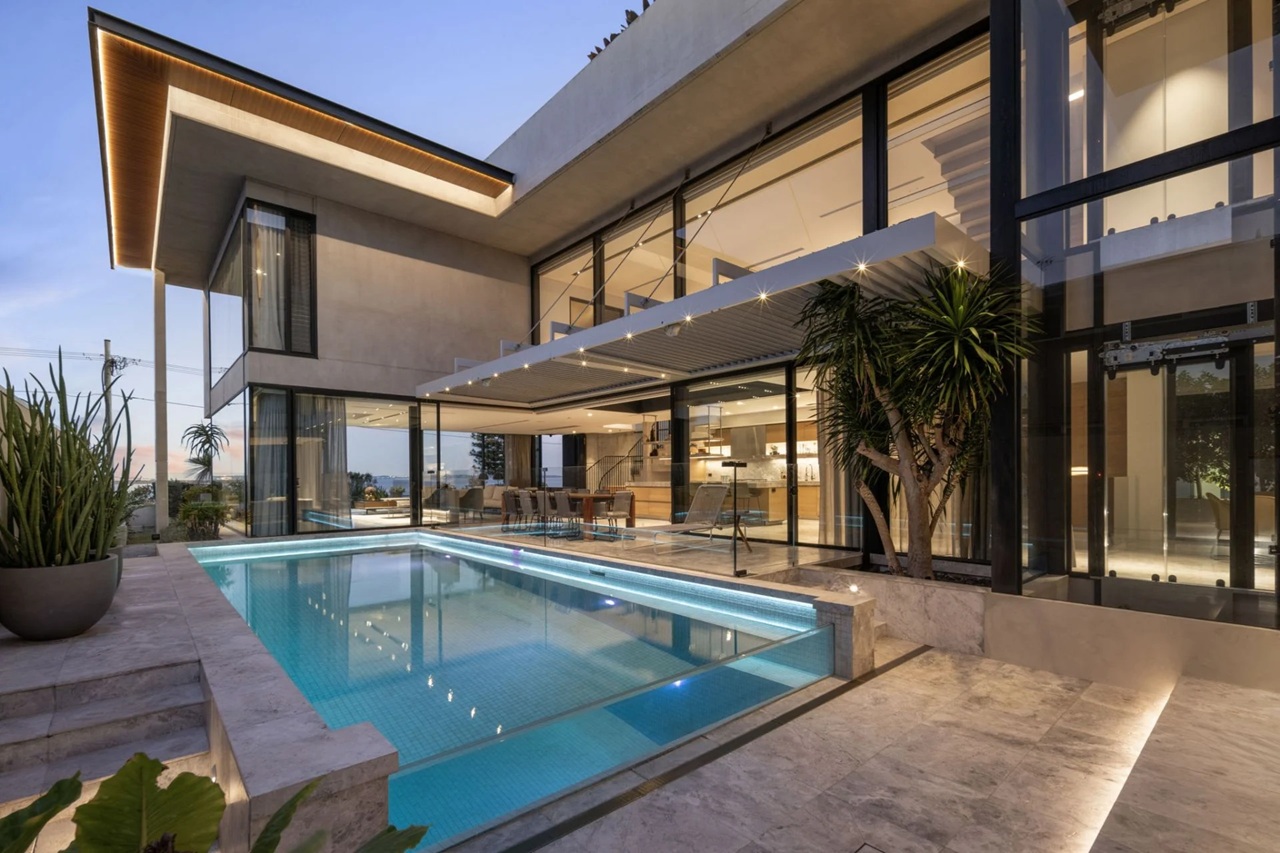
Glass has become synonymous with luxury architecture, framing uninterrupted views of oceans, mountains and forests. Yet large expanses of glazing can also become one of the biggest sources of unwanted heat. The latest generation of glazing addresses that challenge through spectrally selective coatings, Low-E technology and high-performance double glazing. These systems admit abundant daylight while filtering much of the sun’s infrared energy, reducing solar heat gain without darkening interiors. Smart glazing is increasingly replacing heavily tinted windows, preserving both natural light and visual clarity. The result is a brighter interior that remains noticeably cooler throughout the day, allowing architecture to embrace openness without sacrificing thermal comfort.
Nature On the Roof
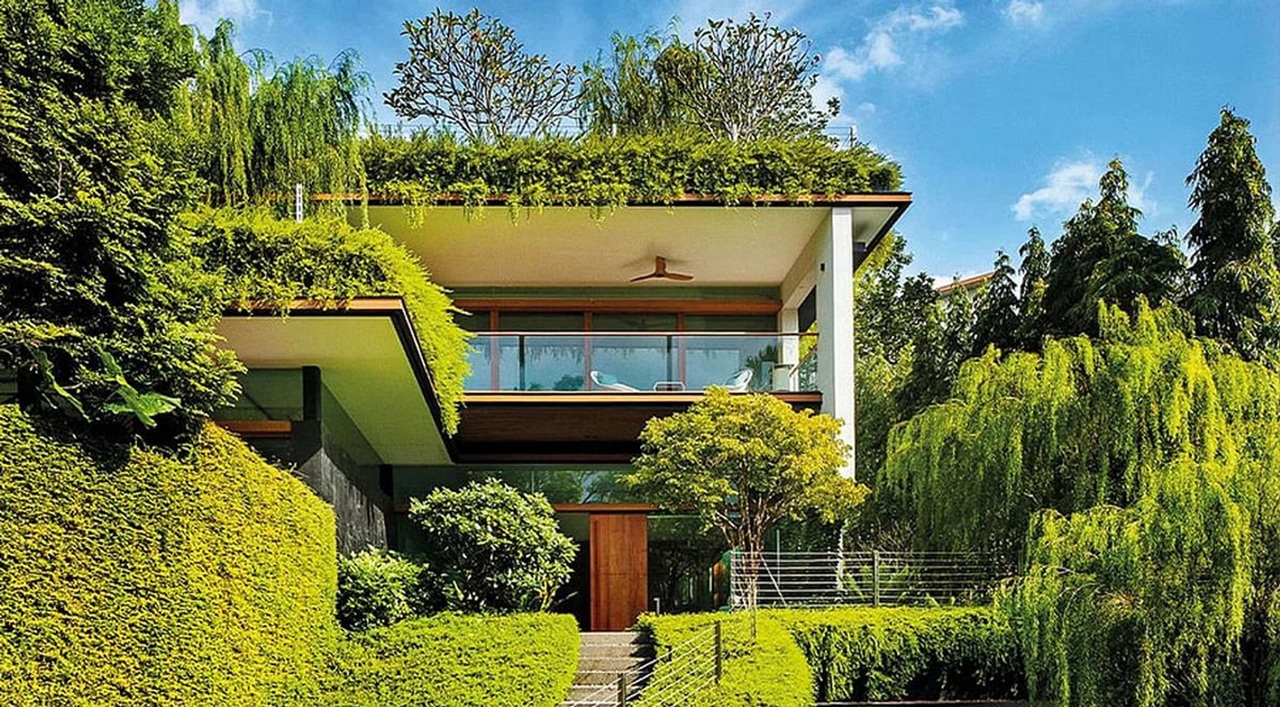
If the roof has become the first line of defence against the sun, some architects are choosing to soften it altogether. Terence Gareth, a trained architect from TVCI consultants, shares the sage advice of adding greenery to your roof top, “It’s the same basic science of sitting under a tree when the sun is out. The temperature under the tree can be cooler by 2 to 8 degrees Centigrade! Not many people are aware that vegetation offers natural cooling properties. Effectively, roof tops can be gardenscapes with trees to absorb heat.”
Green roofs and living walls have evolved far beyond decorative landscaping. To the uninitiated, layers of vegetation can be used to shade the building while cooling the surrounding air through a process called “evapotranspiration”—the natural process by which plants release moisture into the atmosphere. The effect can noticeably reduce roof and wall temperatures, particularly during prolonged periods of intense heat. For holiday homes, the appeal is two-fold. Besides improving thermal performance, planted roofs visually reconnect buildings with their landscapes, allowing architecture to blend into coastal cliffs, tropical forests or Mediterranean hillsides. Singapore has become a global recognition for integrating greenery into buildings (i.e. ParkRoyal Collection Pickering by Woha Architects and CapitaSpring by BIG – Bjarke Ingels Group and Carlo Ratti Associati), while luxury resorts across Southeast Asia increasingly use vegetated roofs to improve both comfort and biodiversity.
Paint That Does More Than Protect
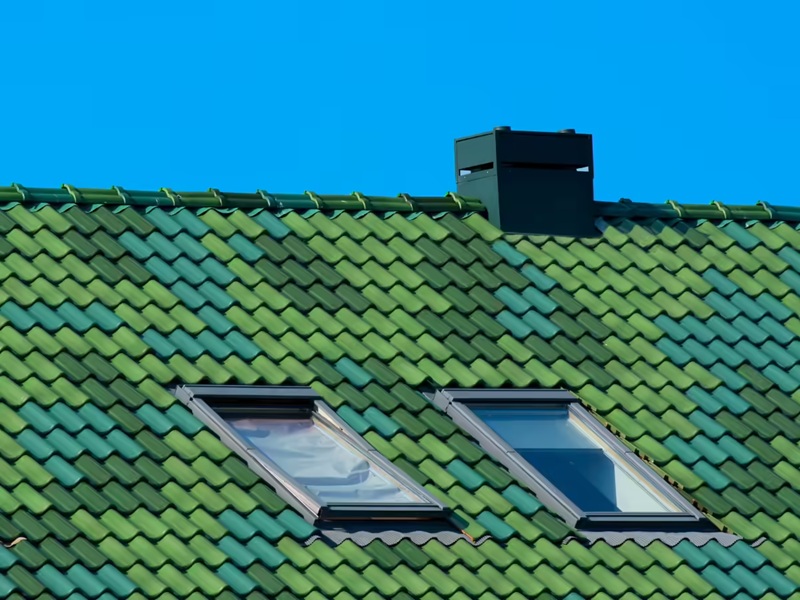
Paint has traditionally been chosen for colour and durability. Increasingly, it is also being specified for its ability to manage heat. Manufacturers such as Nippon Paint, Jotun and Sherwin-Williams already produce high solar-reflectance roof coatings that reflect a significant portion of the sun’s infrared radiation, helping to keep roofs noticeably cooler in tropical climates. Beyond these commercial products, a new generation of radiative cooling coatings—developed by researchers at Purdue University and now being commercialised by US start-up SkyCool Systems for rooftop applications—goes a step further by reflecting almost all incoming sunlight while radiating heat into the sky. Although still in the early stages of adoption for residential architecture, the technology points towards a future in which exterior coatings become an active component of passive cooling rather than simply a protective finish.
Walls That Breathe
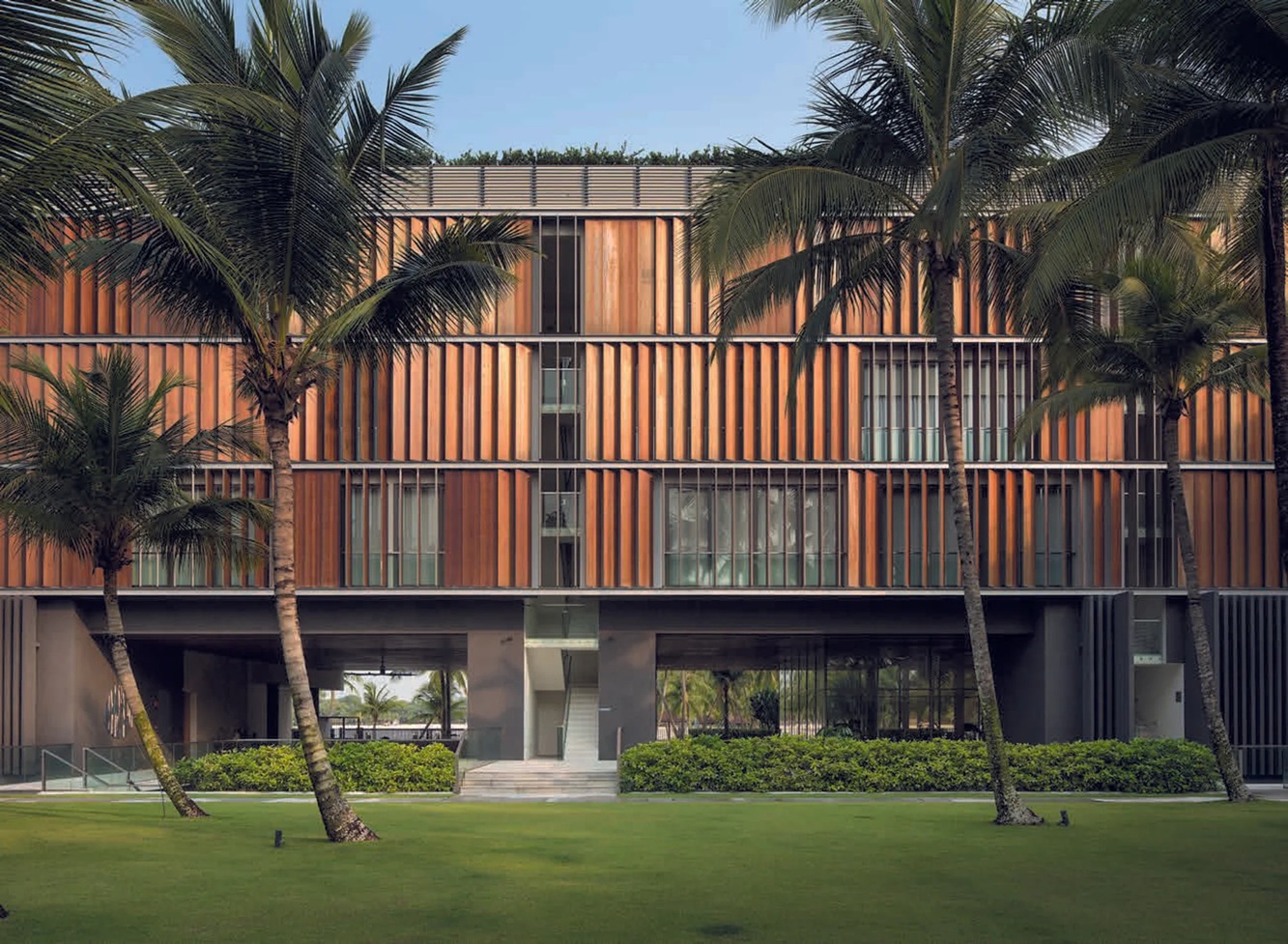
The exterior wall is no longer expected merely to keep rain out. Ventilated façades, also known as rainscreen systems, create a narrow cavity between the structural wall and its outer cladding. As sunlight heats the façade, air circulates through this gap, carrying away much of the accumulated warmth before it reaches the interior. The principle has become increasingly common in hotels, high-rise apartments and premium homes, particularly in warmer climates where west-facing walls can absorb intense afternoon sun. Architects also value the system for its durability, helping manage moisture while extending the life of the building envelope. Rather than adding more insulation alone, ventilated façades improve performance by allowing the building to breathe.
Cooling Begins Before the Front Door
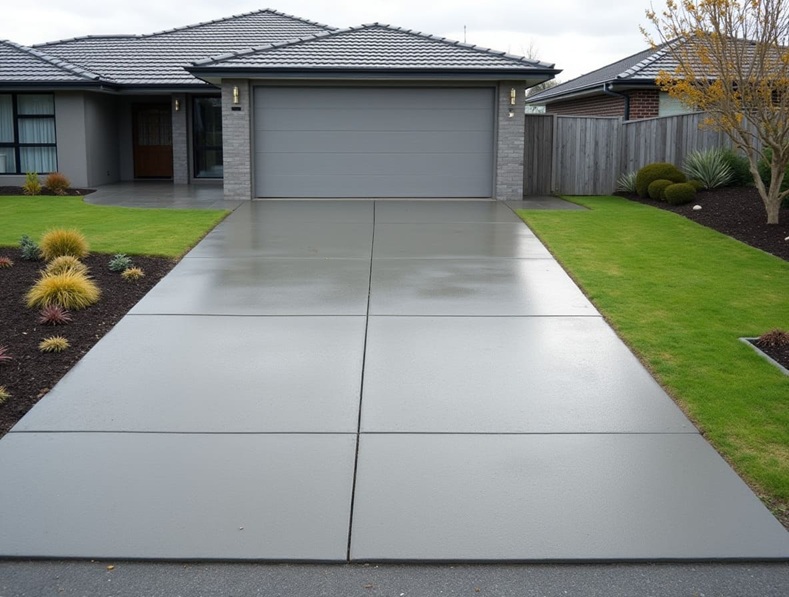
The hottest surface around a holiday home is often neither the roof nor the walls, but the driveway. Traditional asphalt and dark paving absorb solar radiation throughout the day, then slowly release that heat after sunset, creating a lingering warmth that affects outdoor terraces and adjacent rooms. New paving materials seek to reverse that effect. High-albedo concrete, permeable pavers and reflective aggregates absorb significantly less heat than conventional surfaces while allowing rainwater to evaporate more efficiently. Besides improving outdoor comfort, cooler ground surfaces reduce the surrounding microclimate, easing the heat load on nearby buildings. Landscape architects increasingly view paving as part of the home’s cooling strategy rather than simply a finishing material.
Designing Beyond the Thermostat
Luxury holiday homes have always promised escape. Increasingly, that promise depends not only on spectacular views or generous living spaces but also on how well a building responds to the surrounding climate. Many of the most effective solutions are neither futuristic nor complicated. Shading, ventilation and thoughtful orientation remain fundamental, yet they are now reinforced by smarter glazing, reflective coatings, ventilated façades and landscape materials engineered to perform under rising temperatures.
As climate extremes become more frequent, the most successful holiday homes are likely to be those that work with nature rather than against it. Instead of relying solely on mechanical cooling, the architecture itself quietly assumes a greater share of the task. In that sense, the future of luxury may not be defined by how much energy a home consumes, but by how effortlessly it stays cool.
For more architectural reads, click here.