The Rise of Vietnam’s Hospitality and Wellness Boom
Vietnam is emerging as Southeast Asia’s next hospitality and wellness powerhouse, with Ho Chi Minh City increasingly positioned to rival Bangkok as a regional hub for wellness tourism.
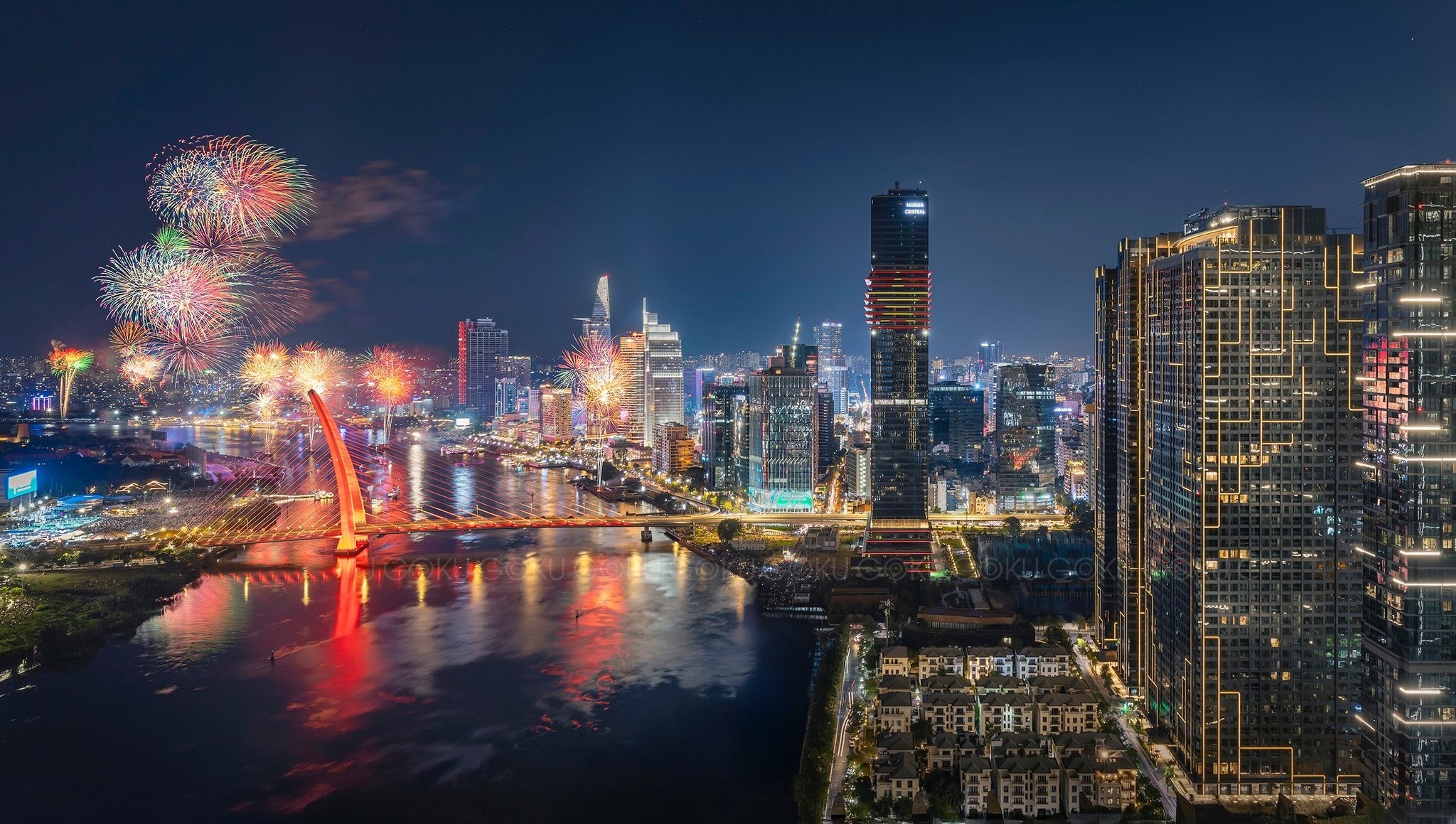
Vietnam is now attracting the wellness capital that typically follows economic development. Rising wealth, growing international visibility and increasing tourist arrivals are reshaping Vietnam into a luxury market in its own right. Hospitality groups are opening ultra-luxury resorts, branded residences are proliferating along the coastline and wellness operators are positioning the country as a destination for high-end longevity tourism. What was once viewed primarily as a manufacturing success story is increasingly becoming a luxury one. Over the past decade, hotel development has accelerated along both coastal and urban corridors, with international operators moving into Ho Chi Minh City, Hanoi, Da Nang and Phu Quoc. Unlike earlier phases of tourism growth driven by midscale travel and backpacking routes, the current wave is defined by five-star architecture, branded residences and experiential hospitality ecosystems.
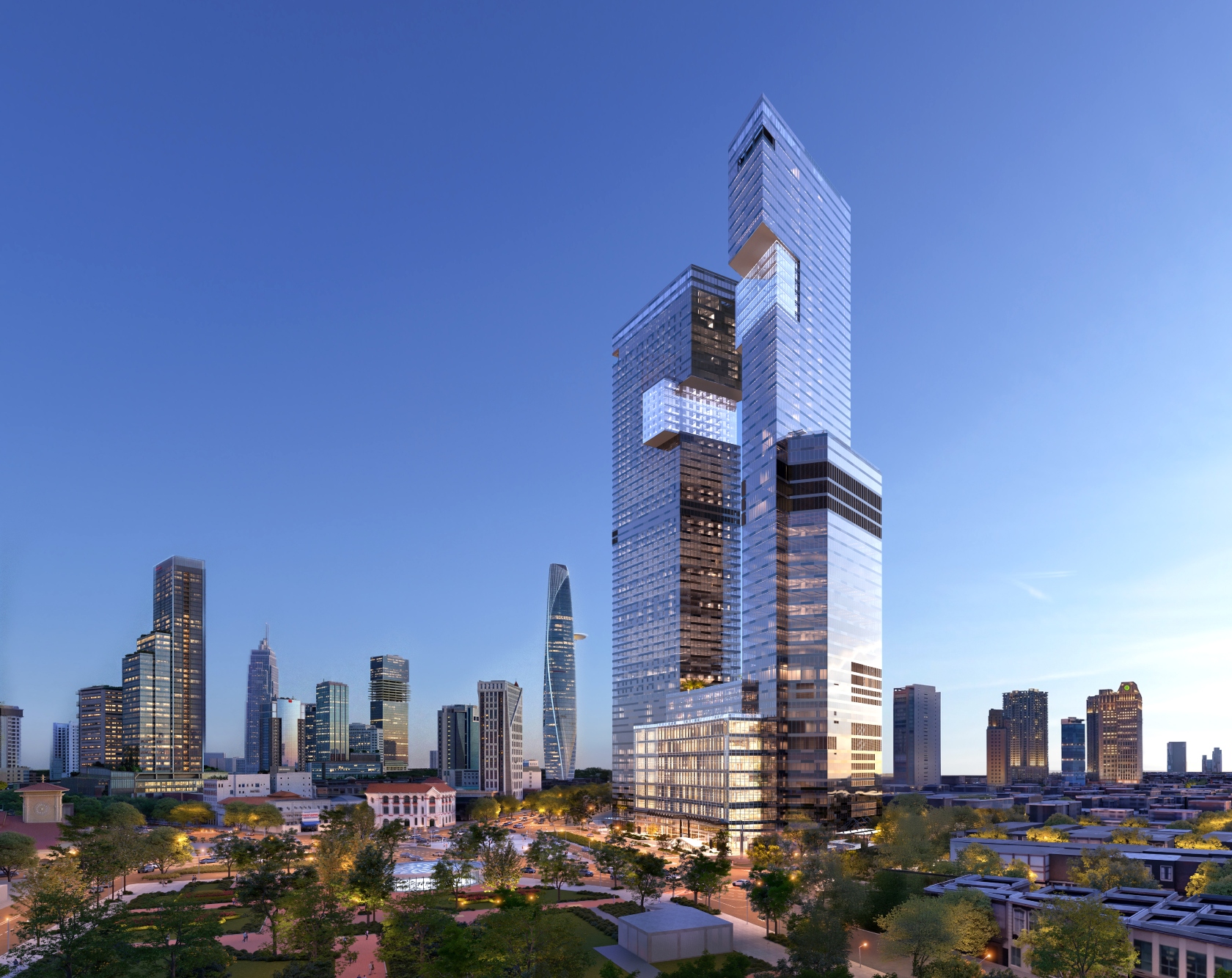
Vietnam’s Competitive Advantage Is Scarcity
A key driver of Vietnam’s appeal lies in scarcity. Luxury consumers are increasingly drawn to destinations that feel less saturated, and Vietnam offers the positioning of an emerging market where new resorts, wellness retreats and hospitality concepts still feel relatively undiscovered. Compared to established hubs such as Phuket, Bali or parts of Thailand, Vietnam’s luxury hospitality sector remains in an earlier phase of development.
This relative underdevelopment creates a sense of exclusivity. New openings are not yet absorbed into an overbuilt landscape, allowing properties to retain a stronger sense of discovery and differentiation. As a result, Vietnam is increasingly seen not just as an alternative, but as one of the region’s next major luxury frontiers.
Geography & Rising Onsen Culture
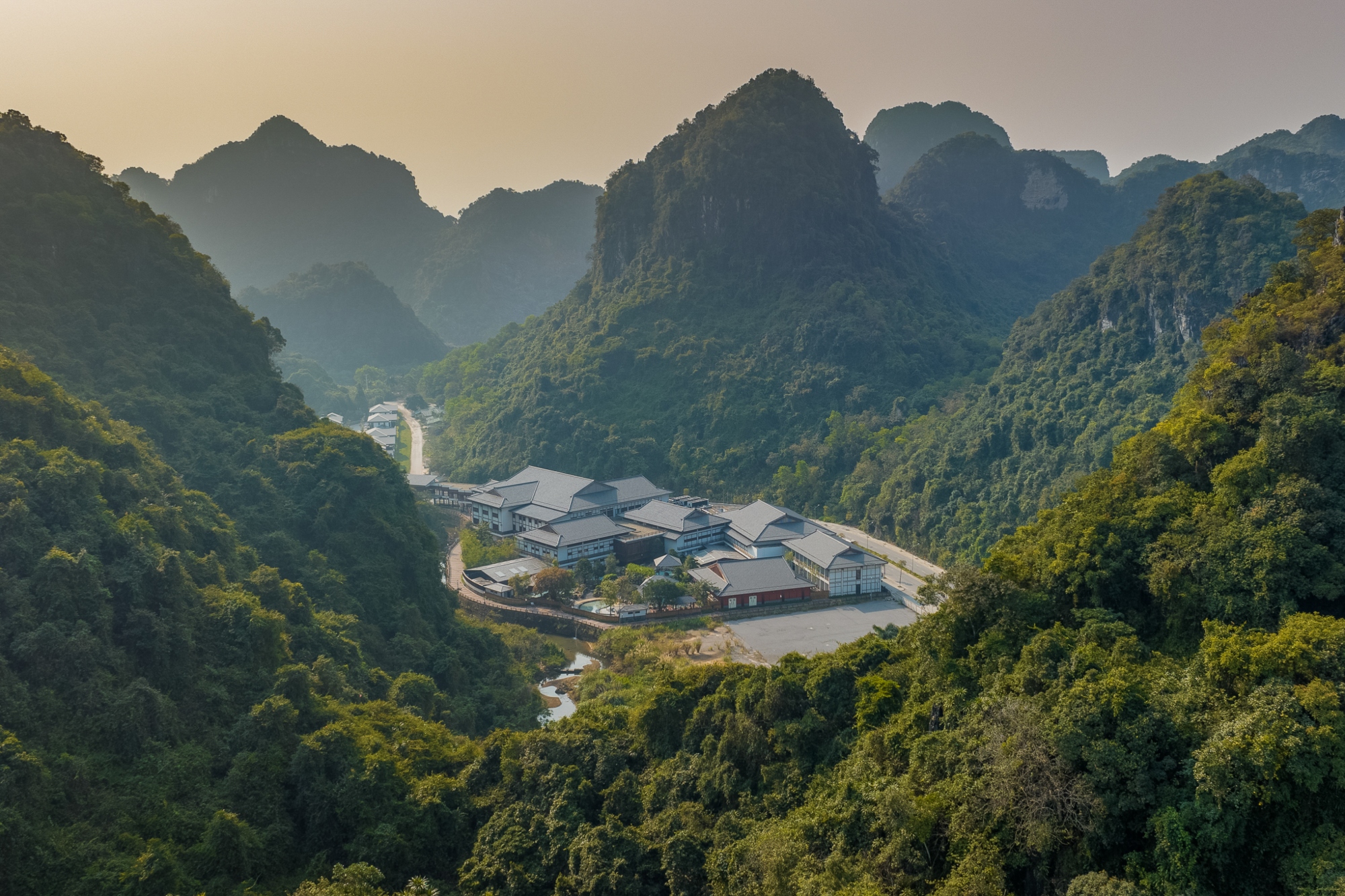
Vietnam’s wellness potential is reinforced by its geography, which already contains many of the natural assets associated with the sector. With more than 3,000 kilometres of coastline, alongside hot springs, mountain regions, dense forests and a tropical climate, the country offers a natural foundation for a wide range of wellness experiences.
These conditions support coastal retreats, thermal bathing, forest immersion and nature-based recovery programmes without requiring fully artificial ecosystems. Increasingly, these natural advantages are being embedded into hospitality developments, allowing wellness to be positioned as a defining feature of the destination rather than a supplementary spa offering.
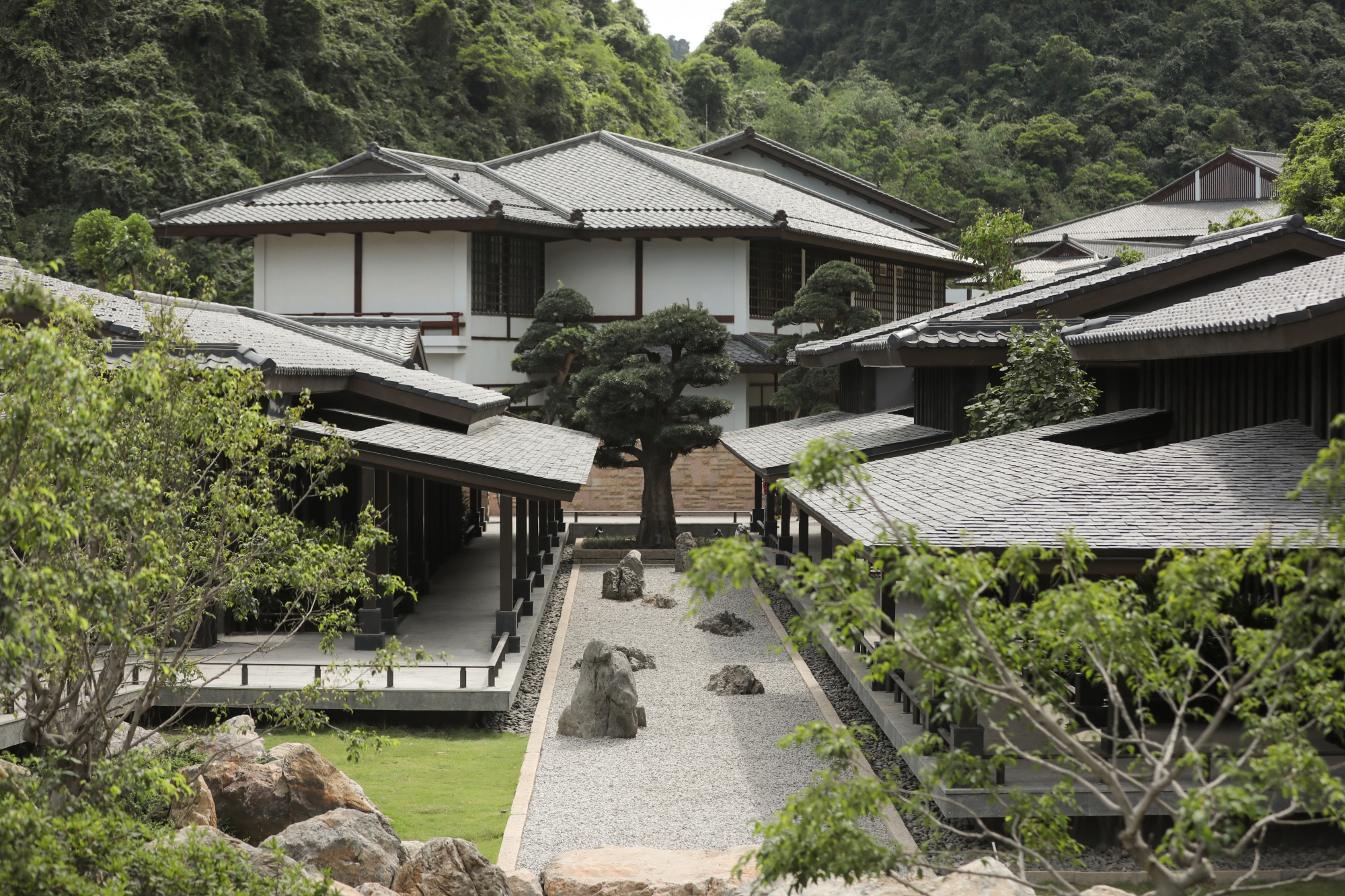
Vietnam is also beginning to develop a distinctive wellness identity through its emerging onsen scene. Home to more than 400 natural hot springs, the country is quietly building a reputation as a rising hot spring destination, with Japanese-inspired wellness resorts expanding across regions such as Quang Ninh and Hue.
Just a short flight from Singapore, these destinations are being positioned as accessible alternatives for travellers seeking the ritual of an onsen experience without the long-haul journey or premium pricing associated with Japan. This growing segment reflects a broader shift towards preventative health and structured wellness travel, where recovery and longevity are becoming central to the hospitality offering.
The Rise of Branded Residences Signals Long-Term Confidence
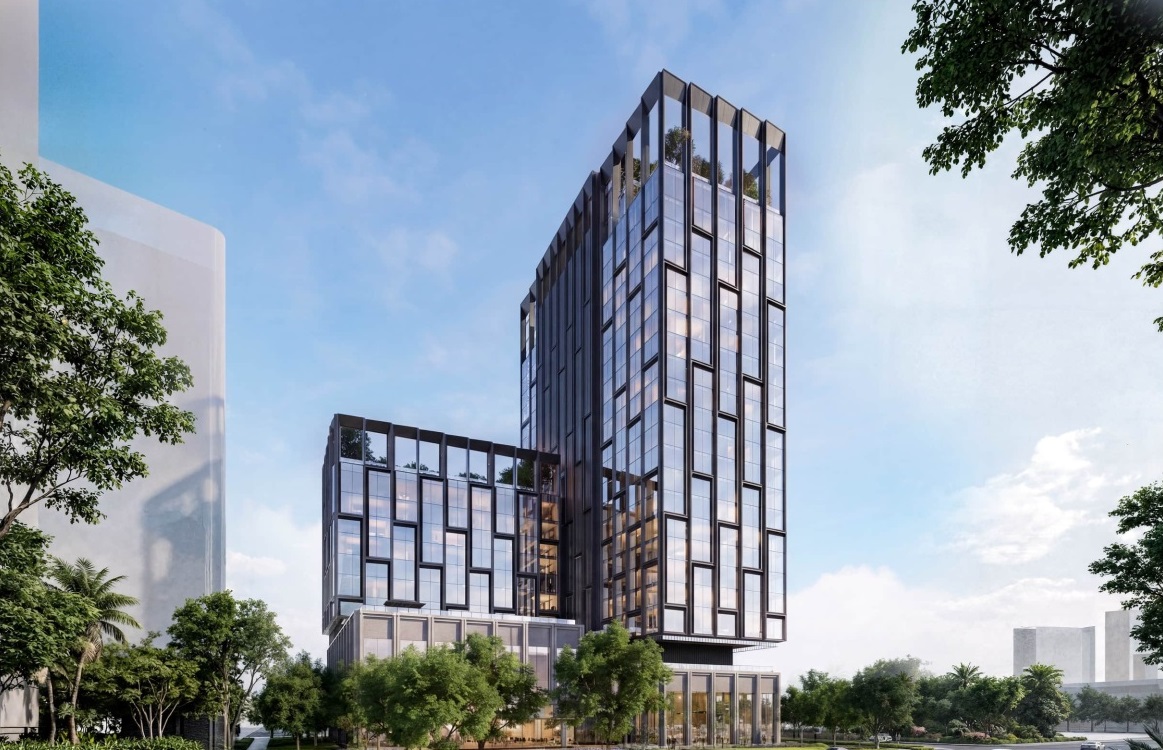
Branded residences are among the clearest indicators of long-term confidence in a luxury market. Unlike hotels, which depend on short-term visitor demand, branded residential developments reflect sustained bets on wealth creation, lifestyle migration and international buyer interest.
This growing confidence is visible across Vietnam’s hospitality landscape, where global operators are steadily expanding their footprint. Alongside established ultra-luxury resorts such as Amanoi and Six Senses Ninh Van Bay, brands including Aman, Four Seasons and Six Senses are shaping a broader ecosystem of high-end hospitality that signals long-term positioning rather than short-term experimentation.
Vietnam occupies a strategically attractive position within Southeast Asia’s luxury landscape. Geographically and economically, it sits between the maturity of Thailand’s tourism market and the financial sophistication of Singapore, offering exposure to a destination still in an earlier phase of luxury development.
For investors and hospitality groups, this combination of expanding demand, favourable demographics and untapped development potential is increasingly compelling. Land acquisition, construction and labour costs remain comparatively lower than in more established luxury destinations, enabling larger-scale projects and greater operational flexibility.
At the same time, infrastructure development is steadily improving connectivity across key regions including Ho Chi Minh City, Da Nang, Phu Quoc and the central coastline, strengthening the country’s position as an emerging regional hub for high-end tourism.
What’s Next
As the market matures, Vietnam is likely to see a gradual shift towards more direct involvement from global luxury groups. Similar patterns have emerged in other parts of Asia, where brands initially entered through distributors before transitioning to more integrated regional operations once demand and scale stabilised.
In hospitality, this evolution is already visible. Brands such as Aman, Four Seasons and Six Senses operate high-end resorts including Amanoi and Six Senses Ninh Van Bay, where brand-controlled experiences are closely aligned with global portfolio strategy. These models contrast with other sectors, such as retail, where distributor-led structures still dominate, suggesting hospitality may be the leading indicator of Vietnam’s broader luxury transition.
For more on the latest in luxury lifestyle, travel and wellness reads, click here.