Saigon Property Sees Disciplined Capital Driving Market Growth
Saigon’s new real estate supply remains high-end, while a large share of the owner-occupier market is more practical and price-sensitive, helping to sharpen investors’ discernment.
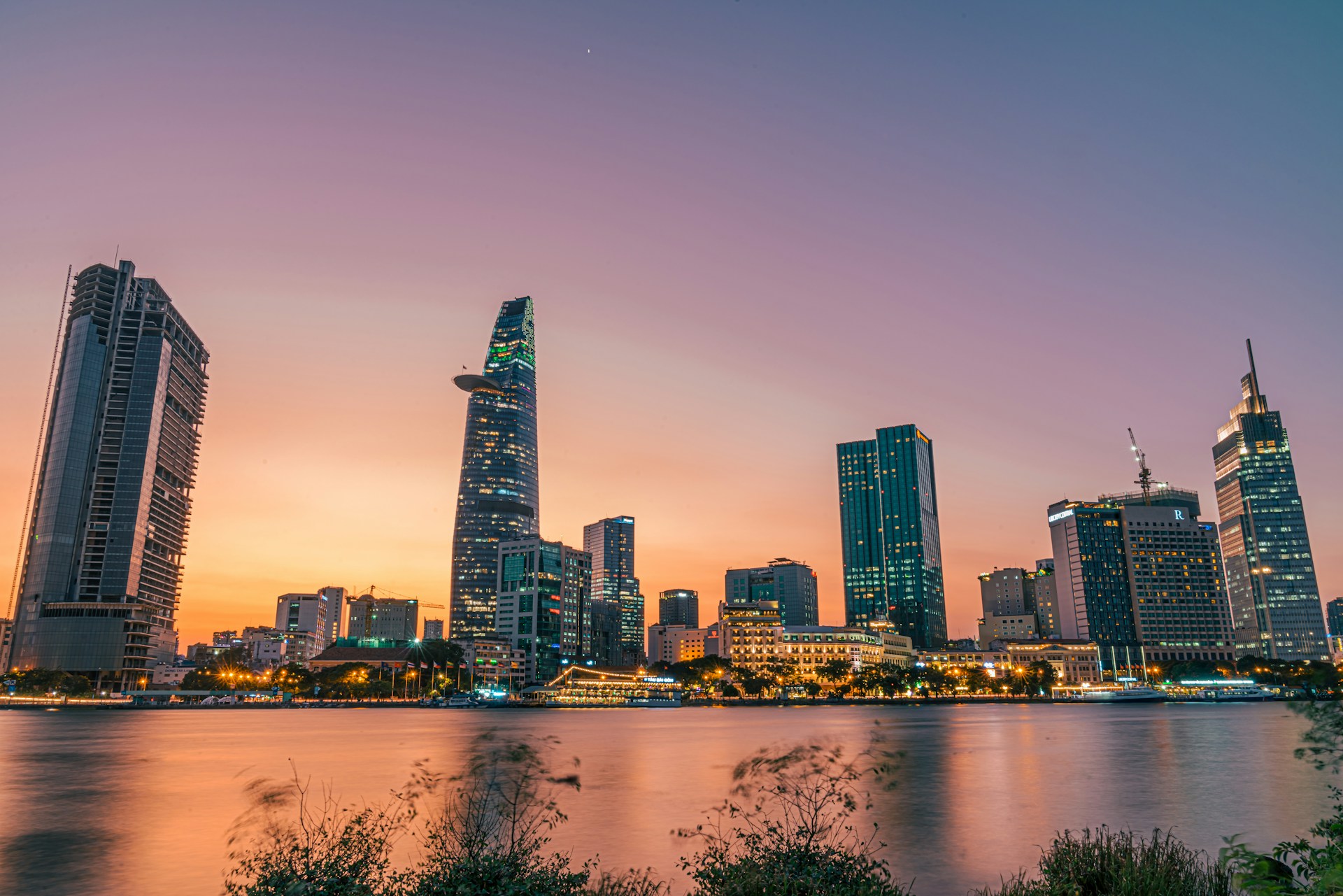
On the surface, Ho Chi Minh City (or Saigon, as it is historically referred to) still projects the familiar image of a rapidly growing metropolis. Construction cranes continue to punctuate the skyline, cafés remain crowded from morning until late evening and a growing metro network is reshaping the rhythm of daily life. Yet beneath this energy, a more nuanced reality of the property market is unfolding. For much of the past decade, Vietnam’s largest city was viewed as one of Southeast Asia’s most compelling emerging markets, buoyed by urbanisation, foreign investment and comparisons to other fast-growing regional capitals. Property values climbed steadily and real estate optimism was abundant, creating the impression that almost any purchase would eventually appreciate.
However, that narrative is changing. Ho Chi Minh City is entering a more mature phase of development in which investment decisions are increasingly dependent on infrastructure, demographics and supply constraints rather than on broad market momentum. The city’s long-term growth story remains intact, but success is no longer determined solely by participation in the market. Instead, the market is beginning to reward patience and careful asset selection. According to Cushman & Wakefield’s recent Southeast Asia Outlook, Ho Chi Minh City is expected to experience continued price growth due to a scarcity of new supply and shifting supply-and-demand dynamics across locations and housing segments. This shift may ultimately prove to be one of the most important turning points in the city’s property evolution, because not every district, residential typology or development will benefit equally from future growth. LUXUO examines current trends for anyone considering investing in a property in Saigon, Vietnam.
“Supply Shortage” Impacting the Real Estate Market

Some investors eye homes with lush gardens and a swimming pool. Image: Decor & Architecture.
One of the most significant forces driving the market today is the shortage of new residential inventory. However, is that truly the case? Leong Boon Hoe, chief executive officer of Arcadia Consulting, explains, “On the supply point, perhaps it’s worth being a little more precise. The issue is not just ‘shortage of supply’, but the mismatch between what is being launched and where real end-user demand sits. Much of the new supply remains high-end, while a large share of the owner-occupier market is more practical and price-sensitive.
Following several years of regulatory delays and stricter approval processes, developers have faced considerable challenges in launching new projects. Research from Savills Vietnam shows that new apartment supply remains well below historical averages, with much of the current pipeline concentrated in suburban districts and large integrated developments rather than central locations.
This imbalance between limited supply and sustained demand has become increasingly evident. While buyers continue to enter the market, particularly among Vietnam’s growing middle and upper-middle-income groups, fewer projects are available to absorb this demand.

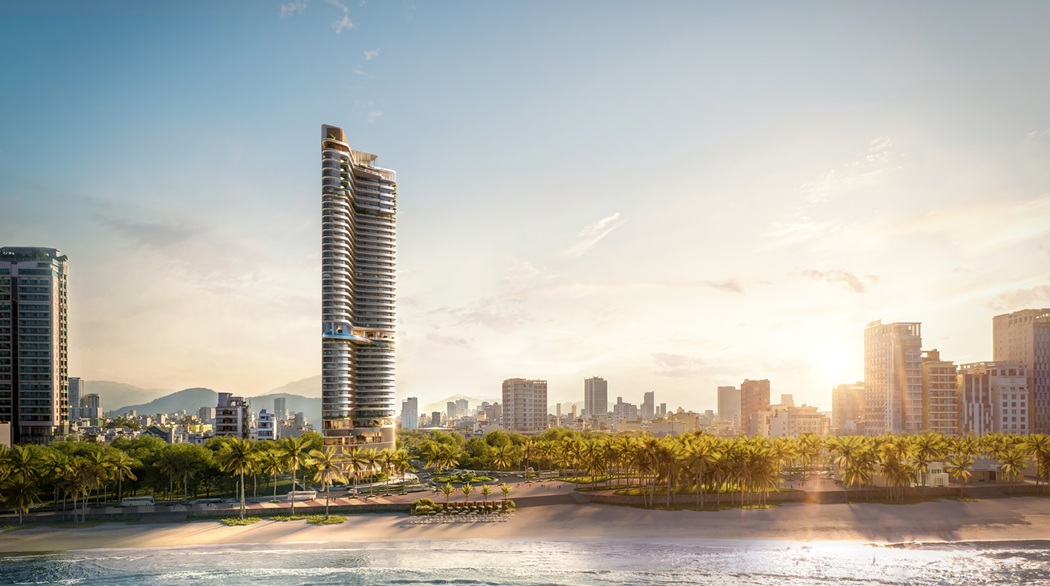
Image: Mandarin Oriental Residences.
Average apartment prices have consequently risen over recent years, with prime developments in central areas frequently exceeding USD 5,000 per square metre. Luxury projects in selected districts have already surpassed USD 10,000 per square metre, placing Ho Chi Minh City among the more expensive residential markets in Southeast Asia.
At the same time, affordable housing has become increasingly difficult to find. Arcadia Consulting notes that project execution, legal due diligence and financial resilience have become increasingly important considerations in Vietnam’s real estate market. Against this backdrop, a broader shift towards higher-end residential developments has emerged, as rising land costs and lengthy approval processes make affordable housing projects more challenging to deliver.

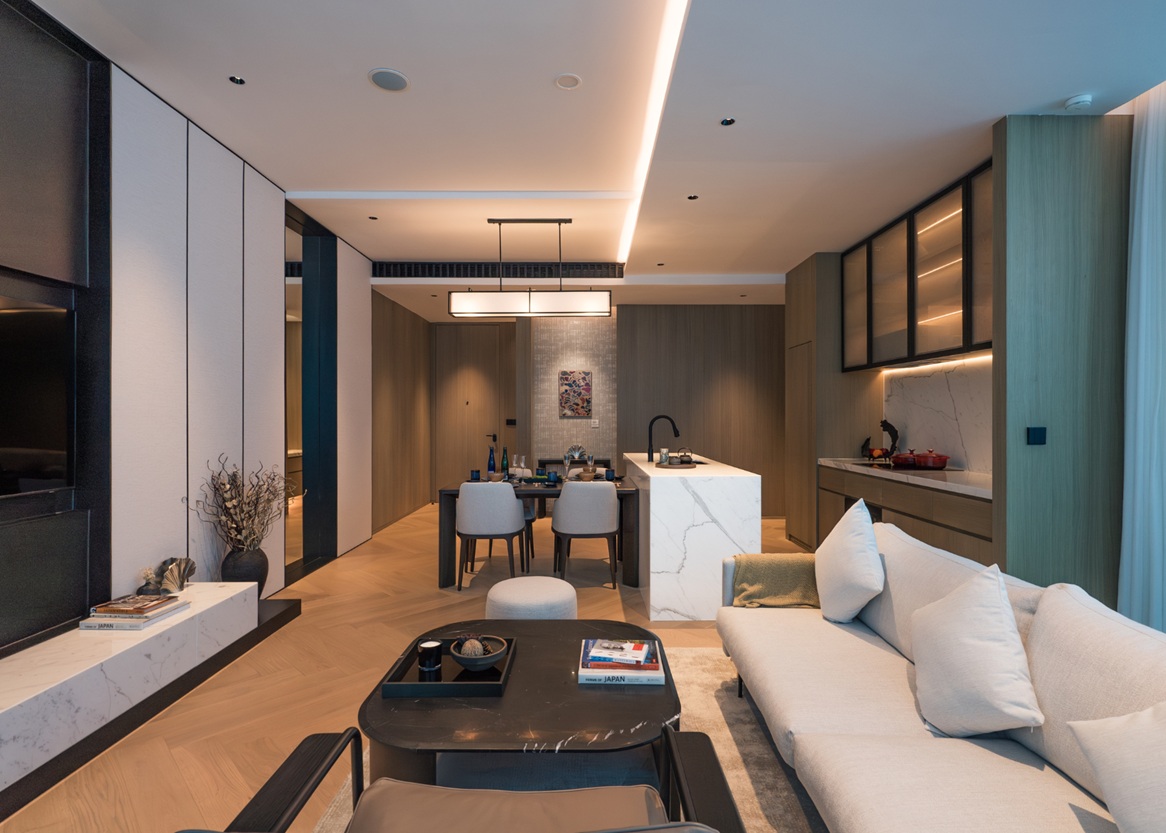
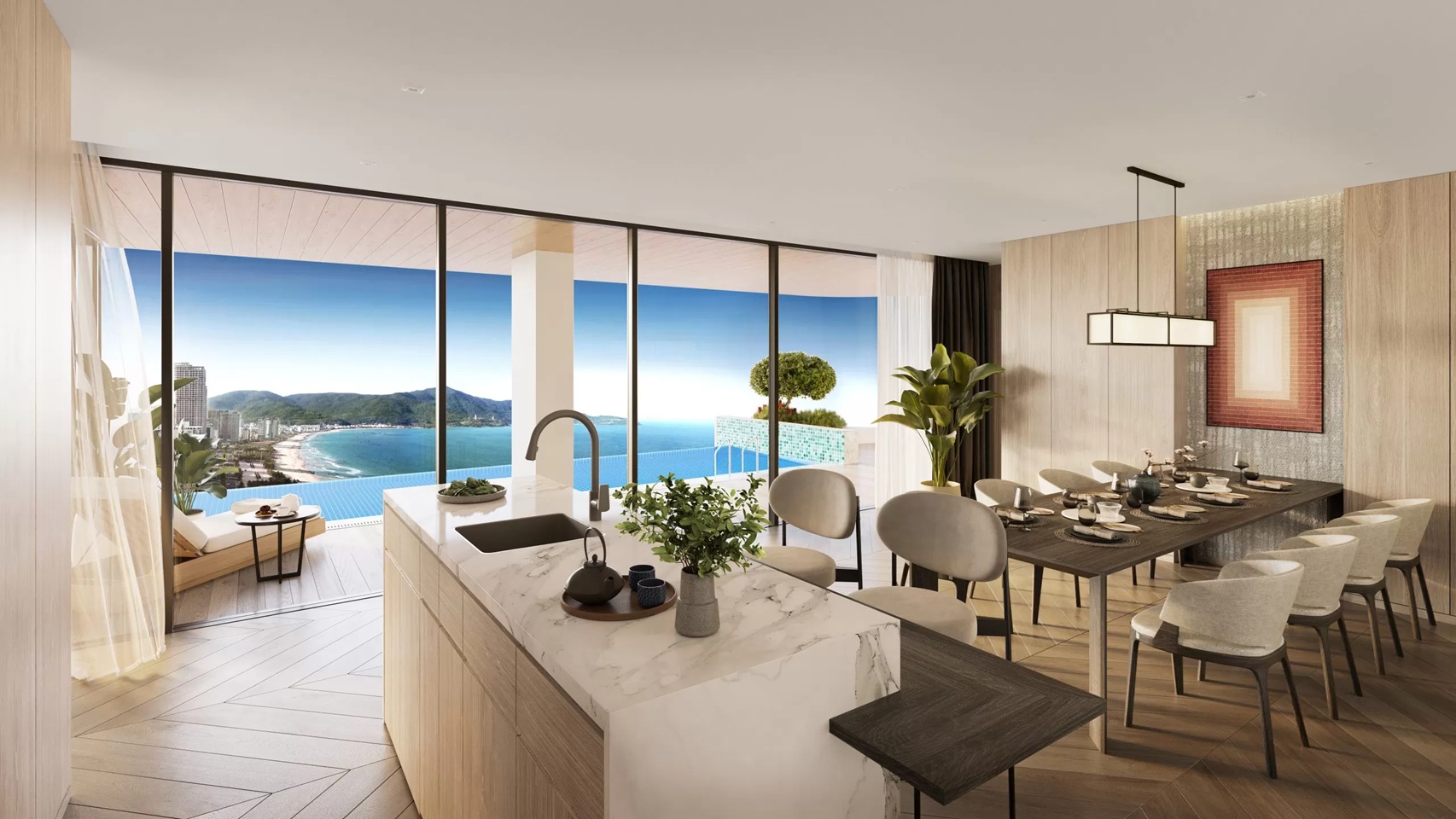
Image: Mandarin Oriental Residences.
Rather than representing a temporary market imbalance, these conditions point towards a structural shift that may continue to support property values over the coming years.
Infrastructure Is Shaping New Urban Centres
For decades, District 1 represented the undisputed centre of economic and residential activity in Ho Chi Minh City. Today, investment attention is spreading far beyond the traditional central business district as growing infrastructure projects have begun to alter how the city functions.
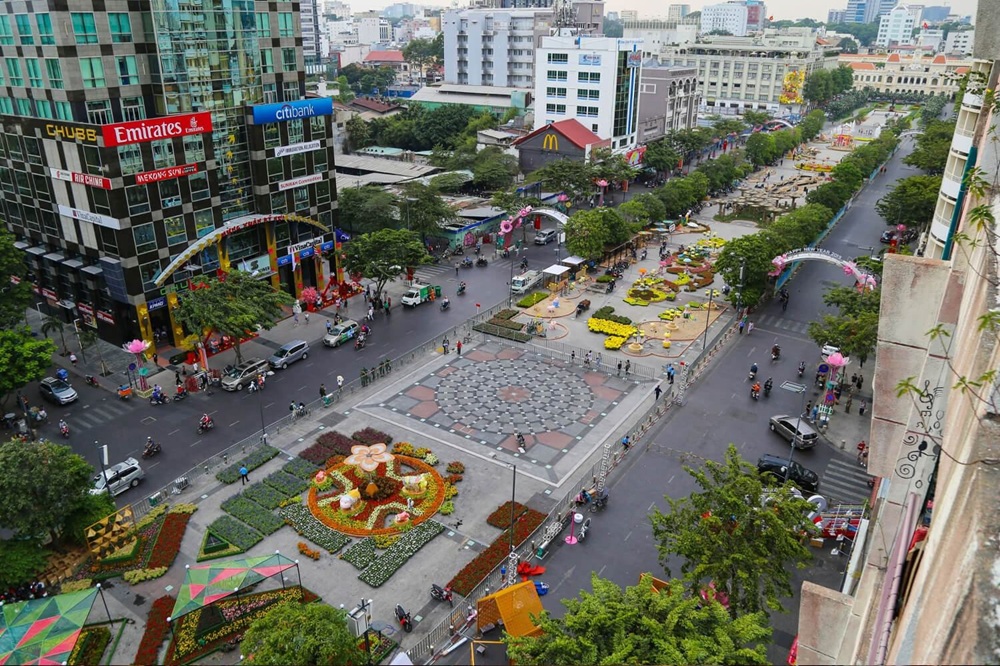
The already operational Metro Line 1, connecting Ben Thanh Market to Thu Duc City, has become one of the most transformative developments in recent years. Areas that were once perceived as “outer city areas” are becoming increasingly accessible, allowing entirely new residential and commercial corridors to emerge. It has also reshaped buyers’ perceptions in the eastern corridor, especially Thu Duc, An Phu, Thao Dien and Nam Rach Chiec.
This phenomenon has already played out in cities such as Bangkok, Singapore and Tokyo, where transport connectivity has gradually decentralised economic activity and created new investment hotspots beyond established city centres. Knight Frank’s research has consistently pointed to infrastructure investment as an increasingly important driver of real estate performance across Southeast Asia. In Ho Chi Minh City, improved transport connectivity is already influencing where future residential demand is likely to concentrate.
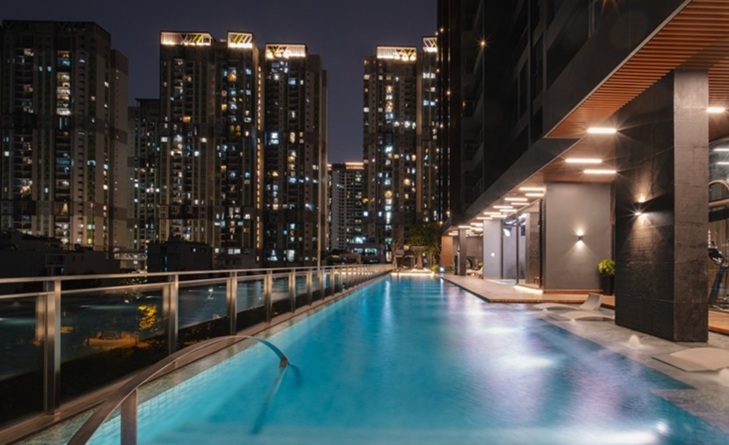
Capitaland Singapore’s 88-unit residential unit Define in Vietnam was sold out in a matter of hours. Image: Capitaland.
Within Ho Chi Minh City, Thu Duc City has become a focal point of this transformation. Often referred to as Vietnam’s innovation hub, the district combines universities, technology parks, business campuses and new residential communities within a single ecosystem. Rather than functioning as a satellite district, Thu Duc is increasingly establishing itself as an independent economic engine capable of supporting long-term demand.
As infrastructure projects continue to mature, investment opportunities are likely to become more geographically diverse, reducing the market’s historic dependence on District 1.
“Sentiment in HCMC is more confident than it was, but I wouldn’t describe the market as blindly bullish. Buyers are still careful and still very nuanced. The difference now is that good projects in the right locations have a really strong scarcity story behind them. New supply is returning, but much of it remains concentrated in the high-end segment, while broader owner-occupier demand is at a more practical price point. So price growth in HCMC won’t be evenly spread. The better-supported projects will be those with clear legal status, real infrastructure benefit, credible delivery and a location that still makes a lot of sense after display suites are taken down,” notes Leong Boon Hoe, chief executive officer of Arcadia Consulting.
Global Uncertainty Is Encouraging Greater Discipline
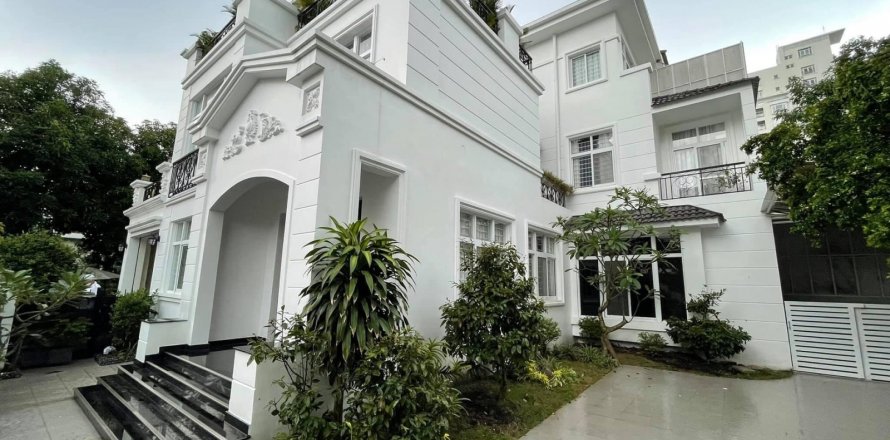
A studio villa-style home in District 7, Ho Chi Minh City always attracts would-be investors. Image: vietnam-real.estate
The wider global social and economic environment has inevitably influenced investor behaviour. Geopolitical tensions in the Middle East, elevated energy prices and ongoing trade uncertainties have introduced additional layers of caution across global property markets. Vietnam is not insulated from these pressures, particularly as higher oil prices drive up construction and energy costs while international investors adopt a more measured approach to large capital commitments. Rising energy prices also increase logistics and building-material costs, adding further pressure on an already supply-constrained market.
However, Ho Chi Minh City’s outlook remains relatively resilient because its economic foundations extend beyond property itself. Vietnam continues to benefit from strong foreign direct investment, expanding manufacturing capabilities and a young workforce that supports domestic consumption. Jones Lang LaSalle has also highlighted Vietnam’s role in ongoing supply chain diversification efforts, particularly as multinational companies seek to reduce their dependence on China. As manufacturers relocate parts of their supply chains to Southeast Asia, Vietnam continues to attract investment in the industrial, logistics and technology sectors, creating downstream demand for housing, offices and retail spaces in Ho Chi Minh City.
Currency fluctuations and a stronger US dollar have also encouraged greater caution among foreign buyers, extending decision-making timelines and increasing scrutiny around location, developer reputation and long-term value.
Global uncertainty has therefore altered the pace of investment activity rather than undermining the underlying fundamentals supporting Ho Chi Minh City’s development. Rather than weakening the market altogether, these pressures are encouraging a more disciplined investment environment centred on connectivity, quality and long-term economic fundamentals.
Investors Are Asking Different Questions
Perhaps the most notable change is behavioural rather than economic. Five years ago, investment discussions often centred on the broad assumption that Vietnam would inevitably become Southeast Asia’s next property success story. Today, investors are becoming more analytical in their approach. Questions surrounding infrastructure accessibility, demographic demand, rental resilience and long-term exit strategies are becoming increasingly important.
This shift reflects a maturing market rather than a weakening one. As property values rise, the margin for error naturally narrows, making due diligence more critical than ever before.
Liquidity is also becoming an important consideration. Unlike highly mature markets such as Singapore, transaction volumes in Ho Chi Minh City can slow considerably during periods of uncertainty. Premium developments may command impressive asking prices, but future resale value ultimately depends on the presence of a willing buyer.
This is particularly relevant within the luxury segment, where prices can occasionally become disconnected from local purchasing power. As a result, speculative strategies are gradually giving way to longer-term investment approaches that prioritise sustainable demand over rapid appreciation.
Arcadia Consulting Vietnam senior advisor and chairman Marc Townsend noted, “Branded residences in Vietnam are moving from the logo phase to the operations phase. In the early years, the brand name itself created excitement, which was useful because it raised expectations for design, service, and international standards. But the next buyer and next level will be more demanding. They’ll ask who operates the building, how service charges are managed, whether privacy is protected, whether the brand agreement is durable, and what happens after handover”. He also stated that in Vietnam, buyers have come to appreciate that the strongest branded residences aren’t the ones with the glitziest name. “They’ll be the ones where the brand actually improves daily living and where the ownership structure is clear and unencumbered”.
A More Sophisticated Investment Story Is Emerging
The temptation to describe Ho Chi Minh City as Southeast Asia’s next great property frontier remains strong, but such comparisons increasingly oversimplify a much more complex reality.
The city is no longer an undiscovered market fuelled purely by optimism. Instead, it is evolving into an infrastructure-driven, institutionally maturing market in which scarcity supports prices, but thoughtful asset selection ultimately determines long-term performance. The strongest investment case is not rooted in short-term gains but in the city’s broader demographic and economic trajectory. Vietnam’s population now exceeds 100 million, the median age remains relatively young at approximately 33 years and urban migration continues to strengthen demand for housing and supporting infrastructure.
These structural drivers are unlikely to disappear, even if global volatility periodically slows capital flows o r delays investment decisions.For prospective investors, the opportunity remains compelling, but the framework for evaluating that opportunity has become considerably more sophisticated. Ho Chi Minh City’s next chapter will not be defined by speculative enthusiasm or easy gains, but by a gradual transition towards a more selective and disciplined market. The city still possesses remarkable momentum, yet confidence alone is no longer enough. Future success will increasingly depend on understanding how infrastructure, demographics and supply constraints intersect over the coming decade. In many ways, that evolution may represent the strongest signal: Ho Chi Minh City is no longer an emerging-market story built solely on potential, but a maturing city entering a more sustainable phase of long-term growth.
For more property reads, click here.