Four Seasons Istanbul: A Week Between Two Worlds
Luxury is a love language, and nowhere is that more obvious than at Four Seasons Istanbul. From the mesmerising view of the Topkapı Palace to the hidden alleys, its an experience that stays with you.
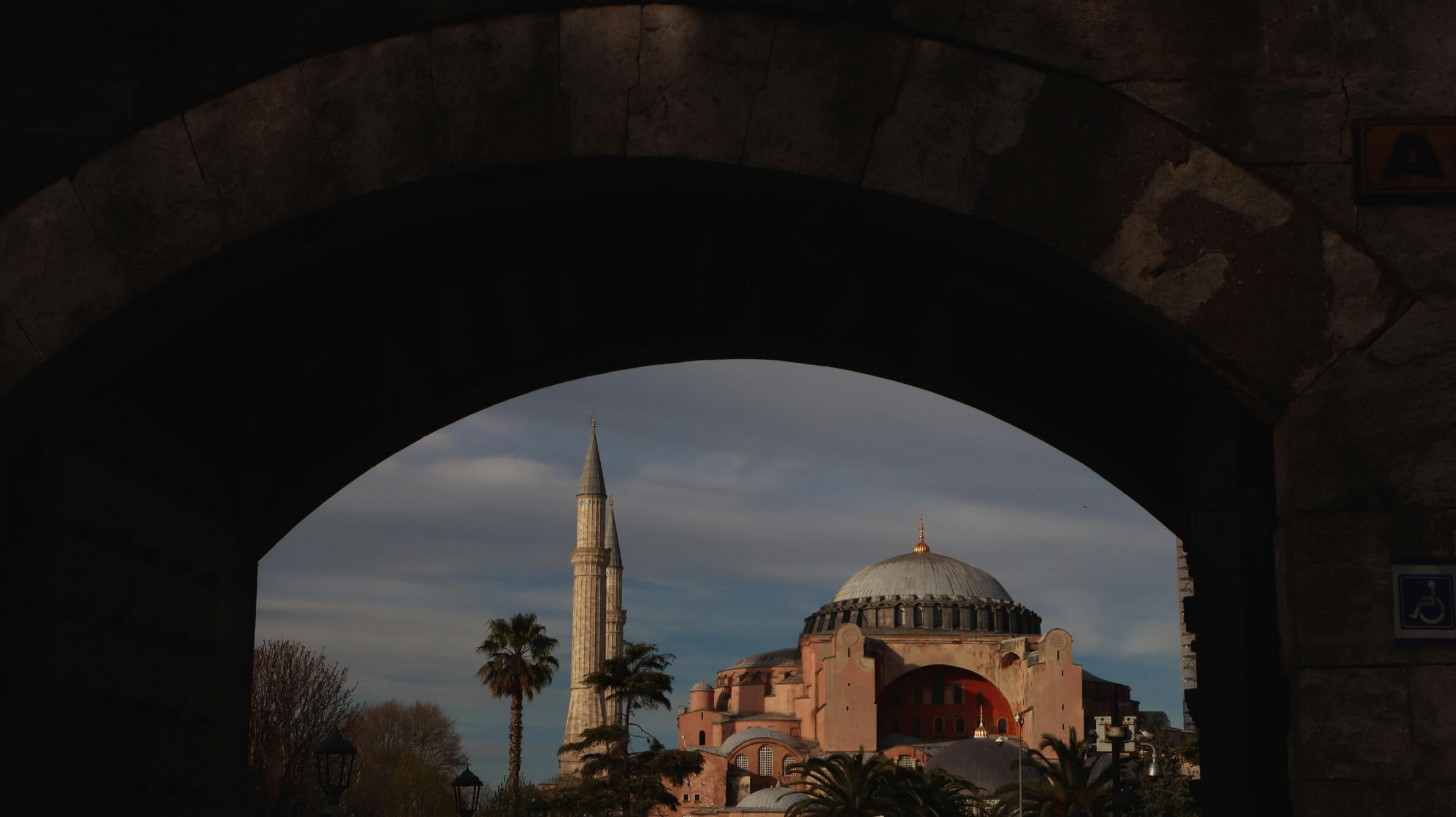
There are cities that belong to the present, and then there is Istanbul. Where a sixth-century cathedral shares a skyline with contemporary art galleries; where ferries zigzag between continents as casually as commuters crossing town; where the scent of roasting chestnuts drifts past Roman columns and Ottoman fountains.
It is a place perpetually suspended between eras, refusing to settle on a single identity. Which is perhaps why I felt so at home here. Most luxury hotels attempt to transport guests somewhere else. In the crossroads of civilization, Four Seasons does something more interesting. It transports you deeper into the city itself.
The experience begins on the Bosphorus.
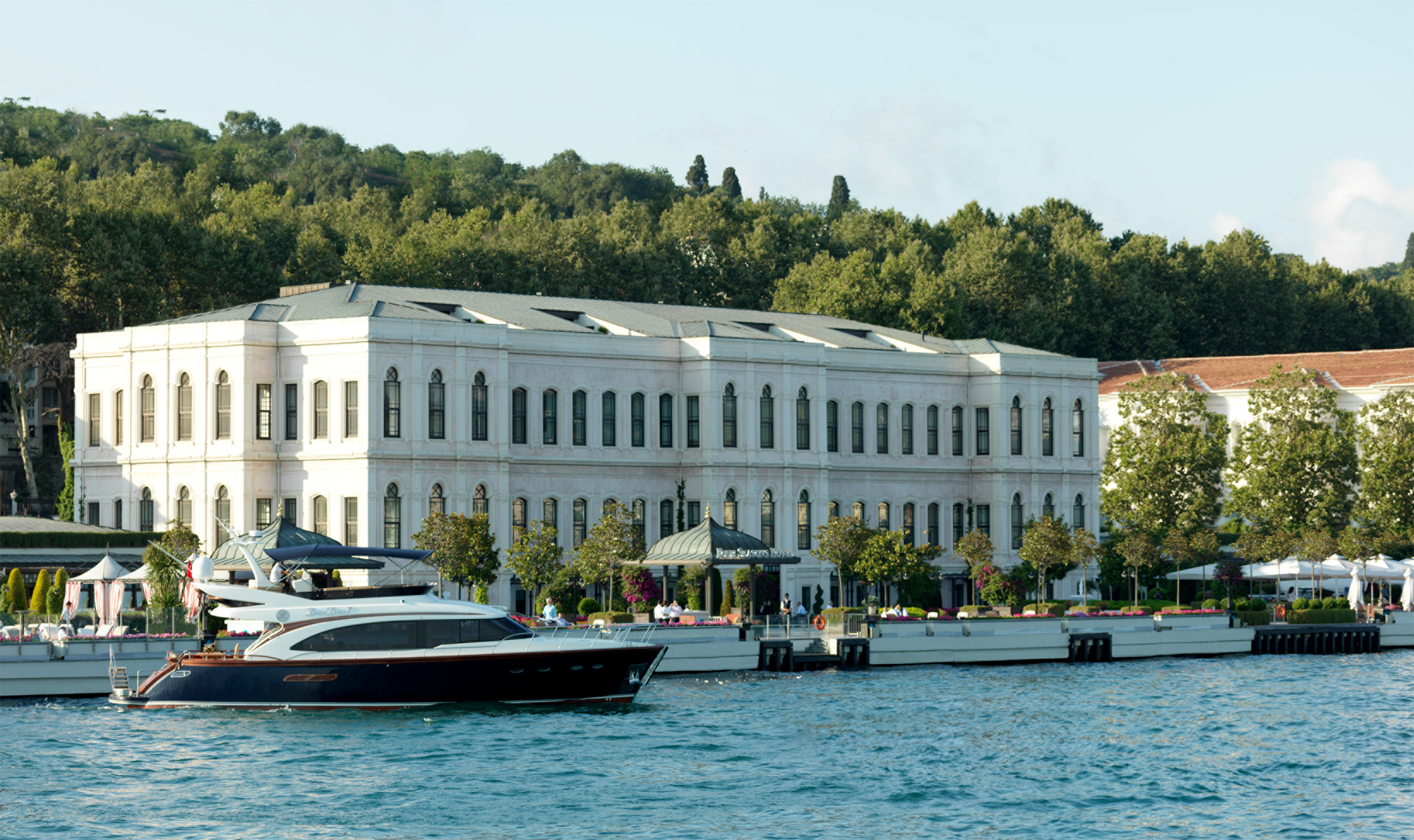
Approaching Four Seasons at the Bosphorus feels less like arriving at a hotel and more like being granted access to a private residence that just happens to have belonged to Ottoman royalty. The restored 19th-century palace stretches elegantly along the water’s edge, its pale façade mirrored by the strait that has shaped empires, economies and destinies for centuries.
Inside, there is none of the intimidating grandeur often associated with palace hotels. Instead, the atmosphere is one of effortless confidence. Fresh flowers tower over marble floors. Light dances through vast windows. The Bosphorus remains the star of every room, every corridor, every meal.
And what a backdrop it is. The water never stops moving. Ferries shuttle between Europe and Asia. Fishing boats trail seabirds. Private yachts glide silently past Ottoman mansions whose timber façades have weathered generations of change. The view feels cinematic, but more importantly, alive.
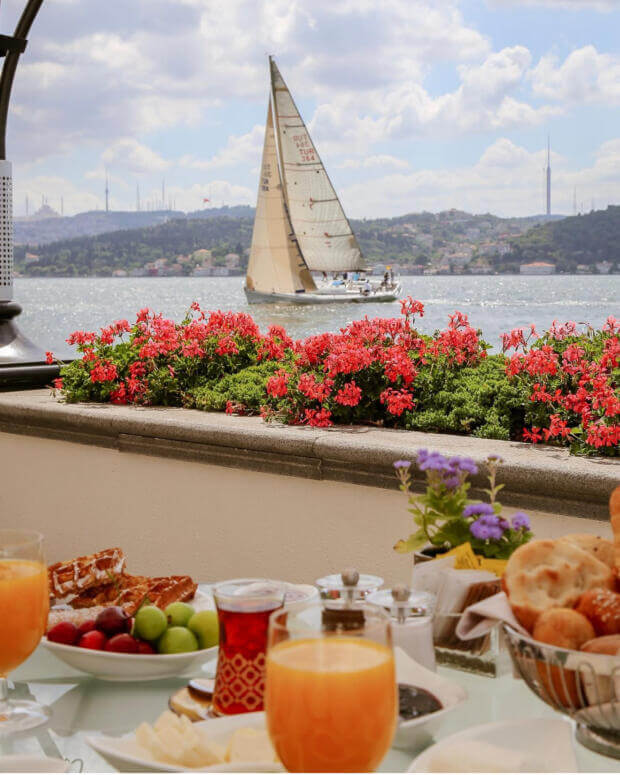
From a table at Aqua, breakfast arrives as a celebration of Turkey itself. Sun-ripened tomatoes. Local cheeses. Honey still fragrant with wildflowers. Olives in shades of green and black so beautiful they look curated by an art director. Beyond the terrace, the Bosphorus performs its endless choreography. This is where Four Seasons understands something fundamental about Istanbul: luxury here is not separation from the city. It is proximity to it.
The hotel’s greatest achievement is that despite its polish, it never feels detached from its surroundings. The city flows through it. Istanbul’s social set drifts in for long lunches by the water. Families gather for extravagant Sunday brunches. Business magnates negotiate over coffee. Guests become spectators to a city that continues unfolding beyond the palace gates.
Yet there is also a palpable sense of history. Not the kind trapped behind glass, but history that remains woven into daily life.
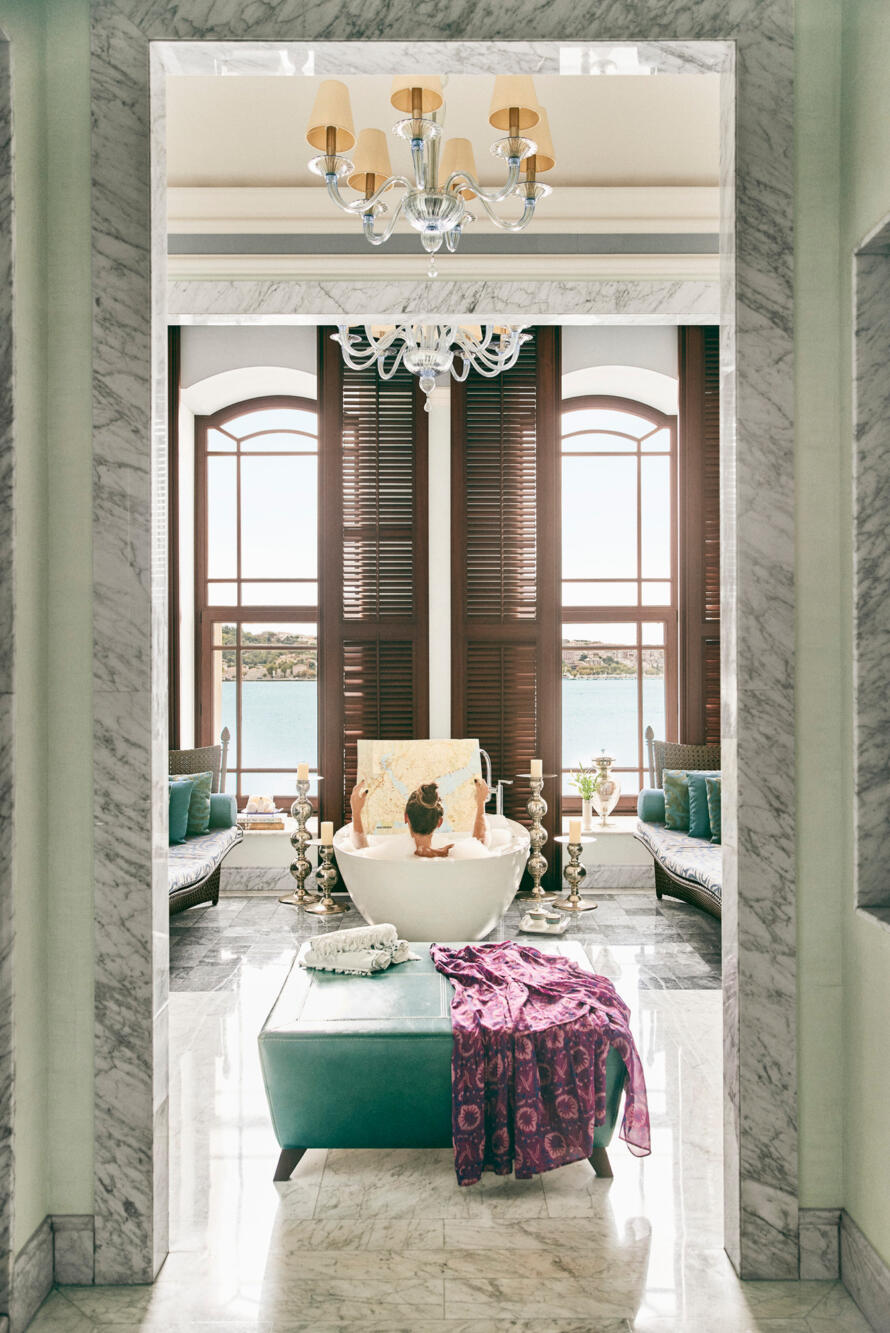
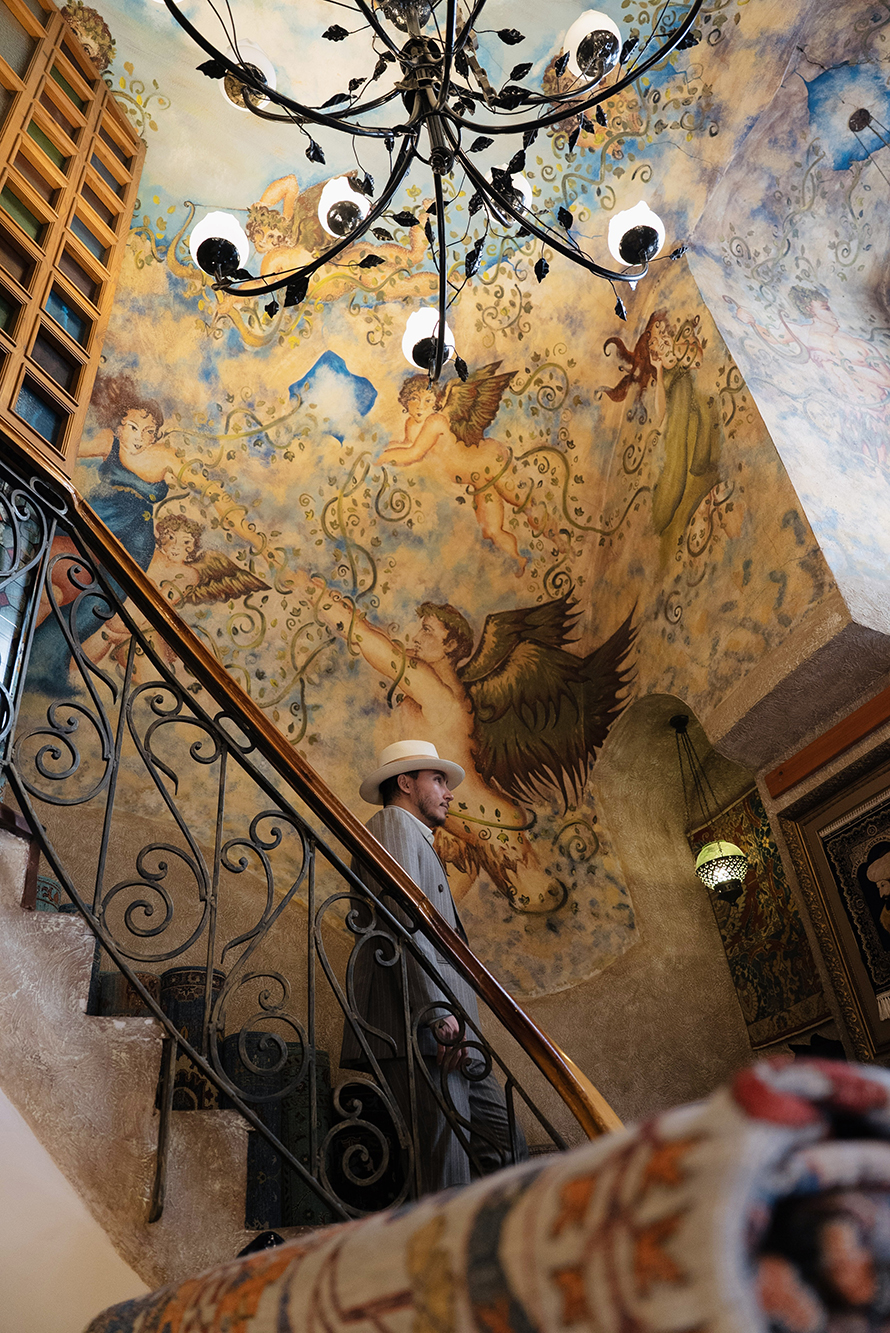
Nowhere is this more apparent than in the hammam. Beneath marble domes and rising steam, centuries collapse. The ritual remains largely unchanged from the days when Ottoman sultans inhabited these shores. For a brief moment, the distinction between traveller and resident, between modernity and tradition, disappears completely.
And then there is the journey to Sultanahmet.
The complimentary boat transfer between Four Seasons’ two Istanbul properties may be one of hospitality’s most inspired gestures. Not simply because it bypasses traffic, but because it transforms transportation into storytelling.
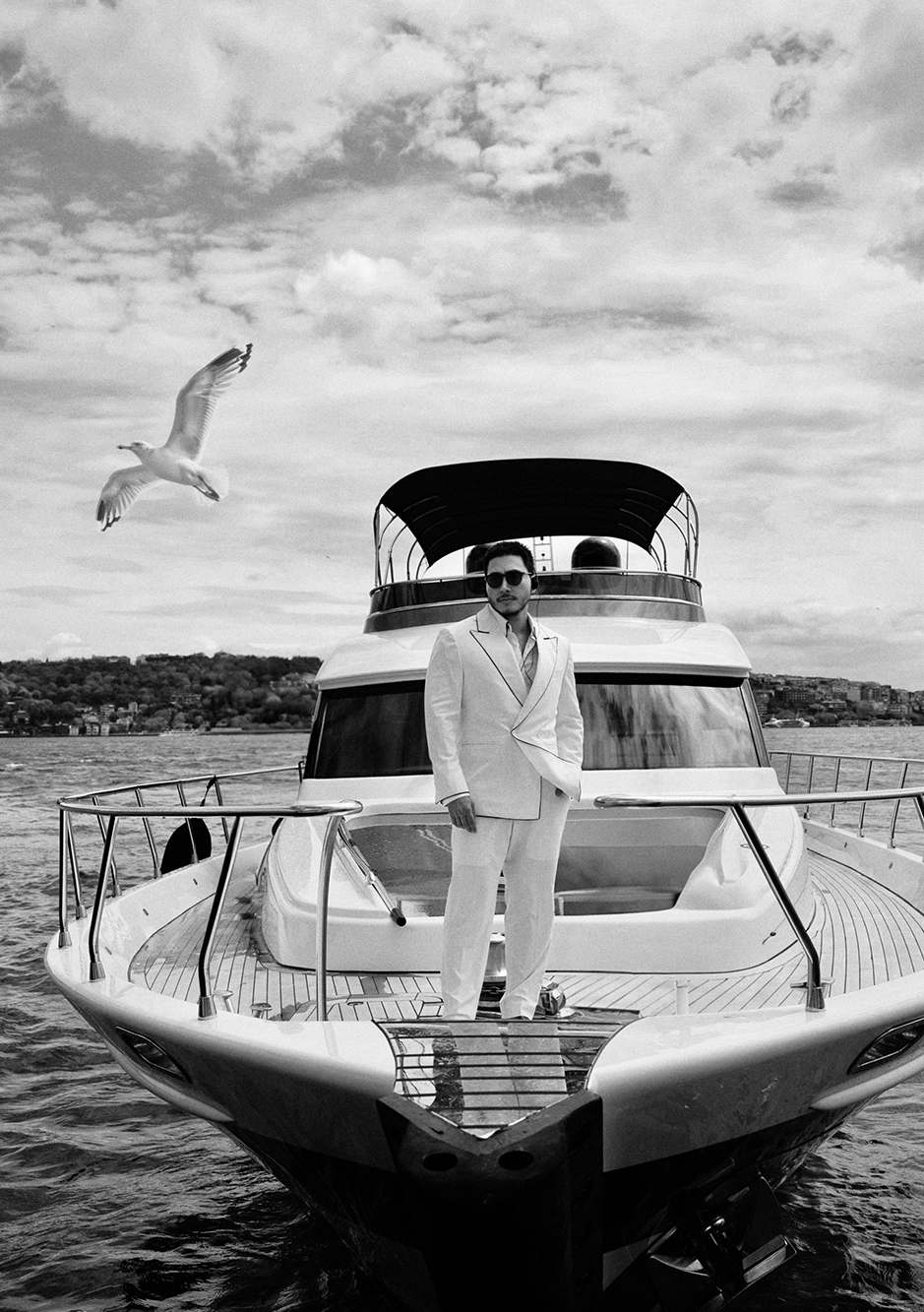
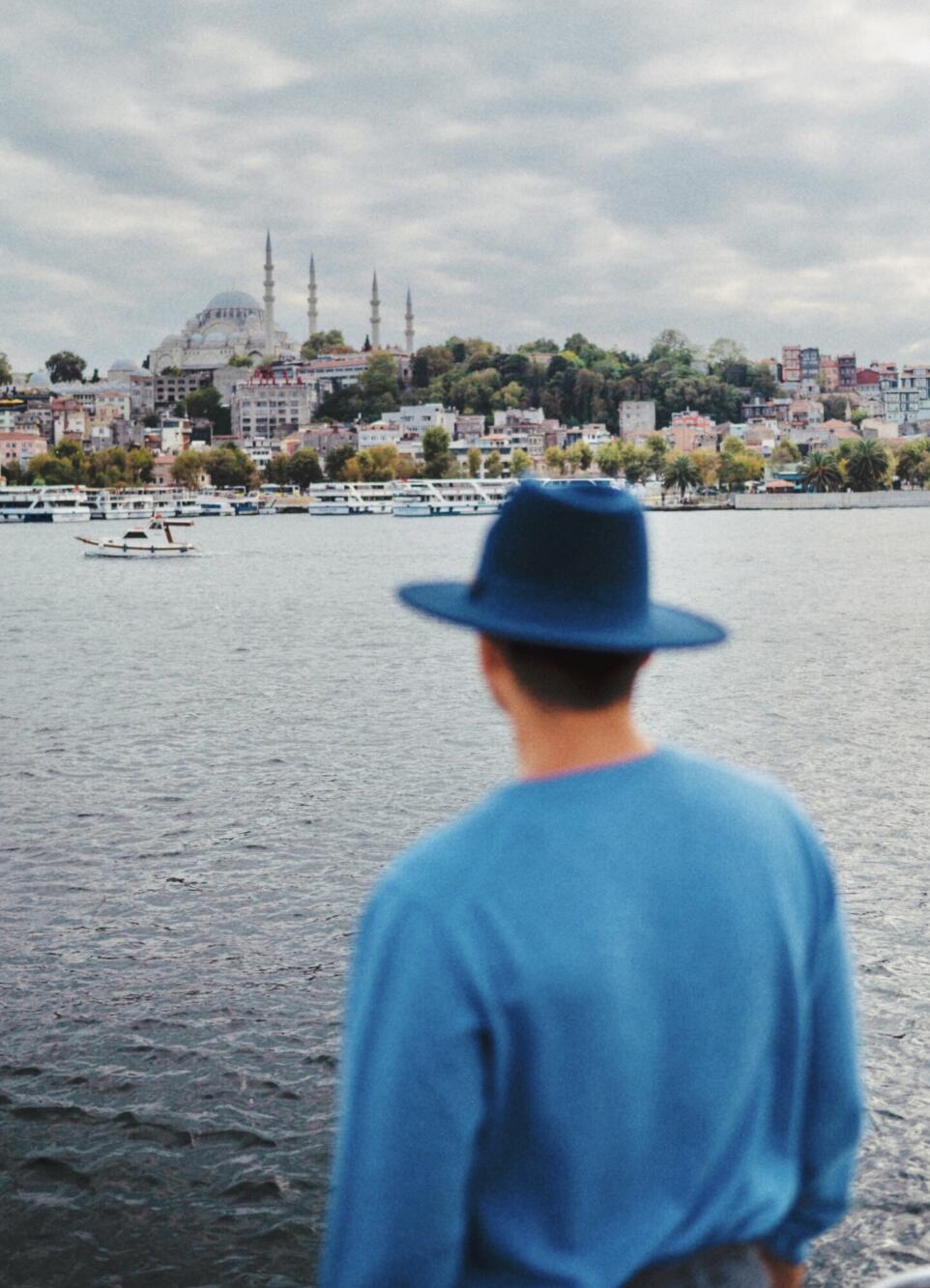
As the palace recedes behind you, Istanbul reveals itself from the water—the perspective from which Byzantine emperors, Ottoman sultans and generations of traders first encountered the city. The destination could not be more different. If the Bosphorus property embodies Istanbul’s grandeur, Sultanahmet embodies its soul.
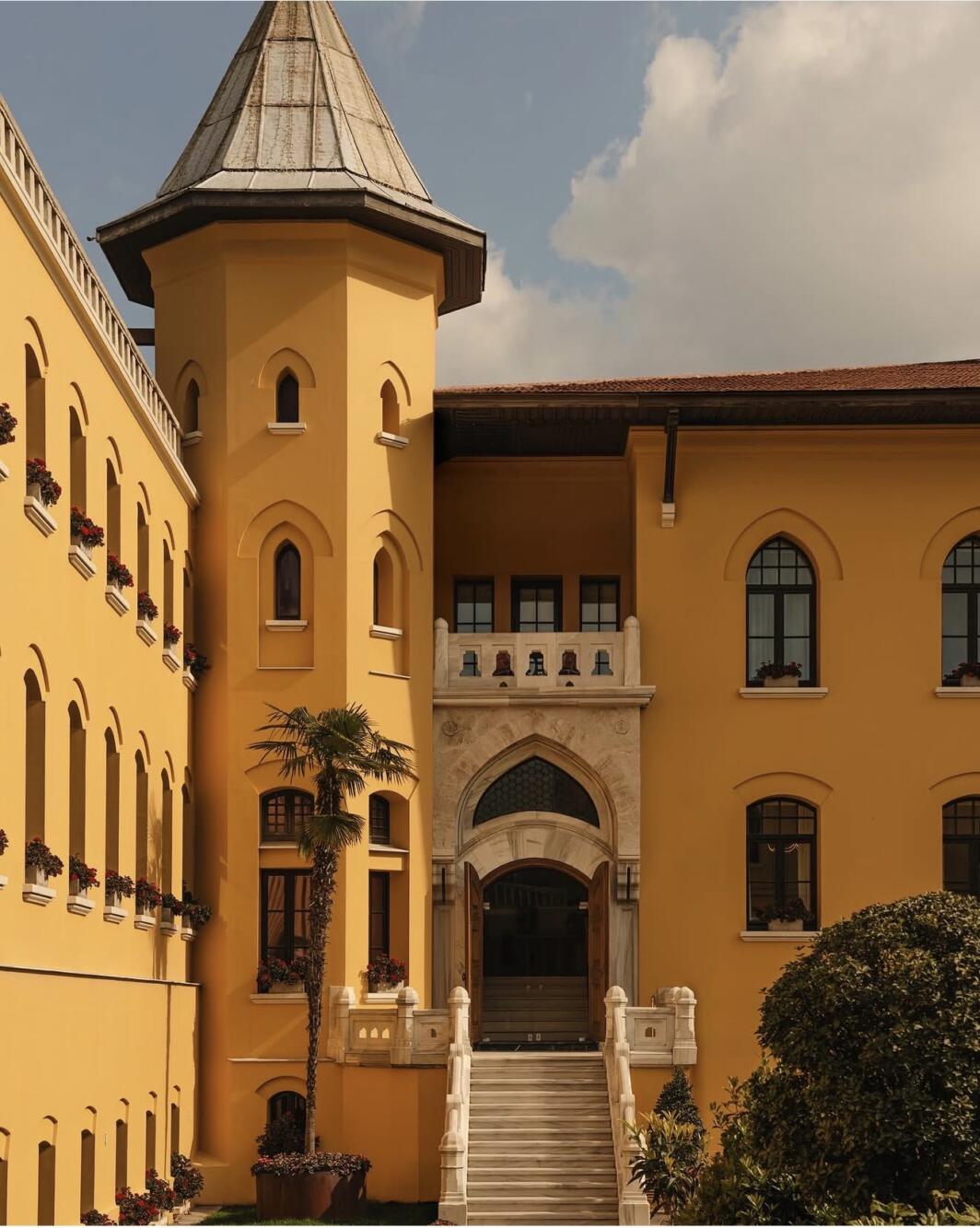
Set within a former Ottoman prison, the hotel occupies one of the most extraordinary addresses in the city. Hagia Sophia rises moments away. The Blue Mosque punctuates the skyline. Topkapı Palace sits within walking distance. Yet inside the ochre-coloured walls, tranquillity reigns. It is one of Istanbul’s most delightful contradictions, a former prison transformed into a sanctuary.
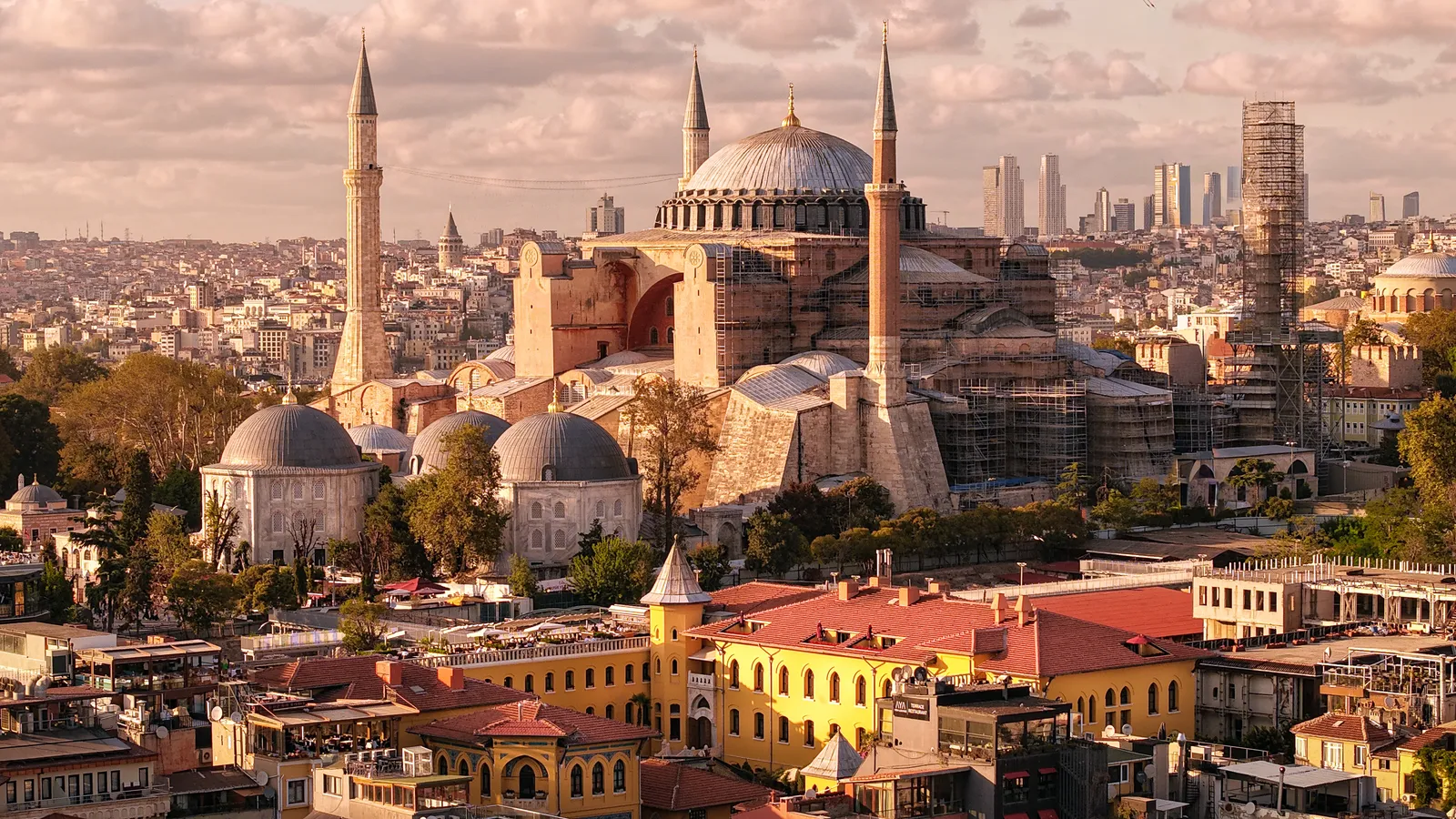
The building carries its history lightly. You sense it in the architecture, the proportions, the atmosphere. But Four Seasons has softened every edge. Courtyards bloom with greenery. Suites feel like the private residences of an old Istanbul family. Service is so discreet it borders on invisible. Here, opulence whispers rather than announces itself.
The magic of Sultanahmet is not merely its location but its perspective. Staying here places you at the intersection of civilisations. Byzantine, Roman, Ottoman and modern Turkish histories coexist within a few city blocks. Every walk becomes an act of discovery. A hidden courtyard, centuries-old hammam, contemporary gallery tucked behind ancient stone walls
— the city reveals itself in layers.
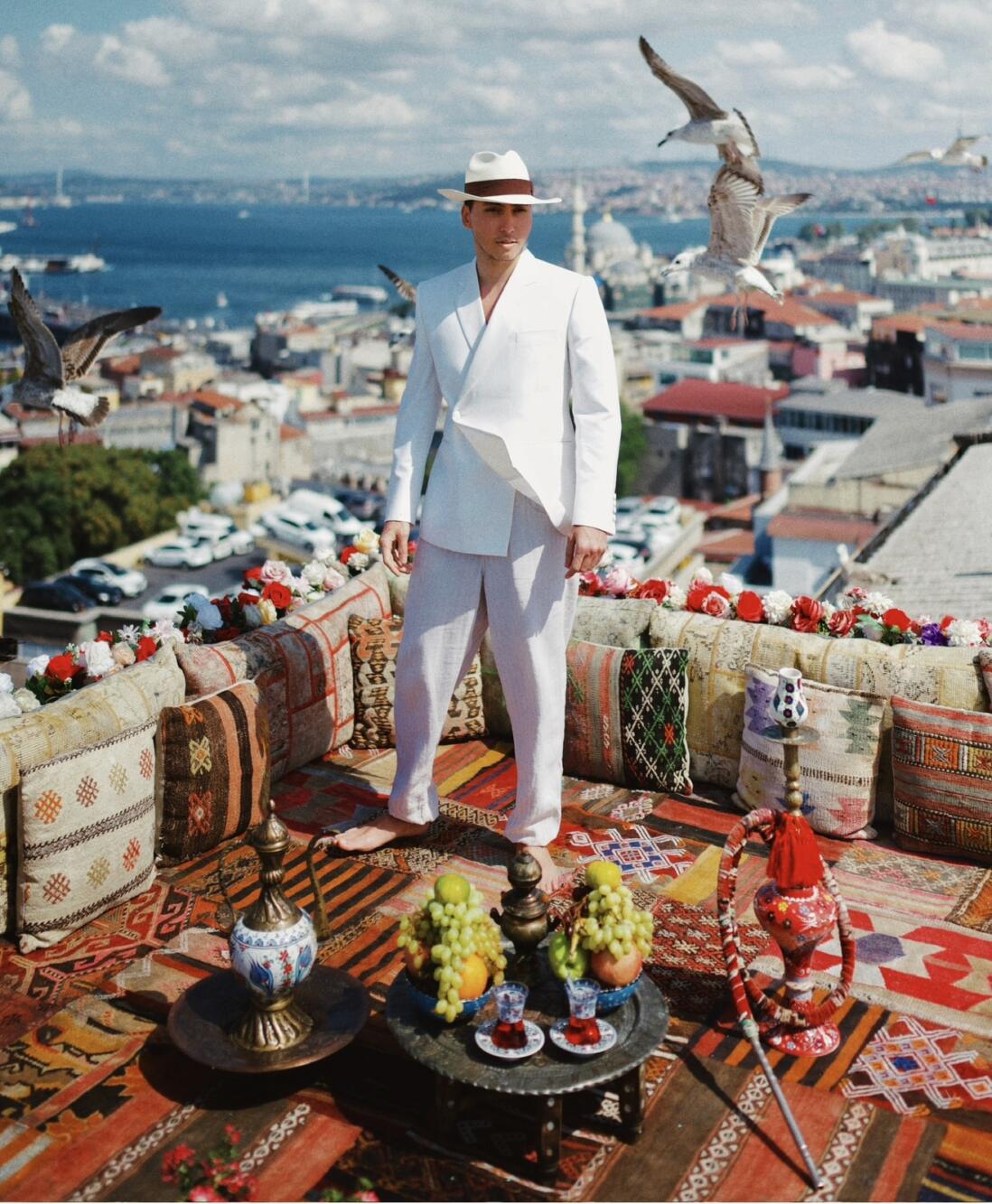
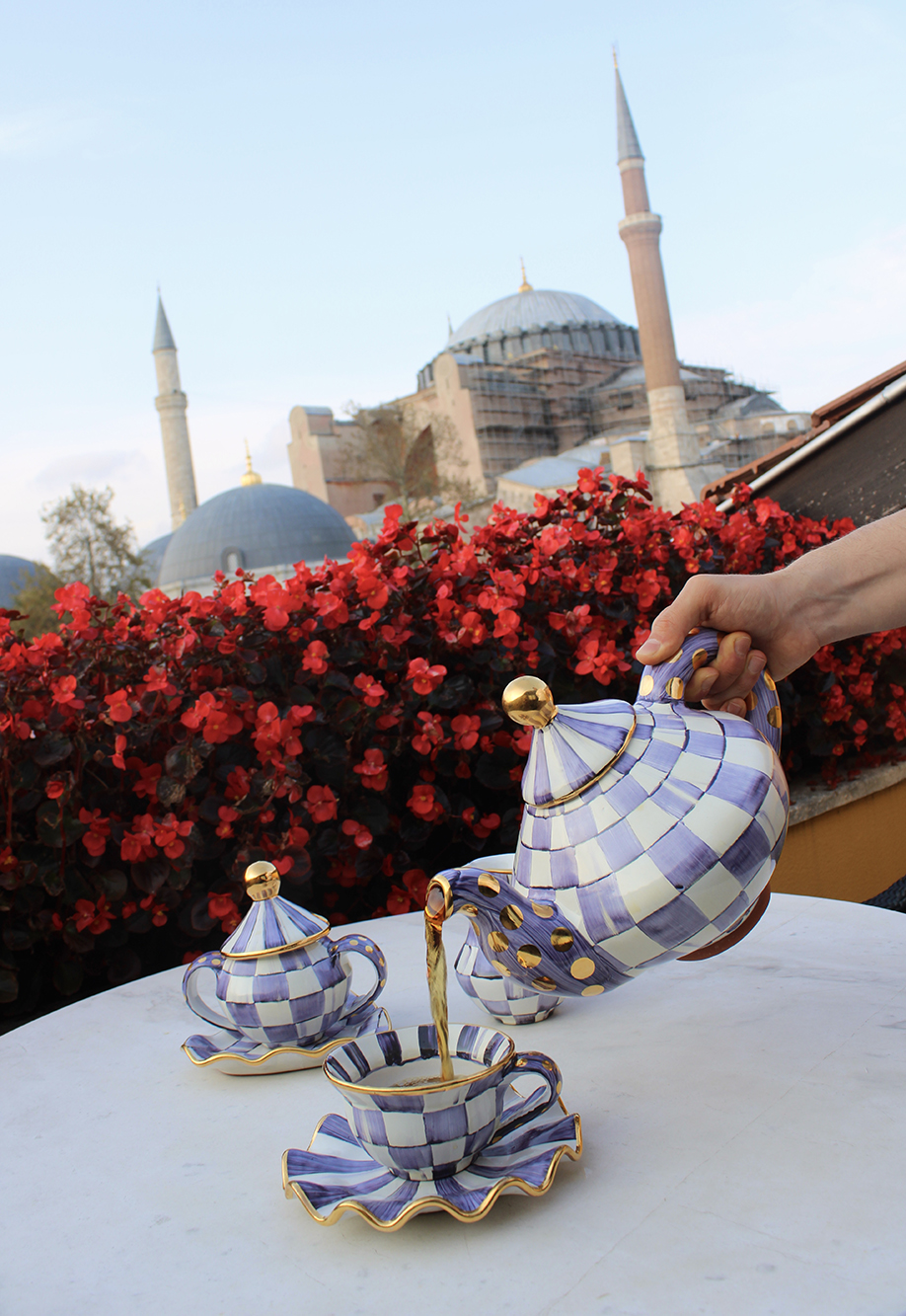
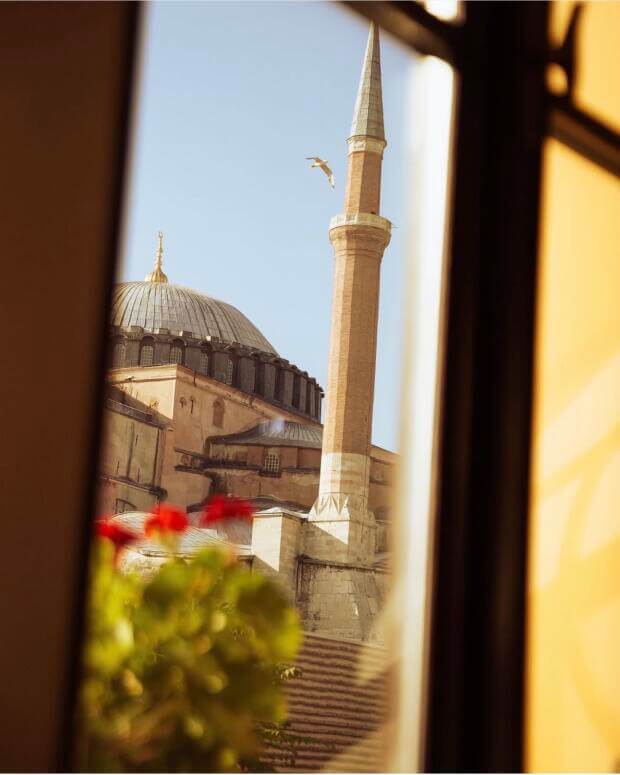
From the rooftop terrace, with Hagia Sophia dominating the horizon, Istanbul feels less like a destination and more like a conversation between centuries. The call to prayer drifts across the rooftops. Seagulls circle overhead. Past, present and future coexist in a single glance.
Perhaps that is the true luxury they offer in this dynamic city. Not merely exceptional rooms or impeccable service, though both abound. It offers access — access to the Bosphorus at its most glamorous. Access to the historic peninsula at its most intimate. Access to the city’s rhythms, rituals and contradictions. Access to Istanbul itself.
Because this is not a city that can be understood from a checklist of landmarks. It must be tasted, walked, sailed, listened to.
And when the day ends, whether beside the Bosphorus or beneath the shadow of Hagia Sophia, Four Seasons provides the rarest luxury of all: a sense that you are not simply visiting Istanbul. For a fleeting moment, you belong to it.
For more on the latest in lifestyle, culture and travel reads, click here.