Unpacking 40 Year Old Whiskies: Time Encapsulated in a Bottle
From The Macallan and Port Ellen to Hibiki and The Balvenie, these ultra-aged whiskies represent the pinnacle of maturation, transforming spirit and oak into liquid legacies.
In the world of whisky, age is more than a number on a label. Beyond the liquid gold, a bottle of whisky is essentially a time capsule that suspends the hopes and dreams of maltmen, coopers, distillers and blenders from years and decades before. It is a testament to time’s transformative powers as new make spirits and oak casks engage in a slow, meticulous dialogue. Each year spent maturing adds colour, depth, nuance and complexity. In this feature, we explore whiskies aged 40 years and above, rare creations that embody this profound relationship shaped by patience, tradition and quiet artistry. Forty years is almost a lifetime in a bottle, having witnessed four decades quietly slip by. Over 40 springs, summers, autumns and winters as the distiller’s notes fox with patina and hands wrinkle with age, the whisky’s character and profile deepens. They become more than spirits, liquid archives if you will, evidence of the passage of time.
Whisky is made in four main stages: mashing, fermentation, distillation and maturation. New make spirits are obtained after the distillation stage and are transferred into casks for maturation or ageing. The number of years a whisky spends maturing in a cask before being bottled is often communicated through its age statement on the bottle’s label. Do not be fooled by this, because it really only states the age of the youngest whisky in the bottle. If a particular batch comprises 10 year-old, 12-year-old, and 18-year-old whiskies, the final whisky is considered a 10-year-old. While age statements tend to be clearly visible on labels, distilleries are not bound by legal requirements to state the whisky’s age. However, the minimum maturation period varies according to regions and regulations. According to the Scotch Whisky Regulations 2009 stipulations, new make spirits are required to age for a minimum of three years before they can be labelled as Scotch whisky. Bourbon whiskey, by contrast, has its own set of regulations. Straight bourbon must be aged for a minimum of two years. Additionally, any bourbon that is matured less than four years must include its age statement.
All this aside, we return our attention to the subject of this feature: maturation. In an extremely layperson explanation, think of maturation as two individuals, in this case, the new make spirit and the oak cask, getting to know each other. The more time spent together, the more positive traits are shared. With time, the relationship deepens and becomes increasingly layered and complex, and any friction or conflict from the start smoothes and mellows out. Their time spent together could be three years, a decade, or five, or any number in between. Without boring this off as a chemistry chapter, as new make spirits mature in oak casks, they are imbued with flavours, colours and aromas while the nasty stuffs are gradually removed.
If you have ever wondered, oak offers a good balance between porosity and flavour components. While there are different variants, American and European oak are most commonly used in the whisky industry. The former imparts vanilla and coconut flavours, while the latter adds spicy and woody notes. Seasoning (as it suggests in cooking) a cask is another way of imparting flavour. Sherry, bourbon, port wine, rum or madeira casks are commonly used as seasoned casks. During this seasoning stage, the wood absorbs the spirit into its fibres, which then later imparts flavours to the whisky. The Macallan’s famed sherry seasoned oak casks were previously filled with sherry for a minimum of five years before they were ready to be used for maturation.
As years stretch into decades, time leaves an indelible mark on the whisky. The oak’s influence grows deeper, layering the spirit with rich tannins, dried fruit, dark chocolate and polished wood, while the angel’s share steadily claims its portion and concentrates what remains. Time, of course, does more than simply mature a whisky; it refines it into something extraordinary. By the time a whisky reaches 40 years old or more, the cask and spirit achieve a harmony that borders on the poetic and crosses into rarefied territory. It is no longer just a spirit, but a complex tapestry of flavours shaped by the alchemy between wood and spirit.
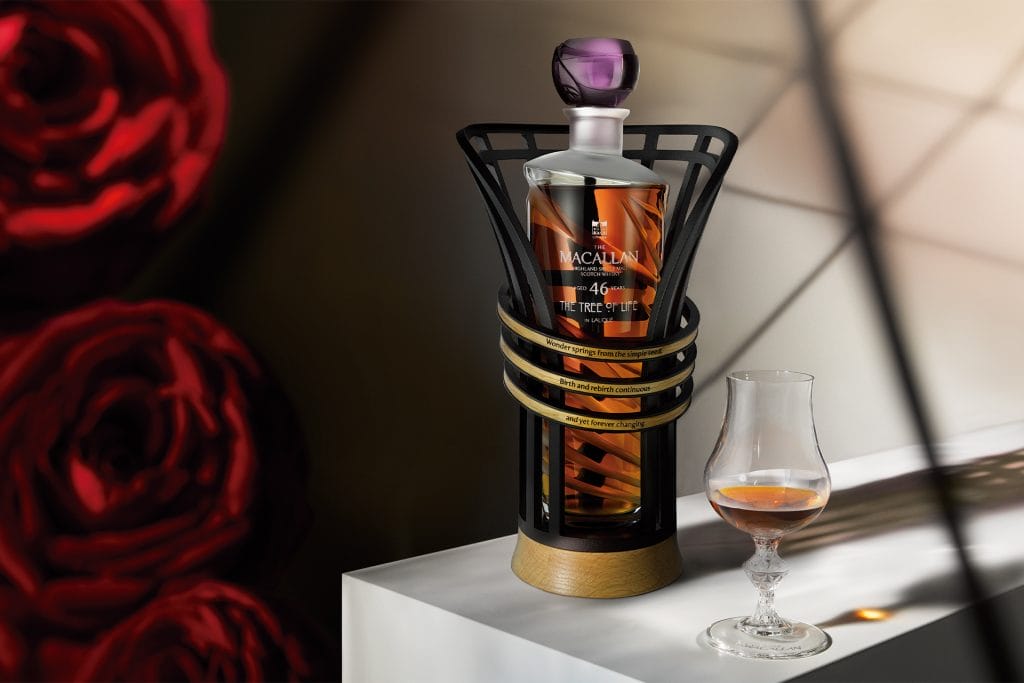
Few releases embody this rarefied state better than The Tree of Life by The Macallan. Drawn from two sherry-seasoned oak casks laid down in 1979, this 46-year-old expression is as much an ode to artistry as it is to whisky-making. Inspired by Charles Rennie Mackintosh’s devotion to nature and creativity, the expression mirrors the artist’s retreat into the countryside at the same age. With only 112 Lalique crystal decanters crafted to house the equal number of bottlings, every drop of whisky becomes a living archive of the patience, artistry and faith placed into every cask. Tropical fruits charred over smouldering peat are countered by complex wood spices, while notes of antique oak, characteristic of The Macallan’s higher-aged expressions, narrate a story shaped by both cask and culture.
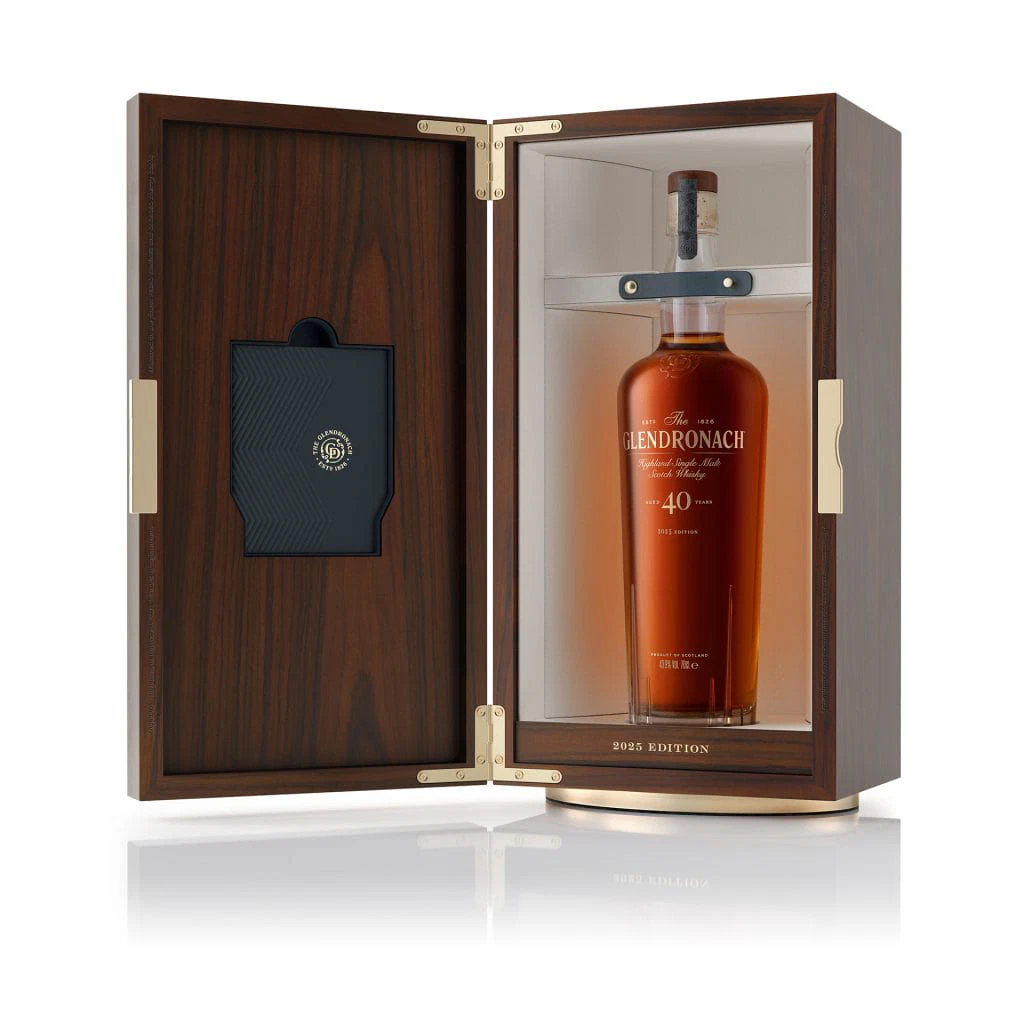
The same reverence for time can be found in The Glendronach 40-Year-Old, 2025 Edition, the pinnacle of the distillery’s famed sherry cask tradition. Composed from a handful of Oloroso and Pedro Ximénez casks, its profile swells with luxurious layers of black cherry, stewed plum, chocolate gateau and spiced espresso. Four decades in Spanish oak have given it a velvet depth and a complexity that borders on the orchestral, a whisky that demands to be savoured as much for its craftsmanship as for its rarity.
Hibiki
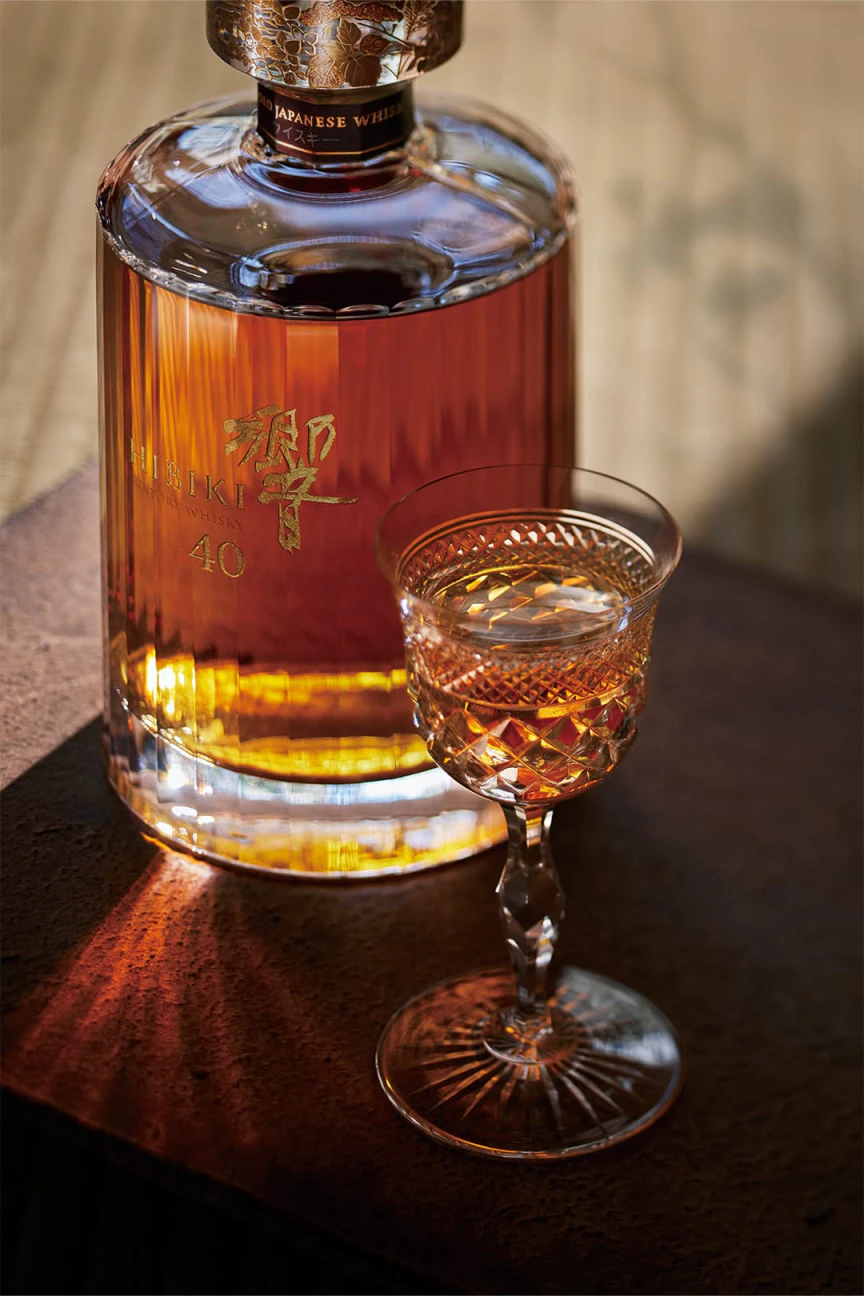
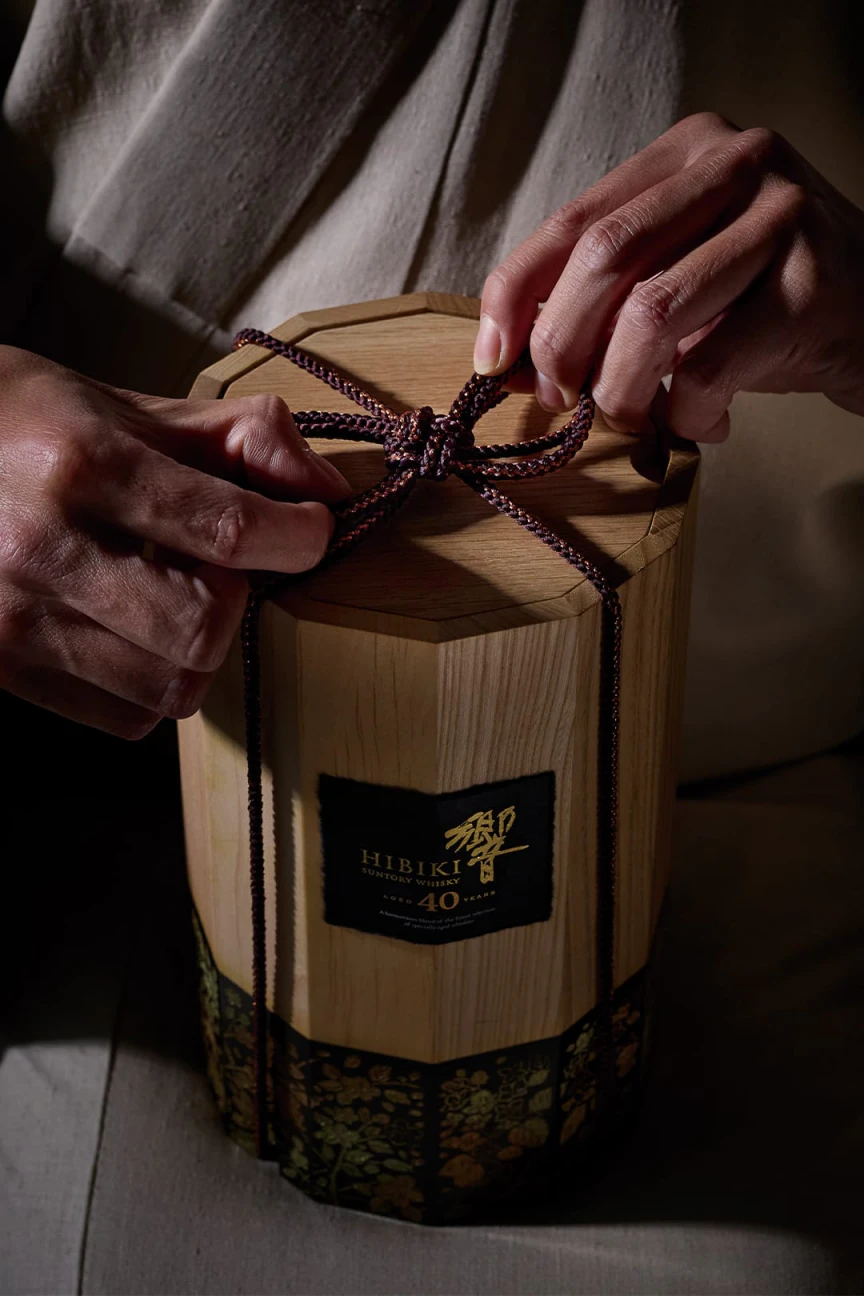
The Hibiki 40 Year Old stands as one of the most exclusive and artistic creations ever to emerge from The House of Suntory, a culmination of generations of expertise passed down from master to master. Standing at the pinnacle of Japanese blending mastery, this rare expression crafted by Chief Blender Shinji Fukuyofrom draws from meticulously aged stocks of Yamazaki, Hakushu, and Chita whiskies — each matured for over four decades. In the glass, the whisky glows with golden amber brilliance. Nosing it unfurls a different story as an elegant bouquet of dried apricot, ripened Japanese loquat, and delicate hints of lemon peel and clove beckon a sip. On the palate, it unfolds with rich layers of dried fig, sweet acacia honey, and subtle undertones of yuzu, deepened by the smooth warmth of roasted cacao. The medley of Mizunara Japanese oak, Spanish oak and aged American oak is the driving force behind the whisky’s complexity, subtle sweetness and smoothness. This symphony of flavours is housed in a 30-faceted crystal decanter by Kagami Crystal, adorned with mother-of-pearl, gold lacquer, and maki-e artistry, and encased in a handcrafted wooden box comprising 12 kinds of Japanese wood that celebrates Japan’s four seasons.
Port Ellen
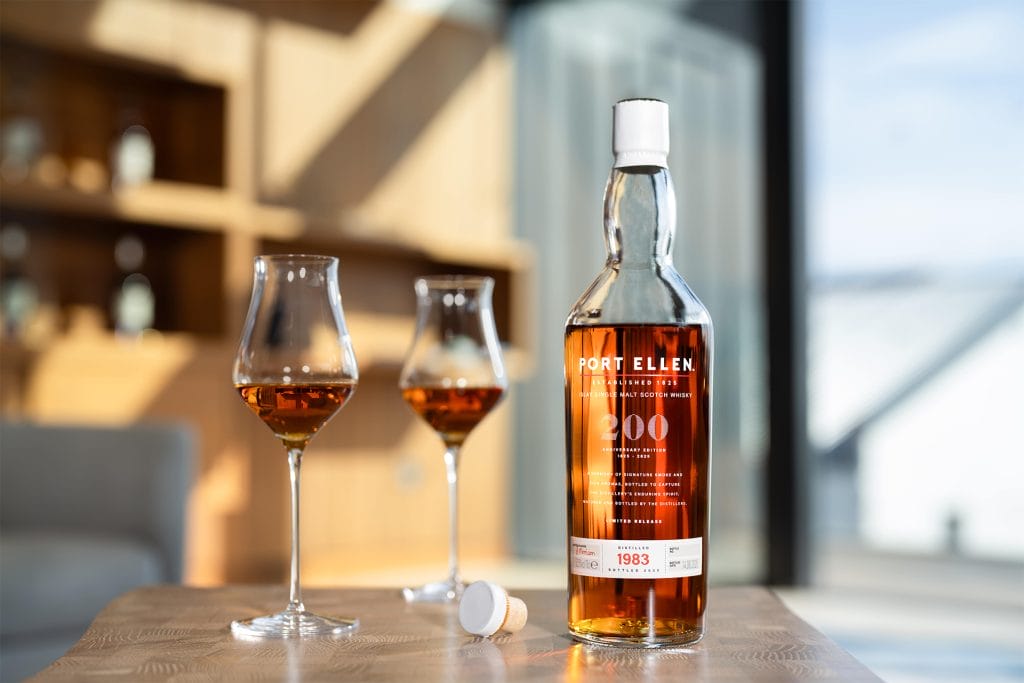
Port Ellen marks its bicentenary in extraordinary fashion with the release of the 42-Year-Old Single Malt, which bridges its storied past with a future reimagined. Distilled in 1983, just before the distillery fell silent, the whisky matured in European oak casks for over four decades, resulting in a deep amber-gold spirit of remarkable complexity. Intensifying smoke entwines the nose with luscious notes of cranberries, red currants and sugared fruits, layered with soft spices and dark brown sugars. On the palate, the 42-Year-Old reveals fragrant wood smoke tempered by caramelised sugars, red berries and peeled apple skin before easing into a lingering finish of stewed plums. Granted this is the first release since Port Ellen’s reopening last year, only 150 bottles of this creation are available worldwide. This is a true collector’s piece and a testament to the distillery’s mastery of the art of smoke.
The Balvenie
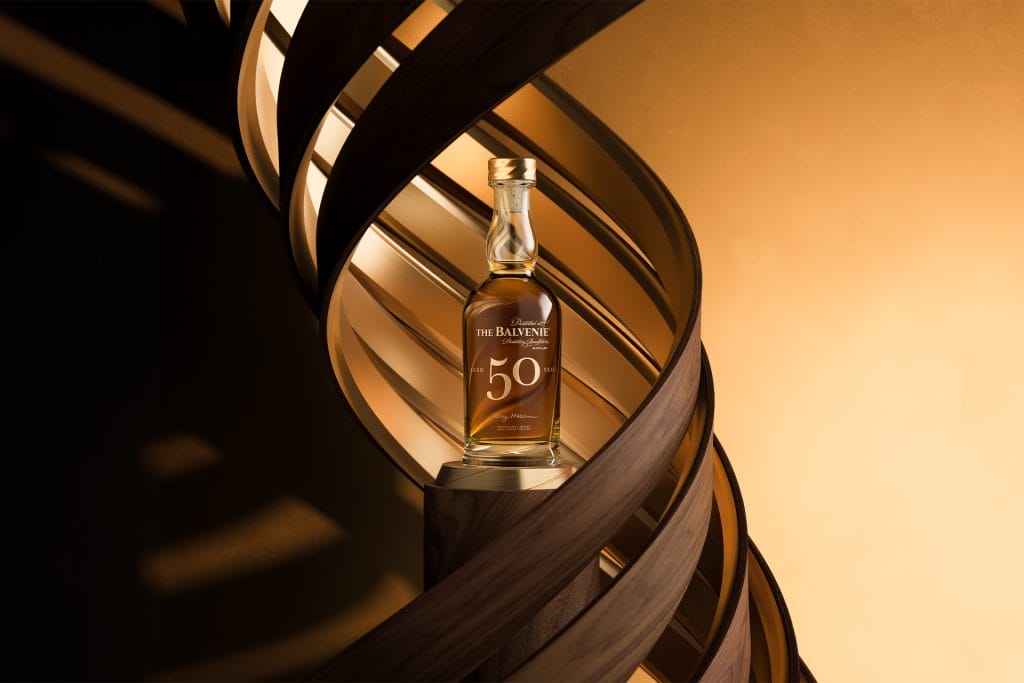
The Balvenie Fifty emerges as a tribute to time, encapsulating half a century of craftsmanship and finesse that have been shaped by the generations that came before. Part two of the intended trilogy sees The Balvenie Fifty Second Edition unveiled this year to continue The Balvenie’s deep introspection into its reserves. Two casks, filled in 1973, were selected by Malt Master Kelsey McKechnie for this particular bottling. The first was a European oak refill butt (the same as the one used in the 2024 inaugural edition), and the other was an American oak hogshead. With a continuity and contrast of flavours intended, the resulting masterpiece exhibited sweetness and nuanced structure characterised by the two oak casks. With a final 49.8% ABV, The Balvenie Fifty Second Edition perfumes with aromas of sticky toffee, violet and rose florals. On the palate, it showcases flavours of molten dates, sweet soft currants and a subtle citrus zest, layered over creamy honey and a buttery finish. With only 97 bottles available, The Balvenie Fifty Second Edition is presented in grand fashion — perched on a 14k gold-plated brass display enveloped by a seven-layer, wooden helical structure crafted by Cumbria’s Croglin workshop.
Glenfiddich
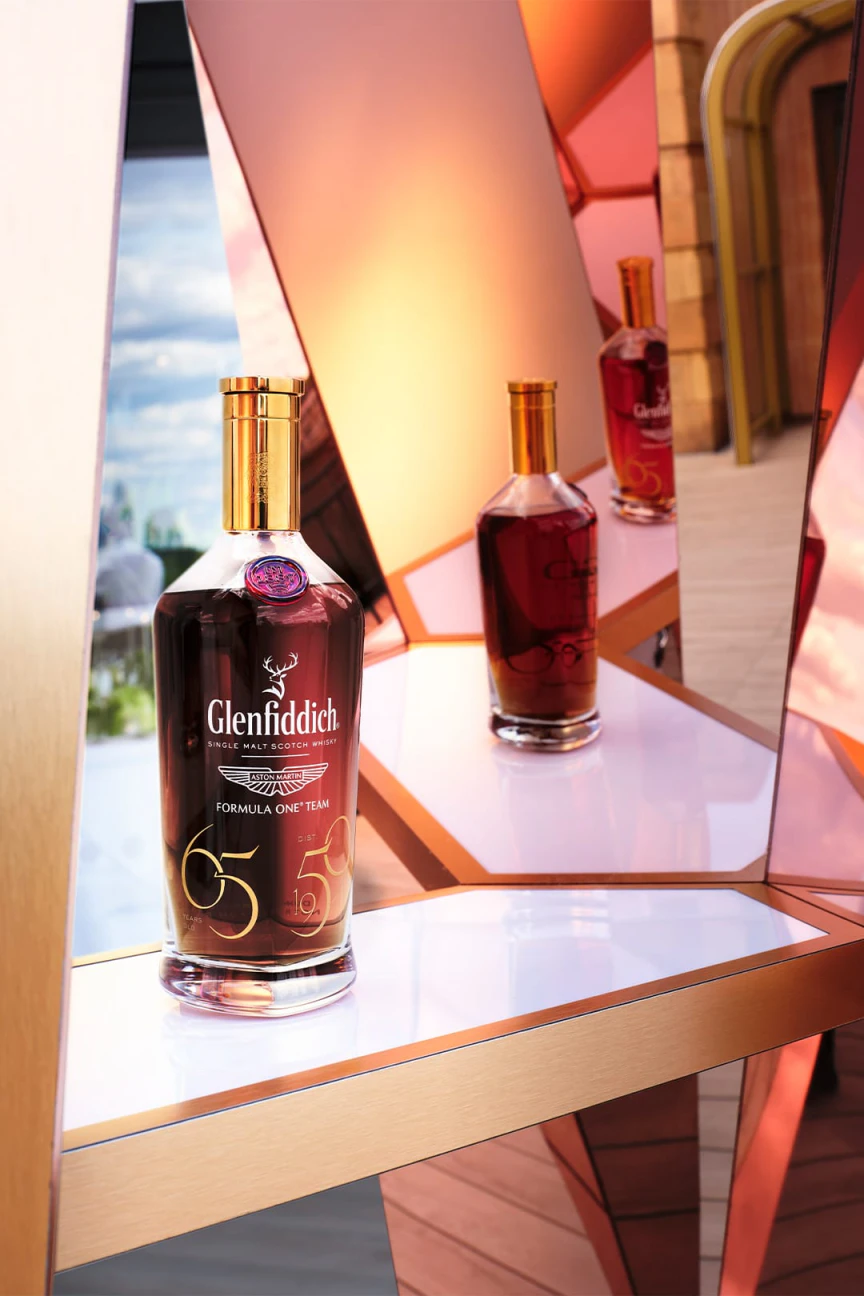
With a multi-year global partnership built on the foundations of legacy and excellence, Glenfiddich and Aston Martin presented the Glenfiddich 1959. The exquisite creation is a testament to the synergistic values between Glenfiddich and Aston Martin, and celebrates 1959, the year Aston Martin first entered Formula One. Revealed for the first time at the Las Vegas Grand Prix, the Glenfiddich 1959 is drawn from a rare sherry butt by Glenfiddich Malt Master Brian Kinsman. From its unparalleled depth, familiar notes of rich oak, aged leather, tannin, and beeswax are discernible. The complexity of sherry is evident as oaky and spicy, with additional notes of cloves, dates, walnuts, Christmas pudding, and dark chocolate on the palate. A tiny drop of water releases a crescendo of sweetness, dried fruit, raisins and sun-dried prunes, offering a sensorial experience that mirrors the elegance and high performance that Aston Martin brings to F1.
Whiskies at this age cease to be just a drink. To uncork such a bottle is to share in a story written over decades, one where wood, spirit and human craft converge into a legacy you can taste.
This story first appeared on Men’s Folio SG.
For more on the latest in alcohol and luxury spirits stories, click here.