Paris’ Greener Future: Why France’s Capital Is Trading Cars for Canopies
Facing rising temperatures and climate pressures, Paris is transforming its streets through urban forests, greener public spaces and a new vision for city living.
As climate change brings increasingly frequent and intense heatwaves across Europe, the French capital is undertaking one of its most ambitious urban regeneration programmes in recent history. Parking bays are being removed to make way for tree-lined streets, public squares are being transformed into urban forests and some of the city’s busiest roads are giving way to pedestrians and cyclists. The objective is to prepare Paris for a warmer future.
For centuries, Paris was famed for its grand boulevards, limestone façades and meticulously planned avenues but by the end of 2026, trees could become just as integral to the city’s evolving urban identity. Under the city’s latest climate strategy, Paris aims to replace 60,000 on-street parking spaces with trees by the end of the decade while creating more than 700 acres of additional green space. The proposals build upon a wider greening initiative that has already committed to planting 170,000 new trees by the end of 2026, reinforcing Paris’ ambition to become one of Europe’s greenest capitals.
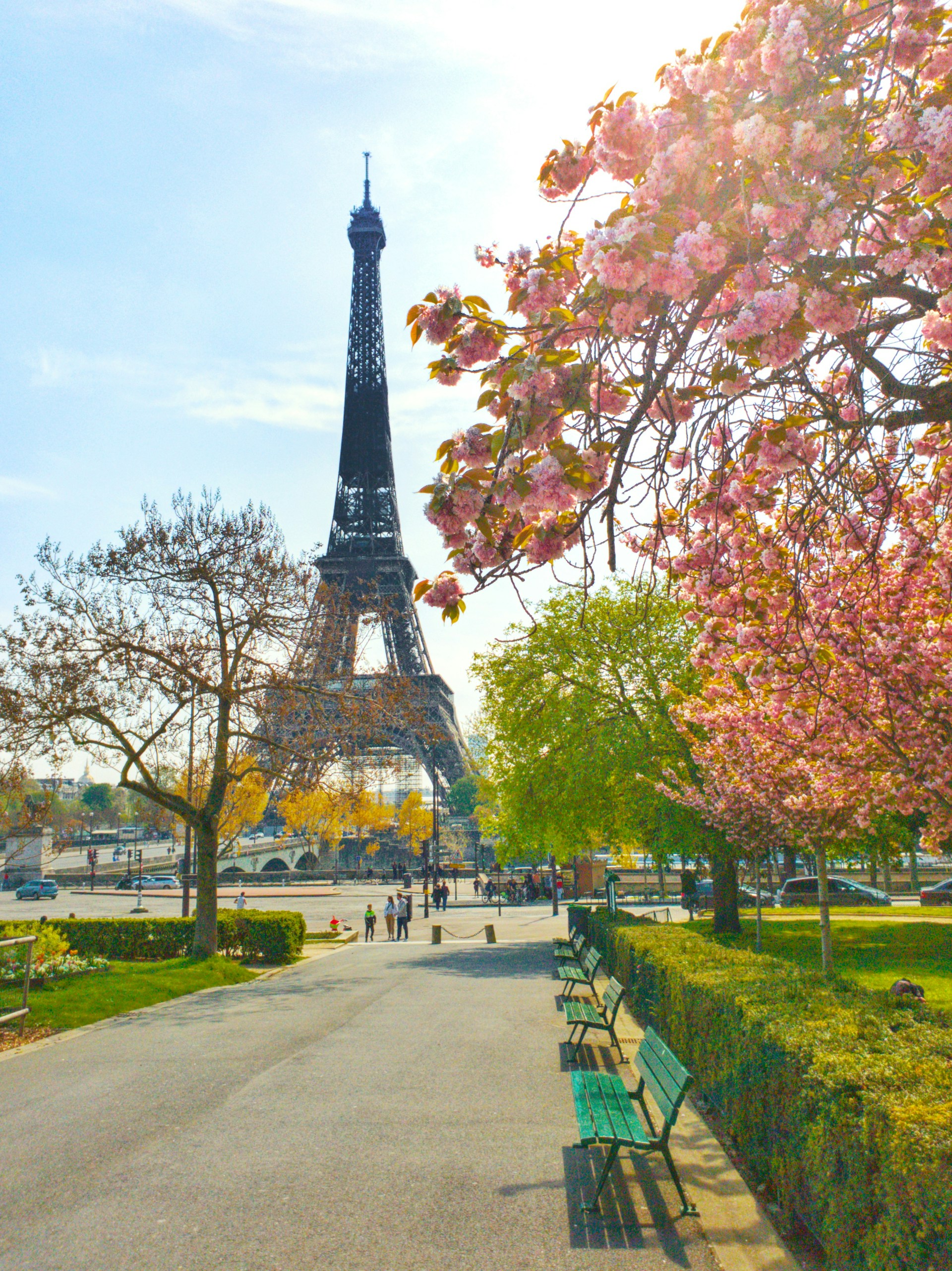
The urban planning strategy is straightforward. Trees are one of the most effective natural tools for cooling dense urban environments. By providing shade, reducing heat absorption from concrete and asphalt, improving air circulation and releasing moisture through transpiration, they help mitigate what scientists describe as the “urban heat island” effect — the tendency for cities to become significantly hotter than surrounding rural areas because built surfaces absorb and retain heat.
The difference can be dramatic. During recent summer heatwaves, environmental campaigners recorded surface temperatures of 56°C on treeless streets surrounding the Palais Garnier opera house. Just a short distance away, beneath the canopy of Boulevard des Italiens, temperatures measured only 28°C, illustrating the tangible impact of mature tree cover on the urban environment.
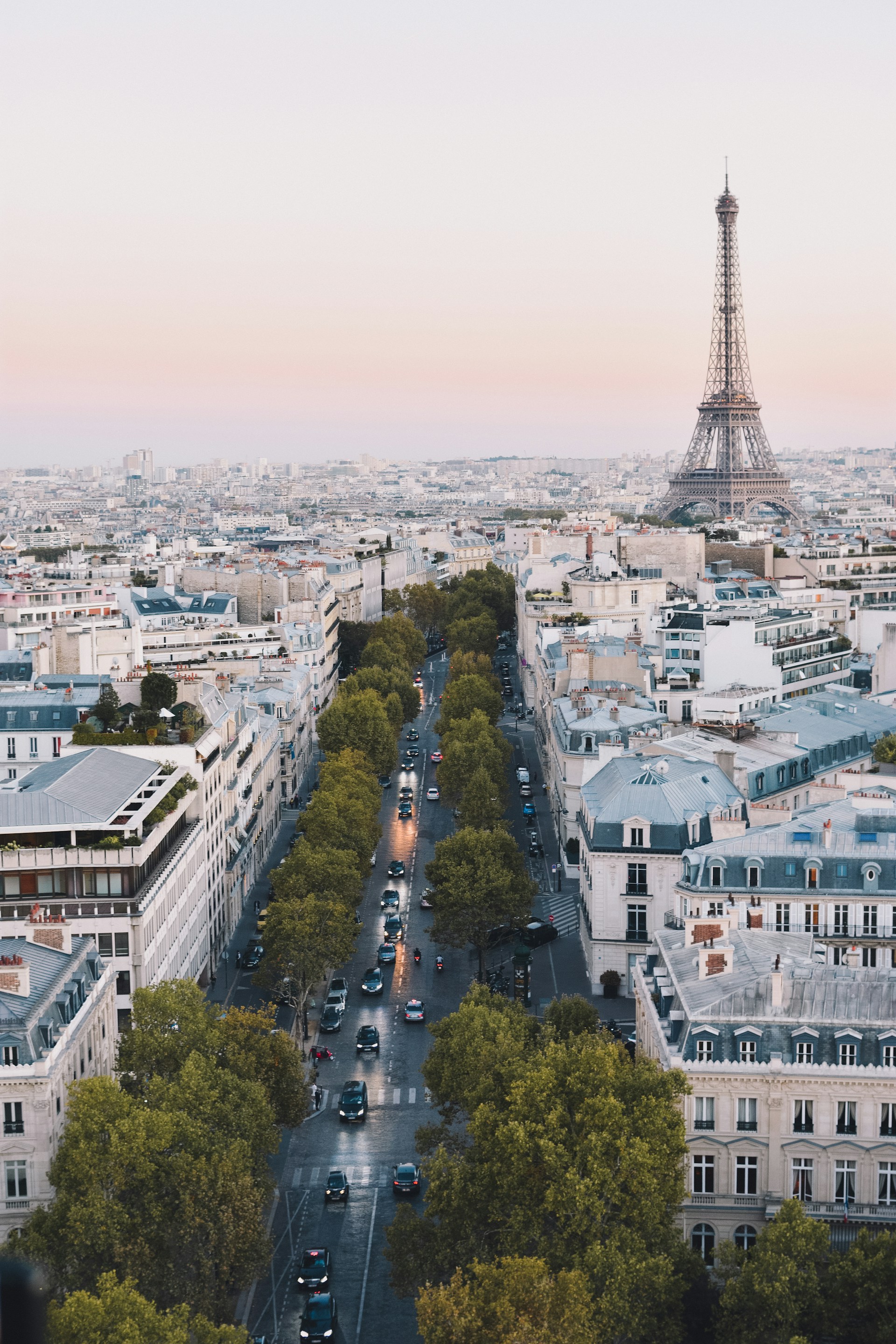
For Paris, these statistics have reinforced a broader shift in urban planning with trees becoming an essential part of public infrastructure capable of improving air quality, supporting biodiversity, managing rainwater and reducing heat-related health risks. The city’s latest climate plan also includes the creation of additional cooling centres, more car-free zones and reflective roofs on 1,000 public buildings, demonstrating that the greening strategy forms part of a broader effort to adapt Paris to rising temperatures. Over their lifetime, individual trees can also absorb substantial quantities of carbon dioxide, contributing to the city’s wider climate objectives while creating more comfortable public spaces.
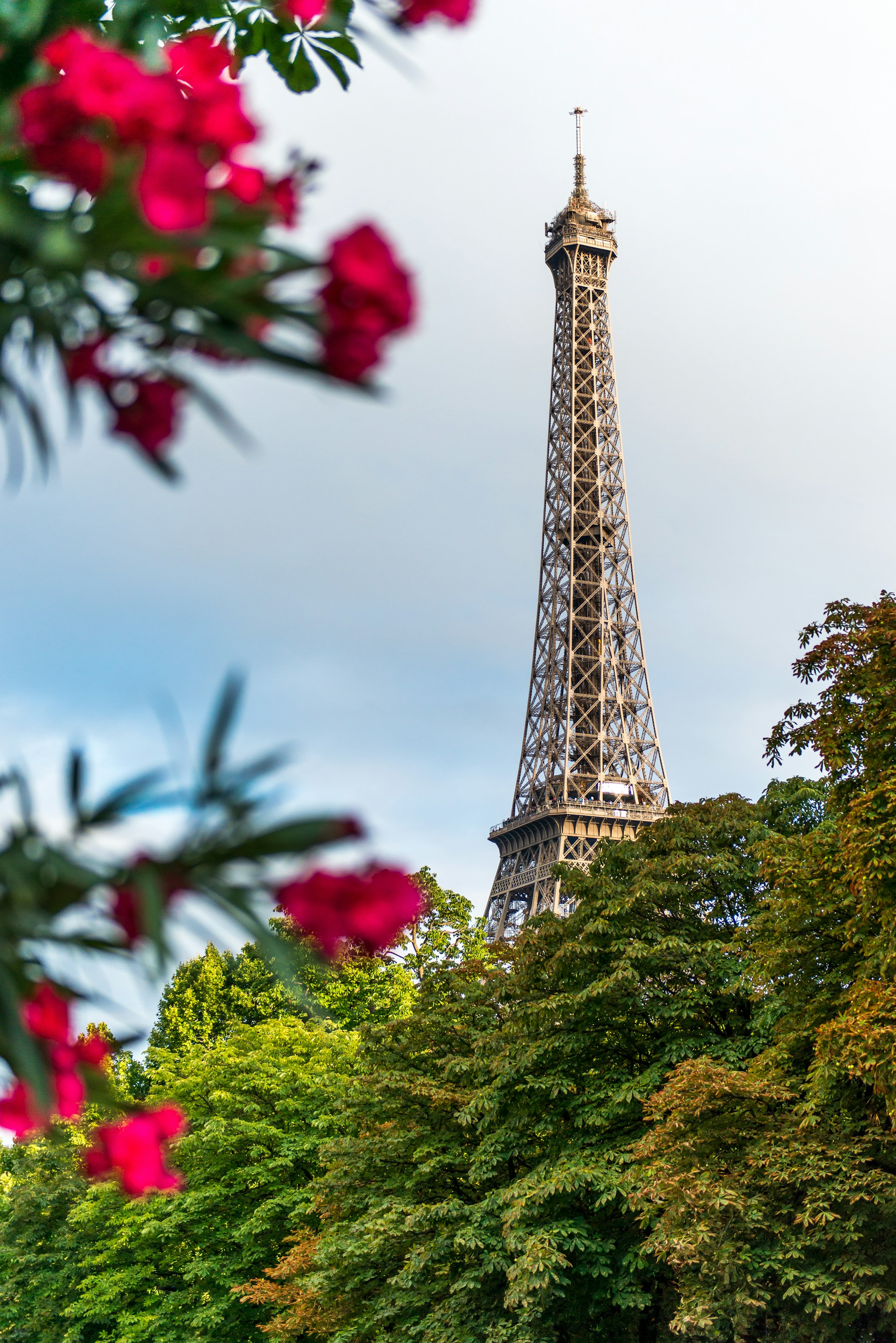
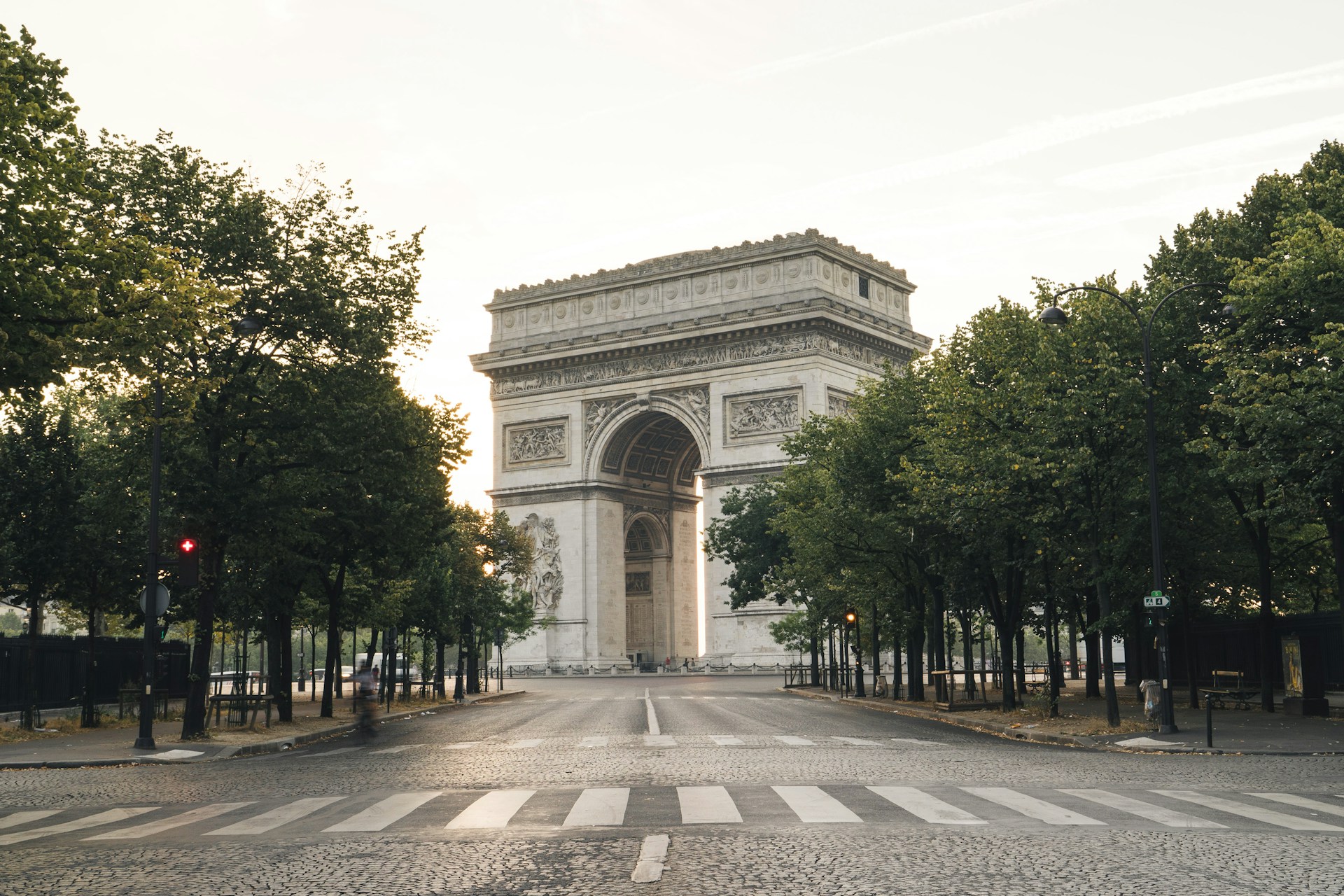
Many of these changes are already visible across the French capital. Near the Hôtel de Ville, Paris recently unveiled its third major urban forest after removing thousands of square metres of paving to accommodate hundreds of trees and thousands of additional plants. Similar projects are planned around major landmarks, including the Gare de Lyon and the area surrounding the Eiffel Tower, where expansive landscaped parklands are gradually replacing hard surfaces. Elsewhere, the Champs-Élysées is undergoing a EUR 250 million transformation that will reduce vehicle lanes, introduce new pedestrian spaces and establish tree-lined green corridors along one of the world’s most recognisable avenues.
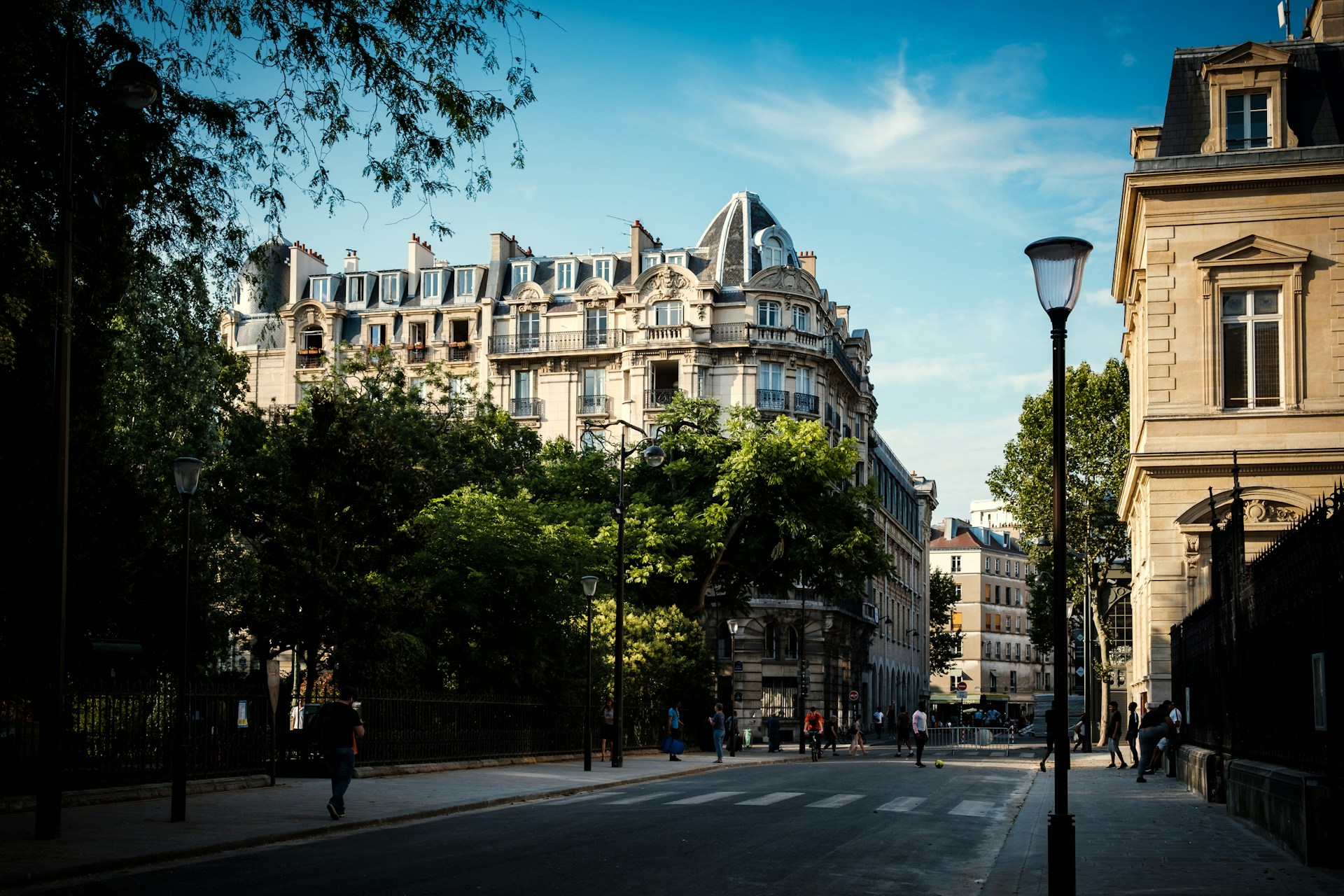
The greening of Paris extends beyond landscaping. Over the past decade, the city has significantly expanded its cycling infrastructure, creating hundreds of kilometres of bike lanes while pedestrianising major thoroughfares along the River Seine and restricting vehicle access across parts of the historic city centre. Diesel vehicles are being progressively phased out, while the city’s broader planning philosophy increasingly reflects the concept of the “15-minute city”, where residents can access schools, shops, workplaces and public services within a short walk or cycle from home.
Paris is far from alone in pursuing this strategy. Cities including Singapore, Seoul, London and Copenhagen have all introduced large-scale greening initiatives to reduce temperatures and improve resilience against climate change. Together, these projects reflect a growing recognition that trees are becoming as critical to urban infrastructure as roads, utilities and public transport. Yet Paris’ approach stands apart because it is being implemented within one of the world’s most historically protected urban landscapes. Introducing forests into centuries-old public squares and replacing asphalt with vegetation represents a significant rethinking of how a heritage city can evolve without compromising its cultural identity.
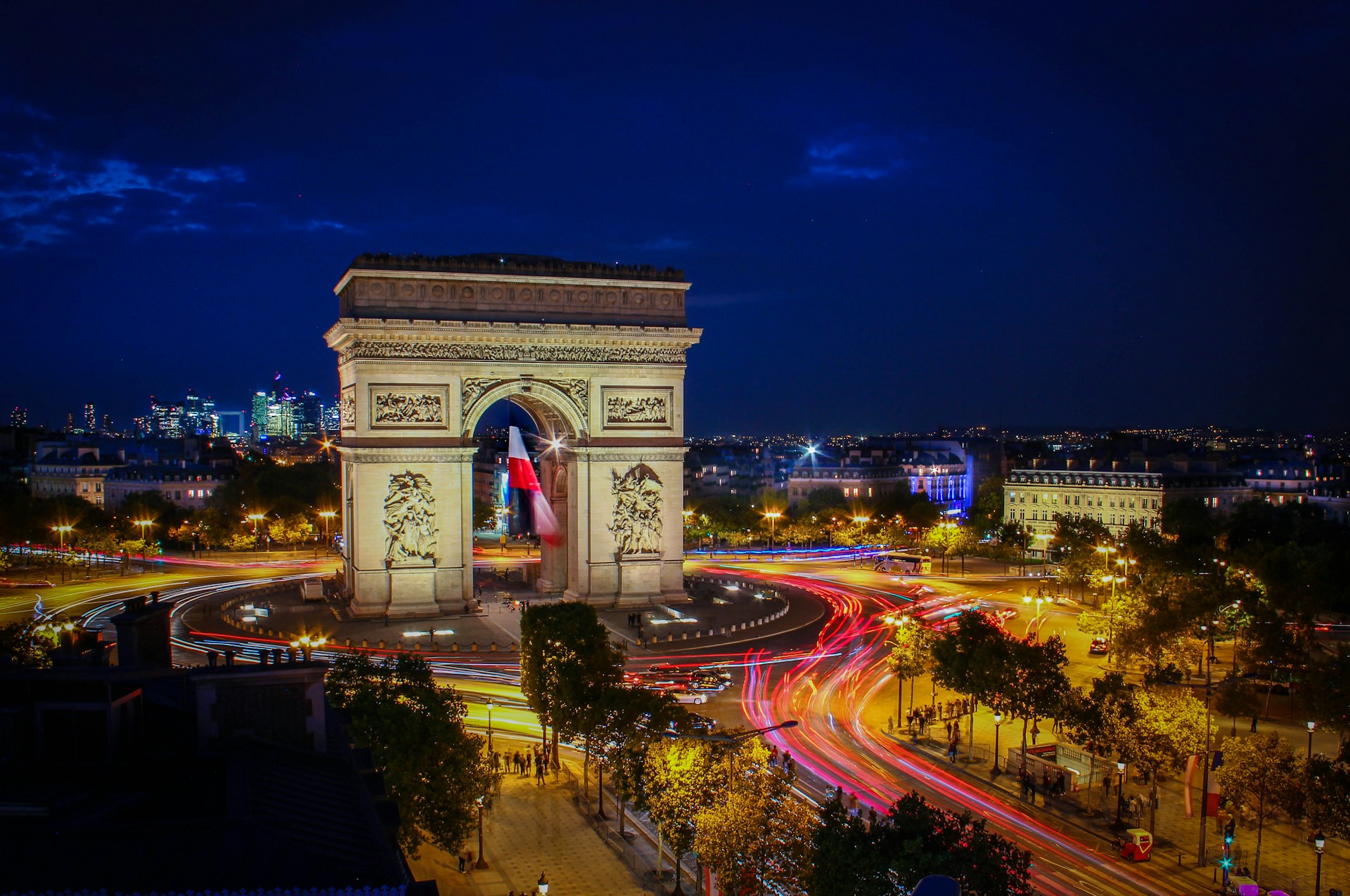
For visitors, the changes may initially appear subtle: a shaded boulevard replacing a row of parked cars, a newly planted square where traffic once dominated or a greener route between some of the city’s most famous landmarks. Collectively, however, these interventions are reshaping the experience of Paris itself.
As Europe continues to confront hotter summers, the City of Light is demonstrating that the future of urban luxury may not be defined by taller buildings or larger developments, but by something far simpler: the ability to walk comfortably beneath a canopy of trees. In doing so, Paris is showing that preserving one of the world’s most admired cities may depend not on building more, but on giving nature more room to flourish.
Read more: Champs-Élysées To Undergo Green Transformation
For more on the latest in urban design and architectural reads, click here.