Tag Heuer Spotlight: Women Shaping the Future of Watchmaking
Meet three women from Tag Heuer who are shaping the future of watchmaking and inspiring the next generation of talent.

For an industry literally shaped by the hands of women from as early as the 19th century onwards, watchmaking is pretty much a man’s game. When considering the leading lights of watchmaking, all of them are men, from Christiaan Huygens to Abraham-Louis Breguet. If you scan the honour roll of the big names in horology, including key works displayed in the Patek Philippe Museum in Geneva, the only evidence of women is in who might have owned a significant timepiece.
All of this hides the essential work of women in watchmaking, which is amply evident in early photographs of watchmakers and other staff.
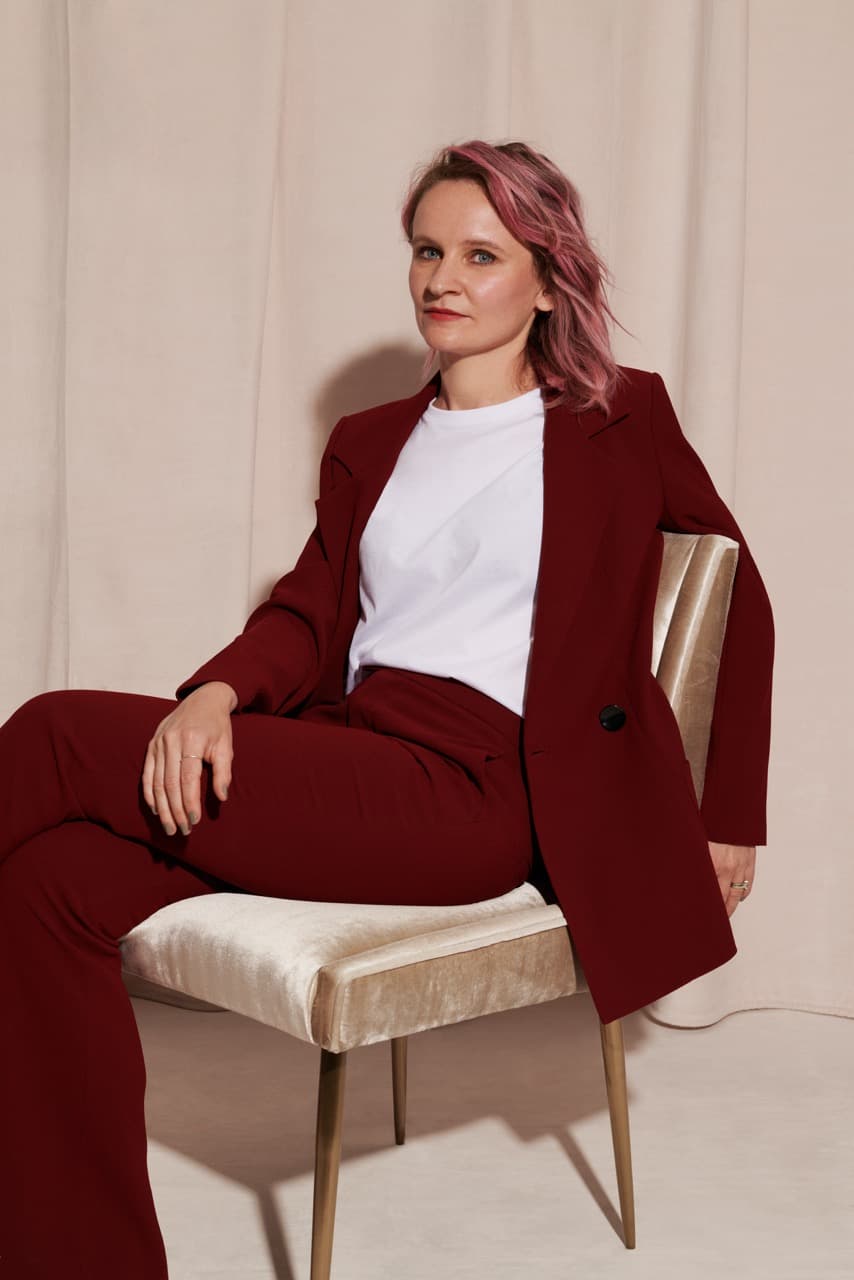
Today, the situation is much changed, even outside of watchmaking hubs, as in the example of Scottish-born Fiona Kruger. Her debut collection of skull-shaped timepieces, inspired by an ancient skull timekeeper belonging to Mary Queen of Scots and a variety of cultural events she grew up with, went on to strike a chord with cult watch enthusiasts the world over. Not surprisingly, some models are customized by adding gemstones or other completely bespoke changes. The results speak for themselves, as you can see here, but we should also hear from Kruger herself.
“I believe the sheer success that my skull collection enjoys today is because of my artistic approach to horology emanating from my specialization in fine art. So, the watches made by me are a fusion of fine art, wondrous designs accompanied by technical superiority, ultimately bringing my imaginative dreams to life,” said Kruger, who launched Fiona Kruger Timepieces in 2013. “While working on the designs of my watches, I always keep in mind that beauty has to be another key ingredient in the entire process,” she added. “It’s one way to elevate and inspire people around you.”
SKULLDUGGERY
Behind Kruger’s fascination with mechanical objects such as watches, clocks, automata or music boxes lies her belief that we bring them to life. “Without our involvement, they will be lying dormant in the pit. We give them our energy literally by winding them up and in return their existence is to fulfil our desires such as telling us a story, playing us a melody or indicating the passing of time in a more sublime style,” she said.
While studying for her Master’s degree in craftsmanship and design at ECAL in Switzerland, Kruger’s life took a turn while visiting the aforementioned Patek Philippe Museum, and the Audemars Piguet manufacture. “I was totally mesmerized by seeing watches shaped like musical instruments, animals, insects and angels which comprised its historical collection, and they all conveyed a powerful message in the form of various meaningful cultural dimensions I was also touched by. Such marvels (from the mechanics to the decorative techniques which are rich and varied) became a reality thanks to the artisans who worked meticulously on these defining pieces,” she said.
“That project (at Audemars Piguet) paved the way for me to gear up for what was going to be my ultimate career. It just so happens that this medium suits the way my brain works. This is how I designed my first skull timepiece which set a benchmark for the creation of other skull pieces in the years ahead,” she said. “I’m a self-taught person who learned everything about the minuscule details of watchmaking “on the job”, as it were by designing and manufacturing my own pieces.”
“I personally love the look of mechanisms and mechanical components, so I don’t see them as “a part of the watch”. In fact, I see them as another colour on my artist’s palette, and I get to choose how much or how little of that “colour” I should be using in the artwork I’m creating (visually I mean). Complications, to me, are basically components which move in a certain way and at a certain rhythm. That open-mindedness leaves me with a lot of creative possibilities to dig into for my mechanical canvases.”
“I approach every process with fresh eyes, without ever falling into the trap of preconceived notions. By mastering the technical details of a technique or material, I find innovative ways to incorporate them into my designs, thus revealing their unique potential. Every single choice, from the materials we use, to the kinds of finishing, to the shapes and colours, all relate back to the core idea behind the piece.”
FATHERS AND DAUGHTERS
While women with no prior connection with watchmaking are driving greater visibility, there is also the family connection, which might be the most famous of all. Philippe Dufour’s daughter is a watchmaker who works with him and so is Vianney Halter’s daughter. Another, no less famous, is Venla Voutilainen, whose name tells you instantly that her father must be the legendary Kari. She came to realize her passion for watchmaking at the age of 15, thanks to a school excursion to an exhibition showcasing the nature of different businesses. “Amidst so much buzz of various businesses being introduced there, my eyes immediately (went to) watchmaking. I was completely drawn to it,” she said.
Venla went to the exhibition again but this time with her mother so that she could spend more time with the professionals there. Back home and bursting with excitement, she then told her dad, who was not in the mix until then. “Initially, he sounded sceptical but then agreed,” Venla said, adding that her father provided her with a movement to train with.
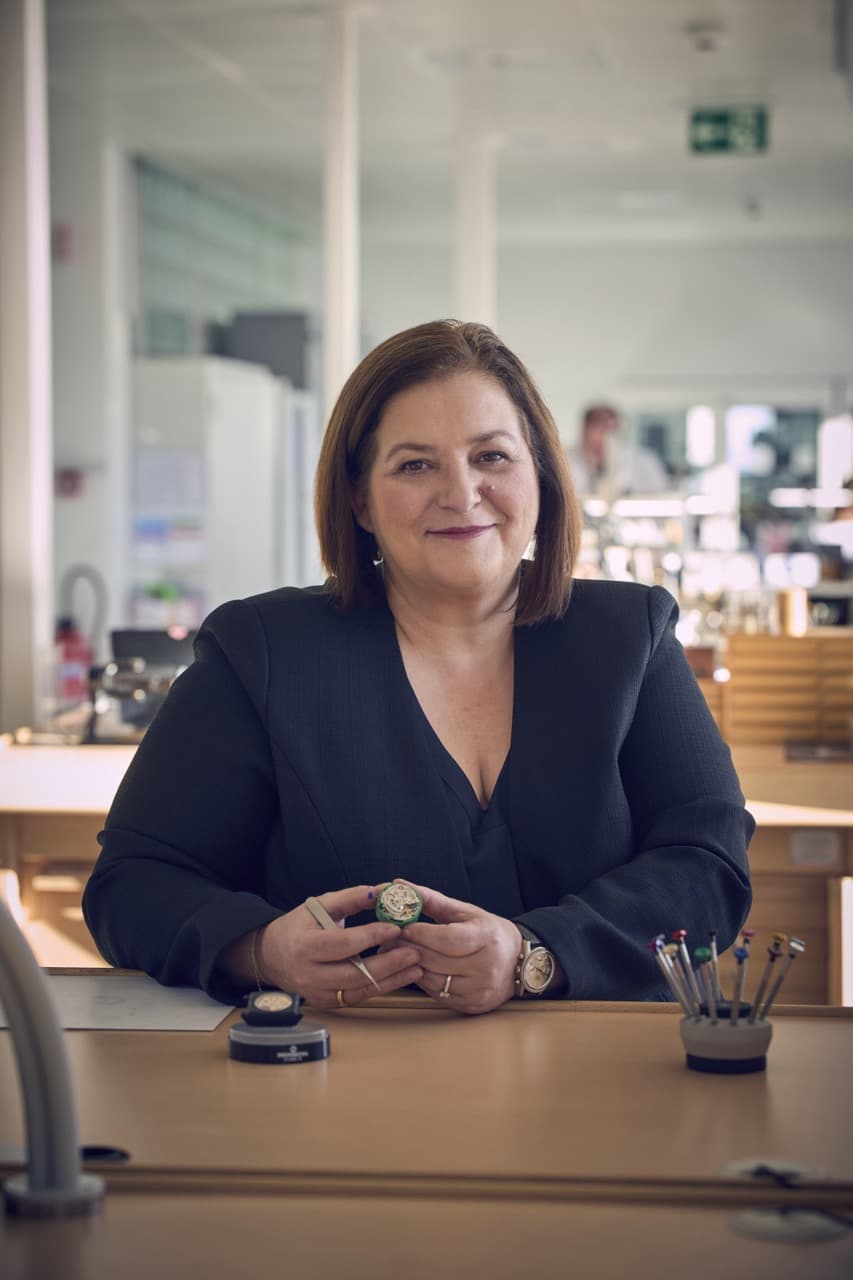
What she loves most about watchmaking is learning the history of any given piece, and having different movements in her hands to play around with. To learn the skills of the trade in the best way possible, she worked as an apprentice at Vaucher Manufacture in Fleurier for four years while also learning to service watches at CIFOM in La Chaux-de-Fonds at the same time. “I then made my way to Singapore where I worked at The Hour Glass in its after-sales department before joining Urban Jurgensen (now owned by a group of investors led by Kari) as the site manager,” she said. “I make sure I keep learning new skills such as decoration from various specialists.”
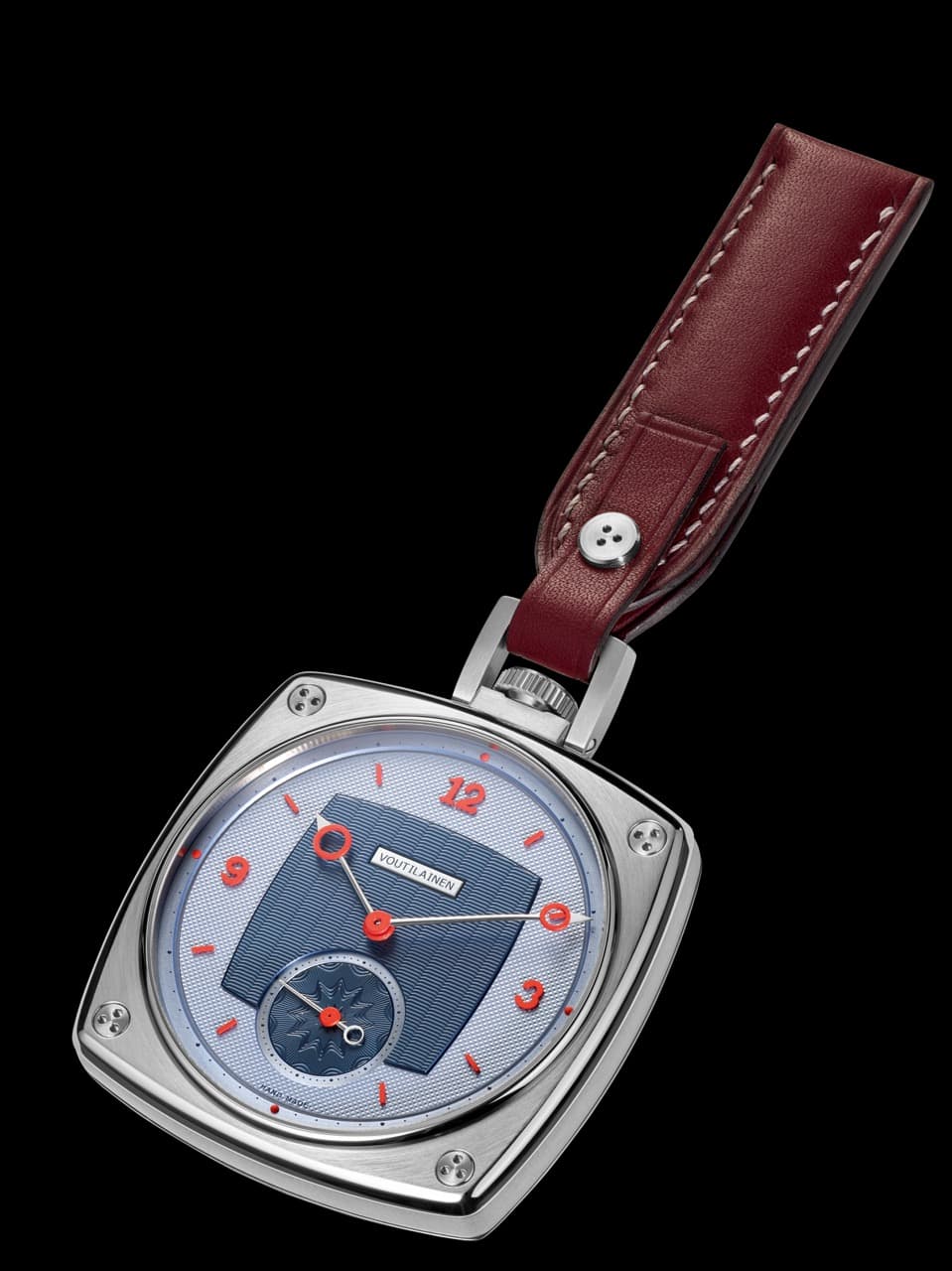
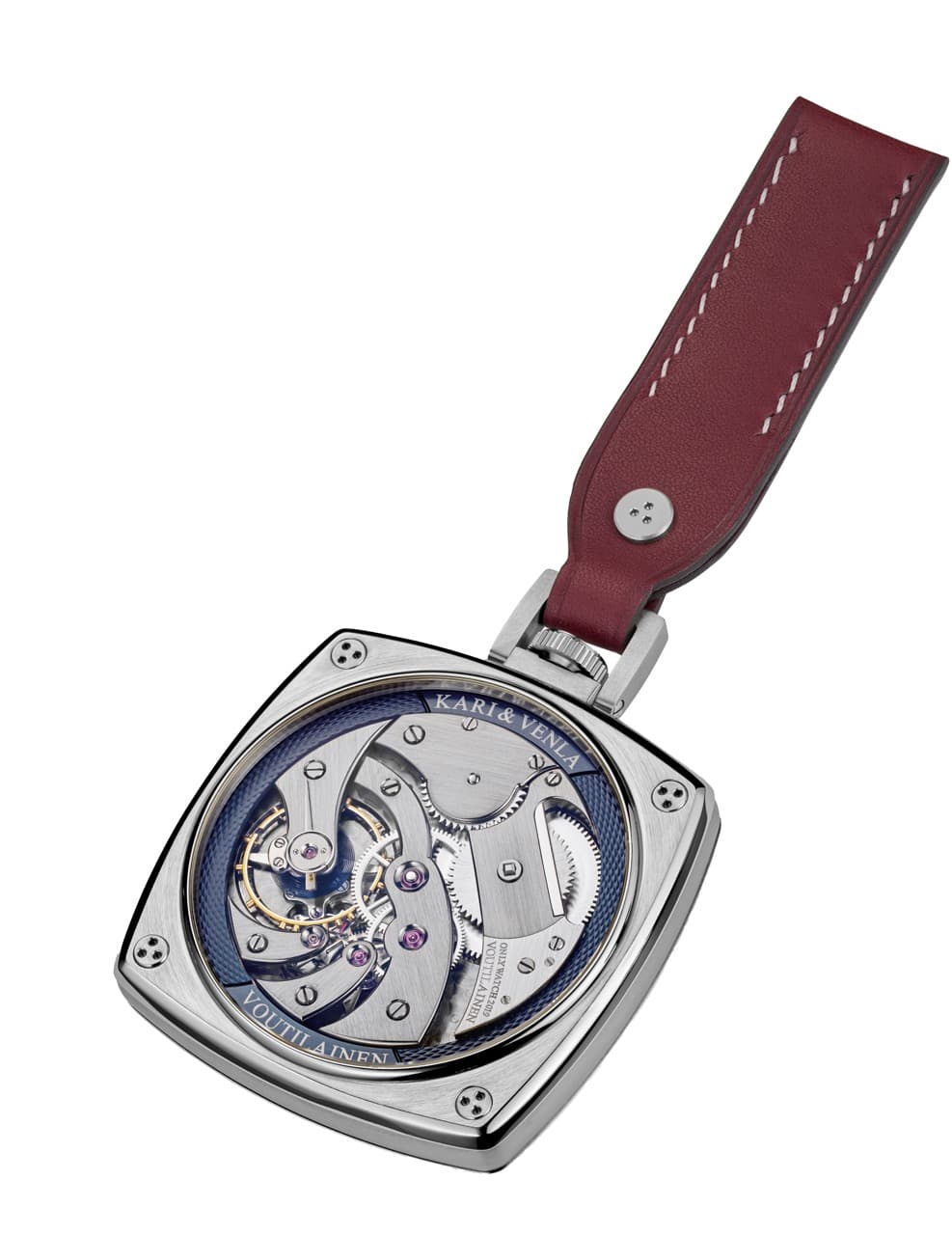
Earlier, Venla played a pivotal role in creating a pocket watch (the Voutilainen TP1 Only Watch 2019) along with her father. “When we were working on the watch, I came up with the idea of making it in such a way that the mix between tradition and modernity should shine through for good. We worked closely together, Kari choosing the design of the case and dial and myself picking the colours and decorating the movement,” she said. “The combination of the dial and hands makes it more feminine whilst also staying masculine. The mechanism’s marvels are housed in a TV-shaped screen case. After all, beautiful watches are often found to be linked with souvenirs and emotions.”
For Venla, it is all about taking time while making time. “Haute horlogerie faces the challenge of making watches that are both technically and aesthetically pleasing. We’re lucky to be surrounded by experts and take as much time as required for each piece, and in so doing making watches somehow unique. Patience is the cornerstone of what we do as a team.”
Venla’s role at Urban Jurgensen will be on the radar of collectors as the father-daughter duo gets set to relaunch the brand with fresh ideas. “It’s a much-awaited project in the offing to the delight of watch collectors who have a huge respect for independent watchmaking. And we’re looking forward to launching new timepieces by Urban Jurgensen with keen interest,” she said.
QUEEN OF STRIKING MOVEMENTS
For more than a decade, Carole Forestier-Kasapi has been the mastermind behind dozens of extraordinary movements from famous luxury watch brands. Many will remember Forestier-Kasapi for her incredible 15-year run at Cartier. Under her leadership, the jeweller was finally able to set up its own vertically integrated manufacturing unit for movements, catapulting it straightaway to the pinnacle of fine watchmaking.
“I personally like to create complications, especially dial animations telling stories which are purely expressive,” Forestier-Kasapi said. “It’s not enough to be innovative to innovate. Things will only change if the intention at heart is to improve while being innovative at the same time. This understanding will make it easier for us to solve old problems or increase durability.
All in all, it’s a progressive stance that should always be adhered to. Besides, innovation for me means diving into new territories where I’m floating in a world of my own; exploring new materials, new complications or new mechanisms, or new production processes.”
Born into a Parisian family with a rich watchmaking legacy, her parents were watchmakers themselves, and her brother is also into watchmaking; it was expected of Forestier-Kasapi to choose the same field for herself. “Awash with feelings of inquisitiveness at a young age, I used to spend most of my time in the family workshop; disassembling mechanisms to understand how they work; opening books to comprehend things thoroughly; and quickly became passionate about watchmaking.”

To solidify her watchmaking skills, she decided to enrol at the aforementioned CIFOM at the behest of her parents. There, she started her journey towards obtaining a diploma in movement conception. Asked what her dream watch to create would be, she said, “There has to be a perfect equation entwined with desirability, followed by strong performance and durability. Most importantly, what is required is to find a subtle balance between aesthetics and technical limits in total harmony.”
“My proudest moments and souvenirs are always with clients; as a creator, it’s always magical when we can meet and share,” she said. “For me, it’s helpful to understand how they perceive your creations. Funny though it may be, another great moment is to discover a celebrity wearing one of your pieces, like Jay Z wearing the Cartier Crash Skeleton or Max Verstappen wearing the TAG Heuer Monaco Split-Second Chronograph.”
On this point, we have always wanted to know why she made the move from Cartier to TAG Heuer, where she has played an instrumental role in the development of the TH30-00 of the Aquaracer Superdiver 100 and the Calibre TH50-00 on the Superdiver 200.
“I saw it as a new big challenge – a totally different brand from the one making feminine, conservative and elegant watches to the one making masculine, avant-garde and sporty watches. It was a perfect moment for this change to occur in my life. And it also came across as a big challenge in terms of repositioning the brand from what Frederic Arnault had in mind for it.”
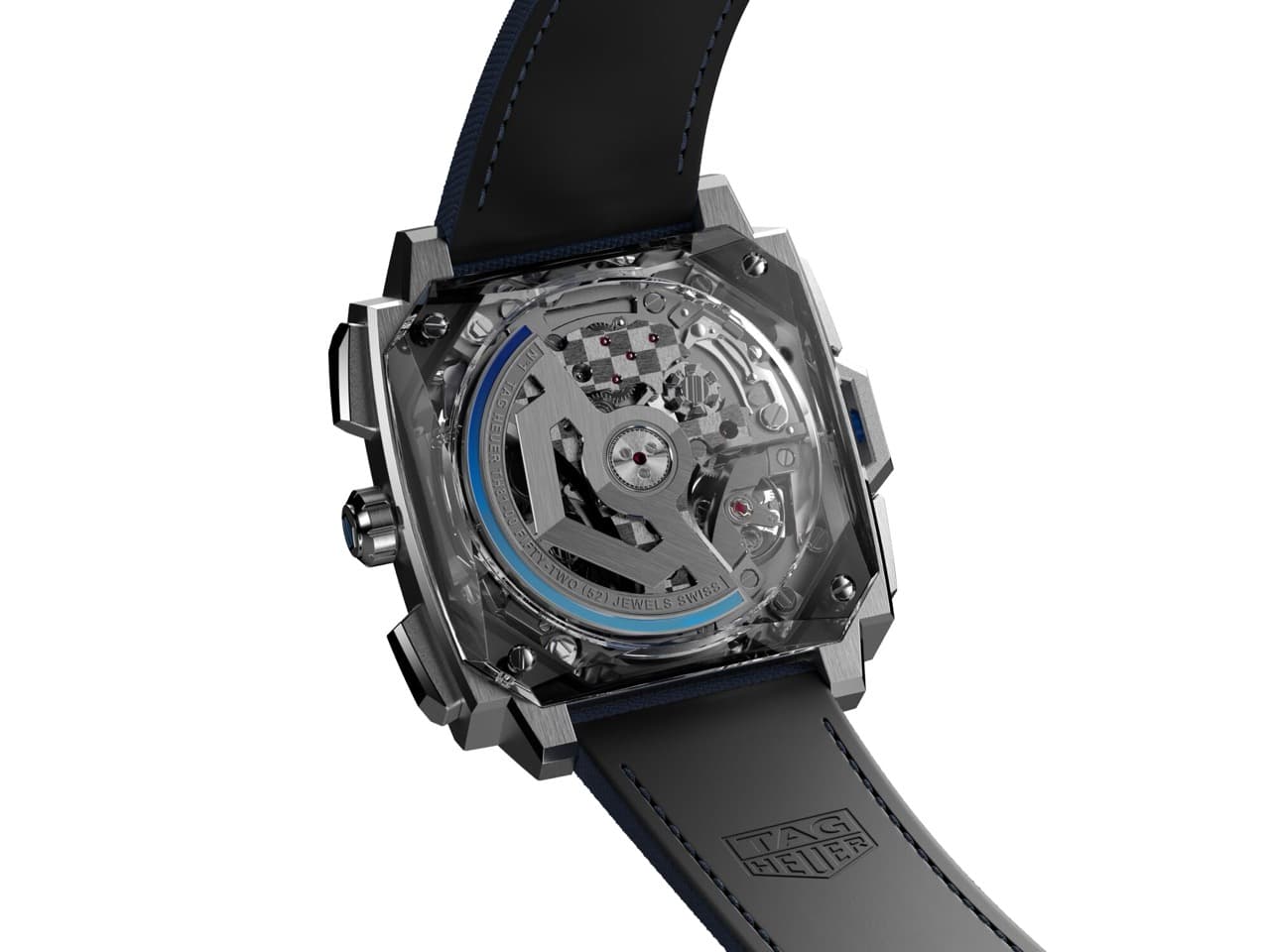
She believes she is in charge of writing a new page of TAG Heuer’s history book. According to Forestier-Kasapi, the history of the firm is very inspiring. On top of that, the second big inspiration lies in giving a sense of its objectives broadly.
“I think a good example is the new Monaco Split-Second because Heuer built a part of its reputation with split-second stopwatches starting in the beginning of the 20th century, but never produced this complication into a wristwatch. So, we wanted to create a piece for sport activities with light materials for the case and the movement (a 5hz movement) regarding shocks and accelerations,” she said.
Interestingly, the issue of shapes is quite an indispensable one for Forestier-Kasapi. “It’s even more fundamental at the level of watches being equipped with vital movements which are directly impacted by the shape and therefore the sizing of the mechanism is accordingly considered and developed to fit in,” she said.
Clearly, watchmaking is fortunate to have such passionate professionals at its core, and it should embrace them. As Kruger and Forestier-Kasapi point out, the assumptions made about women in horology are frustrating and usually a dated and unnecessary hurdle. Variety is very much a key factor to keep things interesting and inspiring, so nurturing a variety of creative voices is undoubtedly a good thing and guarantees encouragement.
This story was first seen as part of the WOW #76 Festive 2024 Issue
For more on the latest in luxury watch reads, click here.


