Forward in Good Time: GPHG 2026
An independent triumphs, gender categories go and handmade watches win: what GPHG 2026 reveals about watchmaking progress.
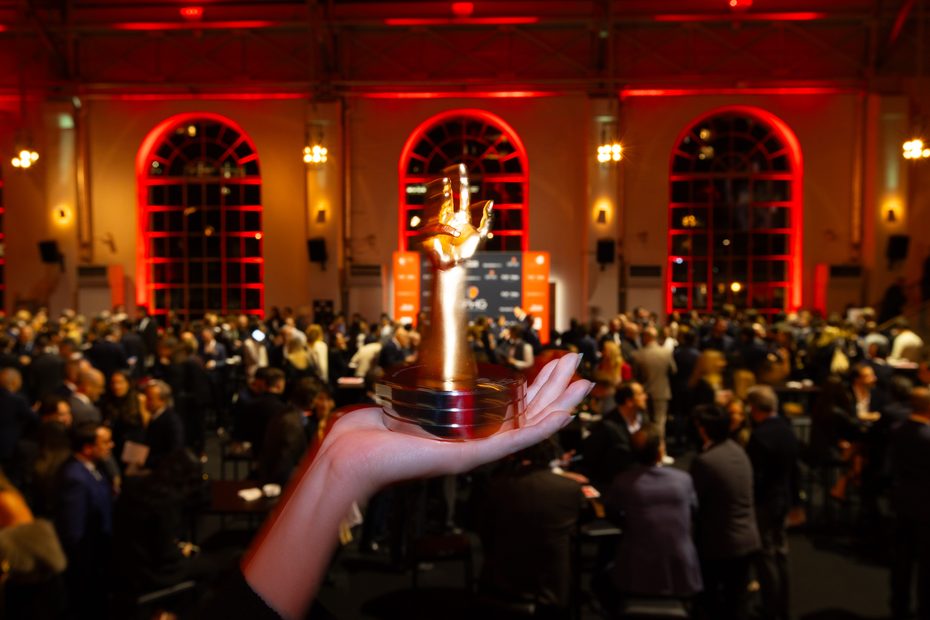
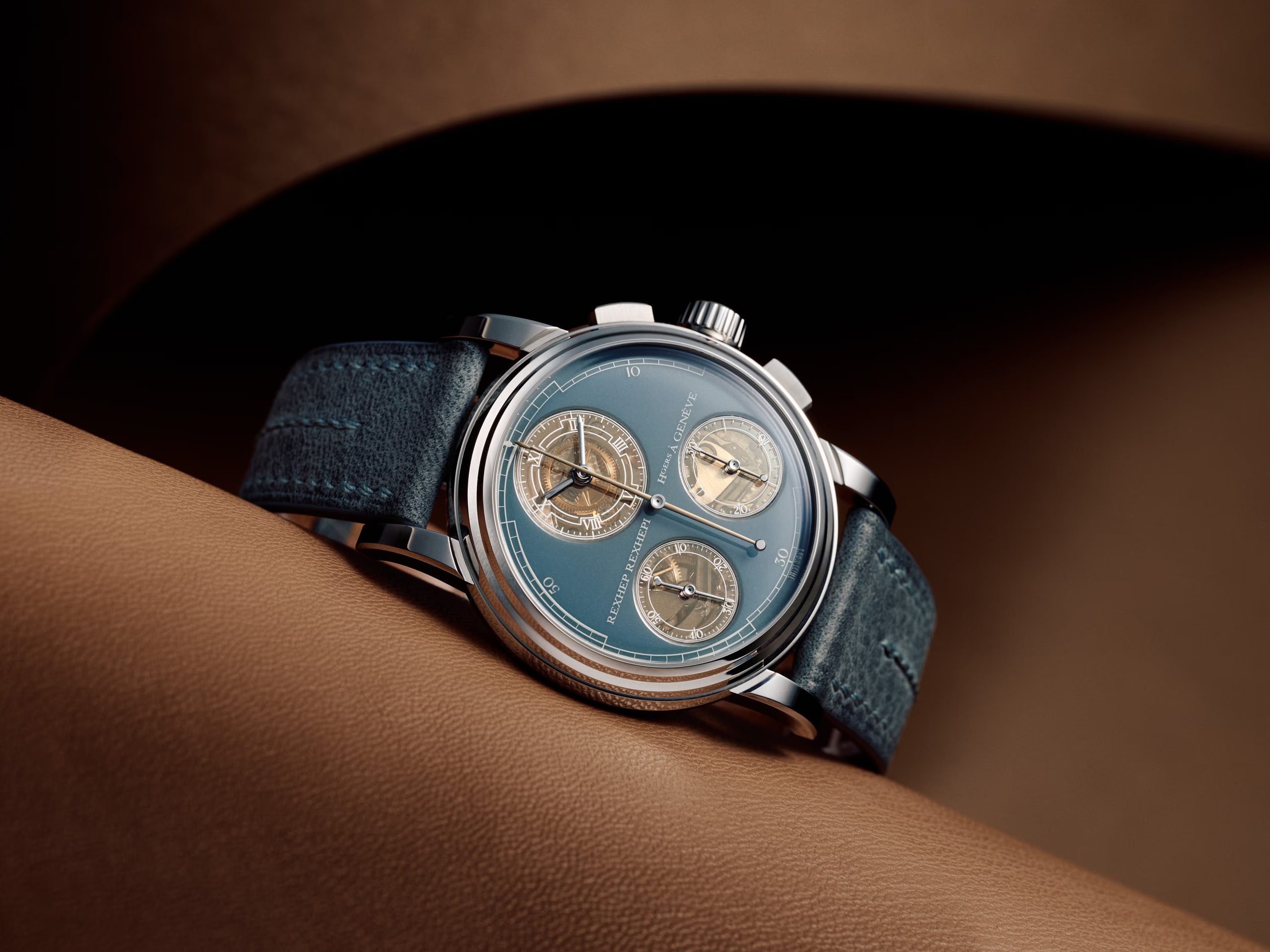
On the evening of 7 November, inside Geneva’s Bâtiment des Forces Motrices, watchmaking’s most coveted trophy went not to a centuries-old maison, but to a man who works from a small atelier in the city’s old town. Rexhep Rexhepi’s RRCHF Chronograph Flyback took the Aiguille d’Or, the highest honour of the 26th Grand Prix d’Horlogerie de Genève (GPHG) — often regarded as the “Oscars of watchmaking”.

Rexhepi’s own story reads like a study in progress. Arriving in Geneva from Kosovo aged 11, he trained at Patek Philippe and worked at F.P. Journe before going on to found his own manufacture, Akrivia. The winning watch is reportedly his first flyback chronograph, driven by a new in-house manual-winding calibre of 320 components with a 72-hour power reserve. It is less a disruptive invention than the result of years of patient refinement: progress as mastery.
That same theme runs through the rest of the results. Across the 20 prizes, progress turned out to be more than just “newer and faster”. This year, the industry moved forward by reforming its institutions, reinventing fundamentals, reviving old methods and widening the map of winners.
New Foundations
For its 26th edition, the Foundation did away with the longstanding Men’s and Ladies’ categories, replacing them with two technically-defined ones: Essential Watch, for pieces closer to the fundamentals of everyday timekeeping, and Complication Watch. A new Gemset Watch category now covers watches set with up to six carats of stones, leaving the Jewellery prize for truly exceptional creations.
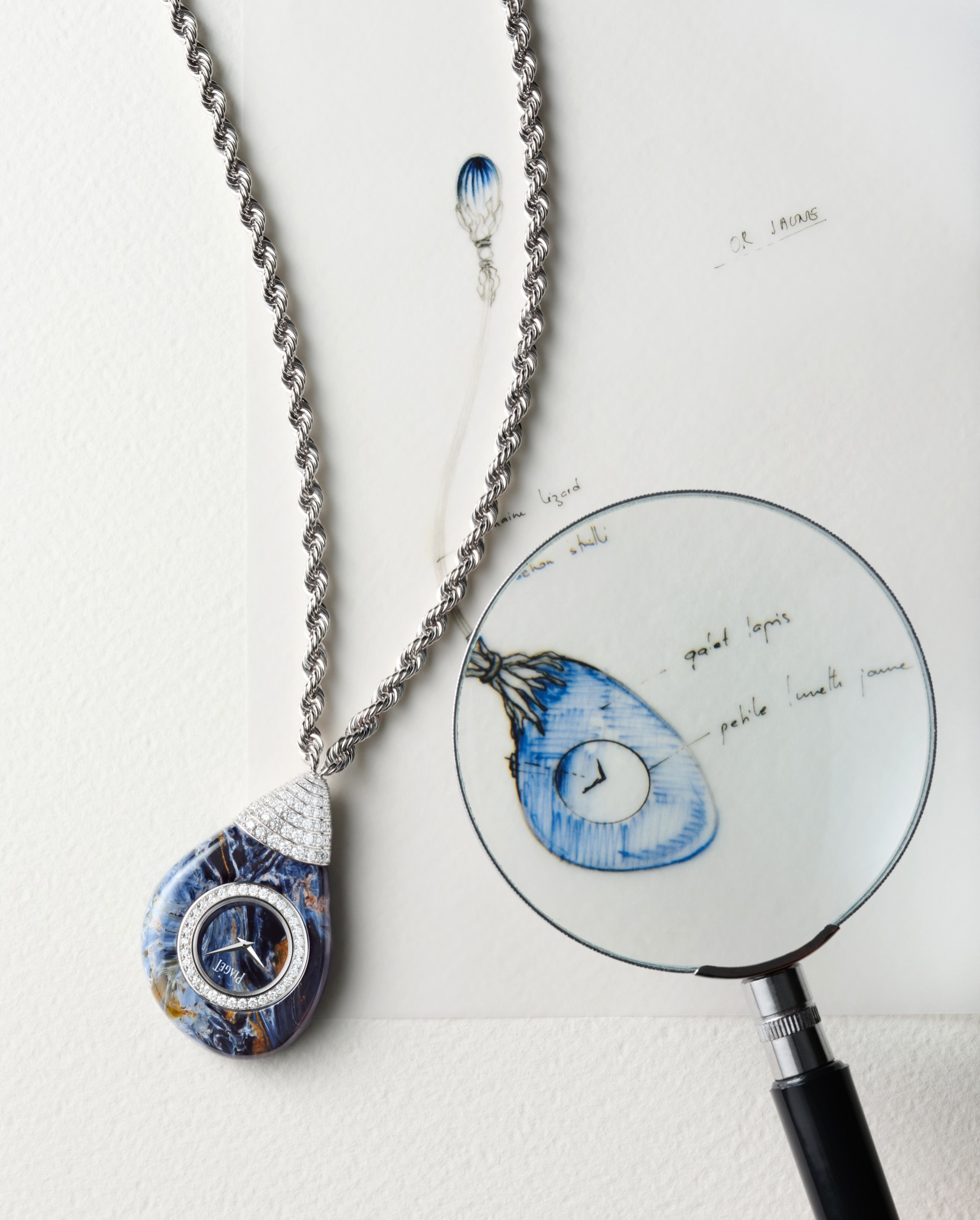
The organisers presented the change as a way to make the competition more representative, and also to keep pace with shifting market preferences. At present, the industry favours smaller, dressier dimensions — anyone who has seen a 38mm watch sorted arbitrarily into one gendered box or the other today will understand GPHG’s logic. Collectors increasingly buy across those lines, and the competition now judges watches on what they are, rather than who they are assumed to be for.
Reinventing Fundamentals
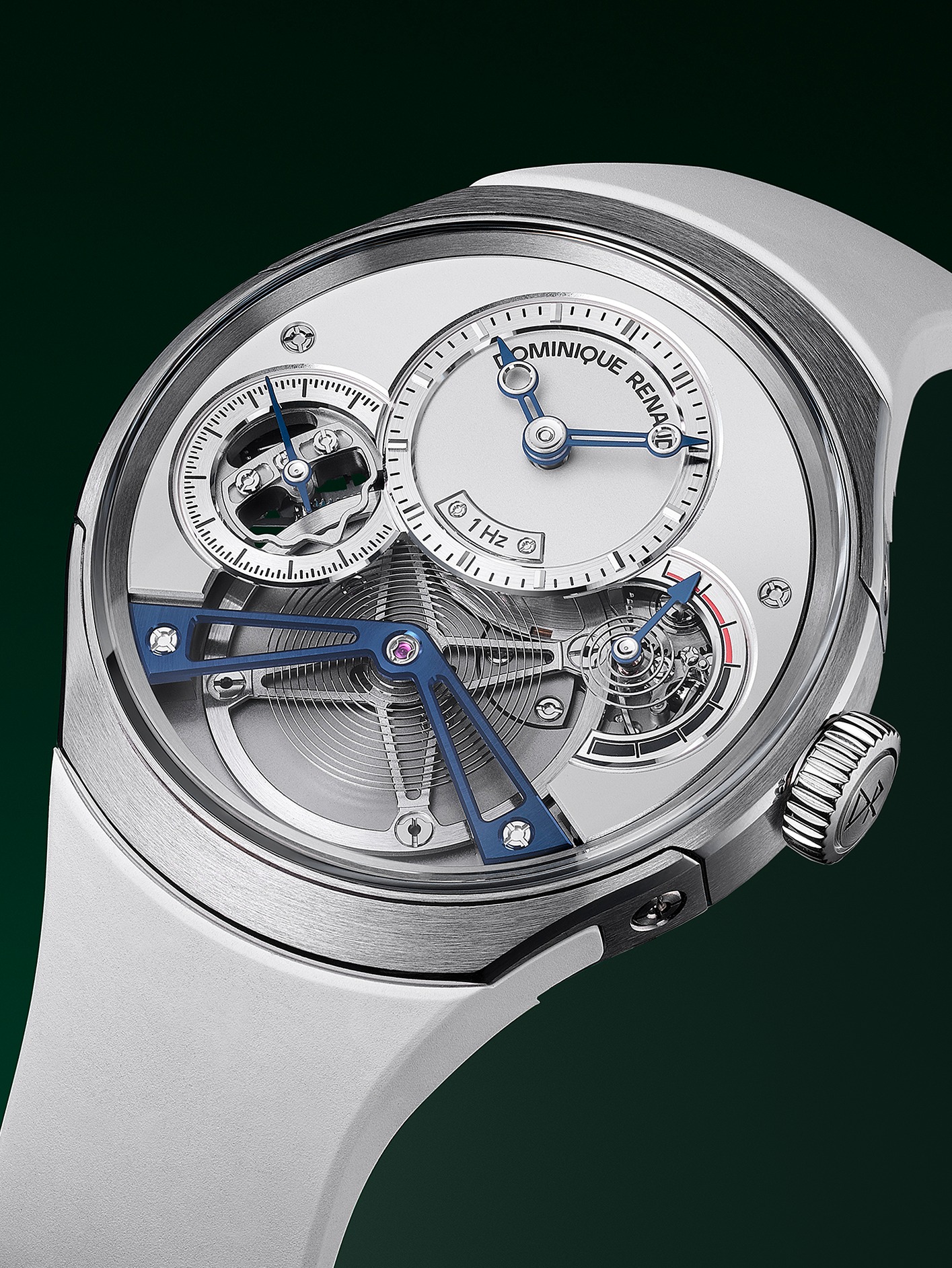
If there is one winner that captures the counter-intuitive spirit of this year, it is Dominique Renaud’s Pulse60, which took home the Horological Revelation Prize. For decades, a higher frequency has been treated as an indication of greater accuracy, but Renaud’s win highlights how precision is possible even at the opposing end of the spectrum. The Pulse60’s oversized balance beats at just 1Hz — or about 60 times a minute — which is roughly the rhythm of a resting heart. For comparison, COSC-certified movements usually run at about 3-4Hz. By slowing the balance and letting it swing far beyond 360 degrees, Renaud’s contrarian approach aims to reduce the disturbances that reach the escapement and let the oscillator steady itself. Here, progress means slowing down — Renaud calls it the lowest frequency in contemporary mechanical watchmaking, and yet its precision remains uncompromised.
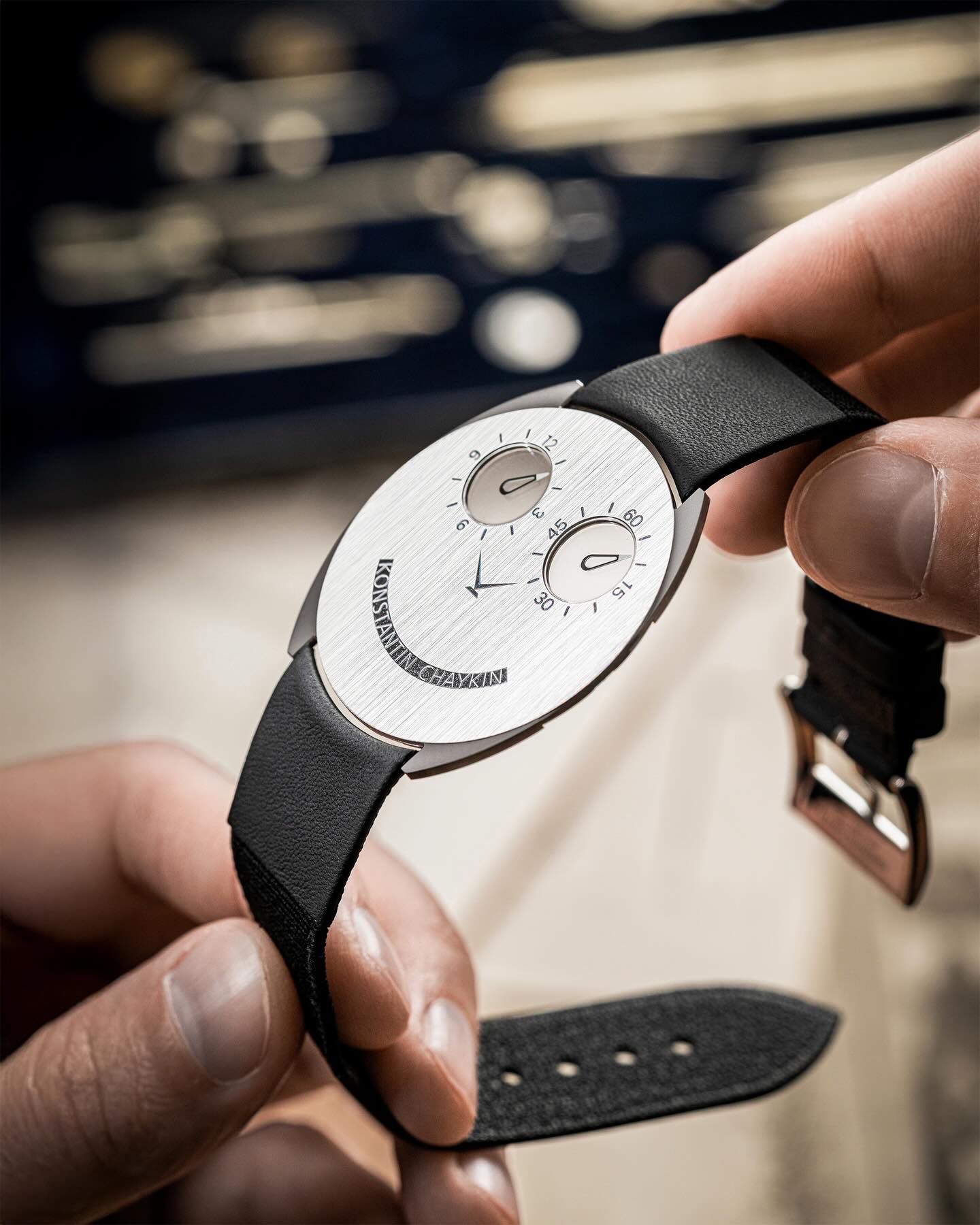
Parmigiani Fleurier’s Tonda PF Chronographe Mystérieux, winner of the Chronograph Prize, reinvents its complication by making it all but disappear: at rest, its five coaxial hands sit stacked on top of one another. Konstantin Chaykin’s ThinKing Mystery, awarded the Audacity Prize, turns a record into a product. His 2024 prototype became the world’s thinnest mechanical watch at 1.65mm — just under 1mm thicker than a regular credit card — and the Mystery keeps that thickness across a 12-piece limited series. Repeating what was supposed to be a one-off engineering feat such as this is arguably its own kind of progress.
Looking Back to Move Forward
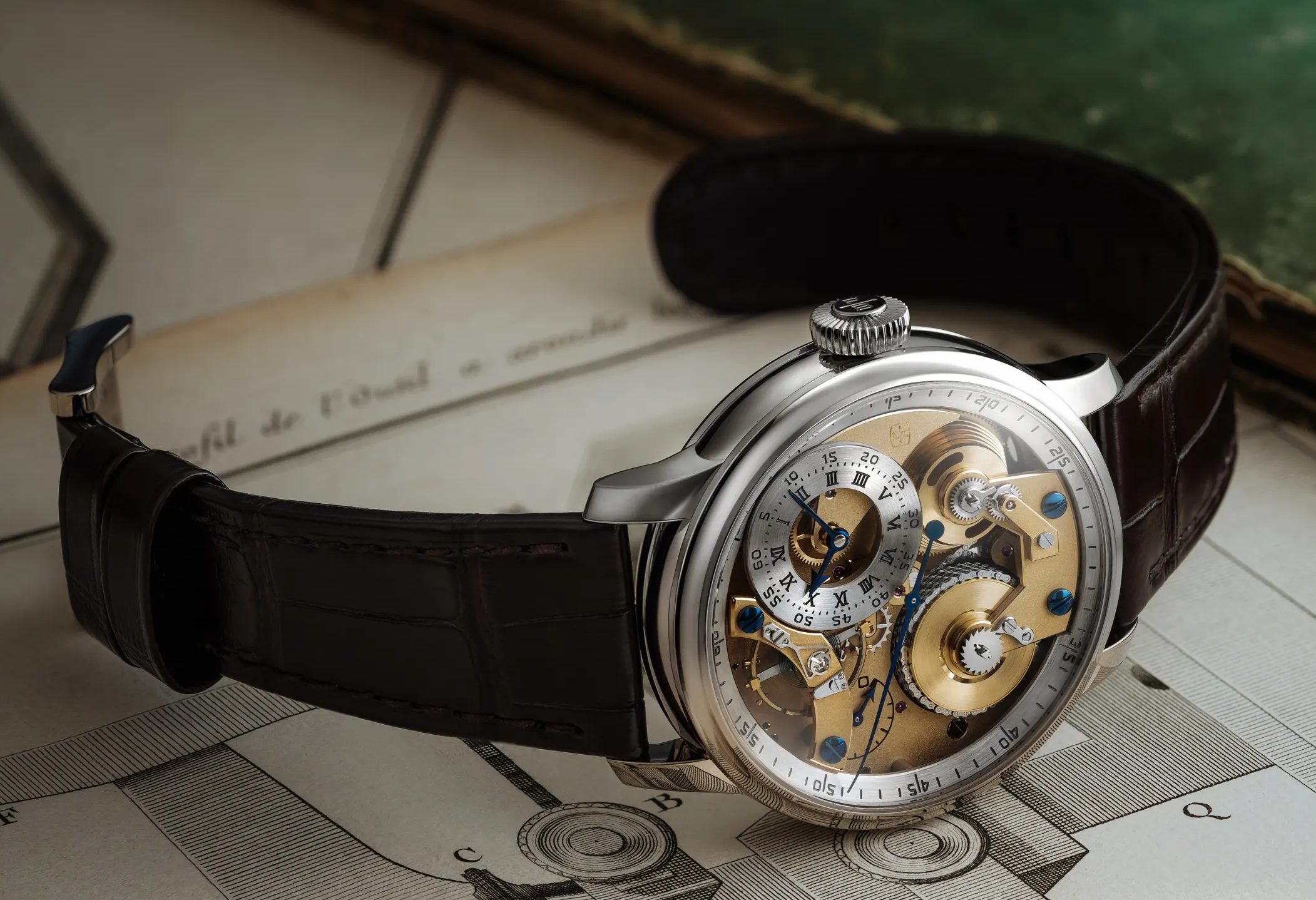
The Chronometry Prize went to Ferdinand Berthoud’s Naissance d’une Montre 3, perhaps the year’s most quietly radical watch. Inspired by Ferdinand Berthoud’s Astronomical Pocket Watch No. 3, it took artisans from Chronométrie Ferdinand Berthoud and Chopard six years and some 11,000 hours to manufacture entirely by hand and without digital tools — a time-honoured craft that Ferdinand Berthoud himself might have recognised. It is the third chapter of an initiative to safeguard endangered watchmaking skills, and a timely reminder that know-how which is not practiced is eventually lost. The manufacture also won the Tourbillon Prize with its Chronomètre FB 2TV.
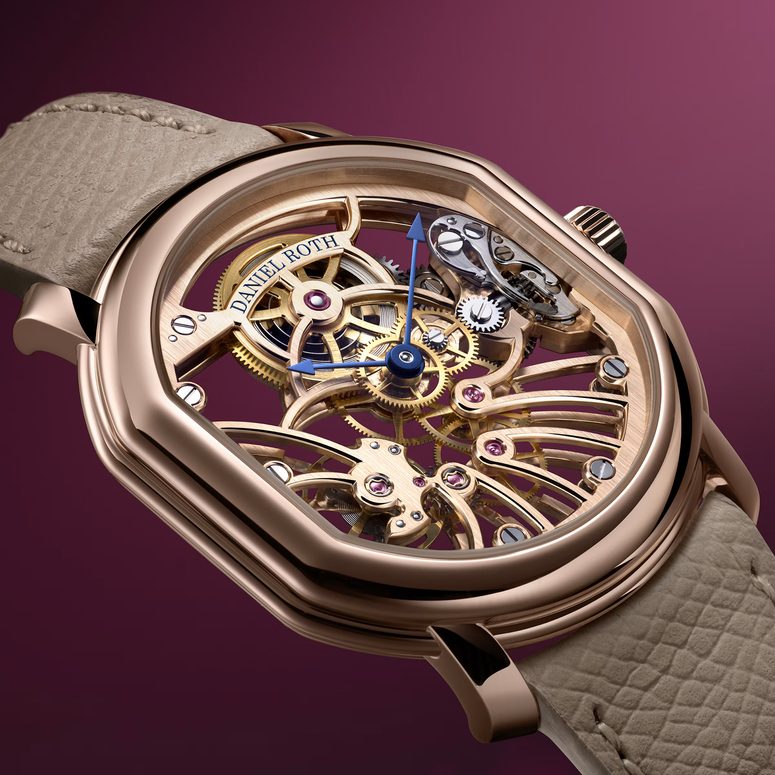
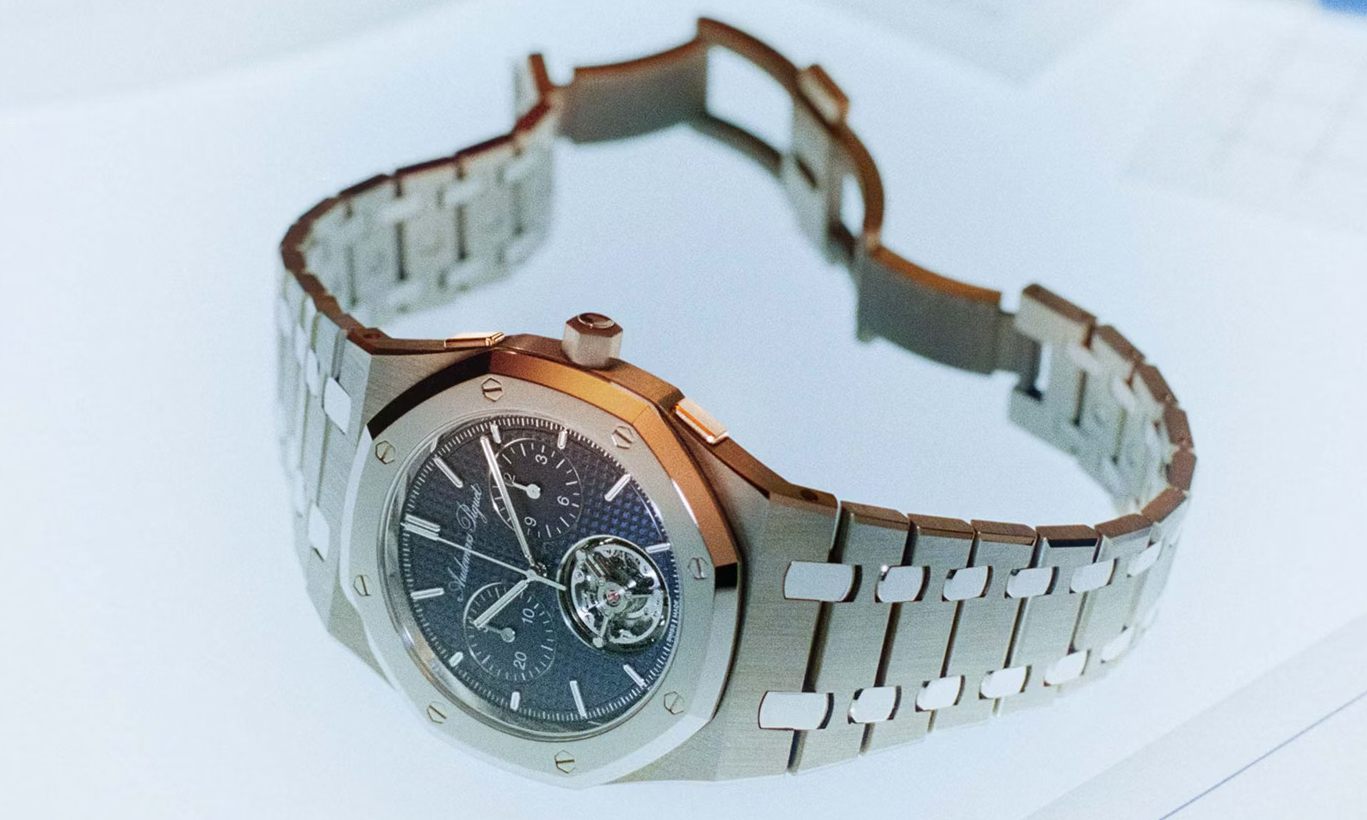
Daniel Roth, a revived name, won the new Essential Watch Prize with its Extra Plat Rose Gold Skeleton: an old signature succeeding in a brand-new category. Audemars Piguet’s 150th-anniversary pieces collected two prizes, Calendar and Astronomy for the 150 Heritage and the Iconic Watch Prize for the Royal Oak “Jumbo” Extra-thin Selfwinding Flying Tourbillon Chronograph RD#5. The latter shows an anniversary need not tap purely on nostalgic sensibilities to celebrate progress — fitting both a flying tourbillon and chronograph into the Jumbo’s extra-thin format is truly impressive work.
Broader Horizons
SpaceOne x Baltic.
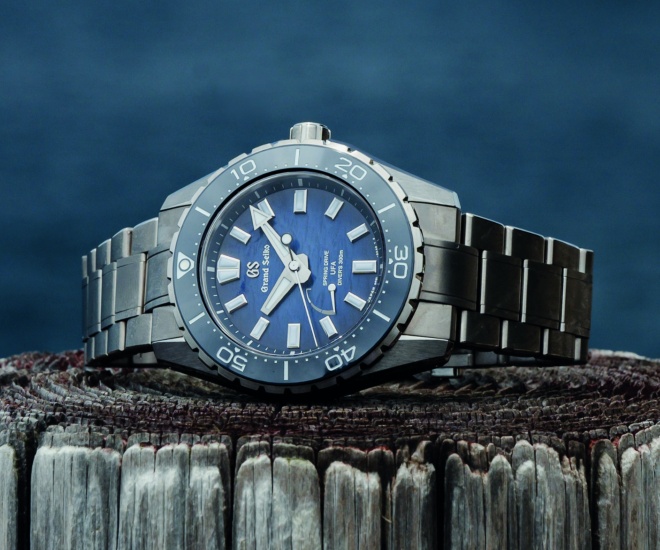
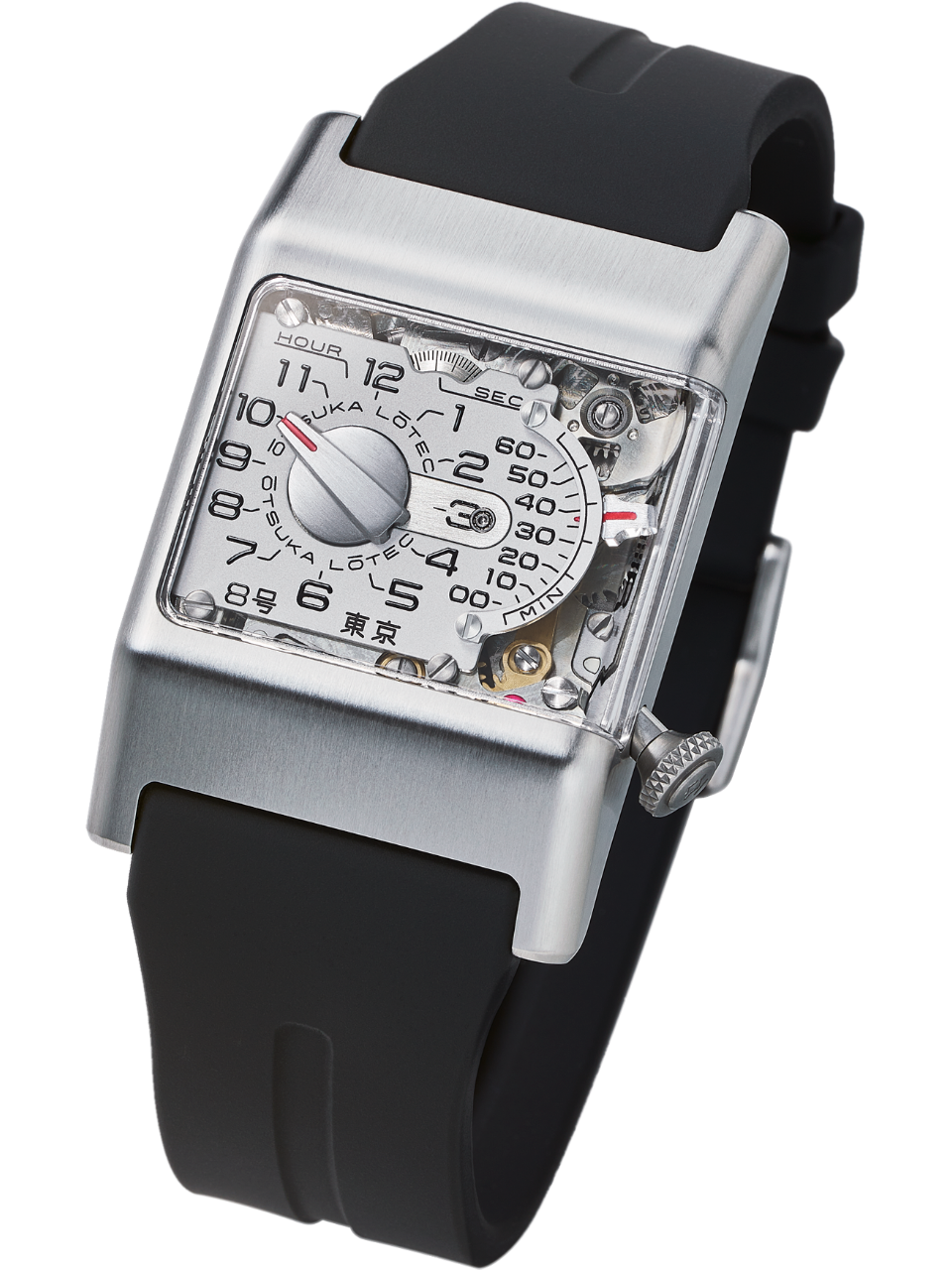
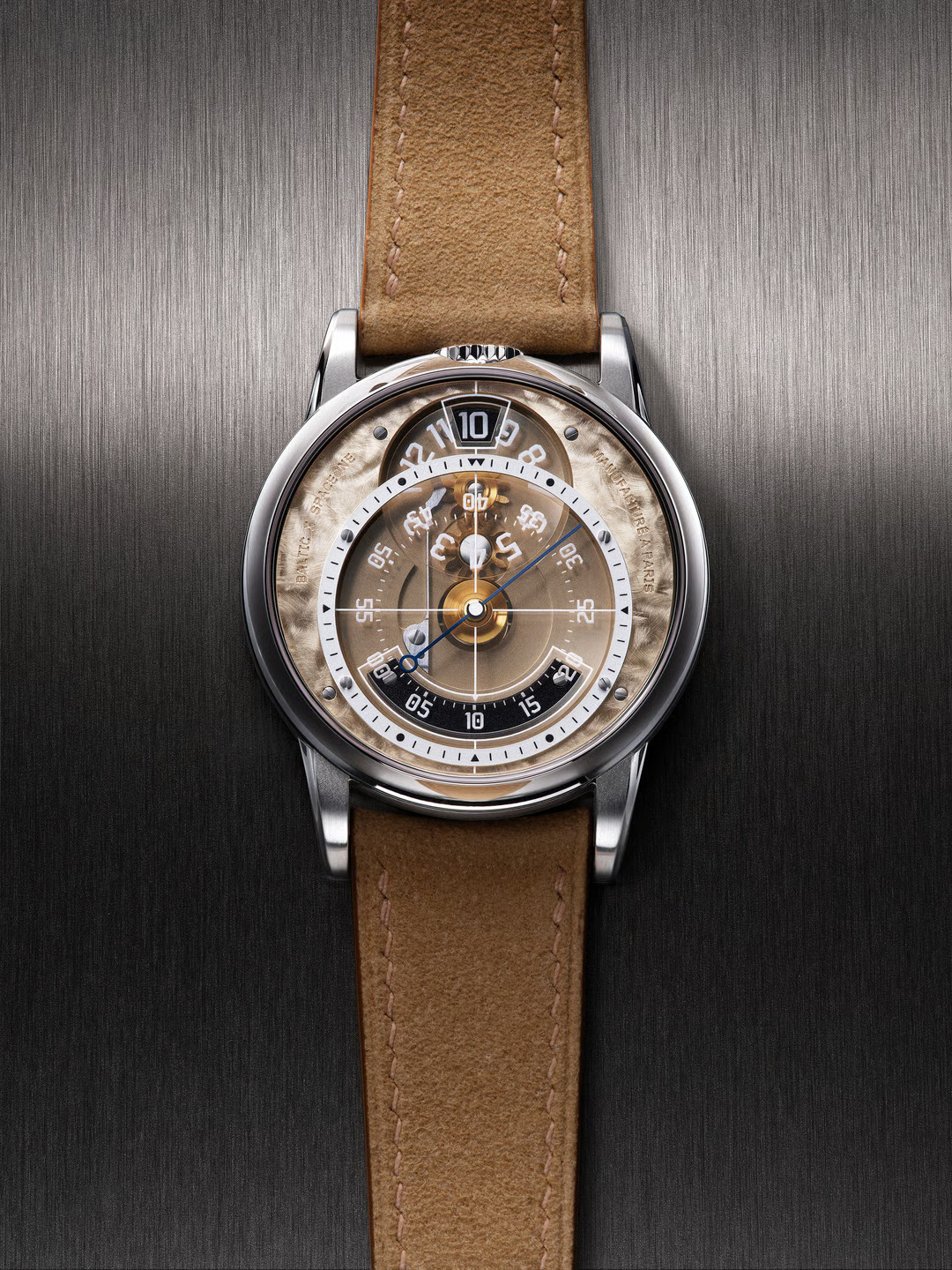
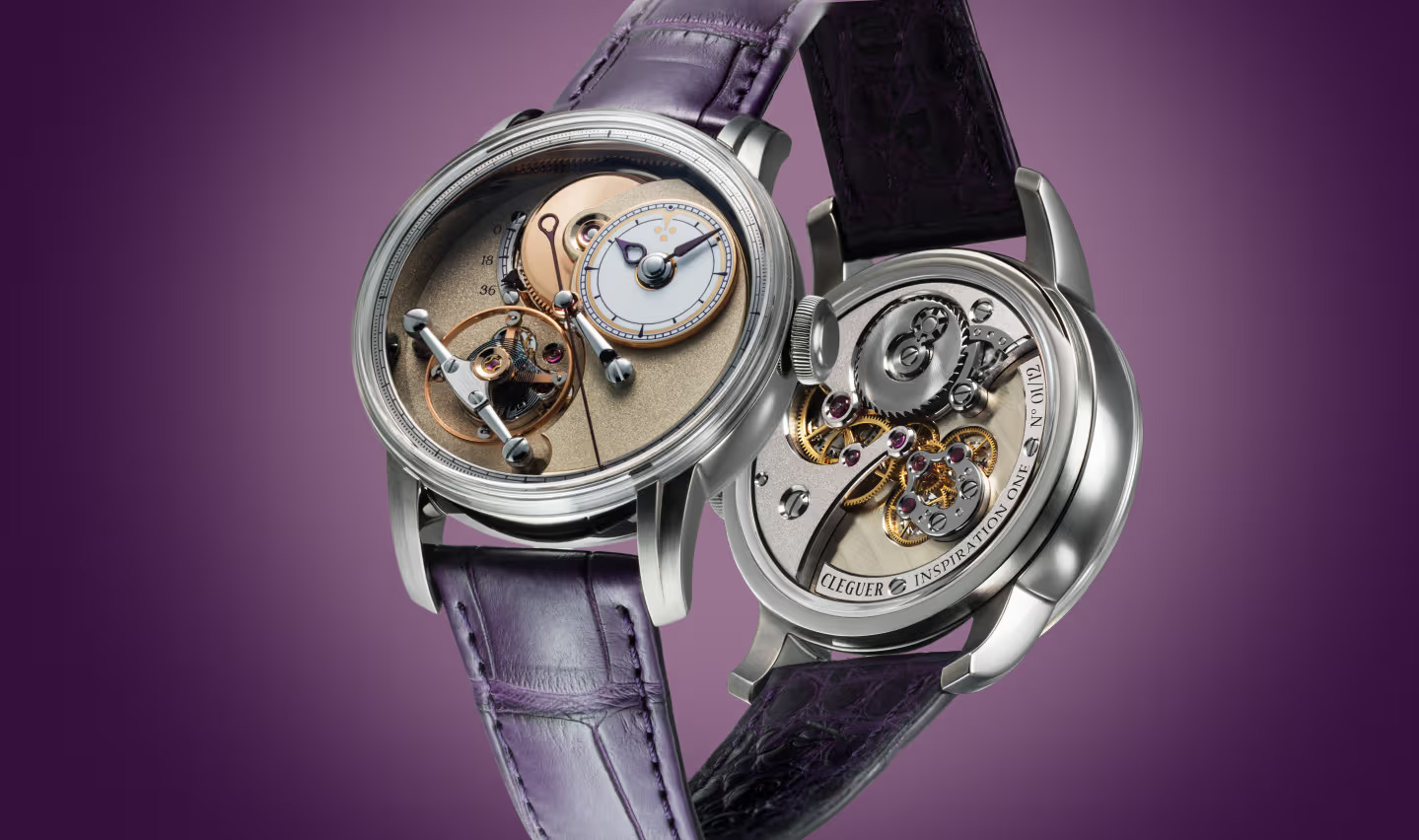
The list of winners also reached well beyond Switzerland. Grand Seiko’s Spring Drive U.F.A Ushio 300 Diver won the Sports Watch Prize, and was joined by compatriot Otsuka Lotec — whose No.8 took the Petite Aiguille Prize. Elsewhere, Bretagne-born Mathieu Cleguer’s Inspiration One won the Complication Watch Prize, while Paris-based duo SpaceOne and Baltic’s collaborative Seconde Majeure won the Challenge Watch Prize.
Read more: Grand Seiko’s Ushio 300 Diver: Where Nature Meets Precision
Alongside Rexhepi, Renaud and Chaykin, it is tempting to call 2026 the year of the independents. However, “independence” is difficult to define especially when the likes of Chopard, Audemars Piguet and Patek Philippe are family-owned, and given it would be disingenuous to ignore the achievements of major manufactures such as Louis Vuitton and Piaget. That said, it is now clear that smaller manufactures now compete on equal terms at watchmaking’s highest level, and — more importantly — are actually winning.
Progress Redefined
Taken together, the 2026 results suggest that progress in fine watchmaking is no longer a straight race towards innovating thinner, faster or more complicated pieces. It can mean a balance beating at the pace of a heartbeat, or a chronometer finished with hand tools after six years’ work. It can mean an institution admitting that its categories need to keep up with the considerations collectors have in mind when they look for the next piece.
Above all, it means that a single watchmaker in Geneva’s old town, building one chronograph, can stand alongside the industry’s biggest names. For collectors, the lesson is that progress no longer runs in one direction. As GPHG 2026’s winners have demonstrated, some of watchmaking’s boldest steps forward are taken by slowing down, looking back and keeping the craft alive.
For more on the latest in luxury watch reads, click here.