Charting a New Course for Ulysse Nardin
Ulysse Nardin Managing Director Matthieu Haverlan discusses independent watchmaking, evolving collector expectations and balancing horological innovation with maritime heritage.
Regular readers of watch speciality content will recognise that brand executives often converse in a certain kind of corporate vernacular. It is as polished as it is risk-averse, and the best such communicators manage to keep it up for both casual and formal discussions. Matthieu Haverlan represents a refreshing departure; regular readers of WOW will also know that we have not published any interviews with him, and new voices are always a positive for us. Haverlan leads not merely as an administrator of a historic maison, but with the genuine and unvarnished enthusiasm of an obsessive watch collector who actively wears and admires pieces across the horological spectrum. Full disclosure: Both the author and Haverlan were ill at the appointed time for the interview, so it was conducted over email. Nevertheless, the author has met Haverlan directly at least once and feels reasonably confident in his representations of the industry veteran.
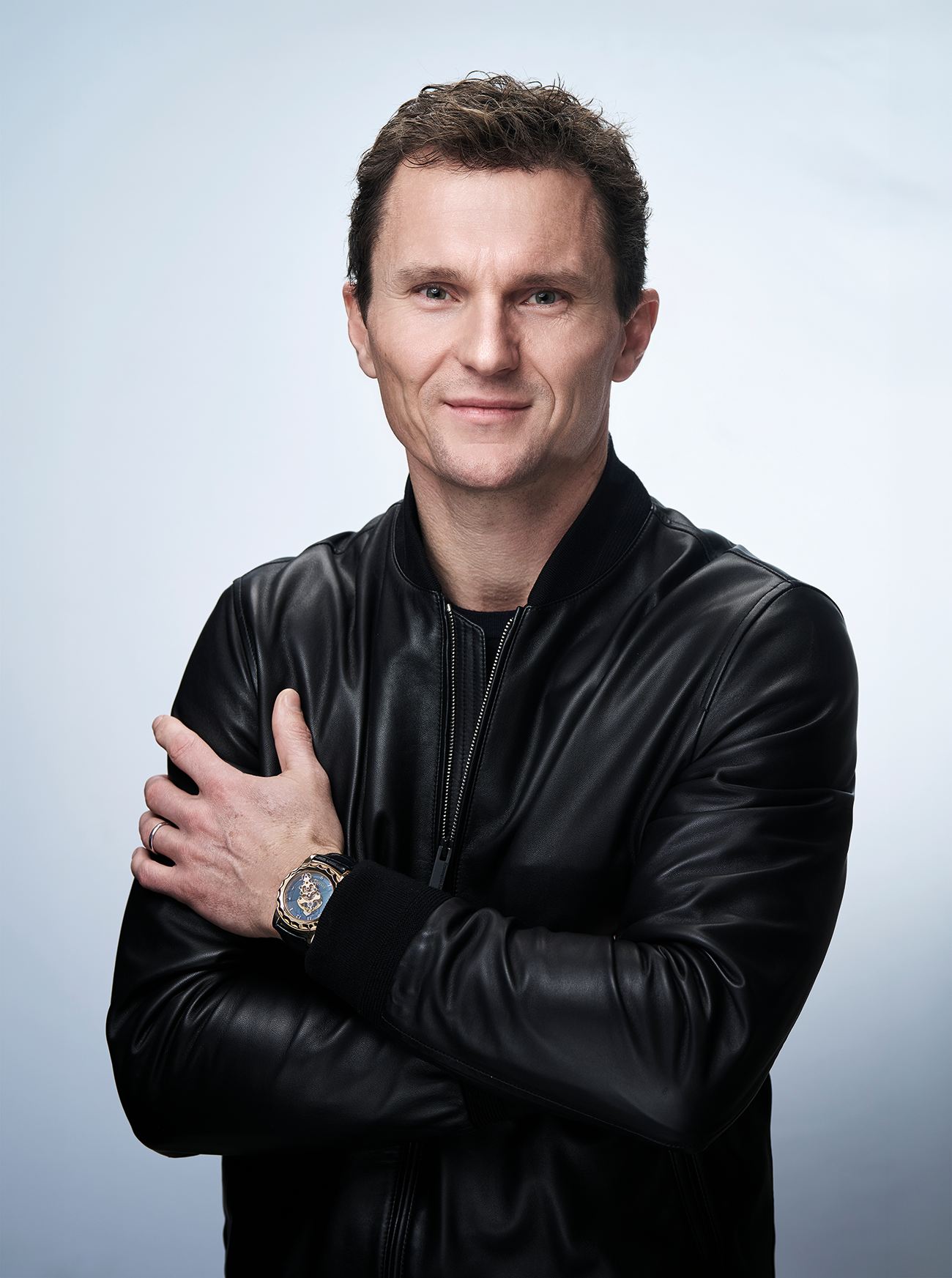
Appointed Managing Director of Ulysse Nardin on 1 February 2024, Haverlan’s elevation felt less like a conventional executive
succession and more like the natural progression of an eight-year journey within the manufacture. After graduating from Grenoble Business School and launching two start-ups in his twenties, he honed his commercial acumen at Hamilton and Jaeger-LeCoultre. Joining Ulysse Nardin as Chief Commercial Officer in 2016 and rising to Chief Growth Officer in 2022, he was instrumental in Ulysse Nardin and Girard-Perregaux’s management buyout, which liberated both brands from corporate conglomerate ownership and re-established their individual independent footing.
Since taking charge of operations in 2024, Haverlan has steered Ulysse Nardin with what he curiously describes as the mindset of “the world’s oldest watchmaking start-up,” but more on that in our conversation below. Backed by a fully integrated manufacture and an appetite for creative risk, Ulysse Nardin has aggressively expanded contemporary horology’s technical frontiers. From the GPHG-winning Freak One and the ultra-lightweight Diver Air to the unexpected UR-Freak collaboration with Urwerk and the boundary-pushing Super Freak, the brand has consistently challenged traditional aesthetic and mechanical paradigms. Over the past two years, Haverlan has also championed a closer dialogue with collectors, observing firsthand a generational shift towards independent watchmakers who possess a distinct perspective and uncompromising craft.
This dialogue arrives at a moment of notable synchronicity. The year 2026 marks the 25th anniversary of the ground-breaking Freak – a milestone shared with WOW (World of Watches, as it was known in 2001). Simultaneously, Ulysse Nardin’s legacy reaches 180 years this year, and 150 years of marine chronometry, heralding an ambitious new chapter for its historic Marine collection.
In this electronically enabled chat, Haverlan reflects on the true meaning of independence, why younger collectors are bypassing legacy tropes in pursuit of radical mechanics, and how he balances the disruptive iconoclasm of the Freak with the enduring soul of marine chronometric excellence.
You are refreshingly candid about being an active watch collector who owns and admires timepieces from other brands. How does your personal passion as a collector shape your perspective as a watch boss? Does looking at the industry through the lens of a consumer change how you approach product development and quality control at Ulysse Nardin?
Indeed, being a collector changes the way I look at every watch we create. Beyond innovation or technical performance, I ask myself the same questions any collector would: Is this a watch I would genuinely want to own? Does it bring something new? Will it still feel relevant and desirable in twenty years?
I also spend a great deal of time with collectors around the world, whether at dinners, events or collectors’ gatherings. Listening
to their feedback and understanding what they value is an essential part of my role, as it helps us challenge our own assumptions and continue moving Ulysse Nardin forward.
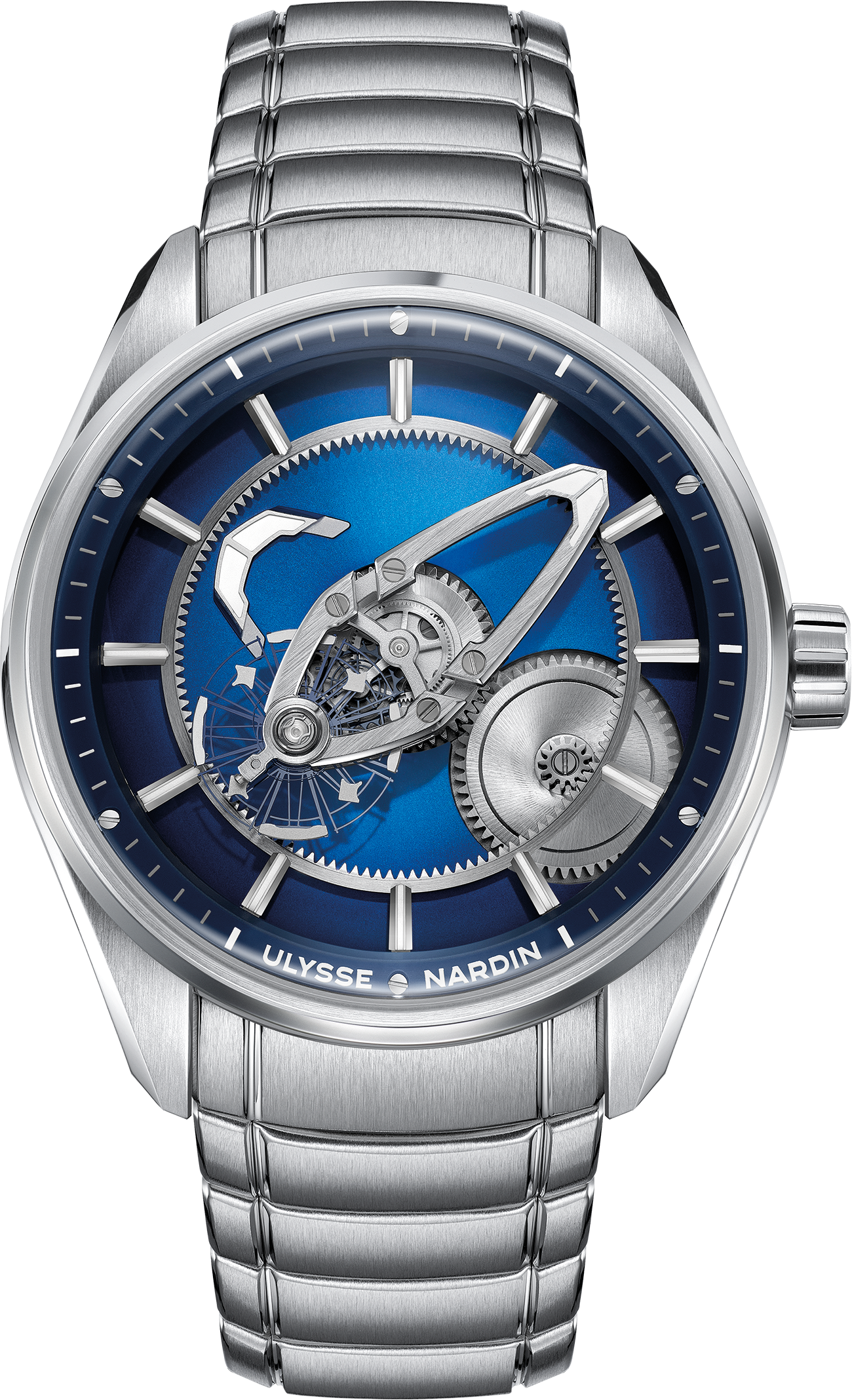
The evolution of the Freak X is a good example. By listening to collectors, we understood that making it more wearable without compromising its identity was important. That’s why we redesigned it with a smaller case, refined the finishing and increased the water resistance.
Related to this, we know from experience that not everyone who works in watchmaking has a passion for the product. How do you cultivate the culture of watch enthusiasm within Ulysse Nardin, without making it seem like an exercise in corporate discipline?
At Ulysse Nardin, we’re fortunate to have a real start-up culture, with relatively small teams where people work closely together. Of course, many of our colleagues join us already passionate about watchmaking, but others begin their careers with us and gradually discover a genuine appreciation for the craft, the artisans behind it and the rich history of our maison.
Watchmaking is a passion that has to be shared. When the people leading the company are able to pass on that passion, curiosity and respect for the craft, you create teams that are deeply engaged and genuinely passionate about what they do.
For me, that’s one of the most rewarding parts of the job.
We like reading other magazines about watches and were interested to learn that you see Ulysse Nardin as the world’s oldest watchmaking start-up. So, how are things shaping up now that it appears to be the time of the independent watchmaker?
When I describe Ulysse Nardin as the world’s oldest watchmaking start-up, I’m referring to our organisation and mindset. Since 1846, we’ve challenged conventions by thinking differently, because we believe that progress happens when you explore beyond what is possible, and that entrepreneurial spirit has always defined us.
In the nineteenth century, marine chronometers established our reputation for precision and made us the most awarded watch
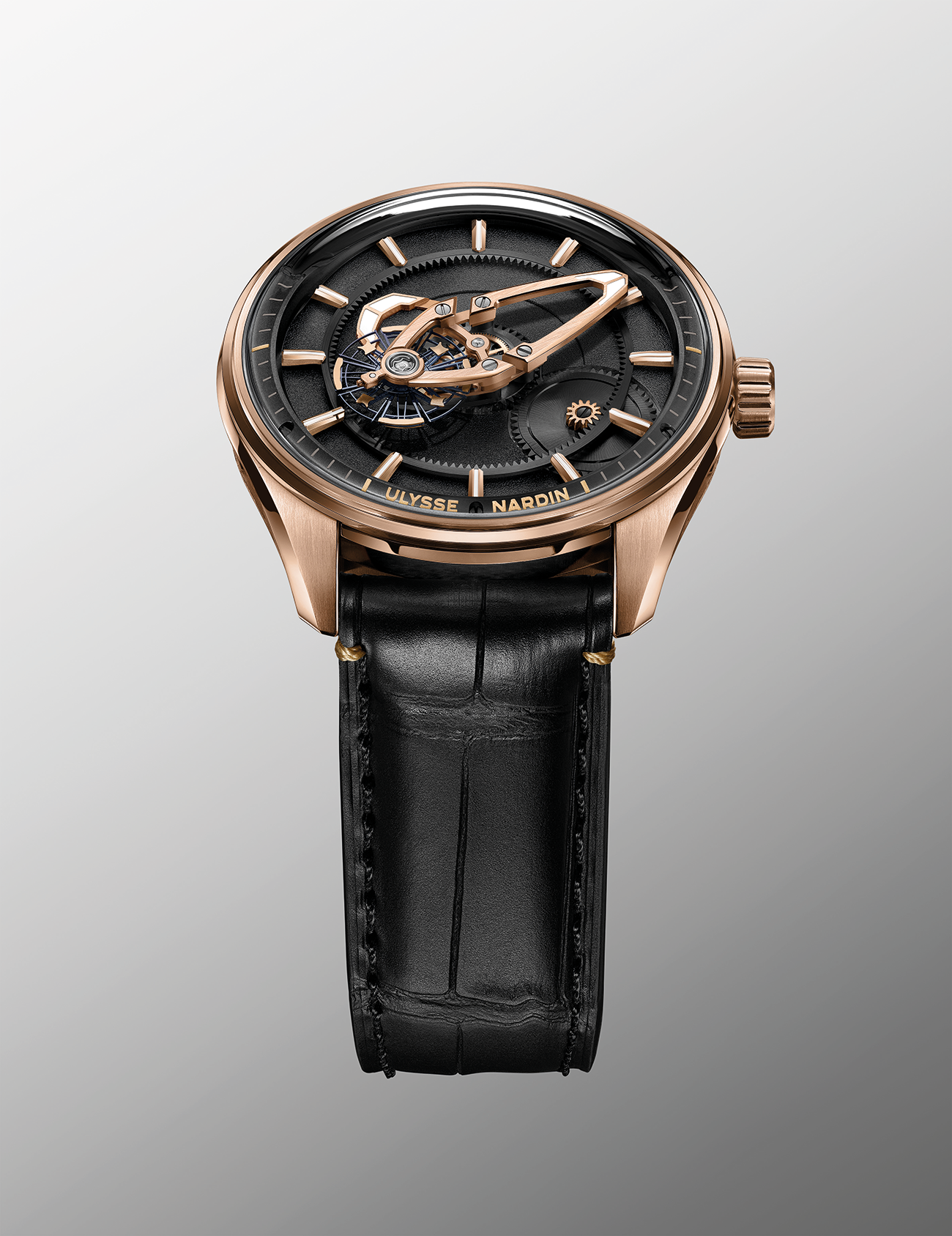
brand in history. In the 1980s and 1990s, we helped redefine contemporary haute horlogerie with groundbreaking astronomical complications, innovative perpetual calendars and entirely new approaches to mechanical watchmaking. Then, in 2001, the Freak challenged every convention of traditional watchmaking and introduced silicon technology, which has since been adopted by other major industry players.
That same spirit continues to define us today. We continue to develop new calibres, explore advanced materials and pioneer new technologies, always with the ambition of advancing watchmaking.
On that note, before we move on to the legacy of the Freak, what does it even mean to be independent today, given that there are many perspectives amongst watch collectors and enthusiasts about what constitutes ‘independence’? Why is independence so attractive to the community anyway?
At Ulysse Nardin, independence gives us the freedom to take risks and pursue ideas because we believe they will advance watchmaking, not because they’re the safest commercial choice. It allows us to challenge established conventions and follow our own path, even when it isn’t the most obvious one.
You can see that in the watches we’ve introduced over the last 18 months. We launched the Diver Air, the lightest mechanical dive watch ever created, pushing the boundaries of materials and engineering. We then introduced the UR-Freak together with Urwerk, a bold collaboration that brought together two of independent watchmaking’s most unconventional brands. And this year, we unveiled the Super Freak, the most technically advanced time-only watch ever developed. All these timepieces were created to move watchmaking forward.
I think that’s also what collectors appreciate about independent watchmakers. They are looking for brands with a genuine point of view – brands that have the confidence to make their own choices rather than simply follow the market.
We have observed that some younger collectors are bypassing traditional design codes and moving straight to unconventional watches like the Freak. Why do you think this is, if you agree, and do you think this is a good thing? What role, if any, does the ‘investment piece’ mentality play in this?
I do think we’re seeing a generational shift, but I wouldn’t say younger collectors are moving away from traditional watchmaking. The great icons remain timeless and continue to play an important role in many collections. What is changing is what younger collectors are looking for alongside those icons.
They are highly informed and want to understand the brands they buy from. They’re looking for authenticity, craftsmanship and a clear point of view. That’s why we’re seeing growing interest in independent watchmaking and brands that offer a distinctive vision.
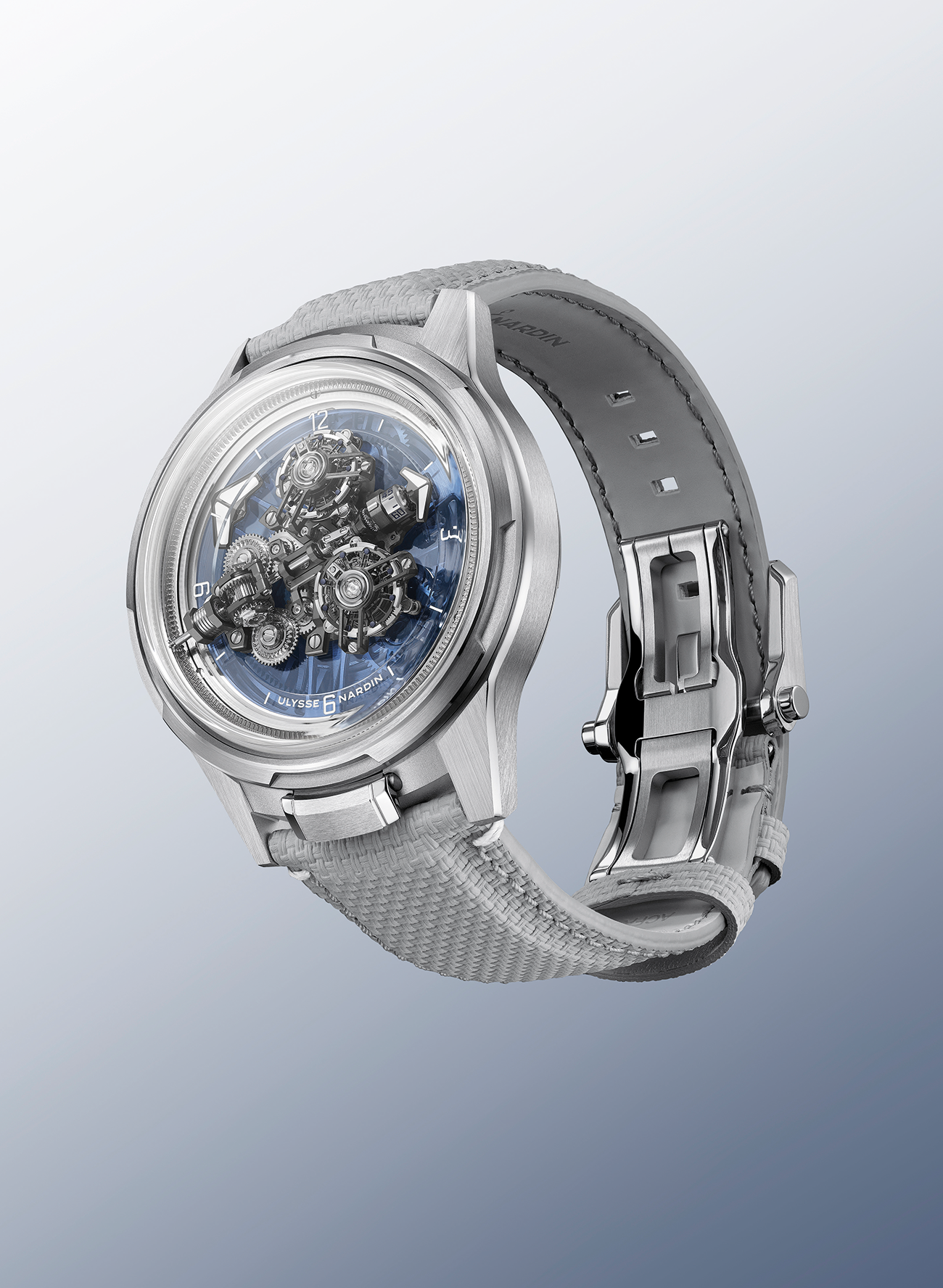
The Freak is rarely someone’s first watch. More often, it becomes a natural step in a collector’s journey, once they’ve developed an appreciation for modern independent watchmaking. It represents a different way of thinking about watchmaking, both mechanically and aesthetically, and that resonates with collectors looking for something truly distinctive.
As for the investment aspect, I think it has become part of the conversation, but I don’t believe it should be the starting point. The most meaningful collections are built around curiosity, emotion and personal taste. In my experience, the watches people keep for decades are the ones they genuinely connected with.
In recent years, the main thrust of Ulysse Nardin has been the Freak. This year, with the outsized tribute to Ludwig Oechslin in the Palexpo, it is perhaps most evident. We were enthusiastic supporters of the Freak push even before Covid so tell us how it is going? WOW has a close link to the Freak in the sense that our first issue was published in 2001, so perhaps we are biased!
Wow! 25 years is a special anniversary to celebrate together. Congratulations – I’d be very interested in seeing a copy of that very first issue!
Since 2001, the Freak has become the purest expression of Ulysse Nardin’s philosophy: advancing watchmaking, challenging conventions and exploring beyond what is possible. In recent years, we’ve continued to celebrate and strengthen that identity, and the GPHG ‘Iconic Watch’ prize for the Freak One in 2023 further reinforced its place as one of the defining watches of modern
watchmaking.
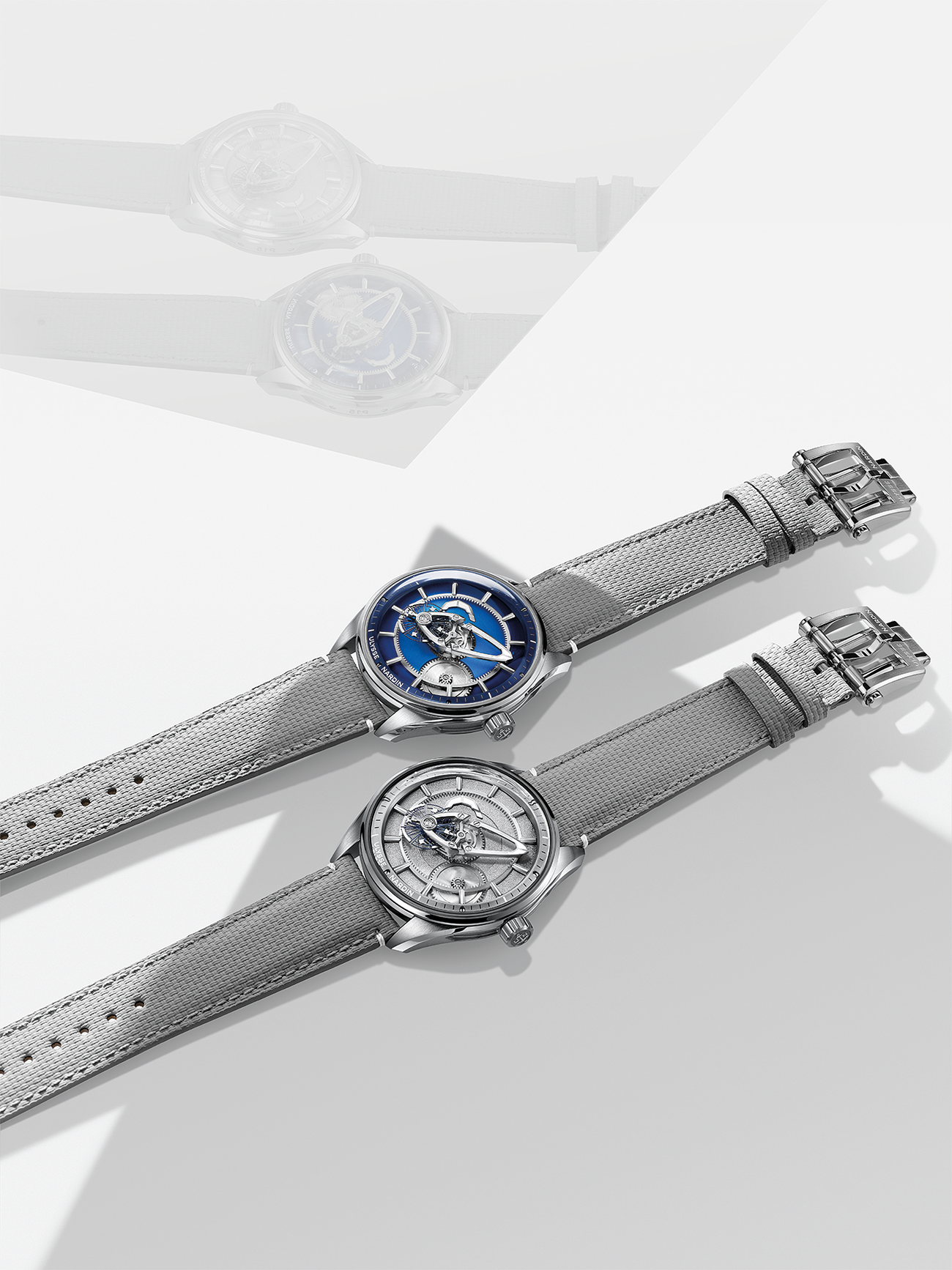
What’s particularly rewarding is seeing the Freak attract both long-time enthusiasts who have followed its evolution for 25 years and a new generation of collectors discovering it for the first time. That tells us the concept remains as relevant today as it was in 2001.
Turning to the entire range, there are other collections that deserve attention. Given that the Freak is so different to everything else, how do you create balance? After all, a major success of the brand is that it is not defined as merely the maker of the Freak.
Ulysse Nardin has always explored many facets of watchmaking, from astronomical complications and métiers d’art to precision marine chronometers and high-performance sports watches. That diversity is part of our identity.
The Freak embodies our mindset of challenging conventions, but that same philosophy runs through every collection. Take the Diver [AIR], for example. Introduced in 2025 as the lightest mechanical dive watch ever created, it pushes the boundaries of materials, engineering and mechanical performance in exactly the same spirit as the Freak.
Our other collections are just as important. Marine continues our long-standing marine heritage, while our complications and métiers d’art showcase another dimension of our watchmaking expertise. Each collection has its own identity, but they are all driven by the same desire to think differently and advance watchmaking.
Looking ahead, we have some very exciting projects in the pipeline, and I think you’ll be pleasantly surprised by what’s coming.
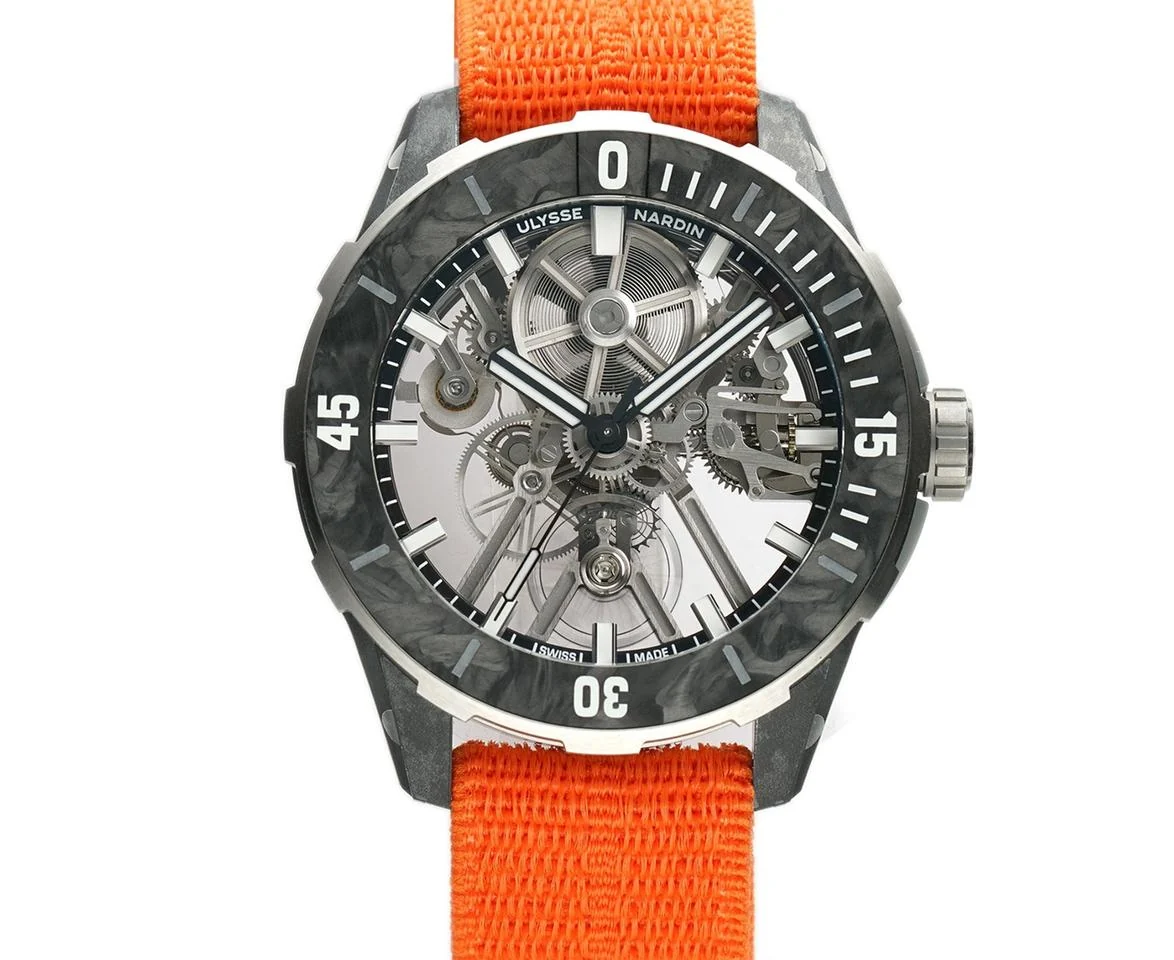
Ulysse Nardin’s historic soul lies in marine chronometers. You’ve hinted that the Marine collection is a key horizon for the brand in the coming years. How do you intend to reinvent Ulysse Nardin’s most traditional, conservative line to resonate with a younger collector base that expects boldness?
For 180 years, Ulysse Nardin has pursued precision, reliability and performance. Since introducing our first marine chronometer in 1876, marine chronometry has become one of the defining pillars of our identity, building our reputation and making Ulysse Nardin the most awarded watch brand in history, with more than 4,300 awards. Our role today is not to reinvent that heritage, but to continue building on it in a way that resonates with today’s collectors.
It’s actually a great topic, because we’ve been working on the next chapter of the Marine collection for several years. We have some exceptional timepieces coming that pay tribute to our 150 years of marine heritage and expertise, so stay tuned. I don’t think you’ll be disappointed.
This story was first seen as part of the WOW #87 Legacy 2026 issue.
For more on the latest in luxury watch reads, click here.