The Luxury of Time Well Spent
From leisurely afternoons to unhurried escapes, luxury travel is redefining progress through slower journeys, longer stays and greater freedom over how time is spent.
The freedom to do less is beginning to redefine progress in the sphere of luxury travel. After years of increasingly packed itineraries, destination-hopping and experience-led travel, affluent travellers are showing greater interest in longer stays, slower schedules and the ability to leave parts of a holiday deliberately unplanned.
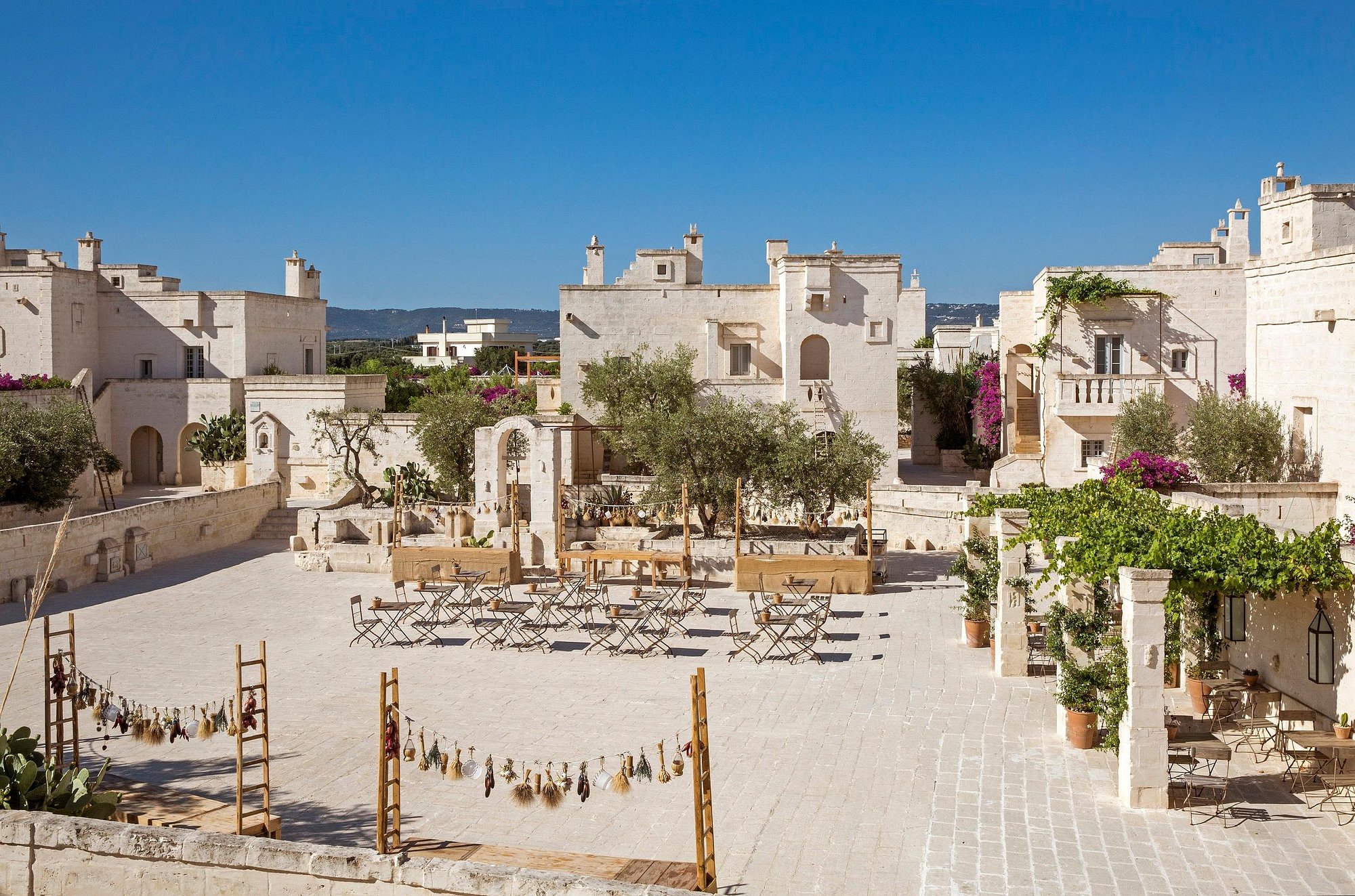
According to DERTOUR Group’s European Travel Trend Report 2026, 34.4 per cent of surveyed travellers favour holidays centred on relaxation without scheduled activities, while 53.2 per cent express interest in slow travel. Virtuoso’s 2026 Luxe Report identifies a similar shift from FOMO — Fear of Missing Out — towards “slow-mo”, characterised by longer stays and deeper immersion in a destination.
For luxury hospitality, progress may therefore increasingly mean giving travellers greater control over their time rather than simply filling it.
That shift has found a natural reference point in the Italian philosophy of dolce far niente — the sweetness of doing nothing. It celebrates the pleasure of lingering over lunch, watching an afternoon unfold or simply enjoying one’s surroundings without needing to turn every moment into an experience. In an era defined by constant productivity, that absence of obligation is becoming a luxury in itself.
The New Luxury Is Time Unclaimed
Luxury travel has traditionally demonstrated value through access: private excursions, coveted reservations, exclusive experiences and meticulously curated itineraries. The assumption was straightforward — the more extraordinary moments a journey could contain, the more valuable it became.
That equation is changing. Increasingly, the most sophisticated hotels are offering possibility without obligation. Experiences remain available, but the guest is not expected to complete an itinerary to justify the journey. Time itself becomes part of what is being purchased. This is less about doing nothing literally than about choosing what deserves attention.
From Dolce Far Niente to Slow Luxury
The idea has deep roots in Italy. The tradition of villeggiatura historically saw affluent families retreat to countryside and lakeside residences for extended summer stays, where daily life moved around meals, conversation, landscape and leisure rather than fixed schedules.
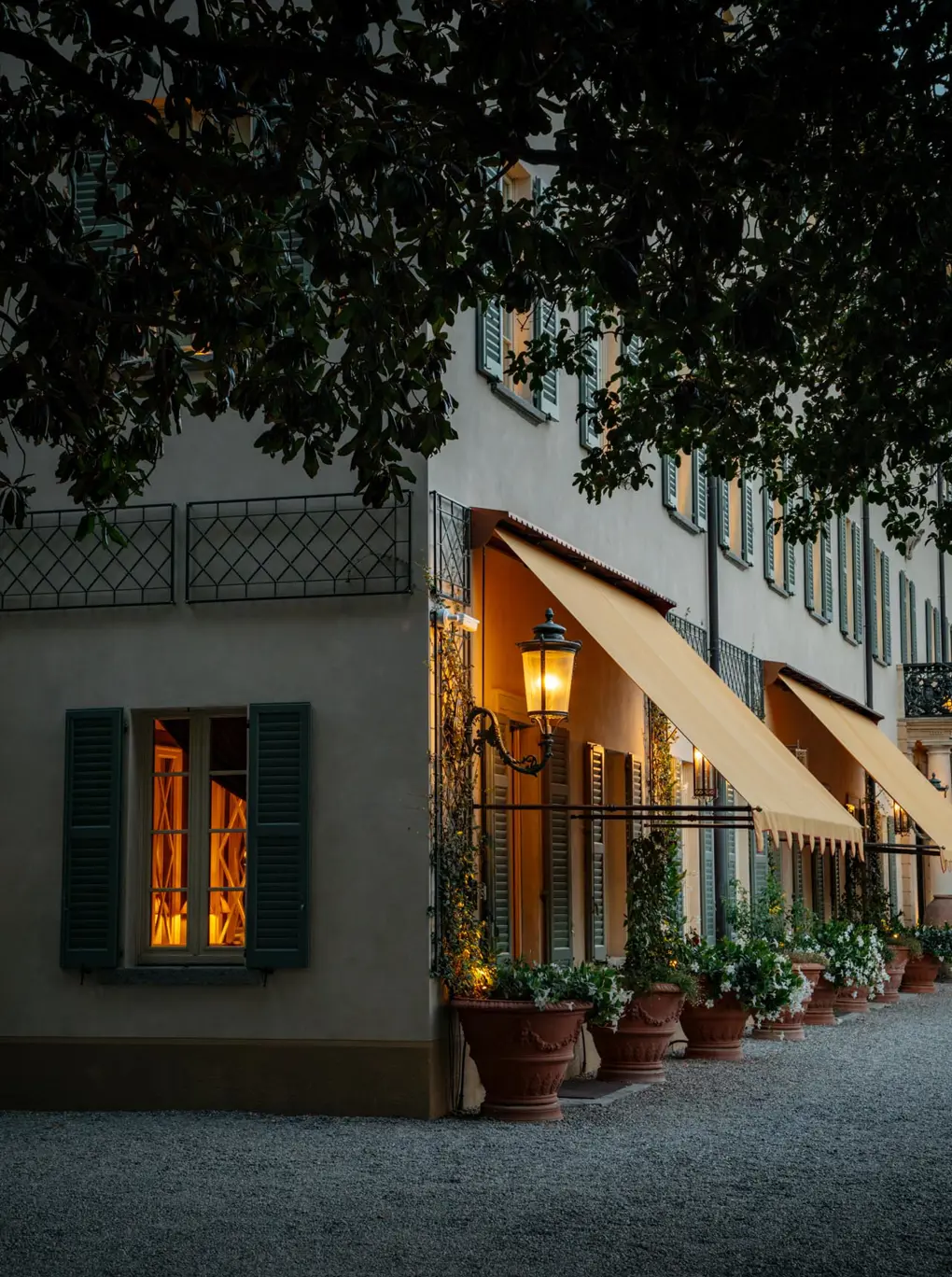
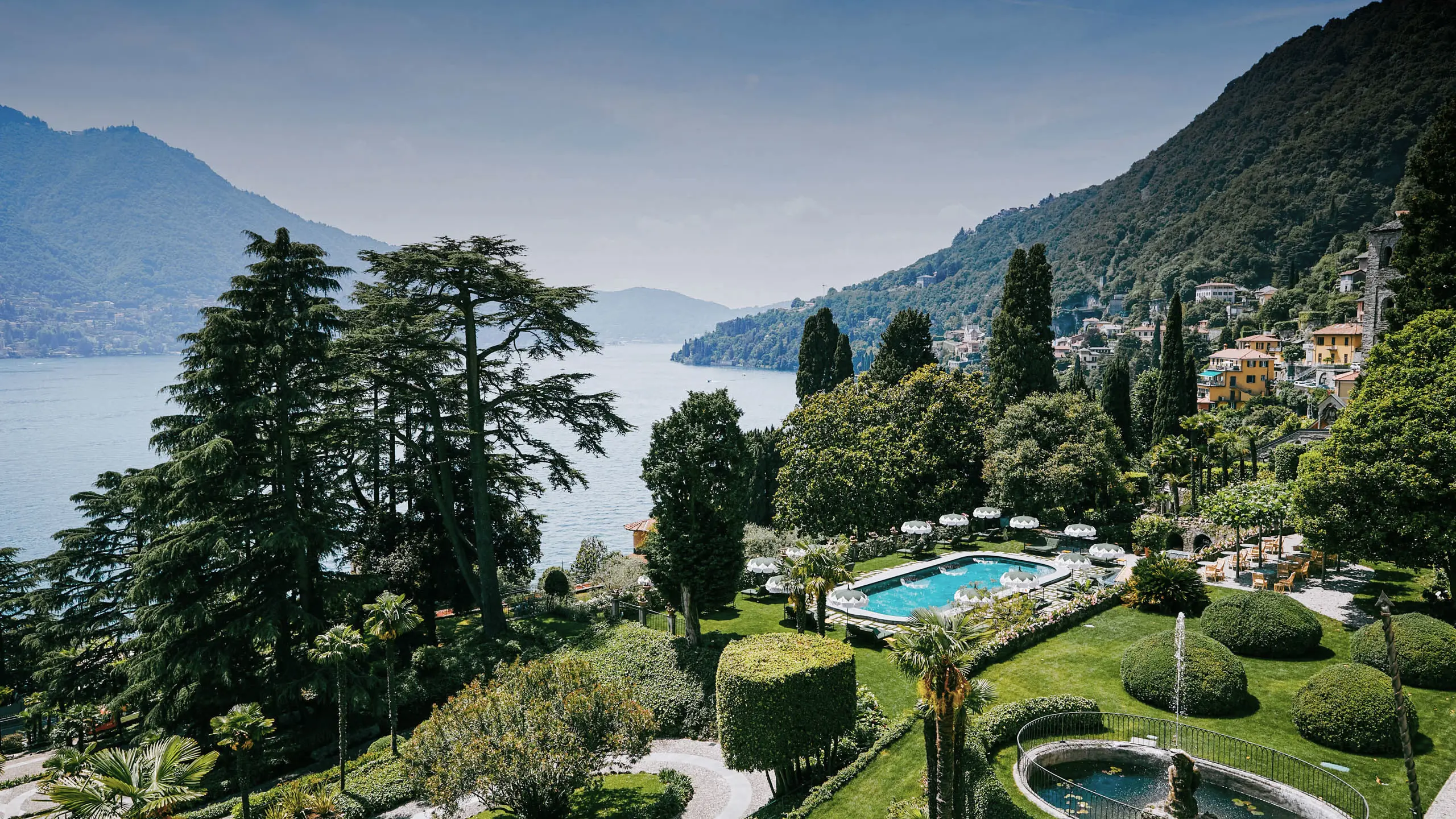
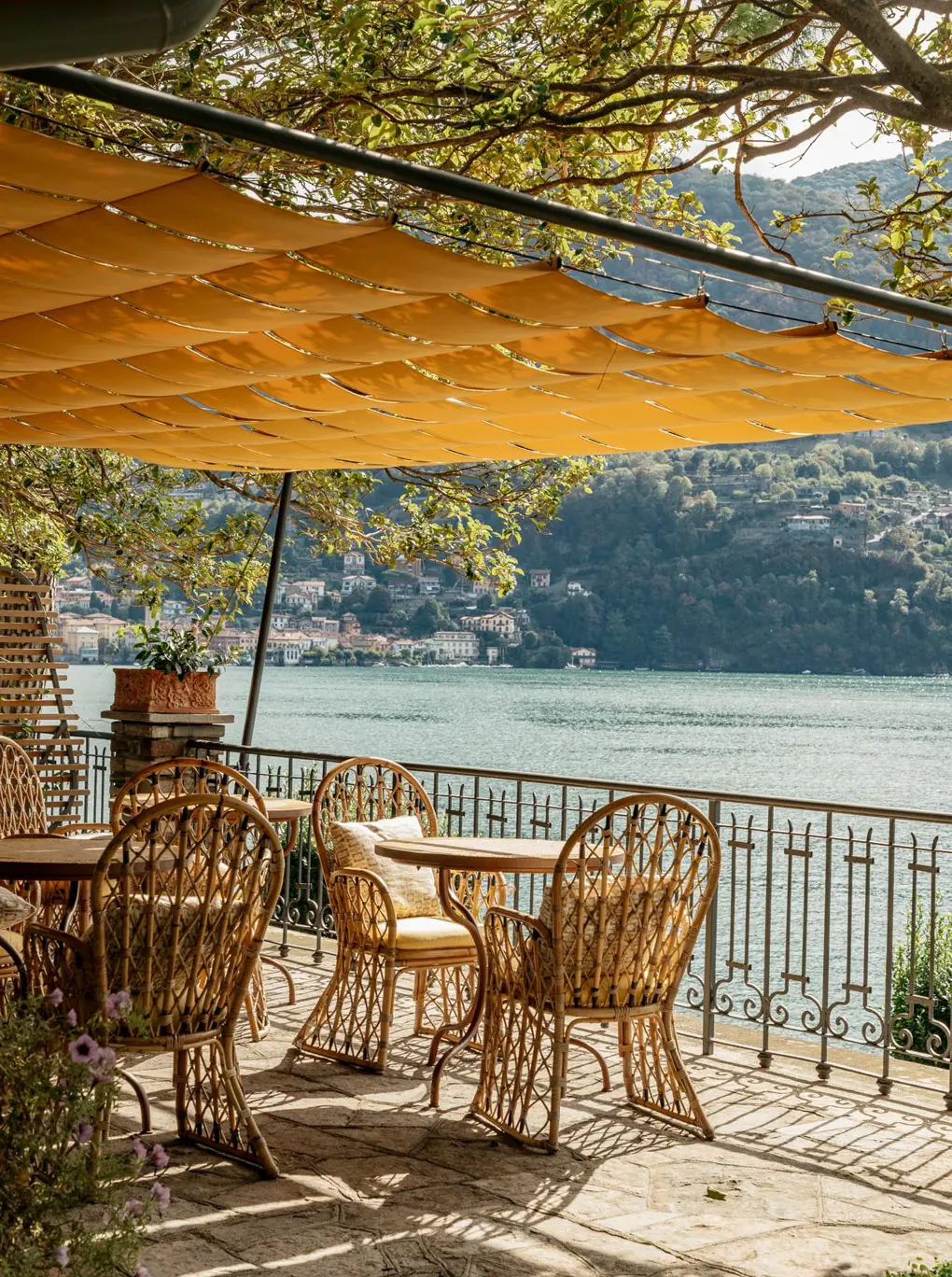
Along the shores of Lake Como, Passalacqua translates that tradition into contemporary hospitality. Set within an eighteenth-century villa, the property offers pasta-making, gardening and excursions aboard vintage Riva boats, but its greater appeal lies in the rhythm of a private residence. Terraced gardens, lake views and personalised service allow an unstructured afternoon to feel like part of the experience rather than time left unused.
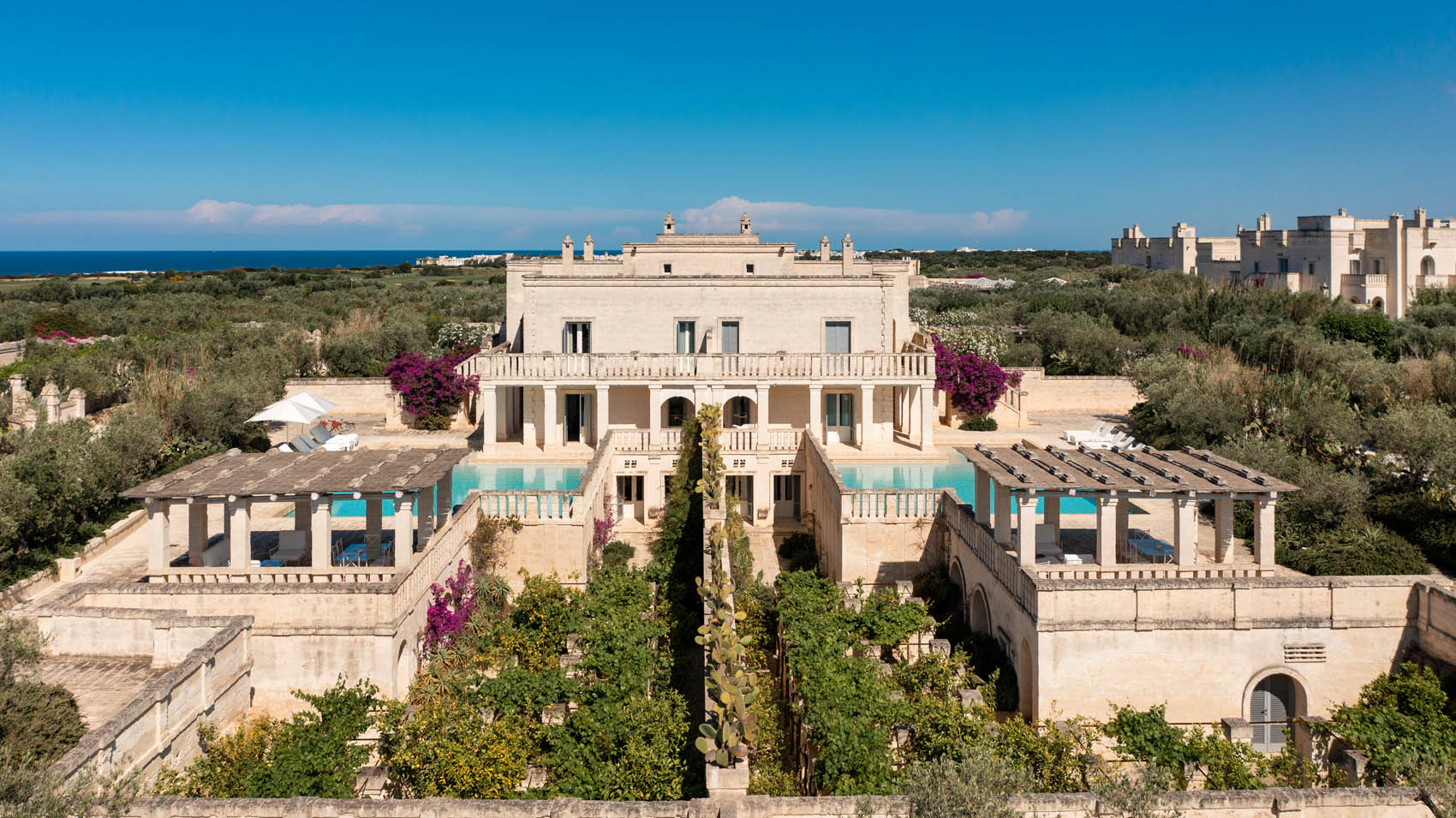
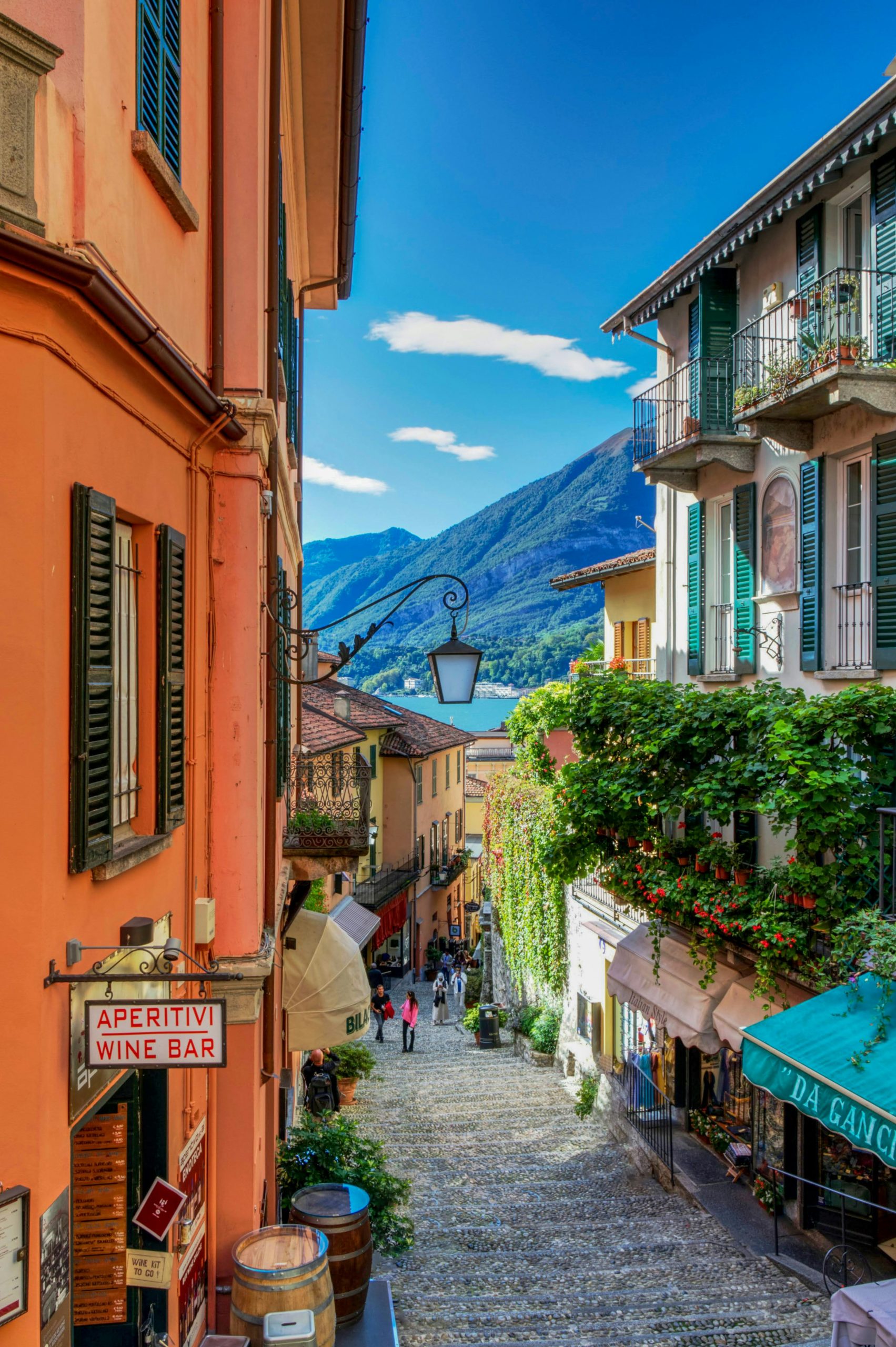
Further south, Borgo Egnazia draws on the traditions of Puglia and its restored masserie. Regional cuisine, local customs and family-style hospitality shape the property’s identity, reflecting a version of dolce far niente rooted in community. Here, leisure is not defined by isolation, but by the luxury of spending time together without urgency.
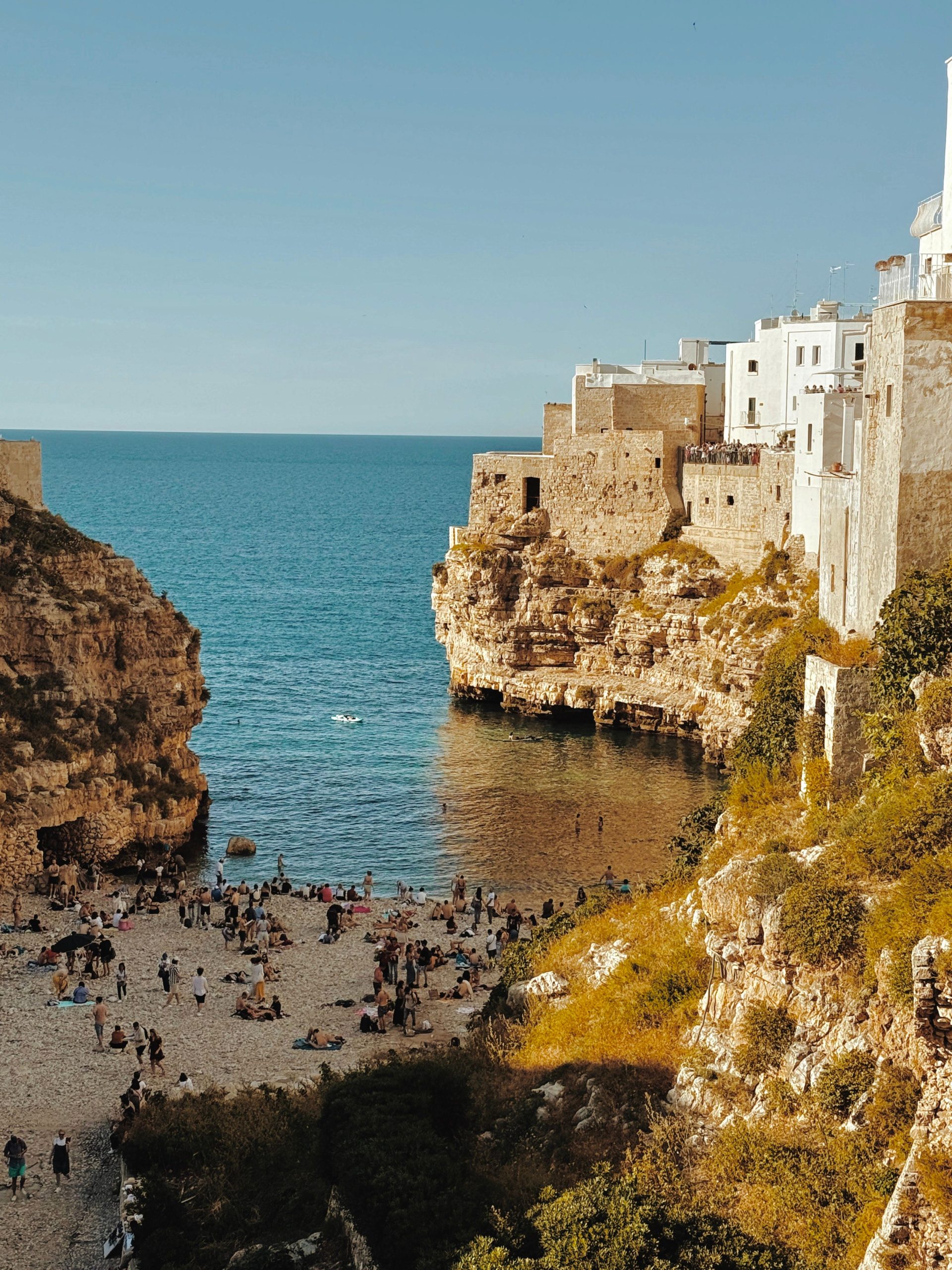
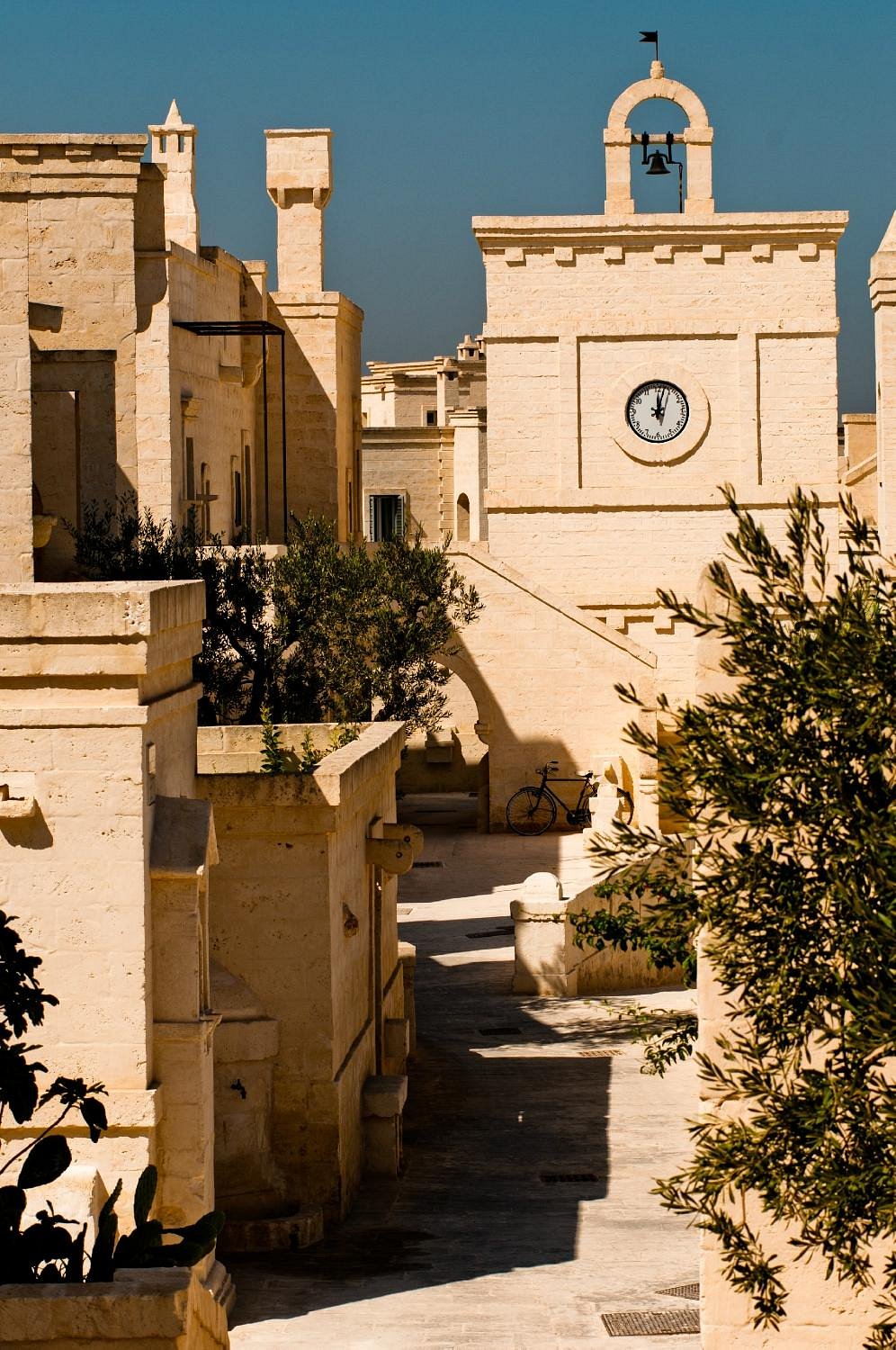
View of Polignano, Puglia a Mare’s rocky coastline and sea, alley way of Puglia. Image courtesy of Unsplash and Borgo Egnazia.
When Hospitality Stops Filling the Itinerary
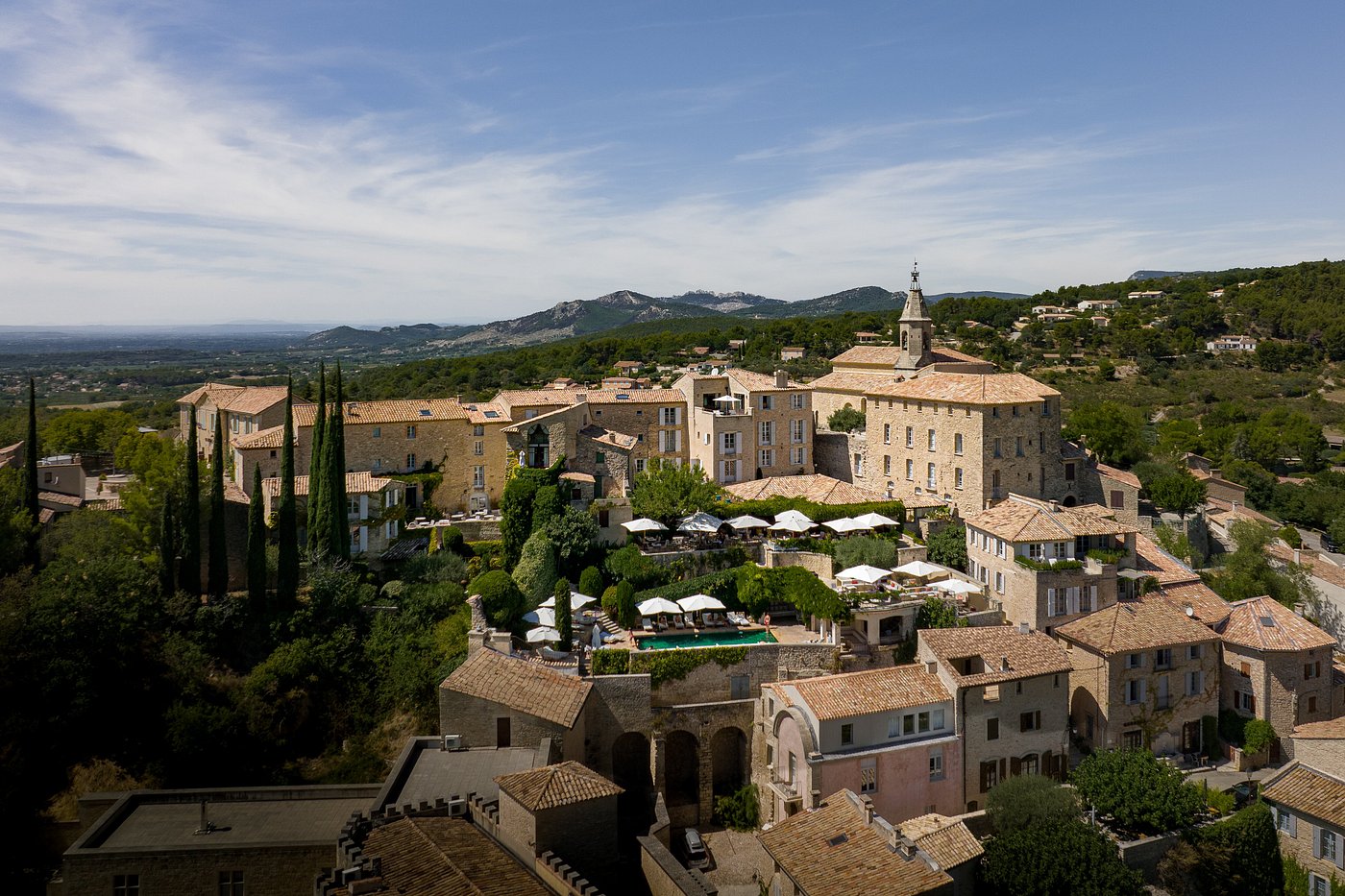
The same sensibility extends beyond Italy. In Provence, the French concept of art de vivre offers a natural parallel. At Hôtel Crillon le Brave, set within a historic hilltop village near Mont Ventoux, local vineyards, craftsmanship and gastronomy create a framework for experiencing the region at its own pace rather than through a list of attractions.
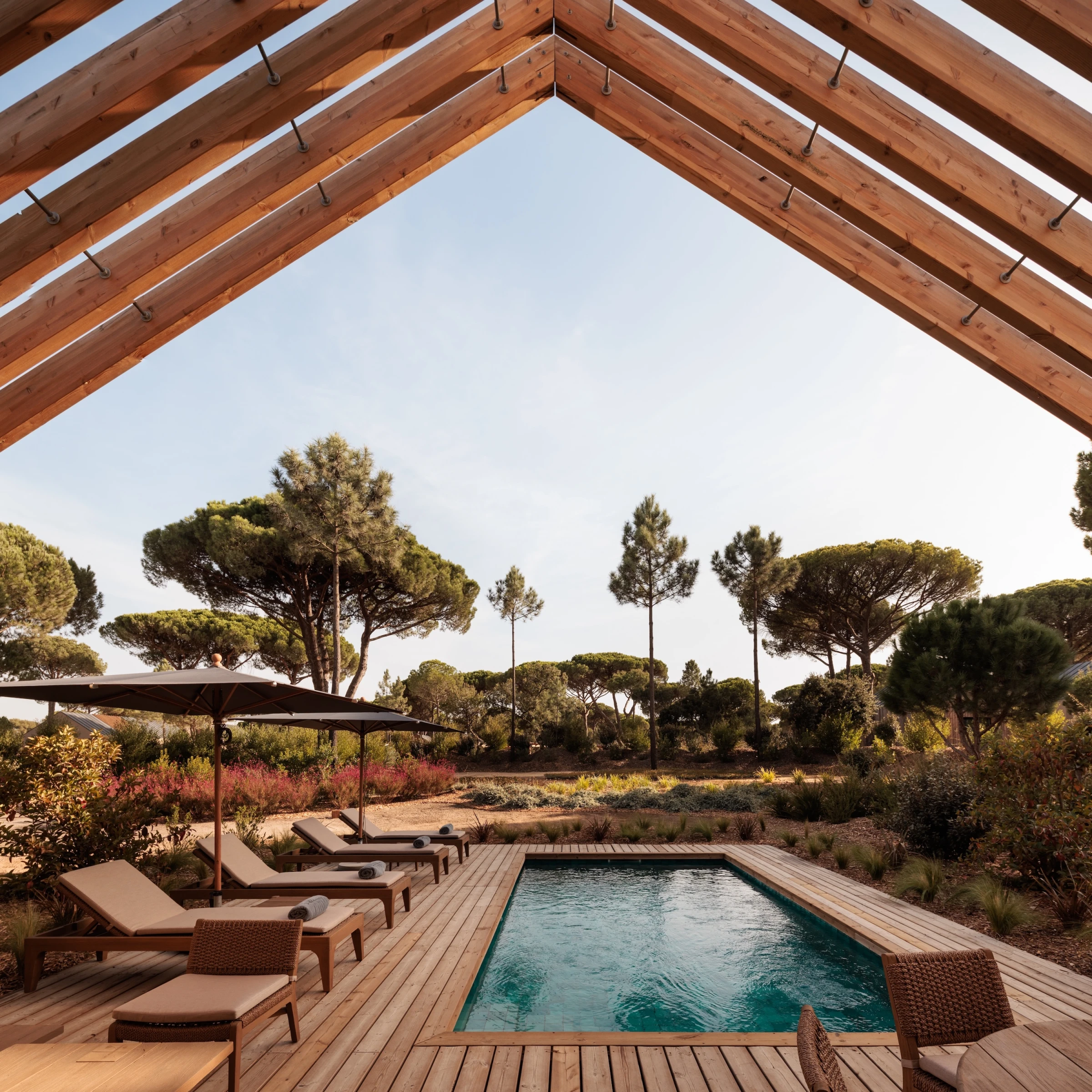
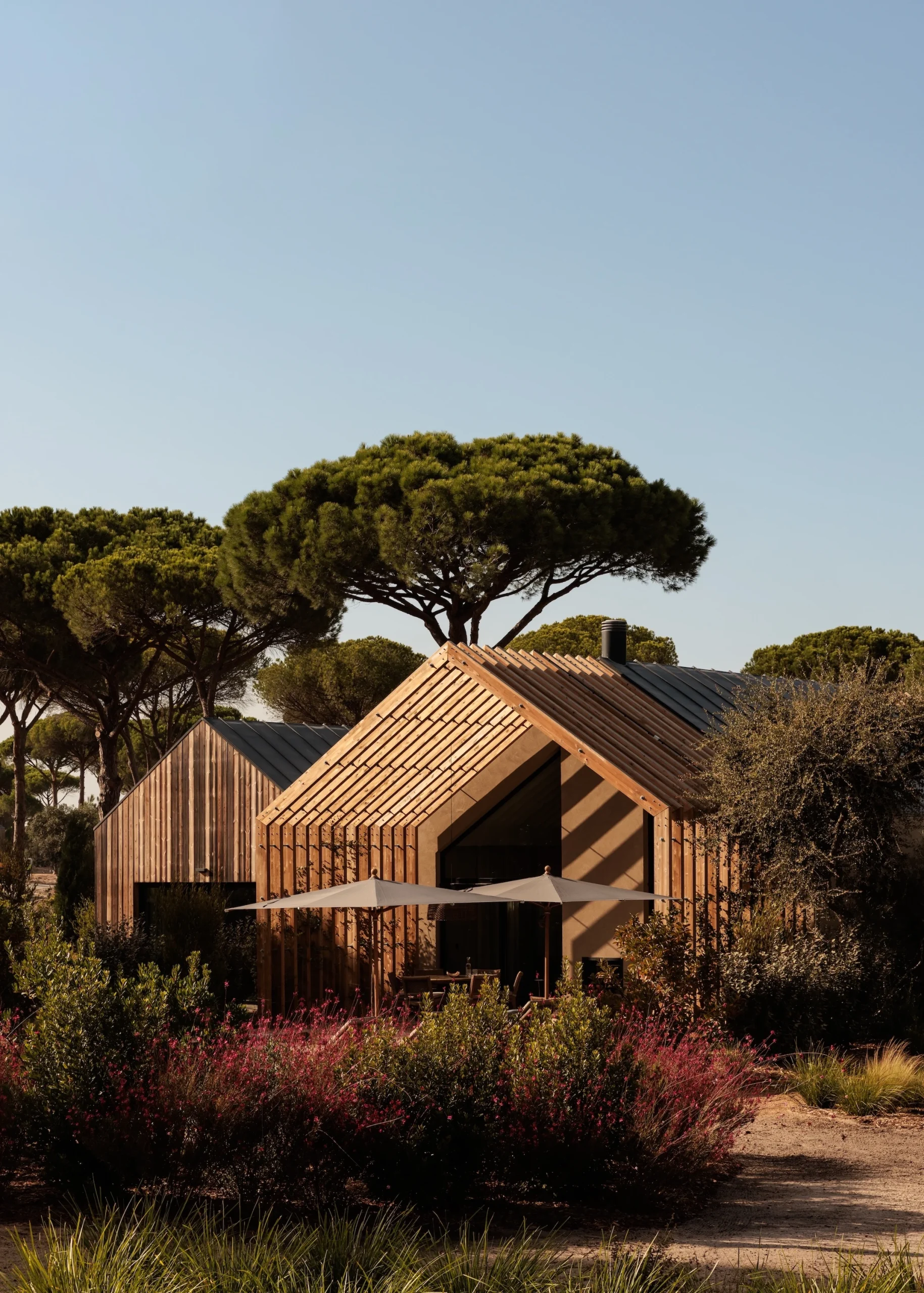
Portugal’s Comporta takes the idea further through understatement. Expansive beaches, rice fields and low-key private retreats have made the Atlantic enclave a favourite among travellers drawn to privacy over spectacle. At Sublime Comporta, villas surrounded by pine and cork trees offer the independence of a private residence, while experiences such as The Food Circle — an intimate chef’s table within the organic garden — retain a strong sense of place.
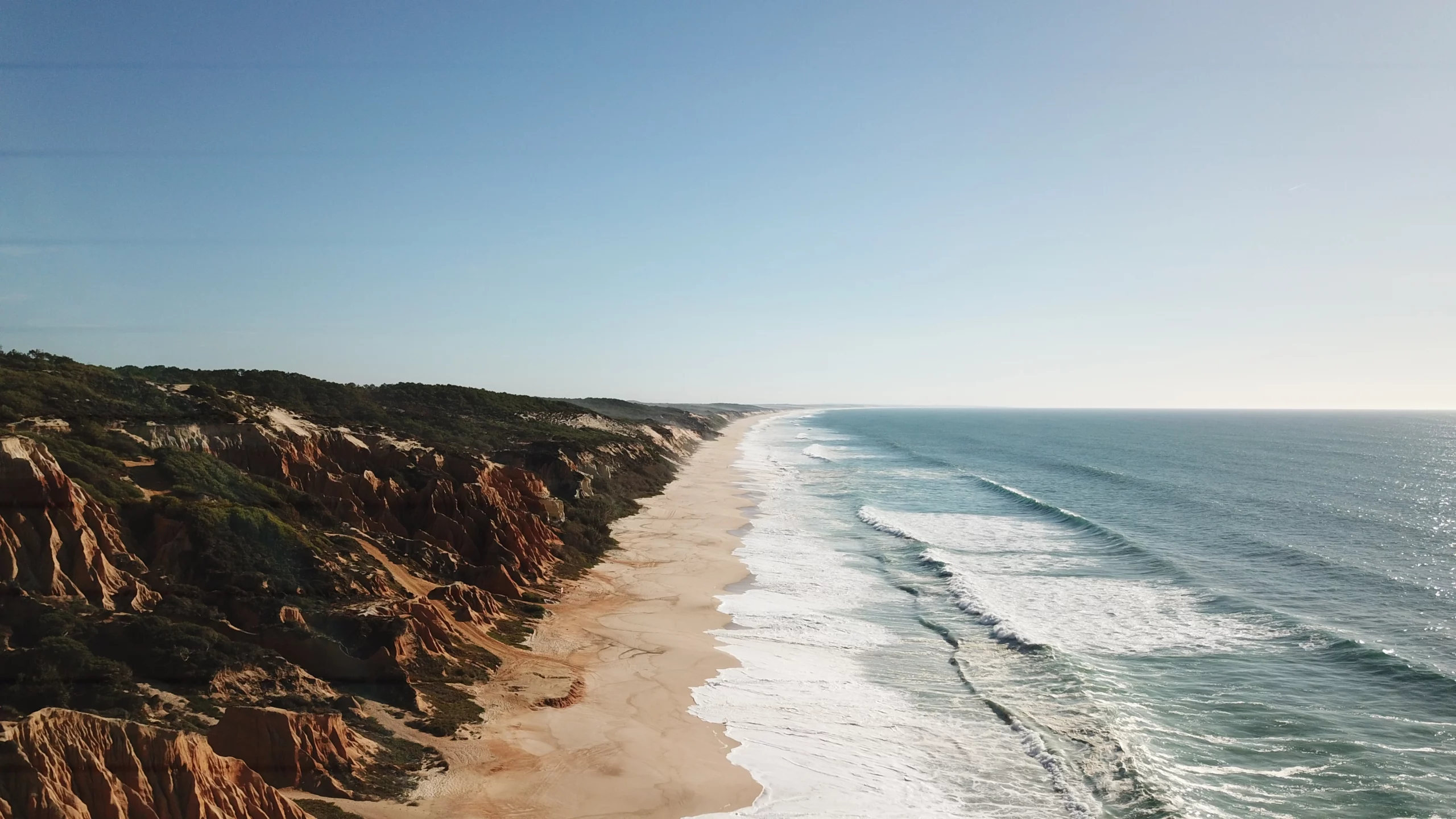
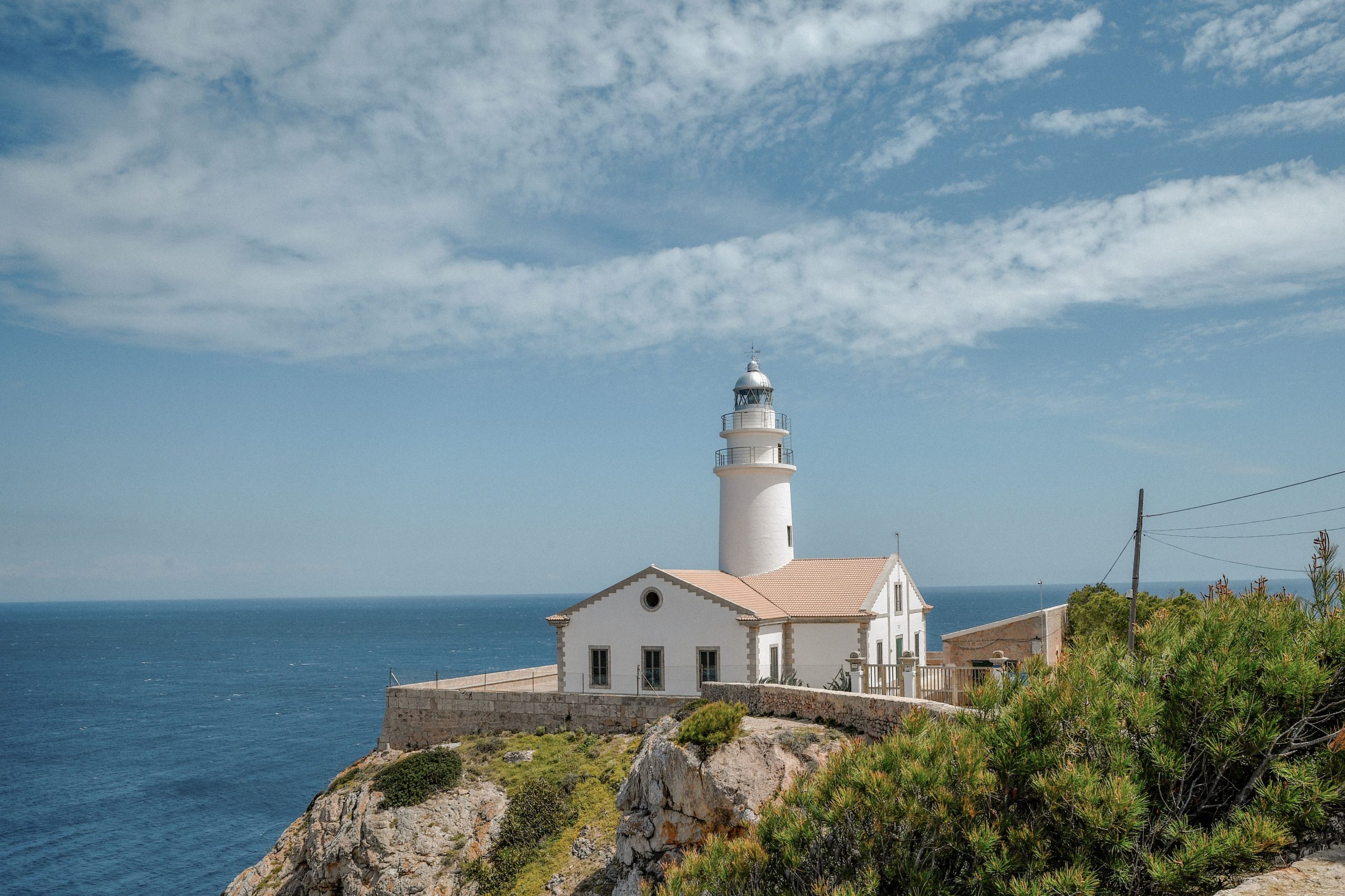
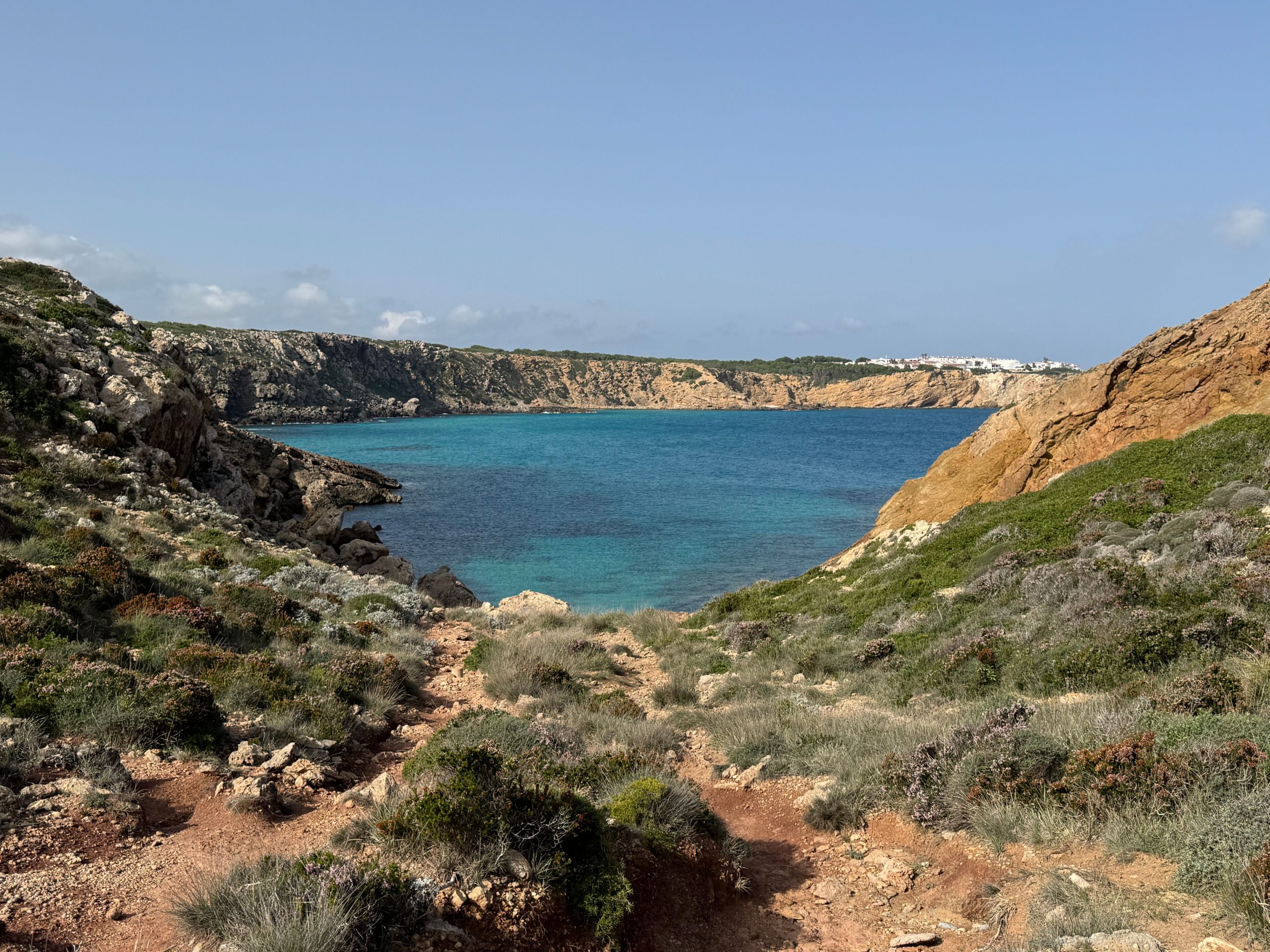
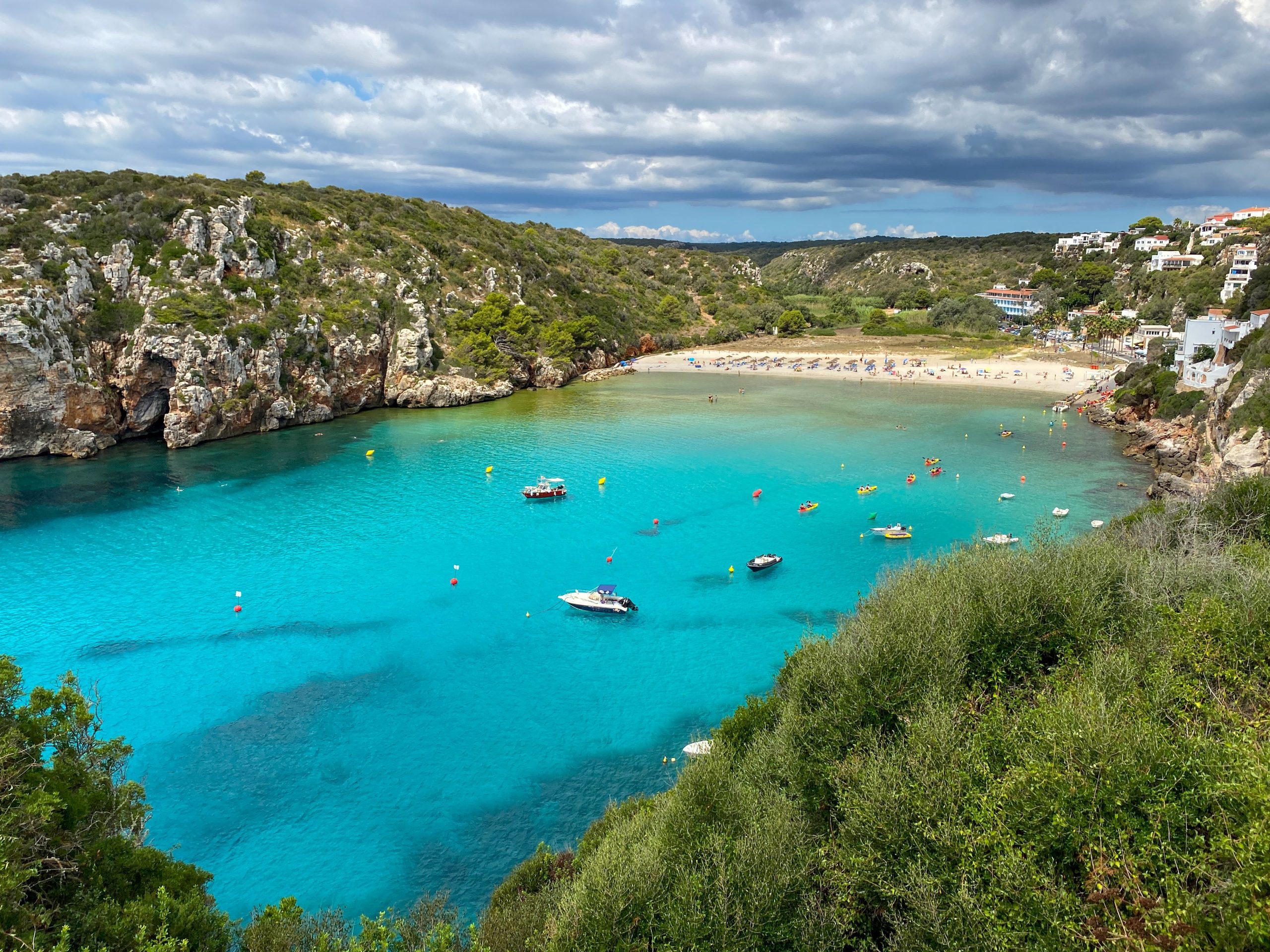
Menorca offers another interpretation. The Balearic island’s protected landscapes, coastal trails and secluded coves encourage exploration without imposing a rigid itinerary. The historic Camí de Cavalls, which encircles the island, allows travellers to move between beaches, rural communities and open countryside according to their own interests.
Across these destinations, the appeal lies less in how much can be accomplished than in how little needs to be scheduled.
Slow Travel Finds New Expressions in Asia
The same shift is increasingly visible across Asia, where slower travel can offer something beyond relaxation: deeper engagement with landscape, culture and local rhythms.
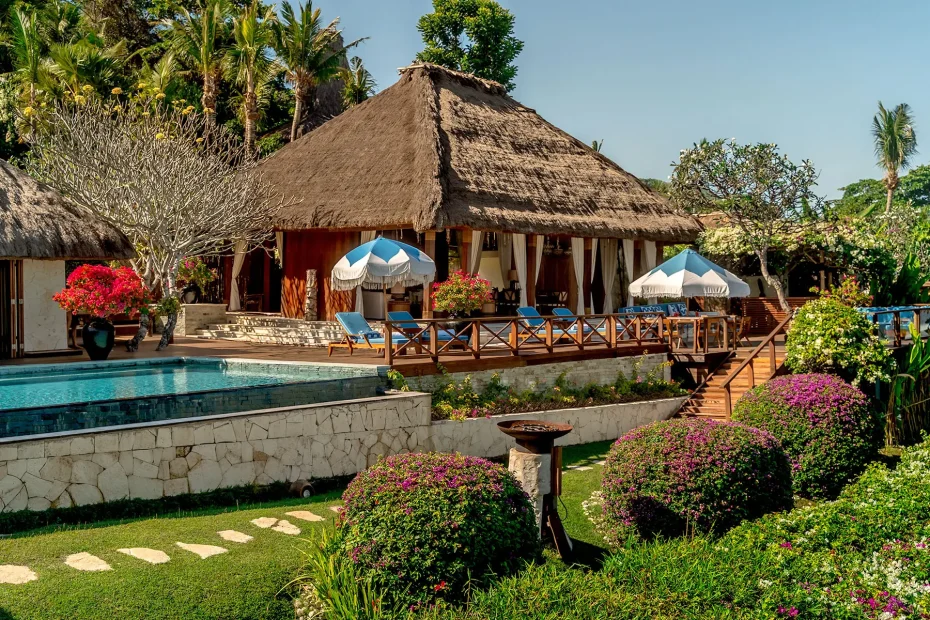
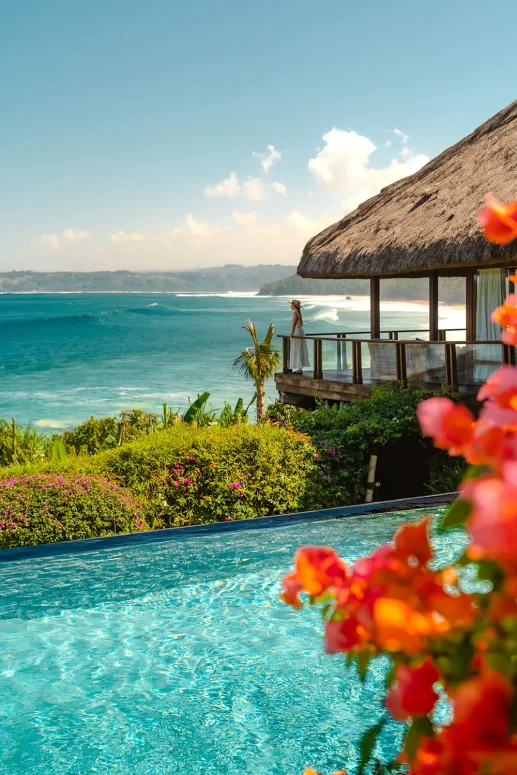
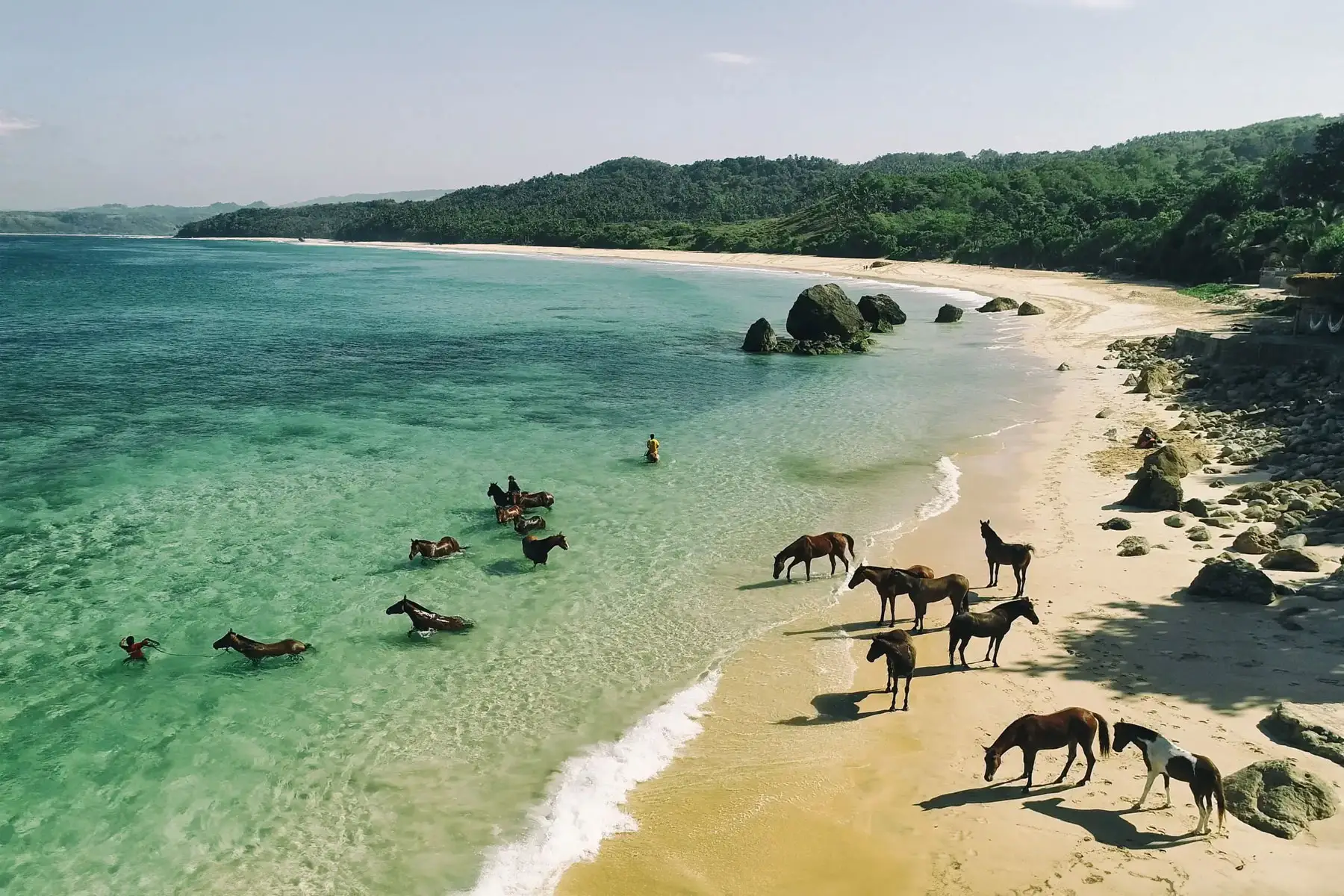
On the Indonesian island of Sumba, Nihi Sumba combines remote luxury with a strong sense of place. Guests can surf the celebrated Occy’s Left break, ride horses along Nihiwatu Beach or swim with them in the sea, yet the property’s secluded villas and expansive Indian Ocean views make uninterrupted time equally central to the stay.
In Luang Prabang, Laos, cultural immersion unfolds differently. At Amantaka, close to the historic centre, guests can encounter traditional ceremonies, local craftsmanship and the Mekong River. The town’s intimate scale rewards longer stays, allowing cultural traditions to be absorbed gradually rather than consumed quickly.
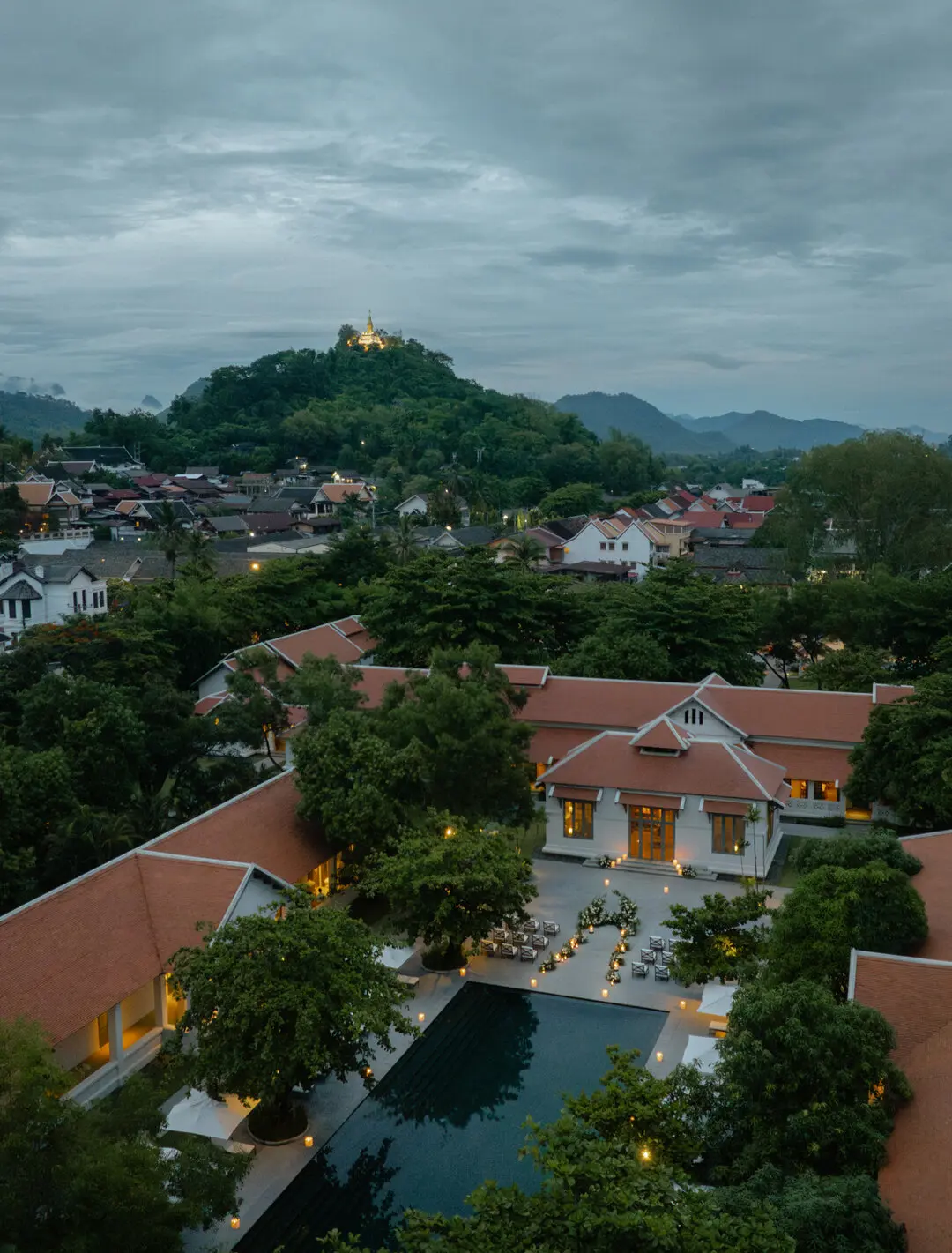
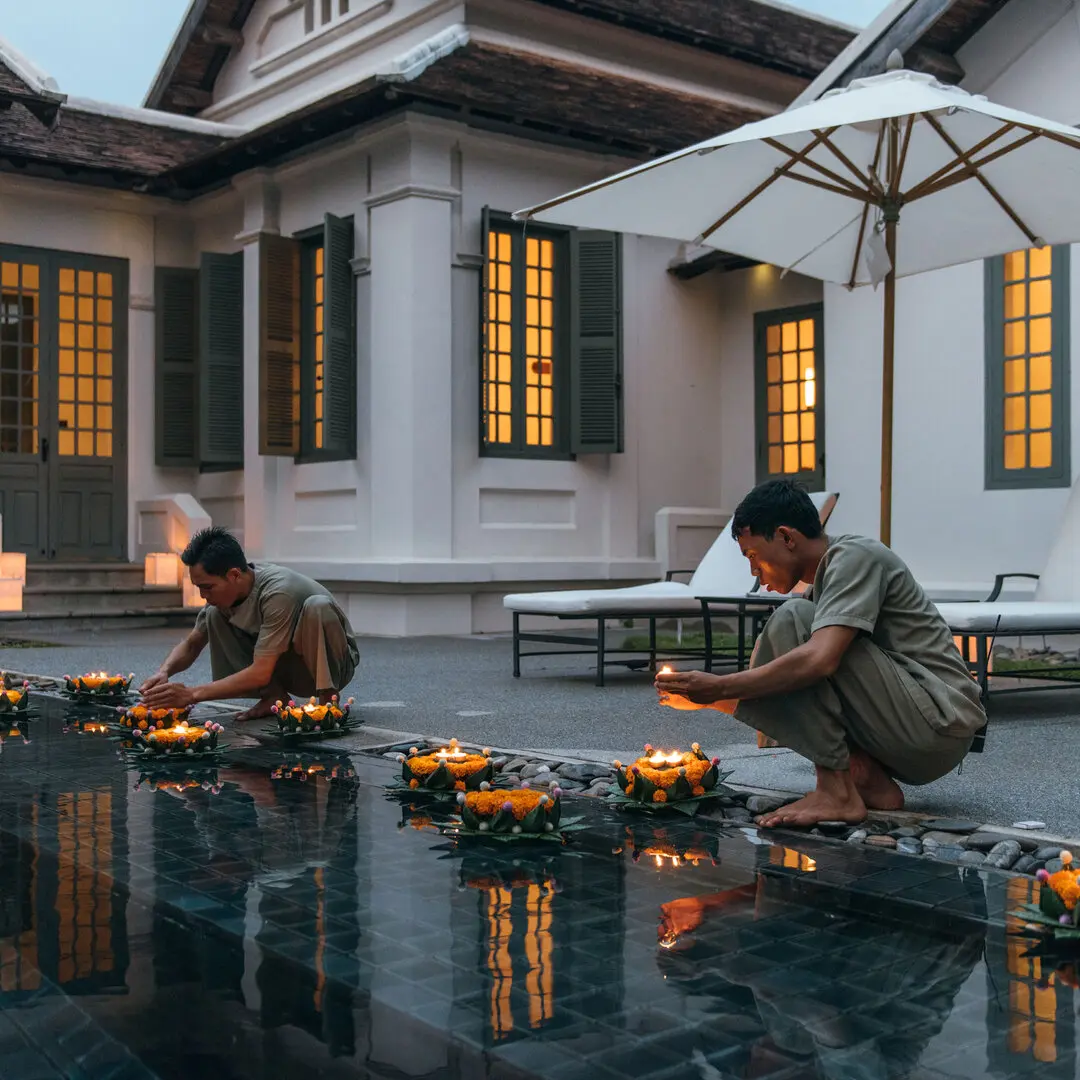
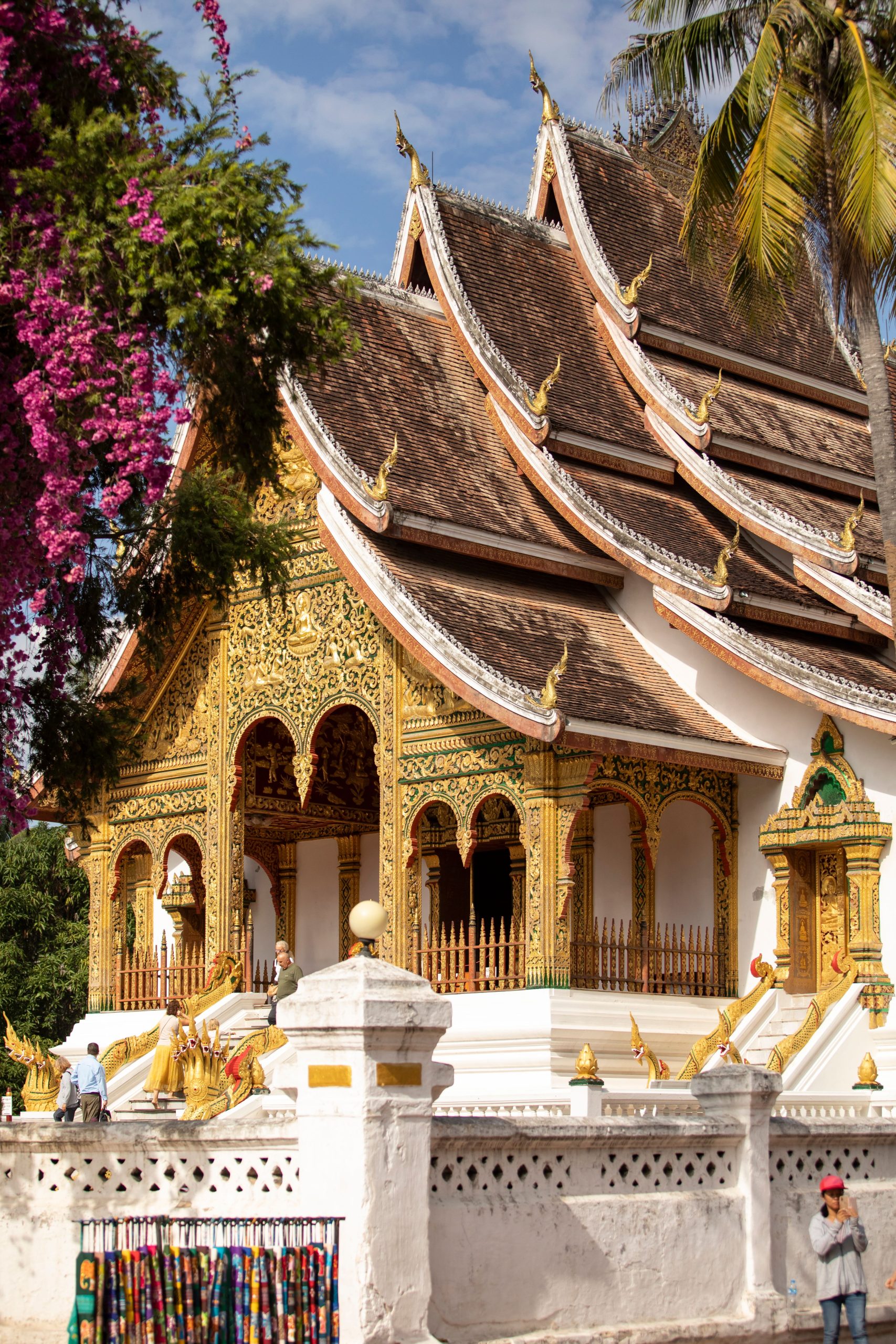
Left to right: View of Amantaka Resort, staff of Amantaka resort setting up and Wat Xiengthong temple. Images courtesy of Amantaka and Unsplash.
Japan’s Setouchi region offers another model. On Naoshima, Benesse Art Site integrates contemporary art, architecture and landscape across the island. Benesse House, designed by Tadao Ando, combines museum and hotel in a way that allows guests to encounter art outside conventional gallery hours. The value lies in duration: works are not simply seen, but lived with.
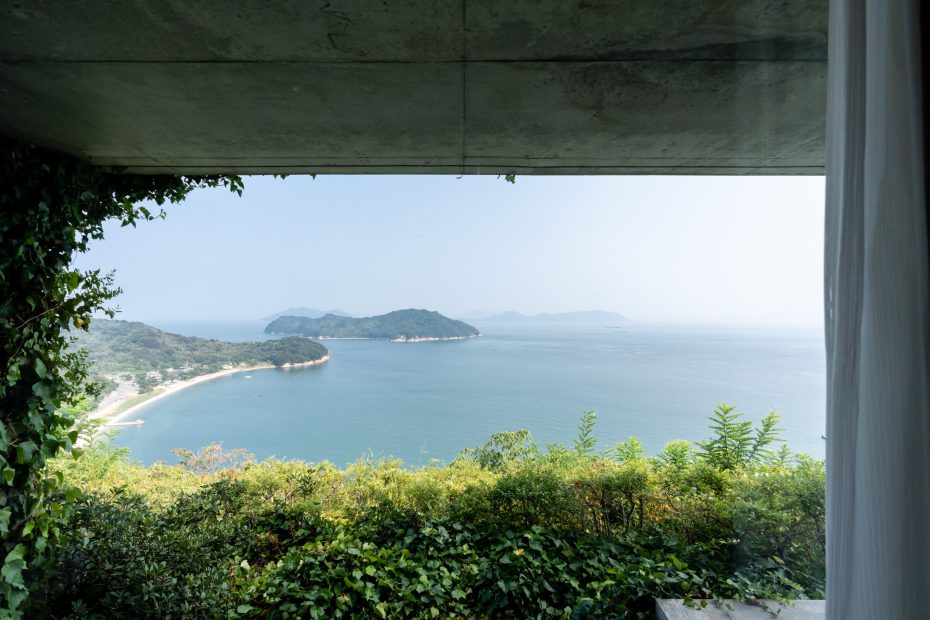
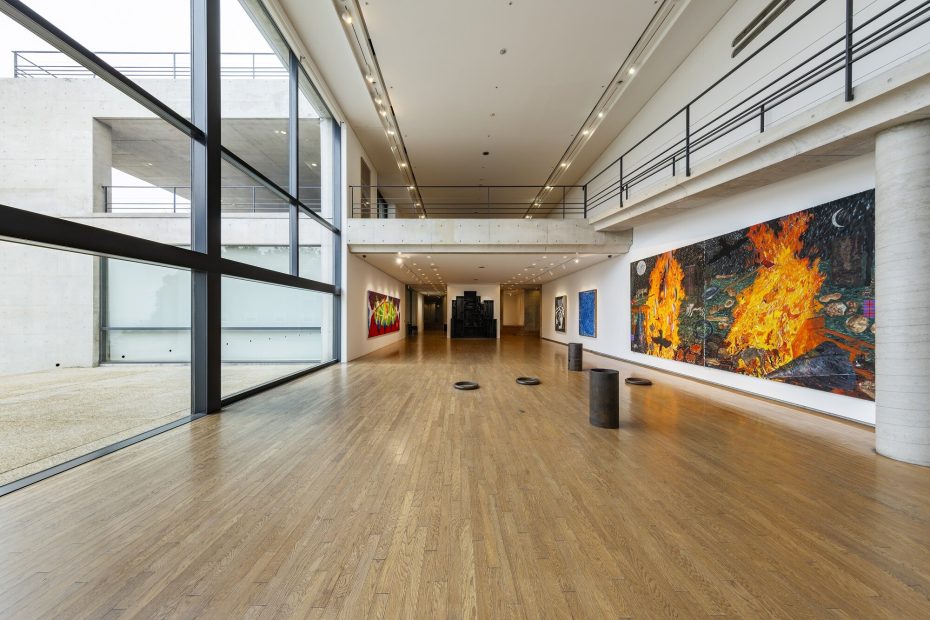
Left to right: View from Benesse house, gallery space. Images courtesy of Benesse House.
In Kumarakom, Kerala, the pace is dictated by the journey itself. Traditional kettuvallams, once used to transport agricultural produce, have been transformed into houseboats that move slowly across Vembanad Lake. Riverside communities, regional cuisine and changing landscapes unfold gradually, making travel time part of the experience rather than something to minimise.
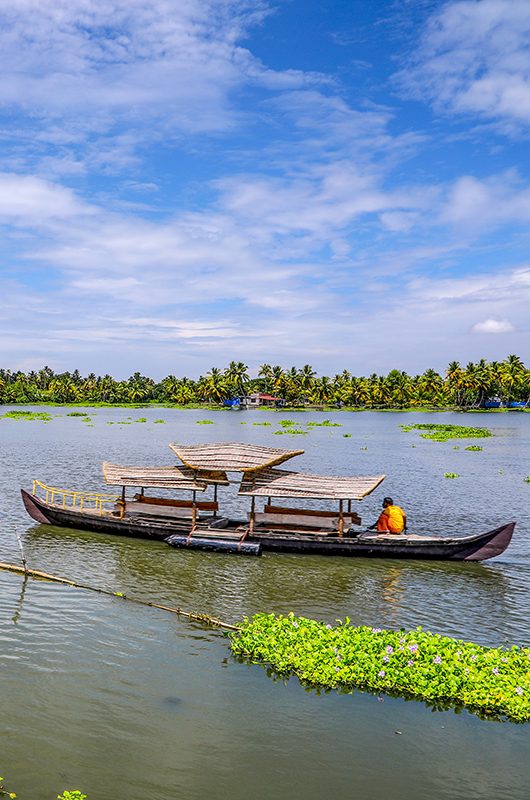
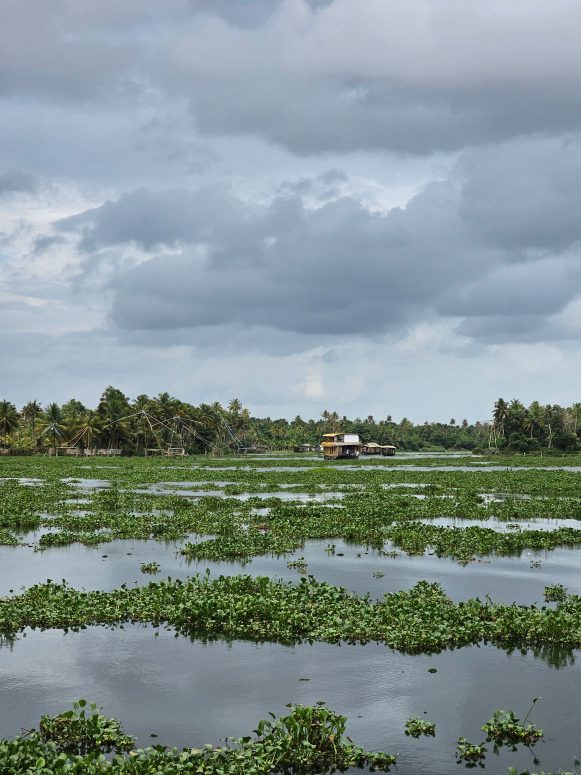
Kumarakom backwaters. Images courtesy of Incredible India and Unsplash.
Progress at a Slower Pace
The evolution of slow luxury is ultimately less about rejecting activity than reconsidering its place. Personalisation has long been one of luxury hospitality’s greatest promises. The next step may be giving travellers enough flexibility to decide when not to participate at all.
From the summer residences of Lake Como to the waterways of Kerala, the most compelling destinations increasingly understand that freedom cannot always be programmed. Sometimes it appears in an afternoon with no reservation, a morning without transport arranged or a stay long enough for familiarity to replace urgency.
Luxury travel has spent years becoming faster, more personalised and more capable of arranging almost anything on demand. Its next evolution may be learning when not to. In that sense, progress is not about experiencing more. It is about having enough control over time to decide when less is enough.
For more on the latest in lifestyle, culture and travel reads, click here.