London’s Hidden Influence on Global Luxury
Behind global luxury sits a quieter London network of tailors, embroiderers, milliners and makers whose expertise continues to shape the industry.
At Alexander McQueen’s Spring/Summer 2027 show, some of London’s oldest specialist skills appeared in distinctly contemporary forms. Huntsman of Savile Row produced three bespoke menswear looks, each cut and made at its 11 Savile Row workrooms, while London-born master jeweller Shaun Leane created a sculptural harness by hand in recycled silver.
The collaborations offered a useful reminder of what London contributes to global luxury. The city’s influence extends beyond fashion schools, creative directors and the collections presented during London Fashion Week. Behind many ambitious designs sits a less visible infrastructure of cutters, embroiderers, milliners, pleaters, goldsmiths, shoemakers and leatherworkers whose expertise can take decades to acquire.

That ecosystem also reaches beyond London’s boundaries. Specialist British manufacturers such as Ciment Pleating in Potters Bar and Cluny Lace in Derbyshire form part of the wider network available to designers and maisons working through the capital.
Their value becomes more significant as luxury places greater emphasis on craftsmanship, provenance and objects designed to last. Yet the skills underpinning those promises face mounting pressure. The Crafts Council’s 2025 Makers Survey, drawing on more than 1,000 makers across the United Kingdom, identified rising operating costs, competition from inexpensive mass-produced goods and limited funding among the pressures affecting craft businesses.
Luxury’s renewed celebration of craft therefore raises a more practical question: who will possess the skills to make these objects in the future?
Savile Row Still Shapes the Runway
The answer begins with perhaps London’s most internationally recognisable craft: bespoke tailoring.
For McQueen Spring/Summer 2027, Huntsman’s Head Cutter and Creative Director Campbell Carey worked with the house to interpret three designs through traditional bespoke construction. Strong shoulders, elongated proportions and high, narrow waists required specially developed patterns, extensive canvassing and hand-finishing by Huntsman’s cutters, coatmakers, trouser makers and finishers.
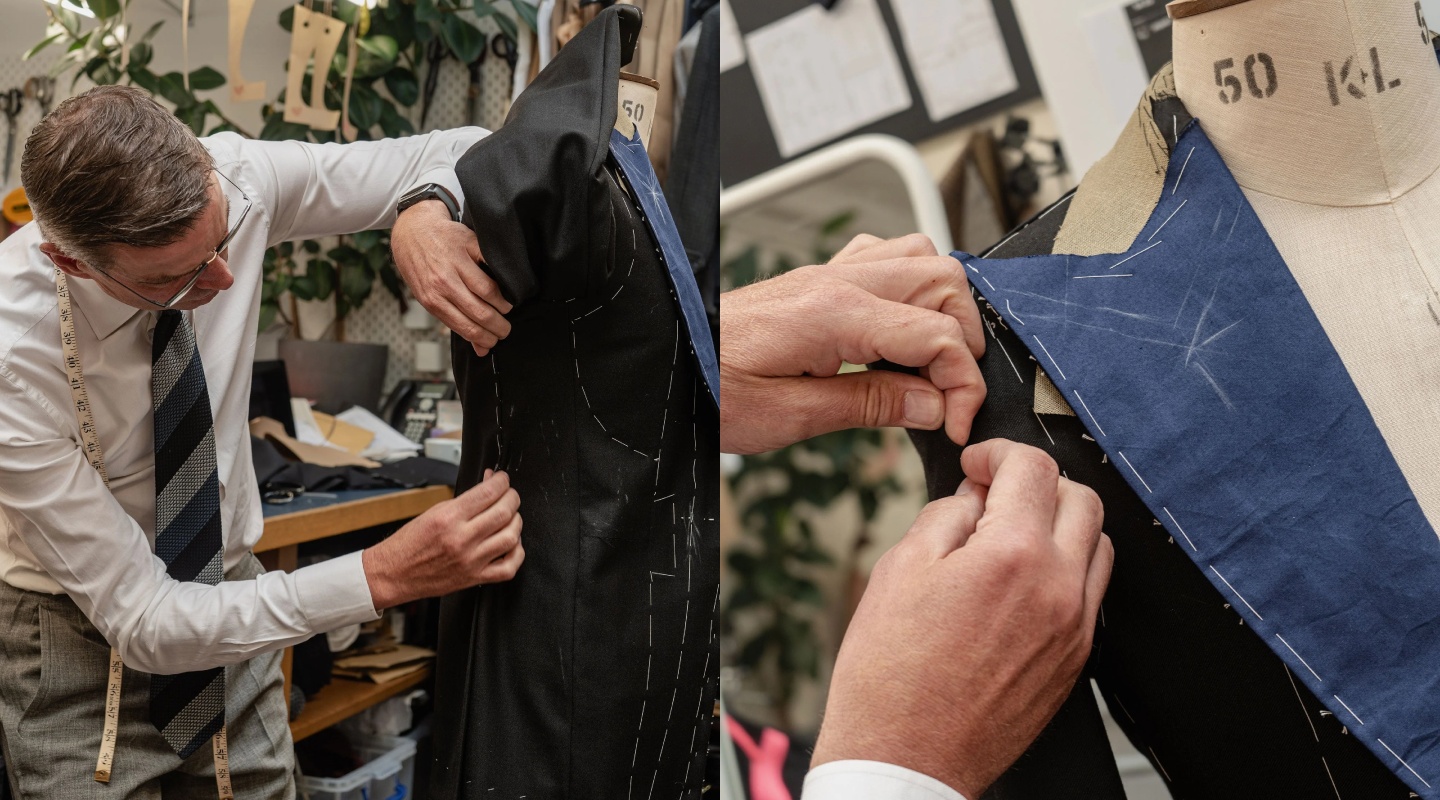
The result illustrates why Savile Row remains relevant beyond conventional menswear. A designer can propose an exaggerated silhouette, but specialist cutters understand how cloth, canvas and construction must interact to make that silhouette convincing on the body.
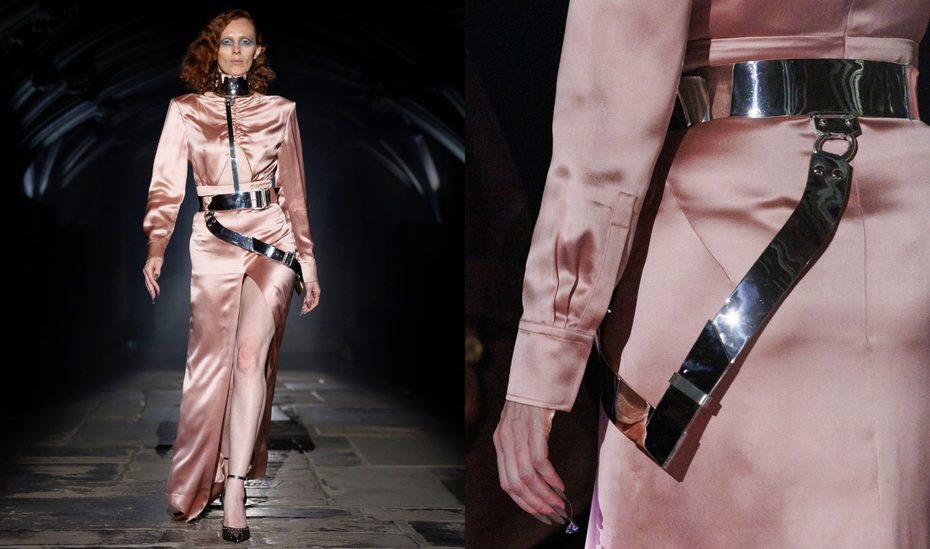
Goldsmithing performed a similarly transformative role in the same McQueen collection. Shaun Leane, who trained in Hatton Garden and first collaborated with Lee Alexander McQueen in 1995, returned with a handcrafted recycled-silver harness. The house also reintroduced two archival McQueen-Leane headpieces from 1998 and 2004.
Here, a traditional jewellery discipline becomes body architecture. The value of the craft lies in its ability to move between fine jewellery, fashion and artistic experimentation without surrendering technical precision.
The Specialists Behind the Maison Name
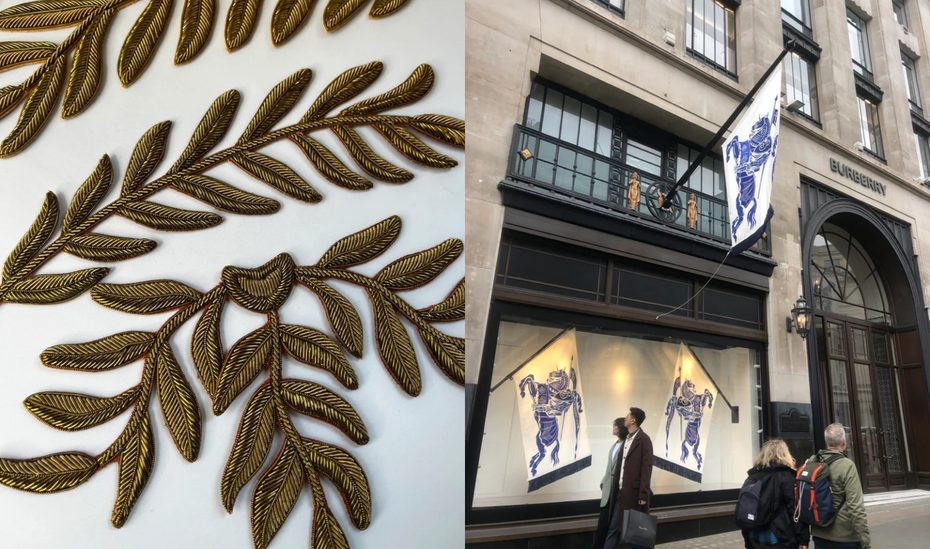
Some of London’s most important contributions to international luxury are considerably less visible. Hand & Lock, founded in 1767, has built its reputation around embroidery and goldwork, a technique in which metal threads and bullions are manipulated across fabric to create texture and reflected light. The London atelier says its expertise has been commissioned by fashion houses including Burberry, Chanel, Louis Vuitton and Christian Dior, alongside work for the British Royal Family and military.
Its longevity demonstrates how specialist suppliers occupy a distinctive position in luxury. The finished garment may carry the identity of a Parisian or Italian maison, while part of its technical execution can depend upon skills maintained in a London workshop.
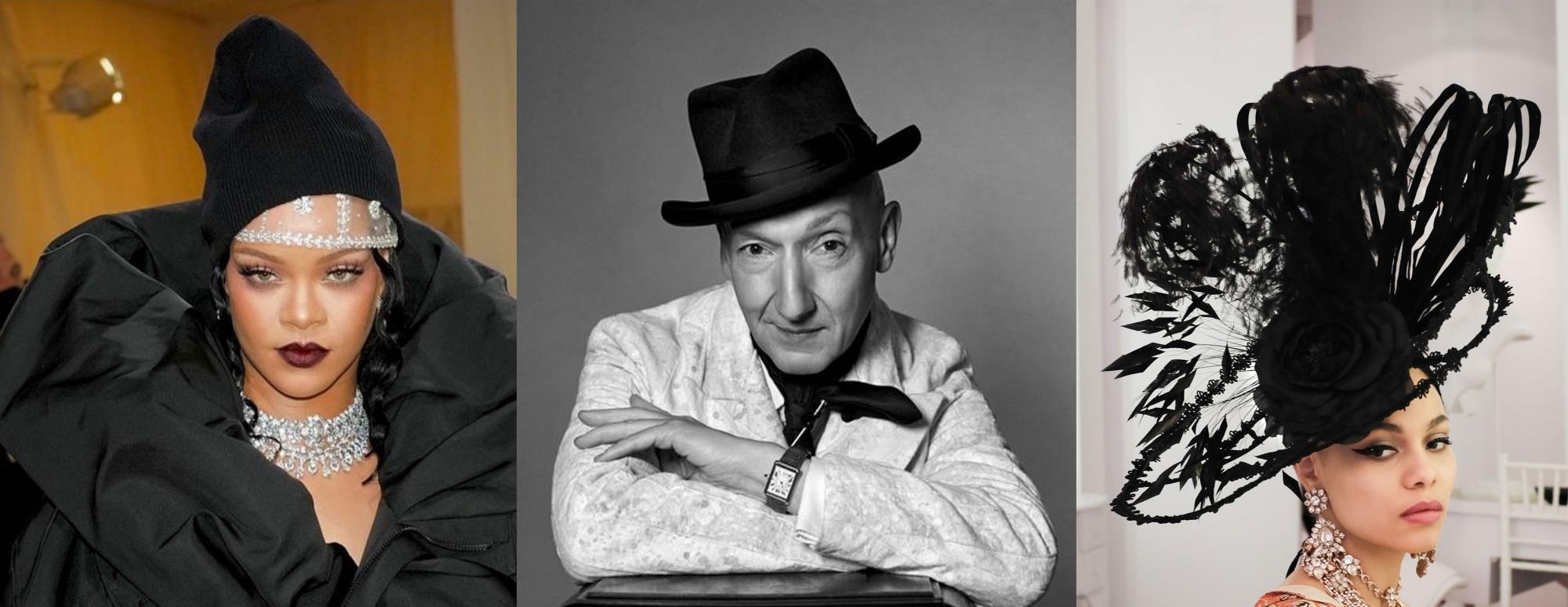
Millinery offers another example. London-based Stephen Jones has worked with Dior for more than two decades, creating hats and sculptural headpieces that operate as extensions of the clothes rather than secondary accessories. The Victoria and Albert Museum documented that relationship when Jones created headpieces for its Christian Dior: Designer of Dreams exhibition. His influence also extends well beyond the runway: Jones has created headpieces for figures including Rihanna, Beyoncé and Lady Gaga, demonstrating how specialist millinery can move between couture, performance and global popular culture.
Such collaborations reveal a more interconnected version of luxury production. National labels become less useful when an Italian fabric, French couture atelier, British milliner and international creative director can contribute to the same final image.
Pleats, Lace and the Skills at Risk
The greatest threat to this system may lie in crafts whose practitioners are becoming increasingly scarce. Fabric pleating is already classified as critically endangered by Heritage Crafts. Its 2025 data records only one to five UK professionals earning their main income from the craft and no current trainees. The process involves placing fabric inside precisely folded cardboard moulds before using steam to set the form; complex moulds can take weeks to create.
Established in 1925, Ciment Pleating continues this specialist work from Potters Bar. Its own project archive lists fashion clients including Alexander McQueen, JW Anderson, Erdem, Victoria Beckham, Viktor & Rolf and Richard Quinn.
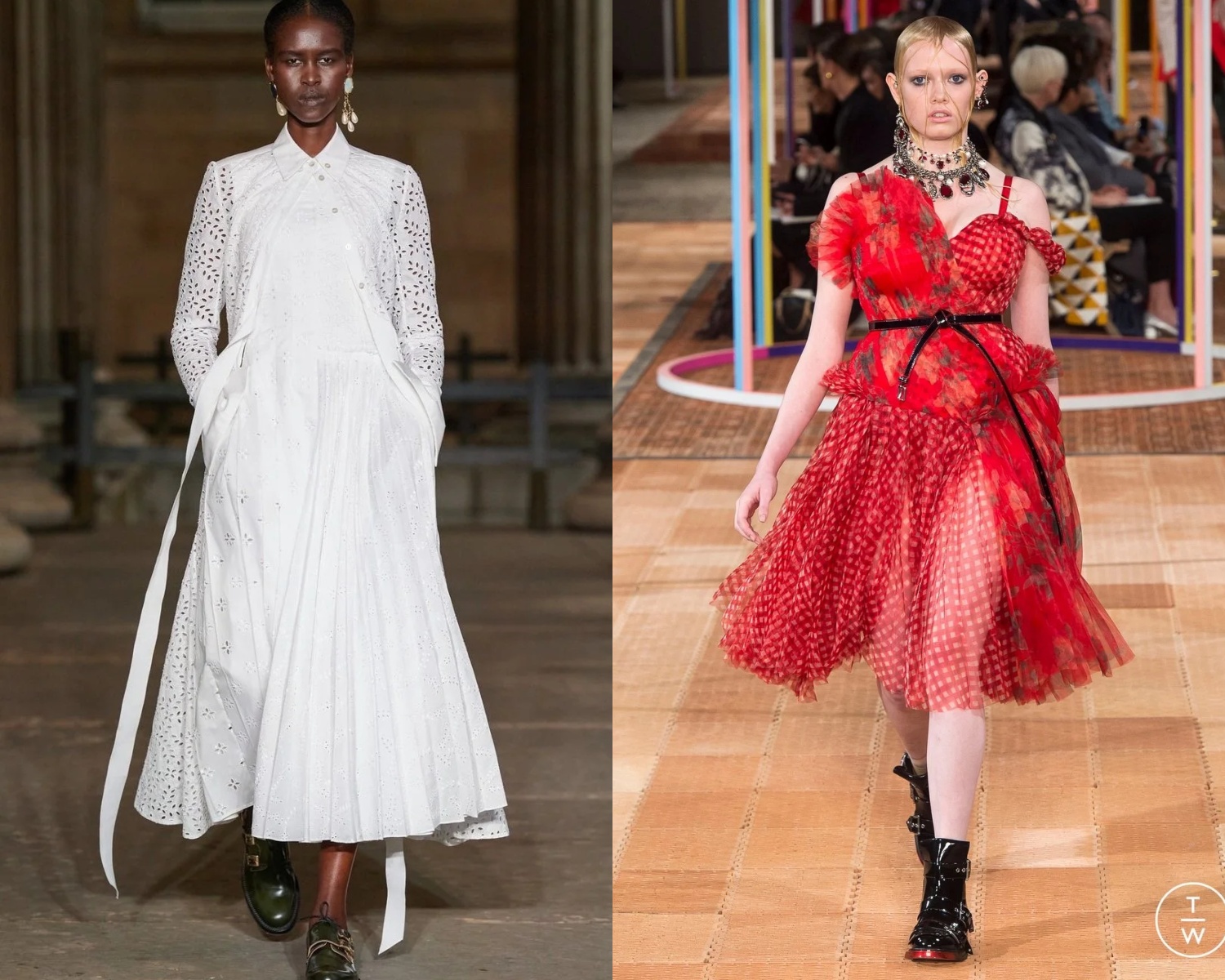
The contradiction is difficult to ignore. Pleating can give a luxury garment its movement, volume and technical identity, while the number of people capable of producing specialist hand-pleated work remains exceptionally small.
Lacemaking illustrates the same juxtaposition from another angle. Cluny Lace, based in Ilkeston, Derbyshire, has produced traditional Leavers lace since 1845 using specialist machinery descended from nineteenth-century technology. Its catalogue spans 365 patterns for haute couture, ready-to-wear, theatre and other applications. Cluny Lace’s independent reporting has documented its supply relationships with houses including Dior, Chanel and Ralph Lauren.
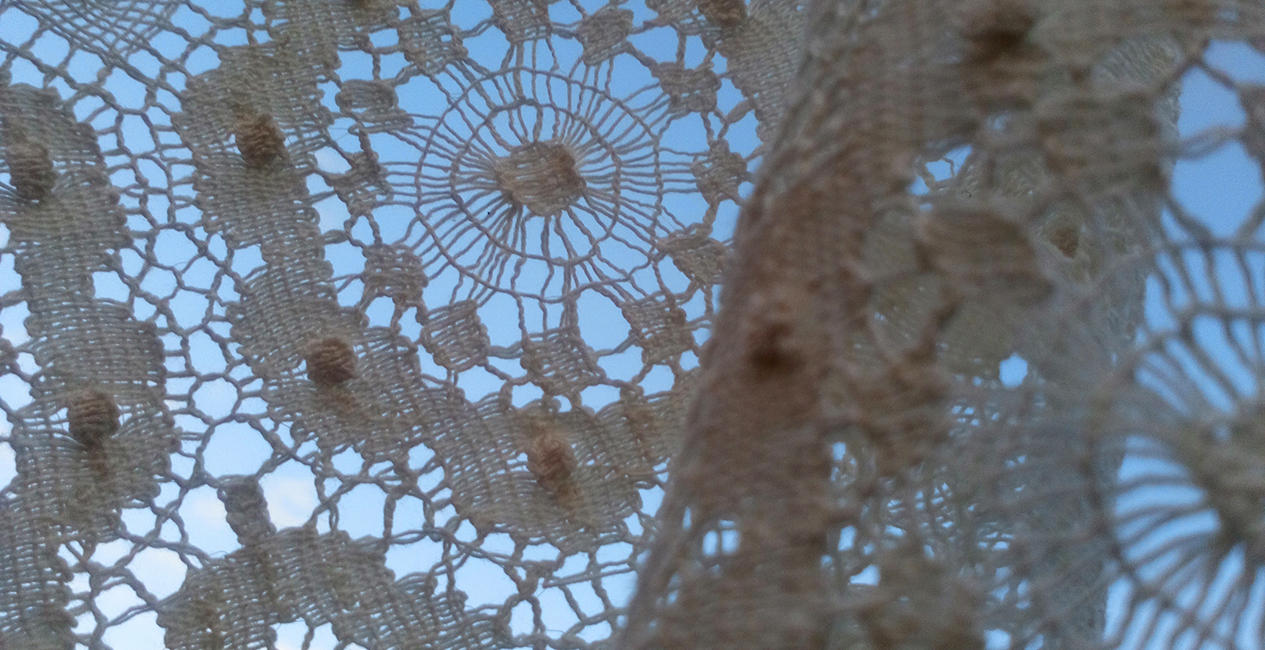
Leavers lace differs from handmade bobbin lace, yet both reveal how vulnerable specialist knowledge can become. Heritage Crafts separately classifies traditional bobbin lacemaking as endangered, with fewer than ten practitioners earning their main income from it.
The significance goes beyond nostalgia. Once highly specialised knowledge disappears, recreating the capability requires more than purchasing new machinery. It requires rebuilding generations of accumulated experience.
Bespoke as a Global Luxury Business
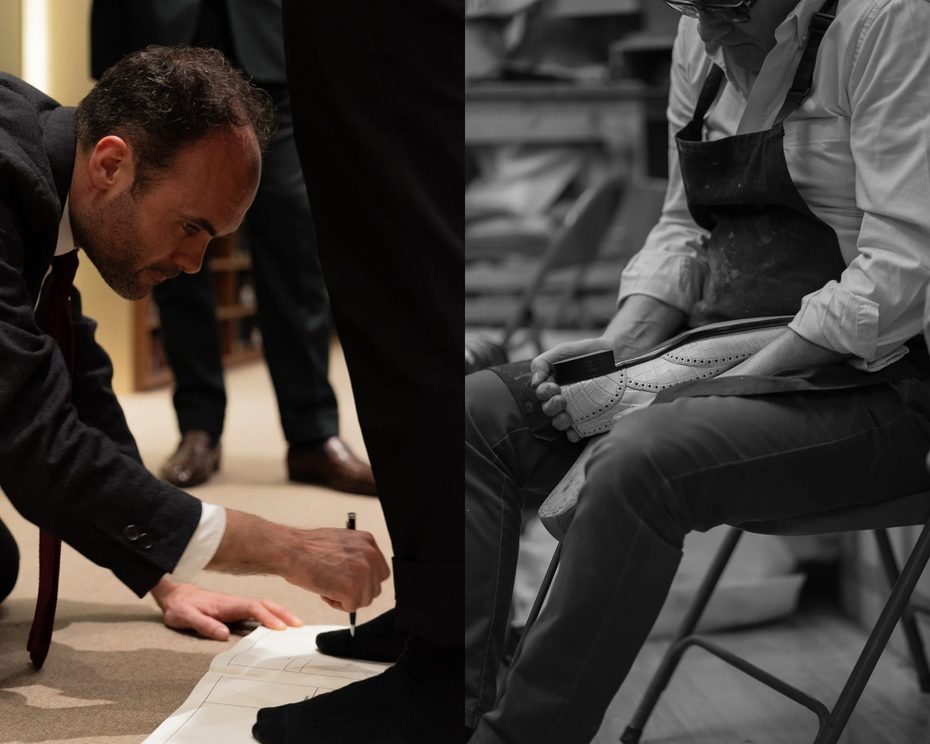
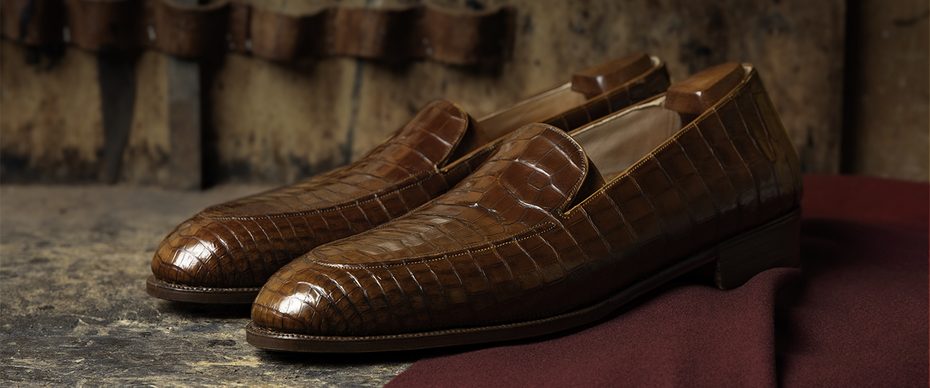
Other London crafts have found resilience by selling their expertise directly to international clients. At George Cleverley, bespoke shoemaking still begins with measurements and a hand-carved wooden last before moving through pattern cutting, clicking, closing, making and finishing. The company also takes its London service abroad through international trunk shows, while production remains centred in its Mayfair workshop.
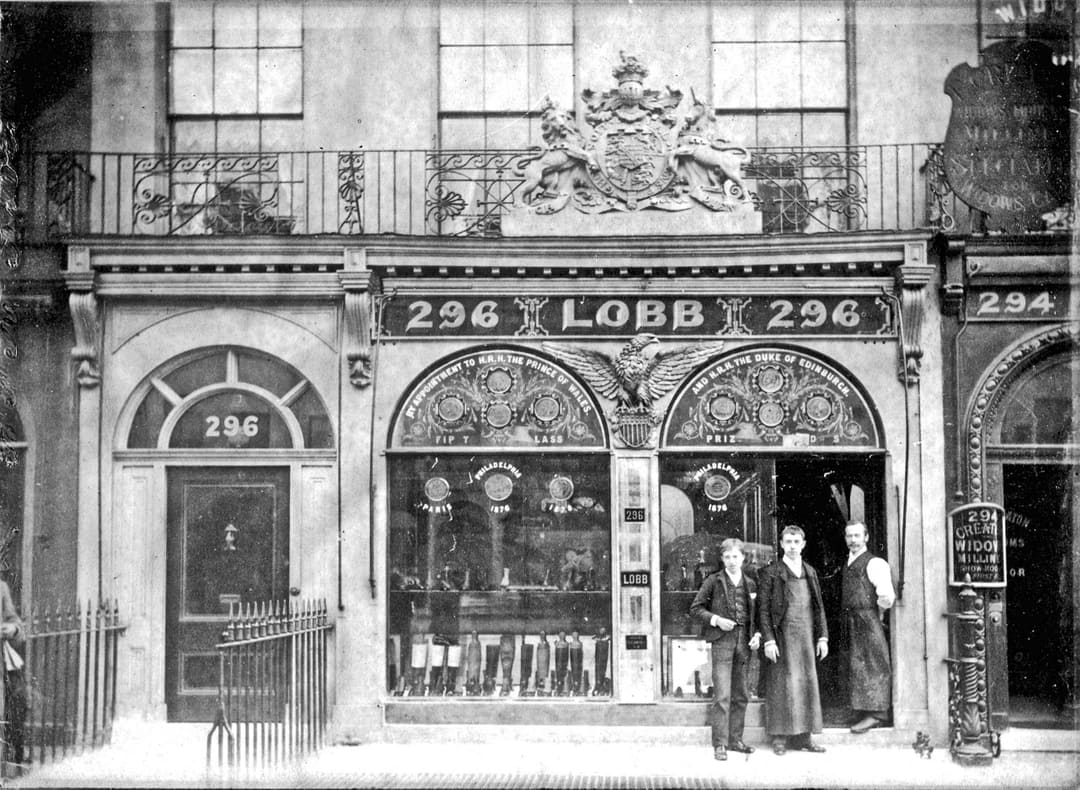
Nearby, the original John Lobb workshop at 9 St James’s Street continues a bespoke shoemaking tradition whose London history stretches back to 1866. Each commission is made for an individual owner rather than adapted from standard sizing.
That model gives craftsmanship a commercial logic suited to affluent international consumers: personalisation, direct relationships with makers and an object intended to remain in use for years.
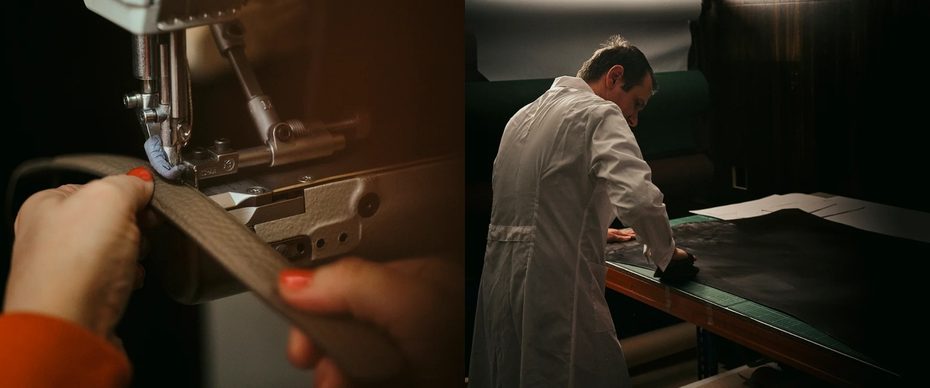
Leatherworking follows a similar path at Swaine. Its New Bond Street workshop allows clients to meet artisans, commission bespoke leather goods and return pieces for repairs and restoration. The house says a craftsman can spend more than seven hours making the handle of an attaché case and a further 23 hours completing the case itself.
Such numbers matter because they make visible something luxury marketing often compresses into a single word: craftsmanship is ultimately measured in skilled human time.
Craft Needs More Than Celebration
London’s craft influence rarely announces itself as loudly as a flagship opening or runway show. Its contribution can sit inside a tailored shoulder, beneath layers of embroidery, within the folds of a skirt or behind the structure of a handmade shoe.
That relative invisibility makes its preservation even more important.
International luxury houses already benefit from Britain’s specialist expertise through commissions and collaborations. The next challenge is continuity. Sustainable order books, apprenticeships, training and long-term relationships with workshops can determine whether a skill remains commercially viable enough to pass from one generation to the next.
For luxury consumers, this adds another dimension to the idea of value. Rarity can reside in gemstones, limited production or exclusive access, but it can also exist in the shrinking number of people capable of executing a particular technique to an exceptional standard.
London’s enduring contribution to global luxury may therefore be less about any single aesthetic than its concentration of knowledge. Craft survives when expertise remains economically useful — and when the industry celebrating it continues to give skilled hands meaningful work.
For more on the latest in luxury fashion and style reads, click here.