The Long Game Behind Abu Dhabi’s Luxury Economy
From museums to private wealth, Abu Dhabi is constructing a luxury identity built less on spectacle and more on permanence.
Luxury in Abu Dhabi is increasingly being built as infrastructure rather than consumption alone. The clearest signals now sit across finance, culture, real estate, hospitality and retail: institutions and districts designed to hold value over decades.
Abu Dhabi Global Market (ADGM) reported that assets under management (AUM) rose 54 per cent year-on-year in the first half of 2026. The number of fund and asset managers reached 190, while 276 funds were managed from the financial centre. Firms that established operations during the period collectively oversee more than USD2.1 trillion in global assets.
At the same time, Louvre Abu Dhabi, Zayed National Museum and Natural History Museum Abu Dhabi launched a shared-membership initiative this September, while Guggenheim Abu Dhabi has begun selling tickets ahead of its 11 December 2026 opening.
Finance and culture operate in different markets, yet both point towards the same strategy: build assets whose influence can compound over time.
Culture as Economic Infrastructure
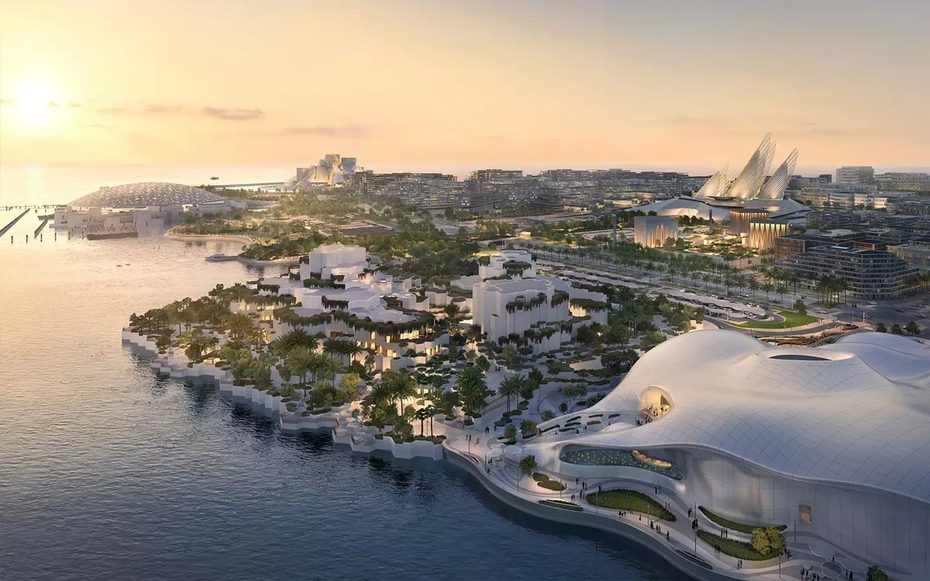
Saadiyat Cultural District makes that ambition visible. Louvre Abu Dhabi anchors the cultural destination, joined by Zayed National Museum, Natural History Museum Abu Dhabi and teamLab Phenomena Abu Dhabi. Guggenheim Abu Dhabi will add 28 interior galleries and extensive outdoor exhibition spaces when it opens in December.
The September shared-membership initiative is especially revealing because it encourages visitors to experience three museums as one cultural ecosystem. That matters commercially. A cultural district can support repeat visitation, longer stays, hospitality spending and a stronger residential proposition. It also creates something premium architecture alone cannot manufacture: cultural relevance with a long institutional life.
The inaugural Frieze Abu Dhabi, scheduled for 19 to 22 November, will bring 84 galleries from 64 cities across 37 countries and regions to Manarat Al Saadiyat. The art market is becoming another layer around the museums.
Capital Designed to Stay
Abu Dhabi’s financial architecture operates on similarly long timelines. Mubadala Investment Company ended 2025 with AED1.4 trillion, or USD385 billion, in AUM, up 17 per cent year-on-year. It deployed AED143 billion during the year, while its annualised five- and ten-year returns stood at 10.7 per cent and 10.3 per cent respectively.
ADGM’s growth broadens that ecosystem beyond sovereign capital. Asset managers, investment firms and family offices increasingly operate within a jurisdiction built around wealth management, succession and asset preservation. A single family office in ADGM requires minimum family net assets of USD10 million.
For luxury, the relevance is straightforward. Capital managed locally can deepen its relationship with place through homes, collecting, education, philanthropy, hospitality and investment. A durable luxury economy benefits when wealth has reasons to remain.
The Luxury Infrastructure Is Already Here
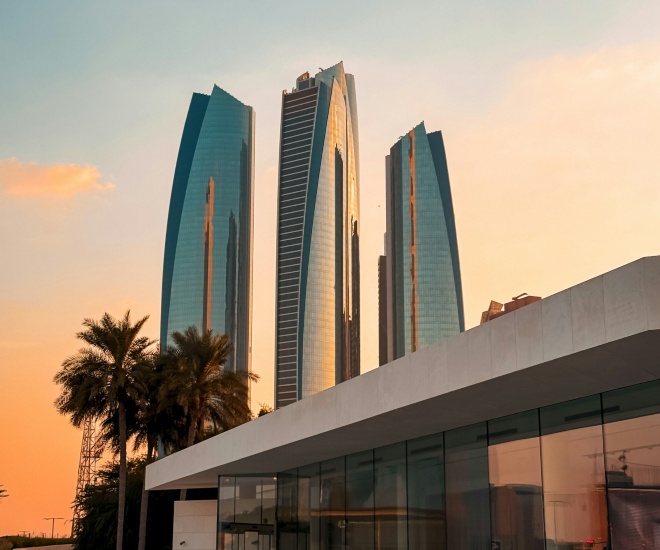
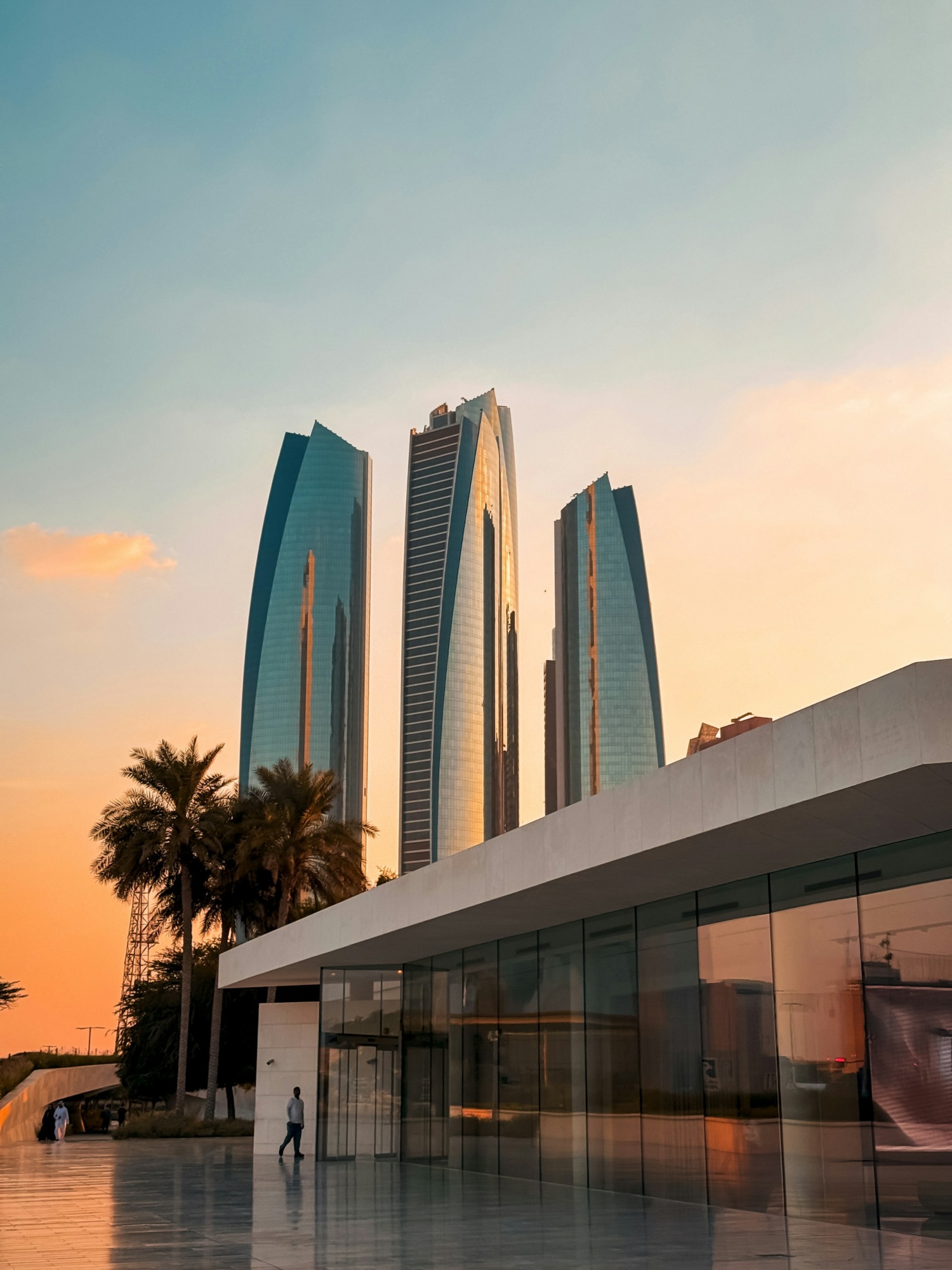
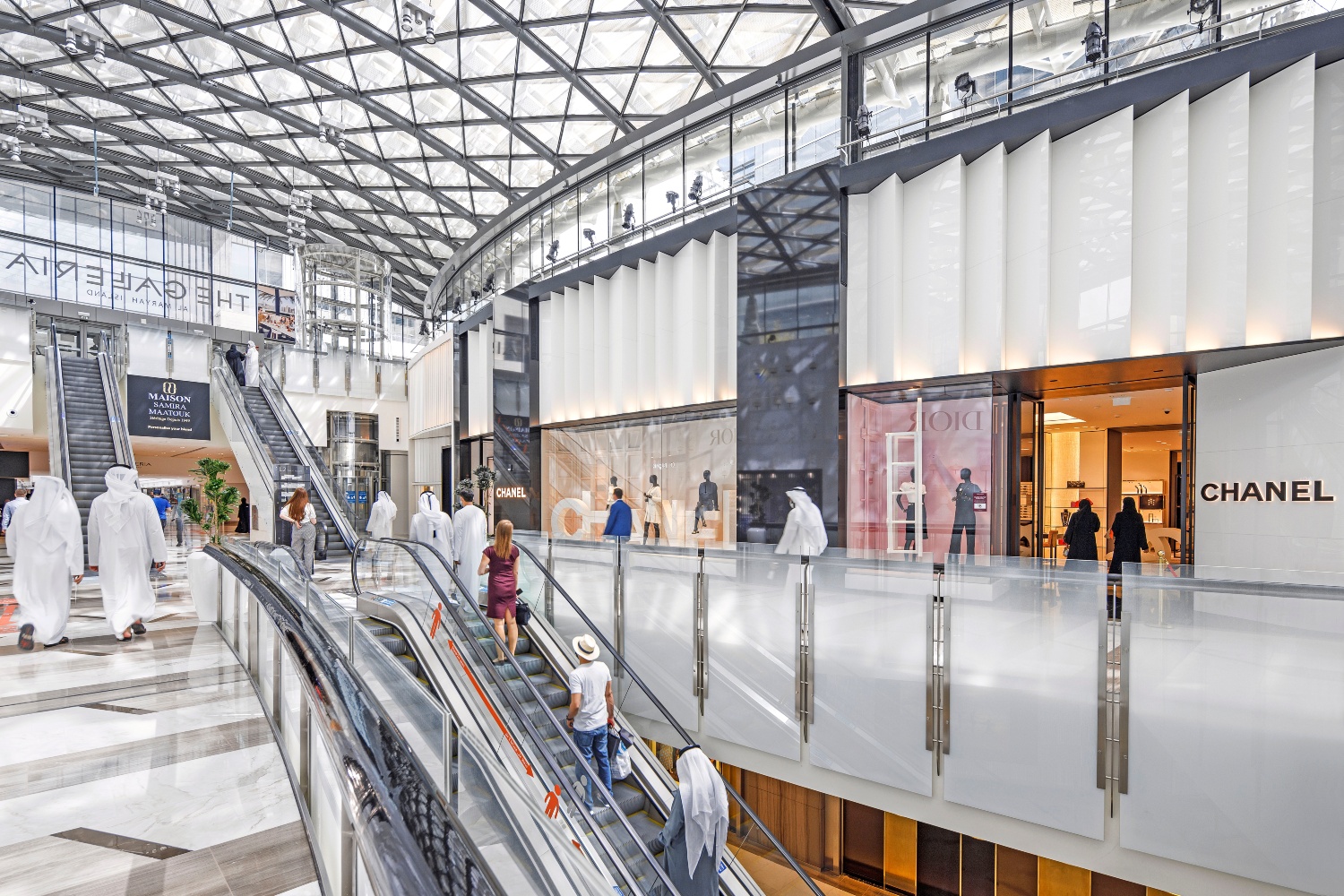
Abu Dhabi already possesses many of the physical assets associated with a mature luxury market. Its principal retail addresses are destination complexes rather than traditional shopping streets. The Galleria Al Maryah Island houses more than 400 stores and 100 restaurants, including Chanel, Dior, Hermès, Louis Vuitton, Cartier, Rolex, Patek Philippe and Van Cleef & Arpels. Avenue at Etihad Towers concentrates high jewellery, watches and fashion in a more intimate setting, with private shopping rooms at several boutiques.
Read more: High Jewellery Masterpieces with Appeal for Abu Dhabi Collectors
Hospitality is equally established. Emirates Palace Mandarin Oriental, Abu Dhabi remains one of the capital’s defining luxury properties, with a 1.3-kilometre private beach alongside extensive dining, spa and leisure facilities. Four Seasons Hotel Abu Dhabi at Al Maryah Island and Rosewood Abu Dhabi connect high-end hospitality directly to the financial and retail district, while The St. Regis Saadiyat Island Resort places beachfront resort living beside the cultural quarter.
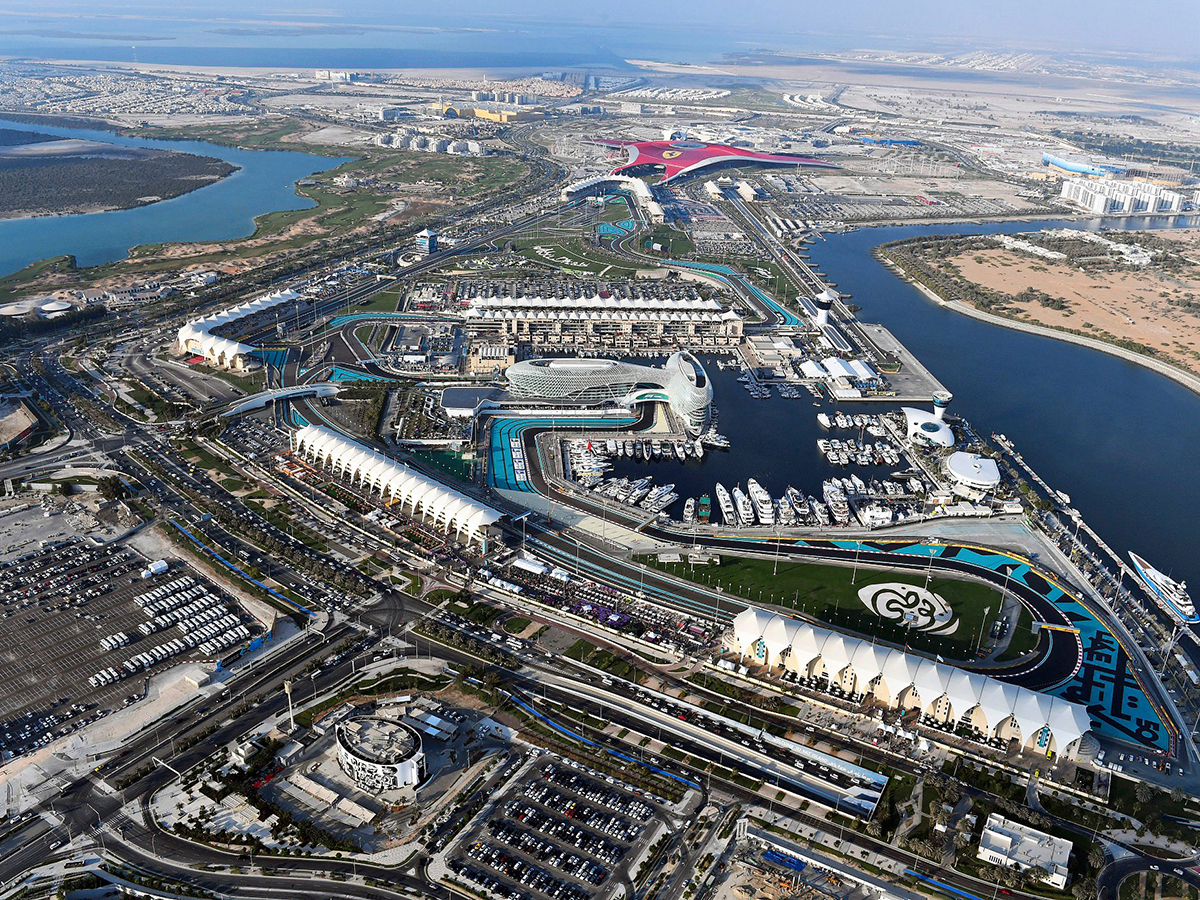
Yas Marina adds specialist infrastructure for mobile wealth. In May 2026 it became the first marina in Abu Dhabi to receive The Yacht Harbour Association (TYHA) Superyacht Ready accreditation and can accommodate visiting yachts up to 175 metres.
The fundamentals are therefore in place. The more interesting question is what comes next.
What Abu Dhabi Still Needs: Connective Tissue
The gap is less about another flagship hotel, mall or museum than about greater density between them. Many luxury assets still operate as carefully curated destinations. The next phase will depend increasingly on year-round “soft infrastructure”: independent galleries, dealers, design studios, culinary talent, local luxury brands, specialist advisers and street-level experiences that make an affluent ecosystem feel lived in.
That process is already beginning. Sotheby’s has an Abu Dhabi office and programming around jewellery, watches, cars and art. Christie’s will hold its first fine-art auction in the city on 1 November, while Frieze Abu Dhabi arrives later that month.
Saadiyat Grove, opening in the fourth quarter, will add more than 100 brands, including 20 concepts new to the region, alongside dining, hotels, wellness, residences and offices.
Therefore, the opportunity is depth: a denser network of people and businesses capable of turning hard assets into everyday luxury culture.
When Culture Enters the Value of Place
Saadiyat already shows how that convergence can influence a district. Knight Frank reported that the island remained Abu Dhabi’s most expensive apartment market in the year to June 2026, with average transaction prices of about AED43,100 per square metre, up around 21 percent year-on-year. It also remained the emirate’s most expensive villa location at about AED26,500 per square metre.
Those figures do not establish culture as the sole driver of property appreciation. Waterfront position, supply, architecture and buyer demand all matter. Yet Saadiyat shows how cultural infrastructure can become part of the environment surrounding a premium address.
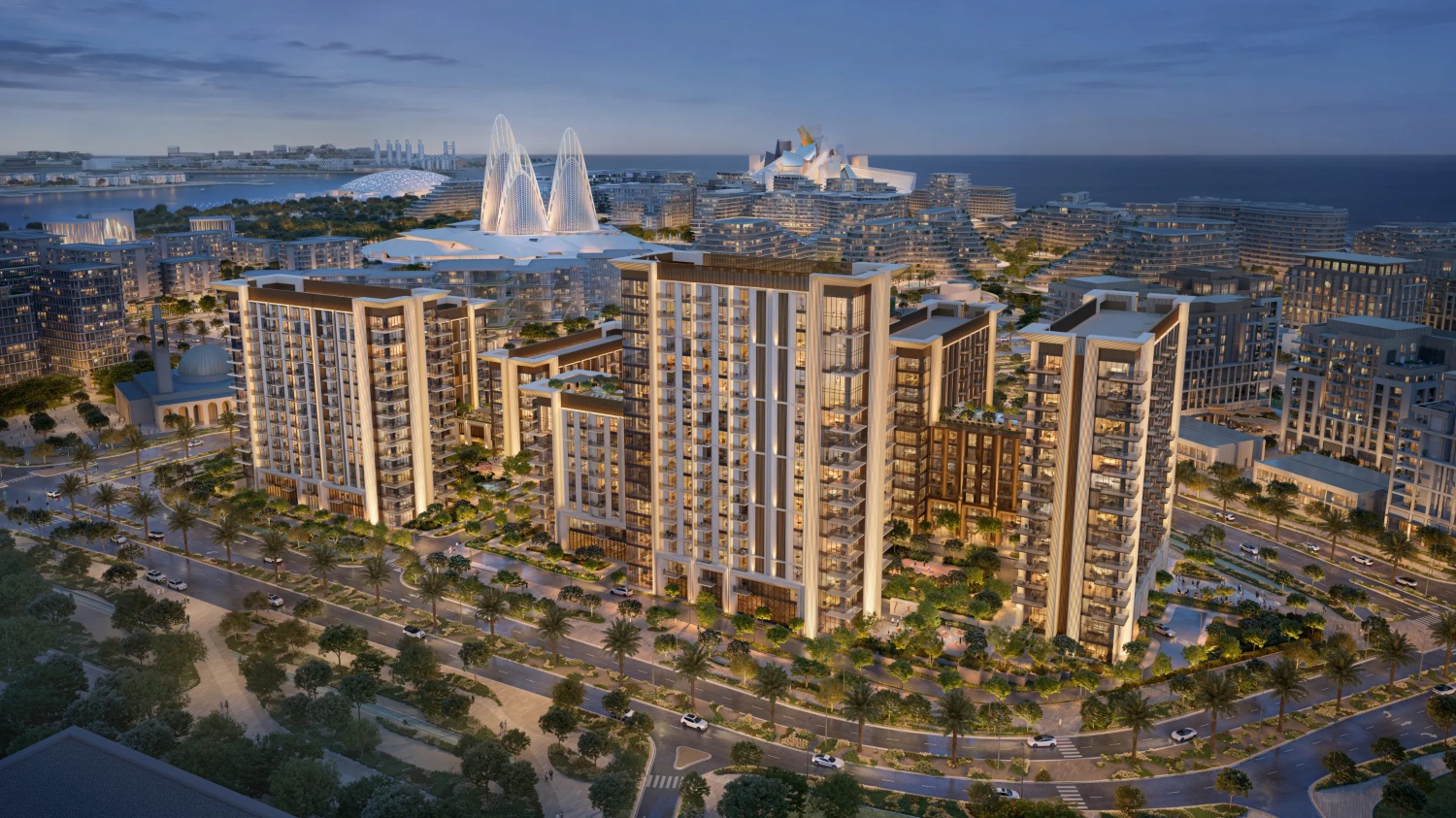
Aldar’s newly launched Sei Saadiyat will eventually add 778 homes across six buildings inside Saadiyat Cultural District. Saadiyat Grove will further combine residential, commercial, hospitality, wellness and cultural uses, with Audemars Piguet, Brunello Cucinelli, Bulgari, Cartier, Dior, Fendi, Loewe, Louis Vuitton, Tiffany & Co., Valentino and Van Cleef & Arpels among the names already announced. Luxury here increasingly describes the ecosystem around the home as much as the home itself.
When Luxury Is Built to Last
Abu Dhabi’s luxury identity is difficult to understand through any single boutique, residence, hotel or museum. Its stronger proposition lies in how these assets reinforce one another.
Its luxury ecosystem is anchored by long-term capital, intergenerational wealth and cultural institutions, with retail, hospitality, dining and the art market providing the more visible expressions of that foundation.
The next challenge is less about constructing another icon than creating enough depth between the icons for luxury to become part of daily life. If that connective tissue continues to develop, Abu Dhabi’s most valuable luxury asset may be the ecosystem itself: one designed to retain capital, culture and relevance over time.
In Abu Dhabi, permanence is becoming part of the premium.
For more on the latest in business reads, click here.