Opinion: How Icons Outlive Their Moment
Recognition may create an iconic moment, but only endurance, adaptability and cultural memory create an Icon.

Icon status is accumulated rather than declared. A designer can launch a product, a musician can create a defining performance and a brand can spend heavily on visibility, but none can decide that what they have made will still matter decades later.
An Icon emerges when something moves beyond its original context and develops an identity strong enough to be recognised, repeated and reinterpreted by people who may have had no connection to the moment that produced it. Recognition matters, but recognition alone is insufficient. Something can be iconic without becoming an Icon. Permanence requires an afterlife.
That afterlife depends on three qualities: legibility, adaptability and collective memory. Together, they help explain why certain dresses, watches, songs and personalities remain culturally relevant while countless equally successful moments disappear.
Recognition Is Only the Beginning
Consider the little black dress. Gabrielle Chanel did not invent black clothing, nor was black restricted exclusively to mourning before the 1920s. What Chanel helped establish was the modern idea of the little black dress as something versatile, practical and sophisticated enough to move between different occasions.
The Metropolitan Museum of Art traces the concept to Chanel in 1926 and notes that, while its silhouette subsequently shifted with each decade, the little black dress ultimately became something closer to a social institution than a single design.
That evolution is precisely what makes it useful when thinking about Icons. There is no single immutable LBD that must be reproduced faithfully for the idea to survive. Hemlines change. Proportions change. Materials and styling change. Yet the concept remains immediately legible. An Icon, then, needs a recognisable core without becoming so rigid that it cannot survive reinterpretation.
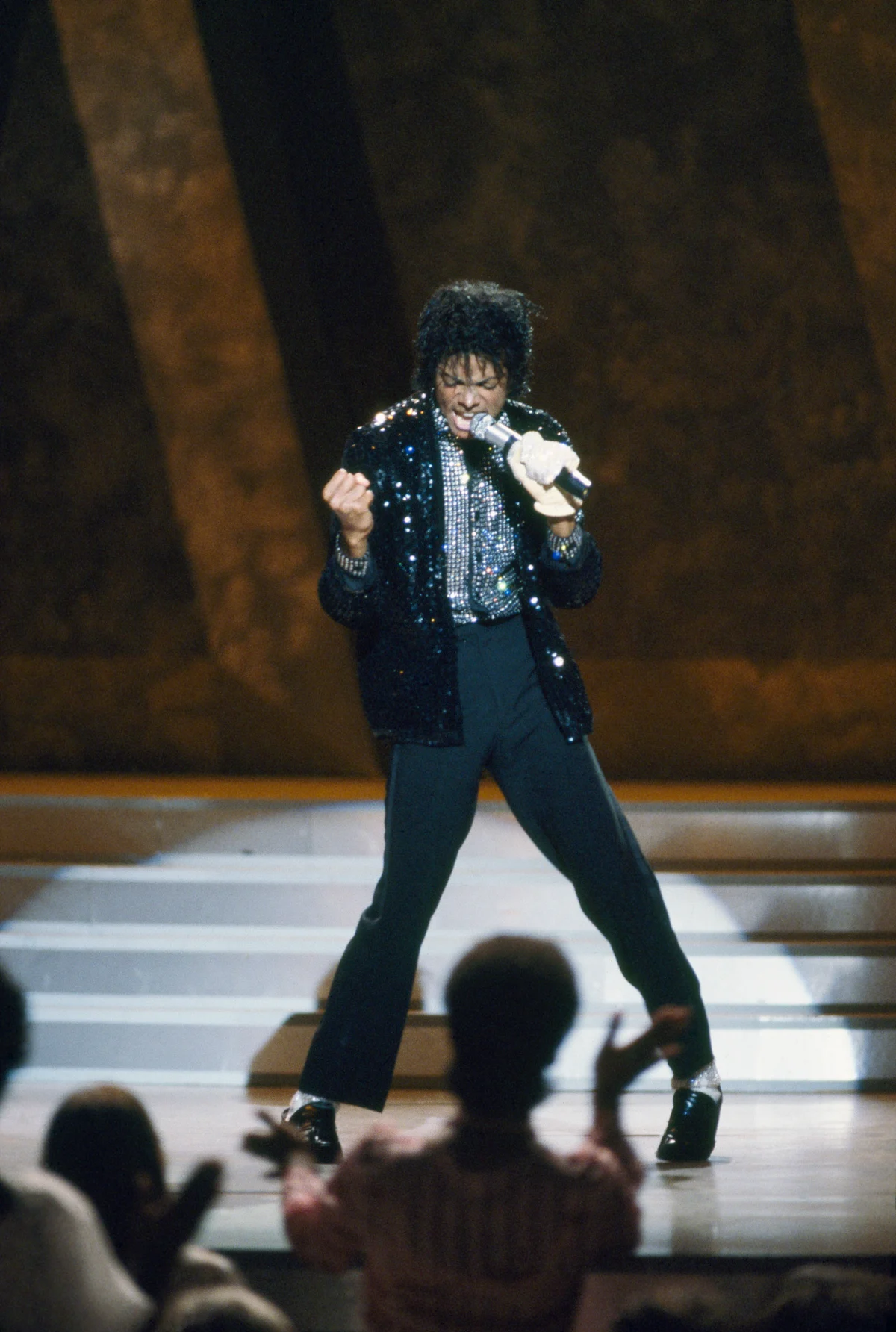
Michael Jackson illustrates the same principle through performance. A sequinned glove, the bassline of “Billie Jean” or the moonwalk can summon an entire cultural persona without requiring the complete performance to be replayed. Jackson first performed the moonwalk during “Billie Jean” on the Motown 25 television special in 1983; decades later, the movement remains closely associated with him.
The strongest Icons eventually become shorthand. A fragment retrieves the whole.
Time is a Filter
Social media has radically accelerated recognition. A look can travel across the world within hours, a song can become ubiquitous in days and a product can sell out before many consumers have encountered it physically.
Technology, however, cannot accelerate cultural endurance quite so easily. Time remains the essential filter, not because age automatically confers importance, but because repeated rediscovery reveals whether something can survive the disappearance of the circumstances that first made it famous.
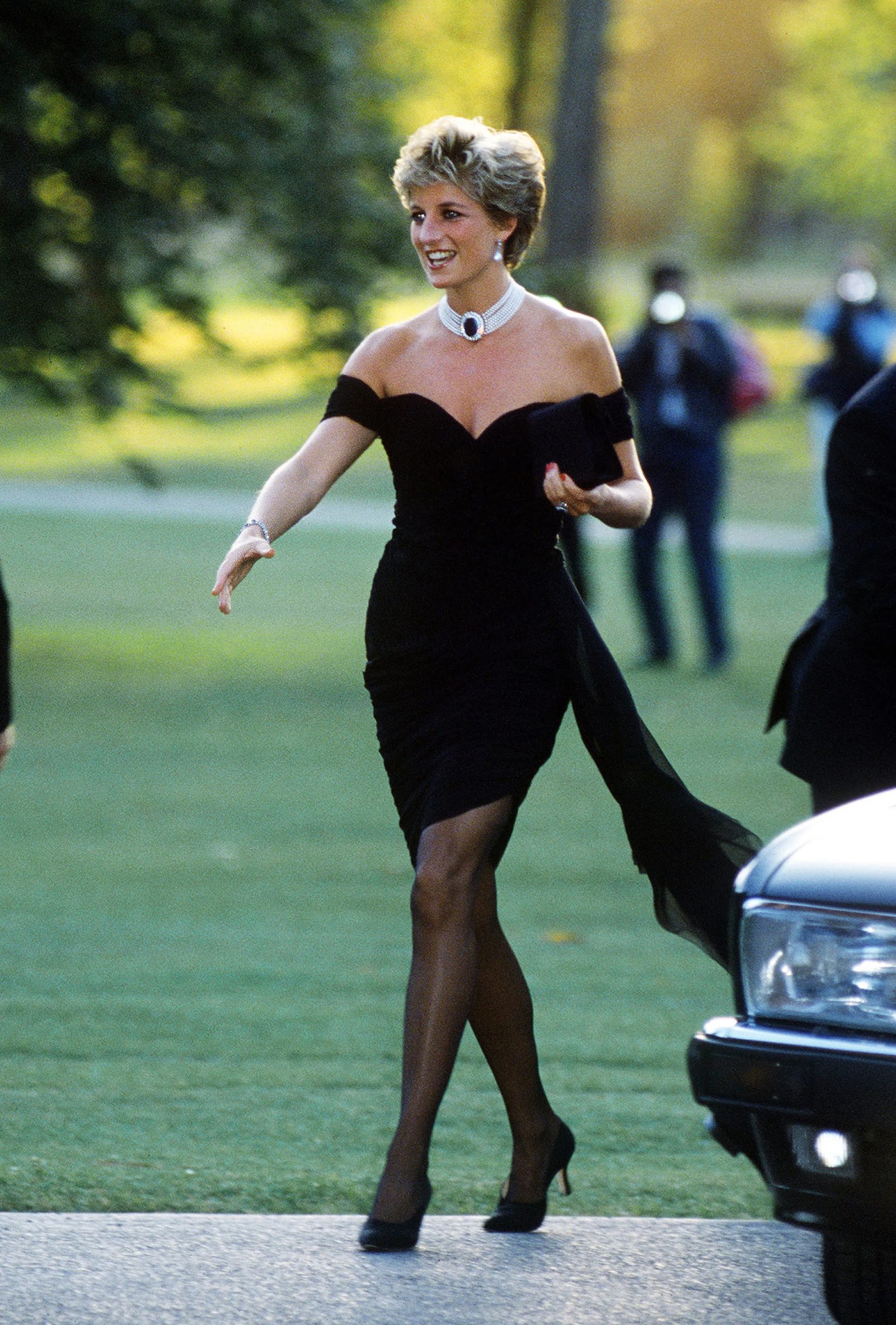
Princess Diana offers an especially revealing example. Her continuing cultural significance cannot be reduced to fashion alone. Royal life, humanitarian work, intense media attention and her public image have all contributed to the way successive generations understand her. Her clothes, however, demonstrate how public meaning can eventually exceed original intention.
The black Christina Stambolian dress she wore to the Serpentine Gallery in June 1994 became known retrospectively as the “revenge dress” because Diana appeared in it on the evening Prince Charles’s televised admission of infidelity was broadcast.
Yet the phrase has long since moved beyond that evening. “Revenge dressing” has become a cultural shorthand applied to people and situations with no connection to Diana at all.
That transformation is crucial. At some point, an Icon begins to belong less exclusively to its original maker or wearer and more to the culture interpreting it.
Can an Icon Be Manufactured?
For luxury houses, this raises an uncomfortable question. If Icons create extraordinary cultural and commercial value, how much of that status can actually be planned? More than nothing, certainly.
Designers and brands can establish many of the conditions that give something a chance of enduring: distinctive design, quality, consistency, visibility and enough continuity for recognition to accumulate. Cultural adoption is not necessarily guaranteed.
The Rolex Submariner demonstrates the difference particularly well. Launched in 1953 as the first divers’ wristwatch waterproof to 100 metres, it began as an instrument designed around a practical purpose. Its cultural identity subsequently expanded far beyond diving. The Submariner appeared on Sean Connery’s wrist in the first James Bond film in 1962, beginning a cinematic association that Rolex itself credits with helping elevate the watch towards icon status.
Neither function nor film alone explains its permanence. The design remained sufficiently consistent to become recognisable while the contexts surrounding it multiplied — underwater exploration, cinema, achievement, collecting and everyday luxury.
Rolex could design the watch, refine it and maintain its codes. Culture determined how much meaning accumulated around it. That is the boundary every maker ultimately encounters: brands can establish the codes; audiences decide whether those codes are worth carrying forward.

How Much Change Can an Icon Survive?
Adaptability, however, has limits. An Icon must be flexible enough to enter new contexts while retaining enough of its identity to remain legible. Endless reinvention can eventually become dilution. The challenge is therefore not merely to change with every generation, but to understand which characteristics are negotiable and which are fundamental.
The little black dress survives because its meaning is broader than one silhouette. The Submariner has evolved technically while retaining a remarkably coherent visual identity. Michael Jackson’s performances continue to be referenced because individual gestures remain unmistakably connected to him.
The most durable Icons are therefore neither frozen nor infinitely malleable. They change around a stable core.
For luxury, that lesson is particularly pertinent. Heritage cannot simply mean preserving everything exactly as it was, but neither can constant novelty compensate for the disappearance of identity. The strength of a genuine Icon lies in making change possible without making recognition difficult.
Cultural Permanence Cannot Be Launched
None of these examples arrived with their eventual status guaranteed. They share values beyond longevity. They remain legible enough to recognise, adaptable enough to reinterpret and culturally significant enough for successive generations to claim as their own.
That is why an Icon cannot simply be announced at launch. Makers can create the object, image or performance and give it every possible advantage. Culture determines the afterlife. Something can become iconic overnight. Whether it becomes an Icon is a judgement only time can make.
For more on the latest in culture and events, click here.