Luxury Sportswear Has Moved Beyond Athleisure
Performance, precision and design are converging as luxury fashion embraces sportswear built for movement rather than appearance alone.
Luxury fashion spent years borrowing from sport. Sneakers replaced dress shoes, tracksuits became runway propositions and technical jackets moved from mountains to city streets. What began as a shift in silhouette has since developed into something more substantial.
Performance is no longer simply a visual reference. More fashion houses are working with technical fabrics, specialist manufacturers and professional athletes, while established sportswear brands are moving further into premium retail, design and lifestyle. The result is a category that increasingly sits between fashion and function rather than belonging fully to either.
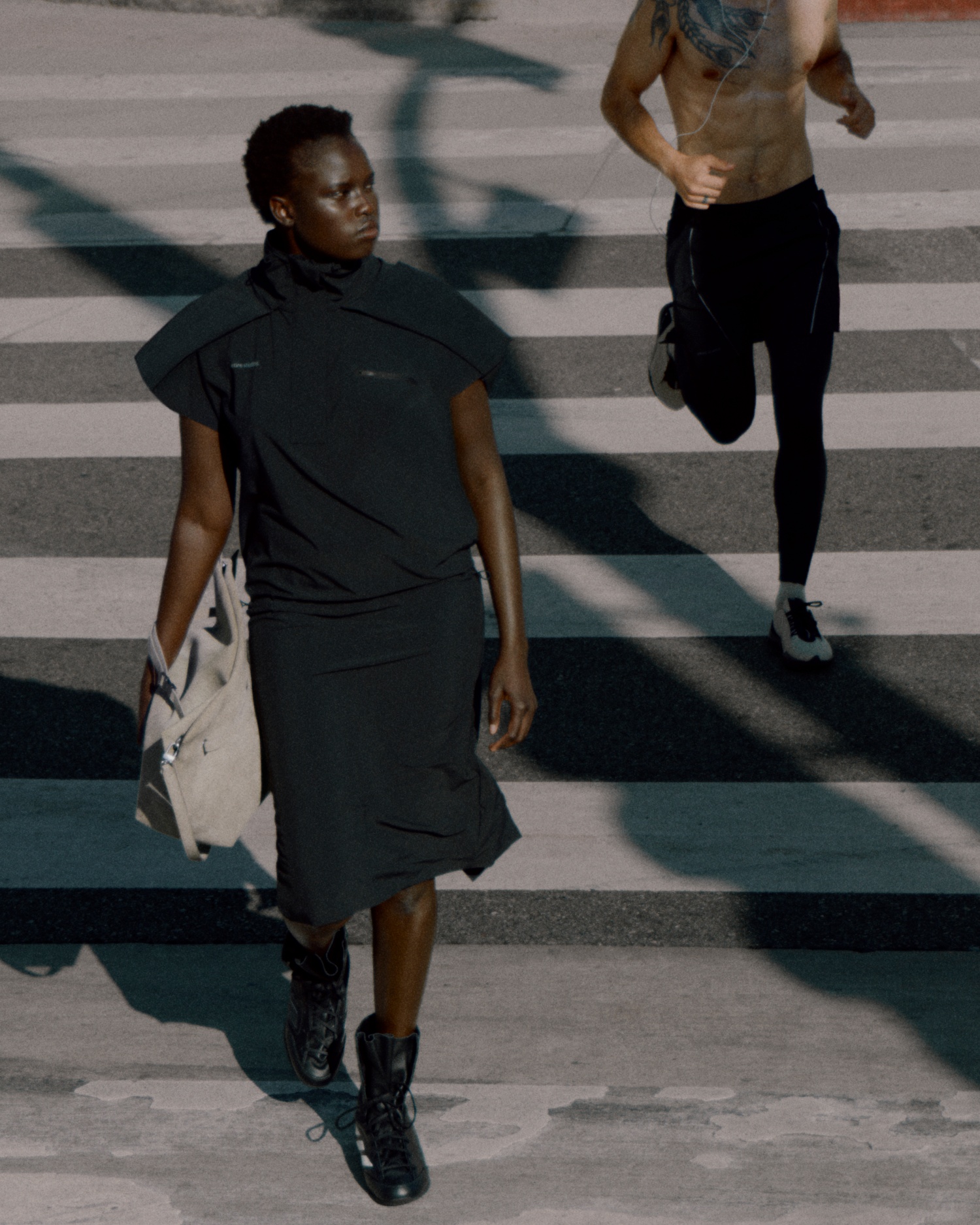
That shift is visible across several fronts. Balenciaga has introduced technical performance wear within its own collections, while Miu Miu and New Balance have developed pieces worn by Coco Gauff in professional competition. BOSS is extending tennis dressing beyond the court through its latest Australian Open partnership, while Lululemon’s expanded Singapore flagship points to another direction, where performance retail is increasingly built around community and participation.
These developments suggest that luxury sportswear is moving beyond athleisure and towards a more demanding proposition: clothing that must justify itself through both design and capability.
Balenciaga Makes Performance Part of the House
Balenciaga’s TechWear proposition is among the clearest signs of how far the category has progressed. Introduced for Fall 2026, the line brings together the house’s visual codes with functional properties including moisture management, fast-drying fabrics, antibacterial treatments, UV protection, waterproof closures and welded construction.
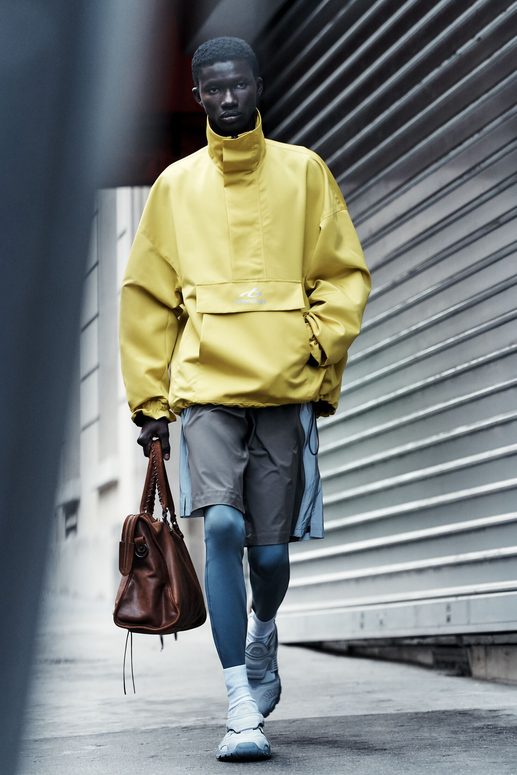
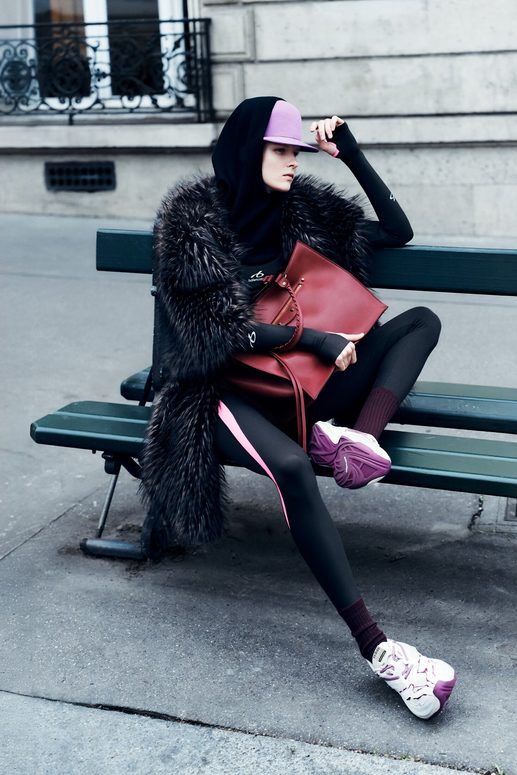
Balenciaga’s TechWear line brings sport, technology and savoir-faire together in a performance-led wardrobe shaped by contemporary wellness culture. Images courtesy of Balenciaga.
Rather than treating technical sportswear as a temporary collaboration or seasonal reference, Balenciaga has absorbed it into its own design language. The move reflects a wider shift across luxury fashion, where technical credibility is becoming increasingly difficult to separate from aesthetic intent.
Consumers familiar with specialist sportswear are also more informed than before. A technical appearance alone is no longer sufficient when performance can be compared against brands built specifically around movement, weather protection or endurance.
Coco Gauff Takes Luxury Onto the Court
Miu Miu and New Balance offer a more direct test of that credibility. Their 2026 collection with Coco Gauff was developed for professional competition, combining technical stretch jersey, breathable outerwear and garments designed to support movement while retaining Miu Miu’s recognisable fashion identity. Gauff subsequently wore the pieces during tournament play.
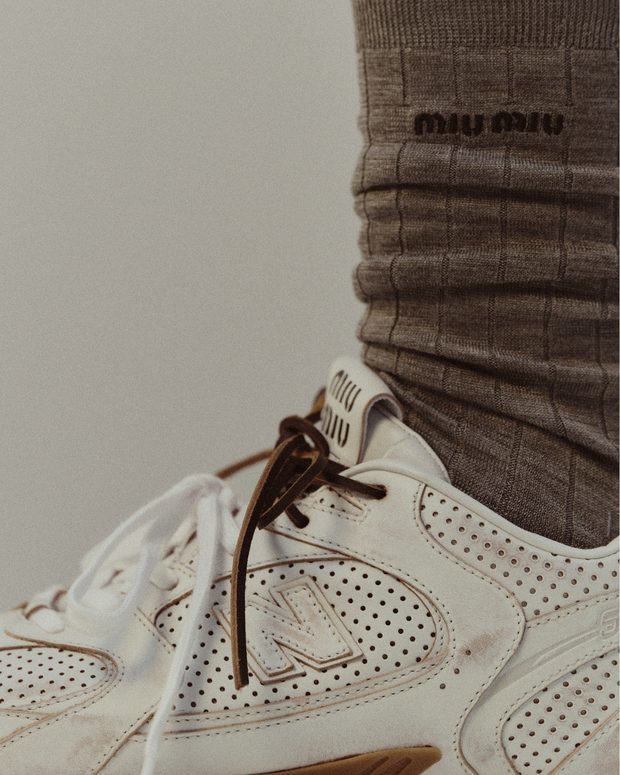
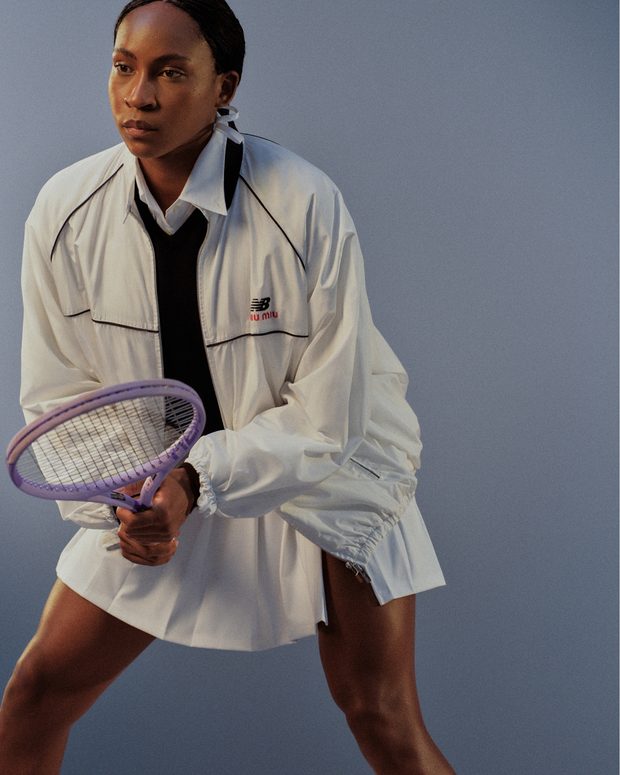
New Balance and Miu Miu reunite with Coco Gauff, blending all-white tennis tradition with technical performance and contemporary elegance. Images courtesy of Miu Miu.
The collaboration places luxury fashion in an environment where function cannot remain theoretical. Professional tennis subjects garments to speed, repetition, heat and physical strain, making the athlete more than a campaign figure.
Gauff’s involvement reflects a broader evolution in the relationship between fashion and sport. Athletes increasingly contribute legitimacy not simply through visibility, but through actual use.
Lacoste and Mackintosh Rework Functional Heritage
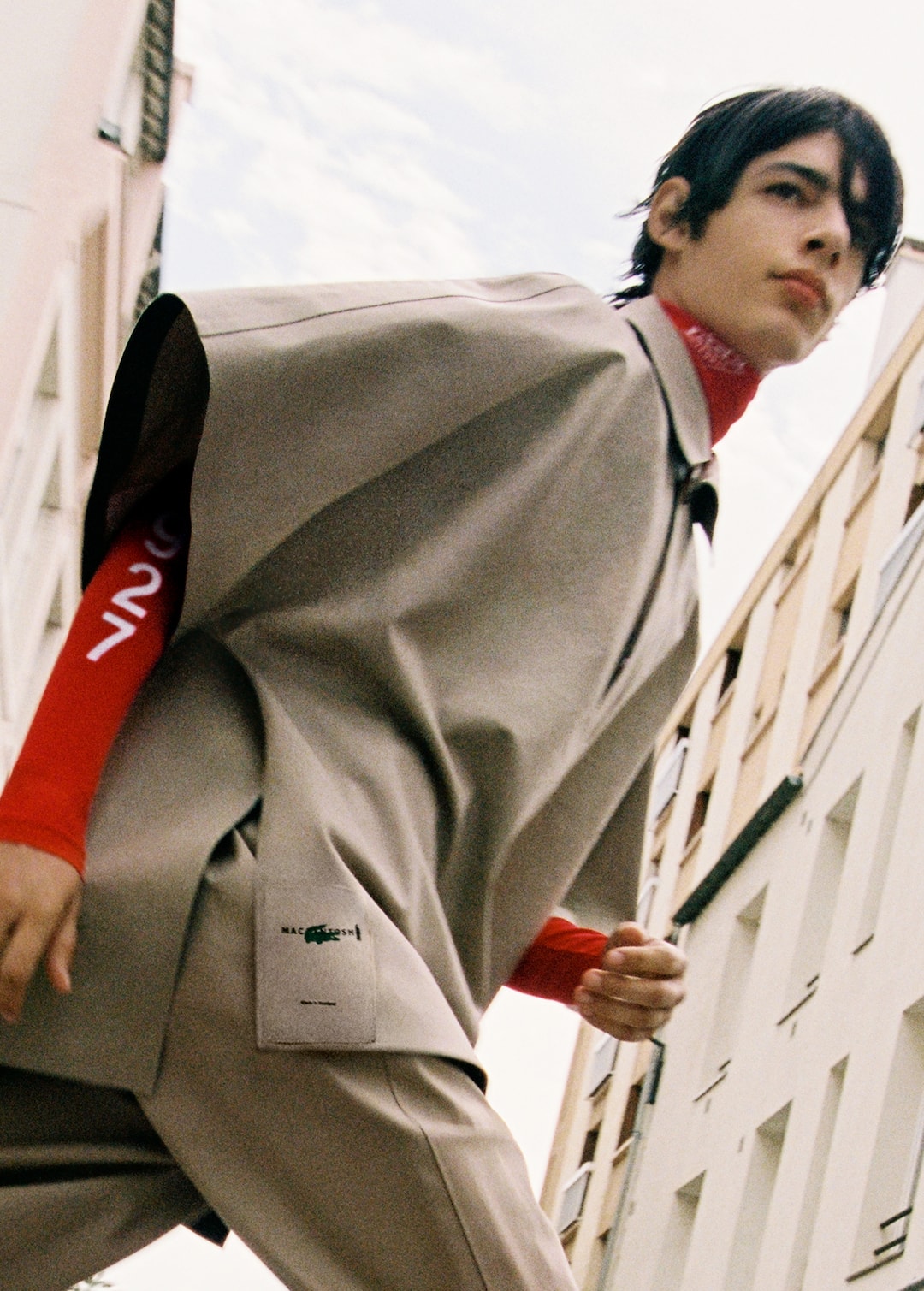
Lacoste’s collaboration with Mackintosh offers another interpretation of progress. Released in September 2026, the collection combines Lacoste’s tennis heritage with Mackintosh’s expertise in waterproof bonded cotton.
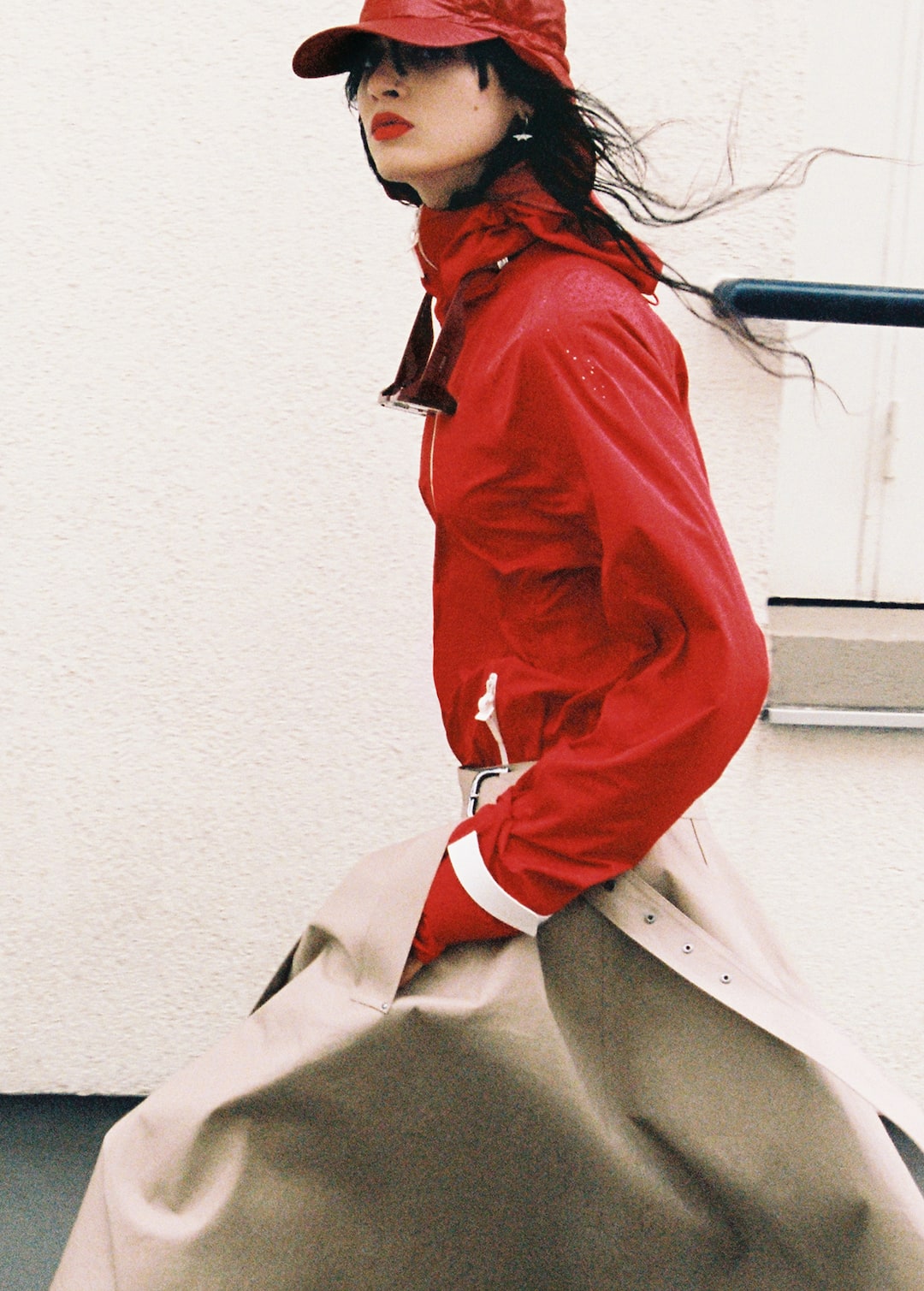
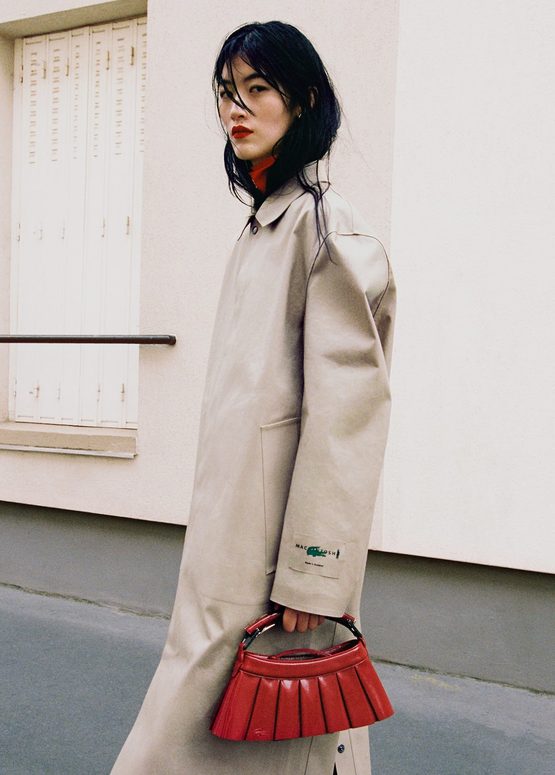
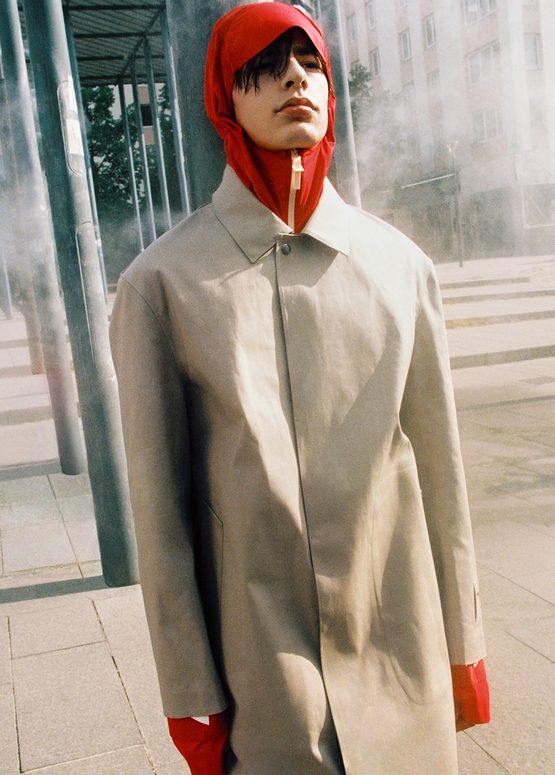
Lacoste and Mackintosh unite sporting heritage with Scottish outerwear craftsmanship in a Fall/Winter 2026 collection balancing waterproof functionality and refined sophistication. Images courtesy of Lacoste.
Rain-resistant tracksuits, trench dresses, hybrid outerwear and polo-inspired pieces draw on techniques associated with both houses while adapting them to contemporary wardrobes. The collaboration is less about introducing futuristic technology than reconsidering existing knowledge.
Mackintosh has spent generations refining protection from weather, while Lacoste itself was born from René Lacoste’s desire to create clothing better suited to movement on the tennis court. Their partnership shows how functionality can evolve without abandoning the histories from which it emerged.
BOSS Takes Tennis Beyond the Court
The latest BOSS partnership with the Australian Open approaches tennis from a different direction, using the sport as the foundation for a broader contemporary wardrobe.
Introduced ahead of the 2027 tournament, the capsule extends from lightweight suiting, bombers and windbreakers to knitwear, polos, dresses and casual separates. Technical influences are incorporated alongside premium materials and more conventional BOSS tailoring, creating pieces intended to move between the tournament and everyday dressing.
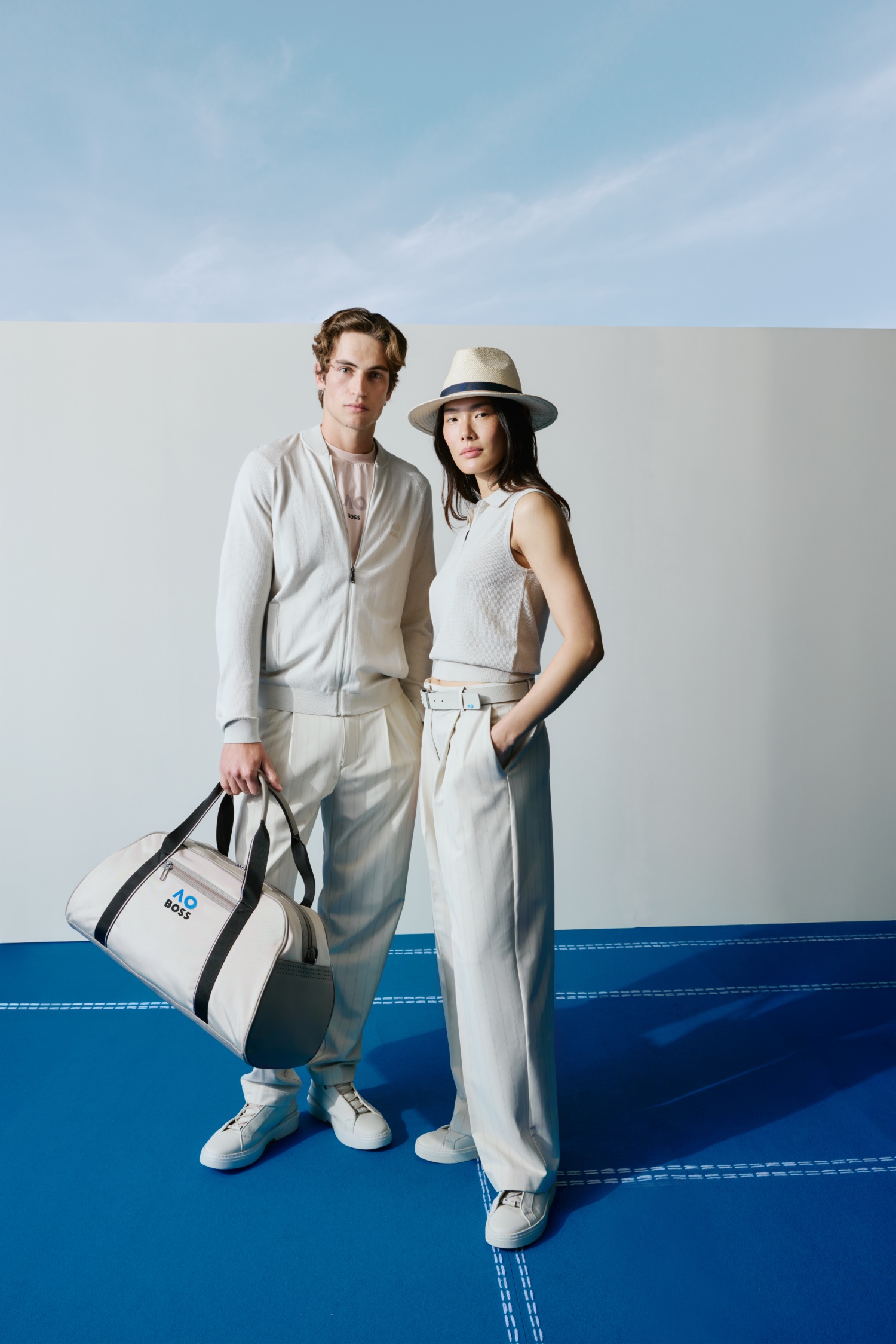
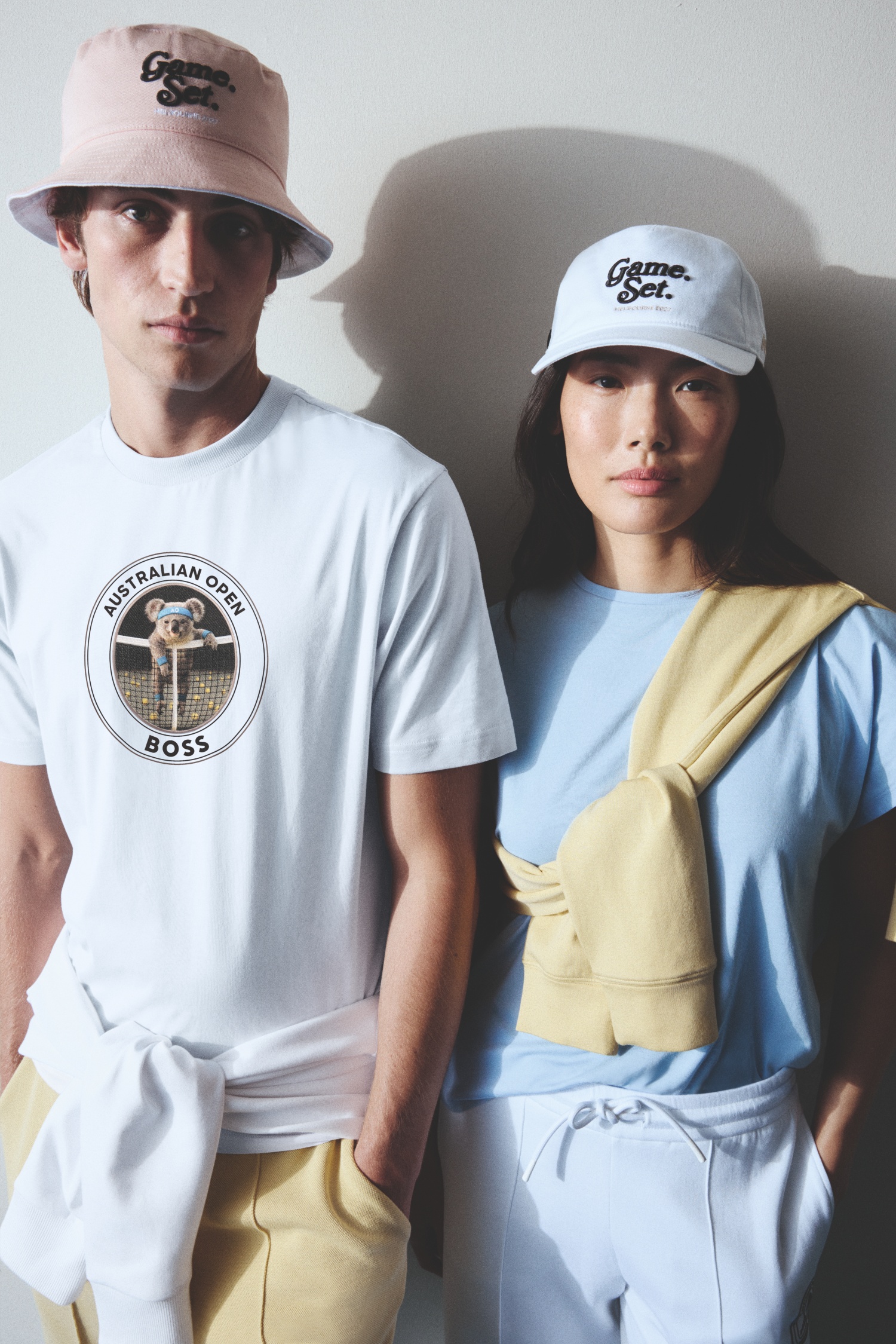
BOSS brings tennis style beyond the baseline with its Australian Open capsule, combining polished sportswear with relaxed courtside dressing. Images courtesy of BOSS.
Its relationship with performance also extends beyond the consumer collection. BOSS has developed performance-driven looks for Australian Open personnel, including umpires and ballkids, using technical fabrics and lightweight construction alongside more polished design codes. Selected versions of the official teamwear will also be available to consumers.
The partnership reflects how sportswear is increasingly influencing the wider wardrobe rather than remaining confined to exercise. Tennis codes provide the starting point, but the clothes are designed with travel, social occasions and city dressing in mind. The shift is subtle but significant: performance-inspired clothing is becoming less about dressing for sport than incorporating the ease and practicality associated with sport into everyday luxury.
adidas and Entire Studios Take Performance Beyond Training
The Fall/Winter 2026 collaboration between adidas and Entire Studios brings the conversation into everyday dressing. Performance staples including Z.N.E., Optimé and Dropset 4 are reworked alongside trenches, bombers, track trousers and training pieces, creating a wardrobe intended to move between exercise and the rest of the day.
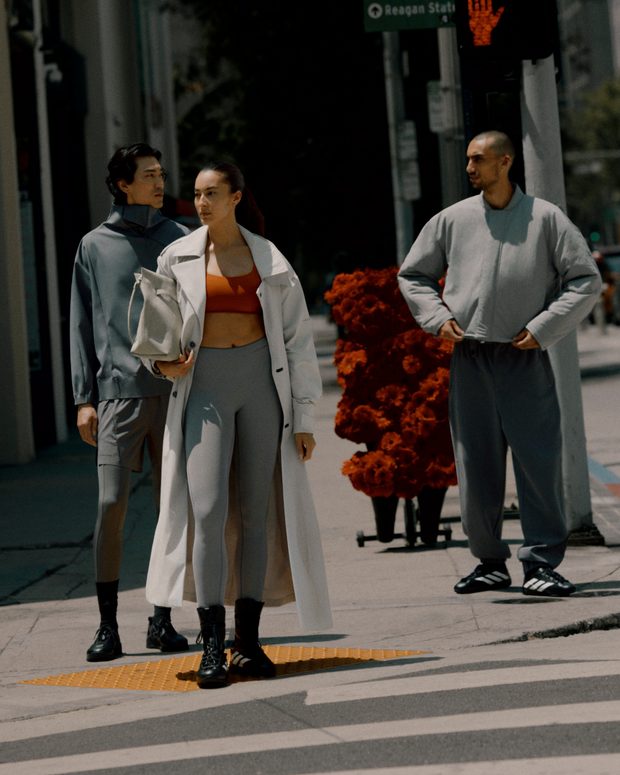
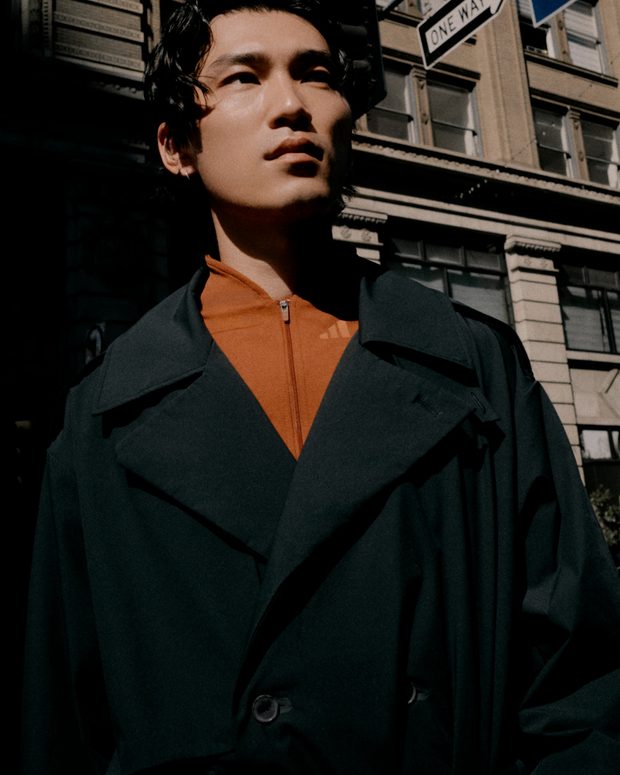
adidas and Entire Studios return for FW26, blending technical sportswear with tailored proportions to create a wardrobe built for modern movement. Images courtesy of adidas and Entire Studios.
The collection reflects a broader change in consumer expectations. Sportswear is no longer confined to dedicated moments of exercise, while fashion is increasingly expected to accommodate more active lifestyles without sacrificing design.
The appeal lies in integration rather than casualisation. Technical construction becomes part of an everyday wardrobe instead of remaining visually or functionally separate from it.
Nike and Melitta Baumeister Push Sportswear Into New Forms
Nike’s latest collaboration with Melitta Baumeister approaches sportswear from a more experimental direction. The collection extends beyond footwear into sculpted track jackets and trousers, a reversible puffer and the Rift Rocker, translating Baumeister’s interest in exaggerated volume and construction into familiar athletic categories.
Here, fashion does not simply refine sportswear or make it appear more luxurious. It changes its proportions and visual language while retaining the functionality associated with performance clothing.
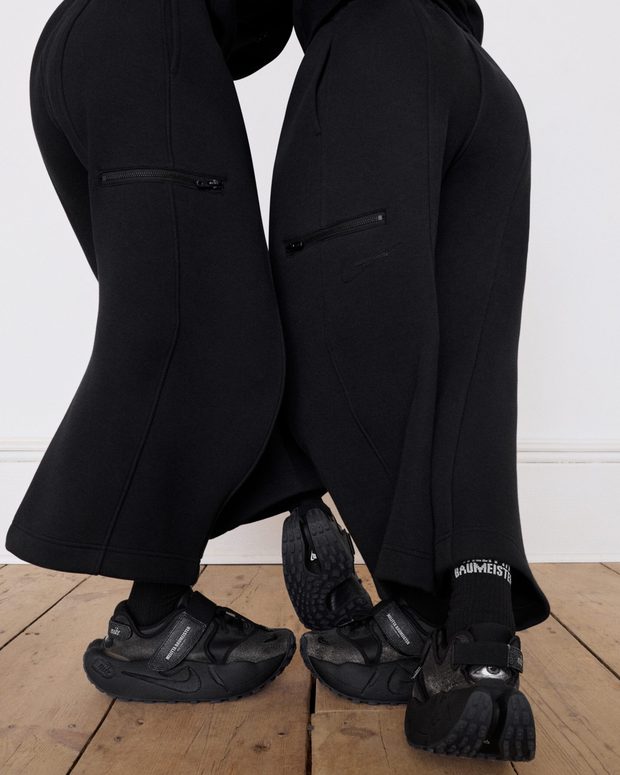
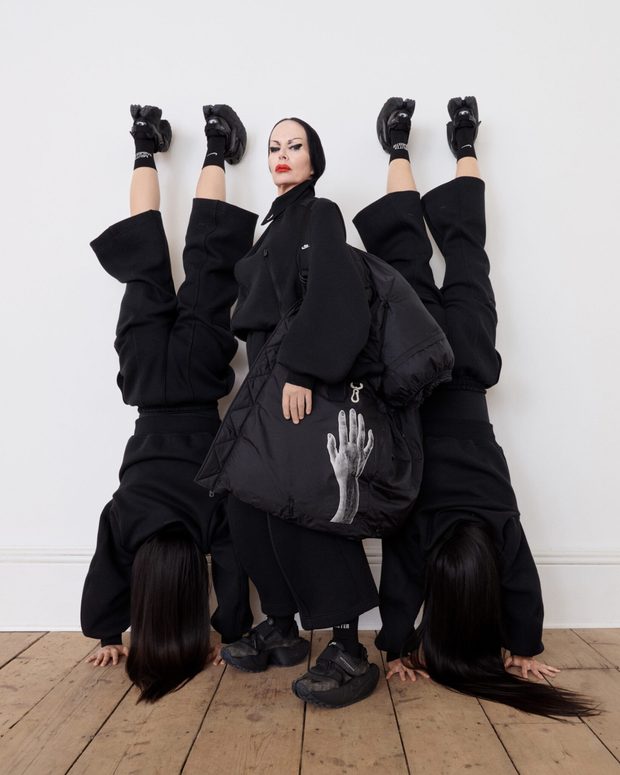
Melitta Baumeister and Nike push sportswear into sculptural territory, combining experimental forms, artisanal detailing and technical performance across footwear and ready-to-wear. Images courtesy of The Council of Fashion Designers of America (CFDA).
The result shows how the exchange between fashion and sport has become increasingly reciprocal. Technical apparel provides designers with new materials and construction possibilities, while fashion encourages sportswear to move beyond established ideas of what performance clothing should look like.
Lululemon Expands the Meaning of Performance Retail
The evolution is also taking place beyond product. Lululemon reopened its expanded ION Orchard store in November 2026, returning to the location where the brand opened its first Asian store in 2014. The new 5,821 sq ft space introduces its latest global retail concept to Singapore, combining product, personalisation and areas intended for community activity.
The reopening was supported by programming around yoga, running, training and reformer Pilates, reinforcing Lululemon’s long-standing strategy of connecting retail with participation.
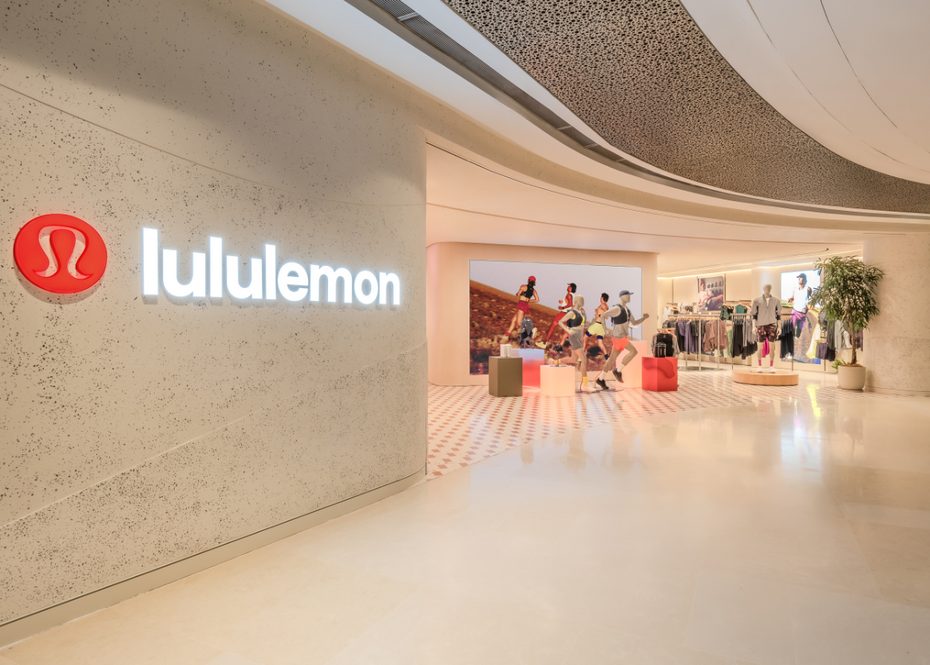
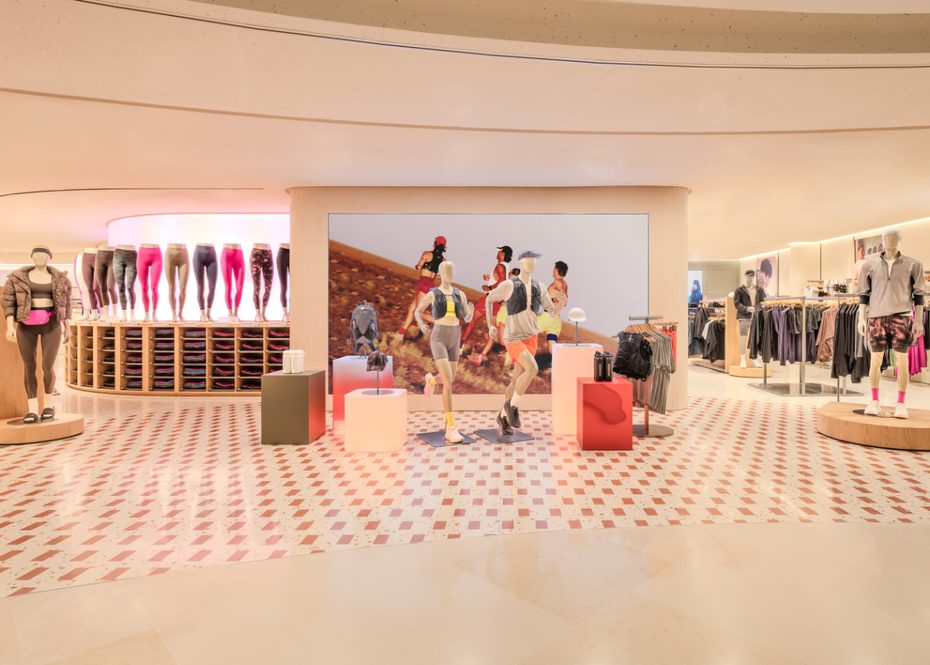
For premium sportswear, the store is increasingly becoming more than a place of transaction. It can operate as an extension of the activity around which the brand has been built.
The approach is particularly relevant in markets such as Singapore, where wellness, fitness and premium retail increasingly occupy the same consumer space.
Performance Becomes the New Measure
The rise of luxury sportswear brings opportunity while raising its expectations. Consumers who run regularly, play tennis seriously or understand technical outerwear already know how specialist products should perform. They recognise differences in cushioning, breathability, construction, weight and protection. Fashion therefore enters these categories under greater scrutiny than when sport functioned primarily as visual inspiration.
The relationship between the two industries has also become more balanced. Sports companies once looked to fashion for cultural relevance beyond the gym or playing field. Luxury houses now increasingly look in the opposite direction for technical expertise, athletic credibility and a closer relationship with the way consumers actually live.
From professional competition to everyday tailoring and community-driven retail, the strongest developments are moving beyond the familiar idea of athleisure. Performance, material knowledge and functionality are becoming part of the value proposition rather than additions to it.
For luxury fashion, progress may ultimately be measured not only by how clothing looks, but by how convincingly it responds to the lives being lived in it.
For more on the latest in luxury fashion and style reads, click here.