Tech Innovations in The Design World
In the realms of architecture, interiors, furniture and lighting, a profound shift is underway where intelligence and integrity blend into design.
The next chapter in architecture and design is here, driven by tech breakthroughs and a fundamental respect for our planet’s resources. Circularity is the new currency and LUXUO examines the evolving landscape of design that is moving at a breathtaking pace. Driven by technological innovation and a non-negotiable commitment to the planet, the fields of architecture, interior, furniture and lighting are being redefined.
Porcelain Induction Hob
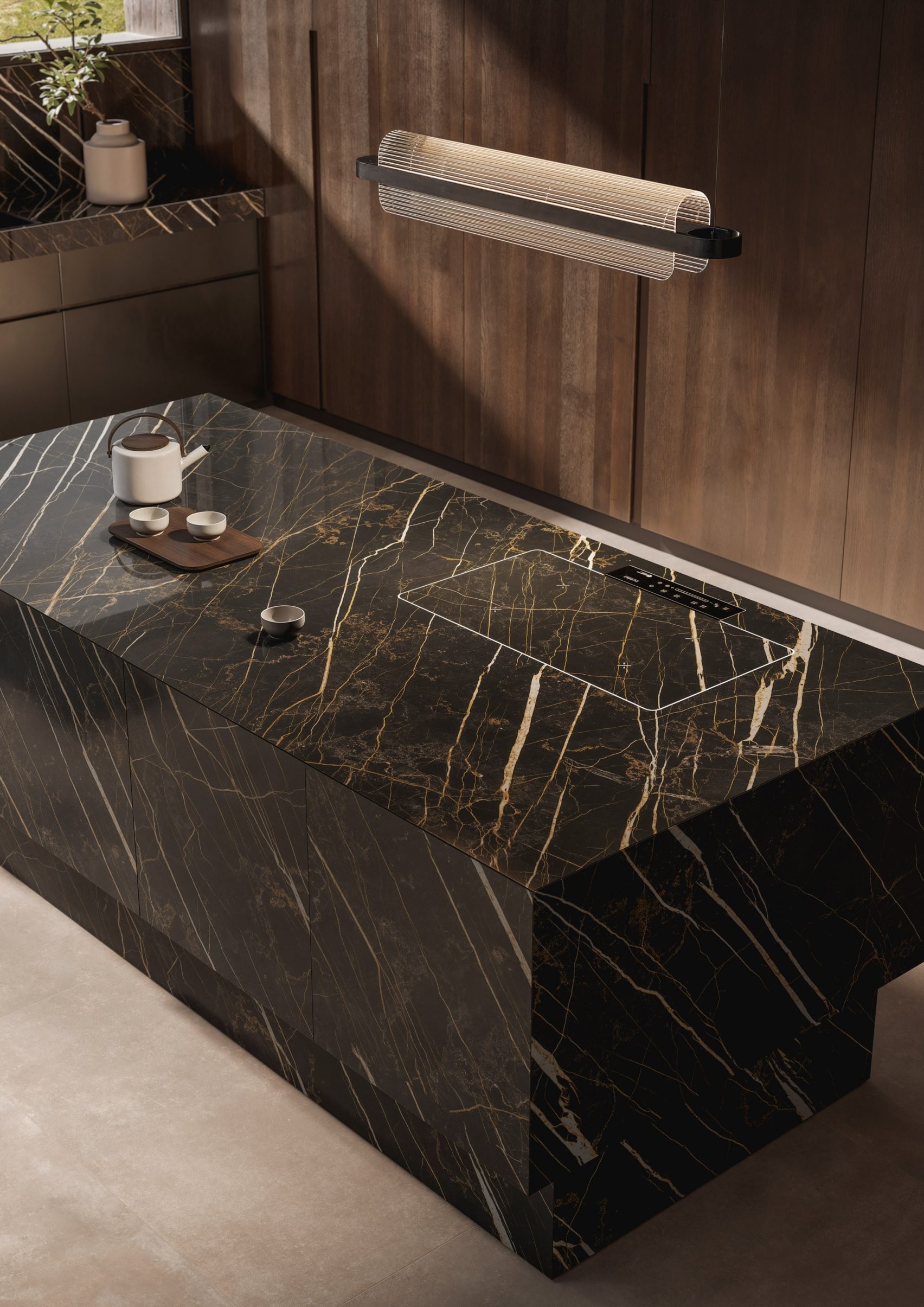
Casalgrande Padana’s Ghost cooktops blend into kitchens; they practically vanish. Instead of a typical stovetop, these use a unique coating on porcelain — so when turned off, the surface looks like regular counter space. It is a smooth, unified design where the cooking area becomes nearly invisible. Imagine a countertop where everything flows together — a single, seamless plane. It works alongside any style, creating a look that feels complete. Rather than being broken up by a typical cooktop, kitchens become smooth, beautiful spaces. Ghost combines powerful induction cooking with the clean lines expected from upscale designs, delivering simplicity to today’s homes.
Chair With Circularity Process
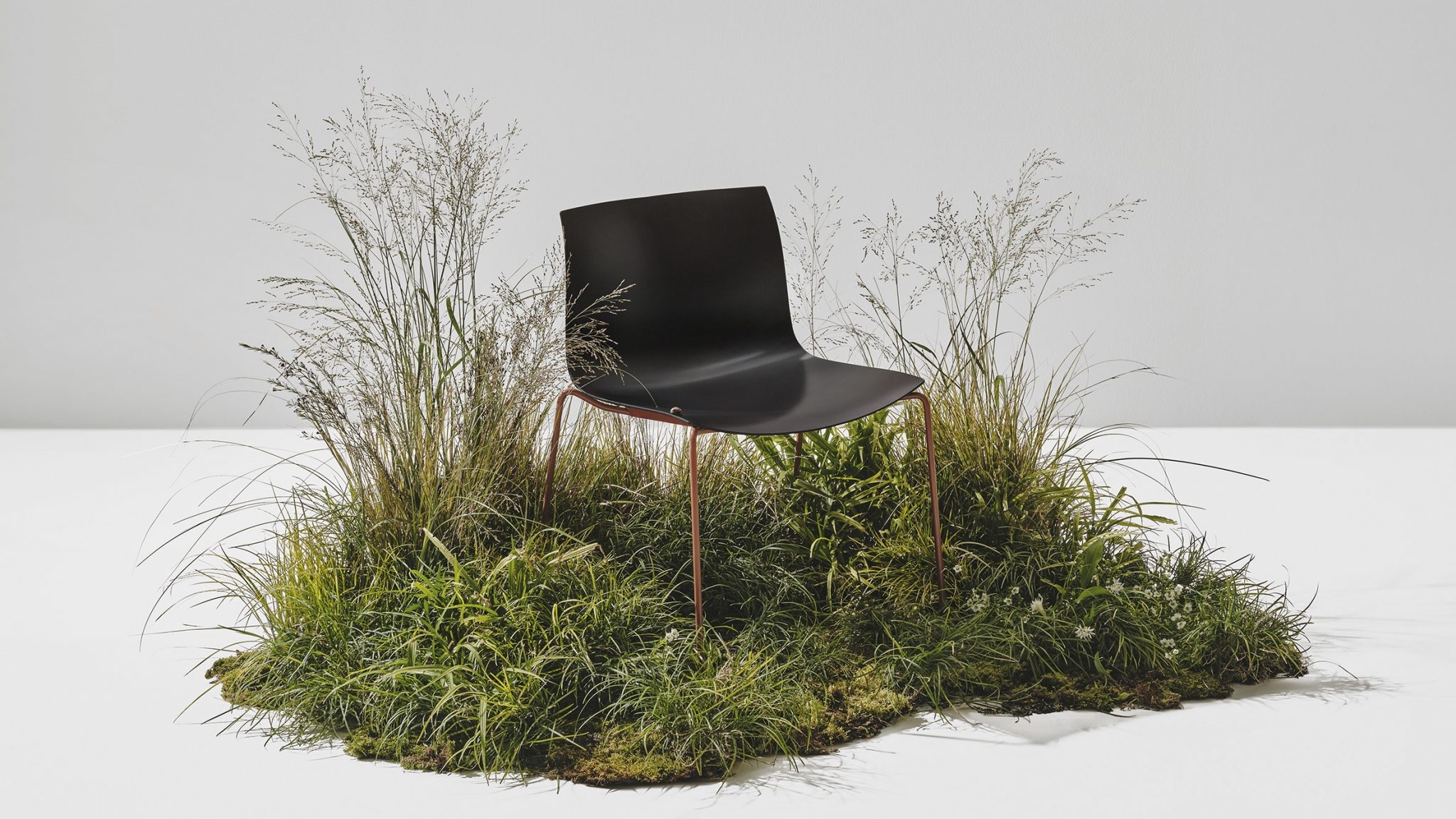
The Catifa chair’s original design was conceived in 2004 and has been a successful and iconic product of Arper. With the world on a seismic shift towards eco-friendly materials and circularity, the brand hit the ground running. Thus, the “Catifa Carta” is an iteration of the chair from the Catifa family, one that is planned around careful design and future-forward materials and processes deployed at Arper. The chair is fundamentally built around “Carta” — a strong fabric made from repurposed cardboard alongside wood, offering both comfort plus a natural feel. What really sets this chair apart is how it can be disassembled easily.
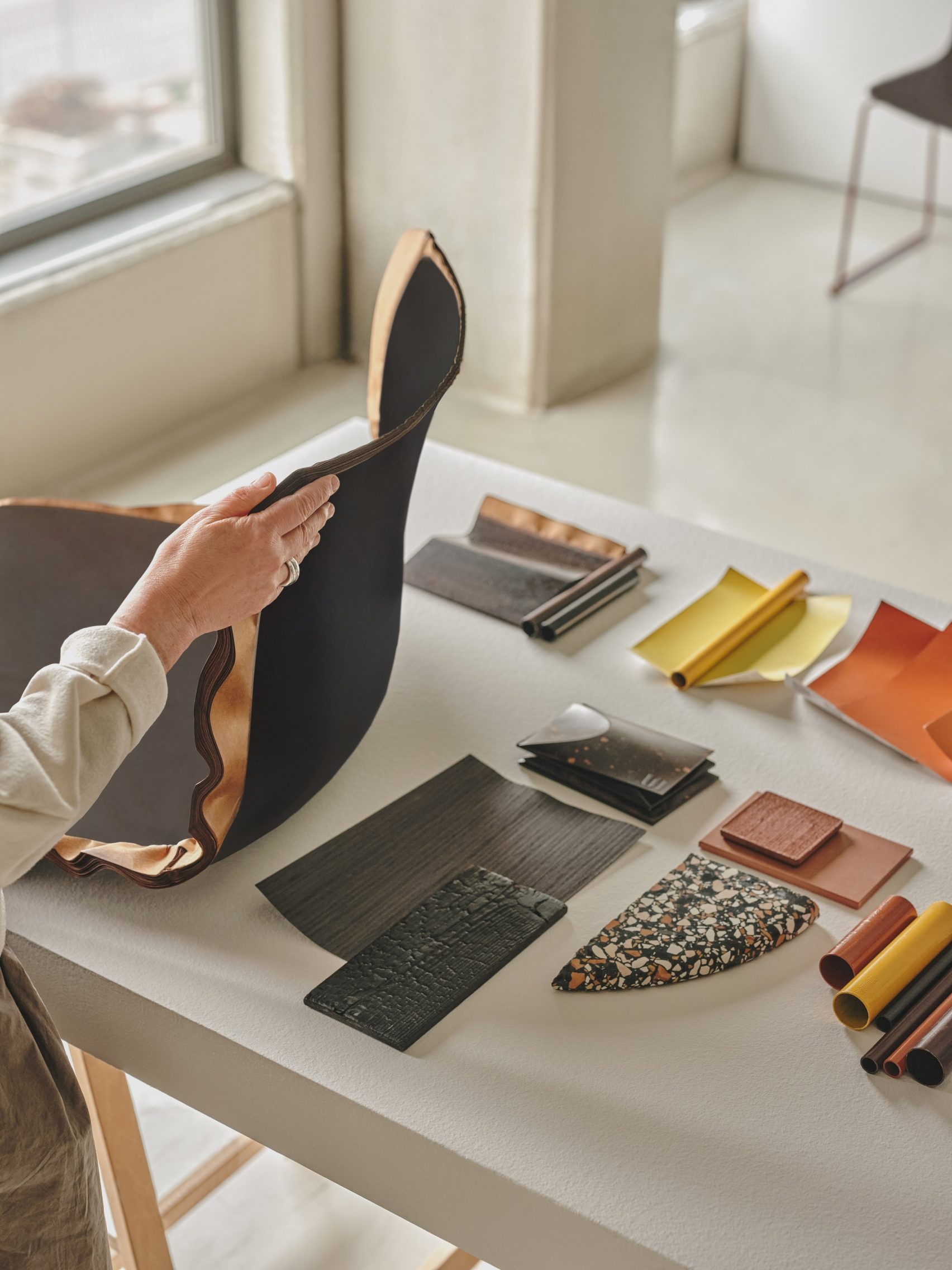
It is brilliantly designed to be taken apart into its pieces — nothing is glued or stuck together forever. The seat clicks into the light, strong aluminium frame using an easy latch; no tools needed. Just one simple pull divides its existence into two. That split — a turning point in its repeating cycle — lets the chair’s paper component begin again. Freed, it dissolves naturally within composting facilities and becoming food for the soil. The sleek aluminium shell can be melted down and to be reused endlessly while maintaining its strength. From there, it emerges prepared to support new creations, flowing through a continuous cycle of resourceful design.
Eco-Padded Luxury
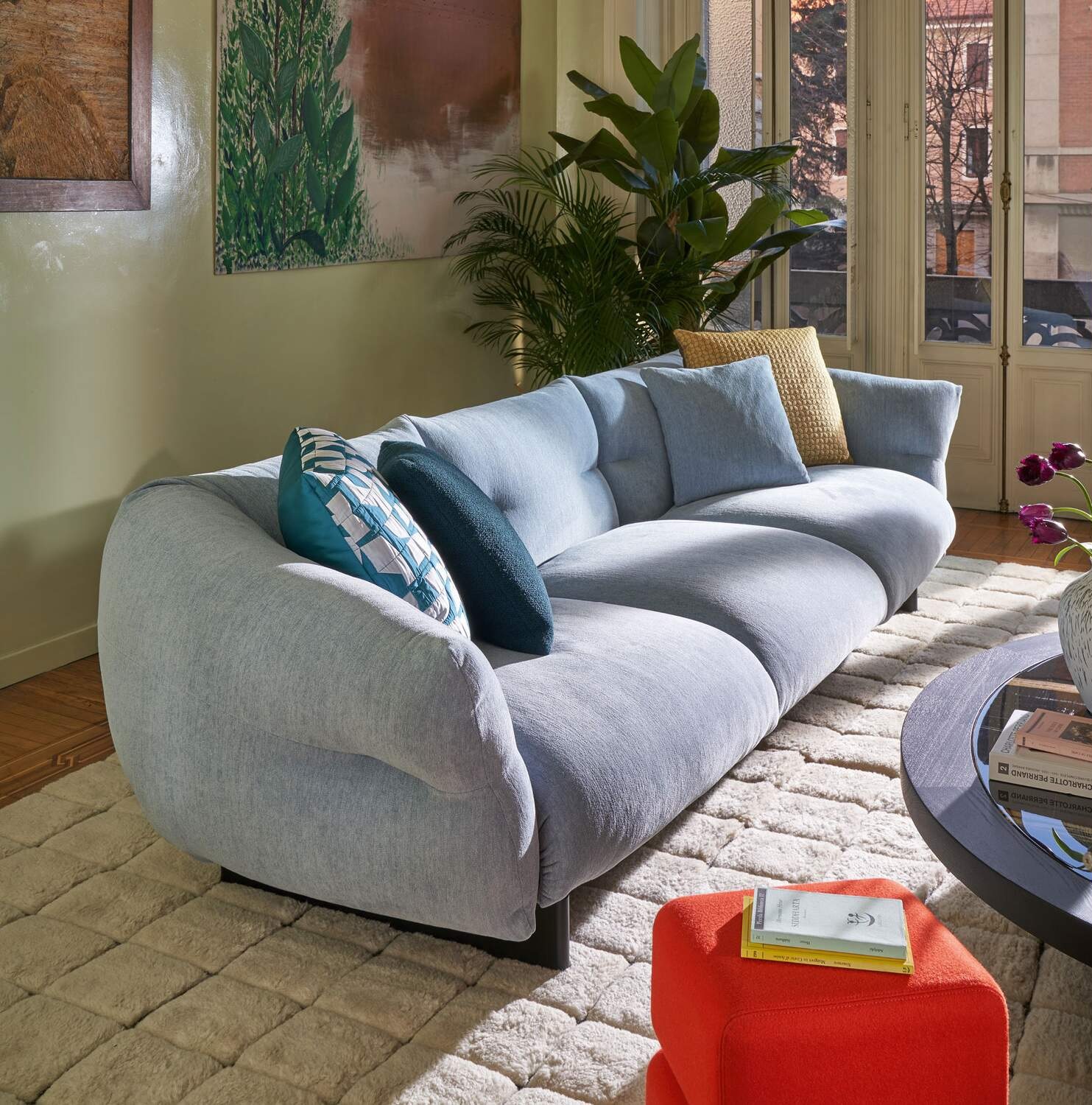
The Mon-Cloud sofa by Patricia Urquiola for Cassina offers a relaxed space built on comfort — a new take on what sofas can be. Rather than feeling heavy, the sofa seems to float; its wood base lifts cushions from the floor. Distributed by W. Atelier, the Cassina Mon-cloud sofa gains charm from how its fabric drapes over its shape. Inside, a metal frame rests on cosy padding crafted from recycled materials — like being hugged by the arms and back. Even the comfortable seat cushions are built using these same recycled fibres.
Mon-Cloud contains just a few pieces crafted from Circularrefoam — a polyurethane built with some reclaimed material. These sections snap in — not stick — so taking apart the sofa for reuse is straightforward. Because nothing is glued, the entire thing comes undone when it reaches the end of its usefulness. Mon-Cloud expands its range — introducing a roomy corner piece alongside ottomans, benches and also armchairs — crafting a flexible living space suited for today. Since 2019, Cassina — working with Politecnico di Milano — has pioneered eco-conscious design. Their study of Italy’s furniture sector seeks out problems then devises custom solutions promoting sustainability.
Singapore’s First 3D-printed Home
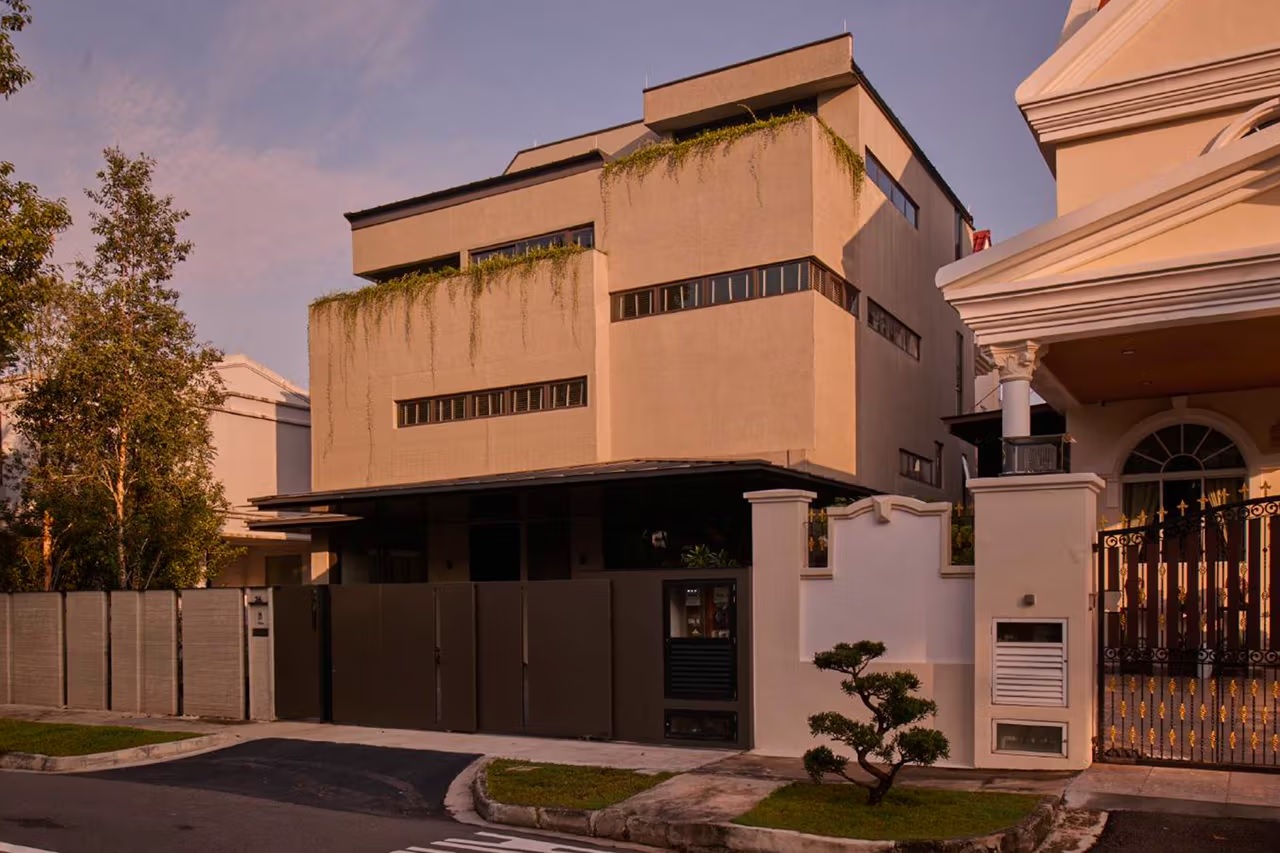
A pioneering home — Singapore’s initial 3D-printed dwelling — resulted from work by Park + Associates alongside QR3D, marking a leap forward in how things are built. Its standout quality? A distinctive, naturally shaped exterior resembling rock formations whereby constructing such an intricate design using traditional techniques would have been prohibitively expensive. Instead, robots printed the whole 23-square-metre building remotely, creating it as two sizable, unified sections utilising a specialised concrete blend.
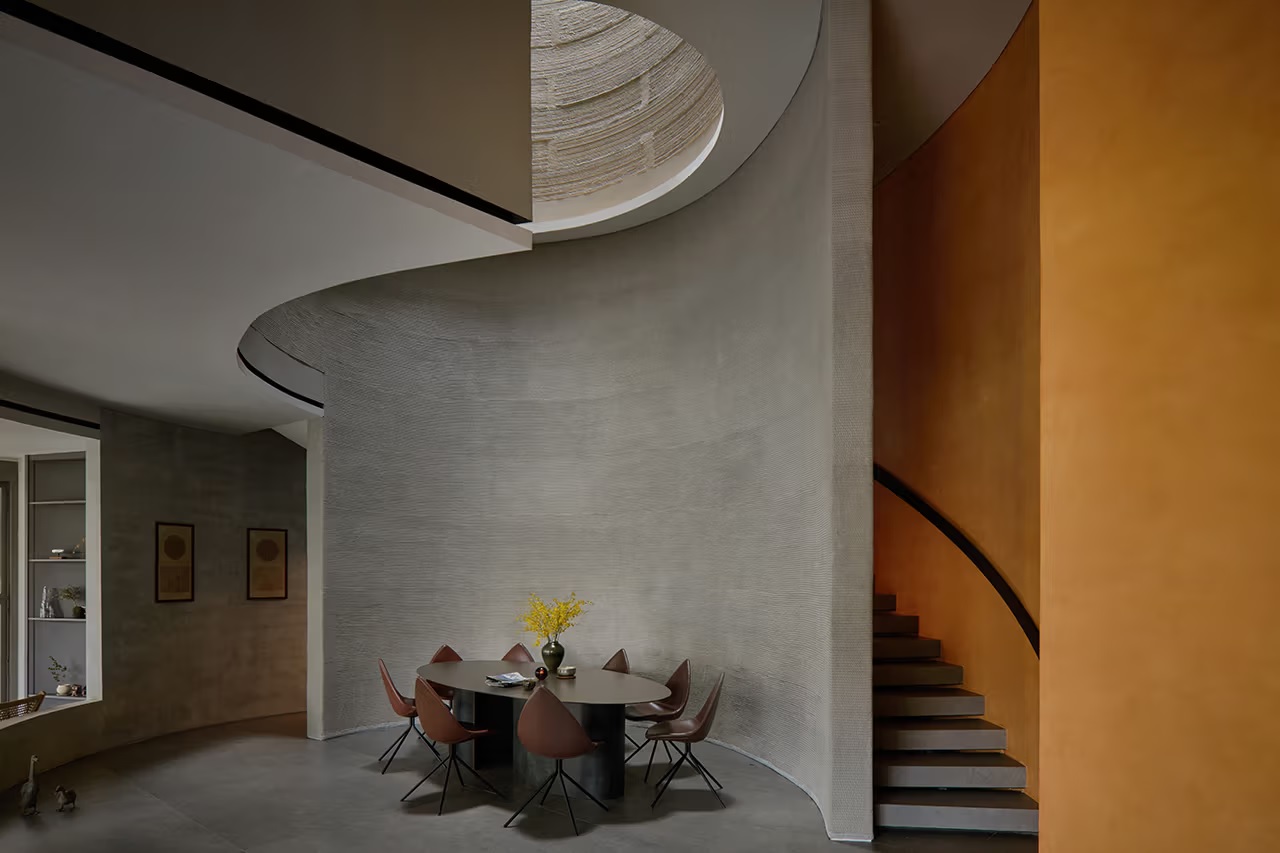
Walls emerged from the printer bearing their own patterns, standing alone without needing wood moulds and resulting in less scrap too. This build showcases how 3D printing goes beyond basic structures to fashion an entire beautiful house quickly, proving a fresh way to sustainably construct in Singapore.
High-tech Poetic Lights
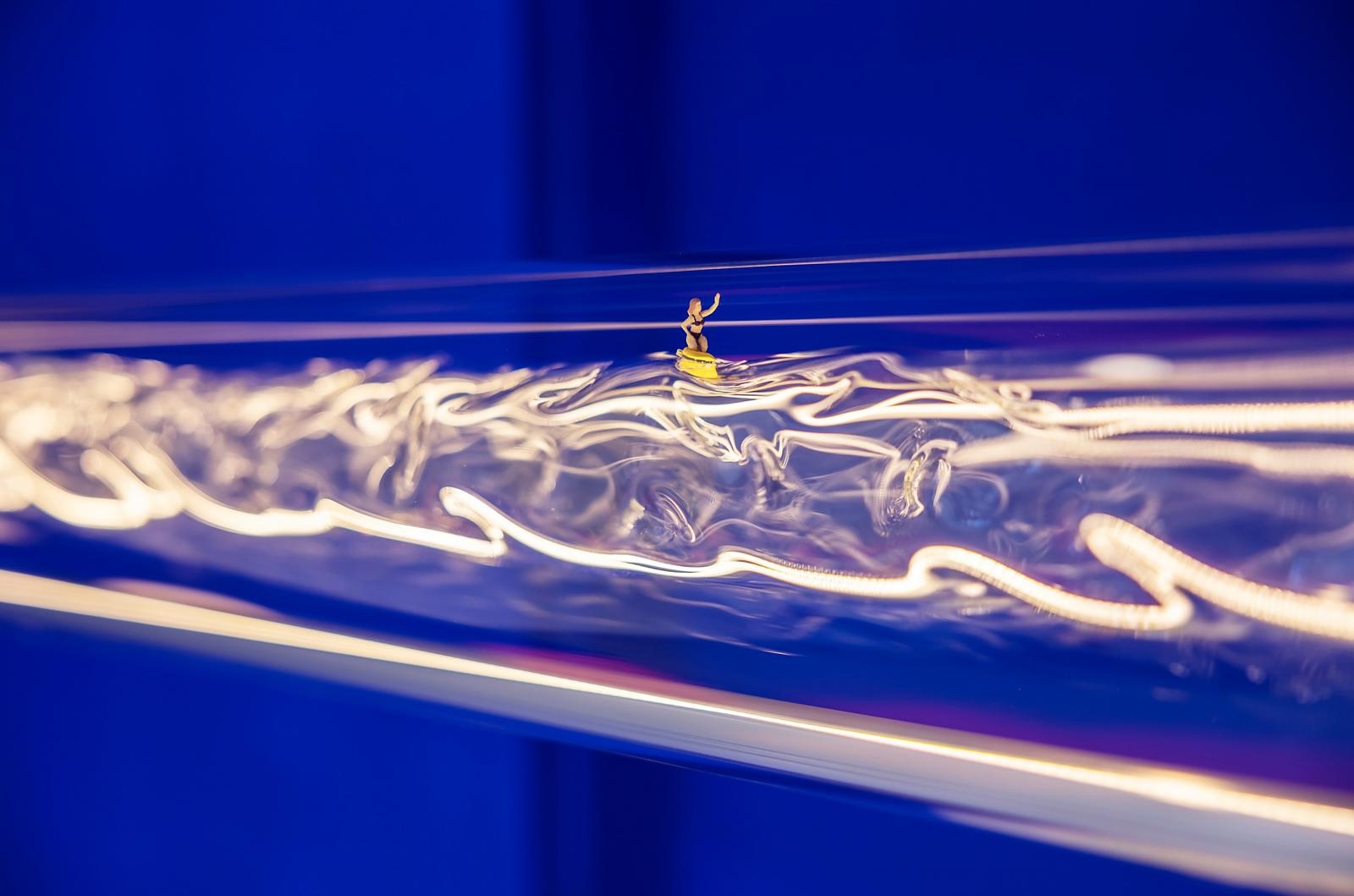
Ingo Maurer does not simply illuminate spaces; they craft moments, mirroring what we recognise. During Copenhagen’s 3daysofdesign, the company showcased both fresh ideas alongside beloved pieces from their lighting range. Spotlighting the occasion were newly revealed lamps — “Shhh!”, “Jasna Kuchnia”, and “Nalum”. They each ask what light does and defines how we see it.
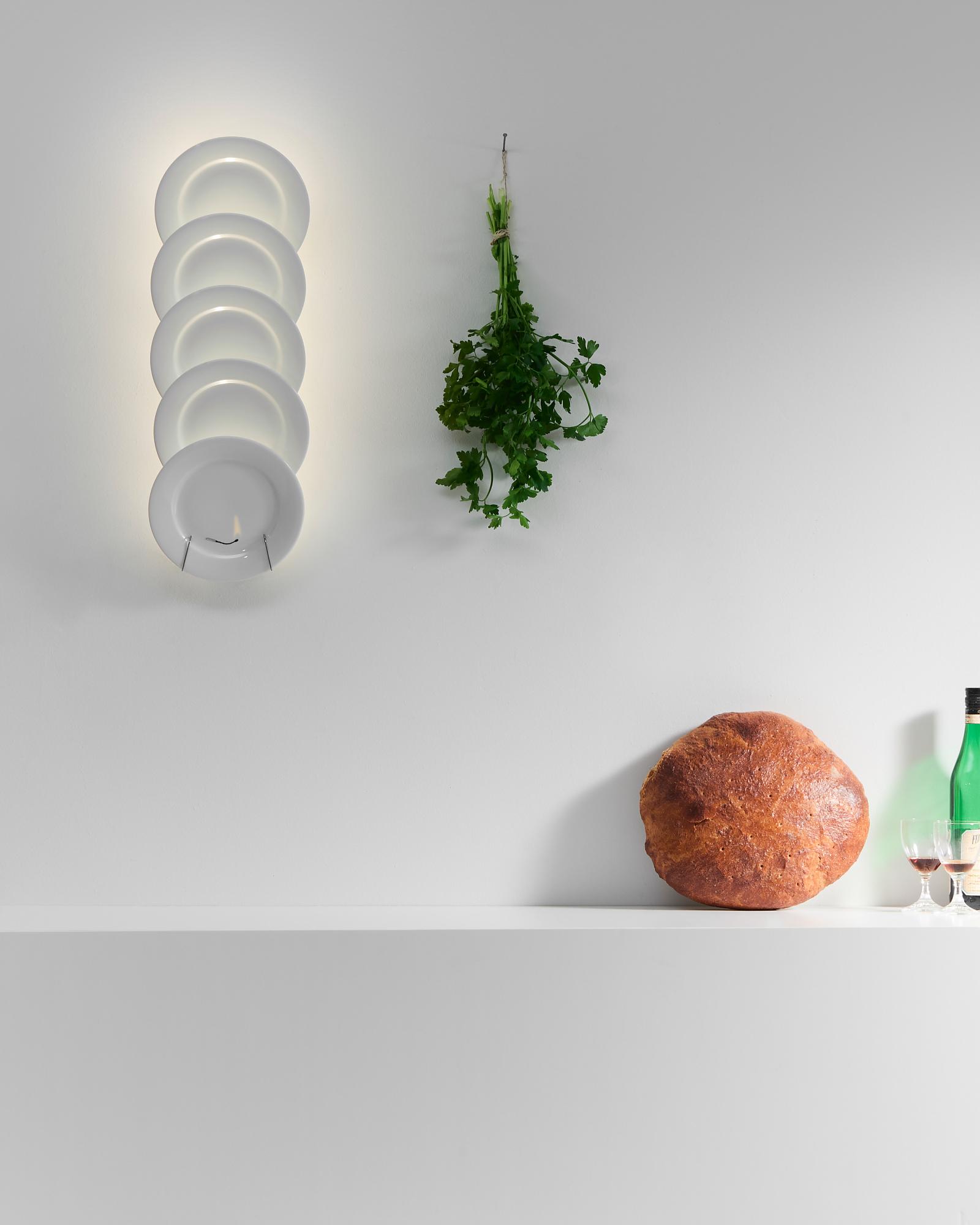
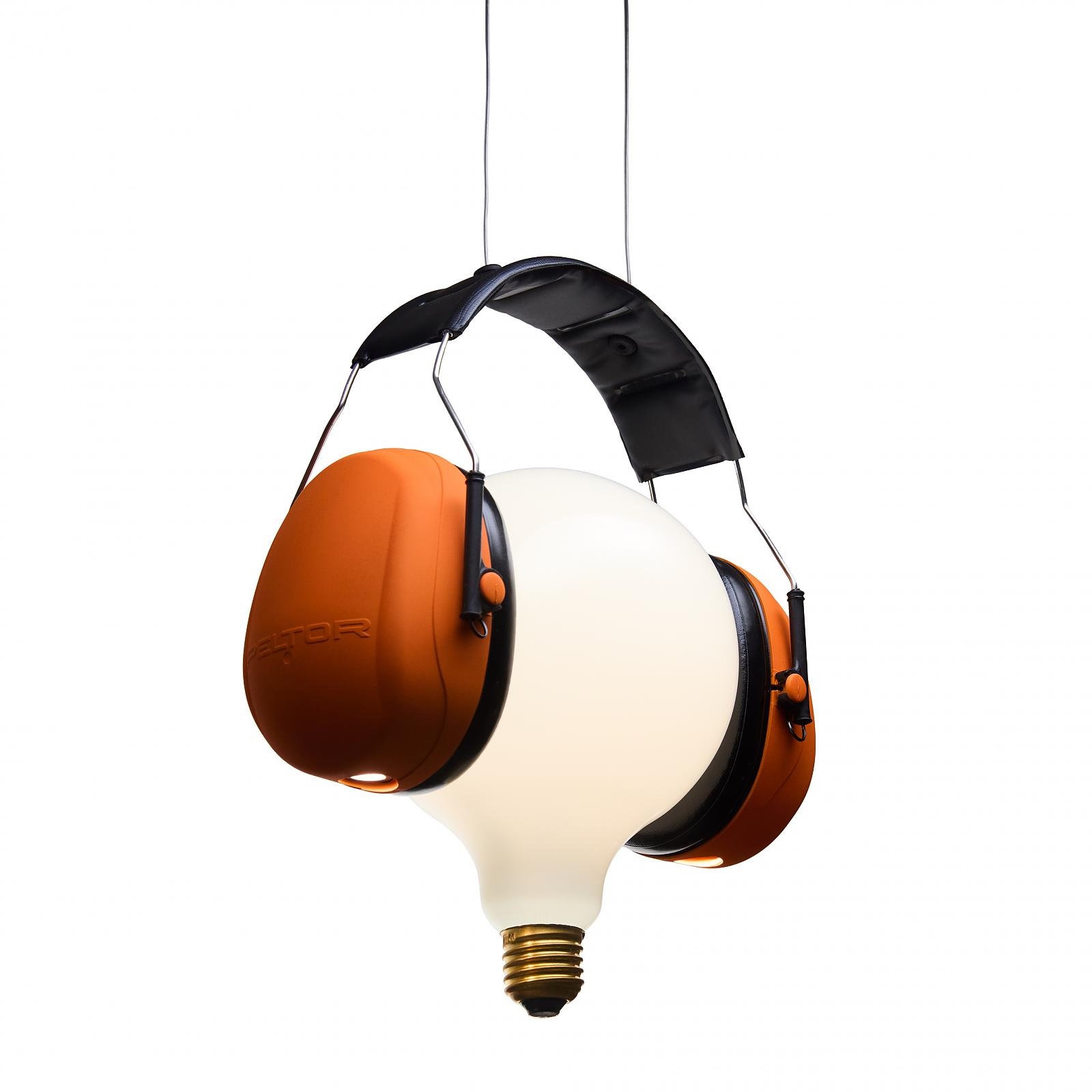
Nalum’s design features a hanging lamp — glass shaped like flowing water — with a surfer girl riding on light-strip waves made of aluminium. Meanwhile, “Shhh!” imagines a light bulb needing quiet time, complete with headphones. The “Jasna Kuchnia” — literally, “bright kitchen” in Polish — features porcelain plates mounted on walls; they gleam a bit funny, yet intentional. Alongside two others, this setup demonstrates how lovely light becomes when seen differently. It embodies the brand’s spirit: inventive materials, cheerful forms coupled with clever illumination.
Buildings That Are Grown, Not Made
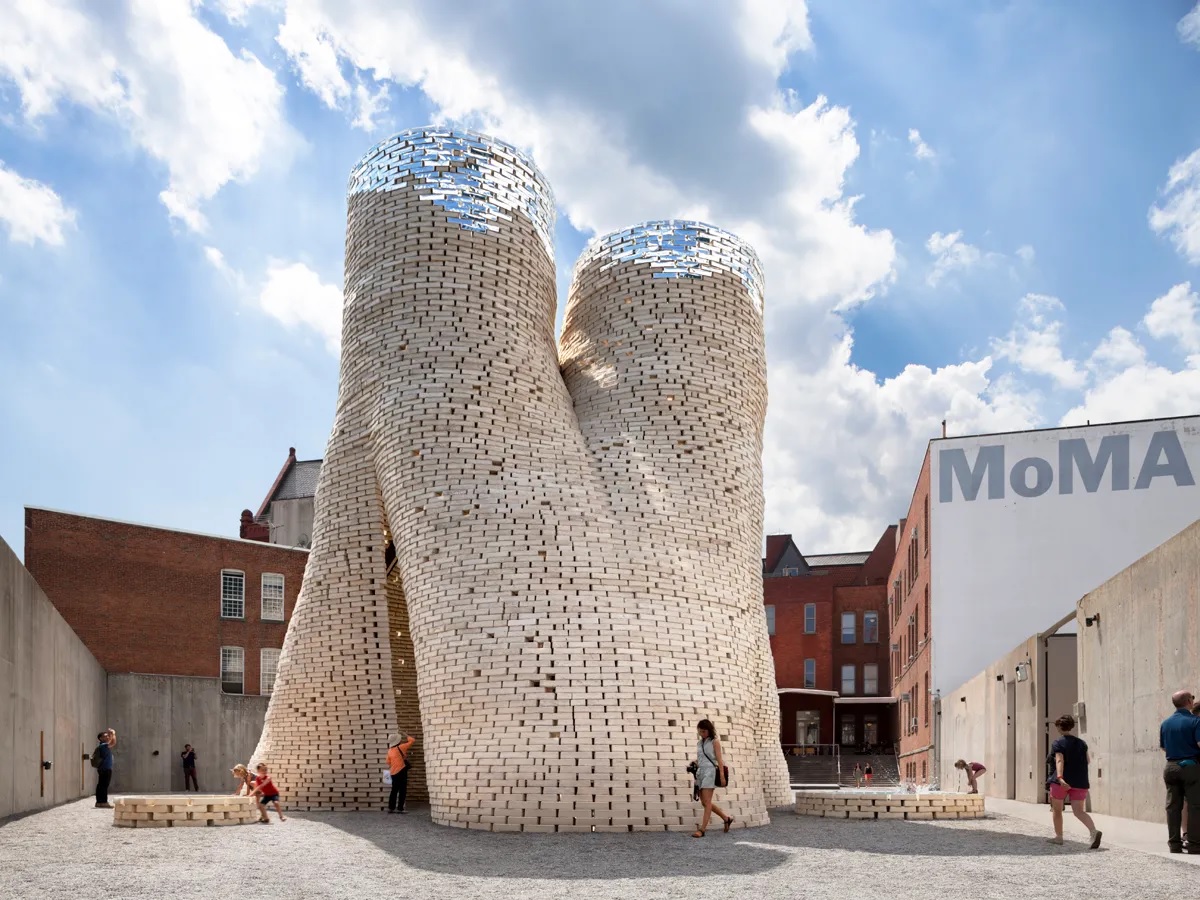
The Living built Hy-Fi in New York City is a towering 40-foot-high structure, grown instead of made. Imagine urban areas blossoming upward — not hammered together, but coaxed from the earth. It is mycelium — the unseen network beneath mushrooms — that sparks this new vision for how we build. Folks are combining mushroom roots with discarded bits from farms like rice hulls or straw. They then pack this mixture into moulds, letting the fungus expand — naturally fusing things as it goes.
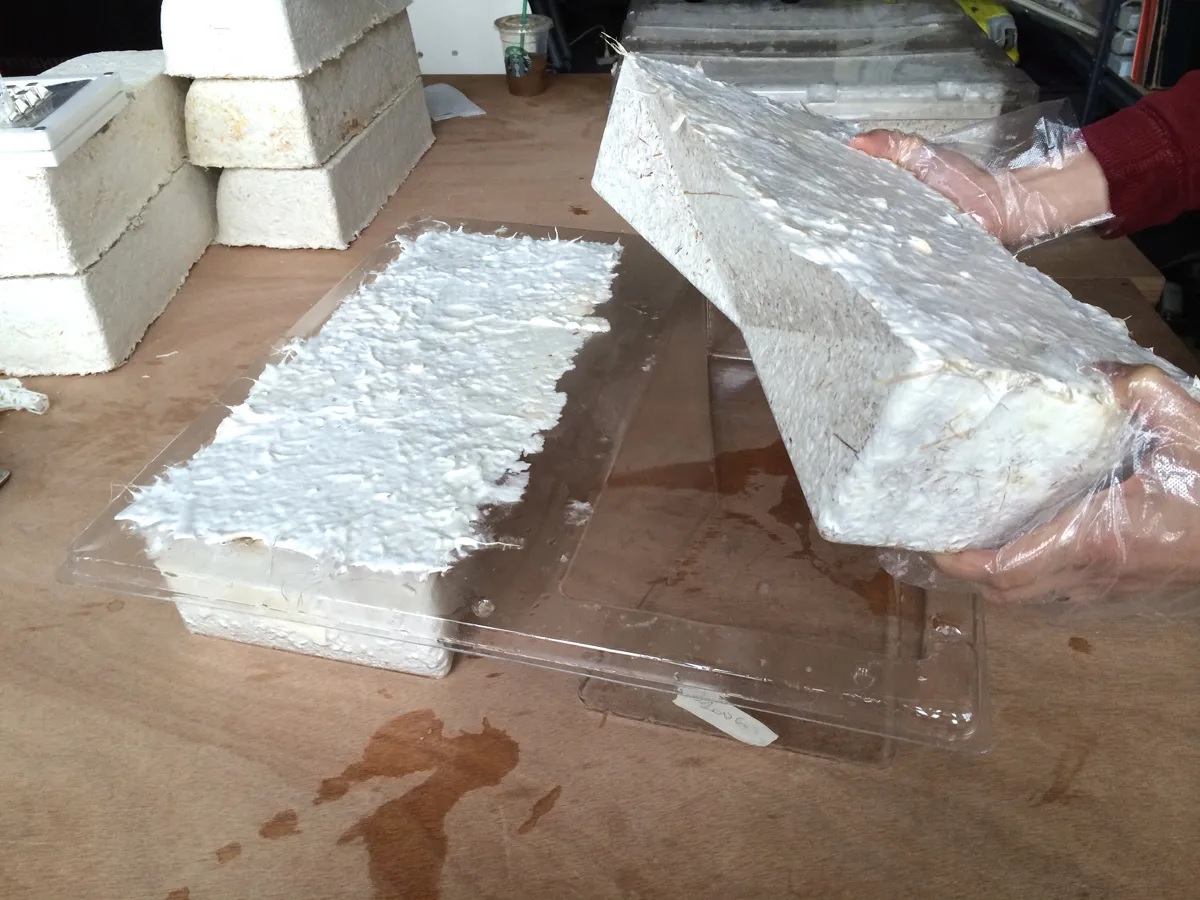
Soon, a surprisingly strong, lightweight construction materialise — brick-like forms cultivated from mushrooms that can even resist fire. These pieces simply snap into place. This is important as they do not demand much energy when grabbing carbon, yet are made to endure without harming the planet. Picture structures meant to dissolve back into the natural world. Buildings do not end in rubble; they disassemble while feeding the ground. This is not simply about doing less harm, it means buildings join a constant flow with nature — growing, decaying, beautifully alive from the very beginning.
Sugar-based PLA Plastic
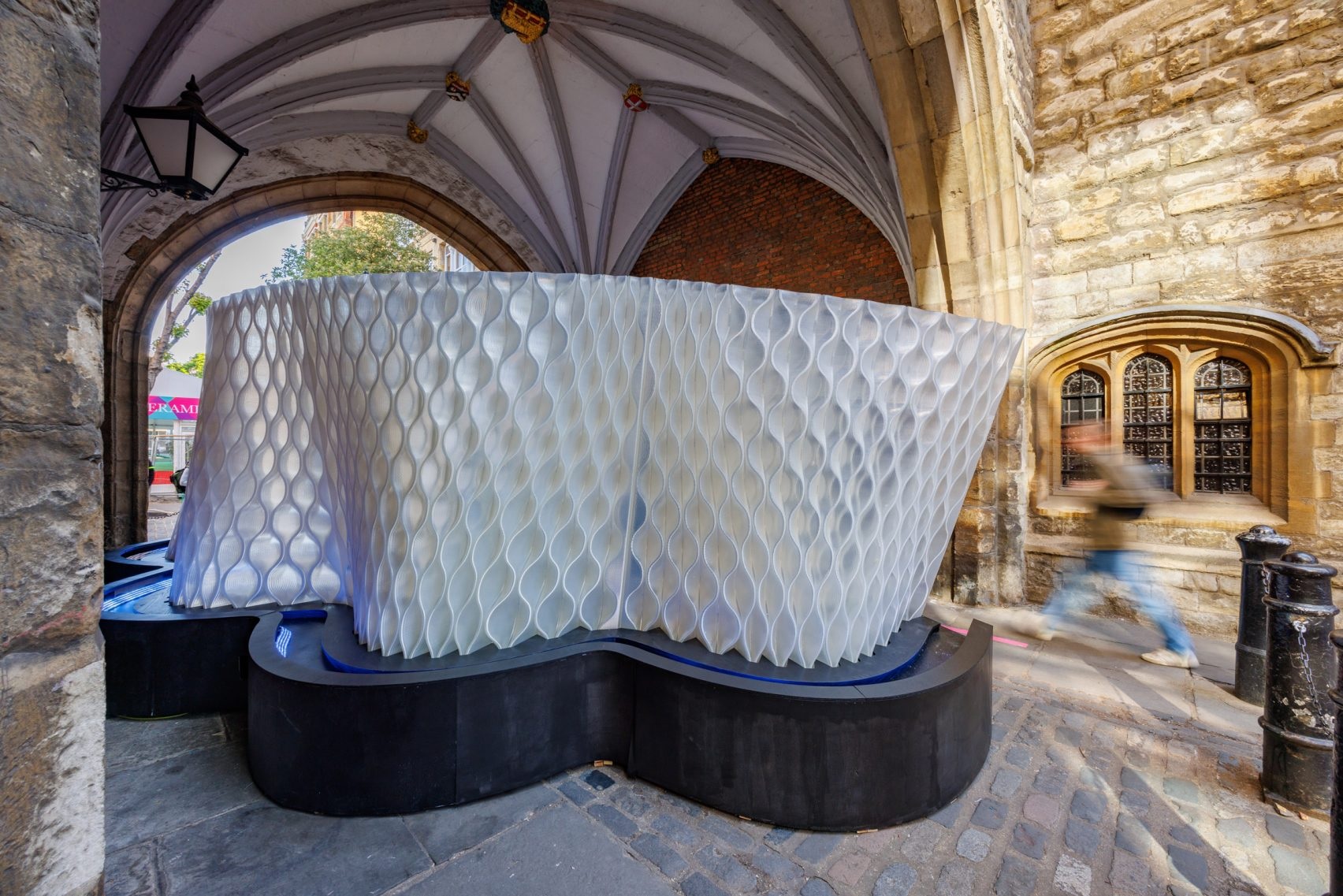
Arthur Mamou-Mani’s “Harmonic Tides” at Clerkenwell Design Week 2025 was not just a corridor, it was a glimpse into sustainable building. The 12-metre tunnel — built entirely from 3D-printed sugar plastic — curved overhead with crystalline forms. However, its impact came from blending visuals, soundscapes alongside tactile surfaces. Woven lights bent into forms, their hues forever flowing. As people moved, tunes crafted by Ana Roman-Diaz responded, mirroring each shift. Consequently, vision, melody and architecture blended dynamically. “Harmonic Tides” demonstrated that structures can evoke emotion while remaining intelligently built, shaped by light’s rhythm and alive with feeling.
Small Living Kitchen Design
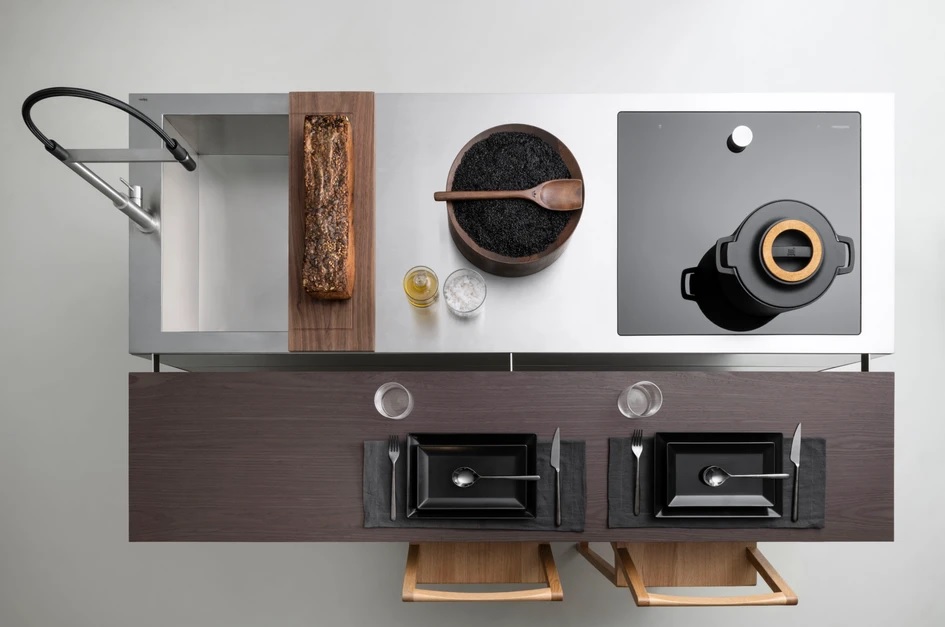
Winning the Best Kitchen design at the 21st Elle DECO International Design Awards (EDIDA), Falper’s Small Living Kitchens — designed by Andrea Federici — redefines compact spaces through intelligent, modular design. Its standout innovation is a transformative “magic flap” — a rotating element that conceals or reveals the sink and hob, instantly converting a culinary workspace into a clean, expansive counter for living or dining. This core feature maximises minimal square footage without compromising on high-end performance or aesthetics. The system emphasises customisation and material quality, offering various configurations and finishes to seamlessly integrate into open-plan living areas. It effectively merges the technical requirements of a kitchen with the elegant, uncluttered feel of contemporary furniture, making it a perfect solution for urban dwellings.