The Shein Paradox: When Innovation Becomes Counterproductive
Shein champions itself as a fashion-tech innovator, yet its model of speed and scale exposes the dark underbelly of modern innovation.

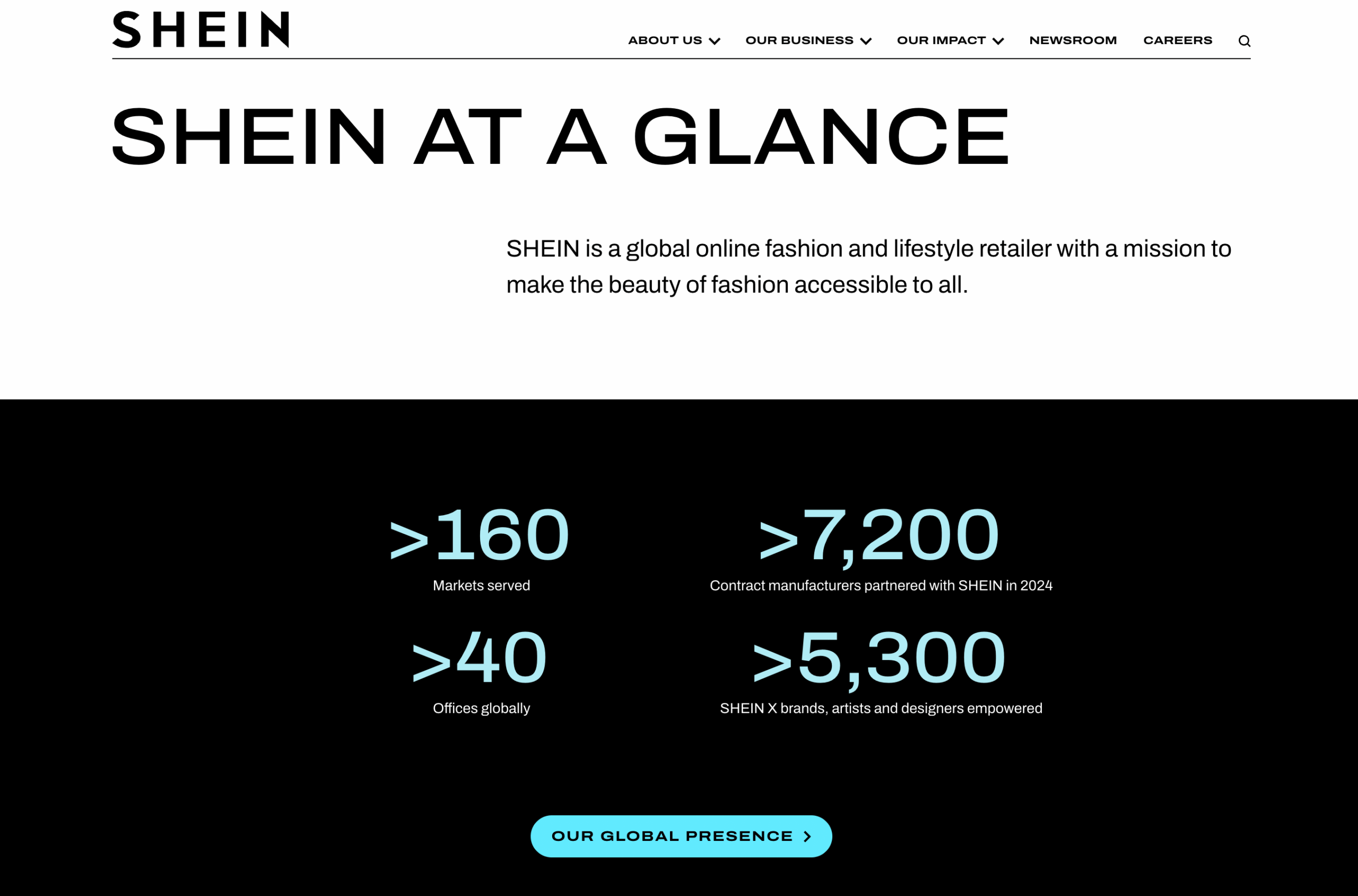
With a reported valuation of approximately USD 30 billion, Shein presents itself as an innovation-driven fashion tech company rather than a conventional clothing retailer — with data analytics, real-time design systems and ultra-responsive supply chains. Despite what may appear to be a high valuation, USD 30 billion is more than than two-thirds lower than its 2022 valuation of USD 100 billion. This slash comes amidst pressure of its long-anticipated initial public offering (IPO) in London where potential investors are calling for a more realistic figure to ensure the listing’s success. It is import to note that Shein has not publicly disclosed its current valuation and therefore these facts are speculative estimates based on investor filings and market reports.
For a company that claims to be at the forefront of ecommerce innovation and rakes in (relatively) high profit margins, why does it face its fair share of ethical, environmental and reputational issues? It is because this very innovation has led to the industrialisation of disposability or what experts coin as an “innovation paradox” where technological progress fuels environmental and social regression. In some circumstances, when innovation becomes synonymous with speed and volume, it ceases to be progress.
Read More: Is Fashion Losing Its Soul to AI?
Cheap Clothes, Costly Consequences
Shein’s algorithm-driven system — scanning data, replicating trends in hours and using AI to forecast demand — is often cited as a triumph of tech efficiency. However, in reality, it is efficiency without ethics. In some circumstances when innovation is unmoored from accountability, it becomes a vehicle for exploitation. The brand’s data innovation creates a feedback loop of overconsumption, accelerating demand instead of tempering it. This raises a provocative question: Is “innovation” still progress if it worsens global problems it could have potentially tried to solve?
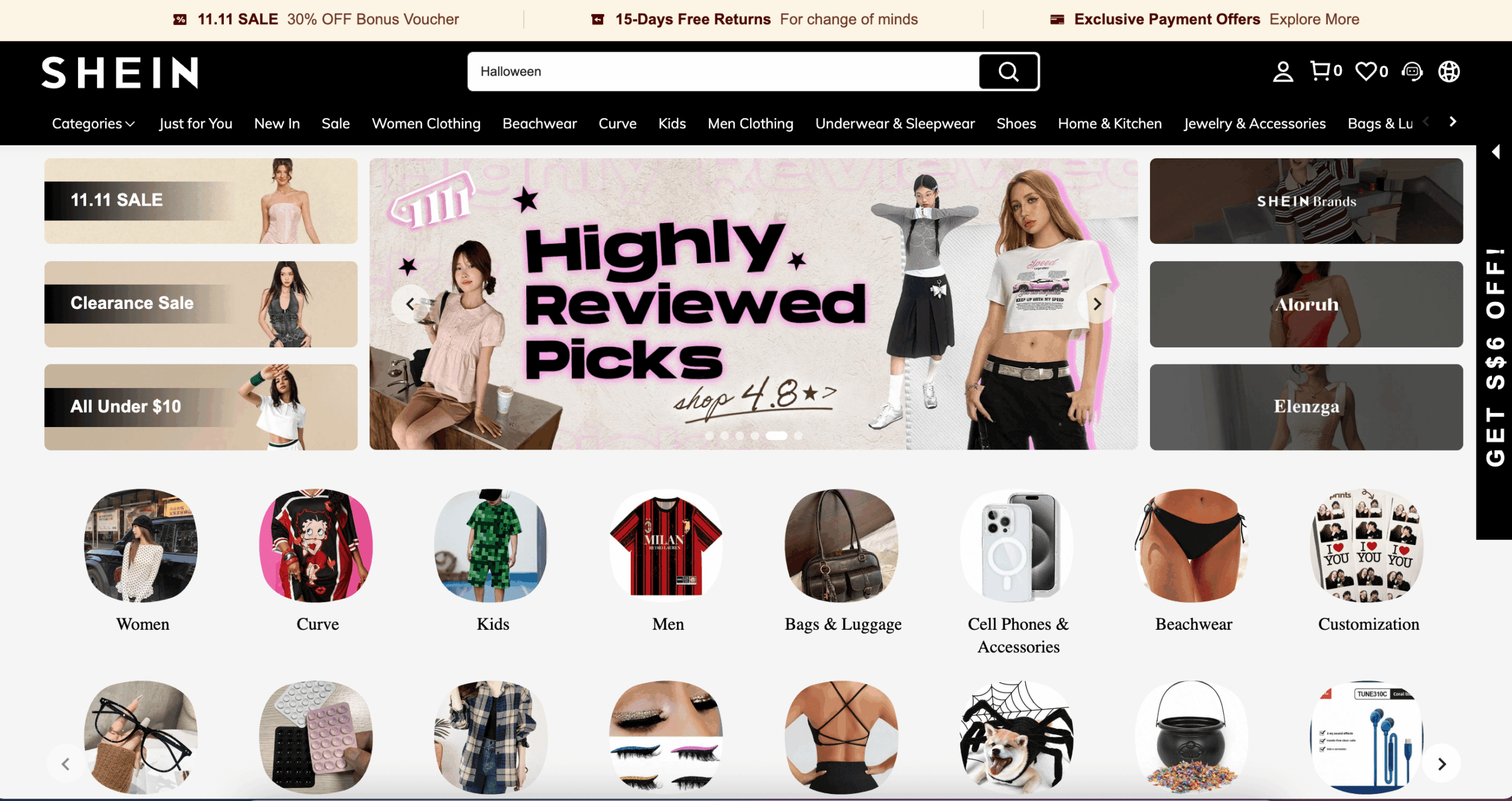
Shein releases between 7,000–10,000 new items per day, dwarfing even traditional fast-fashion giants like Zara or H&M. The speed of production is staggering — small batches at first, then scaled instantly if data shows traction. This just-in-time model eliminates overstock risk but multiplies textile waste globally once consumers discard these ultra-cheap garments after only a few wears. Many items are made from synthetic fibres like polyester, which contribute to microplastic pollution and make recycling almost impossible.
Read More: Green is the New Black: Fashion’s Unsustainable Practices in Chasing Profits
Then there is the question of an unethical labour model. Investigations such as Channel 4’s “Inside the Shein Machine” have uncovered workers clocking up to 18-hour shifts with little rest and earning as little as USD 0.03 per garment. Factories operate under subcontracting networks in China’s Guangzhou region, often outside standard labour purview. The brand’s opacity around its supply chain contrasts sharply with its tech transparency and influencer marketing. For large corporations like Shein, it is innovation in image, exploitation in practice.
The Cultural Fallout

Consumers are catching on this. Has Shein democratised fashion and made it accessible to consumers of every price point? Yes, but in doing so, they have also devalued the culture of itself. Trends, subcultures and identity is taken and warped through the spin cycle of fast fashion, collapsing authentic individuality into an algorithmic churn. Then there is the topic of plagiarism where designers and independent creators report having their designs copied and mass-produced overnight, stripping creative ownership and their own profit margins. This signals a creative crisis where innovation is used to erode artistry rather than amplify it.
Read More: Wastage — The Price of Fast Fashion
The irony of it all is that despite being a Chinese-founded company, Shein does not even sell in China due (in part) to the country’s already saturated domestic e-commerce market and its focus on cheap exports. This results with the brand becoming largely Western-facing, exporting low-cost goods made in China to markets in Europe, the US and Southeast Asia — further outsourcing the pollution and labour costs. As a result, Western shoppers get affordability while distancing themselves from the real-life consequences of their purchases.
France Pushes Back
France recently announced plans to outlaw or heavily penalise fast fashion, targeting Shein and similar ultra-fast players. Measures include environmental levies, advertising bans and restrictions on disposable clothing imports. France’s move is as much cultural as it is ecological — defending fashion as craft and heritage against mass industrial imitation. It signals a policy-level pushback against a model that devalues both design and human labour.
In September, Shein received a USD 175.61 million fine from France’s data protection authority, the Commission Nationale de l’Informatique et des Libertés (CNIL), over the improper use of cookies — a decision the company contested and said it would appeal. The CNIL found that Shein’s French website failed to comply with EU regulations by collecting consumer data without consent.

When users on Shein’s French site opted out of cookies — small files that allow websites and advertisers to identify users and track browsing habits — some were still placed on users’ computers regardless, according to a CNIL test conducted in August 2023. Under the European Union’s General Data Protection Regulation (GDPR), cookies are considered personal data because they identify shoppers and target them with ads, meaning websites must obtain consent to use them.
Despite mounting scrutiny, Shein’s British business made USD 2.77 billion in sales in 2024 — a 32.3 percent increase from the previous year — according to a recent filing. The UK is Shein’s third-biggest market after the United States and Germany. Founded in China and now headquartered in Singapore, Shein has spent years attempting to list publicly — first in New York, then in London — but faced mounting political resistance in both the US and UK. The company also failed to secure approval from China’s securities regulator for an offshore IPO amid escalating geopolitical tensions.
Shein’s success has partly been fuelled by customs duty exemptions on low-value e-commerce parcels that allow it to ship goods directly from factories in China to consumers’ doorsteps tariff-free. However, that loophole is closing fast. The US has scrapped its “de minimis” exemption for parcels under USD 800, while the European Union plans to eliminate its equivalent waiver for e-commerce goods worth under EUR 150 — moves that could significantly raise Shein’s costs and prices.
The Shein model forces the fashion industry to question the ethics of speed and scale. True innovation in 2025 should prioritise transparency, traceability, material innovation and sustainable production models. Instead of exploiting short-term profits with long-term effects, brands should instead explore material science and closed-loop systems that innovate responsibly. The future of fashion innovation depends on slowing down — not speeding up.
Read More: Beyond Glamour: Sustainability, Style, and Tech in 2024
For more on the latest in business and fashion reads, click here.