Outgrowing the Room: How Singapore’s Watch Fairs Mark a Culture in Progress
Overflowing queues at Singapore’s November watch fairs signal not a market boom, but a collecting culture coming of age.
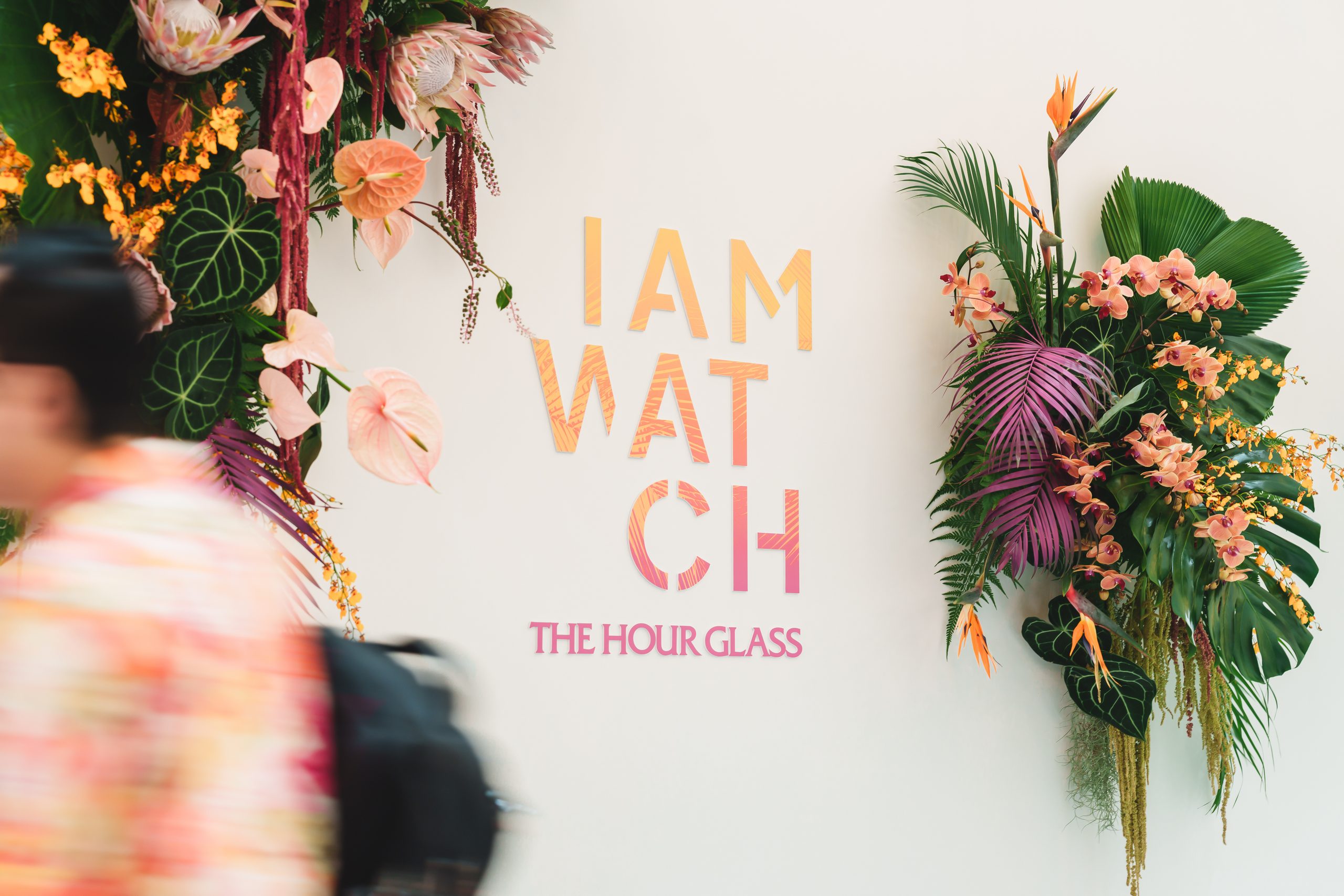
If I can say anything about the watch weekend in November here in Singapore, it is that the crowds speak to how important the culture of watch appreciation is here. Just the number of people at IAMWATCH, Spring Sprang Sprung and Golden Hour fighting to get inside the event space says a lot. No actual fights broke out that I witnessed and there were no press reports about the same. I will say, first off, that I only experienced IAMWATCH directly and completely. The aforementioned crowds kept me from the other two fairs. I did attempt to gain entry into Spring Sprang Sprung and found it impossible. Beyond that, the situation inside looked so much like a can of sardines, if the can were made of glass and filled with people, that I decided against going in at all. As for Golden Hour, reports from friends and peers who tried going also found it impossible to enter.
In itself, that may appear to offer parallels with the broader watch market but I urge caution there. To be clear what I mean is this: demand far outstripping supply, albeit unevenly. Lots of people want great watches, but there just are not enough to go around. It is tempting to look at the crowds and say that the watch trade has a bright future ahead, but that is wishful thinking. There is a lot of interest, to be sure, for such a niche area but it does not say anything about commercial demand for any sort of wristwatch in particular. Narrowing the focus though, it is clear that Singapore wants watch fairs, and they should be a regular part of our calendar. Given that watchmaking classes at IAMWATCH and Spring Sprang Sprung were oversubscribed (a fact in the first case, and inferred in the second), and the lectures were packed, people also seem very interested in all sorts of aspects of watchmaking, most of which are not actually commercial.
From XM Studios to the Glass Dome
To understand why queues snaked onto the pavement (as I witnessed at the Glass Dome for Spring Sprang Sprung and only heard about at Golden Hour), it helps to trace how quickly Singapore’s grassroots horological calendar has outgrown its venues. Yes, I think this is about venues and organisation. Founded in 2022 by Yong Keong Lim of local micro-brand Feynman Timekeepers and local distributor Big Time, as well as Sugiharto Kusumadi of Red Army Watches and later joined by watch photographer Wanyu Lee Bradley, Spring Sprang Sprung began at XM Studios with 24 brands, mostly Singaporean. By 2023, it drew 36 exhibitors from nine countries and more than 1,500 visitors; by 2025 at the National Design Centre, it expanded to 59 exhibitors from more than 16 countries and doubled its attendees. I attended this edition and can say for sure that the crowds were noticeably larger than what the fair managed in 2023.
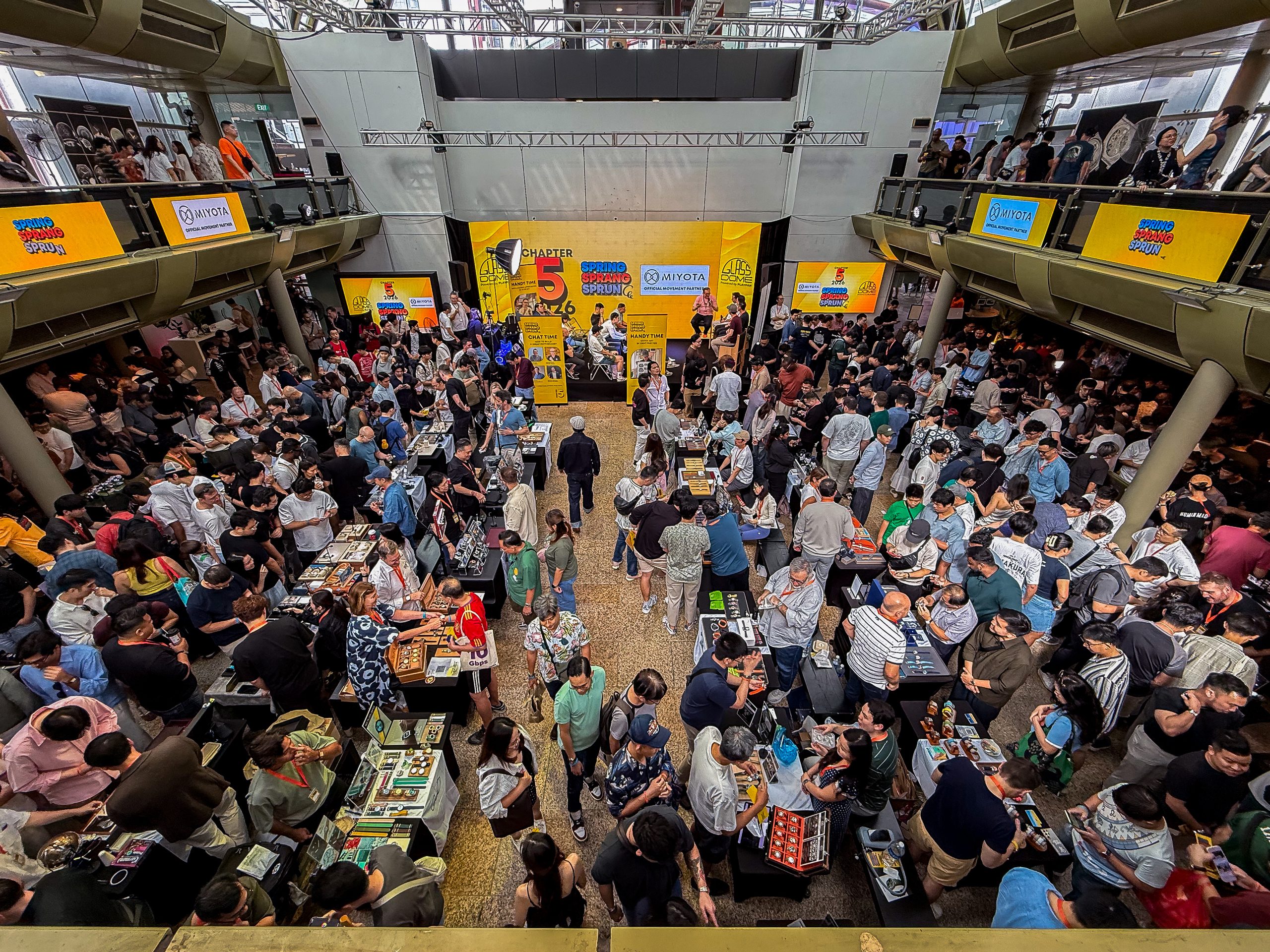
For its fifth edition from 14 to 15 November 2026 at Glass Dome on China Street, the fair packed 77 brands, including some big names in Christopher Ward, Oris and movement maker Miyota, across two levels. According to the organisers’ post-event figures, close to 4,500 visitors turned up, forcing the aforementioned queues outside for the first time in the fair’s history. If attendance is really doubling every year, then the organiser missed its estimate by at least 1,500 people. Of course, no one can be faulted for this, and it is not my intention to point fingers anywhere. That said, Spring Sprang Sprung might have been a tad conservative in estimating attendance in advance.
A Tight Squeeze at Raffles
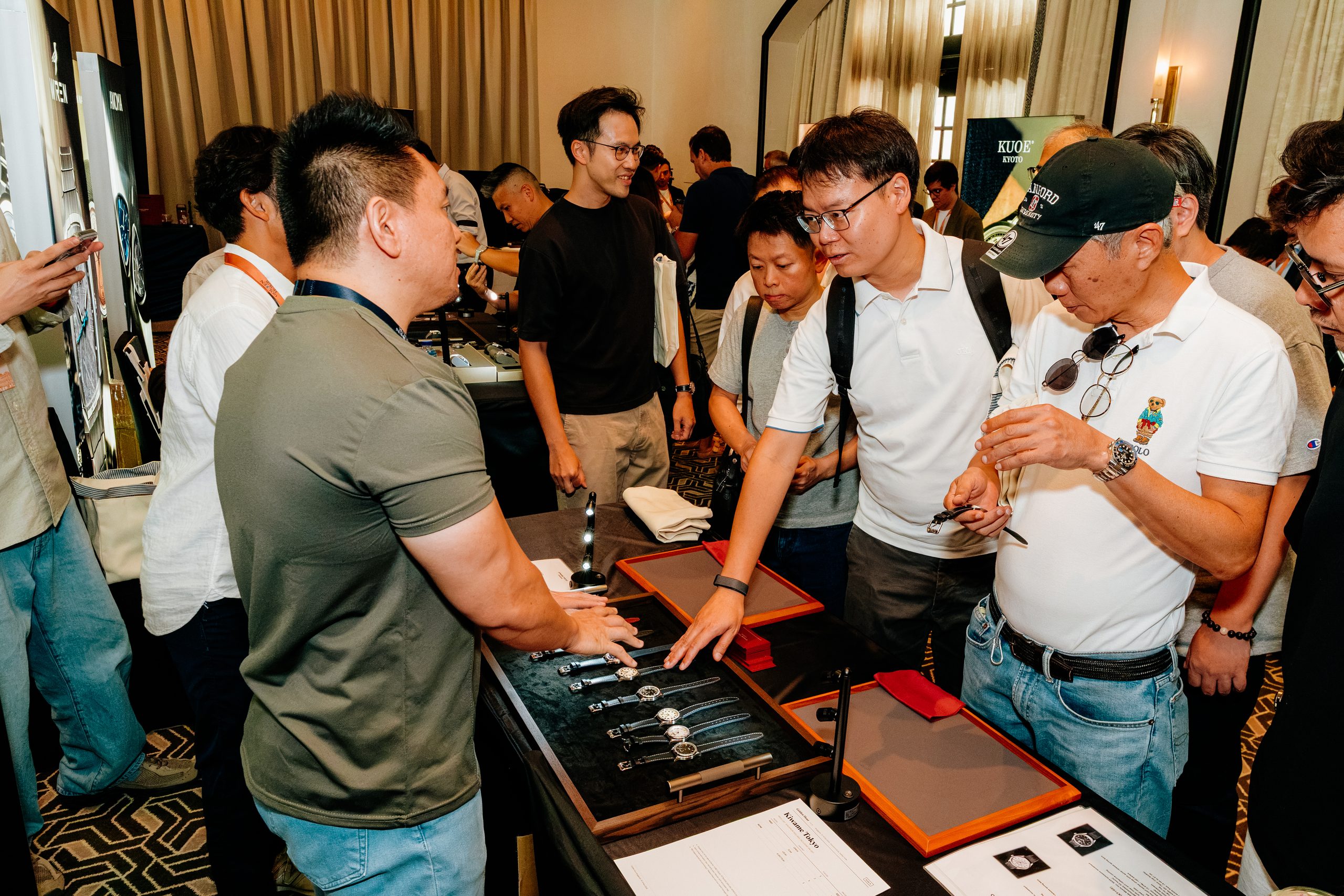
A similar clash between enthusiast appetite and square footage played out across town at Raffles Hotel, where Singapore strap maker Delugs staged Golden Hour from 13 to 15 November 2026 inside the Level 3 Casuarina Suite. For the record, the venue is roughly 200 sqm and typically hosts 100 or so people. Following a Hong Kong edition the prior weekend, the Singapore stop brought together 17 curated independent brands, including fan favourites Baltic, Furlan Marri, Maen and Atelier Wen, alongside a display-only room of rarities from Grönefeld, Simon Brette, Romain Gauthier and J.N. Shapiro. That display-only decision was a head-scratcher given the severely constrained space. Complimentary entry without any need to register in advance (a point I will come back to) proved an irresistible magnet for enthusiasts eager to handle online-only independents in the metal. Again, I note for the record that I am only reporting what others experienced.
One Table, Two Lights
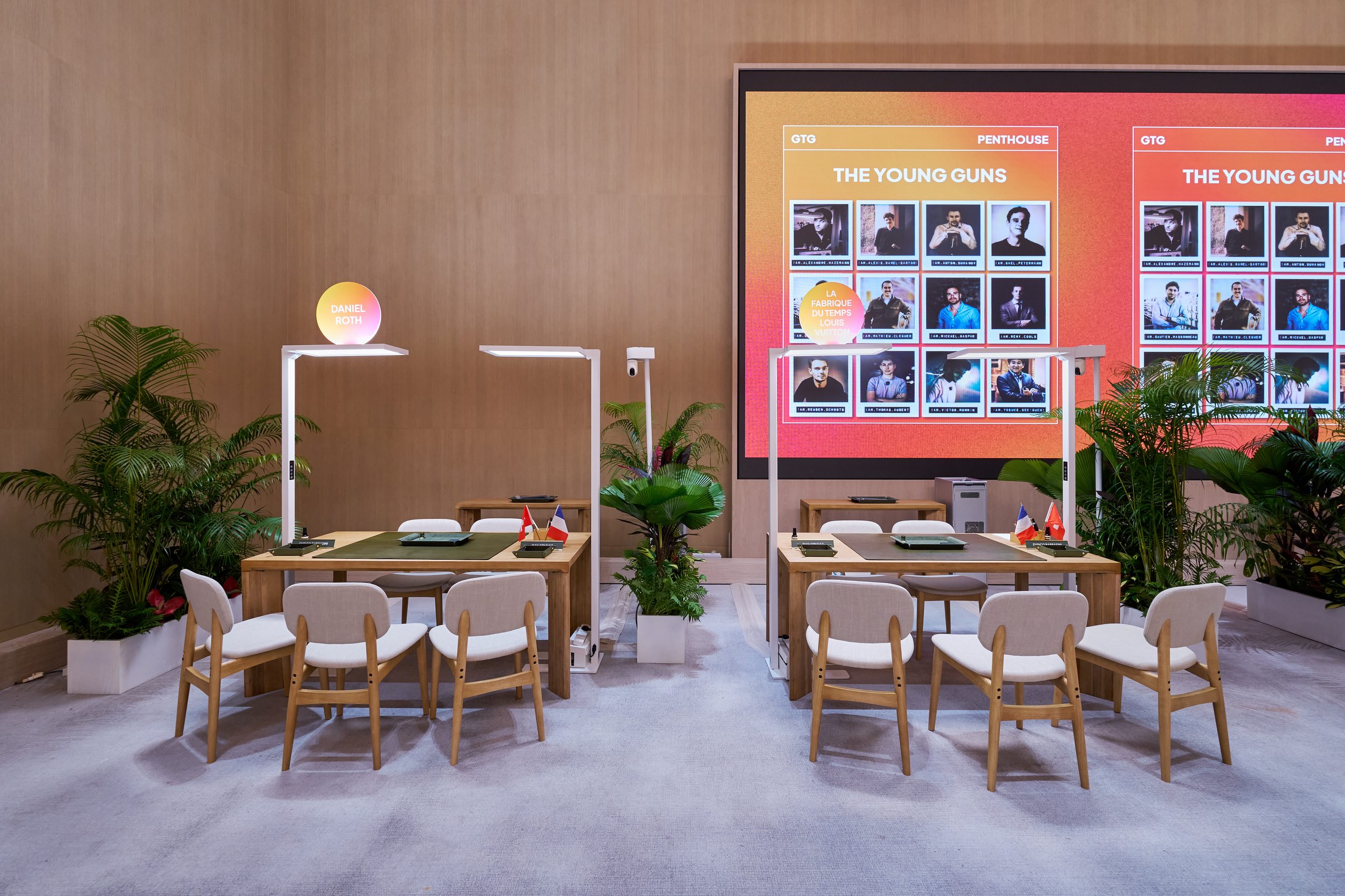
That IAMWATCH avoided similar gridlock owes much to the deliberate architecture of its second edition, held from 12 to 15 November 2026 at The Singapore EDITION on Cuscaden Road. Organised by luxury watch retailer The Hour Glass following its inaugural October 2024 gathering, the event paired mandatory advance online registration with a generous lower-level ballroom and Penthouse (which was by invitation only – no walk-ins) footprint that absorbed steady foot traffic. This was across an invitation-only Thursday vernissage and three complimentary public days. More than 40 independent watchmakers and friends of the retailer participated under a disarmingly egalitarian floorplan. Every exhibitor worked from the exact same setup: one table and two lights, stripping away booth-size hierarchy; this was the formula for the first IAMWATCH as well, and it worked pretty well then too. What you get is established masters such Kari Voutilainen, Maximilian Büsser, Vianney Halter, Felix Baumgartner and Rexhep Rexhepi on equal footing with younger voices such as Rémy Cools, Mathieu Cleguer and Raúl Pagès. Beneath a resort-casual, “double-wristed” dress code, visitors moved unhurriedly from table to table; however, actually getting a seat at any given table was challenging.
The Daniels Lesson
Crucially, as mentioned, the strongest pull at IAMWATCH was cultural and educational rather than transactional. This is not to say that there were not any transactions, but it was not the point. Most of the watchmakers present did not have any watches on hand to sell, and ever-growing backorders to fulfil besides. The centrepiece exhibition, in my opinion, was a tribute to British master watchmaker George Daniels, inventor of the Co-Axial escapement. Approximately 22 significant timepieces were assembled, uniting Daniels’s landmark Space Traveller I and Space Traveller II pocket watches together in public for the first time, anchored by a live panel with his protégé Roger W. Smith and Phillips auctioneer Aurel Bacs.
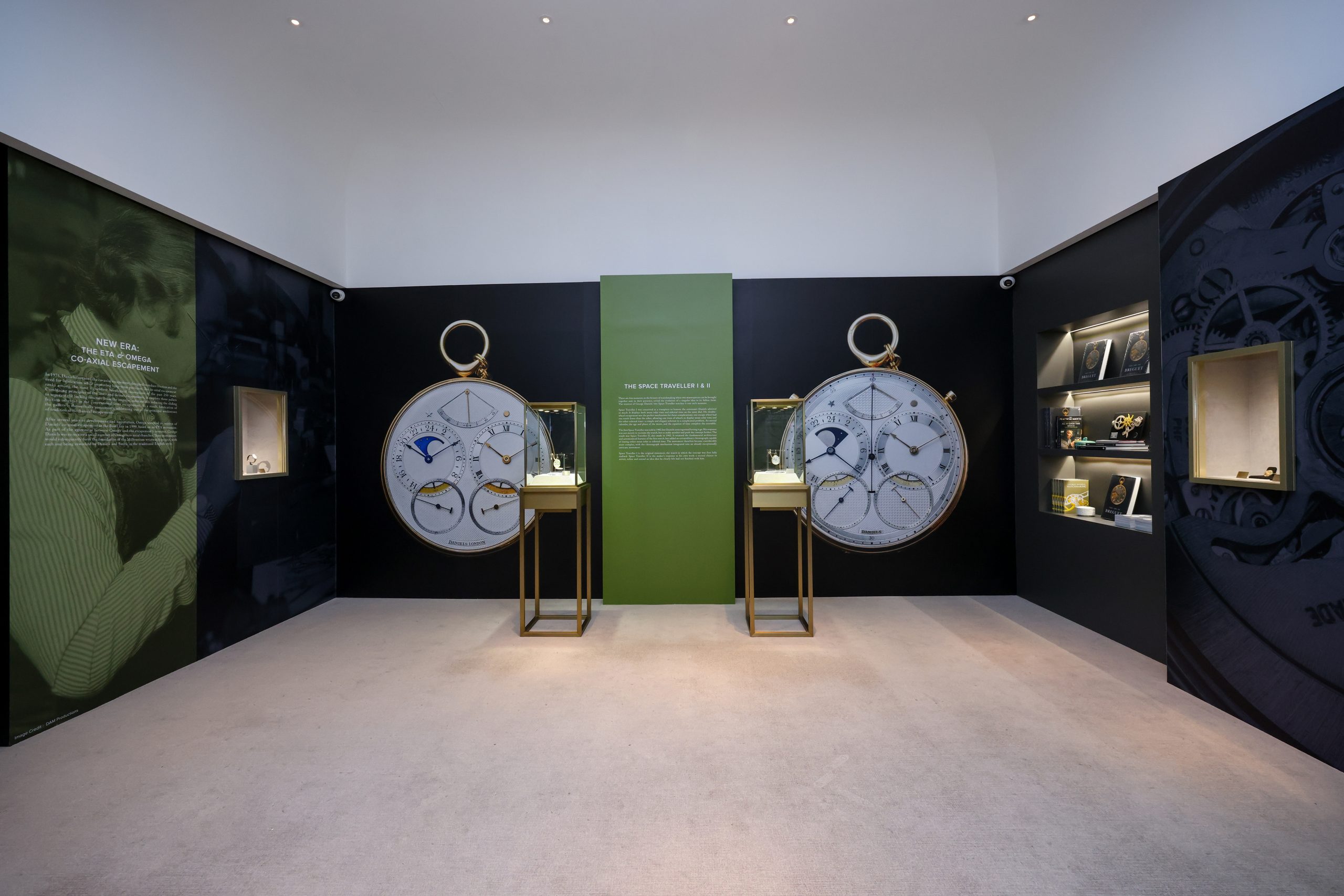
If you learn anything at all about independent watchmaking here, there is a lesson here: Daniels made 26 watches in his working lifetime, from 1969 to 2011. That is the reality of making a watch alone, with only traditional machines and the skills of one’s own hands. His protégé Smith, with CNC machines, staff and a manufacture on the Isle of Man, has managed upwards of 200 watches in 30 years. I leave it to you to decide if that is a large number, but this is the kind of reality that you can discover from the watchmakers themselves at a watch fair.
A World Apart from Volume Retail
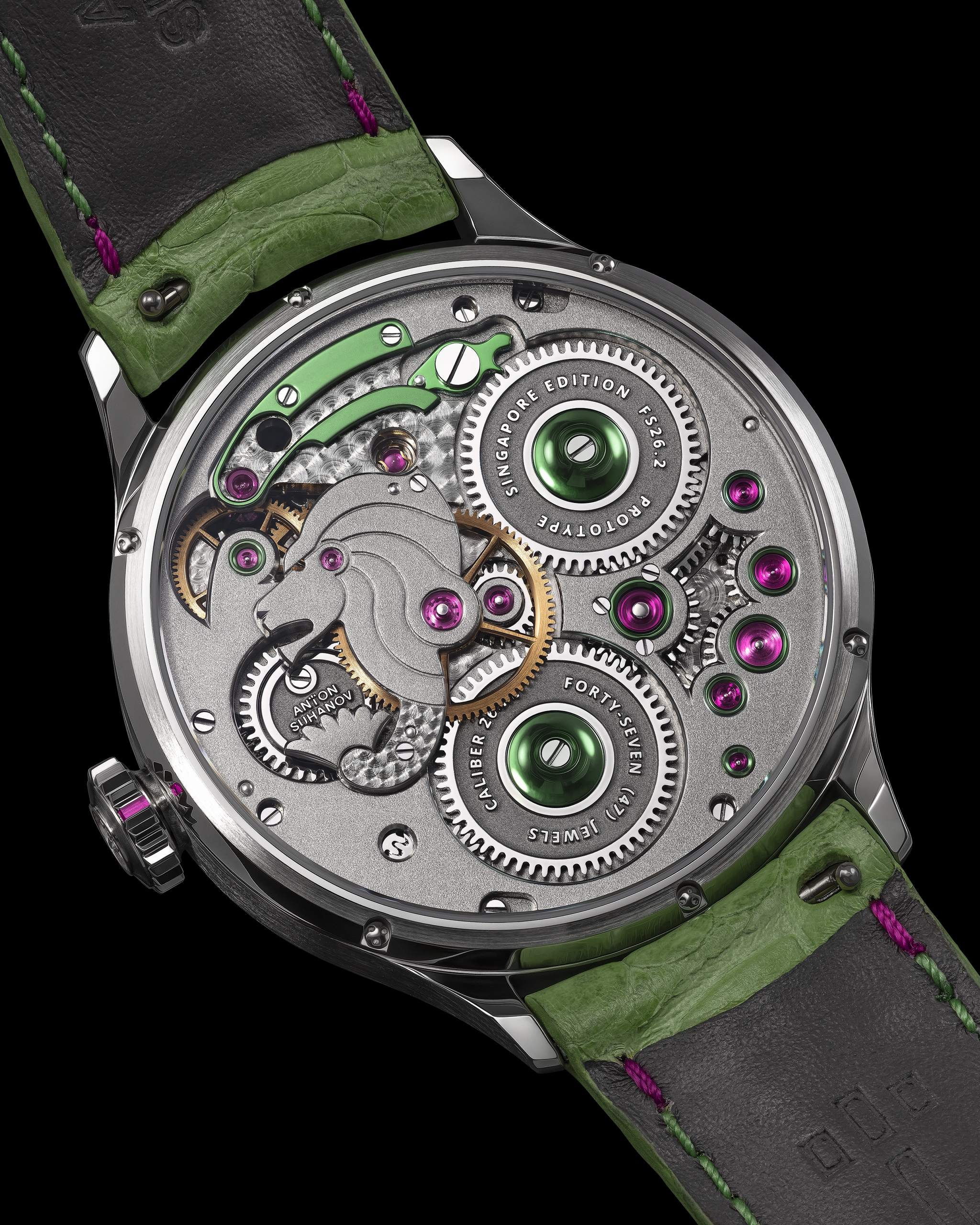
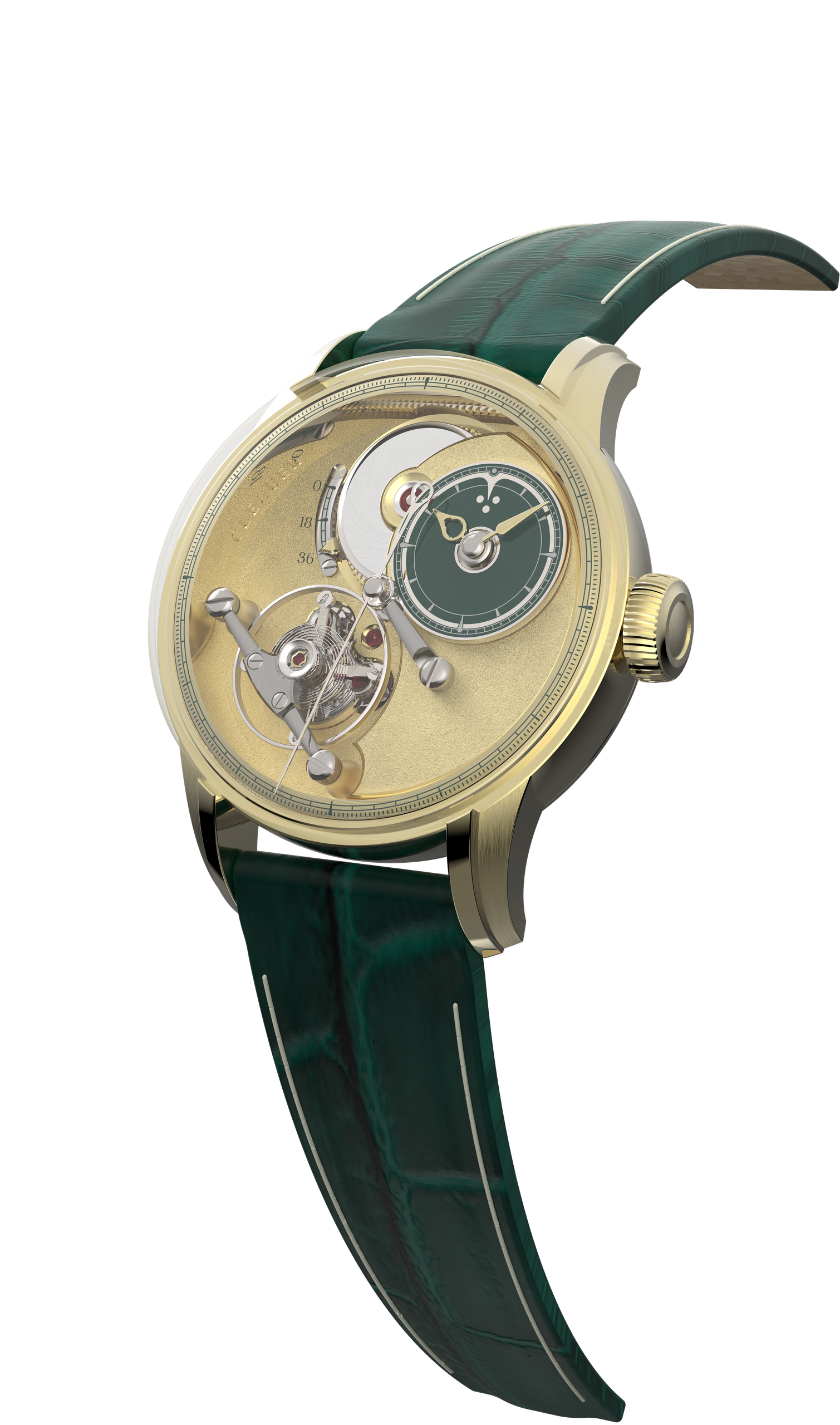
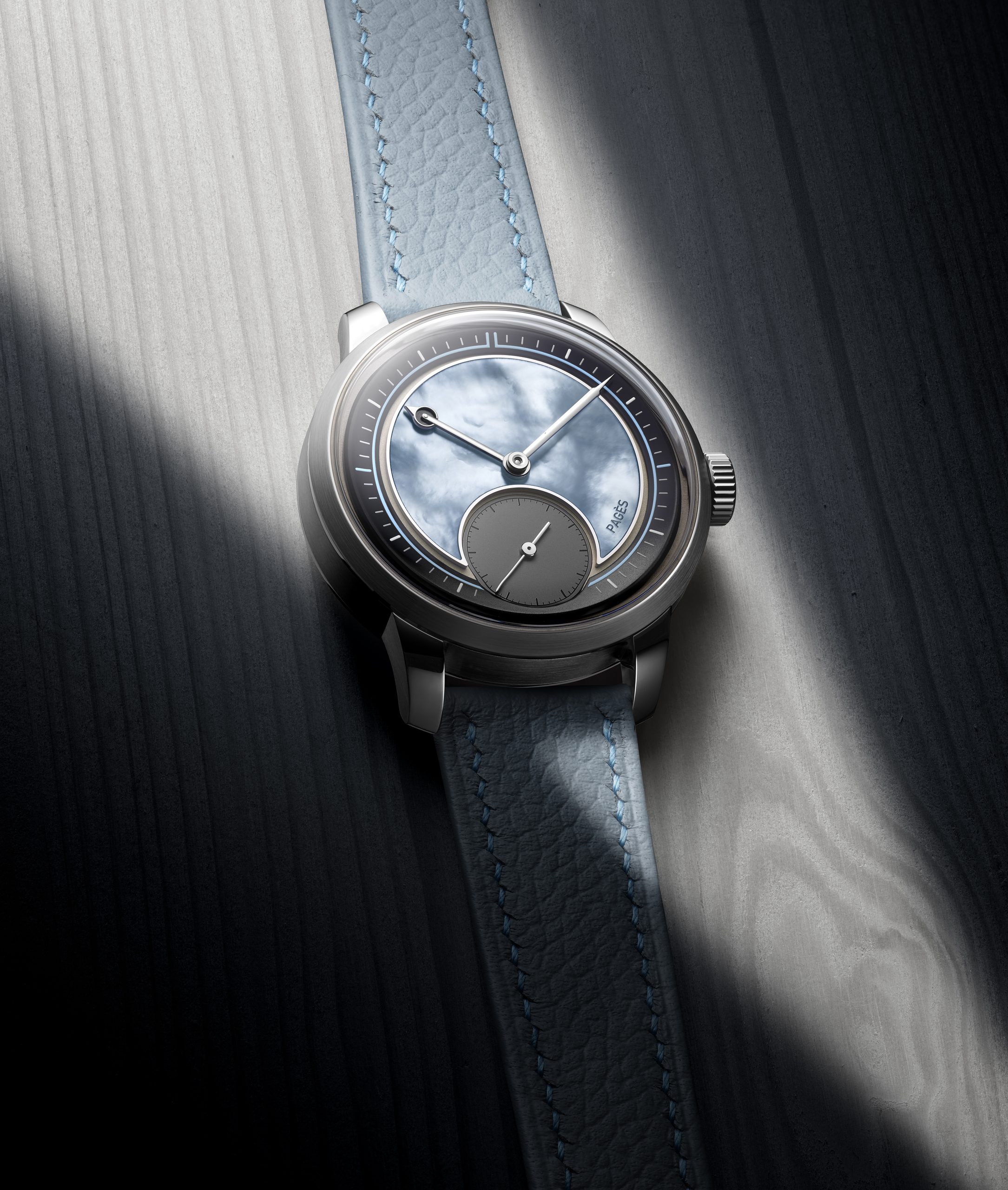
Even the watches unveiled at The Singapore EDITION underscored how far removed this world is from volume retail. St Petersburg watchmaker Anton Suhanov presented an 18-piece Flamingo Singapore Edition whose hand-finished Merlion movement bridge animates to spout water and blink every 12 seconds; you have to see this to understand. Mathieu Cleguer showed six unique Inspiration One timepieces in green grand-feu champlevé enamel, malachite and emeralds for The Hour Glass, while Raúl Pagès unveiled a mother-of-pearl-dialled RP2 edition. Most tellingly, French independent Rémy Cools brought his new three-hand Chronomètre Atelier finished so close to deadline that its circularly brushed gold dials went without printed indices; Cools was promptly told that collectors liked the look of the watch as it was! Of course, a major highlight was artist Takashi Murakami, who drew the crowds for his Skull Flowers tourbillon.
Room to Grow
As I advised in the opening, mistaking these packed rooms for a commercial surge would be a mistake. What November’s bottlenecks ultimately demonstrated is both simpler and healthier: Singapore has built an unusually informed and curious collecting community. I maintain that a dedicated watch weekend belongs permanently on its calendar, and perhaps all three events could become annual affairs. I remain sincerely hopeful.
For more on the latest in luxury watch reads, click here.