Van Cleef & Arpels’ William Faura on Precision and Poetics in Watchmaking
Watchmaking and Art Mechanics Development Director at Van Cleef & Arpels William Faura explains why the maison keeps its mechanics discreet.
Longtime readers will realise that we have a couple of new faces for our interviews this issue. As it happens, the world of watches can be somewhat limited in who speaks for the watchmakers, and every type of media has its own limited preferences too. Plenty of watch specialist media prefer to only speak with C-suiters, and that is typically true of big-audience outlets too. This can be very annoying for you, dear reader, if brand XYZ has the good fortune of having the same leadership for years… Given the number of family controlled watchmaking names out there, this can be a problem.
The above is also true of watchmakers and chief creatives, who stay in their roles for as long as they are in the business. At Van Cleef & Arpels, plenty of readers will be familiar with CEO Catherine Rénier – until recently the top executive at Richemont stablemate Jaeger-LeCoultre – and Timepieces Director Pascal Narbeburu. These are not the only voices at the brand, and with Narbeburu retiring (or set to retire) from his role, we left our comfort zone and chose to speak with Watchmaking and Art Mechanics Development Director William Faura.
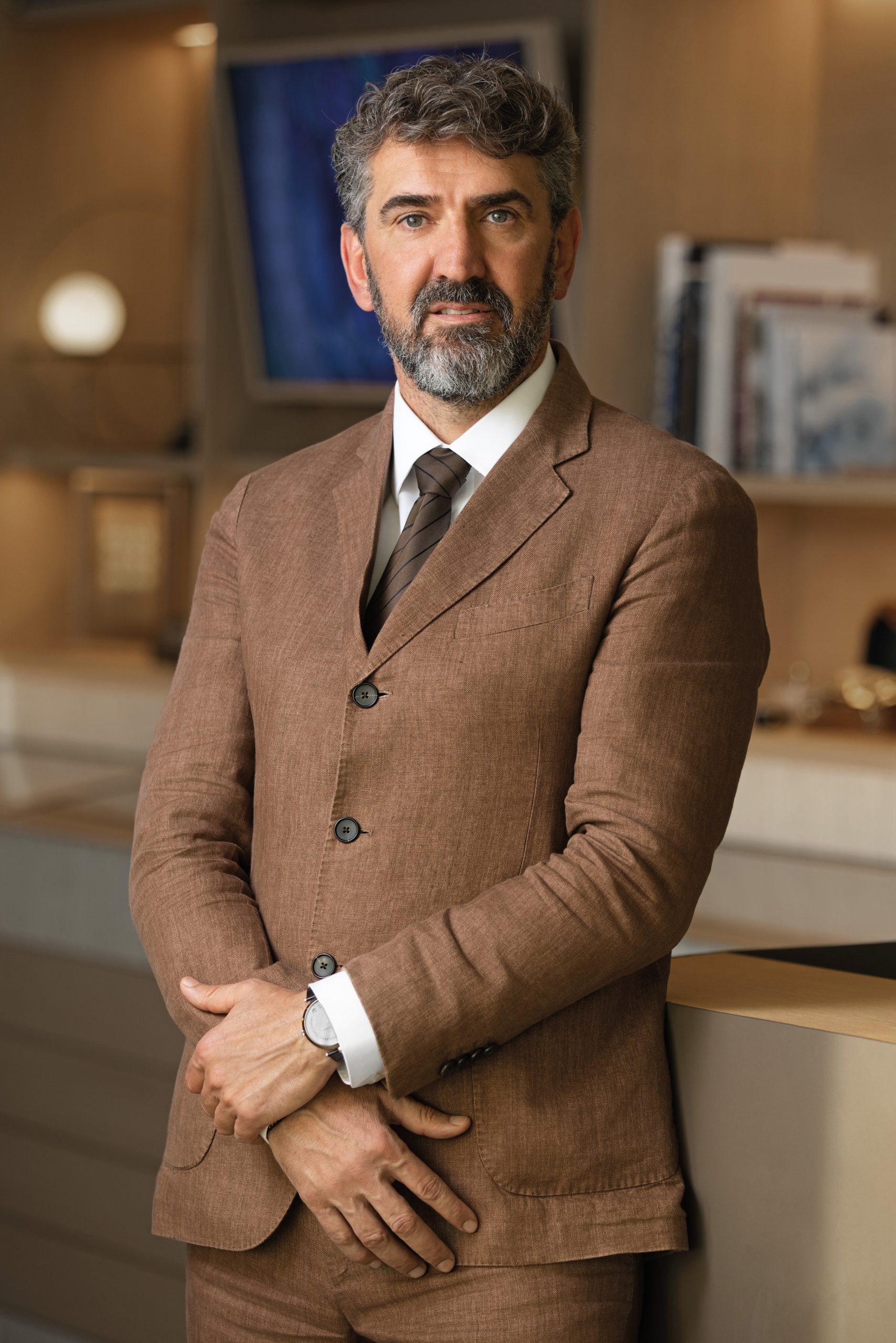
Faura is hardly an unknown but, if you run a search for his name, he has not often been in the spotlight. As part of the wave of new stories featuring the engineer-by-training, we thought it best to begin here with a primer. A graduate of the National School of Mechanics and Microtechnology in Besançon, France, Faura got his professional start as a Production Manager in precision mechanics. He began his career at Richemont with a production role at the Piaget manufacture in Geneva. Faura honed his watchmaking expertise there until 2016 when he joined Van Cleef & Arpels as Head of Watchmaking Development. He was promoted to his current role in 2024.
Our conversation unfolded at the Van Cleef & Arpels booth at Watches and Wonders Geneva, prior to our first look at the novelties. Faura was game to handle the challenge of explaining the most complex watches to a specialist writer who had not yet felt them himself. Judge for yourself how it went.
First of all, it is good to meet you properly, and my apologies that our presentation happens after this conversation. Let’s start with the story behind the watches that impressed us mightily this year. Was that the idea here?
At Van Cleef & Arpels, the concept always begins with the story. Our mission is to put emotion on the wrist. We nourish our creations with the core pillars of the Maison’s identity: enchanting nature, fairies, love stories, and Poetic Astronomy. It is our journey (and mission) to explore these diverse themes.
Crucially, in our watchmaking, the invisible must always serve the visible. You never see the raw mechanics exposed. Instead, you see the craftsmanship, the aesthetic, the design, and the story, while the complex mechanics remain discreetly inside.
Are you never tempted to show the inner workings?
It is just like the opera. When you attend a performance, you do not see the backstage pulleys, cables, and stage machinery; you see the scenery, the performers, and the drama. It is (also) very much like your craft in journalism: you synthesise a great deal of complex work (and all possible words) behind the scenes to create something seamless and powerful for the reader. We harness miniaturised micro-mechanical engineering to convey emotion and pay tribute to the savoir-faire of our artisans.
On that note, let us talk about what impressed us: the Midnight Jour Nuit Phase de Lune.
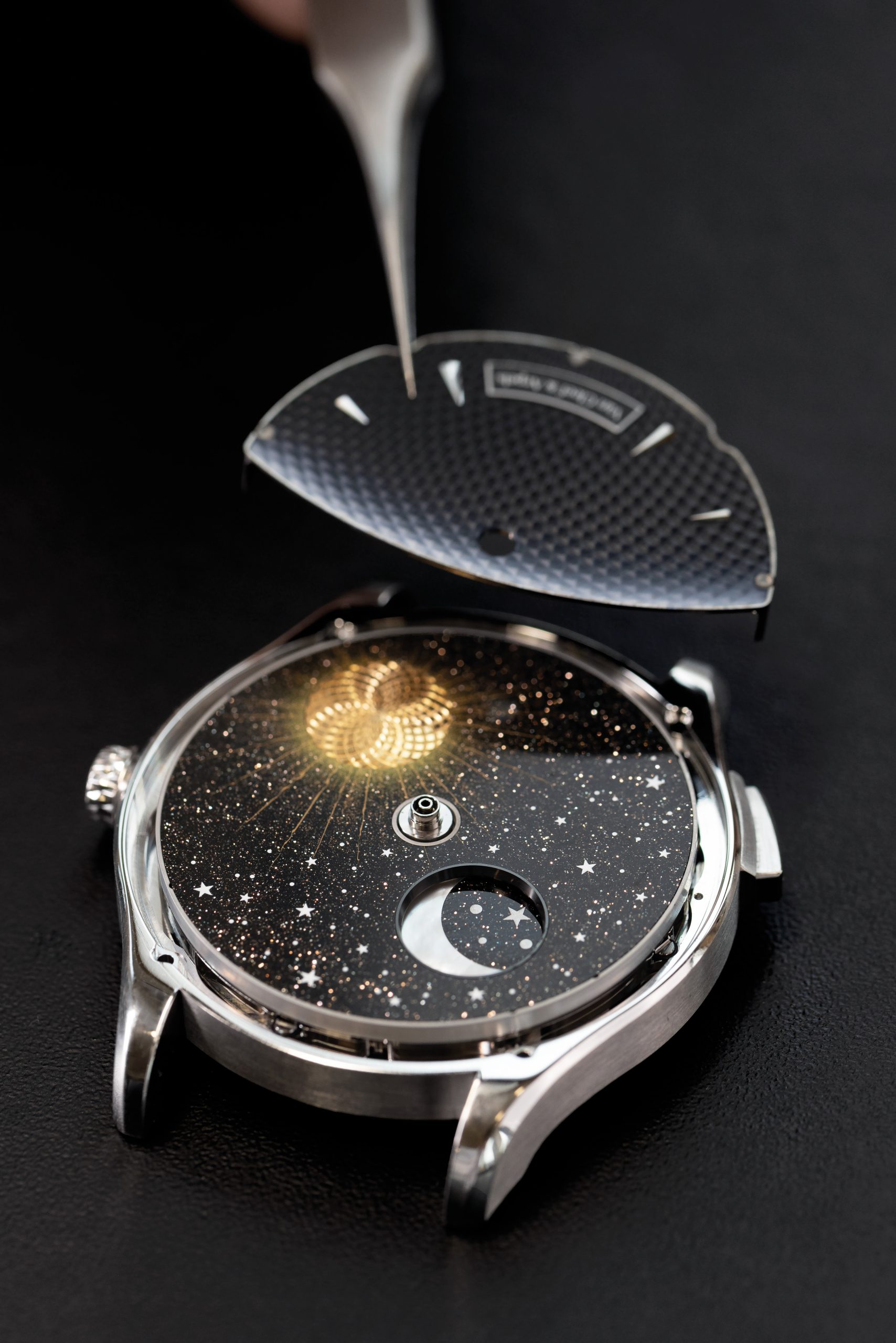
We are very proud of this! For many years, we wanted to depict the moon in a distinct and poetic manner. The opportunity (first) presented itself when we developed the Lady Jour Nuit with blue aventurine glass. We (later) realised we could integrate a second disc for the moon phase and combine both discs to create a compelling narrative. We worked closely with the creative studio to align the aesthetic and mechanical storytelling.
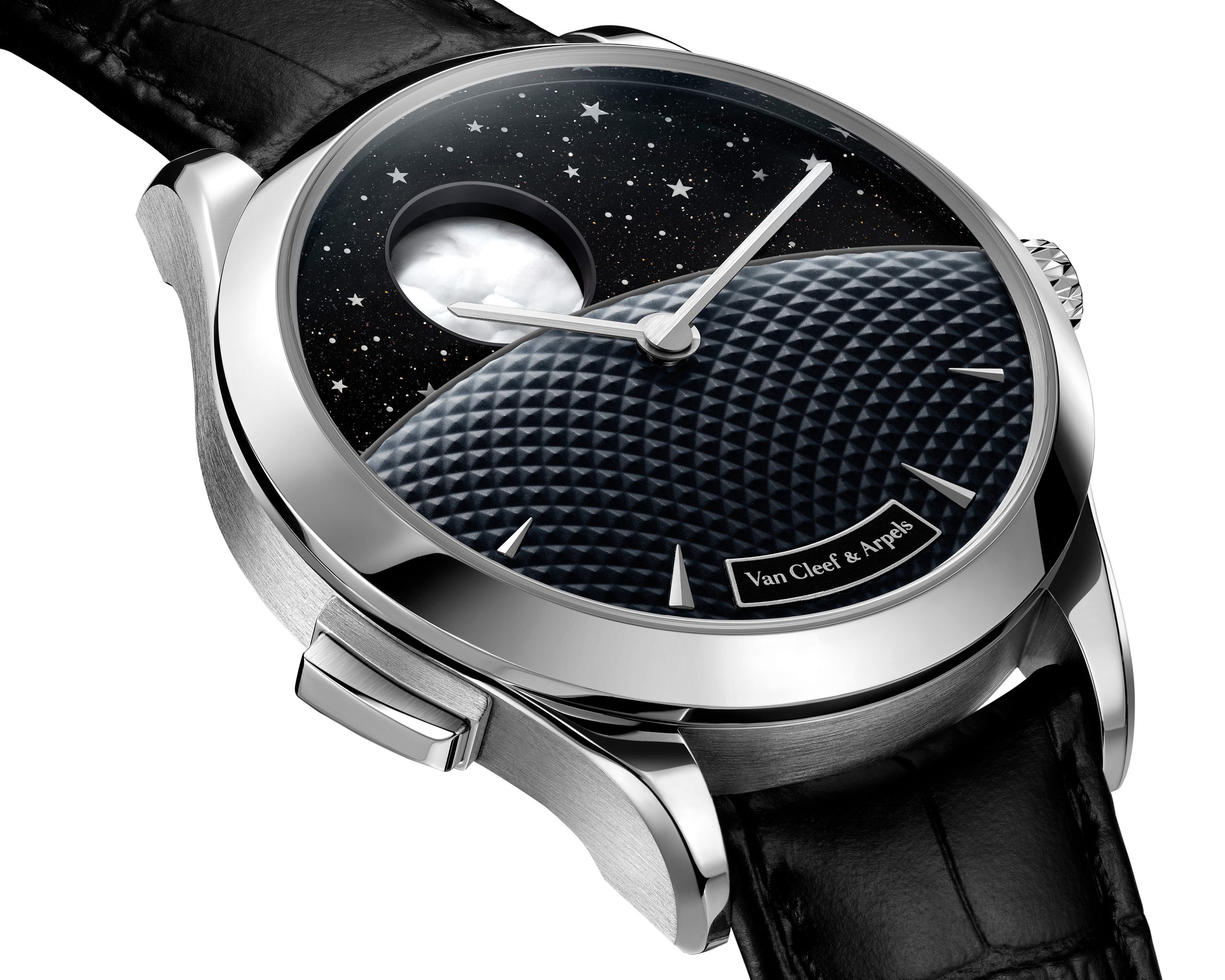
The watch features a black aventurine glass dial that completes a full rotation every 24 hours. Positioned above it is a moon phase disc featuring a trailing moon. Rather than jumping in discrete steps, it progresses continuously: If you observe it over time, the moon gradually waxes until it reaches the full moon, and then wanes toward the new moon. During the day, you see the sun; on demand, the disc rotates to reveal the moon.
Inside, we combined two differentials – a micro-mechanical system patented by Van Cleef & Arpels and first utilised in the Lady Arpels Ronde des Papillons. When you activate the on-demand animation, the sequence takes approximately 10 seconds. Even if a client triggers the animation 20 times consecutively, the watch must never lose the correct time (and does not). One differential manages the time recovery during animation, while the second connects directly to the moon phase.
Technically, the most significant challenge was the weight and balance of the two discs. Combining aventurine glass with an applied gold sun creates an unbalanced disc – the heavy gold sun on one side is offset by an aperture on the other. Rotating an
unbalanced mass consumes substantial energy. To resolve this, we engineered an ultra-light baseplate using a specialised aerospacegrade aluminium that is lighter than titanium, incorporating balancing apertures near the sun. This minimised energy consumption, allowing us to maintain a 36-hour power reserve from a single barrel.
Aesthetically, developing the black aventurine glass was another major milestone. It was our first time using this material (in black), formulated specifically with our partner glassmakers in Murano and our in-house innovation team. We developed a proprietary recipe with copper inclusions to achieve the depth and scattered luminescence of a clear night sky.
Brands interpret the moon phase in countless ways. Why choose this specific expression, and why house it in the Midnight case?
It honours our heritage. We established our aventurine signature in blue with the Lady Jour Nuit (above-mentioned, in 2008), and we wanted to expand that into black aventurine with a broader dial diameter for greater visual expression.
We also wanted to revisit the Midnight case silhouette, which we had not utilised for a major complication since 2018. While many of our Poetic Complications are housed in the Lady Arpels case, maintaining our identity within the Midnight case is equally important.
At Van Cleef & Arpels, three pillars guide our work: tradition, innovation, and emotion. Tradition anchors the Maison’s DNA; innovation pushes our technical boundaries to realise the story; and emotion is what the wearer experiences. On the front dial, you observe the sky, sun, and moon as if seated on Earth; on the caseback, looking at the engraving and oscillating weight, it is as though you are seated on the moon gazing back at Earth.
In past conversations with Van Cleef & Arpels executives, the balance between creativity and discipline often came up – that creativity without discipline leads nowhere. How do you maintain that discipline across technical and artistic teams without burning people out?
Having been with Van Cleef & Arpels for 10 years, my role is to remain positive and realistic, and act as the conductor of a watchmaking orchestra. You must intimately understand the skills and limits of designers, engineers, and artisans – knowing when to push those limits, but also knowing when to listen when they say a concept cannot be executed as drawn. We coordinate every step so that all disciplines align to tell the story. It is entirely a team effort; working in isolation, you achieve nothing
It can be difficult for people to visualise how micro-engineers, CNC operators, and gem-setters collaborate on a single component. How do you structure the workflow?
That is where my background provides added value. As a micro-mechanical engineer, my expertise has always centred on industrialisation and process organisation. I understand machining tools, polishing, gem-setting, and artisanal methods thoroughly. I do not design the artistic concept; I design the manufacturing and assembly process to make that concept feasible.
Knowing the practical constraints saves immense time and energy. It allows us to challenge assumptions, because there is rarely just one fixed way to produce a piece. At Van Cleef & Arpels, technology exists to support human craft, not replace it. It enables artisans to push their boundaries and elevate their savoir-faire.
How did you find your way into watchmaking originally? Was micro-mechanics always a path toward haute horlogerie for you?
It was a natural progression. After my studies, I began my career managing production in precision micro-mechanics companies manufacturing components for the medical, aerospace, and luxury sectors. That gave me an extensive grounding in intricate manufacturing systems.
I have always loved mechanical objects and fine watches. Nineteen years ago, I had the opportunity to join Piaget, spending nine years managing movement and case industrialisation. In 2016, I joined Van Cleef & Arpels to oversee watchmaking development from initial conception through to commercial launch.
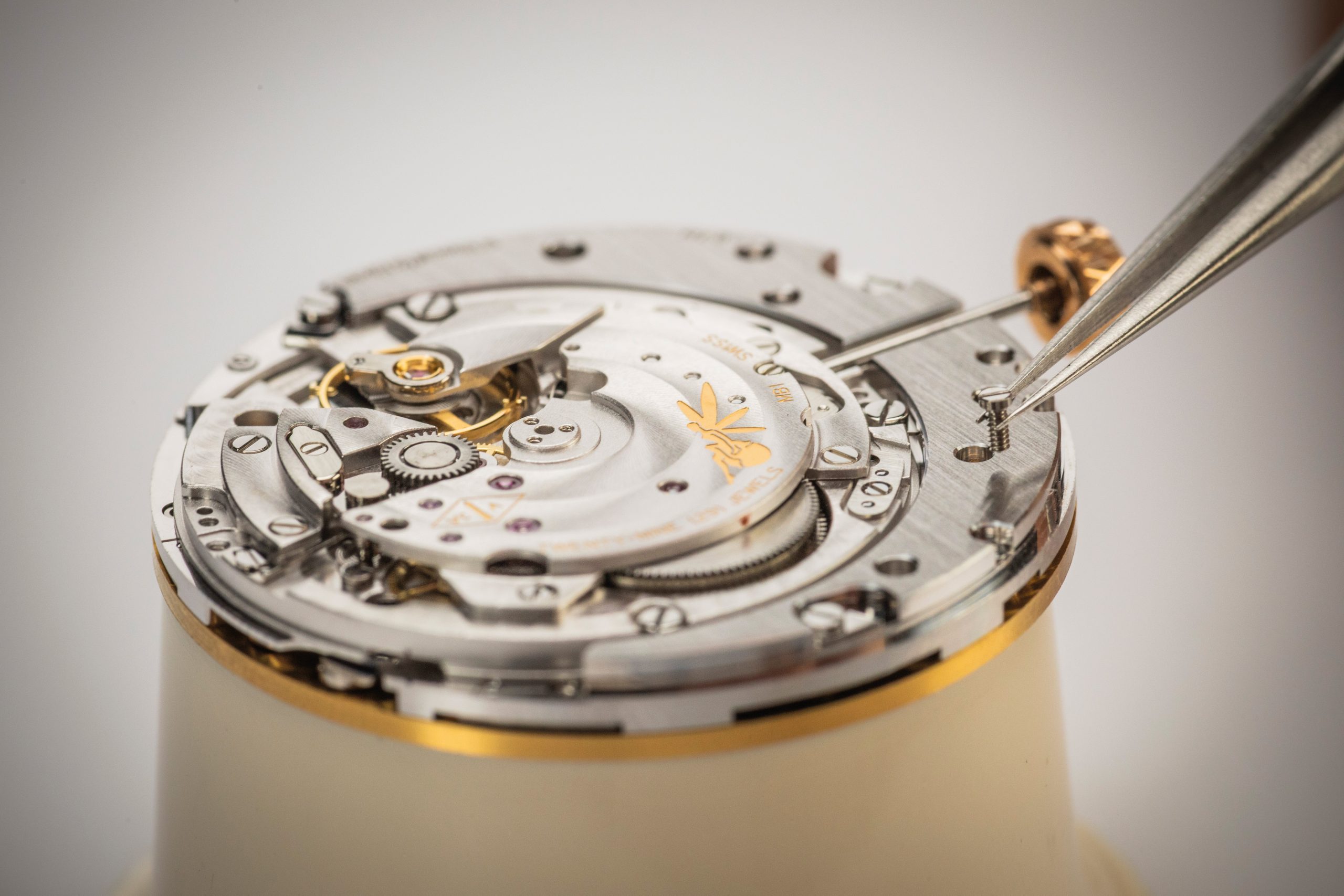
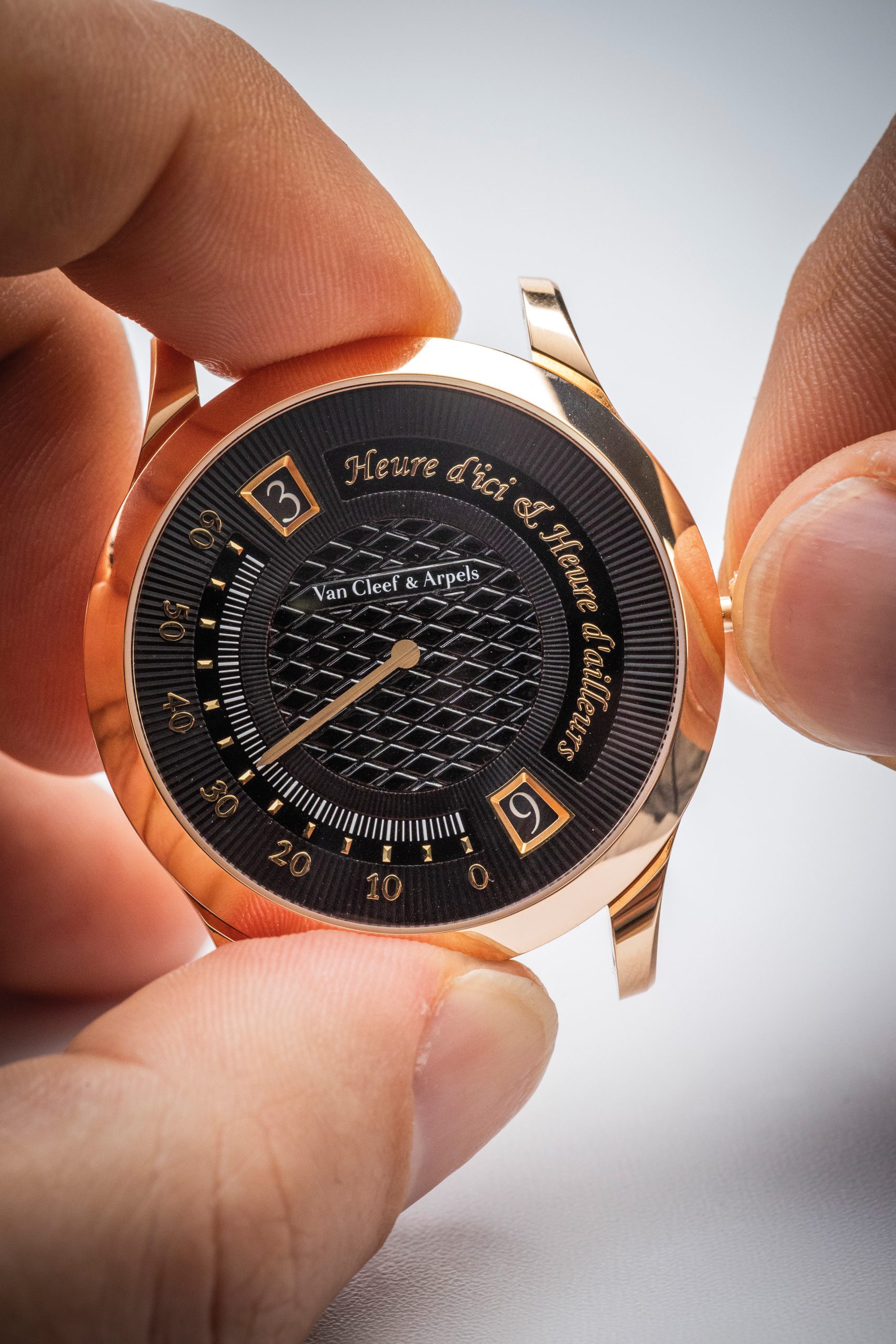
Projects like the Jour Nuit Phase de Lune (and Heure d’ici & Heure d’ailleurs, also in the Midnight collection) take years from initial idea to final production. These projects feel like our children. There is immense emotion involved – moments of excitement when things work, and moments of struggle when technical hurdles arise. The creation must be aesthetically refined, but it must also be exceptionally robust, reliable, and intuitive. On the Phase de Lune, for instance, all adjustments are managed through a single crown with two positions that can be turned bidirectionally without any risk of damaging the mechanism.
“We make zero compromises on quality, just as we make zero compromises on storytelling and aesthetics”
How do you balance mechanical delicacy with everyday reliability?
We make zero compromises on quality, just as we make zero compromises on storytelling and aesthetics. If a mechanism proves too fragile, we develop an alternative method to express the exact same poetic idea reliably.
Producing a single working prototype is relatively straightforward; engineering a piece that can be reliably manufactured and maintained over decades is entirely different. A prototype confirms the design, but extensive testing ensures long-term reliability.
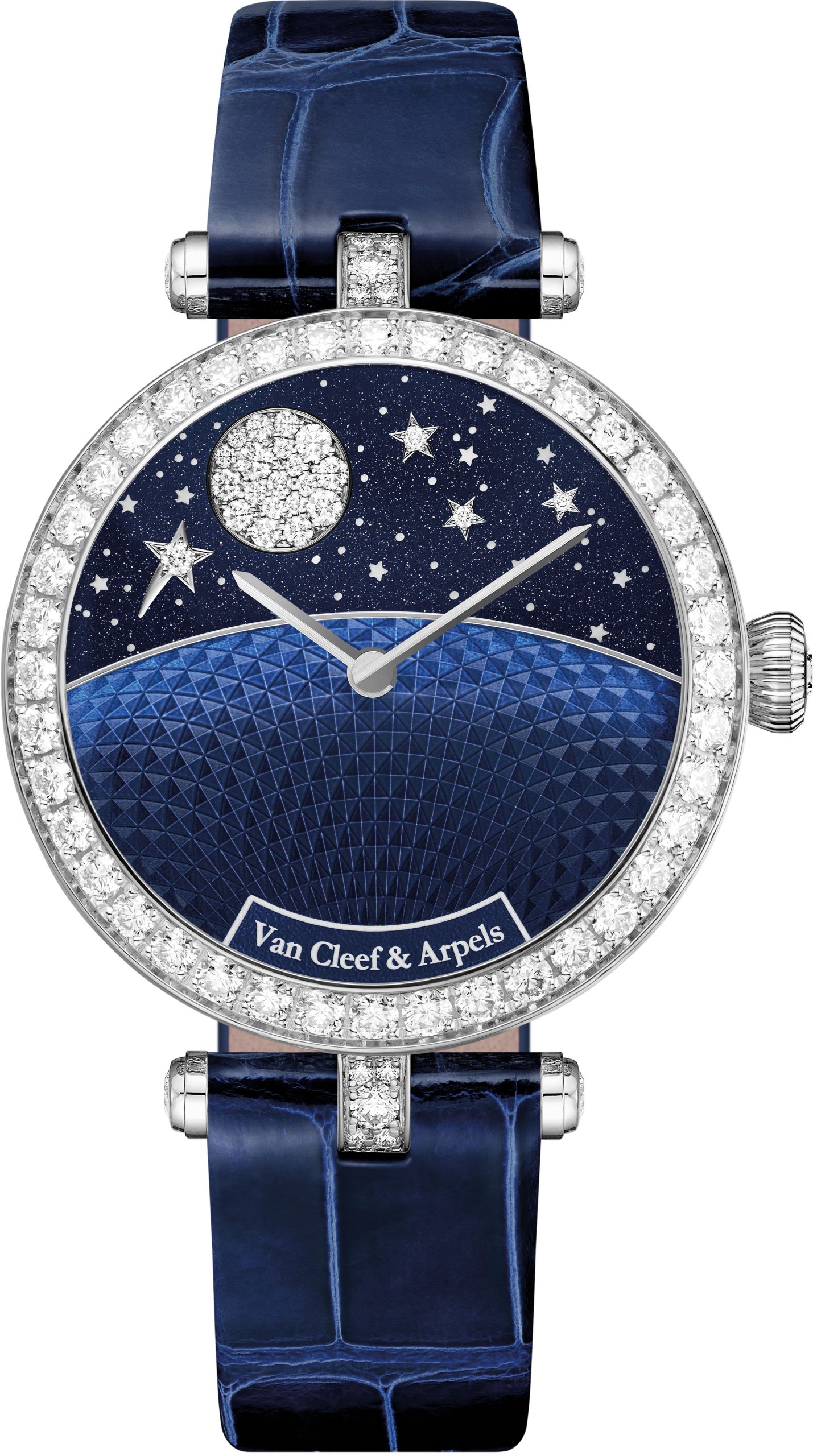
The black aventurine dial is a clear example. A single batch involves heating 100 to 200 kilograms of raw material in an oven above 1,000°C, followed by a natural cooling phase that takes over a month. Only then do you break the crucible to inspect the material. On our first attempt, the copper flakes were unevenly distributed. Our innovation team refined the recipe through multiple trials until we achieved a repeatable, balanced distribution of sparkle across the material.
Congratulations on the promotion in 2024! What is the scope of the new role?
That year, I took charge of our specialised Art Mechanics workshop in Sainte-Croix. Sainte-Croix has an extraordinary historical legacy in automata, and we worked with master automaton maker François Junod to establish this atelier.
There, we craft the mechanical movements for our smaller automata and mechanical objects. The High Jewellery workshops in Paris produce the exterior precious structures, and final mechanical assembly takes place in our Sainte-Croix workshop.
Métiers d’art and high complications require decades of dedicated craft; artisans do not graduate from school and master these skills immediately. How vital is the transmission of skills to your work?
Transmission is one of the founding values of the Maison; the Maison existed long before us and will continue long after us. Our responsibility is to receive the know-how of our predecessors, cultivate it, and pass it on to the next generation. We must remain humble: The star is always the creation.
This story was first seen as part of the WOW #86 Autumn 2026 issue.
For more on the latest in luxury watch reads, click here.