Social Media Platforms Have Failed The Community. But Is It Too Late?
Clickbait is not simply a consequence of social media but a product of systems that turn attention into currency, with greater responsibility falling on those creating and amplifying provocative content.
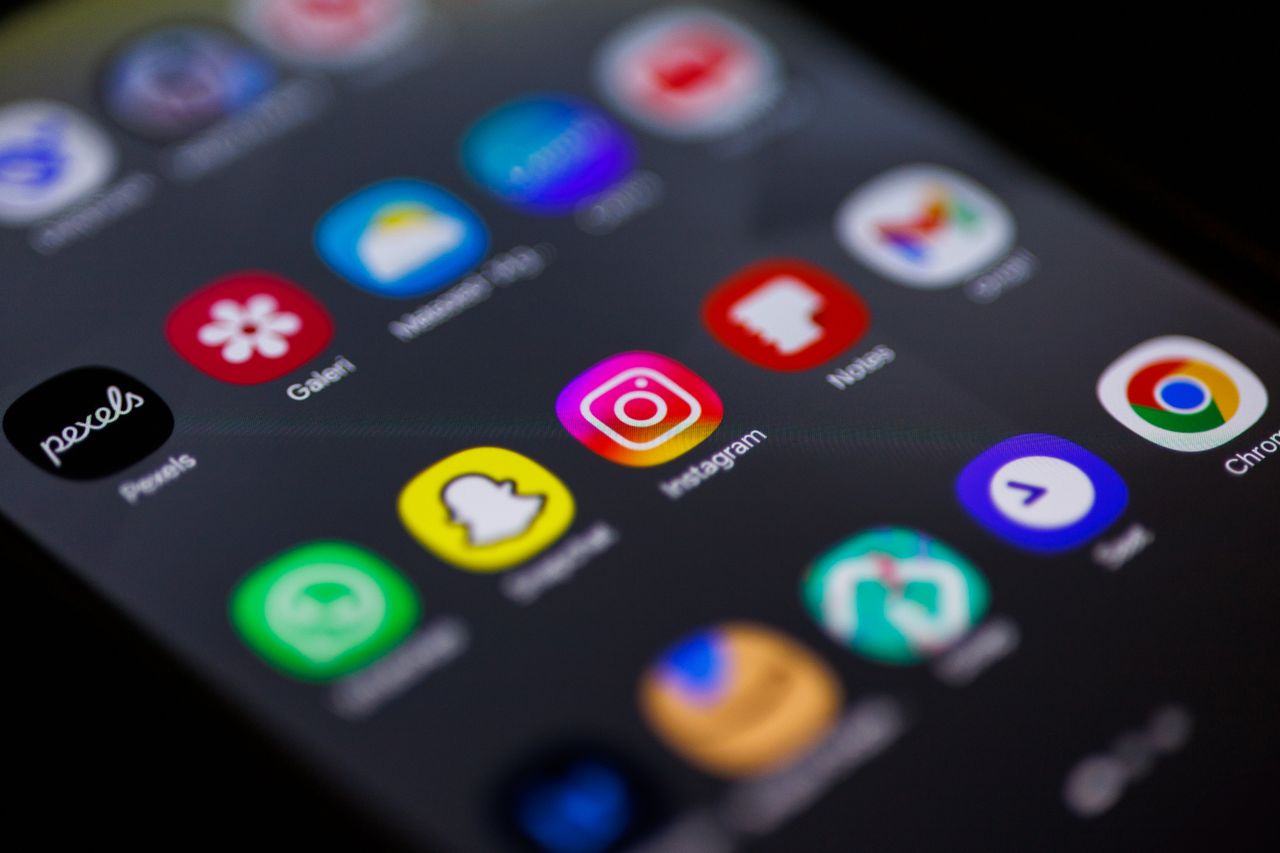
Social media was created as a space for people to connect and share information. However in today’s modern landscape, these platforms have become ones that reward contents that can generate the strongest reaction. Clickbait, controversy and even misinformation can travel further than straightforward information or news when they are able to attract clicks, comments, shares and save. This has turned attention into one of social media’s most valuable currencies.
As engagement determines visibility, creators and even brands have an incentive to produce provocative or “viral” content, while users contribute to its circulation through the interactions with them. For younger users, who may be less able to recognise when their attention is being deliberately manipulated, the consequences become more concerning.
The Role of Social Media Validation
As social media becomes increasingly integrated into our everyday life — likes, comments, shares and saves have become more than just numbers on a screen. They can act as measures of popularity, approval and social belonging. While for creators, strong engagement can determine how widely their content is seen and this creates a motivation to understand what makes audiences stop scrolling and what makes them react.
Take deliberately bad cooking videos as a prime example. A creator using the wrong ingredients, ignoring basic cooking techniques or preparing a dish in a way that appears inedible would be filled with comments from people correcting the recipe, questioning the creator, expressing disbelief or sharing to their friends as a joke. Although the reactions are negative, it is still engagement, because a comment made out of frustration is still a comment and a video shared to mock is still a share.

When creators can see that provoking a reaction can produce greater engagement, there is little reason to stop at just one. Outrage, confusion and curiosity can become a strategy for attracting attention, turning validation into a motivation to produce more provocative content. However, creators are not the only ones who recognised the value of going viral — brands have also used controversy to generate attention, whether through salacious campaigns or social media posts designed to encourage discussion. The backlash itself can become part of the campaign as users repost, react or debate about it online and in an environment where going viral can be more valuable than being ignored, controversy becomes another form of visibility.
This does end up in a cycle out of desire for attention where creators and brands produce provocative content, users react to it. Clickbait is not simply an unavoidable consequence of social media, it is a choice made by those who have turned attention into a currency. As this type of content becomes fearingly common, it also becomes harder for users to recognise when they are being informed or simply baited into engaging.
Clickbait Is Becoming Harder To Recognise
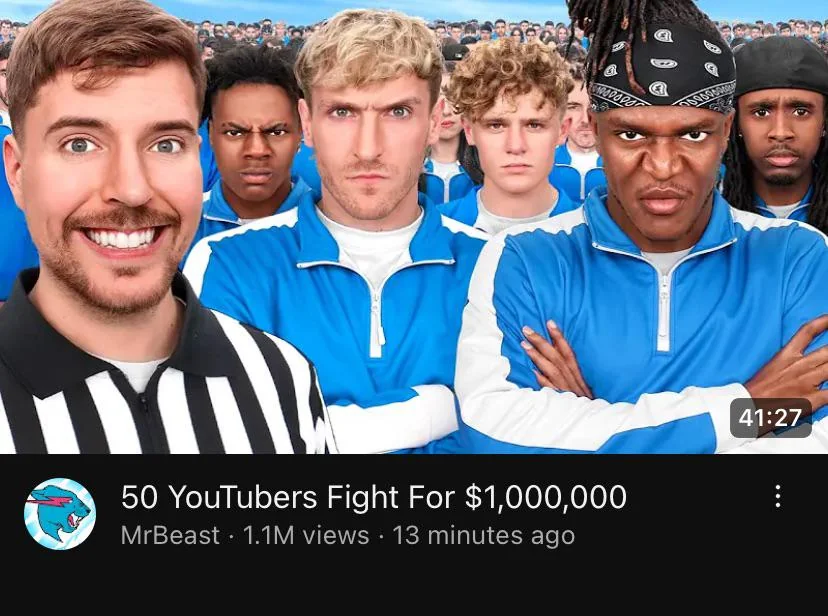
Clickbait is no longer limited to a misleading headline. On TikTok, Instagram and YouTube, it can appear through dramatic thumbnails, exaggerated claims, incomplete captions or videos that withhold information simply to keep people watching. As users are scrolling, they may decide if something is worth their attention before knowing who created it or if the information is reliable.
However, clickbait differs from misinformation. Misinformation concerns information that is false or inaccurate while clickbait is a tactic used to attract engagement. A post can be completely factual and still be clickbait if its headlines or presentation is exaggerated and at the same time, misleading clickbait can contribute to misinformation when users share without fact checking beyond the headline.
This problem is made worse by the way social media distributes content and has become more difficult for users to separate information from content designed to generate a reaction but the greater concern lies on those who are still developing the ability to make that distinction — particularly younger users.
Can Parental Controls Actually Protect Users?
Parental controls are often presented as the first line of protection for younger users. Screen time limits, content filters, age restrictions and supervised accounts can give parents some control over how their children access social media but these tools largely depend on parents being able to observe what their children are seeing and to intervene when necessary.
As most platforms favour its algorithm, even an account that has been carefully curated can still be recommended content outside of a user’s existing interest and once clicked, watched or interacted – that engagement can influence the following content being recommended.
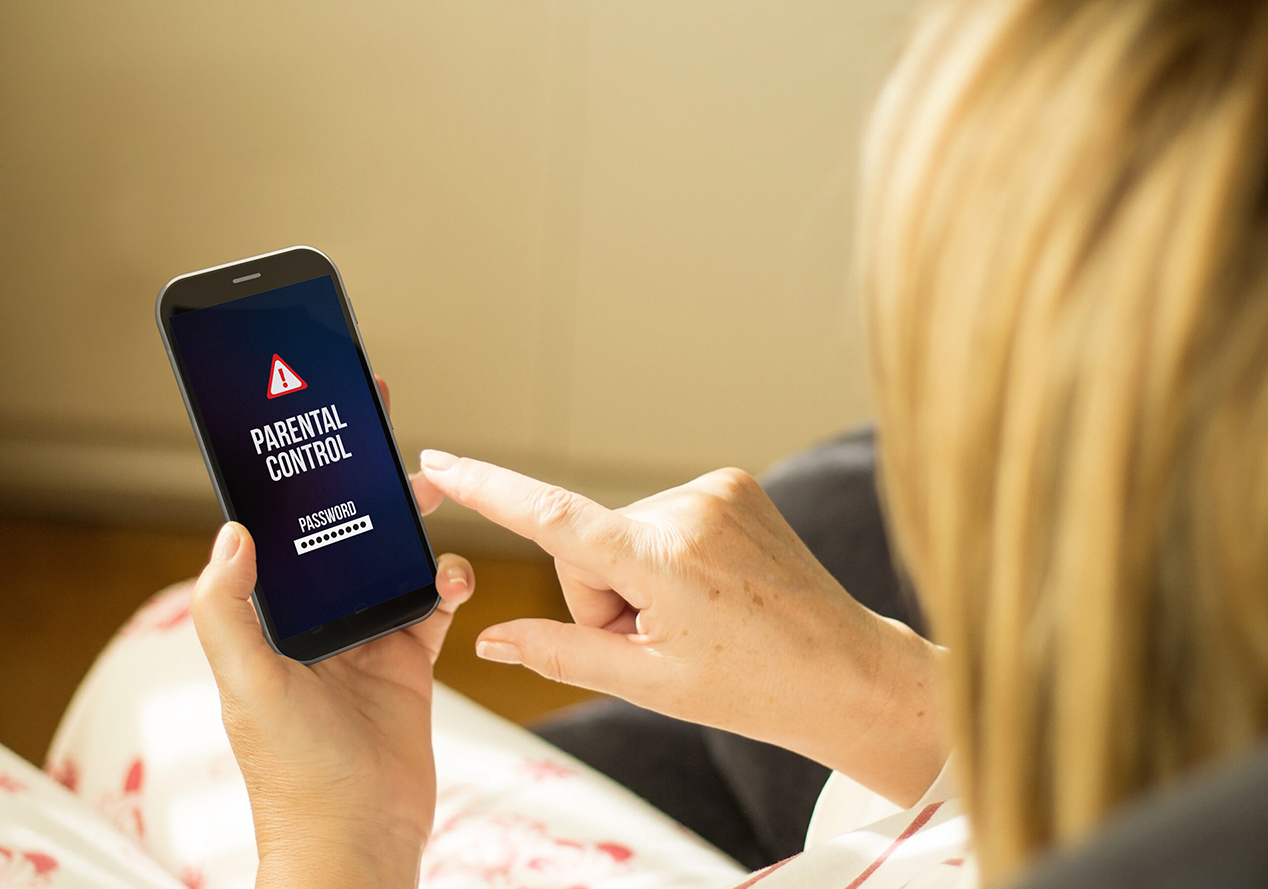
This has also prompted a debate over whether social media should have a minimum age altogether. One argues online that the minimum should be 18 as it is generally recognised as the age of adulthood and while 18+ restrictions may appear to offer a clearer boundary, the question lies in how effectively can platforms verify age and enforce the restriction?
Australia’s current approach is a prime example. Since December 2025, platforms including Instagram, TikTok, YouTube and Facebook have been required to take reasonable steps to prevent people under 16 from holding accounts yet, the policy has not been as effective – with younger users finding ways around restrictions such as VPN or faking their real age. It is shown that 25.9 per cent of 13 to 15 year olds are still using TikTok, with just a percentage point lower than when the ban was introduced.
If parents cannot realistically control every recommendation and governments cannot completely prevent younger users from accessing social media, then simply restricting the user cannot be the entire solution. This shifts towards the platforms themselves and what responsibilities do they have for an environment they have created.
Should Platforms Be Held Responsible?
Social media companies have the ability to determine how content is recommended, which interactions are prioritised and which posts receive greater visibility and while platforms cannot control every piece of content uploaded by users, they can influence what users are repeatedly exposed to.

Hence, the responsibility cannot simply be placed on users alone for clicking or sharing. Platforms have created a system in which engagement is a key measure of successful content but this does not remove responsibility from creators, brands or users. In fact, creators and brands should be expected to consider whether provoking an audience is worth the attention it generates because people creating clickbait should do better but social media companies that can determine how far that content goes needs to do better as well.
Providing parental controls or telling users to think before they click cannot be the only solution. If platforms know that their system rewards controversy and sensationalism, they should also be expected to question why they choose to reward it and that leads into another question, if responsibility exists at every stage of the cycle, who should carry the greatest share of it?
Who Then Should Carry The Burden and Responsibility?

Responsibility ultimately falls across all three groups — users, parents and platforms. Users should think critically before clicking, believing or sharing content, particularly when something appears to be designed to provoke an immediate reaction. Whereas parents should educate younger users about how social media works and make use of the tools available to them.
Though, responsibility should not necessarily be equal when the level of control is not. Users do not design how the system works and parents cannot monitor every piece of content their children encounter. Neither of them determines which posts are given greater visibility. Platforms do.
The responsibility should be shared but greater responsibility should fall on those with the ability to change the system. Creators and brands need to stop treating controversy and manipulation as an easy route to relevance while platforms need to stop rewarding that behaviour simply because it produces engagement. Social media may have started as a way to connect people but if attention becomes more valuable than connection, the people who create and profit from the system should be the ones expected to do better.
Read more: Are We Failing the Next Generation in Our Artificial Intelligence (AI) Rush?
For more on the latest in culture and art reads, click here