The Emotional Side of Moving Nobody Talks About
Moving promises a fresh start, yet beneath the excitement lies an emotional journey of change and rediscovery.

Most people imagine moving as a time of excitement — a new home, a different neighborhood, maybe even a new city to explore. But what many don’t talk about is how emotionally draining the process can be. According to several surveys, moving ranks among the most stressful life events, often leaving people feeling anxious, unsettled, and even sad.
It’s not just about packing and unpacking. Moving means stepping out of comfort zones, leaving behind routines, and facing the uncertainty of new surroundings. You might feel excited one moment and overwhelmed the next. It’s normal to question whether you made the right choice or to miss the familiar sounds and faces from your old neighborhood.
Understanding this emotional side of moving helps make the process smoother. It doesn’t make the feelings disappear, but it gives them context. When you know why you’re feeling this way, it becomes easier to manage. This article explores those emotions — the ones people rarely discuss — and offers ways to deal with them in a healthy, practical way.

1. Why Moving Feels Harder Than It Looks
From the outside, moving looks like a physical task — boxes, furniture, cleaning, and transport. But behind it all lies a deeper shift. Moving disrupts a sense of stability. It takes away the daily comfort of routine and familiarity. Even small things, like knowing where to buy groceries or where the light switches are, can suddenly feel foreign.
Humans naturally rely on familiarity to feel safe.
When that disappears, stress builds up quickly. You’re not just relocating your things; you’re also relocating your habits and sense of belonging. Working with reliable interstate moving companies can ease some of this strain, but the emotional side still takes time to adjust. This is why moving often feels harder than expected. Acknowledging that emotional weight is the first step toward handling it better.

2. The Hidden Grief of Leaving Familiar Spaces
Leaving a home often feels like saying goodbye to more than just walls. Every room carries memories — morning routines, laughter, or quiet evenings after a long day. Walking away from those moments can trigger a quiet kind of grief. It’s not dramatic, but it’s real.
Many people underestimate this emotional impact. They rush through packing and tell themselves it’s just a house. But attachment runs deeper. You build emotional ties to your surroundings without realizing it. Missing a familiar street or the sound of your neighbor’s dog isn’t silly — it’s a sign of connection.
Recognizing this sense of loss can actually help you move forward. Take a moment to say goodbye to your old place. It might feel strange, but it gives you closure. It helps you accept that it’s okay to miss what you’re leaving behind.
3. When Sorting Things Feels Emotionally Heavy
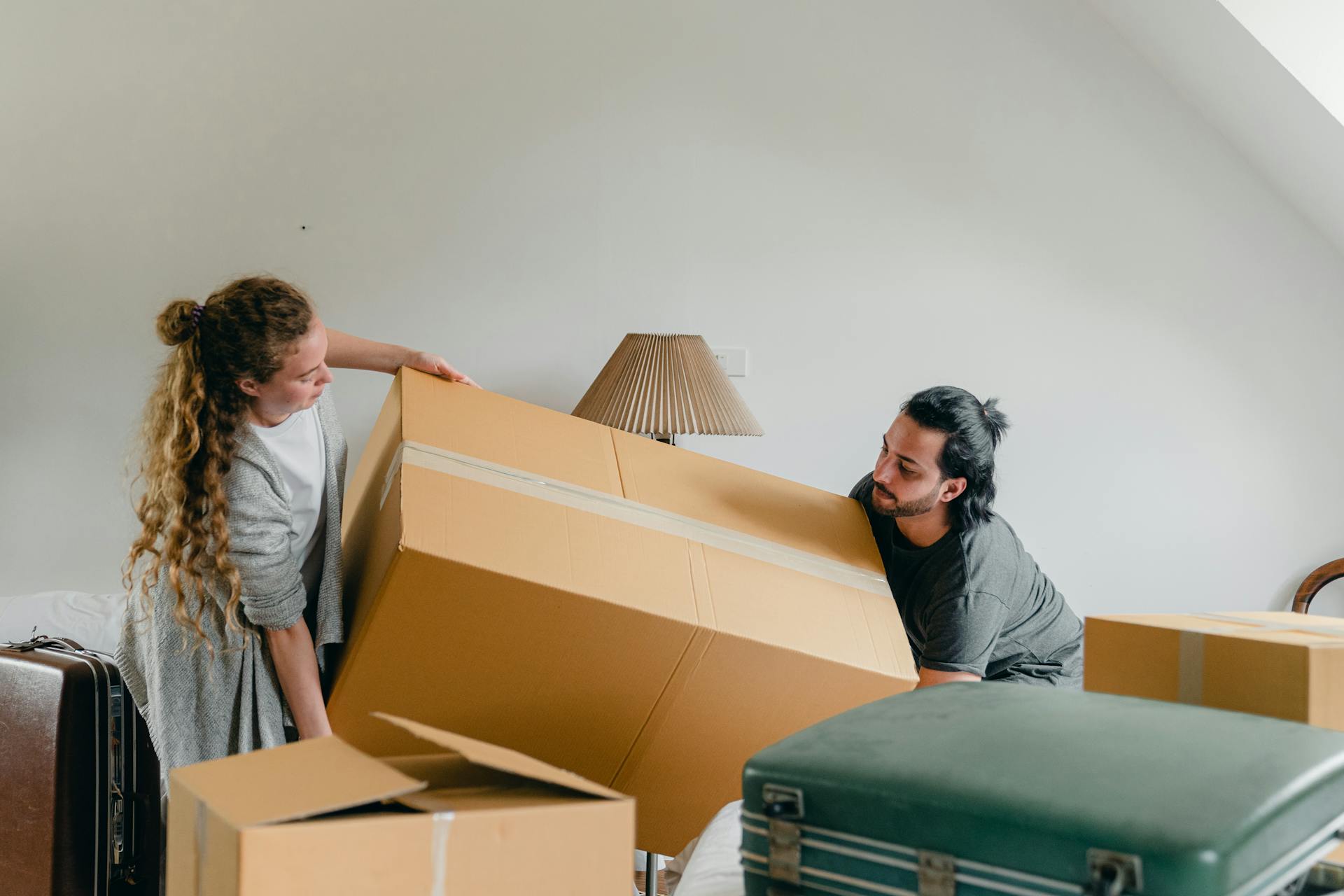
Packing should be simple: sort, box, label, move. But when every item holds a memory, it can turn into an emotional challenge. Even when moving companies take care of the physical work, they cannot step in when you open a drawer and find something that pulls you back into an old moment. Deciding what to keep or let go can stir up feelings you did not expect.
It is normal to feel attached to your belongings because they carry stories and pieces of your life. But taking everything with you is not practical. Focus on what truly matters. Keep a few meaningful items and let the rest stay in the past. Creating a small memory box can help you preserve what is important without overwhelming your new space.
In the end, sorting through your things becomes more than organization. It becomes a quiet moment of reflection before you step into a new chapter.

4. When Excitement Turns Into Anxiety
The early stages of moving often feel exciting. You make plans, browse for furniture, and imagine how the new place will look. Then, somewhere in the middle of packing and paperwork, that excitement fades. You start feeling restless, tired, or even anxious.
This happens because moving challenges both the body and mind. There’s constant decision-making, a long list of tasks, and endless uncertainty. The pressure to do everything perfectly can make you feel drained.
Try breaking big tasks into smaller ones. Focus on one thing at a time. Keep a short to-do list that feels achievable. Take breaks. Small, consistent actions help you stay calm and prevent burnout.
5. How Simple Routines Help You Feel Grounded Again
When everything around you changes, daily routines can bring a sense of calm. Simple actions like having breakfast at the same time or taking an evening walk help your body and mind adjust. These small habits build a rhythm that replaces the one you lost when you moved.
Psychologists often note that routines reduce stress by giving structure to your day. They help your brain focus on predictable tasks instead of constant uncertainty. You don’t need a strict schedule — even repeating a few familiar activities can make a big difference.
If mornings used to start with coffee and reading, keep that habit in your new home. It gives a sense of normalcy in a new environment. Over time, these routines turn into anchors that make your new surroundings feel familiar and safe.
6. How to Feel “At Home” in Your New Place
Feeling at home takes time, but small actions can speed up the process. Start by personalizing your space — hang familiar photos, arrange your furniture the way you like, or add scents that remind you of comfort. These small touches signal to your brain that this is your space now.
Building a connection with your neighborhood also helps. Visit local stores, learn nearby routes, and greet neighbors. The more familiar your surroundings become, the less foreign they feel.
Cooking a favorite meal or hosting a small gathering can also make your new home feel warmer. What matters most is consistency — using your space daily and filling it with small positive moments until comfort grows naturally.
Moving stirs up more than boxes and plans — it stirs emotions, memories, and identity. Feeling uneasy, tired, or sad after relocating is not a sign of weakness; it’s a normal response to major change.
By understanding what’s behind those emotions, you can handle them with more patience and self-awareness. Routines, honest communication, and practical support make a big difference. Over time, the sadness fades, and the unfamiliar becomes familiar.
Every move reshapes life in some way. While it may start with stress, it often ends with growth. Adjusting takes time, but when you look back, you’ll see that each challenge helped you build a stronger, more adaptable version of yourself.
For more on the latest in interior and decor reads, click here.