Luxury Horology is Written in Stone
As advanced cutting technologies unlock a wider world of minerals, watchmakers are transforming rare stones into distinctive dials that celebrate the beauty of nature.
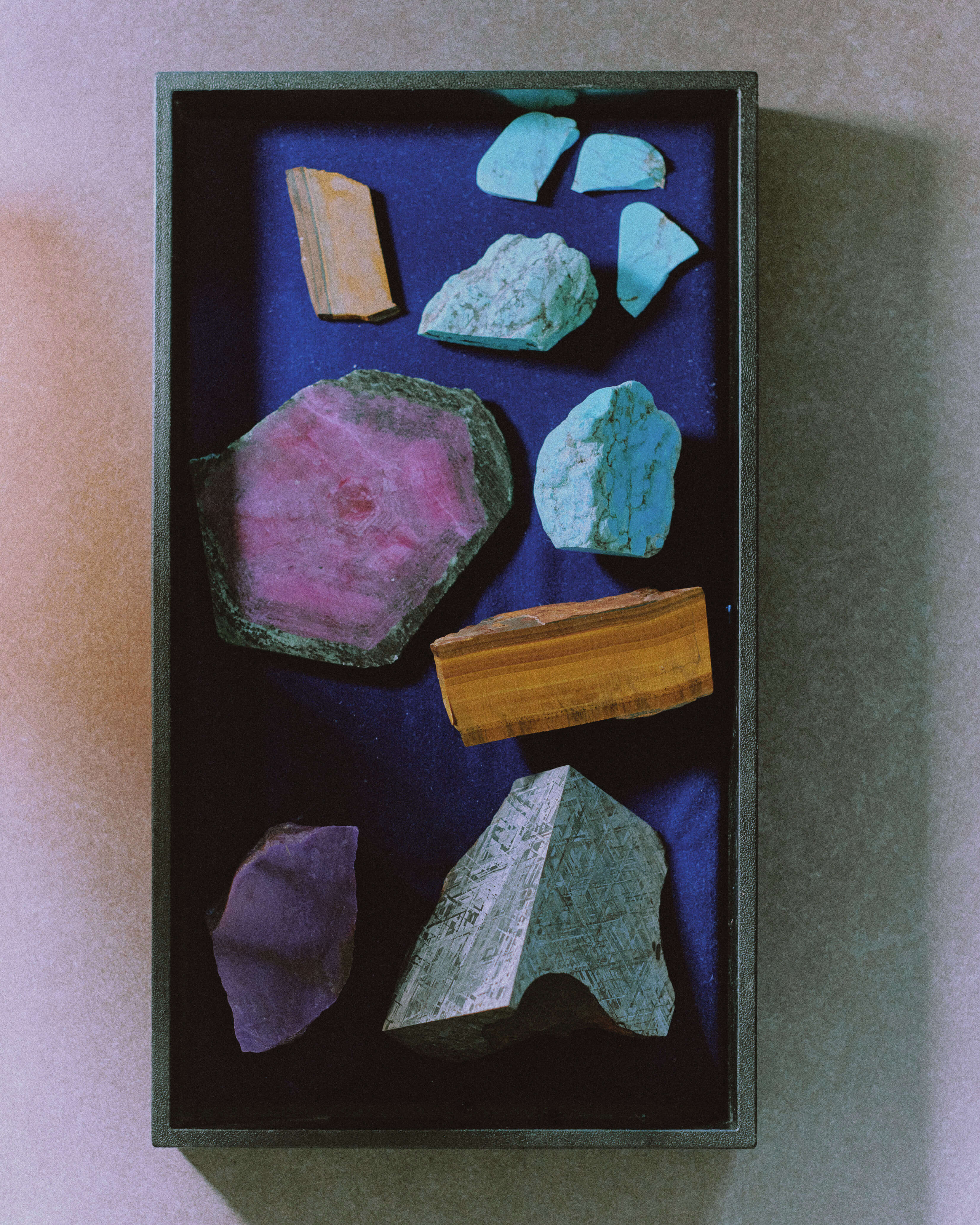
Slicing natural boulders into wafer-thin 1mm dials has long been one of horology’s highest-attrition nightmares. Today, as advanced laser cutting democratizes rare minerals, brands are finding that the universal hunger for unique and organic wrist canvases is rewriting the playbook.
The appeal is inescapable. Dials made from graphically entrancing natural stones are increasingly popular. Beautiful, sophisticated, exclusive, and often unique, the number of such minerals available to watchmakers is growing almost as fast as demand.
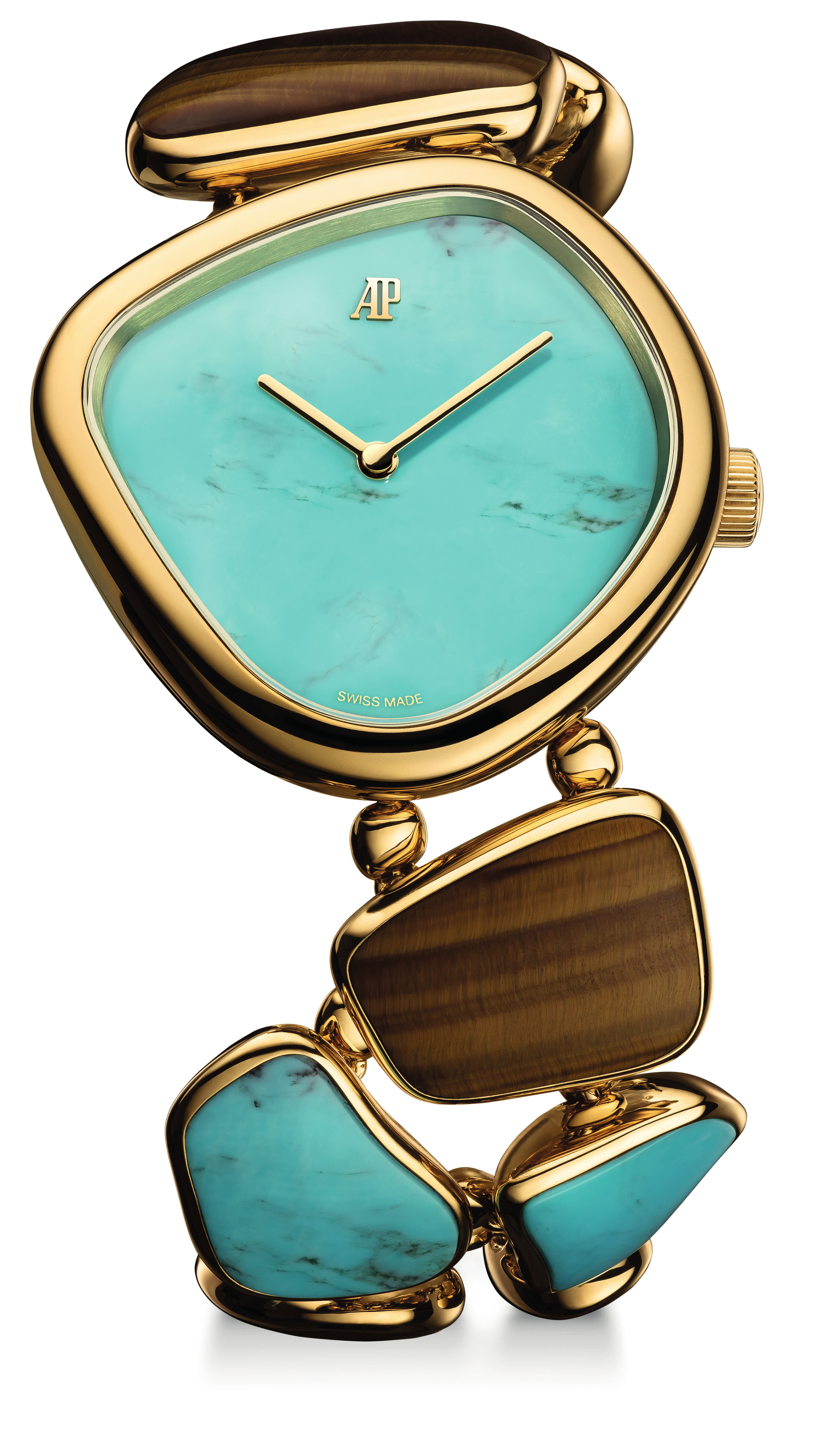
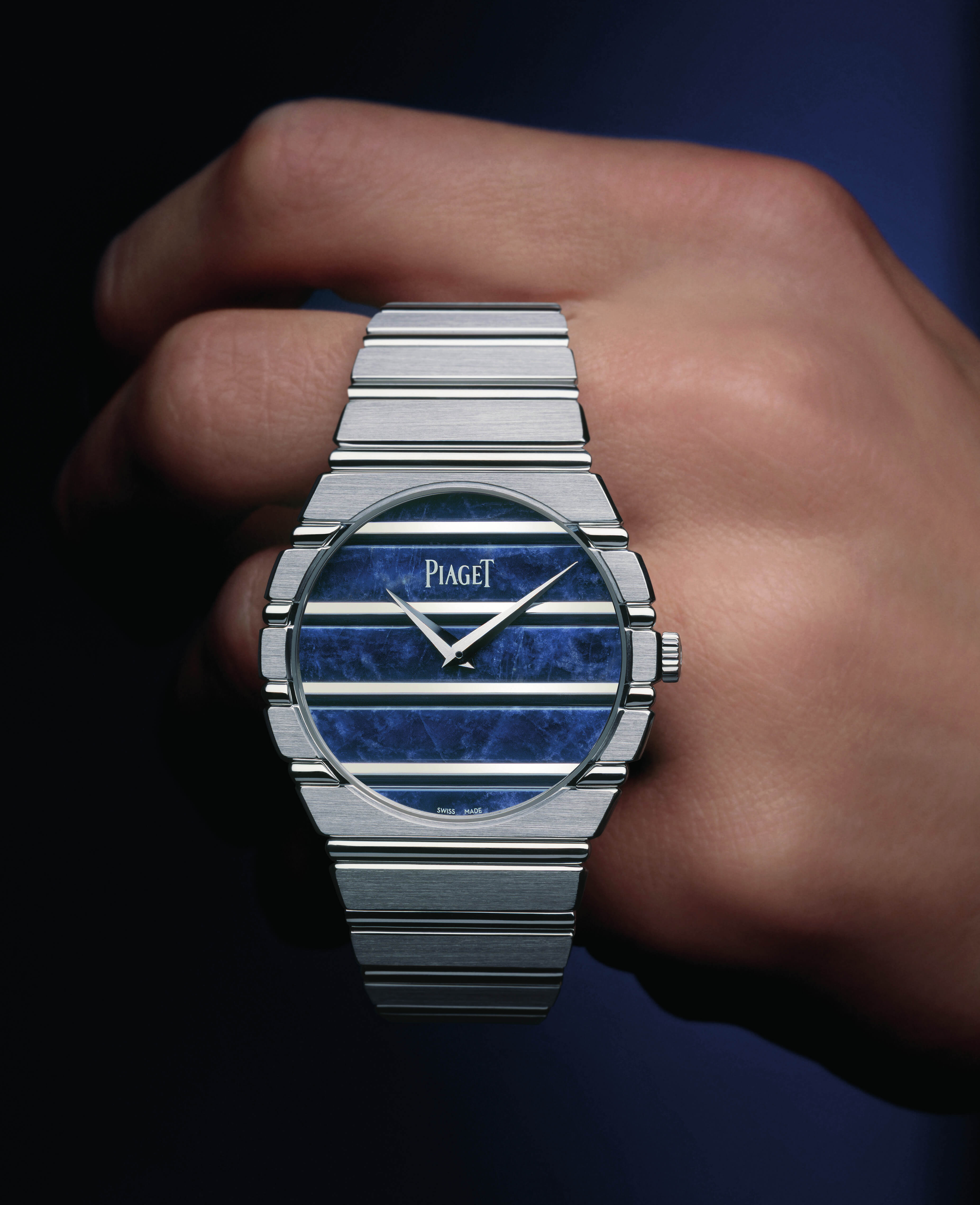
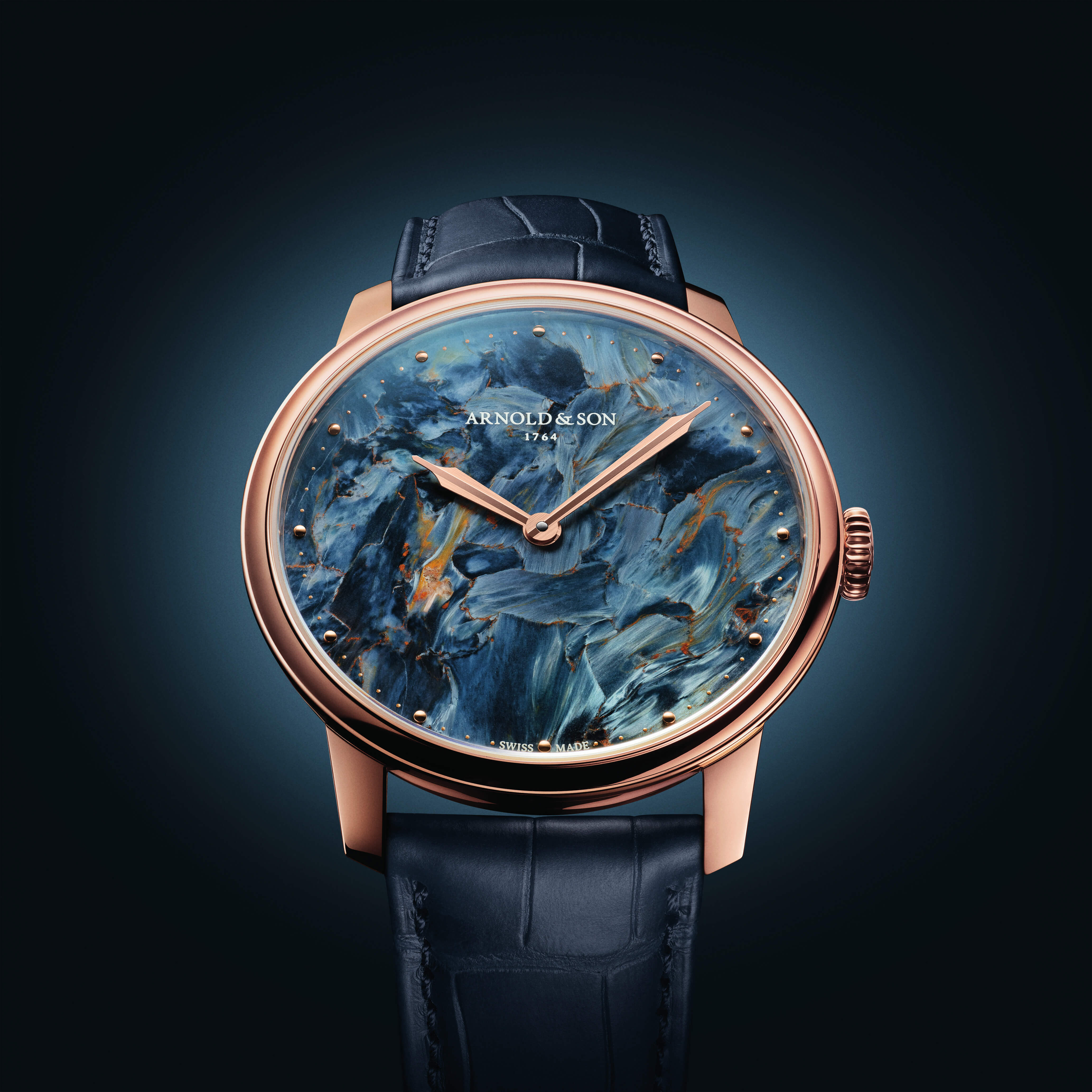
Watch brands are killing several birds with one stone – or perhaps multiple colorful and (somewhat) precious stones, to be more precise. In the first half of 2026 alone, more than 50 new watches have appeared fitted with striking mineral dials. The roster includes Patek Philippe, Arnold & Son, H. Moser & Cie, Biver, Zenith, Pequignet, Louis Vuitton, Frédérique Constant, Audemars Piguet, Dennison, and Jacob & Co. That is not to mention the two brands that started mining this particular kind of “gold” as early as the 1960s: Piaget and Rolex.
Brands are leaving no stone unturned – or unused – as the repertoire of eligible minerals keeps expanding. Behind masks made of the holy trinity of malachite, lapis lazuli, and onyx, not to mention dozens of rarer and occasionally quixotic materials, watches are showing their true faces. They are using hard, graphic stones to seduce the watchmaking public. The attraction of their colours, patterns, and reflections, all of which are available in an ever-widening palette, is proving irresistible.
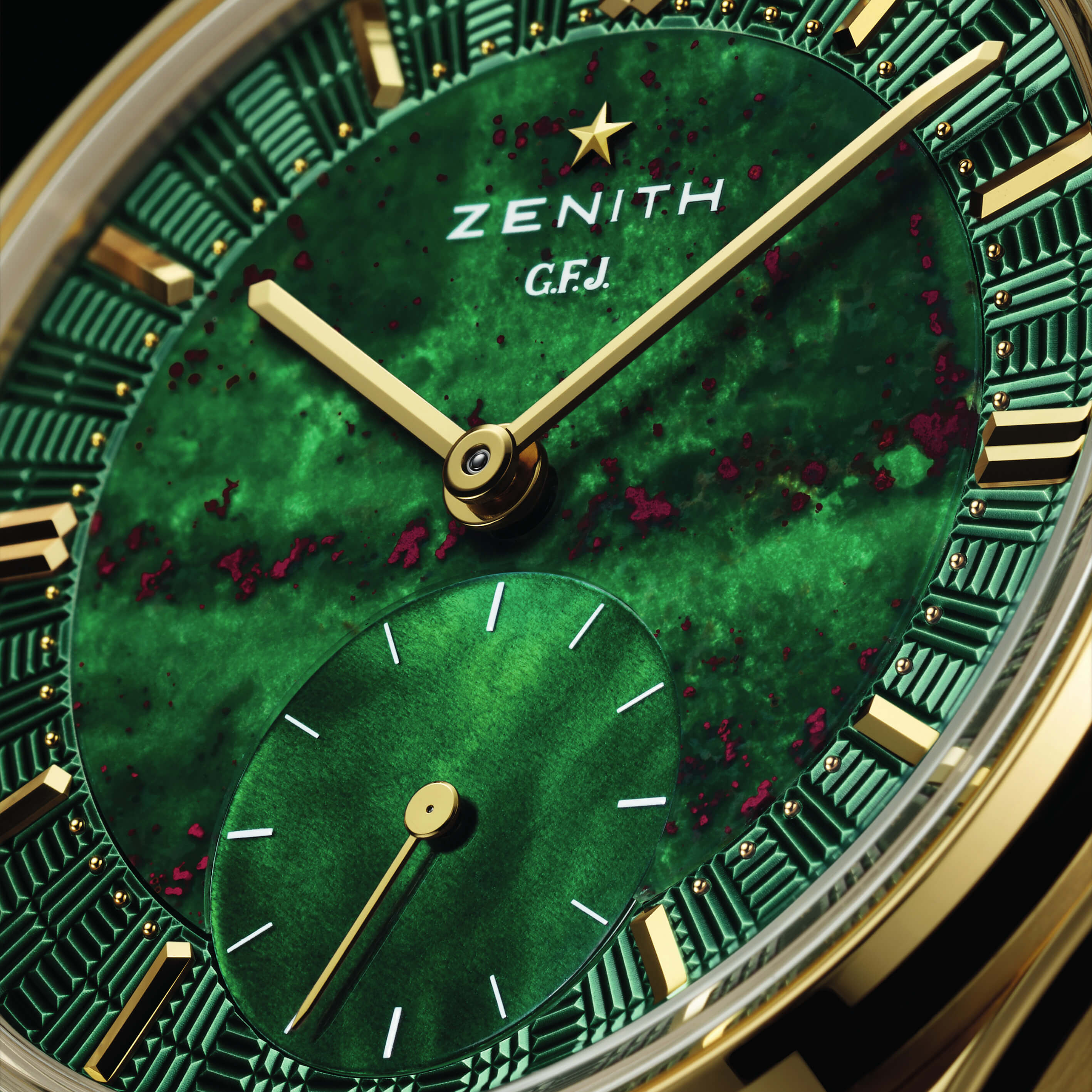
For several years, a single colour was enough to make a trend. A single, measly, lonely colour. By contrast, an opal has more than 30 shades per square centimetre. A slab of malachite or jasper offers patterns and details so unusual and varied they can elicit comparisons with landscapes, mushrooms, lakes, and outright psychedelic visions. How could anyone resist?
FROM THE DEPTHS
To contextualize today’s full-blown mineral boom, one must trace the deep-rooted pedigree of these natural canvases. As explored in our report last year on this subject, “The Stone Revivals,” in the Vision issue, the dialogue between humanity and ornamental hard stones – historically referred to by the humbling moniker “semi- precious stones” – spans millennia.
Long before they were bound to mechanical calibres, opaque ornamental solids like lapis lazuli, turquoise, carnelian, and agate served as ultimate markers of royalty and religious sanctity. Archaeological footprints trace these materials back to Neolithic beads in Mesopotamia, amuletic talismans in ancient Egypt – such as Tutankhamun’s famed winged scarab pectoral – and classical Roman lapidary cataloguing. Roman author Pliny the Elder dedicated the entirety of his Natural History (circa 78 CE) Book 37 to these wonders, writing that beholding them was enough to see “the supreme and absolute perfection of Nature’s work.”
STONE-AGE TIMEKEEPING
While stone carving thrived across centuries via Middle Age cameos and Art Deco objects d’art, its integration into watchmaking is a far younger, more torturous discipline. Historically confined to exterior case accents due to the immense technical barrier of slicing rock into wafer-thin discs, the true stone-dial wristwatch finally became a reality in 1963.
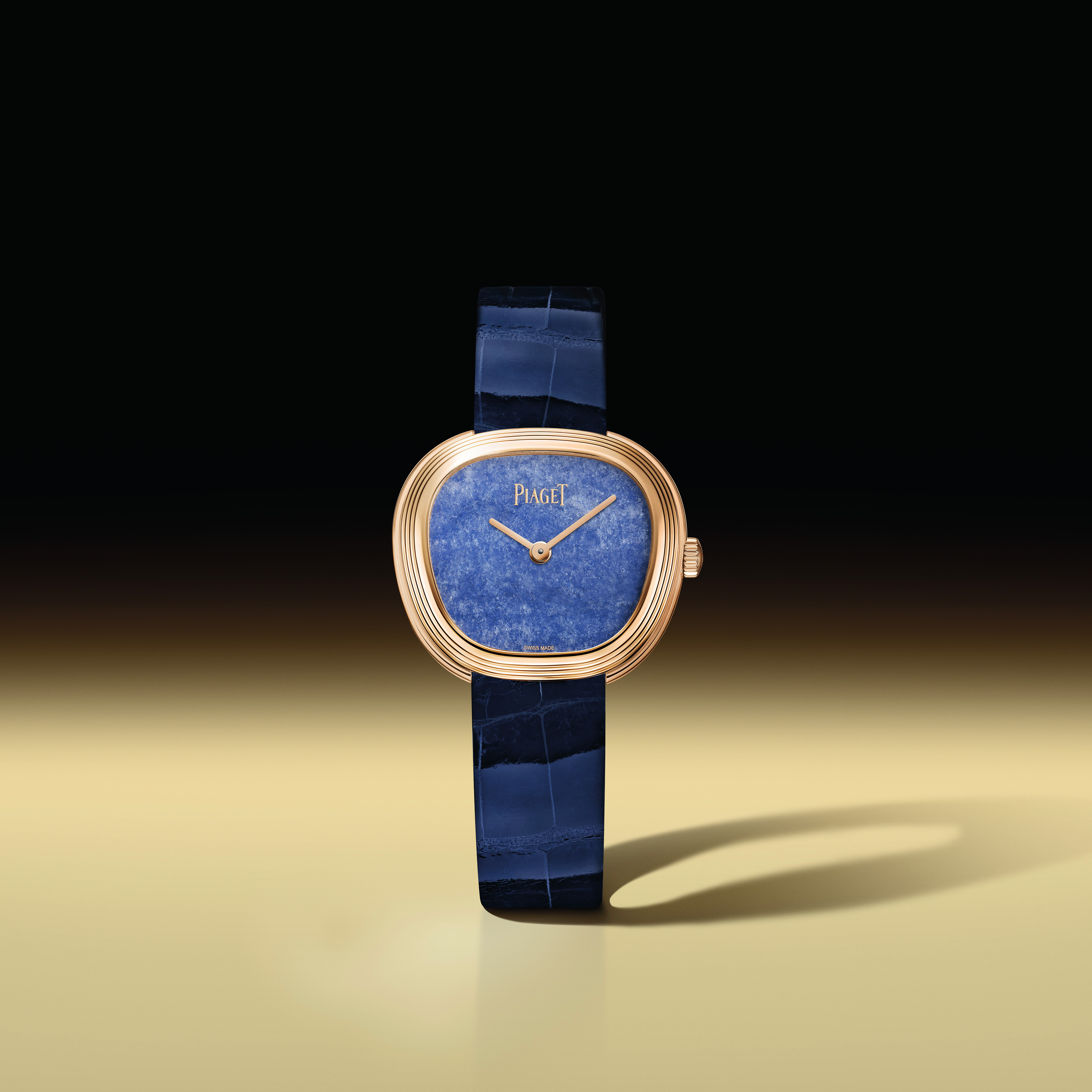
The house of Piaget is widely recognised as the pioneer of this movement, debuting a vibrant lineup of ladies’ timepieces adorned with ultra-thin slivers of lapis lazuli, jade, opal, malachite, and tiger’s eye. This avant-garde launch perfectly chimed with the rebellious, colour-drenched spirit of the 1960s Pop Art movement. Piaget’s achievement was heavily enabled by its proprietary, revolutionary ultra-thin mechanics – specifically the 2mm-thick manual-winding Calibre 9P and the 2.3mm automatic Calibre 12P – which smoothly countered the extra physical real estate required by a 1mm-thin stone dial.
By the 1970s, Rolex firmly institutionalised the style, curating an expansive catalogue of roughly 120 stone variations across its premier Datejust, Day-Date, and eventually Daytona mainstays. This technical evolution shifted stone dials from delicate, gem-set cocktail watches strictly marketed to women into robust, hard-working men’s tool watches. Over the subsequent decades, the craft transitioned from high-attrition manual lapidary to highly accurate, computer-guided laser cutting, drastically reducing wastage and paving the way for industrialized democratization.
PALAEOLITHIC POSTURING
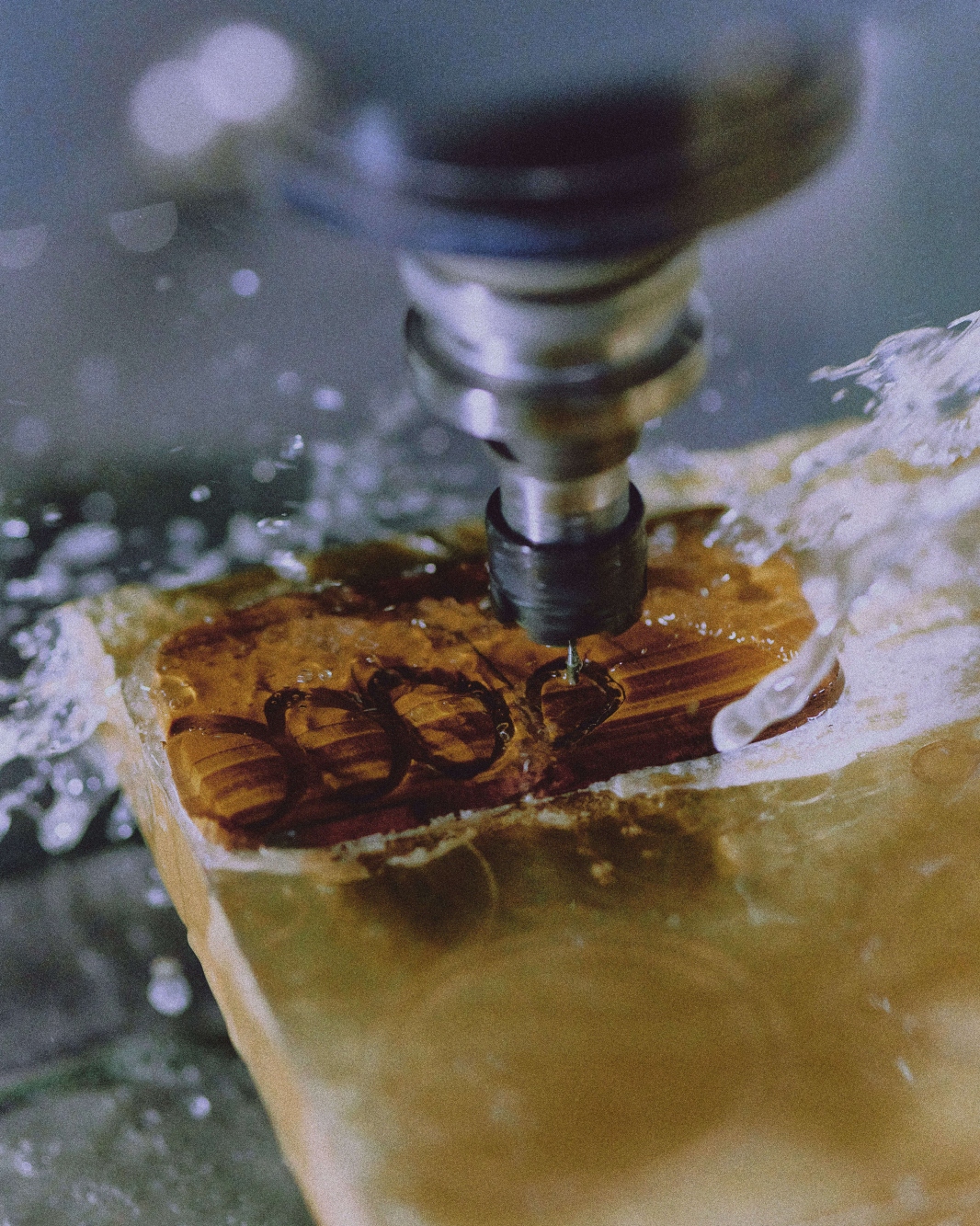
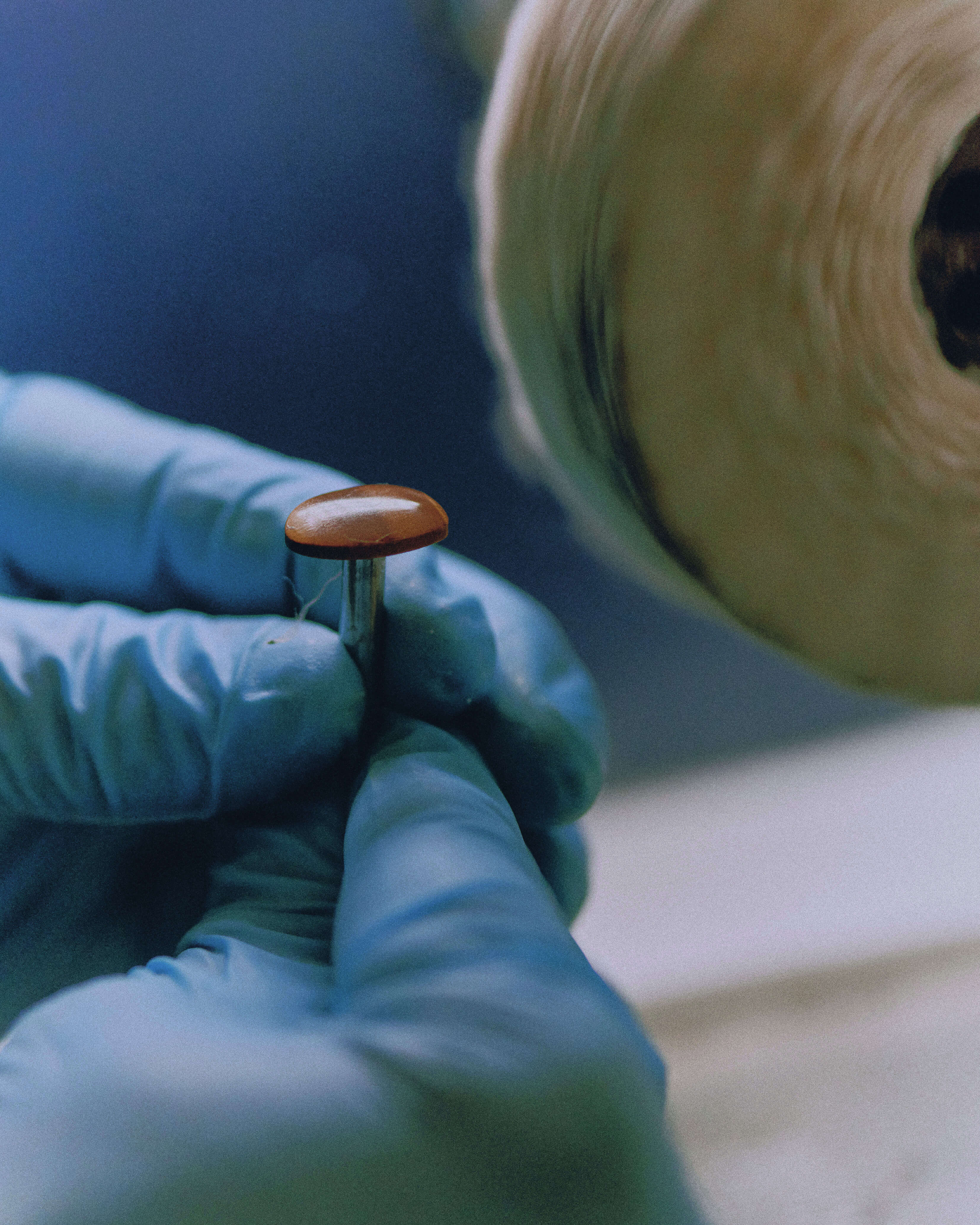
As natural materials go, stones have exerted as fascinating an effect on humanity as gems. The two categories may not be as far apart as one imagines, as mineral dials can reach levels of value that defy imagination. “A slab of opal beyond 30mm will cost tens of thousands of (Swiss) francs before a dial-maker has even started working on it,” says Hervé Cerruti, professional stone hunter and head of supply at Pylania, a specialist based outside Biel, Switzerland.
What he means is that the kind of opal eligible for this level of work – the very prelude to making a watch – is so rare, fragile, highly in demand, and beautiful that it will fetch more than the rest of the watch it is meant to fit inside. But these levels of rarity and price are not the only segment stones operate in. Long gone are the days when they exclusively landed inside the most high-end and sophisticated creations; today, they are all the rage, driving a full-blown “stone rush.”
“There’s a powerful trendy appeal for watches [that retail] between CHF3,000 and 5,000,” says Caviraj Appadoo, technical and sales director at dialmaker Estima. This price bracket, the most populated in the industry, gives stone dials unprecedented reach, which was already the case in geographic terms.
“The most beautiful thing about them is that they seem to have universal appeal,” says Pascal Béchu, managing director at Arnold & Son. “They sell in all markets.” Some stones remain more deeply rooted in specific cultures, which has a lot to do with where they are most abundant. “We did a limited series of our Luna Magna with a turquoise dial, and all of it went to the US market,” says Béchu. It does not take much to guess where most jade-clad watches are headed.
THE EARTH’S PALETTE
The most striking and defining trait of the current stone-mania is diversity. Some of it comes from the almost infinite number of interesting materials created by Mother Earth, some of whose names can barely be articulated.
“There’s a massive number of varieties out there. And it keeps getting larger and larger,” says Béchu. “With the current technologies, we’ve gained access to stones that are more fragile and tender. Plus each family contains incredible diversity.”
Yet anyone would be hard-pressed to name five stones usable in watchmaking besides the three or four obvious ones. “On any given day, we hold over 100 different stones in our inventory. And that’s not including (all different types of) marble,” says Appadoo.
This overwhelming presence of stone dials should be enough to raise suspicion. If the same mineral can land in an EUR 800 watch and in another worth 10 to 50 times that, it must mean there is a significant difference in cost, and therefore in quality. When extracted from a mine, the roughs of onyx, lapis, pietersite, and jasper do not look like much; they emerge as large gravel caked in mud. The primary expertise lies in identifying exploitable samples – needles in haystacks the size of actual mountains.
Only then can sorting begin. A cascade of quality criteria comes into play to define a finely stacked hierarchy of grades. Take a common, almost trivial stone like turquoise: the cost difference between two dial-grade samples can be 500-fold, and a single dial can cost a brand more than CHF10,000. Some customers want a solid colour, while others demand a specific pattern. One collector likes veins in his jasper, while the next will ask for blue-only lapis – meaning he actually wants lazurite, one of the minerals that cohabitated in Ancient Egypt’s favourite gemstone.
HARD WORK
Long before it is given a flat, circular shape with a handful of holes drilled into it, a stone must first be hard enough to be considered for cutting. Even then, they break frequently, with a churn rate of up to 70 percent. “A dial can break at any time, even when we’re printing the numerals,” says Appadoo. According to him, the worst of them all is one of the most commonly used of late: “Malachite is extremely difficult to work with. It contains a lot of fracture lines. And it’s made of 70 percent copper. Its cutting dust is toxic.”
Yet when it comes to stones, one of the most defining factors deciding their desirability is their surface area. In this instance, size does matter. Small watches, especially tiny, elegant pieces sized under 30mm, are alluring from a cost perspective. The most recent manufacturing shortcuts, like resorting to mosaic arrangements, have the double advantage of creating extra patterns and recycling smaller fragments of otherwise expensive material. Waste minimization and added design value are exactly what the doctor ordered.
However, the customer generally requests something altogether different: They want the wow factor, shimmer, and unique three-dimensional texture of solid hard stones. What not all of them know is just how mind-bogglingly expensive they can be.
MIND THE MOTIF
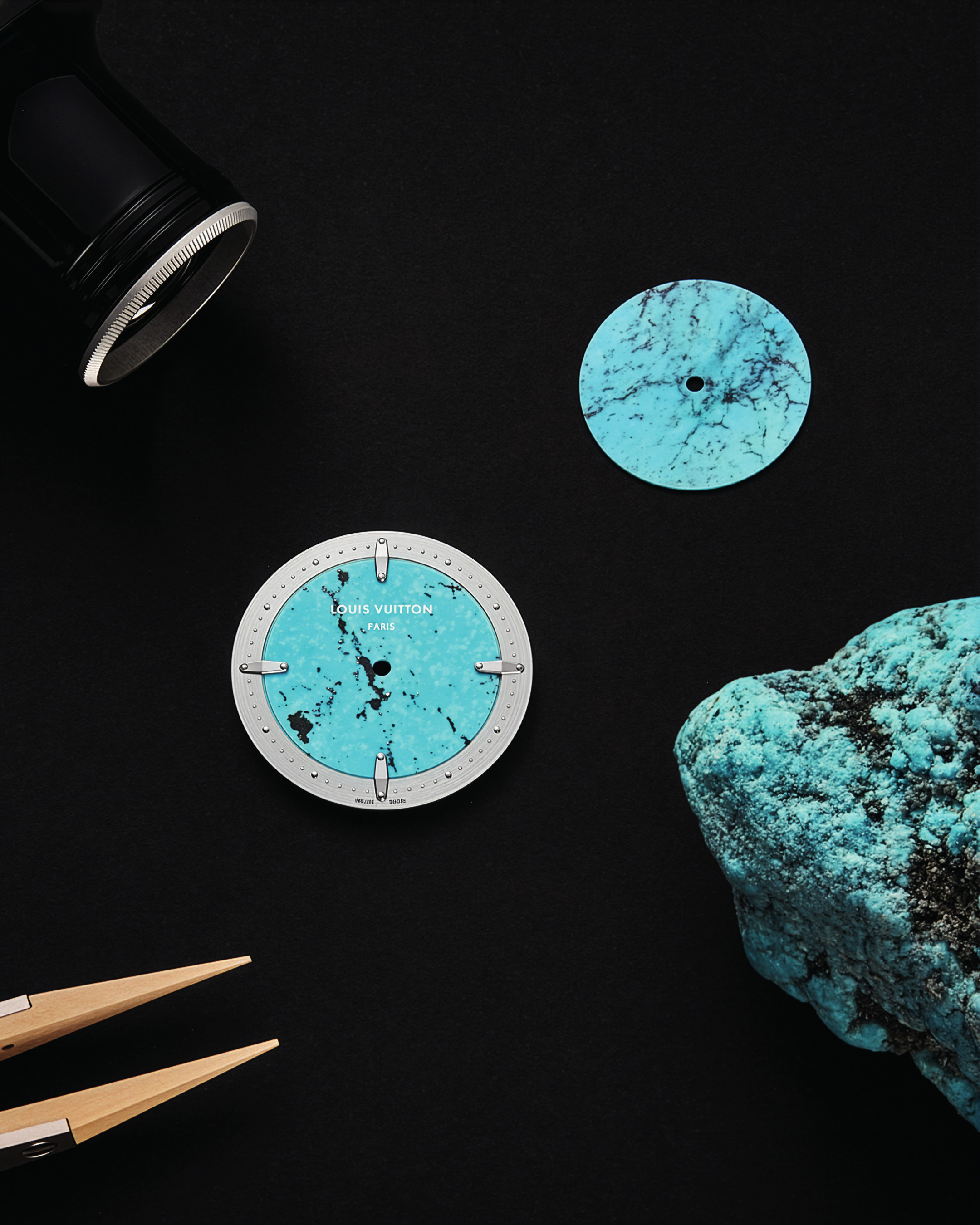
One of the most demanding sieves when selecting a specific stone over another is the pattern it displays. On this issue, like many others, there is an overwhelming bias coming from brands’ communication materials: They use digital renderings more often than actual photographs. When they do use photography, they select the single most prized type of stone to showcase a new model, a new collection, and their technical know-how.
In actuality, no two stones are the same, even within the same rough block. It would be a mistake to assume that the beautiful, almost perfect horizontal lining on a malachite piece you have seen on social media is what you will find in a boutique, or that the ideal gradient from cappuccino to dark brown in a tiger’s eye dial is the one actually available to you. These patterns are random and rarely perfect. It is the daunting task of the brands using them to get as close as possible to the best available quality.
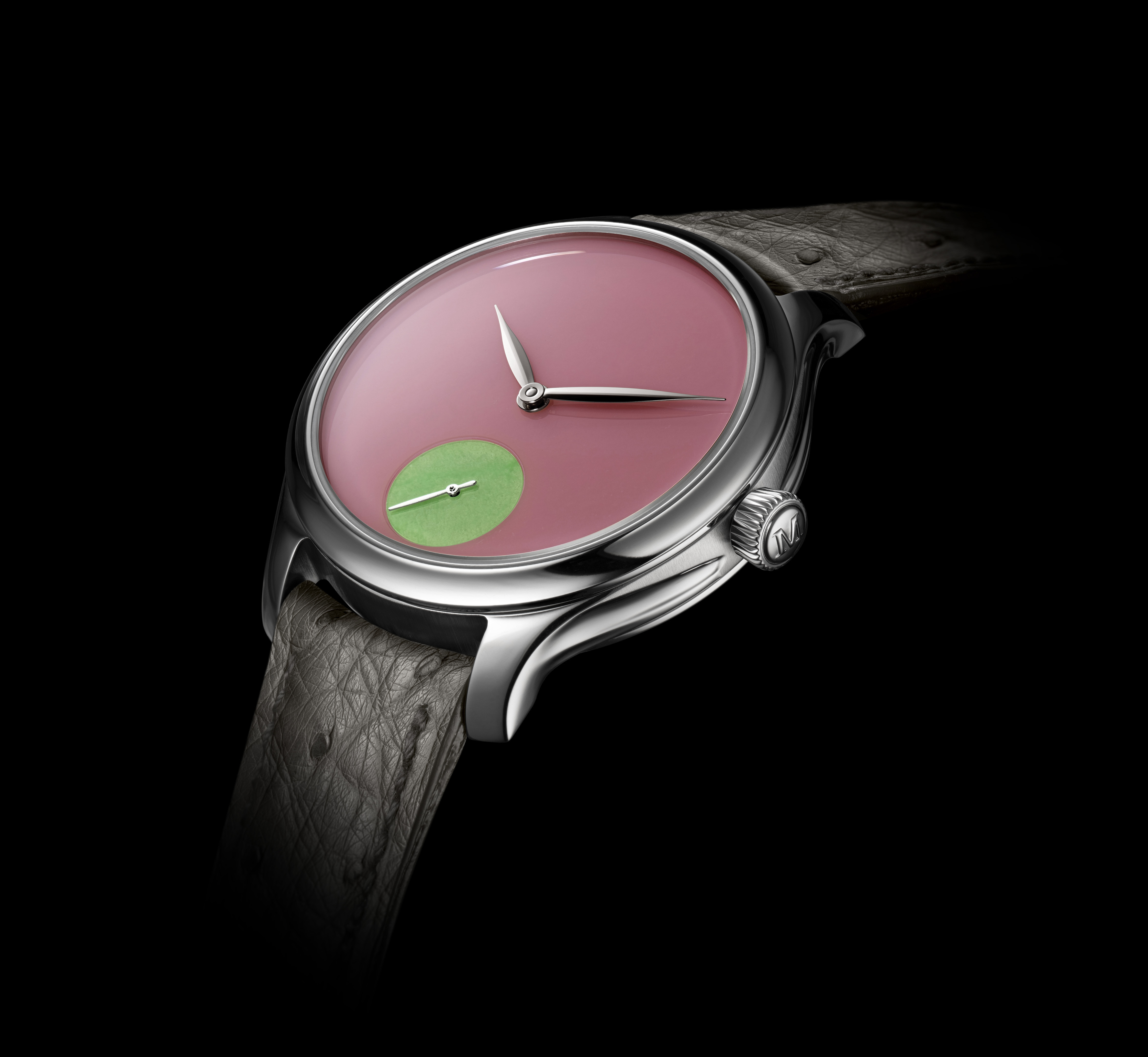
When a trend hits watchmaking, it always creates the same effect: Some rush to exploit it, while others, generally the early adopters, evolve and differentiate. In the case of stone dials, the way off the beaten path is to use exotic, unknown, and even weird choices. ArtyA went so far as to use fossilized poop. Meanwhile, other independent powerhouses are exploring rare but traditional minerals to stand out.
“Our goal is to bring ever more exclusivity to our collections, using short, limited editions,” says Béchu. “Our way of doing that is to resort to stones that haven’t been used in watchmaking.”
Case in point: After utilizing marcasite, Arnold & Son turned to verdite and green Baltic amber. Rolex, a pioneer of such dials as far back as the 1960s, uses green aventurine (the actual stone, not the glass) and falcon’s eye, while Biver opts for mahogany obsidian and lavender jade.
“Each stone dial is unique,” says Jean-Claude Biver, CEO of the namesake brand. “With their help, we strive to create watches that are never the same twice. A large part of our clientele is precisely looking for such oneness.”
With more than 30 different stones currently being used in watches, that goal seems increasingly doable. As brands keep throwing pebbles into the pool of buyers, the ricochets keep spreading, with no visible end in sight.
This story was first seen as part of the WOW Summer 2026 issue.
For more on the latest in luxury watch reads, click here.