Hublot Welcomes CEO Julien Tornare to Drive Innovation and Global Growth
Newly-appointed CEO Julien Tornare is set to lead Hublot into a new era marked by innovation, sustainability, and strategic global growth
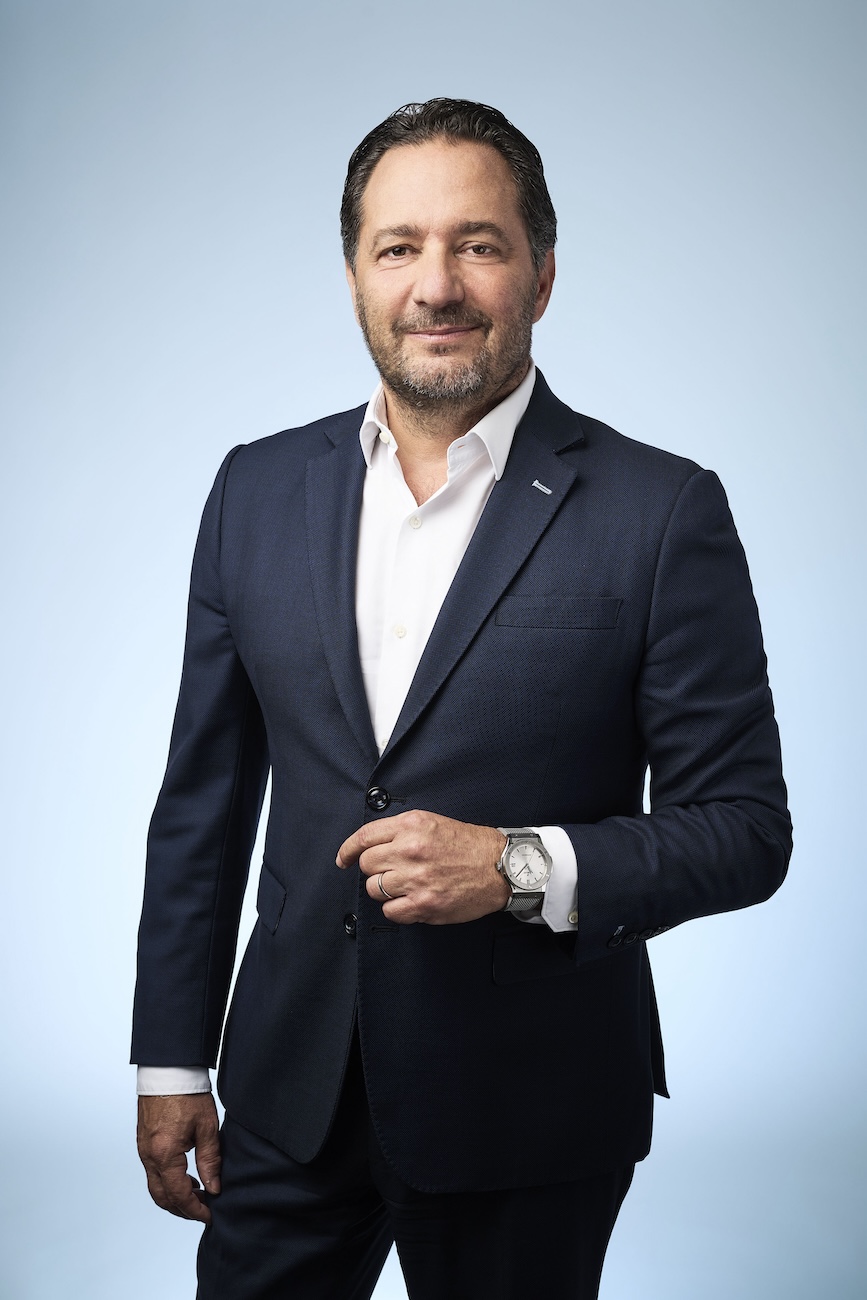
With more than 25 years of experience in the luxury watch industry—holding senior roles at Vacheron Constantin, Zenith, and TAG Heuer, Julien Tornare is a man the editors of WOW and our sister titles Men’s FOLIO and Esquire know well. Shortly after our first interview with him when he was at TAG Heuer last year, LVMH made a shock announcement: Tornare would succeed Ricardo Guadalupe to become the CEO of Hublot. Our interview with Tornare last year therefore turned into a think piece on how he might transform Hublot, while noting that Antoine Pin would be replacing him at TAG Heuer <our interview with the former Bvlgari man will be coming in the Summer issue – Ed>. We had been itching to find out how the Hublot situation emerged and got our first chance this year.
Known for his sharp focus on innovation, digital transformation, and expanding brand presence, Tornare is well-equipped to take Hublot to new heights. He is the ideal CEO for a brand like Hublot, often described as a rebel—whose very first timepiece was disruptive, combining gold with a rubber strap
in a case inspired by a ship’s porthole. (“Hublot” is the French word for porthole.)
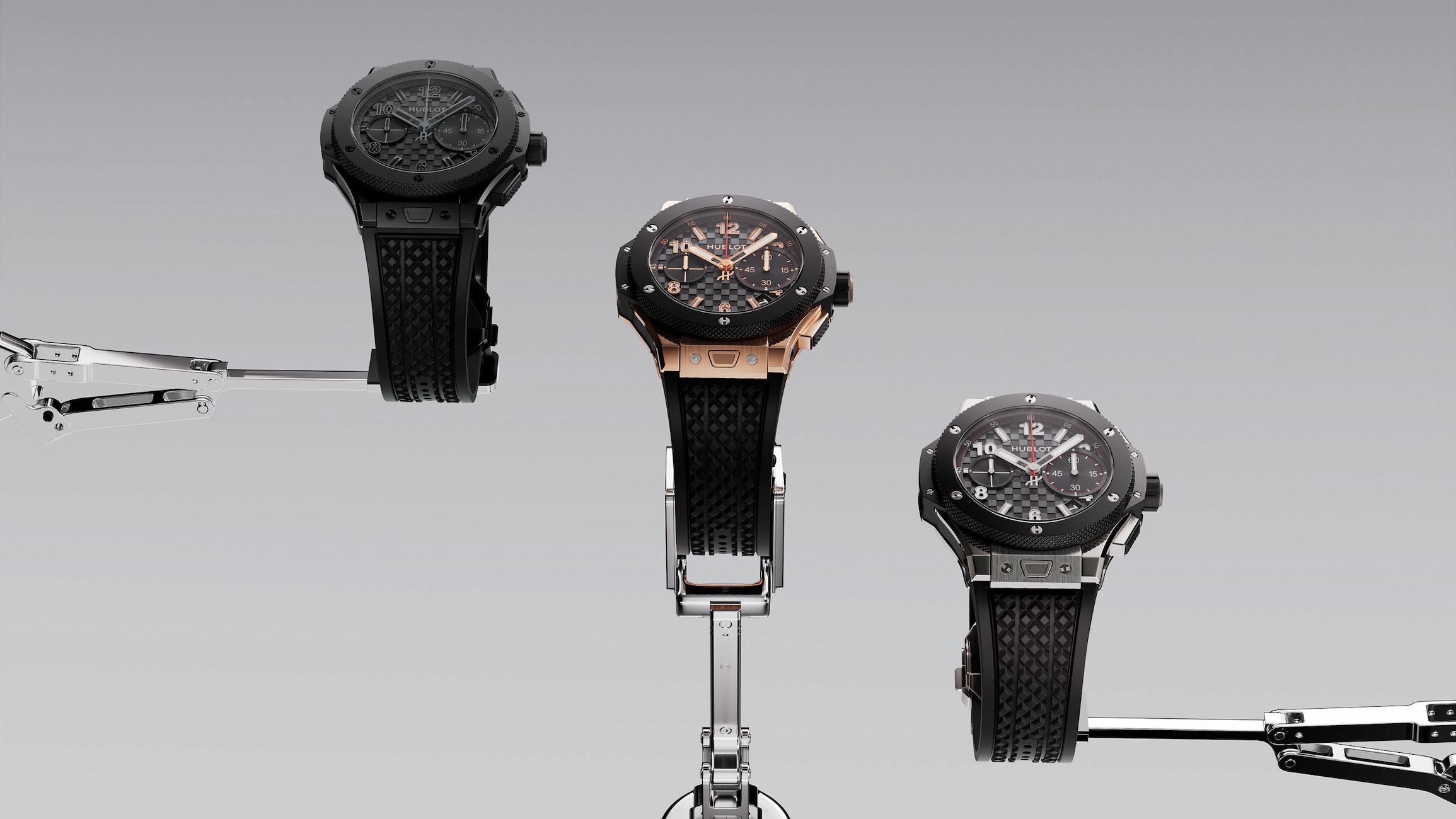
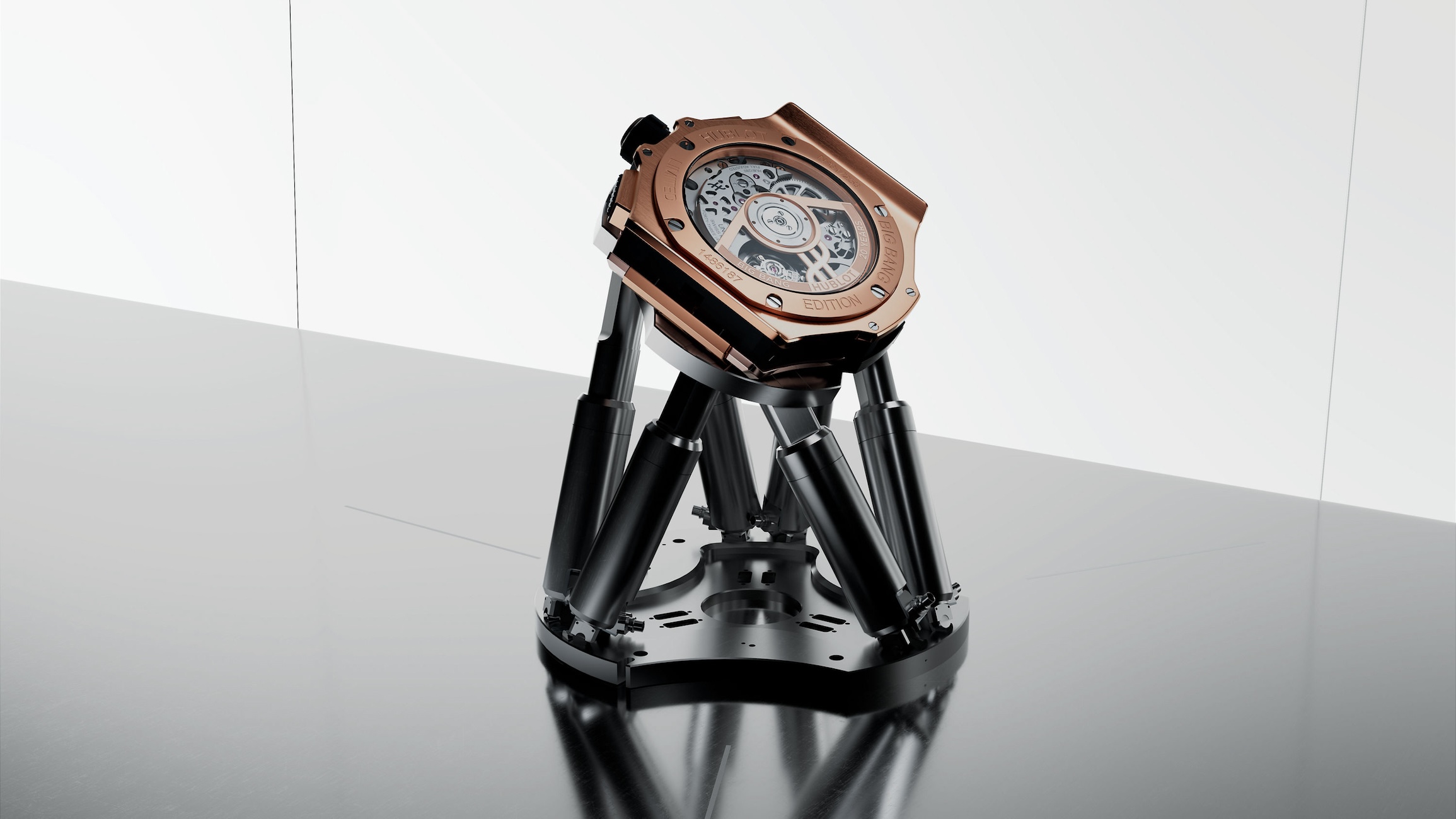
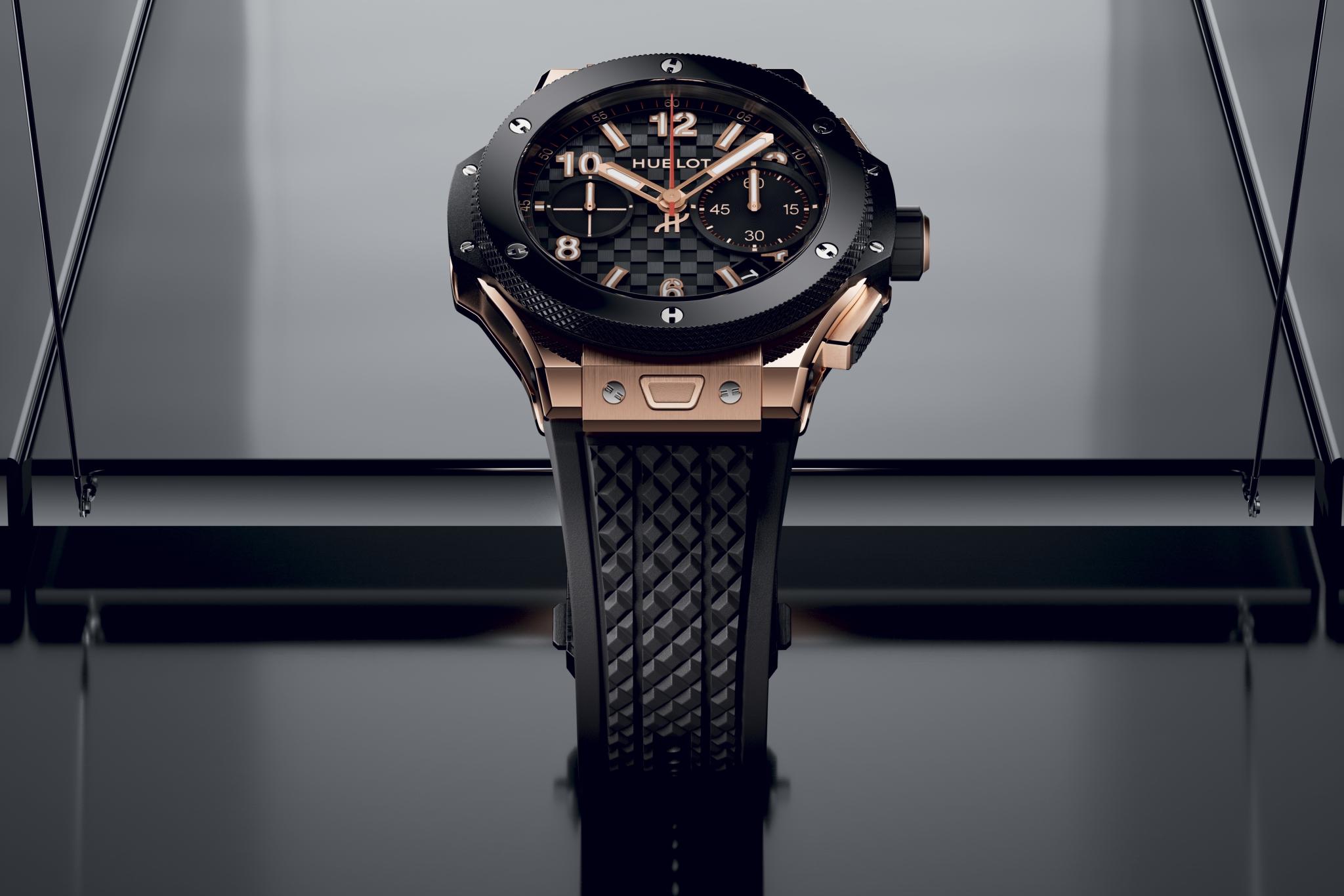
Since 2005, Hublot has continually evolved with bold new collections, including the Big Bang, Classic Fusion, Unico chronograph, Meca-10, Tourbillon, and Cathedral Minute Repeater—each more daring than the last.
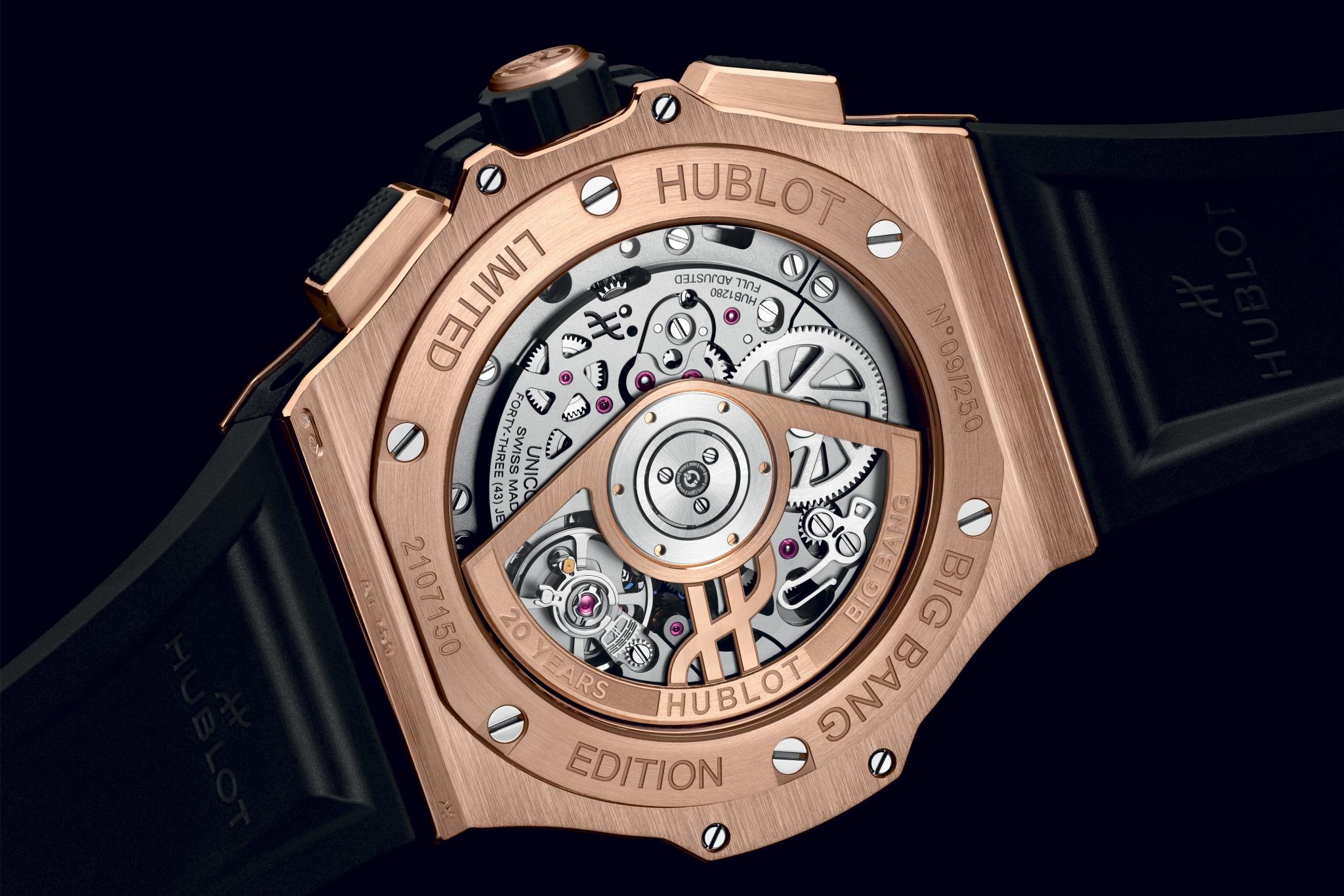
Read More: Hublot Big Bang 20th Anniversary Limited Editions
Hublot’s influence extends far beyond horology through strategic partnerships, especially in football. The brand’s passion for sport is reflected across art, design, music, fine dining, and sailing. Additionally, Hublot demonstrates its commitment to sustainability through collaborations with environmental initiatives like SORAI and Polar Pod, addressing urgent global issues.
Earlier this year, just a few months before Watches & Wonders Geneva, Tornare sat down with several journalists to discuss a wide range of topics, including AI, collaborations, innovations, and more.
What do you plan to bring to Hublot from your time at TAG Heuer? Are you looking to introduce something new?
I’ve been involved in the world of classic watches, including TAG Heuer, which is more volume-oriented. Hublot, of course, is a high-end, contemporary brand that focuses on pushing watchmaking forward—not solely based on heritage, but on introducing new ideas and innovations to the industry.
This dynamic environment is very exciting for me. My roadmap is to strengthen the qualities that have made Hublot so successful over the years and to continue elevating the brand on different levels, including its watchmaking expertise. Coming from brands like Vacheron Constantin and Zenith, which are deeply rooted in traditional watchmaking, my goal is to reinforce and advance our movement strategy, ensuring we have a solid foundation as a watchmaker.
At the same time, I aim to amplify the two key drivers behind Hublot’s success—its highly dynamic and innovative marketing, and its focus on materials, creativity, and technological innovation. This, I believe, is the path to further solidify Hublot’s position at the forefront of modern watchmaking.
Why did you pursue the development of this Magic Ceramic? Ultimately, do you see the possibility of creating an entire case in Magic Ceramic?
This was just the beginning, a way to demonstrate our focus on bi-colour and multi-colour ceramics, which are very challenging to produce. Our team has been working on this for a long time, and I believe it shows that Hublot remains at the forefront of innovation. Creating vivid colours in ceramics is already impressive, and we’ve proven that over the past few years. But introducing bi-colour and multi-colour ceramics—something that will happen soon—is crucial for driving the brand’s development of new materials.
We are known for pushing these boundaries. I am fortunate to work closely with Mathias Buttet—an absolute genius—and I regularly collaborate with him to explore what innovations he can bring to the table. Together, we aim to turn these innovations from mere concepts into viable business models, and I plan to pursue this path vigorously. (Before the fair), we decided to showcase that bi-colour ceramic is a hallmark of Hublot—something that no other brand has achieved.
Do you know which boundaries to push and which ones to hold back on?
Principally, I believe Hublot should be able to push every boundary because I don’t want to impose limits on our creativity. I will always be the guardian of what Hublot stands for, and I think it’s crucial to stay true to our identity.
In terms of innovation and creativity, we can push forward. But, as I mentioned earlier, some ask me, ‘Are you going to make a smaller Big Bang now that trend today is for smaller watches?’.
No, the Big Bang is the Big Bang—it’s not called the Small Bang. Hublot is known for watches with a lot of character, and I won’t follow trends by making tiny or ultra-small watches. We may adapt, as we did with the Meca 10, which went up to 42 millimetres—a great decision. But we will remain true to who we are. That is probably the boundary I won’t cross: I won’t change what the brand is all about.
We need to stay authentic and timeless—that’s how people will appreciate what we do. When it comes to creativity and innovation, I constantly challenge my team to surprise me. I believe Hublot has always been a brand that surprises its clients—everywhere, whether in boutiques, watch shows, or through marketing. We always aim to impress.
Big Bang was essentially born out of the Art of Fusion. How does this philosophy resonate with you?
Again, it’s still part of the brand’s DNA. The Art of Fusion is essentially a translation of the brand’s philosophy—to be disruptive and to try new things. You might call it something else, but the Art of Fusion originally referred to the Big Bang, as well as the combination of materials—something that has been at the heart of Hublot’s identity from day one.
This includes the Unico movement, which seamlessly combines rubber and gold, and the innovative work Jean-Claude Biver contributed years later. We will continue to embrace this approach. We’ll introduce new materials and blend them with others, maintaining this spirit of fusion through a different, evolving perspective.
Did the Big Bang collection inspire you?
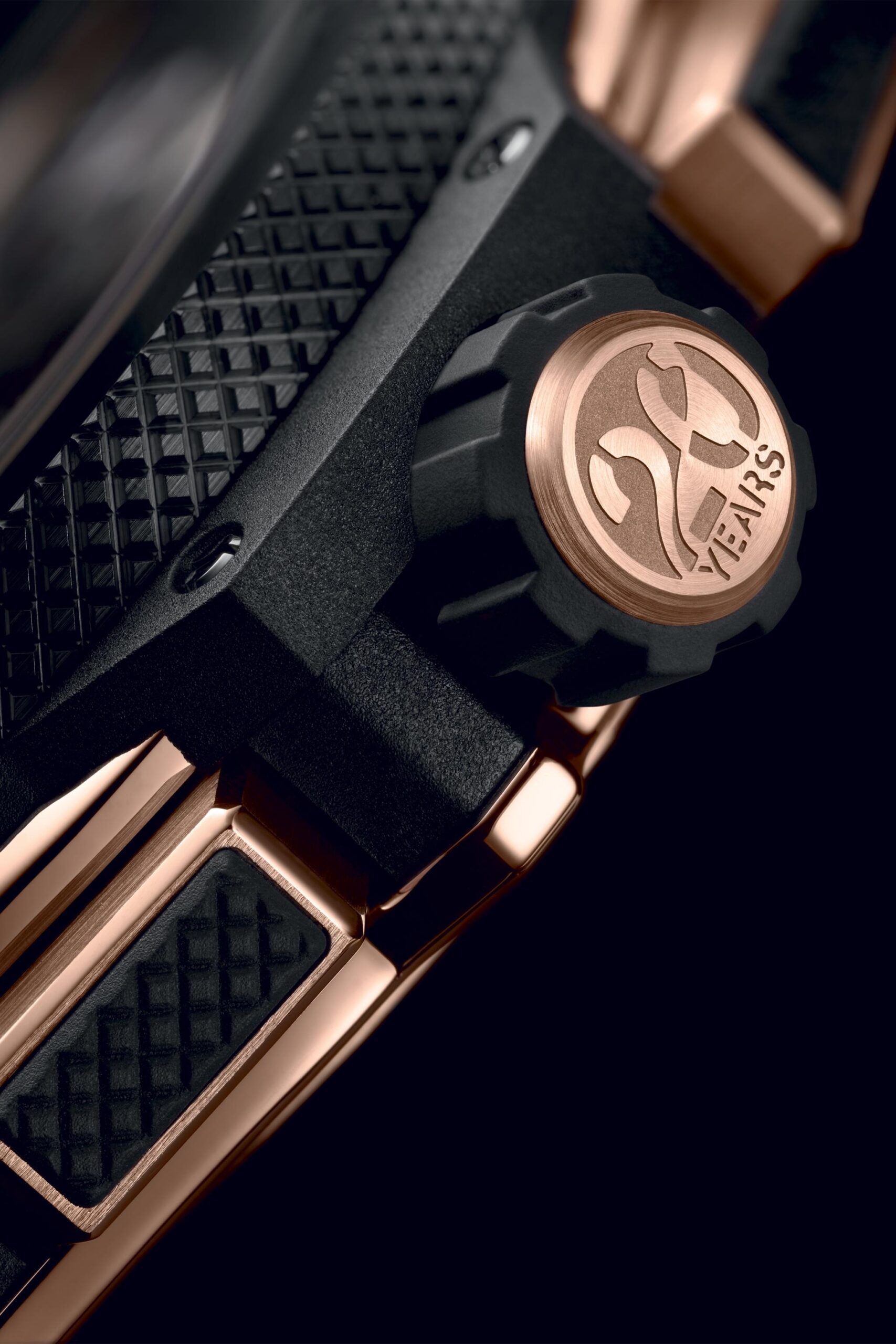
Yes, I remember it from 20 years ago. It was incredible to see a watch with such a completely different construction and philosophy—something entirely new in how it was made and assembled. The way you could play with modularity and change the look of the watch in such a versatile way was revolutionary. It was absolutely innovative—something truly unprecedented. For me, it gave a real push to the industry at that time.
Many brands realised that innovation and creativity are crucial. They saw that this new brand was pushing the limits, forcing others to react and wake up. Before, many companies relied solely on their past and heritage, producing re-editions upon re-editions. When Hublot entered the scene with such a bold approach, it signalled to the entire industry that to appeal to the younger generation, brands must demonstrate dynamism and innovation.
There was always a fear back then—many thought brands would switch to quartz watches, especially after the 1970s. More recently, the concern has shifted to connected watches. But with brands like Hublot showing a strong drive for innovation, I am convinced that the young generation will continue to buy mechanical watches.
How do you navigate this changing landscape of consumer engagement?
I believe that consumer engagement starts with the fundamental question: how do we create a bond beyond just producing and selling beautiful watches? We don’t just sell a purely useful product, because a watch today isn’t a necessity. Instead, a watch is meant to evoke pleasure, joy, emotion, and a sense of enjoyment. We need to foster an environment that cultivates these feelings.
To do that, we must focus on the community. The Hublotista community was once very strong, and I want to revive it. I want people to feel that when they buy a Hublot, they’re not just purchasing a beautiful watch—they’re joining a community, becoming part of a family. That’s why every day I’m on the market, I organise a Hublotista event to connect with our clients.
The goal is to reconnect and explore the kinds of experiences we can offer to our clients. This is crucial because today, people buy a brand for much more than just the product—they want to feel part of it. This is an area I plan to develop extensively in the coming years.
In terms of innovation and pushing the envelope, is Artificial Intelligence (AI) also part of it?
Yeah, why not? AI is present in our world today, and we need to incorporate it increasingly. But in what form is it truly meaningful and useful for a brand like Hublot? For now, we are exploring different solutions. When people ask me about e-commerce, I always say it’s not a priority at the moment. It’s simply a way to enable those who live far away to purchase a watch. If you consider yourself a modern, contemporary brand, not having e-commerce would seem odd.
In today’s world, we have to work with it. The same goes for AI. Not integrating AI into our strategy now would be a mistake. We’re still working on how exactly we will use it and in what form, but of course, it’s essential. If you want to appeal to the younger generation, you must embrace these new technologies.
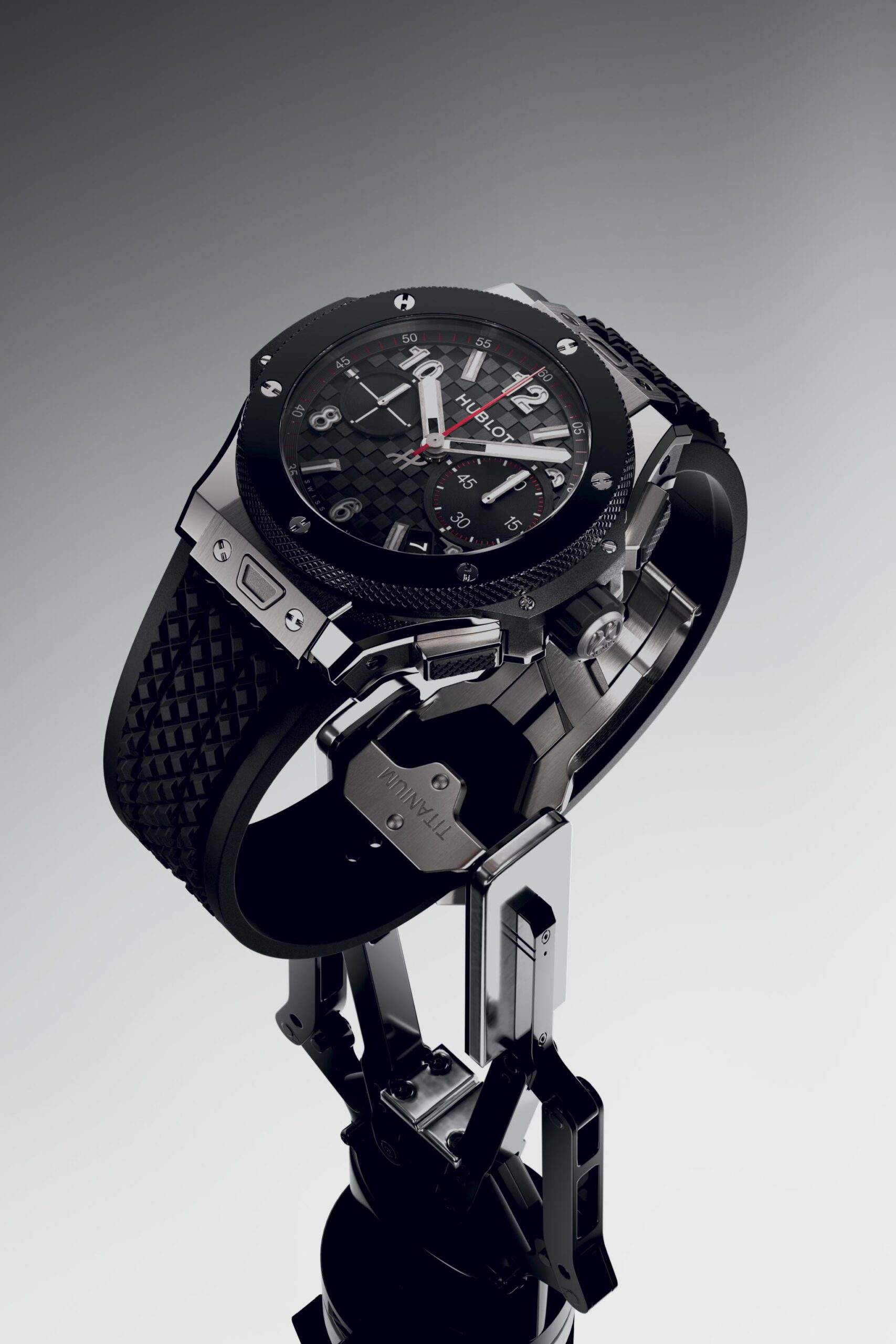
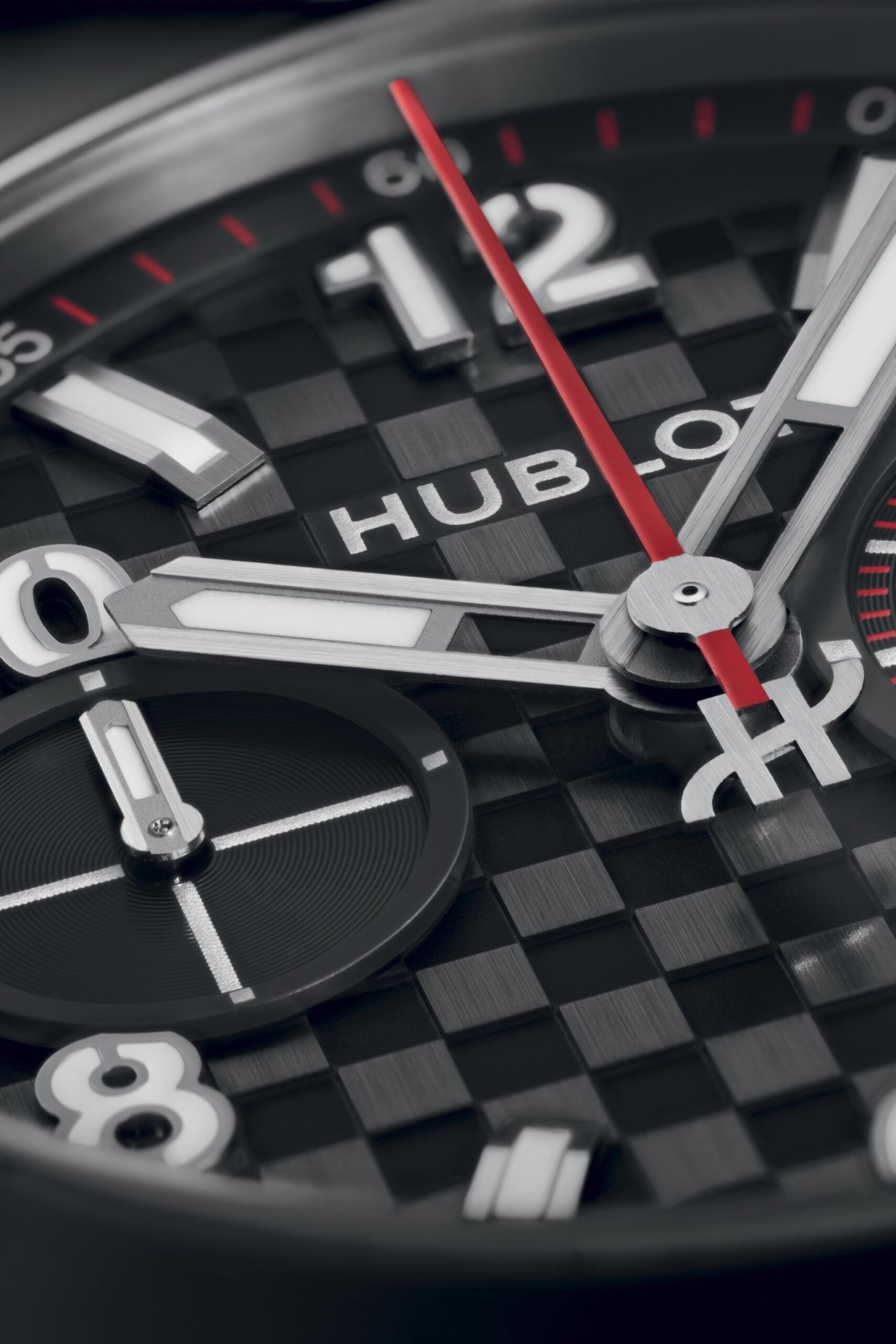
On the Meca-10, many of us were surprised by the hand-finishing evident. Was that something you insisted on?
You know me—I come from Vacheron Constantin and Zenith. I love beautiful movements. I believe that when people buy a watch, they want to see every detail carefully crafted. They want to feel the highest level of quality, ergonomics, and comfort when they put a watch on their wrist.
I’m very obsessed with that. I will definitely bring more of this focus to Hublot. When we worked on the Meca-10, I came onboard already knowing it was in development. But I insisted on the level of finishing. I said that will make a real difference in how the brand is perceived. Hublot is trying to strengthen its image in watchmaking, and to do that, we must meet extremely high standards of quality and craftsmanship.
That’s something I plan to increase even further in the coming months. Because once you have strong marketing, constant innovation, creativity, and a dynamic spirit, combined with a top-level of watchmaking, what can anyone say against the brand? Nothing.
Where do collaborations and partnerships come in?
It needs to be integrated across the entire brand, but it is primarily within our marketing strategy. All these elements provide us with different opportunities. They help us increase brand awareness—reaching more people who may not know about watches or who aren’t yet familiar with Hublot.
For example, someone watching a football match might see Hublot and think, ‘Wow, that looks cool. I should check it out’. It creates a sense that, whether they love football, tennis, or art, the brand understands their values and tastes. This makes them feel connected to the brand, inspiring a desire to get closer. Hublot will continue to develop these initiatives, leveraging sports and cultural events to deepen the connection with our audience. This approach not only boosts awareness but also enhances the overall client experience—what I’d call client-centricity.
Are there any coming collaborations you are particularly excited about?
Artist-wise, we’ve recently collaborated with top talents like Murakami, Samuel Ross, and Daniel Arsham, and it’s been fantastic. We expect to work with a few more artists over the next 18 to 24 months. In terms of sports, we will continue to be involved in football, but we plan to rebalance our focus. We aim to diversify by including other sports, creating a more balanced portfolio.
The music world is also a key area for us. I’m currently working on two major collaborations. One is a very prominent figure based in the U.S., with a broad scope and global reach. I hope this will come to fruition, but I’m still in discussions. The other is more Asia-focused, specifically in South Korea, someone who is so influential that their impact will resonate throughout the entire region. Because, ultimately, music is just as important as sports and art.
What is your perspective on how Hublot, traditionally seen as a masculine brand, can also appeal to women? Is this an area that interests you?
It’s very interesting, and thank you for the question. It’s actually one of the key points of my strategy. Currently, Hublot offers some women’s watches, but the options are limited. The first step is to introduce a new way to create feminine watches. In three weeks, I will unveil a new collection full of colour—vibrant, joyful, and lively. That’s important for us—to infuse happiness and femininity into our brand. But it’s not just about the watches.
Hublot, as a brand and environment—whether in the boutique, advertising campaigns, or events—has a very masculine feel. To attract more women, we need to reach them through the right channels, with the right messaging, environment, and tone.
It’s the same as with young people: if you want them to join your brand, you must communicate in the way they connect with best. The same applies to women. To draw a larger female audience, we need to address our message and environment appropriately. This is something we still need to work on at Hublot. We’re not there yet. I believe we must improve how we communicate with women and create a better dialogue.
Yes, it’s still a very masculine brand—you’re right. But that’s part of my plan, and it’s one of my objectives moving forward.
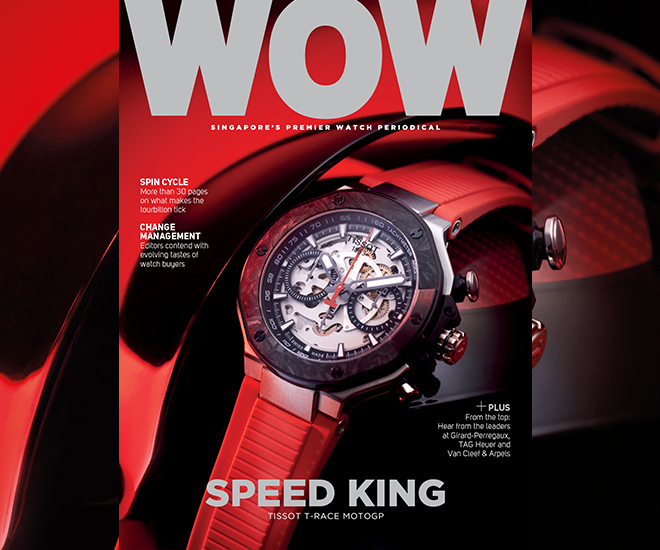
This story was first seen as part of the WOW #78 Vision 2025 Issue
For more on the latest in luxury watch reads, click here.