Shanghai at the Crossroads of Luxury
As China’s commercial capital evolves, Shanghai has become a strategic playground where global luxury brands test local relevance and consumer influence.
Once dubbed the “Paris of the East”, Shanghai today stands as the beating heart of China’s luxury economy — accounting for nearly one-third of the nation’s high-end retail sales, according to Bain & Company’s 2025 China Luxury Report. Its dense mix of finance, fashion and culture gives the city a dual identity as both a testing ground for global brands and a launchpad for regional trends.
Shanghai As a Luxury Hub
Unlike Beijing, which skews toward political and heritage-driven luxury, or Guangzhou, which leans into cross-border retail, Shanghai’s edge lies in its fusion of international sophistication and youthful consumer power. The city’s West Bund and Xintiandi districts now host some of the world’s most immersive retail flagships — from Louis Vuitton’s “Voyager” concept store, integrating a private art salon and fragrance atelier, to Hermès Maison Shanghai, which curates local art exhibitions alongside its leather goods. As LVMH’s Asia-Pacific President Andrew Wu recently noted, “Shanghai isn’t just a market, it’s a mindset — it sets the pace for how the next generation experiences luxury.”
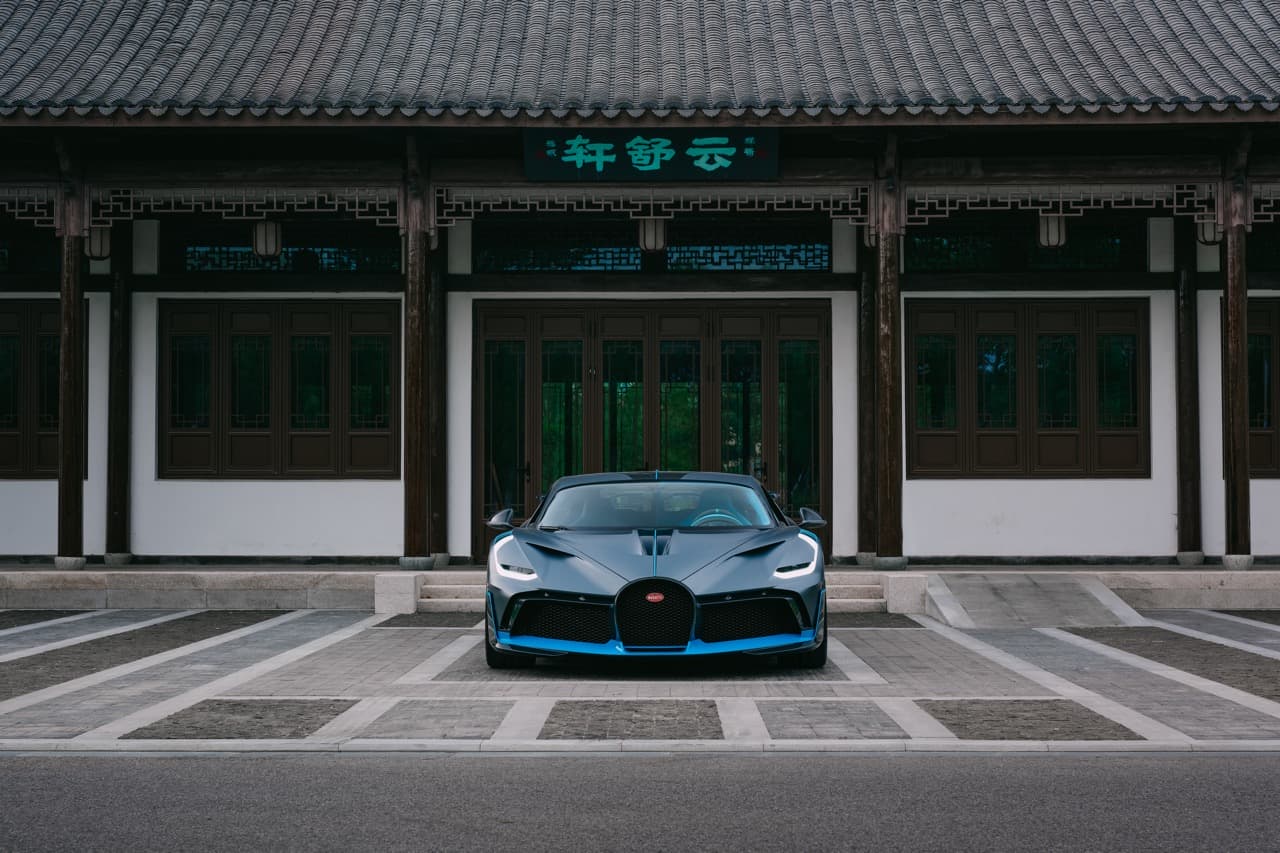
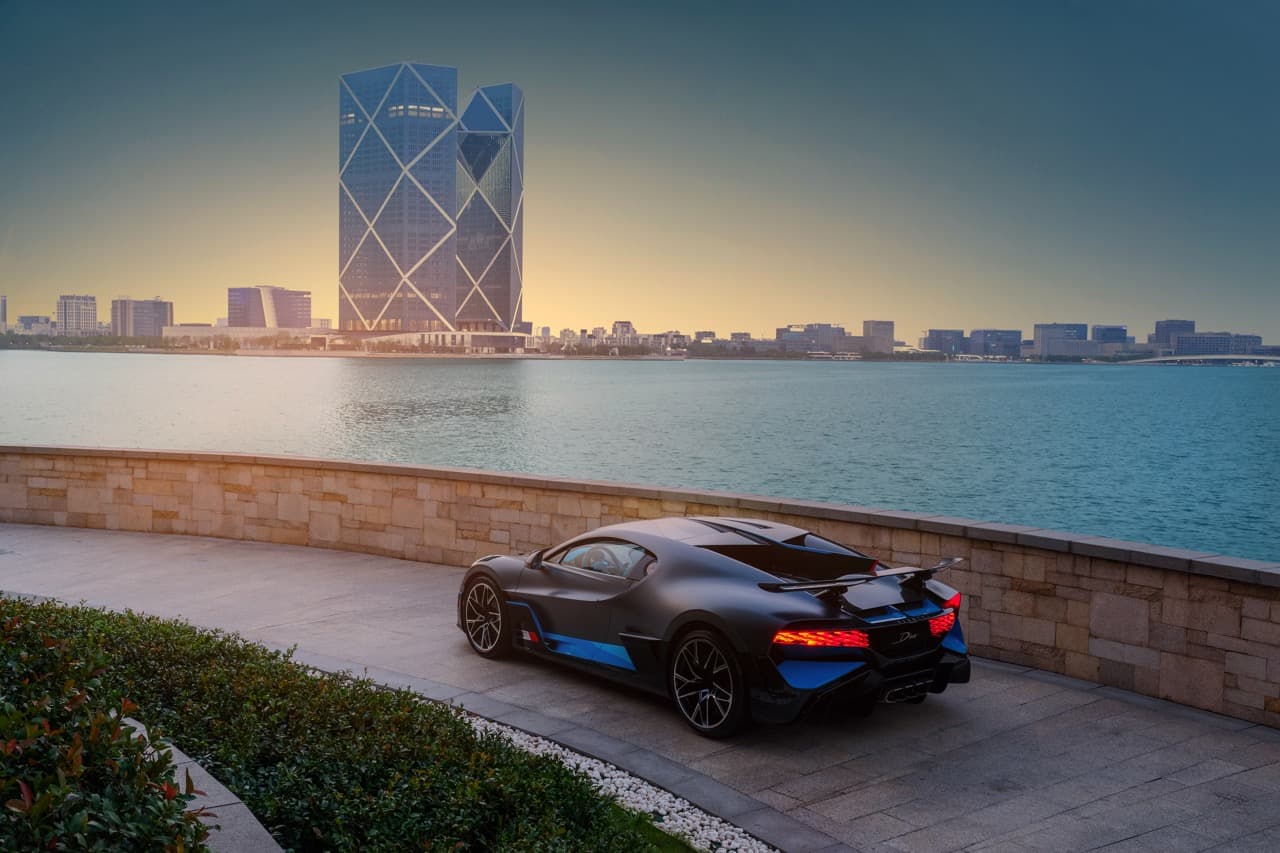
Adding to this dynamic, Bugatti marked a major milestone in September 2025 with the opening of its first dedicated showroom in mainland China. The new Bugatti Shanghai space — located in the heart of the city and designed in partnership with Kingsway Apex — represents the brand’s expansion into China’s most dynamic luxury hub. The launch event featured the first public appearance of the Bugatti Divo in China, while the showroom’s interior introduced the Bugatti Home collection — reinforcing the brand’s positioning at the intersection of engineering excellence and lifestyle design.
Luxury Retail Innovation
Shanghai’s luxury landscape is increasingly defined by technological experimentation. Brands are embracing AR/VR try-ons, AI-driven shopping assistants and metaverse-inspired pop-ups to engage a digitally fluent demographic. At Chanel’s Nanjing West Road flagship, visitors can preview handbags and eyewear using AR mirrors powered by Tencent Cloud, while Bvlgari’s “Serpenti Metamorphosis” pop-up in Plaza 66 combined digital projection mapping with scent diffusion for a multi-sensory retail experience.
Experiential concepts are also on the rise. Louis Vuitton’s 2025 “Art of Travel” installation collaborated with Chinese contemporary artist Cao Fei, blending digital animation with physical craftsmanship. Similarly, Gucci Garden Archetypes Shanghai transformed a former theatre into a multi-room narrative of its campaigns — part art gallery, part retail immersion.
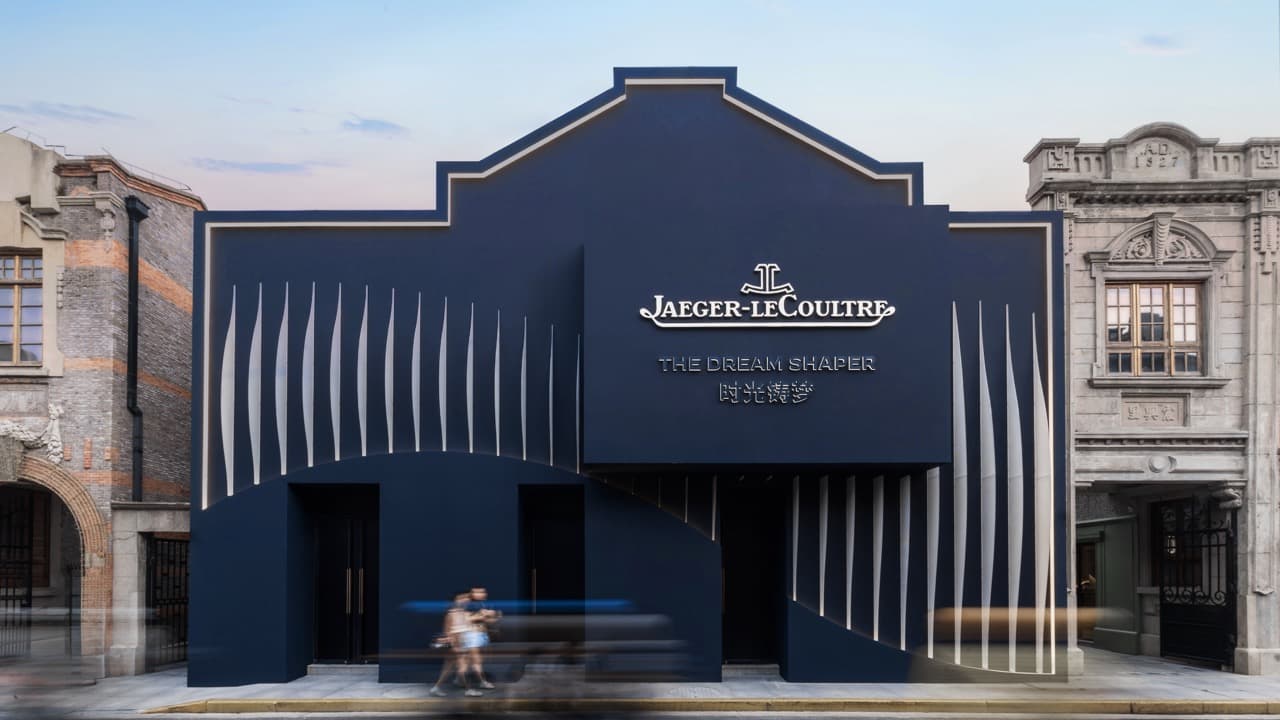
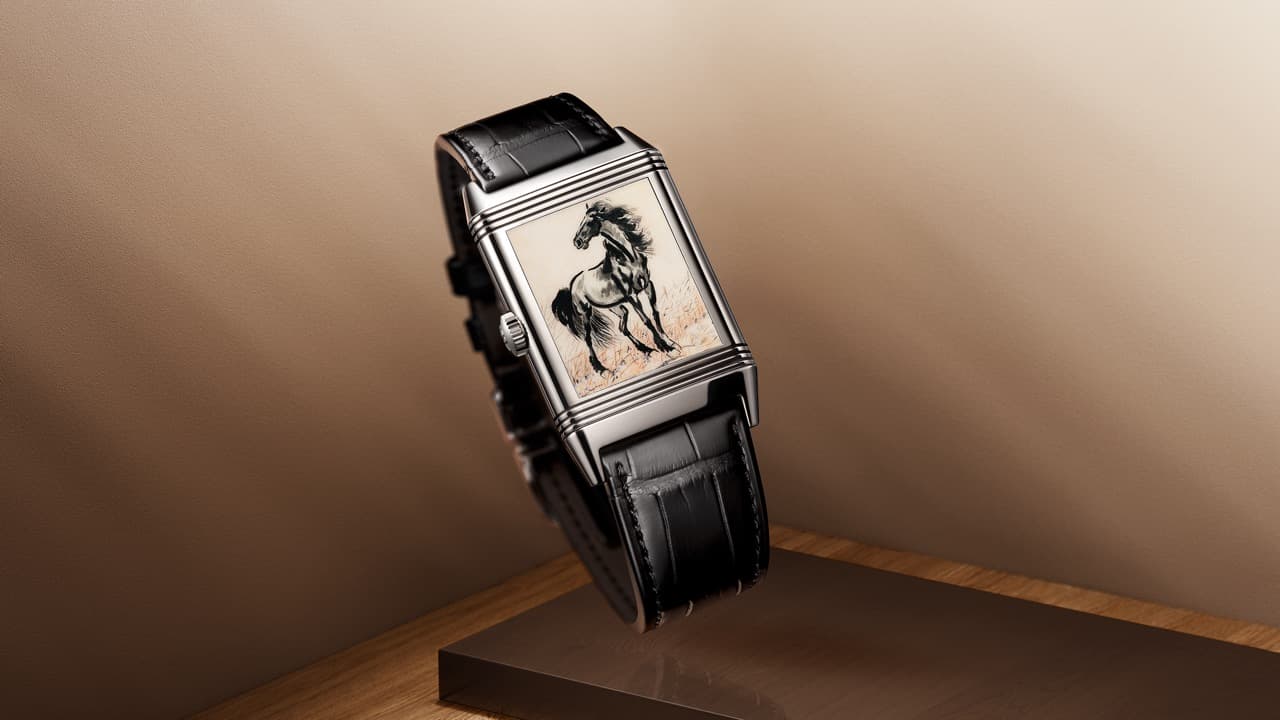
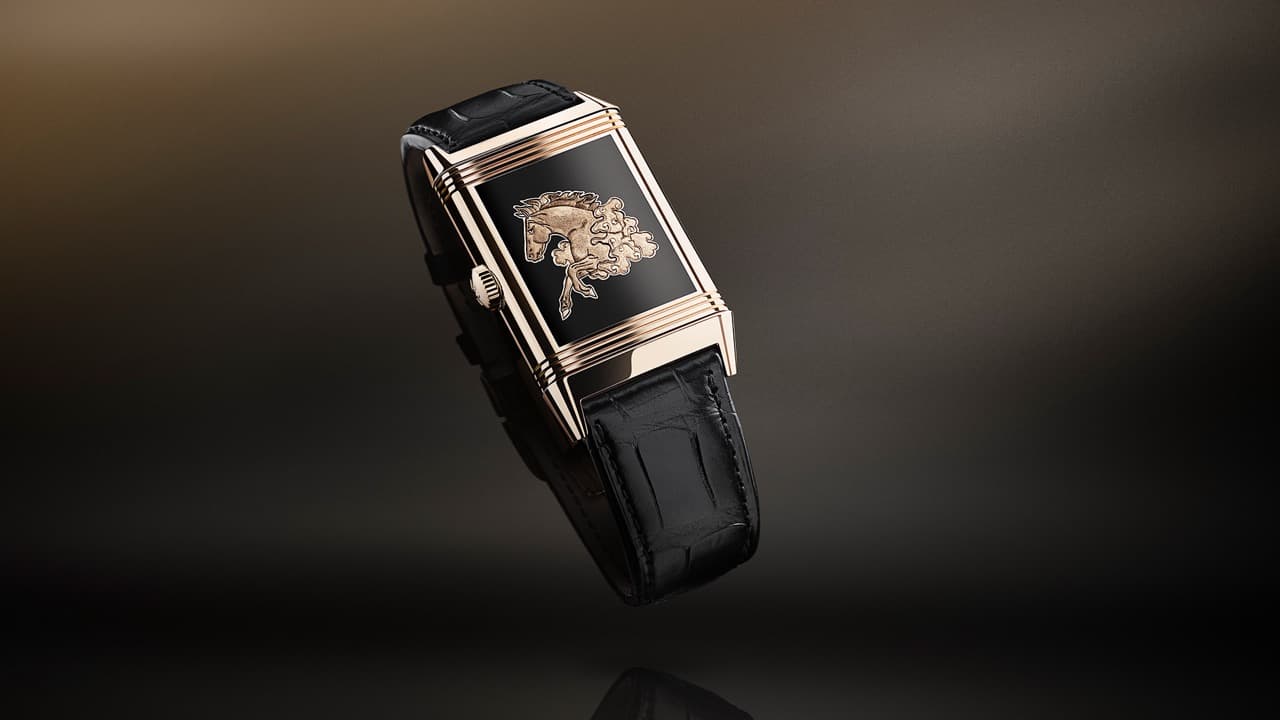
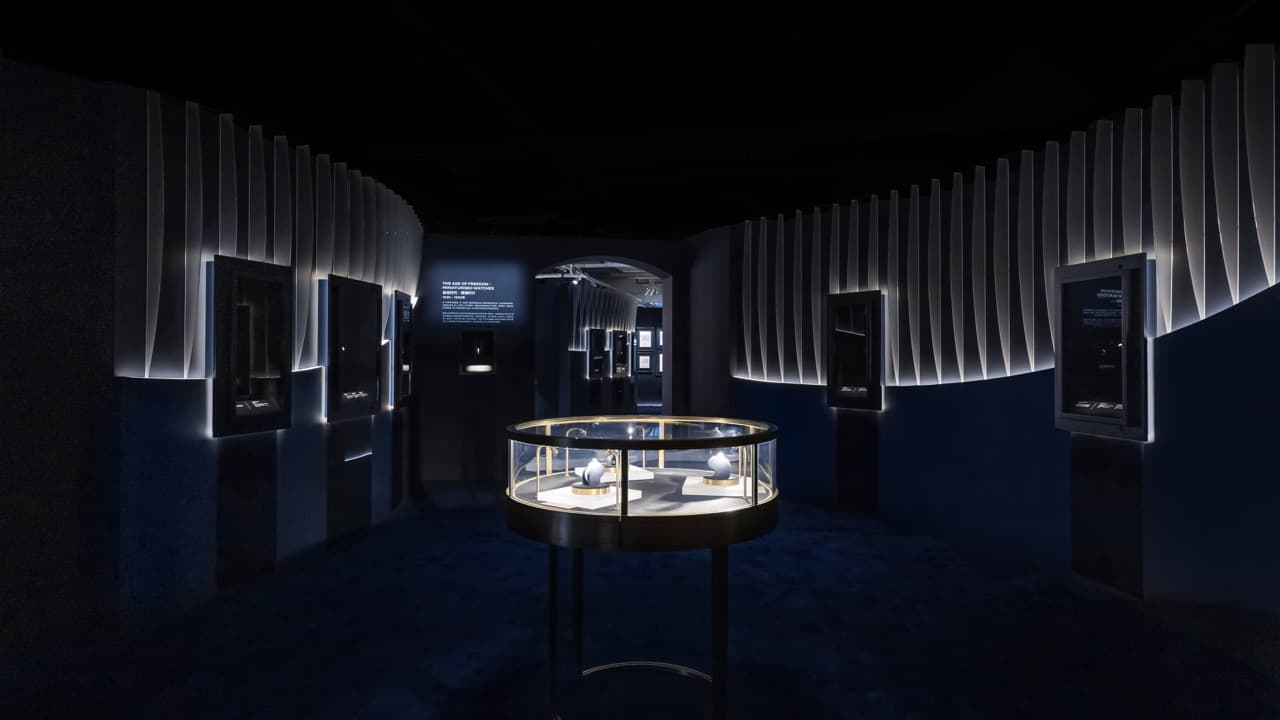
In September 2025, Jaeger-LeCoultre further elevated the city’s status as a hub for cultural retail with the opening of “The Dream Shaper” exhibition in Zhangyuan. The immersive showcase explored the evolution of feminine watchmaking through nearly 200 years of craftsmanship, presenting over 70 archival and limited-edition pieces, including the “Reverso Tribute Enamel Xu Beihong” and “Rendez-Vous Shooting Star”. Visitors experienced live demonstrations of métiers such as gem-setting and miniature enamel painting, reinforcing Shanghai’s role as a key market for horological education and appreciation.
As WWD China said, “Shanghai’s consumers no longer buy products — they buy participation. Brands that understand that dynamic win long-term relevance.”
Consumer Trends
Shanghai’s new luxury consumer is young, informed and values-driven. Gen Z and millennials now make up over 70 percent of luxury spending in China — according to McKinsey’s 2025 Luxury Consumer Pulse — and their influence is shaping product development and communication strategy. Personalisation and sustainability top their expectations. Local shoppers increasingly prefer “quiet luxury” pieces and made-to-order experiences, signalling a shift away from overt logos toward craftsmanship and meaning. Brands like Cartier and Dior have launched appointment-only personalisation studios in Shanghai, offering engraving and bespoke packaging that celebrate Chinese motifs.
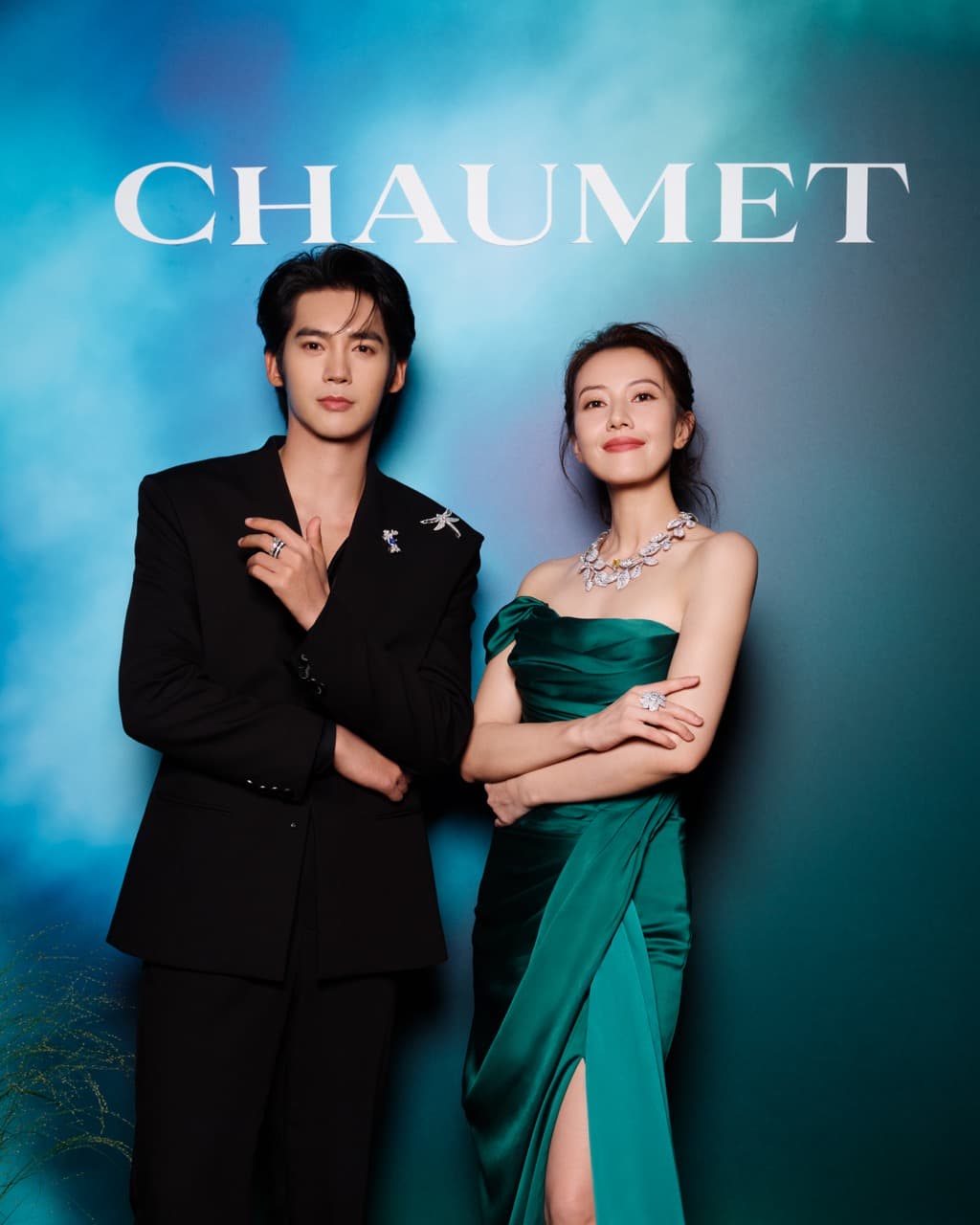
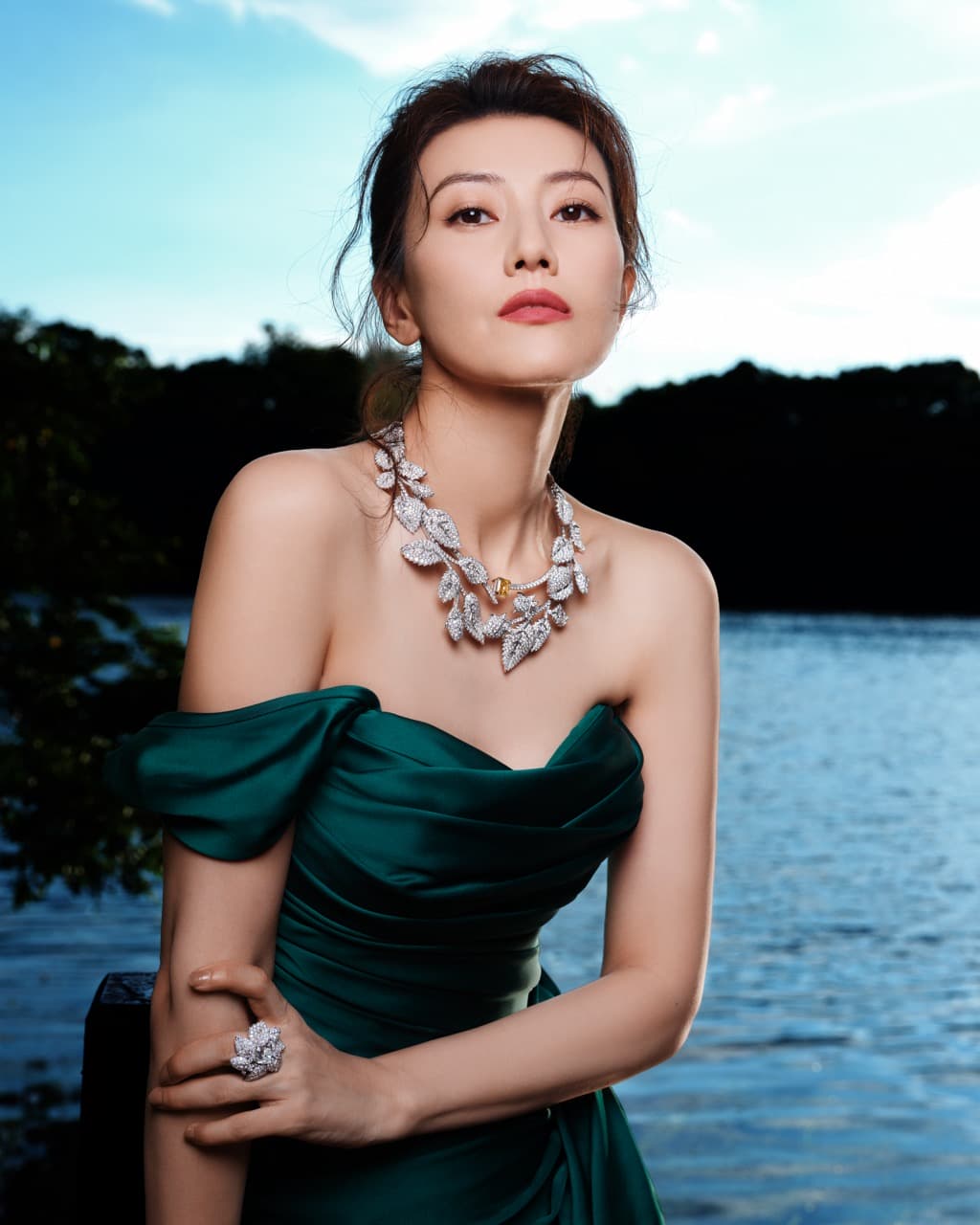
Heritage storytelling also resonates strongly. For example, Qeelin’s “Lotus Rebirth” collection, first unveiled in Shanghai, reimagines ancient Buddhist symbols through contemporary jewellery design — a nod to the balance of spirituality and modernity that appeals to Chinese luxury buyers. Similarly, French high-jewellery Maison Chaumet debuted its “Jewels by Nature” haute joaillerie collection in Shanghai in September 2025, following its summer launch in Marbella. Hosted at the Xijiao Hotel, the event brought together brand ambassadors Gao Yuanyuan and Yosh Yu, with pieces such as the “Wild Rose” convertible necklace and “Fairy Iris” brooch showcasing Chaumet’s naturalist design heritage.
As Nicola Del Din, CEO of Luxottica China, commented during the 2025 China Luxury Forum: “Chinese consumers today aren’t looking West for validation — they are defining global luxury on their own cultural terms.”
Cultural Alignment & Marketing
In Shanghai, the most effective luxury campaigns are those that listen rather than translate. Major Maisons now align launches with Chinese festivals, zodiac symbolism and social milestones beyond token gestures but as authentic storytelling opportunities. Gucci’s 2025 Lunar New Year campaign — shot against the backdrop of the Suzhou Creek skyline — featured a dragon motif reinterpreted by local digital artist Pan Daijing, merging heritage with contemporary culture. Dior’s “Portraits of Modern Grace” exhibition celebrated Chinese female artists, positioning the brand within a narrative of empowerment and creativity.
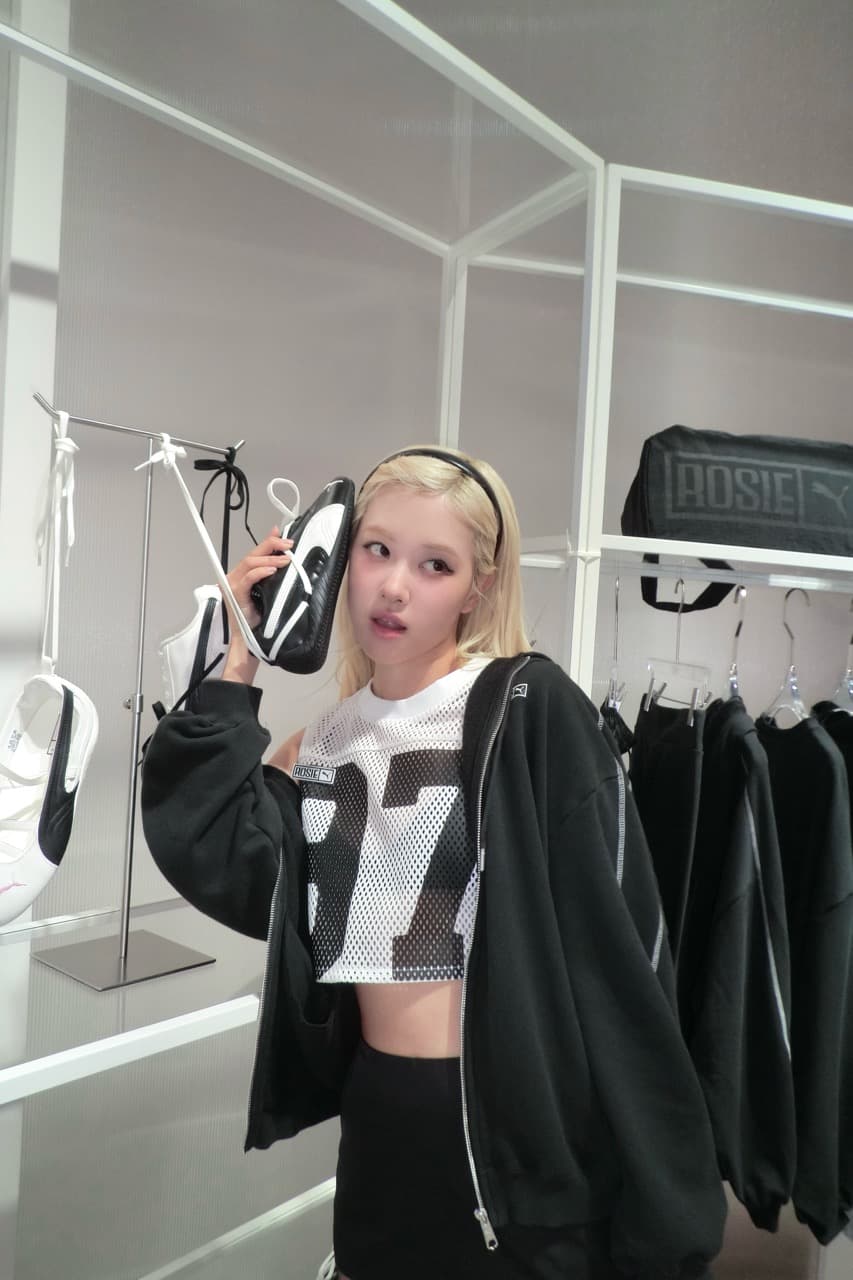
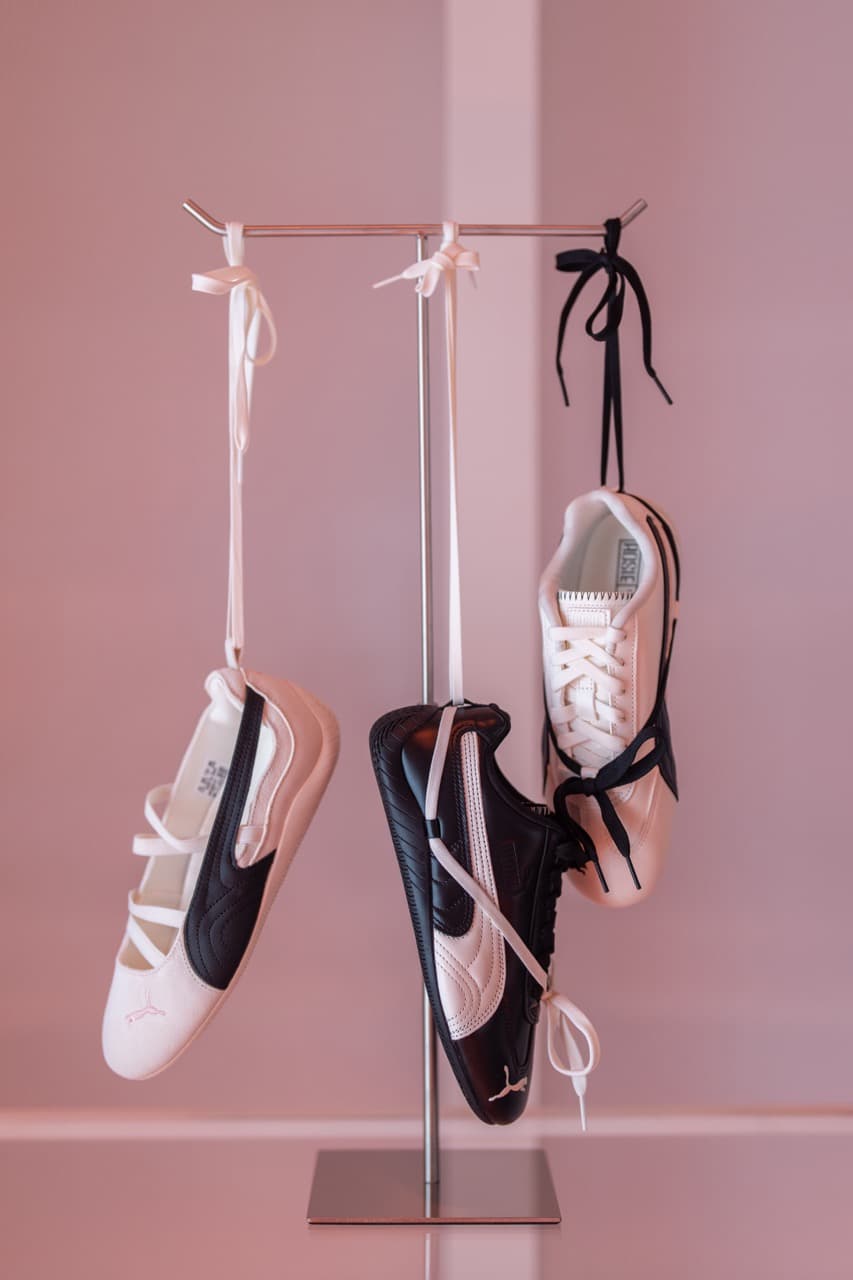
Mass-market collaborations are also finding resonance within luxury’s cultural framework. PUMA’s September 2025 global launch of its PUMA x Rosé collection in Shanghai created an experiential showcase designed around the K-pop star’s creative universe. The event combined holographic installations, interactive displays and digital voice memos from Rosé herself, reflecting how lifestyle brands use Shanghai as a global stage to blur the boundaries between celebrity, culture and commerce.
Social media remains the amplifier. On Xiaohongshu (RED) and WeChat, localised storytelling and limited-edition drops often go viral within hours — as seen in Cartier’s “Love in Shanghai” pop-up, which drew over 20 million views in its first week. Meanwhile, influencer collaborations and personality-led marketing strategies continue to drive consumer trust with over 65 percent of Shanghai-based luxury shoppers saying their purchasing decisions are influenced by digital creators, per Daxue Consulting.
Shanghai as a Benchmark
Yet success in Shanghai is not without friction. Brands must navigate tightened import policies, complex data privacy laws and rising competition from domestic luxury players such as Icicle and Xu Zhi, who already provide luxury and sustainable design alternatives. Balancing global brand identity with local resonance remains the ultimate test. As luxury becomes more experiential and socially conscious, Shanghai offers fertile ground for partnerships — from collaborations with local artisans to co-creations with AI-powered design studios. For Maisons willing to localise meaningfully, the city represents not just a market, but a model for the future of luxury.
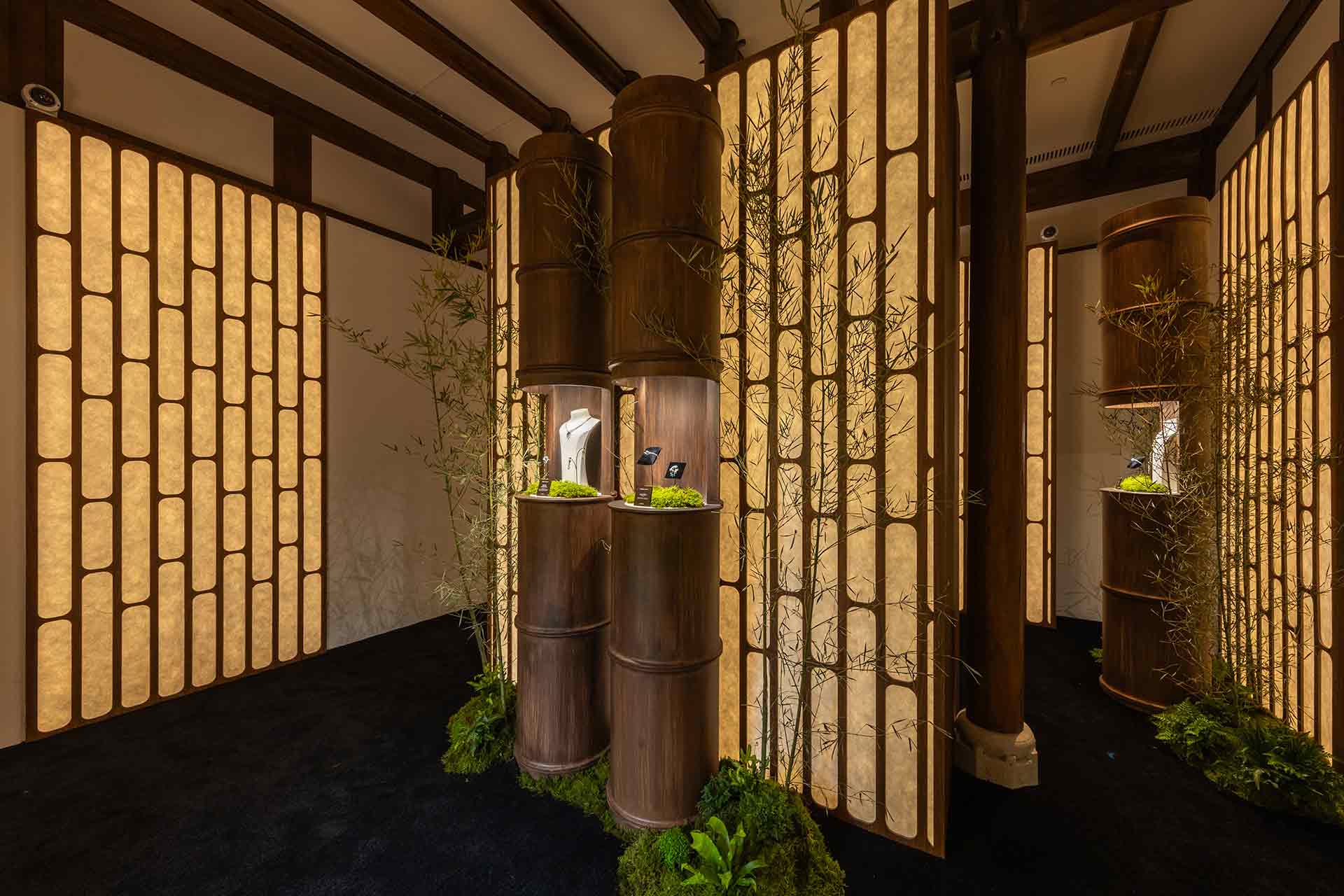
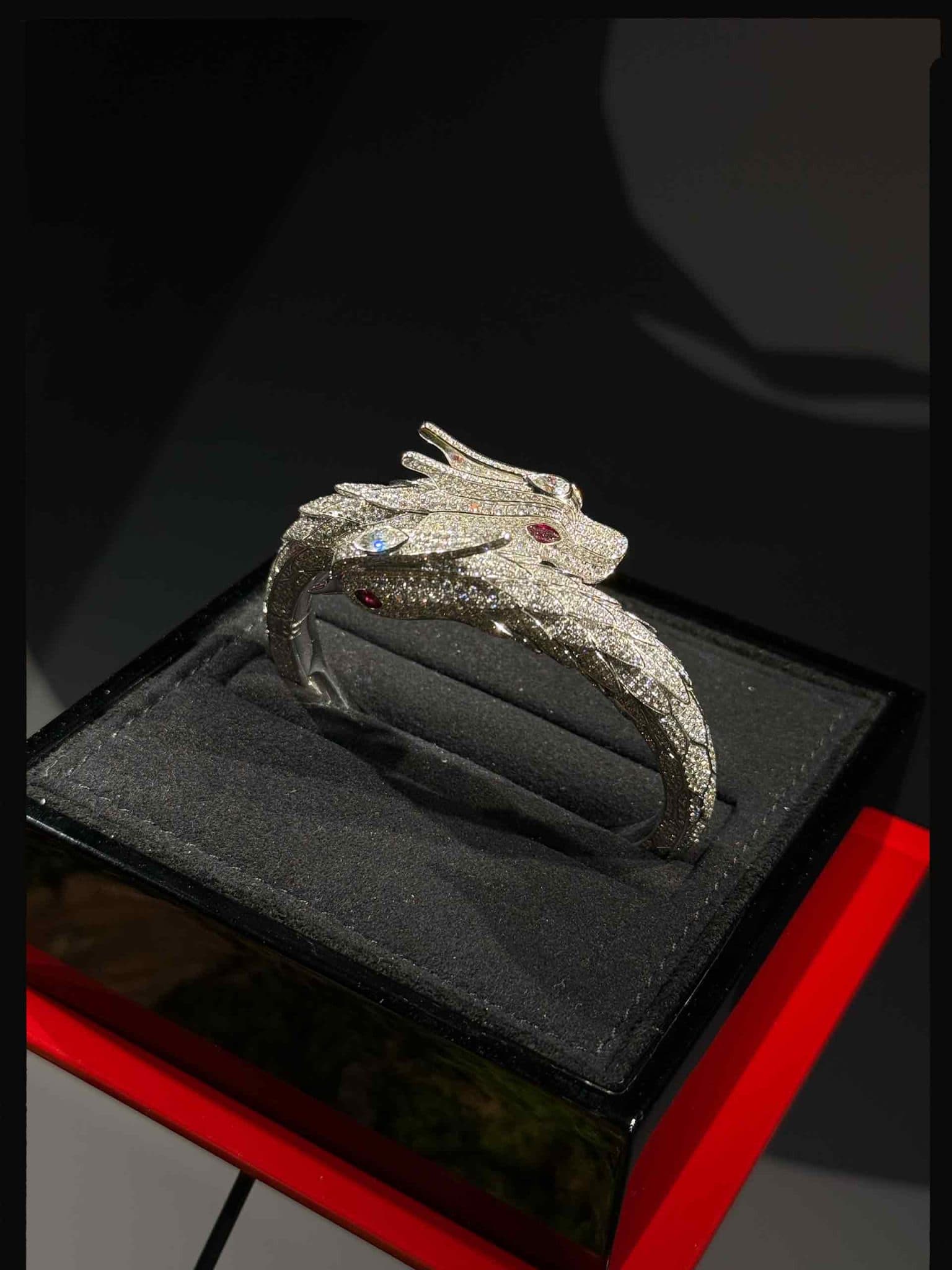
As far as luxury hubs in Asia go, Shanghai acts as a living litmus test for the world’s top Maisons. It is where Hermès tested its augmented reality store concierge, Louis Vuitton piloted its first WeChat-exclusive pre-launch and Cartier trialled its phygital jewellery appointments before global rollout. In this context, the city continues to attract major cultural showcases such as Qeelin’s Miracle Garden presentation at Aman Yangyun — a multisensory exhibition that reinterpreted traditional Chinese motifs across five themed realms. Events like these reinforce Shanghai’s role not only as a luxury market but as a stage for storytelling, where artistry and heritage converge.
In many ways, Shanghai encapsulates what modern luxury aspires to be — connected, localised and immersive. As the city continues to evolve, its influence will ripple beyond China’s borders, shaping how brands sell luxury and how consumers define where it goes next.
For more on the latest in business reads, click here.


