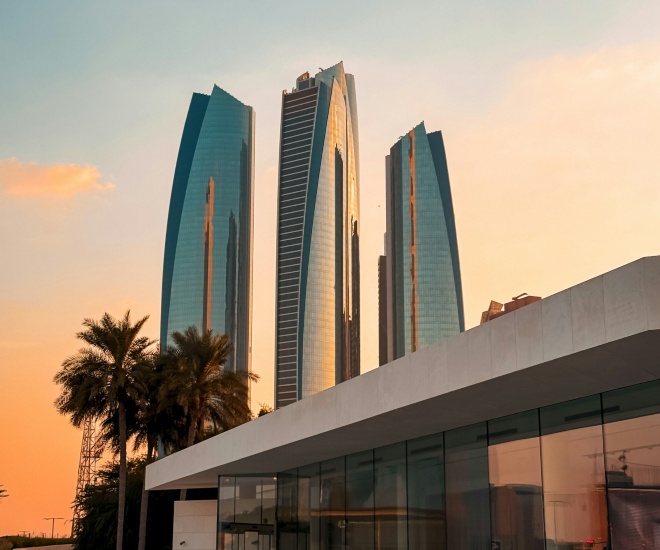
Malaysia’s Accelerating Foreign Investment Tells a Different Story About Its Economy
Malaysia’s growth may moderate, yet billions in foreign capital signal a longer-term bet on its strategic role in Asia.

Somewhere between the semiconductor plants of Kulim and the emerging data-centre campuses of Johor, a different economic forecast for Malaysia is being written — not only by economists, but in factories, servers and billions of ringgit.
Malaysia enters its 69th year of independence with an economy that appears more resilient than the prevailing caution might suggest. Gross domestic product expanded 6.0 per cent year-on-year in the second quarter of 2026, accelerating from 5.4 per cent in the previous quarter. Bank Negara Malaysia nevertheless maintains a more moderate full-year forecast of 4 to 5 per cent, with recent developments suggesting growth could settle at around 5 per cent.
That is moderation, not decline. More importantly, foreign investors appear to be looking beyond the next 12 months altogether.
Malaysia Is Holding Its Own
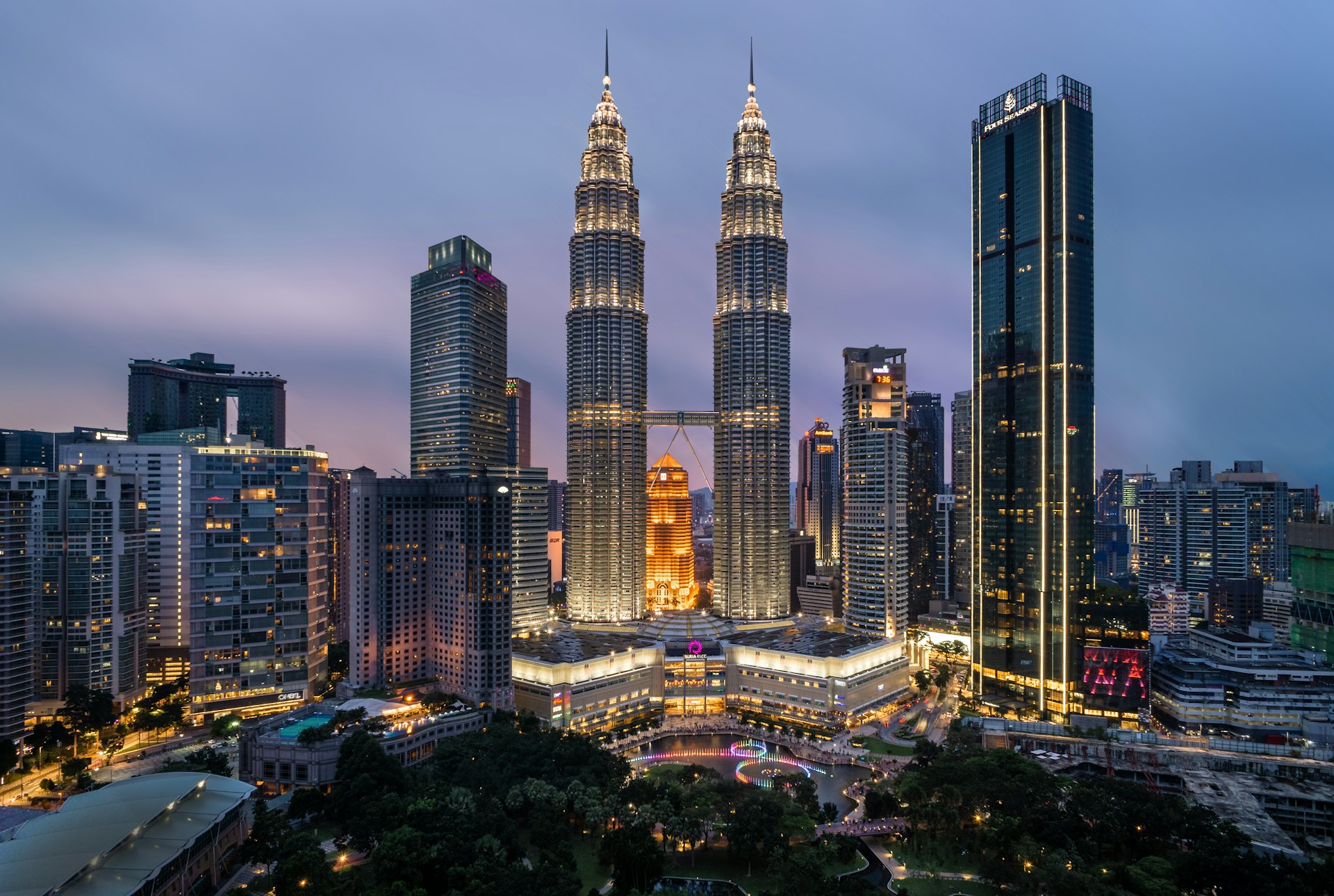
The regional comparison provides useful perspective. Singapore expanded 5.9 per cent year-on-year in Q2 2026, with first-half growth reaching 6.1 per cent. Its government has since upgraded its full-year forecast to 4.5–5.5 per cent, citing stronger than expected performance and accelerating global artificial-intelligence-related capital expenditure.
Indonesia grew 5.29 percent during the same quarter, down from 5.61 percent in Q1, with Bank Indonesia forecasting full-year growth of 4.9–5.7 per cent. Meanwhile, Thailand, expanded by just 1.9 per cent in Q2.
Malaysia is therefore hardly ASEAN’s economic laggard. Its more consequential challenge is whether it can convert today’s momentum into durable economic value.
For affluent Malaysians and regional investors, that matters beyond GDP. Large-scale investment can reshape where executives live, where property demand emerges, where high-value jobs concentrate and where new hospitality, education and professional-services ecosystems develop.
The question goes beyond whether money is entering Malaysia. It is what kind of Malaysia that money is building.
Follow the Money

Malaysia recorded a historic MYR426.7 billion in approved investments in 2025, according to the Malaysian Investment Development Authority (MIDA), up 11 per cent from MYR384.4 billion a year earlier.
Approved foreign investment climbed even faster, rising 20.9 per cent to MYR207.1 billion, accounting for almost half the total. The projects approved during the year are expected to create close to 245,000 jobs.
The geographical mix is perhaps even more revealing. Singapore contributed MYR58.3 billion, China MYR58.0 billion, the United States MYR15.1 billion, Japan MYR7.6 billion and Hong Kong MYR7.1 billion.
In Q1 2026, another MYR92.8 billion of investments was approved. Japan became the largest foreign source at MYR21.5 billion — up from MYR1.6 billion a year earlier — while China and the United States each contributed MYR10.1 billion.
In an era when technology and trade are increasingly split across geopolitical lines, Malaysia is attracting capital from competing economic powers simultaneously. Its advantage may be flexibility.
From Promises to Real Money
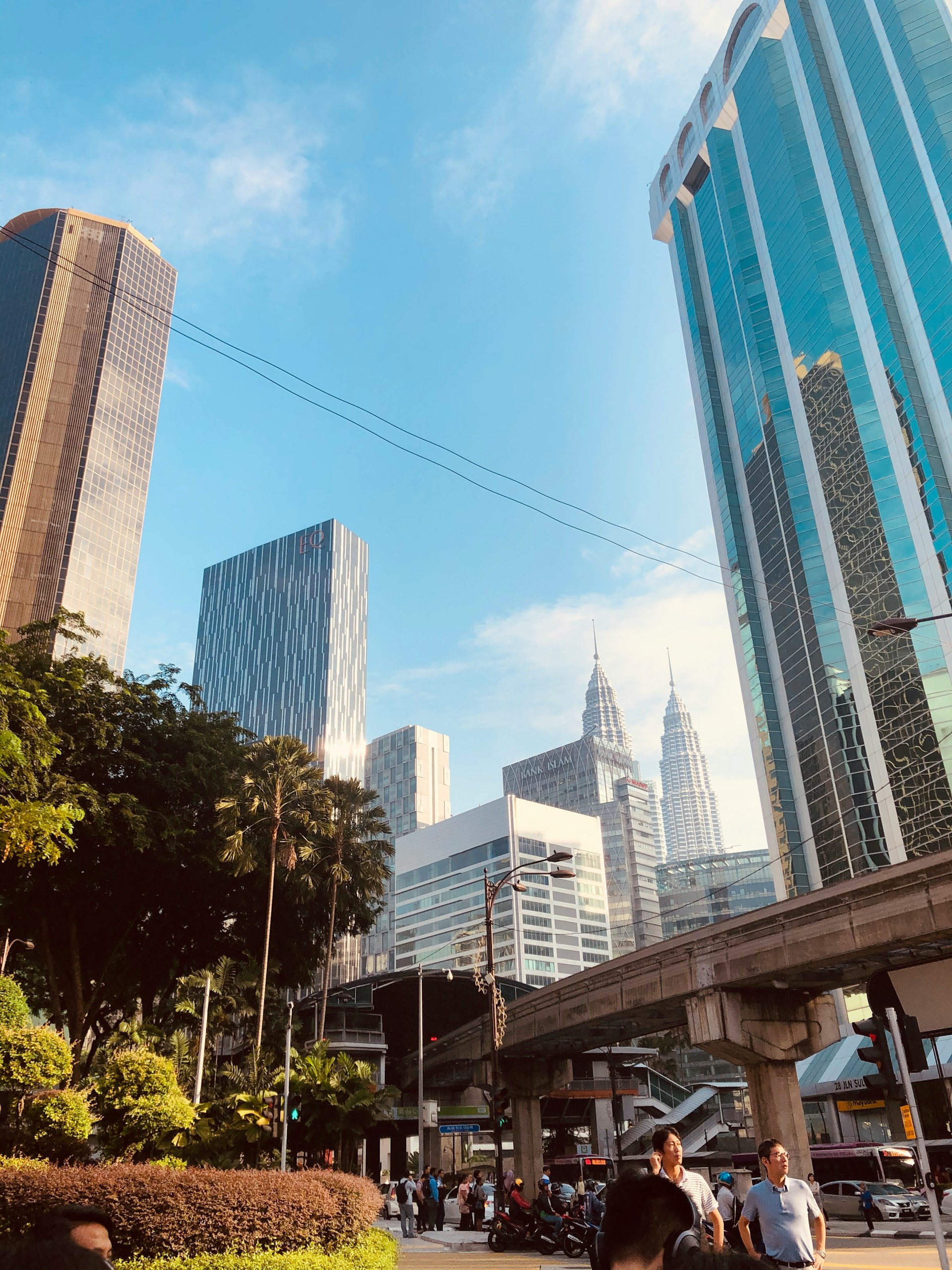
Approved investment is not the same as capital already deployed, which makes the actual foreign direct investment (FDI) figures particularly important. Malaysia recorded MYR65.9 billion in FDI inflows in 2025, up 41.2 per cent from MYR46.7 billion the year before.
A further MYR22.8 billion entered in Q1 2026, followed by MYR7.4 billion in Q2. By the end of June, Malaysia’s accumulated FDI position had reached almost MYR1.115 trillion. Services accounted for MYR630.9 billion, while manufacturing represented MYR384.9 billion.
With that, more than a trillion ringgit of foreign direct investment is already embedded in the Malaysian economy.
The distinction matters. An announcement can be cancelled. A factory, semiconductor facility or hyperscale data centre represents a considerably harder commitment to reverse.
MIDA says 84.9 percent of manufacturing projects approved between 2021 and 2025 have reached some stage of implementation, from factory construction to machinery installation and production.
From Johor to Kulim, Capital Is Changing Places
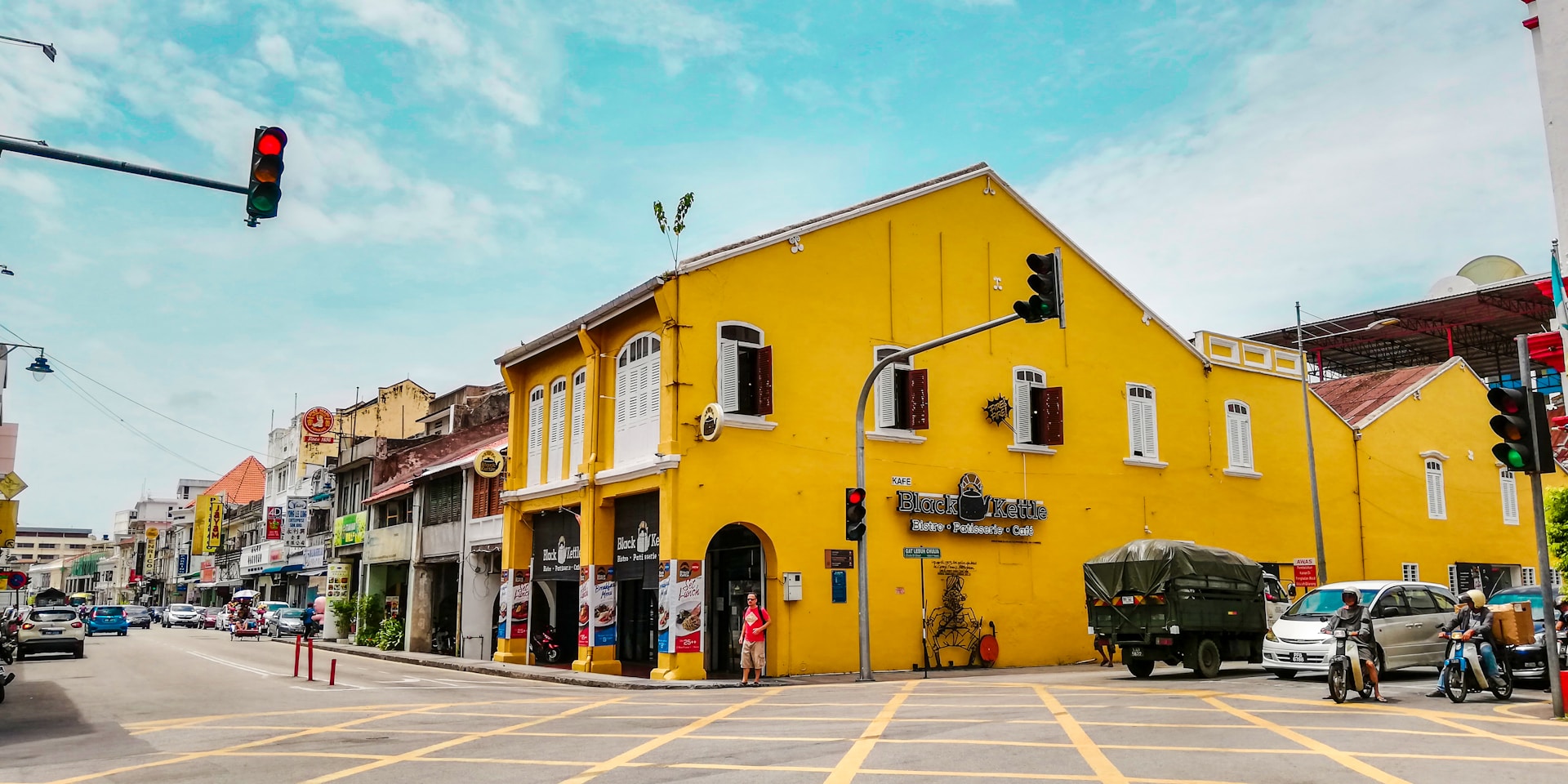
The consequences are becoming increasingly visible geographically. Johor attracted MYR110 billion in approved investments in 2025, more than any other Malaysian state. Selangor followed with MYR83.9 billion, Kuala Lumpur MYR63.3 billion, Penang MYR32.9 billion and Kedah MYR27.8 billion. Together, these five destinations accounted for almost three-quarters of Malaysia’s approved investments.
These figures hint at an emerging economic map. Johor is developing into a major digital-infrastructure corridor alongside Singapore. Penang and neighbouring Kulim remain central to Malaysia’s semiconductor and advanced-manufacturing ecosystem. Kuala Lumpur and Selangor increasingly concentrate the services, finance and corporate activity surrounding them.
For luxury and lifestyle markets, those shifts matter. High-value economic clusters attract executives, engineers, entrepreneurs and international talent. In time, they can stimulate premium housing, private education, healthcare, restaurants, hotels, mobility and wealth-management services.
Read more: The New Rules of Engagement in Malaysia’s Luxury Property Market
Therefore, the more interesting competition may not be Malaysia against Singapore at all. As economic ties deepen, southern Malaysia’s land, infrastructure and industrial capacity can complement Singapore’s capital, global headquarters and financial ecosystem.
Malaysia does not necessarily need to replace Singapore. It may become increasingly valuable by being economically indispensable to it.
Not Every Billion Is Equal

This is also where the celebratory investment narrative requires scrutiny. Malaysia’s manufacturing sector attracted MYR131.3 billion in approved investments in 2025, with foreign investors supplying MYR100.6 billion. Those projects are projected to create almost 110,000 jobs, with nearly half of the positions classified within managerial and technical categories.
That is significant because investment should ultimately be judged not by how impressive its headline value appears, but by what remains after the capital arrives.
A multibillion-ringgit facility that develops engineers, local suppliers and intellectual property may create deeper long-term value than a similarly expensive project requiring relatively little skilled employment.
This poses the more important question for Malaysia:
Can Foreign Conviction Become Malaysian Wealth?
Will local companies move higher up multinational supply chains? Will universities produce the engineers these industries require? Will Malaysian entrepreneurs build services and technologies around new industrial clusters? Will domestic capital participate in the value being created?
Foreign companies building within Malaysia is only one measure of success. Malaysians owning more of what their economy creates is another.
Malaysia’s Strategic Advantage May Be Optionality

Bank Negara Malaysia expects continued investment in AI-related activities and global technology expansion to support demand for Malaysia’s electrical and electronics products, alongside growth in information and communications technology services and data centres.
That places Malaysia within one of the defining investment cycles of this decade. Companies such as Intel, Infineon Technologies and Bosch illustrate the depth of Malaysia’s semiconductor ecosystem, while Google, Microsoft and Amazon Web Services have announced major investments in cloud and data-centre infrastructure. These are not isolated projects: they connect Malaysia to the global expansion of AI computing, advanced manufacturing and digital services.
Malaysia’s proposition is consequently no longer simply inexpensive manufacturing. It combines semiconductor capability, established supply chains, land, infrastructure and proximity to Singapore.
Penang’s manufacturing base, Kulim’s semiconductor cluster and Johor’s data-centre corridor each demonstrate a different part of that proposition, while Singapore-based companies such as Sea Limited and regional logistics groups continue to benefit from Malaysia’s position within the wider ASEAN economy.
The country also maintains commercial relationships with competing economic powers. Japanese manufacturers such as Sony and Panasonic, American technology companies including Intel and Microsoft, and Chinese groups such as Alibaba and ByteDance all reflect different forms of engagement with Malaysia’s industrial and digital economy.
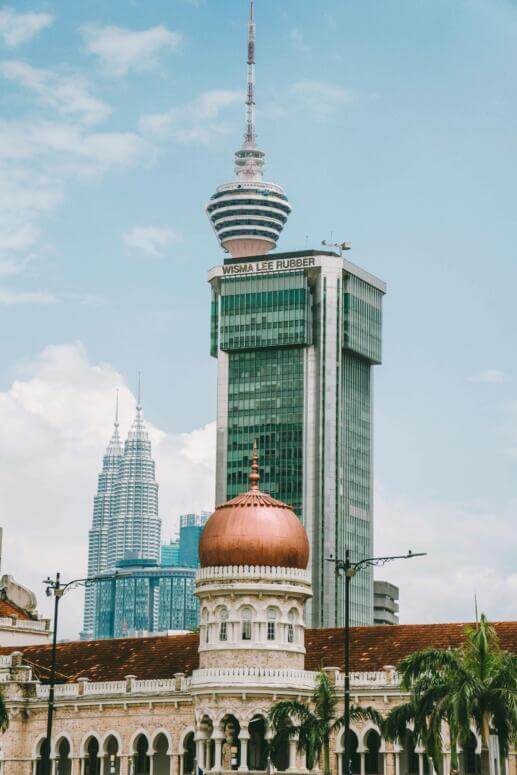

In a world increasingly asking companies and countries to choose sides, Malaysia’s ability to remain commercially useful to almost everyone may be an advantage in itself. However, attracting capital is perhaps not the endgame.
At 69, Malaysia’s most consequential economic question is no longer whether foreign investors believe in the country. The numbers suggest many already do. It is whether Malaysia can convert that confidence into better jobs, stronger domestic companies, more sophisticated cities and new centres of Malaysian wealth.
Economic forecasts describe what an economy may produce next year. Factories, semiconductor plants and digital infrastructure represent bets stretching across decades. Malaysia’s next chapter may be less about how much foreign capital arrives than how much of the value it creates ultimately stays.
For more on the latest in business reads, click here.