The Luxury of Knowing London
In London, cultural fluency turns museums, galleries and fashion history into a luxury experience defined by context, access and discernment.
In London, luxury is increasingly defined not only by what people own, but by knowing what matters, where to find it and why it carries cultural significance. As luxury retail becomes more globalised and the same maisons, watches, jewellery and fashion can be found across major cities, context has become harder to reproduce than product.
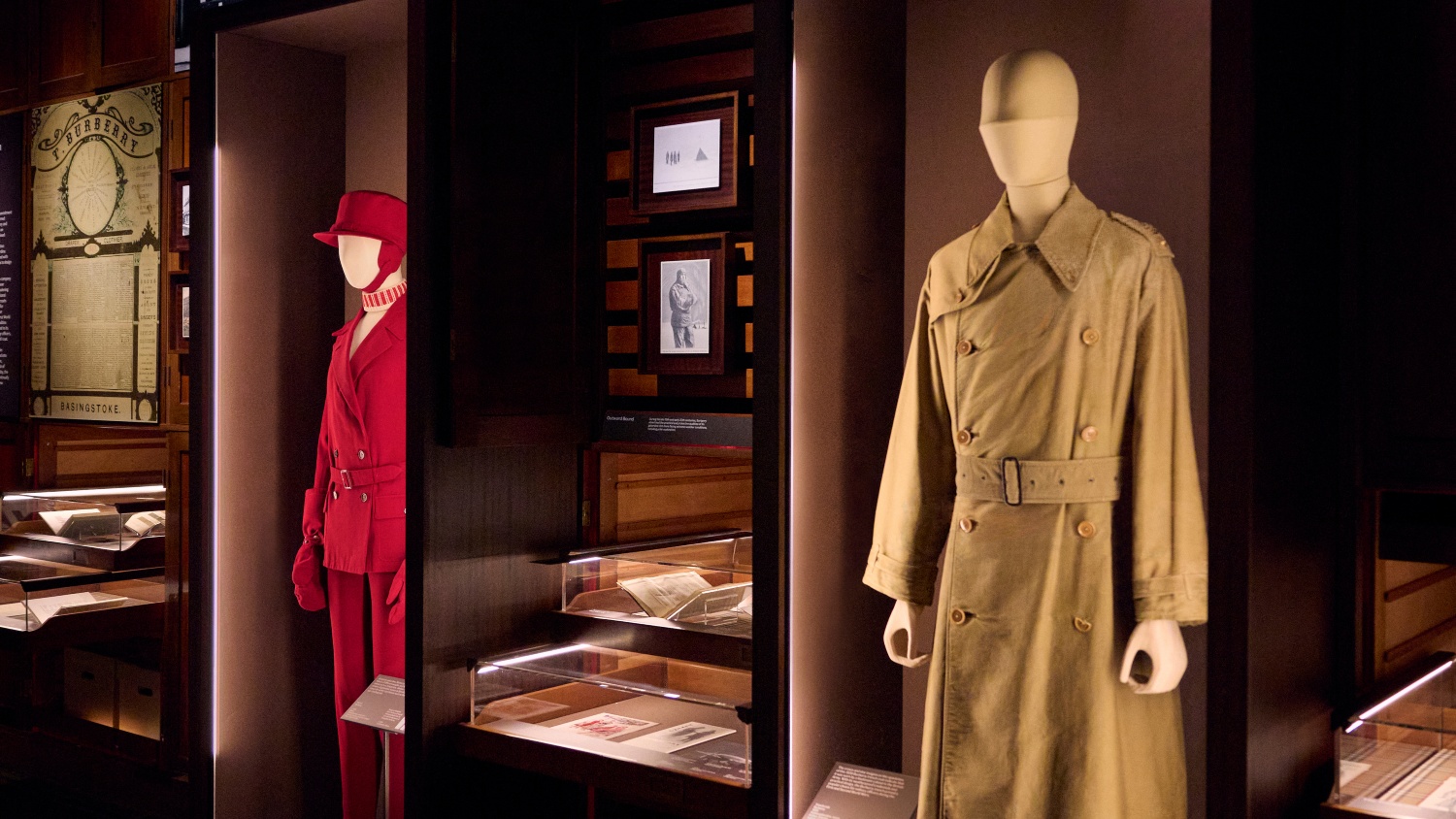
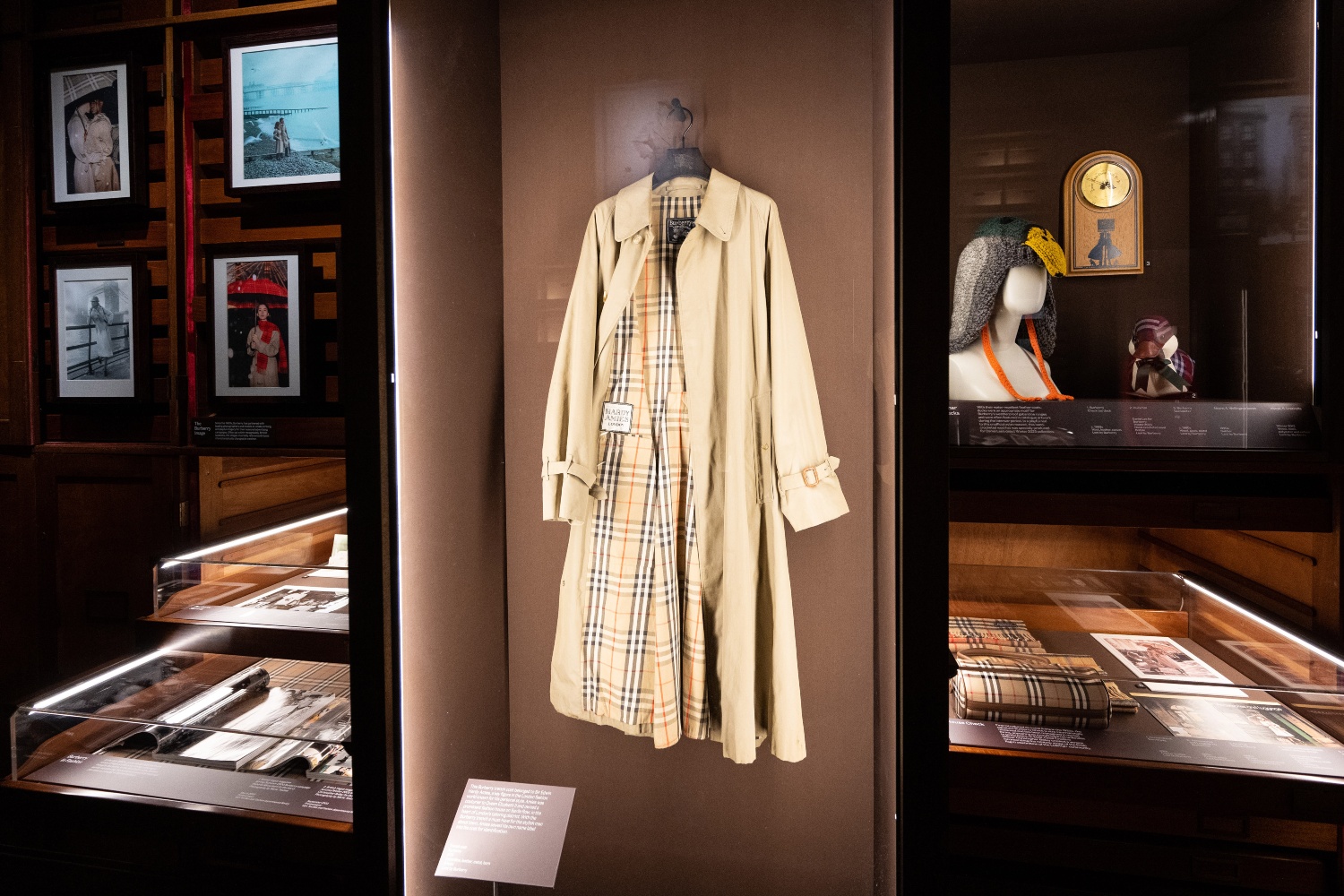
The Victoria and Albert Museum’s (V&A) The Burberry Trench: Crafting an Icon, running from 21 September 2026 to 3 January 2027, offers a case in point. The display traces the trench coat’s evolution from practical military outerwear to a recognised symbol of British fashion, raising a broader question: when does a piece of clothing stop being simply commercial and become part of cultural memory?
The answer lies in the stories surrounding it. Design, history, craftsmanship and social meaning can transform a familiar object into something more enduring. London’s advantage lies in the unusual density of institutions, galleries, archives and cultural events that make those connections visible.
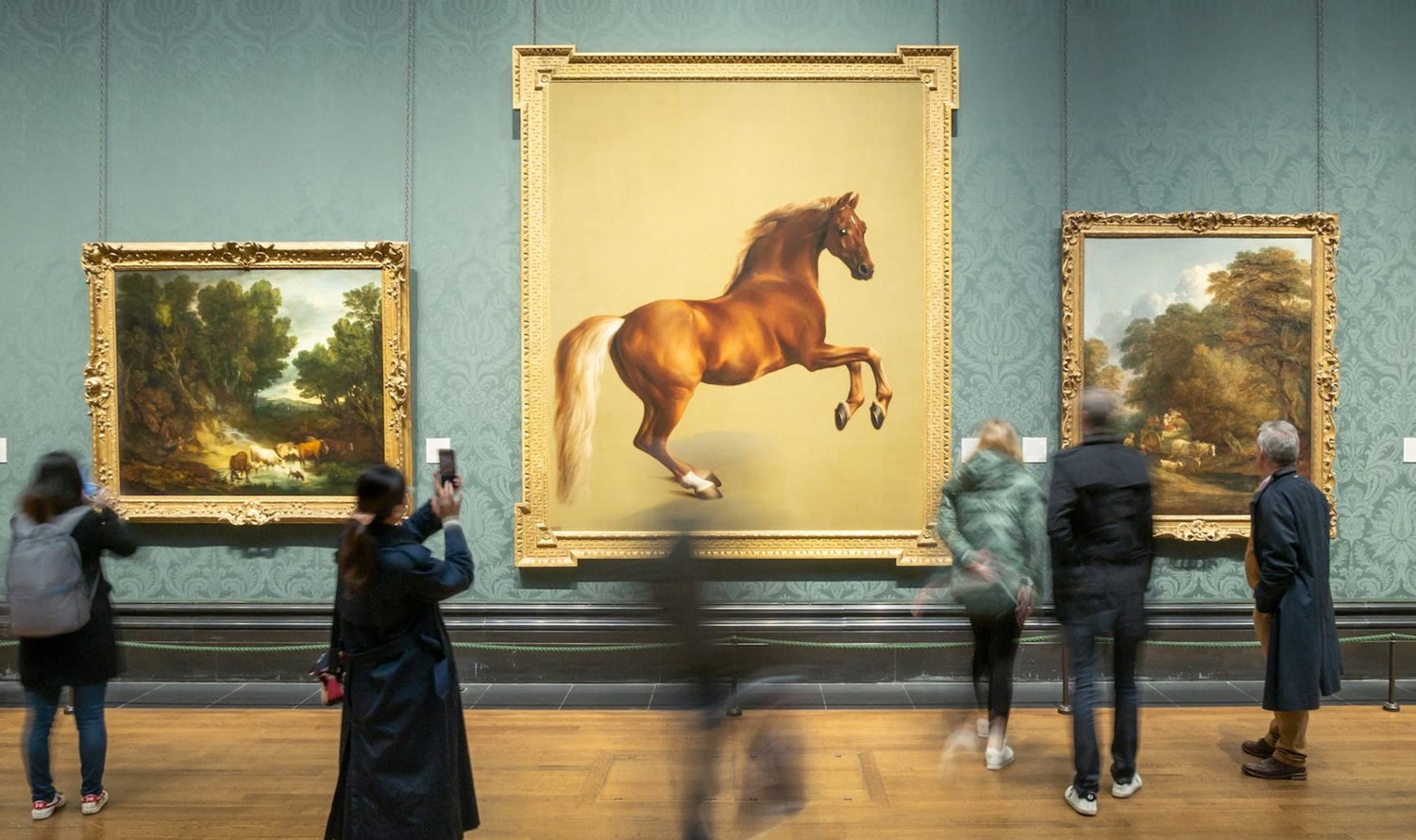
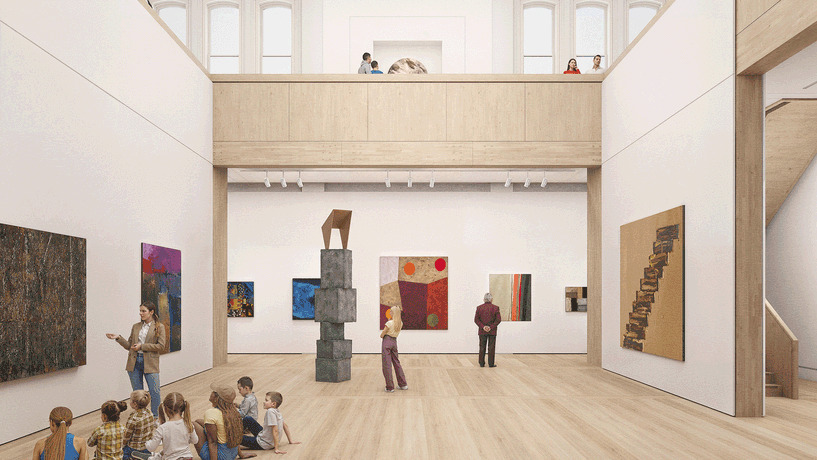
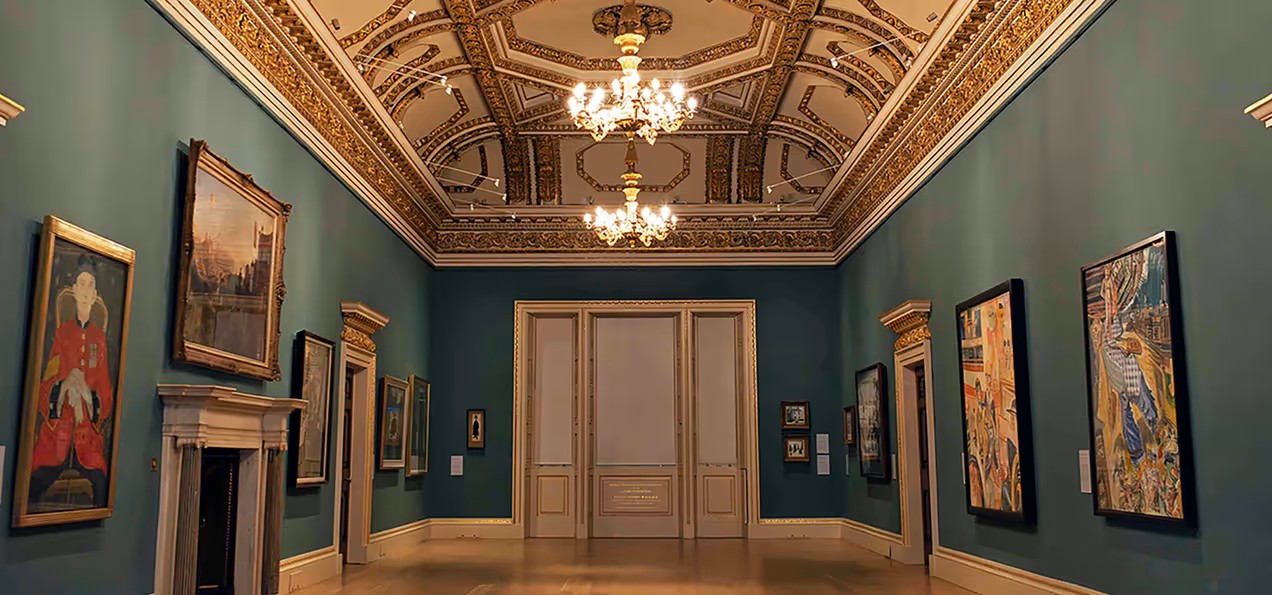
Paintings at the National Gallery, London and art display at the Royal Academy of Arts. Images courtesy of National Gallery, London and Royal Academy of Arts.
The Luxury of Knowing, Not Just Owning
Luxury boutiques offer familiar collections in cities around the world. London’s distinction lies in what surrounds them. The V&A, Tate Britain, the National Gallery, the British Museum and the Royal Academy of Arts each offer different ways of understanding art, history and design. Alongside commercial galleries, auction houses, archives and design institutions, they create a cultural ecosystem that is difficult to replicate elsewhere.
A historical portrait, for example, can reveal how dress communicated wealth and social position. A contemporary fashion collection may revisit similar themes through its silhouettes, materials or references. Understanding those connections changes the experience of seeing an object — and often deepens the appreciation of why it matters.
Therefore, London’s strength is not simply that it has culture. It compresses centuries of collecting, contemporary creativity, commerce and scholarship into a city where these worlds remain unusually close to one another.
For affluent consumers who can already access luxury products almost anywhere, that context increasingly becomes part of the value.
When Fashion Becomes Cultural History
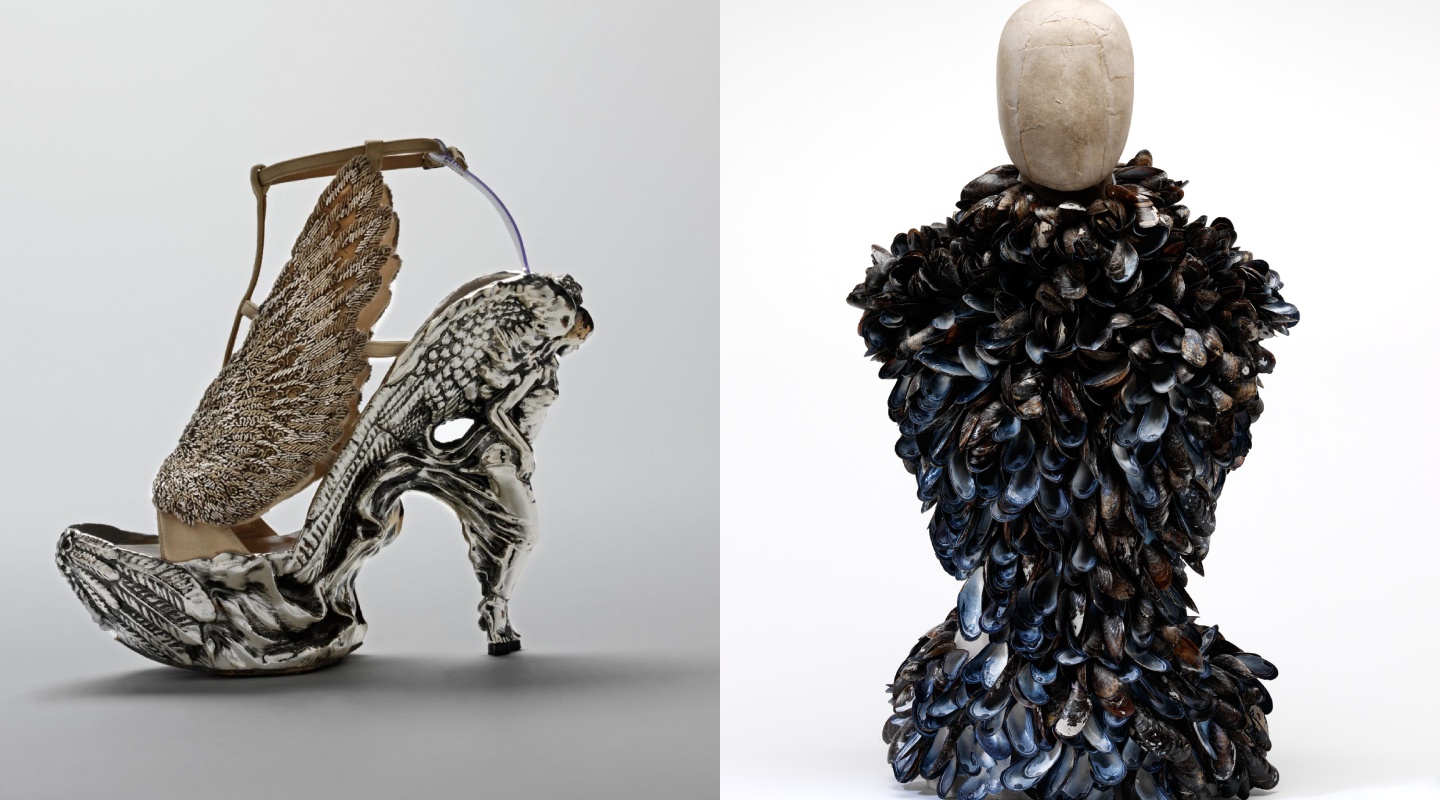
Fashion has long borrowed from art, architecture and social history, but museums can give clothing a different kind of permanence. British fashion offers especially rich examples. Burberry’s trench coat has moved from practical outerwear to a recognised design icon, while Alexander McQueen’s work has been preserved and examined through major institutional exhibitions. The V&A’s Savage Beauty retrospective became its most visited exhibition, demonstrating how a designer’s work can move beyond the seasonal fashion cycle and into the wider cultural canon.
Vivienne Westwood offers another route into the same conversation. Her work repeatedly reinterpreted British history — from traditional tailoring and tartan to corsetry and Victorian silhouettes — while her role in shaping punk gave those references an entirely new cultural meaning. Many of those pieces now sit within the V&A’s permanent collection.
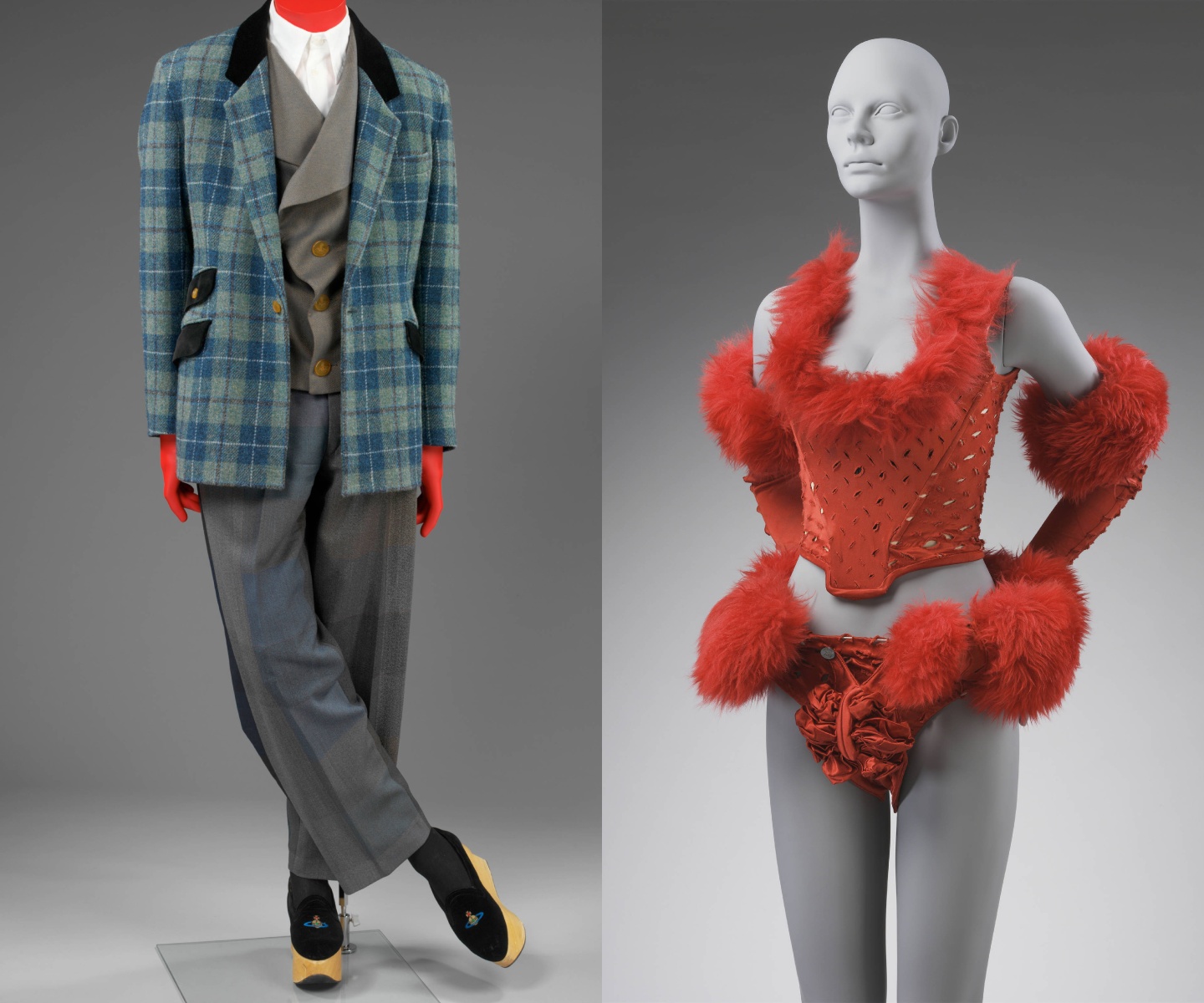
Museum presentation changes how such objects are understood. A garment is no longer viewed only through the lens of trend or season, but within a wider narrative of design, society and cultural influence.
That does not automatically increase its monetary value. It does, however, deepen understanding of why certain pieces endure.
For luxury houses, this cultural context helps reinforce meaning in a global market where desirable products are widely available. For consumers, knowledge adds another layer to ownership: understanding an object’s origin, references and place within design history can make it more compelling long after the trend itself has passed.
Reading London Through Its Neighbourhoods
London’s cultural fluency is not concentrated in a single district. Different neighbourhoods reveal different relationships between luxury, art, fashion and design.
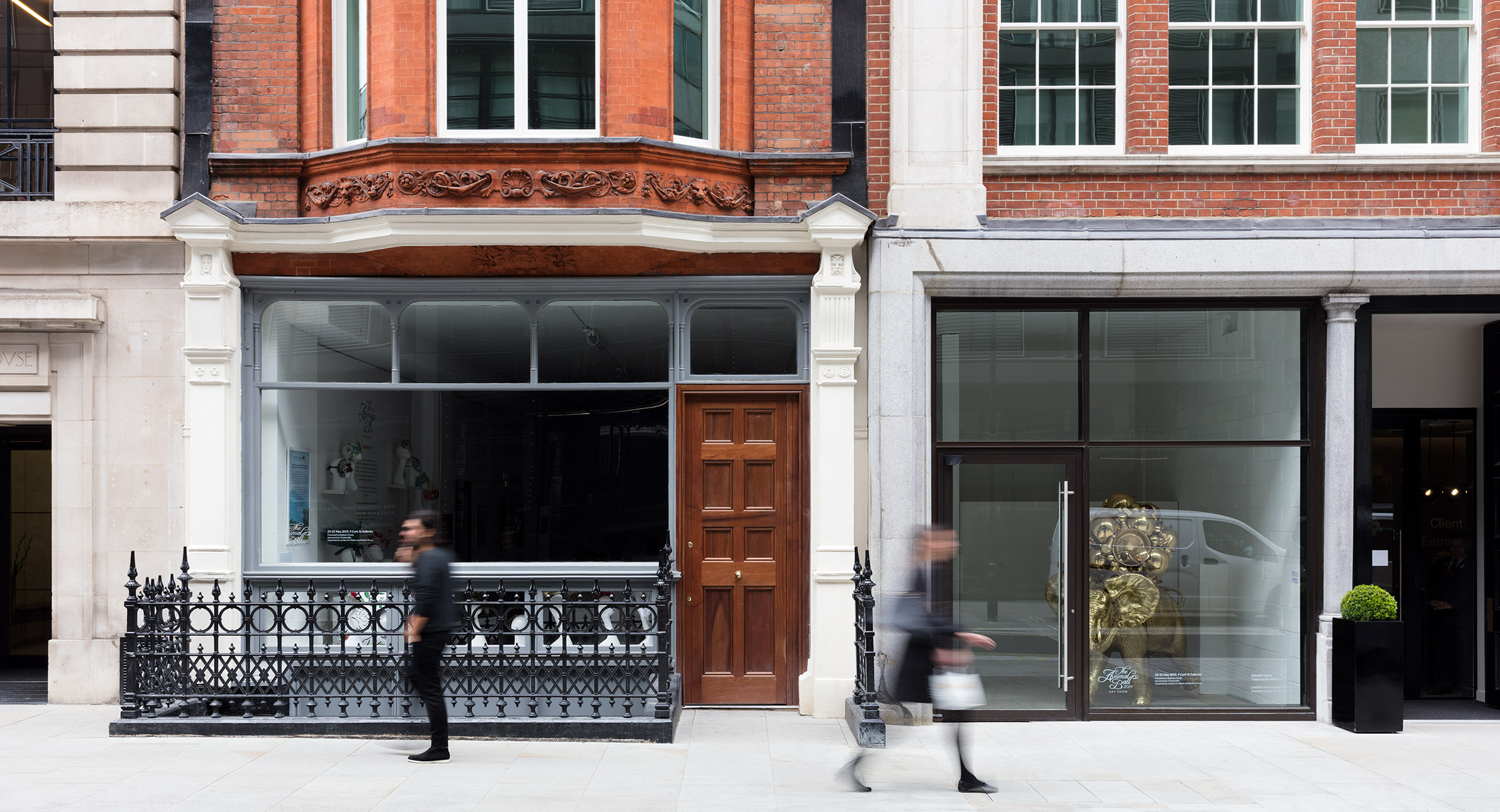
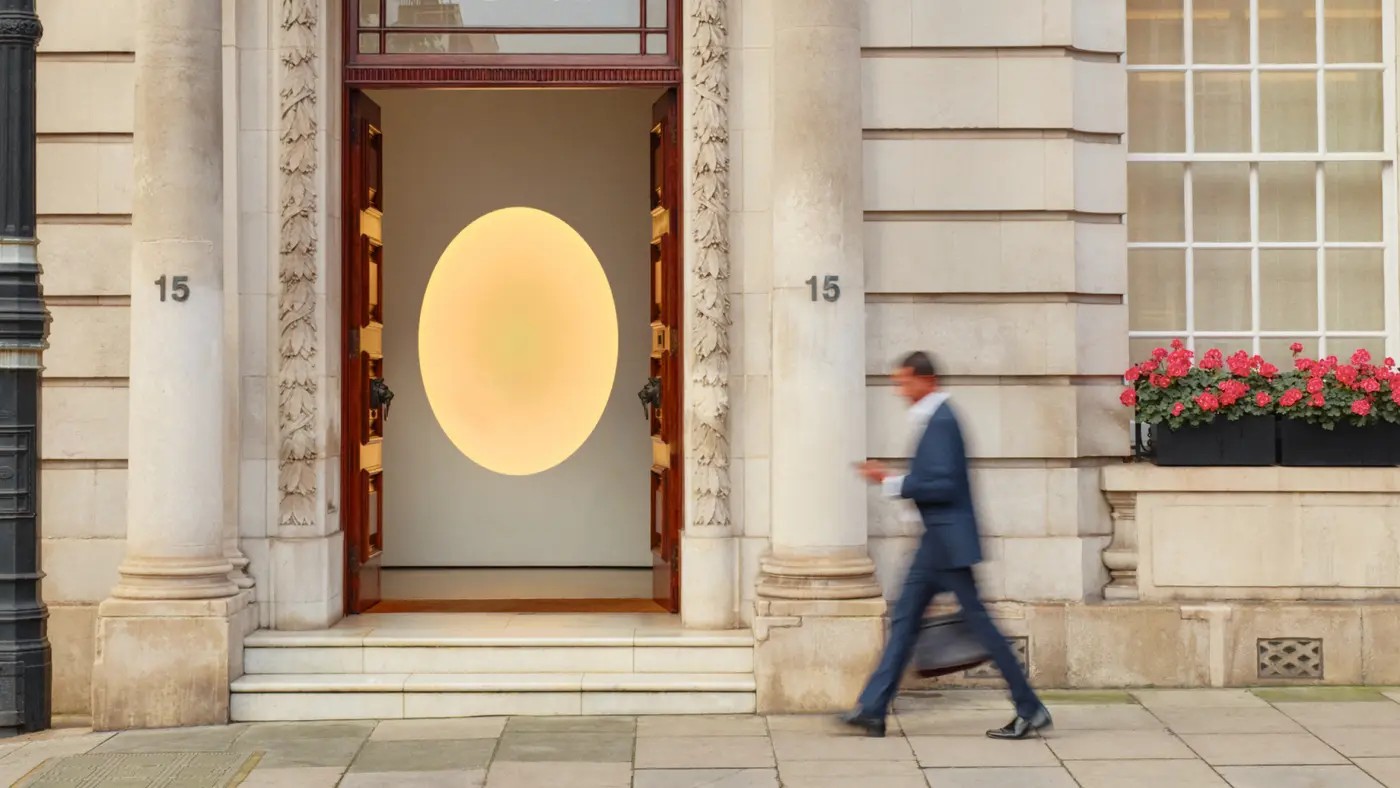
Cork Street Galleries and Mount Street in Mayfair. Images courtesy of Cork Street Galleries and Mount Street Neighbourhood.
Mayfair remains perhaps the clearest example of culture and commerce operating side by side. Cork Street’s galleries sit within walking distance of Bond Street, Mount Street, auction houses, destination restaurants and luxury hotels, allowing collecting, shopping and hospitality to become part of the same experience.
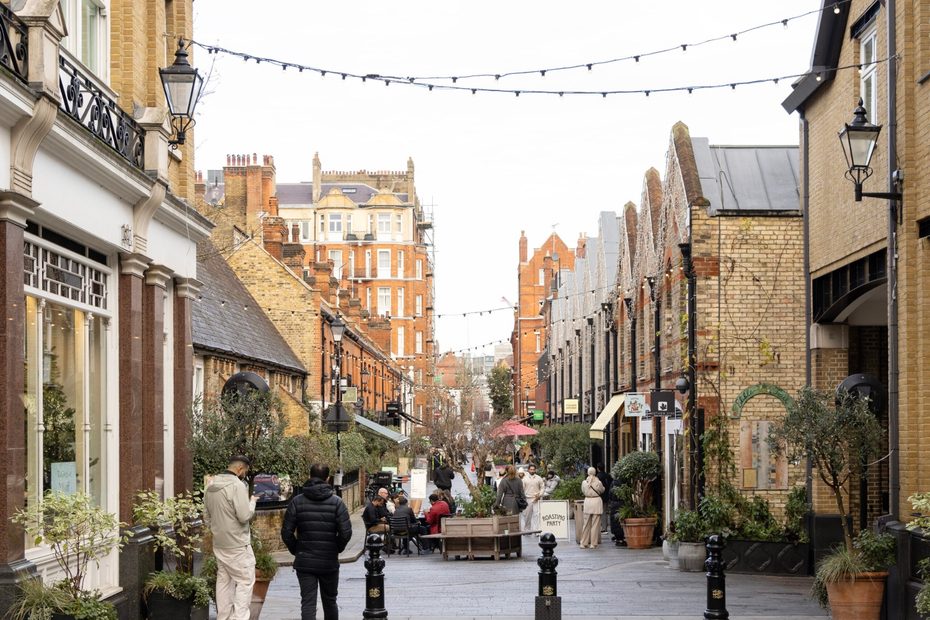
South Kensington offers a different kind of cultural density. Here, the V&A places fashion and design within a broader history of decorative arts, while the surrounding museum quarter encourages visitors to move between disciplines rather than categories.
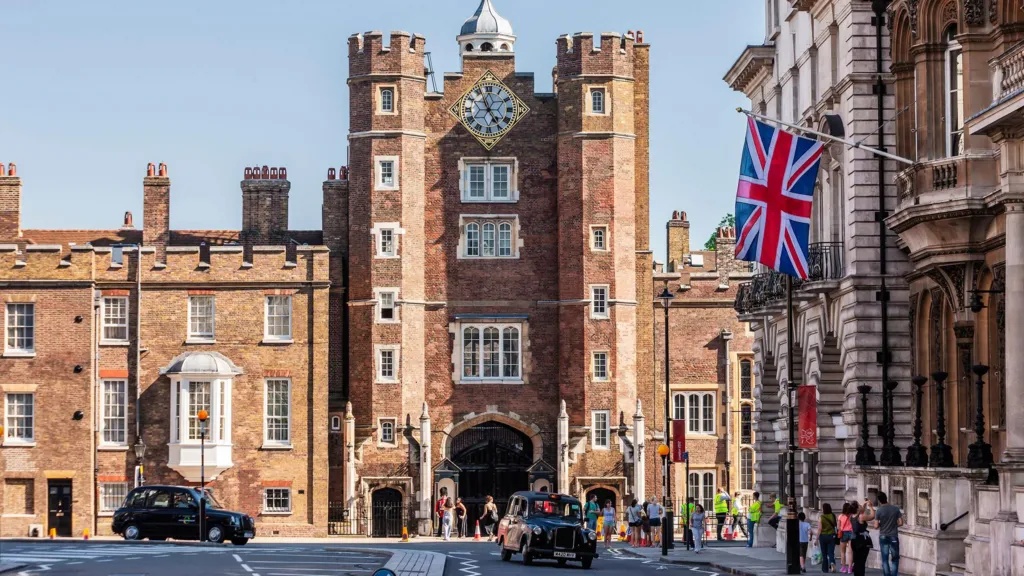
St James’s is quieter and more traditional, shaped by galleries, specialist dealers, tailoring and longstanding institutions. Soho and Fitzrovia, by contrast, draw their energy from music, publishing, fashion and contemporary creative life, while East London increasingly provides a view of what may enter the cultural mainstream next.
Together, these neighbourhoods reveal the different forces shaping London’s cultural identity. The city rewards those able to move between established institutions and emerging scenes, recognising that cultural relevance rarely resides in only one postcode.
When Access Is Not Enough
For people who can already afford luxury goods, access to distinctive experiences can provide another form of differentiation. Private museum tours, curator-led visits, invitation-only dinners and early previews offer ways to engage with art and culture beyond the standard public experience.
Yet access alone is becoming a weaker status marker. An invitation may open a door, but curiosity determines what someone gains from being there.
The distinction becomes clearer when viewing art. Knowing the price of a painting is one thing; understanding its technique, historical context or influence is another. The same applies to fashion, design or collecting.
Luxury brands, galleries, hotels and cultural institutions can all manufacture exclusivity through private events and limited access. Knowledge is harder to manufacture.
Access can be purchased or granted. Discernment has to be developed.
For that reason, cultural fluency increasingly becomes a more meaningful form of distinction: the ability to recognise references, understand provenance and make informed choices rather than simply gain entry to a room.
The Rarity of the Temporary
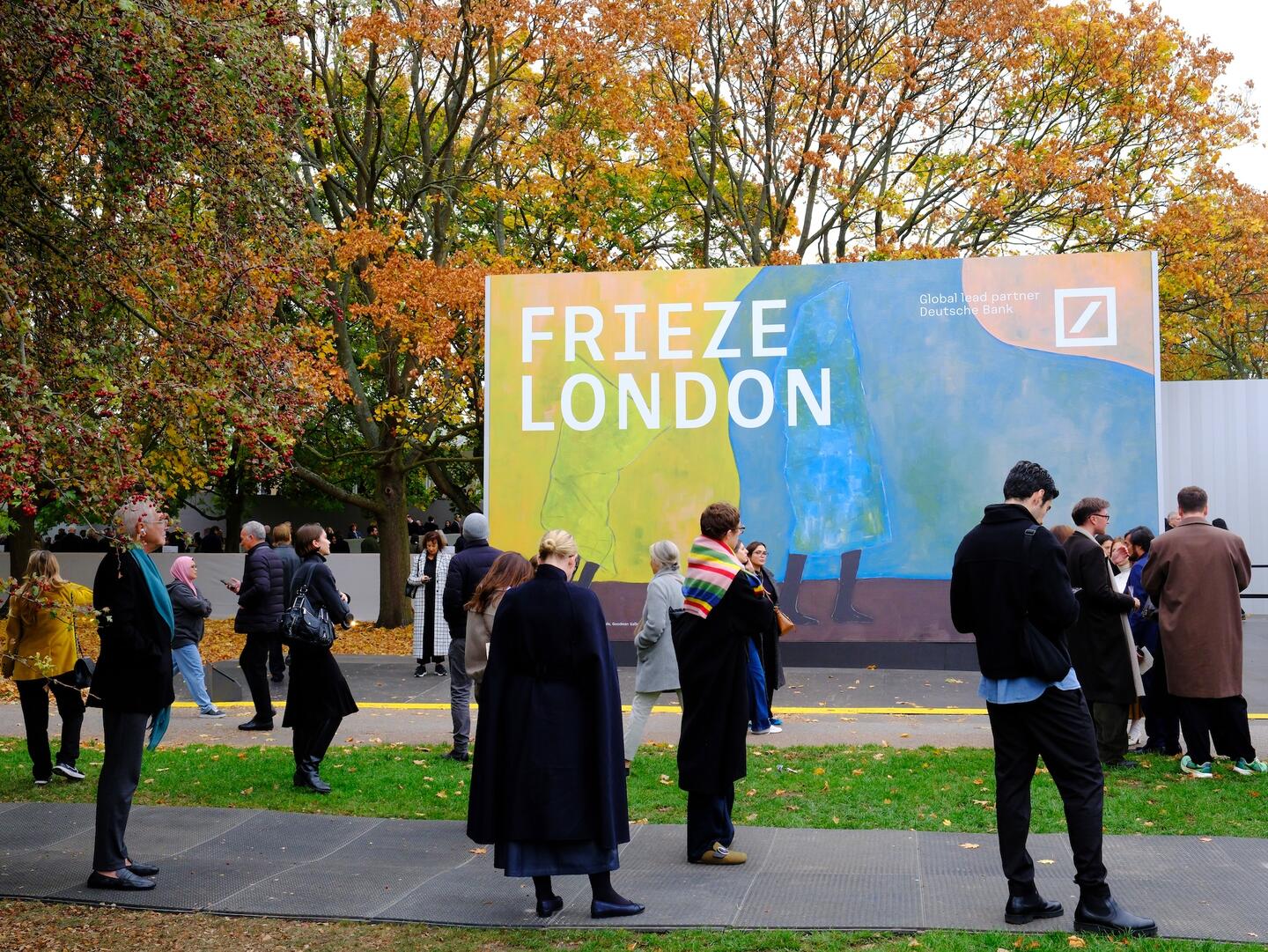
London’s permanent institutions offer cultural depth throughout the year, but temporary events introduce another kind of value: scarcity. Frieze London and Frieze Masters, taking place at Regent’s Park from 14 to 18 October 2026, bring contemporary art and historical works into the same wider cultural moment. The fairs are important, but their significance extends beyond the tents themselves.
Frieze Week activates galleries, auction houses, museums, restaurants and private events across the capital. Openings, exhibitions, dinners, talks and previews create a temporary network that exists for only a few days.
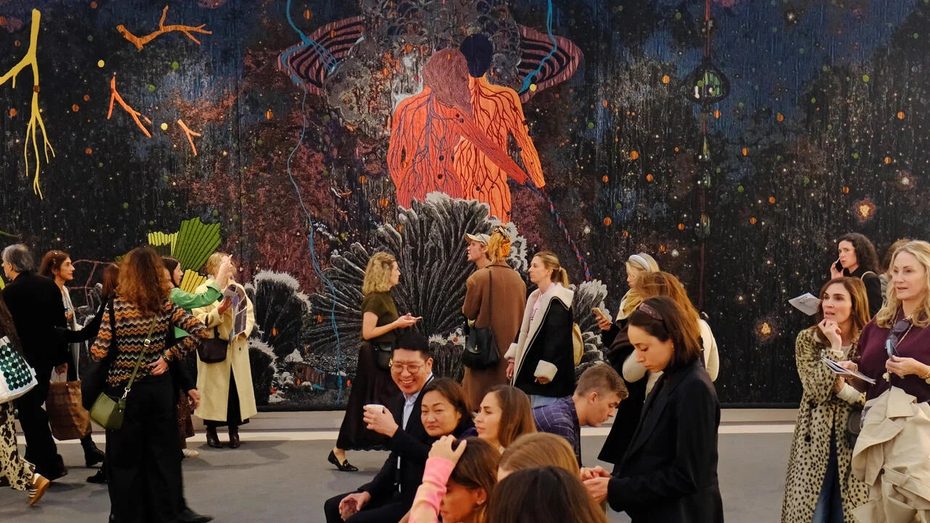
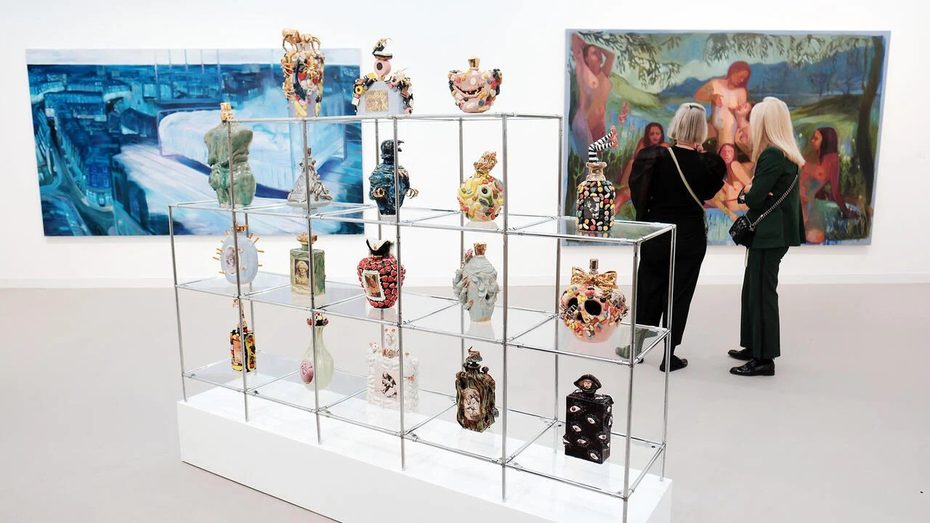
Left to right: Lisson Gallery and Carl Freedman Gallery at Frieze London. Images courtesy of Linda Nylind and Frieze.com
That changes the experience. Visitors must decide what deserves their attention, which exhibitions are worth crossing the city for and which conversations matter. Being present is only part of the equation. Knowing where to look becomes the greater advantage.
In a city with almost unlimited luxury consumption, the more valuable status symbol may be knowing what not to miss. London’s advantage is not scarcity. It is abundance — and the judgement required to navigate it.
The luxury lies in knowing how to read the city: which institutions matter, which exhibitions deserve attention and where art, fashion and design are beginning to overlap. In that sense, discernment may be one of London’s most valuable forms of access.
For more on the latest in culture and events, click here.