London’s Luxury Property Market Faces an Affordability Test
London’s property scene is witnessing a sea-change as housing demand outpaces buyers’ purchasing power, leaving completed apartments unsold.
London’s housing shortage persists, yet completed apartments remain unsold as prices, borrowing costs and ownership expenses limit purchasing power. For luxury property investors, the capital’s international appeal remains relevant, but location, value and rental prospects require closer scrutiny.
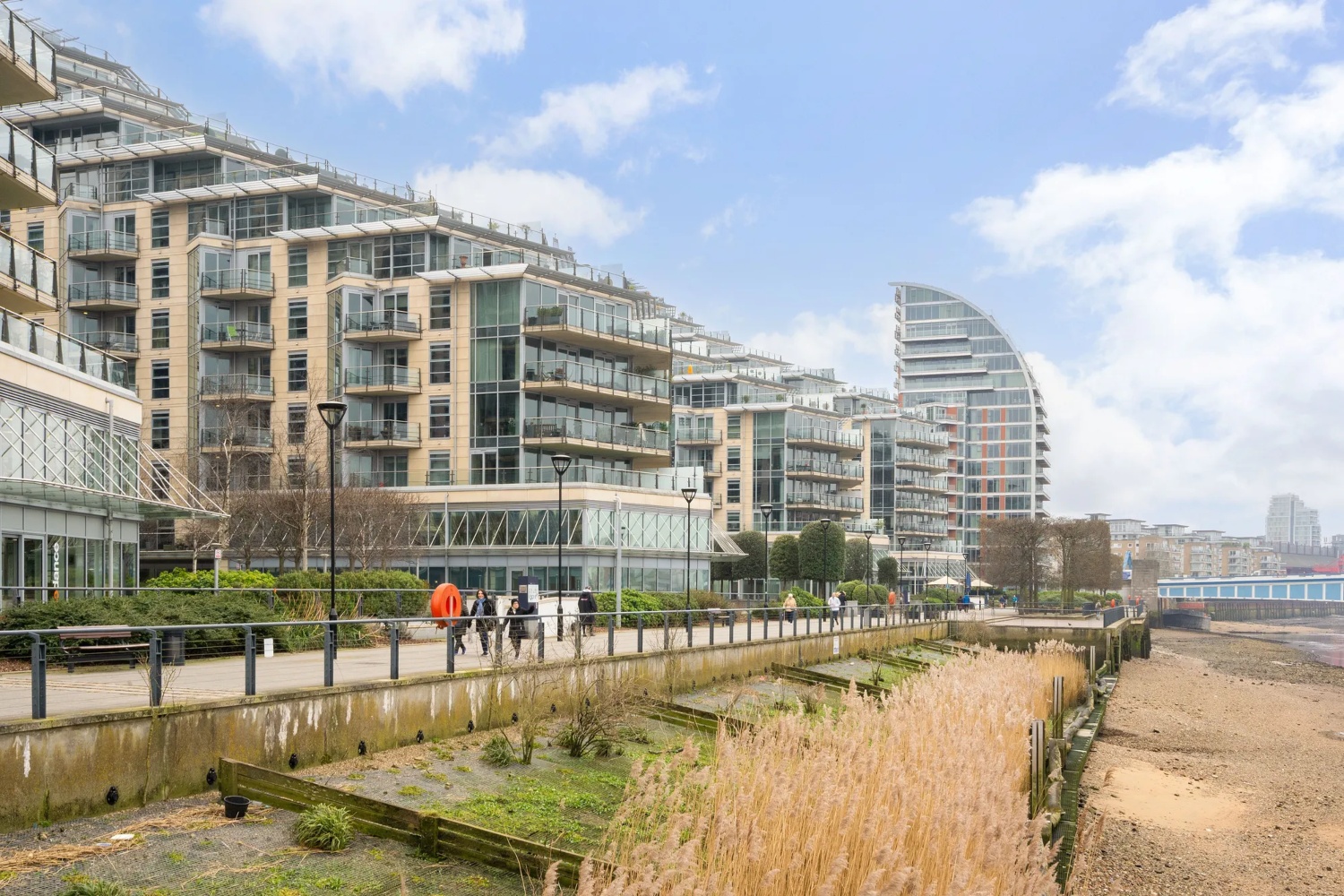
LUXUO examines the changing investment case for luxury property in London, where a city in need of more homes is struggling to convert housing demand into completed sales. A prospective buyer might admire the proportions of a period townhouse in Chelsea, consider an apartment overlooking the Thames or weigh the convenience of a new residence near King’s Cross. Yet the decision to purchase ultimately depends on more than an address, architectural credentials or a well-appointed interior. The price must make sense against financing costs, comparable properties and the expenses of ownership.
The contradiction is striking. London’s housing shortage has built up over decades, but some newly built homes remain unsold because available properties do not always match prospective buyers’ budgets. Meanwhile, international purchasers must account for taxation and changing economic conditions, while developers face elevated land and construction costs.
For the luxury market, this creates a more selective environment. London’s universities, employment opportunities, transport connections and established neighbourhoods continue to attract residents from around the world. Yet a globally recognised address does not guarantee capital appreciation, a quick resale or a reliable rental return.
The investment question is therefore more specific than whether London remains desirable. It is whether a particular property offers sufficient value, lasting appeal, and realistic financial prospects at the asking price.
1. London’s housing shortage has an unsold-home problem
London urgently needs more housing, but the shortage hasn’t stopped more completed properties from sitting on the market. The discrepancy highlights a fundamental problem: housing need and purchasing power are not the same thing.
“London urgently needs more housing. The government’s annual target is 88,000 homes,” says Leong Boon Hoe, Consultant at Arcadia Consulting.

The shortage reflects decades of building that failed to keep pace with demand. Leong identifies restrictive planning, uncertain funding for affordable housing and infrastructure, and reduced council capacity as factors that have constrained delivery. Without dependable funding, councils struggle to plan housing programmes over the long term, while insufficient construction adds to the accumulated backlog.
Weak new-home sales illustrate the other side of the problem. Molior reported 4,629 completed but unsold homes in London at the end of June 2026, according to figures cited by Leong. JLL’s February 2026 analysis provides further context. Private-sector housing starts in London fell by 84 per cent between 2015 and 2025, from 33,782 to 5,547 homes. JLL also reported that 23 per cent of homes completed during the previous year remained unsold. The figures suggest the capital’s housing difficulties stem from both a shortage of new supply and a lack of buyers to absorb some of the homes already built.
For luxury buyers, the lesson applies even at the top end of the market. A development may offer concierge services, landscaped gardens, and private residents’ facilities, but these features cannot indefinitely compensate for a price that exceeds the target market’s willingness to pay. An apartment is an asset only when a buyer is willing to pay an acceptable price.
2. A London home costs more than ten years of median earnings

For households hoping to enter the property market, the challenge often begins long before a viewing. Rent, transport, food and other living expenses compete with the savings needed for a deposit. Even a stable income may not translate into sufficient borrowing capacity. The Office for National Statistics reported that, in 2025, the median London home cost 10.6 times the median annual earnings of full-time employees. Across England, the equivalent ratio was 7.6. Kensington and Chelsea recorded a particularly stark ratio of 25.2, illustrating the scale of the affordability challenge in one of London’s most expensive boroughs.
“Prices have outpaced earnings over decades,” says Leong. The resulting gap means buyers need larger deposits and mortgages relative to their pay, while high rents make saving for a deposit harder.
Borrowing costs add another constraint. Higher mortgage rates can materially increase monthly repayments, especially for a property requiring substantial financing. Economic uncertainty and concerns over future taxation can also encourage prospective purchasers to delay a decision.
Luxury buyers may have greater financial resources, but affordability remains relevant. A high-net-worth purchaser still needs to decide whether the price, running costs and potential resale value justify tying up capital in a London property rather than allocating it elsewhere.
The distinction matters: London’s ability to attract wealth does not automatically mean every property can command its asking price. For sellers and developers, the size of the potential market matters less than the number of buyers prepared and able to complete a transaction.
3. London’s prime market is giving buyers more reason to negotiate

The prime London market is not moving uniformly. Prime central London, which includes established addresses such as Mayfair, Belgravia and Knightsbridge, behaves differently from outer prime neighbourhoods where families may prioritise schools, space and proximity to work. Knight Frank’s October 2026 assessment reported that prime central London prices rose 0.3 per cent in the third quarter, marking the first quarterly increase in four years. Nevertheless, prices remained 2 per cent lower year on year and 22 per cent below the previous peak recorded in August 2015. Prime outer London prices fell 0.6 per cent over the year to September.
The figures indicate that price adjustments and buyer caution remain significant, despite a modest improvement in prime central London in the latest quarter.
“A slower market also gives buyers time to choose carefully and negotiate,” says Leong.
For a purchaser considering a substantial investment, more negotiating room can help. A vendor who has held a property for an extended period may be more receptive to an offer supported by recent comparable sales. Yet a reduction from an earlier asking price does not automatically make a property good value. The relevant benchmark is what similar homes have sold for, not the originally advertised price.
Taxation also influences international purchasers’ decisions. Overseas buyers generally face an additional two-percentage-point stamp duty surcharge, while a further five-percentage-point surcharge may apply where the additional-property rules are relevant. Changes to the UK’s former non-dom tax regime (i.e. UK tax rules that previously gave eligible residents favourable treatment on overseas income and gains, abolished in April 2025) have also affected the considerations facing some internationally mobile families.
For luxury property investors, the current environment favours careful analysis over assumptions of inevitable appreciation. A realistic purchase price, sound local evidence and a clear holding strategy matter more than a headline discount alone.
4. A prestigious address needs a functioning neighbourhood

A luxury residence can offer a striking façade, generous proportions and an extensive amenities package. Long-term demand, however, depends partly on the surrounding neighbourhood and the practical reasons for living there.
King’s Cross illustrates the importance of a broader urban setting. Transport connections, offices, university facilities, retail and public spaces have helped create a district with activity throughout the week. Its appeal extends beyond residential architecture because employment, education, and leisure give people reasons to spend time there.
“For an investor, this puts greater weight on the neighbourhood and its likely residents,” says Leong.
The distinction matters when assessing emerging districts. A proposed transport link or cultural destination may strengthen the long-term outlook. Still, the investment case should distinguish existing amenities from funded, scheduled projects, and from ambitions that remain uncertain.
For an overseas purchaser, practical considerations may include access to international transport, schools, healthcare and business districts. For a prospective tenant, the daily commute, access to public transport, and the convenience of local amenities may matter more than a building’s leisure facilities.
A location with established demand isn’t automatically immune to price declines, but a neighbourhood supported by employment, transport, and a broad range of amenities has clear reasons to attract residents. The stronger investment case rests on those underlying conditions rather than on promotional claims about future growth.
5. The new-build premium must justify its price

A newly completed apartment may provide contemporary layouts, modern building systems, a warranty and better energy performance than an older property. For buyers seeking a residence that needs little immediate work, these advantages can matter.
Yet a nearby existing apartment may offer more space for the same budget, a larger terrace, or a more established outlook. Period properties can also offer architectural character and room proportions that new developments can’t easily replicate.
“An existing home may offer more space for the same money. A new home’s warranty, layout and energy performance can justify paying more, provided the difference is sensible,” says Leong.
The comparison should begin with recently completed sales of similar properties. Floor area, condition, outlook, outdoor space and building quality can all influence value. Annual service charges deserve equal attention, particularly in developments with concierge services, gyms, pools and extensive communal areas.
A building’s amenities may improve everyday living, but you still pay the associated charges whether the apartment is occupied or vacant. Furniture packages and stamp duty contributions can reduce the initial purchase cost yet may have little bearing on the property’s long-term resale prospects.
For investors, the essential question is whether the new-build premium is supported by benefits that future buyers or tenants are likely to value. A useful layout, natural light, energy efficiency and a well-connected location may provide a more defensible basis for paying extra than an extensive list of facilities alone.
6. Housing reform must address the economics of building

London’s housing shortage cannot be resolved simply by identifying development sites. A project must secure planning approval, finance construction and attract enough buyers at prices that make delivery commercially viable. JLL’s February 2026 analysis identified construction-cost pressures, weaker buyer demand, and reduced housing delivery. The decline in private-sector starts, alongside the share of completed homes remaining unsold, shows how building economics and purchase affordability are connected.
Leong argues that uncertain funding for affordable housing and infrastructure, restrictive planning and reduced council capacity have constrained delivery. Longer-term coordination between housing, transport and investment is needed to support building programmes and the communities surrounding new developments.
“Planning reform alone cannot close this gap. Projects still need enough buyers at viable prices,” says Leong.
For developers, the calculation is difficult. They must cover land and construction costs while keeping selling prices acceptable to the target market. If too few buyers can afford the finished homes, projects may be delayed or scaled back, potentially worsening the future supply shortage.
For luxury investors, the implications extend to competing developments, future construction and the type of buyers likely to enter a neighbourhood. A project may look attractive on paper, but the surrounding market must support its pricing and positioning.
The wider policy challenge is to increase housing supply while better aligning what is built with what households can afford. More homes are necessary, but their type, location, and price matter just as much.
7. Rental demand offers a longer-term perspective, not a guaranteed return

For investors reluctant to depend entirely on capital appreciation, rental income provides another way to assess London’s property market. However, the headline rent is only the starting point for calculating a property’s financial performance. Official figures cited by Leong show London rents rising 3.5 per cent in the year to August 2026. More recent prime-market data reveal differences across the capital. Knight Frank reported that rents in prime outer London increased 3 per cent in the year to September, while prime central London rents rose 1.3 per cent over the same period. The figures underline how rental performance varies by location and tenant market.
Savills’ September 2026 research also found that prime central London’s rental market continued to benefit from strong demand and constrained stock. Smaller properties and homes serving the domestic market were particularly active, although rental growth varied across price brackets.
“Rent still needs to cover service charges, management, maintenance, vacancy and tax,” Leong cautions.
A property generating substantial annual rent may still deliver a modest net return after expenses. Service charges, repairs, letting fees, financing costs, periods without a tenant and tax all affect the final figure. Overseas owners must also account for currency movements when converting rental proceeds into another currency.
Tenancy regulations are another consideration. The Renters’ Rights Act came into force in England in May 2026, changing rules governing rent increases, possession procedures and tenant protections. Landlords need to understand the requirements and budget for the practical costs of managing a tenancy.
For existing owners, regular maintenance and competitive rental pricing can help preserve a property’s appeal. For prospective buyers, a credible investment assessment should use realistic rent assumptions and account for recurring expenses rather than relying on an optimistic forecast.
London’s international appeal still offers reasons to consider property ownership, but rental demand alone cannot guarantee a profitable investment. The asset’s quality, purchase price, and holding costs remain decisive.
The investment case rests on value, not reputation alone.
London’s property market presents a paradox. The capital urgently needs more homes, yet completed apartments remain unsold because housing demand does not always translate into purchasing power. Decades of prices outpacing earnings, borrowing costs and ongoing ownership expenses have widened the gap between what buyers can afford and what developers need to charge.
For luxury property investors, London’s enduring appeal rests on education, employment, international connectivity and neighbourhoods with established demand. Yet these advantages do not remove the need to assess the entry price, compare new-build and resale options, understand service charges, and calculate realistic rental returns.
Leong Boon Hoe, Arcadia Consulting Pte Ltd, Chief Executive Officer

Leong Boon Hoe is the founder and CEO of Arcadia Consulting Pte Ltd, a boutique real estate advisory and brokerage firm focused on marketing luxury residences and cross-border investment brokerage. With a track record of over 20 years in managing projects and marketing premium real estate in Singapore and key cities in Malaysia, Indonesia, Thailand, Vietnam and Cambodia, Leong advises clients from the acquisition stage through strategic marketing planning and execution to divestment.
For more on the latest in architecture and properties, click here.