The New Rules of Engagement in Malaysia’s Luxury Property Market
Malaysia’s residential property market is becoming more selective. In 2026, investors win by selecting better assets rather than trying to time the market.
LUXUO dives into current trends in investing in Malaysian luxury property, where selective resilience has replaced the speculative exuberance of years past. The 2026 investor wins not by trying to time the market, but through better asset selection—a shift that is redefining how high-net-worth individuals approach prime real estate across the country.
A Market of Two Stories
On the surface, Malaysia’s residential property market presents a puzzle. The economy expanded by a robust 5.4 percent in the first quarter of 2026, driven by steady growth across construction, services, and manufacturing sectors, with unemployment holding at a decade-low of 3 percent. Yet transactional activity in the residential market moderated from the previous quarter, with volume down 8 percent year-on-year in Q1 2026.
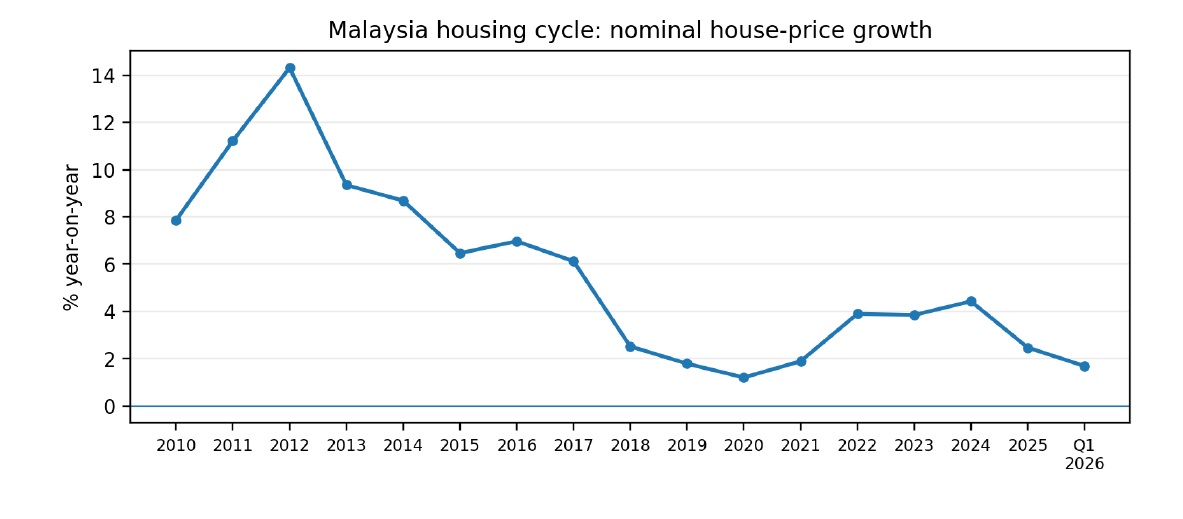
This apparent contradiction resolves upon closer examination. The total value of property transactions surged to a record RM 108 billion in 2025, revealing a clear market pivot towards higher-priced, premium assets. As Savills Malaysia observed, although transaction volume declined 8.5 percent year-on-year in the central region during Q1 2026, total value rose 1.8 percent—indicating sustained demand for better-positioned, higher-value properties. The Malaysian House Price Index rose 1.7 percent year-on-year to 235.5 points, with the All House Price rising to RM 507,533, suggesting underlying demand continues to support locations with strong connectivity, established amenities, and proven liveability.
The Luxury Segment Decouples
The most striking development in 2026 is the luxury segment’s decoupling from the broader market. Juwai IQI reported a surge in high-value subsale transactions in Kuala Lumpur, pushing the city’s average house price up 52 percent to RM 1.203 million. Properties priced between RM 750,001 and RM 1 million accounted for 6 percent of total sub-sale transactions in the first half of 2026, while homes priced above RM 1 million made up 10 percent.
This strength in the luxury tier reflects deeper demographic shifts. According to Knight Frank’s Wealth Report 2026, Malaysia’s ultra-high-net-worth individual population is projected to grow 20.1 percent over the next five years, from 1,566 individuals in 2026 to 1,881 in 2031—a marked acceleration from the previous five-year growth rate of 6.5 percent. The country’s billionaire population is set to grow 39 percent by 2031, earning Malaysia fifteenth place among nations with more than five billionaires.
Keith Ooi, group managing director of Knight Frank Malaysia, attributed this rise to the country’s strong economic expansion, supported by the Ringgit’s continuing perfoRM ance and an active capital market. Luxury residences in Kuala Lumpur showed stable appreciation, growing 1.1 percent in 2025, according to Knight Frank’s Prime International Residential Index. This contrasts with Hong Kong’s 2.1 percent decline, while Singapore continued to set record prices above US$6,000 per square foot.
Beyond the Capital: Johor and Penang Emerge as Luxury Powerhouses
While Greater Kuala Lumpur remains the anchor of Malaysia’s luxury property market, wealth is shifting decisively in 2026. Two regions are emerging as formidable alternatives: Johor Bahru and Penang Island.
The Johor-Singapore Corridor
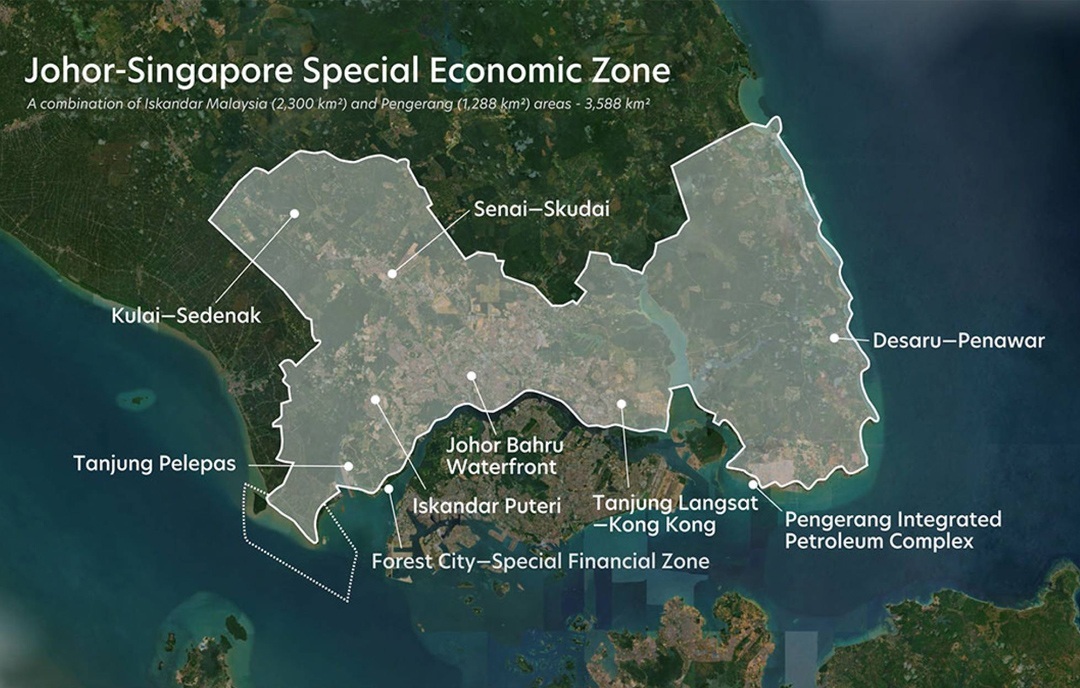
While other regional property markets experience cooling cycles, the Johor property market is actively “sizzling”. Two massive structural catalysts are supercharging this cross-border economic engine: the impending rollout of the Johor–Singapore Special Economic Zone (JS-SEZ) and the fast-tracked progress of the RTS Link rapid transit system connecting Johor Bahru to Singapore. The state attracted RM 91 billion in approved investments by the third quarter of 2025, driven by the data centre boom. Luxury investors are moving swiftly to acquire premium acreage and waterfront penthouses in Iskandar Puteri, attracted by exceptional spatial value at a fraction of Singapore city prices.
A recent Arcadia Consulting report cited: Johor presents the more powerful, and perhaps the less forgiving, story. The RTS Link is scheduled to begin passenger service in January 2027, offering a five-minute train journey between Woodlands North and Bukit Chagar with a capacity of up to 10,000 passengers per hour in each direction. The JS-SEZ adds a deeper economic layer, spanning more than 3,500 square kilometres across nine zones and eleven sectors. Yet better connectivity does not make every residential tower in Johor scarce. CIMB Research counted 108,863 existing serviced apartments in the state in Q1 2026, with another 41,832 units under construction and 18,712 more planned through 2030 and 2031. Separately, the National Property Information Centre (NAPIC) recorded 9,972 completed but unsold serviced apartments. These are two distinct measures: the first reflects total existing stock and future supply, while the second tracks completed overhang.
Penang Island
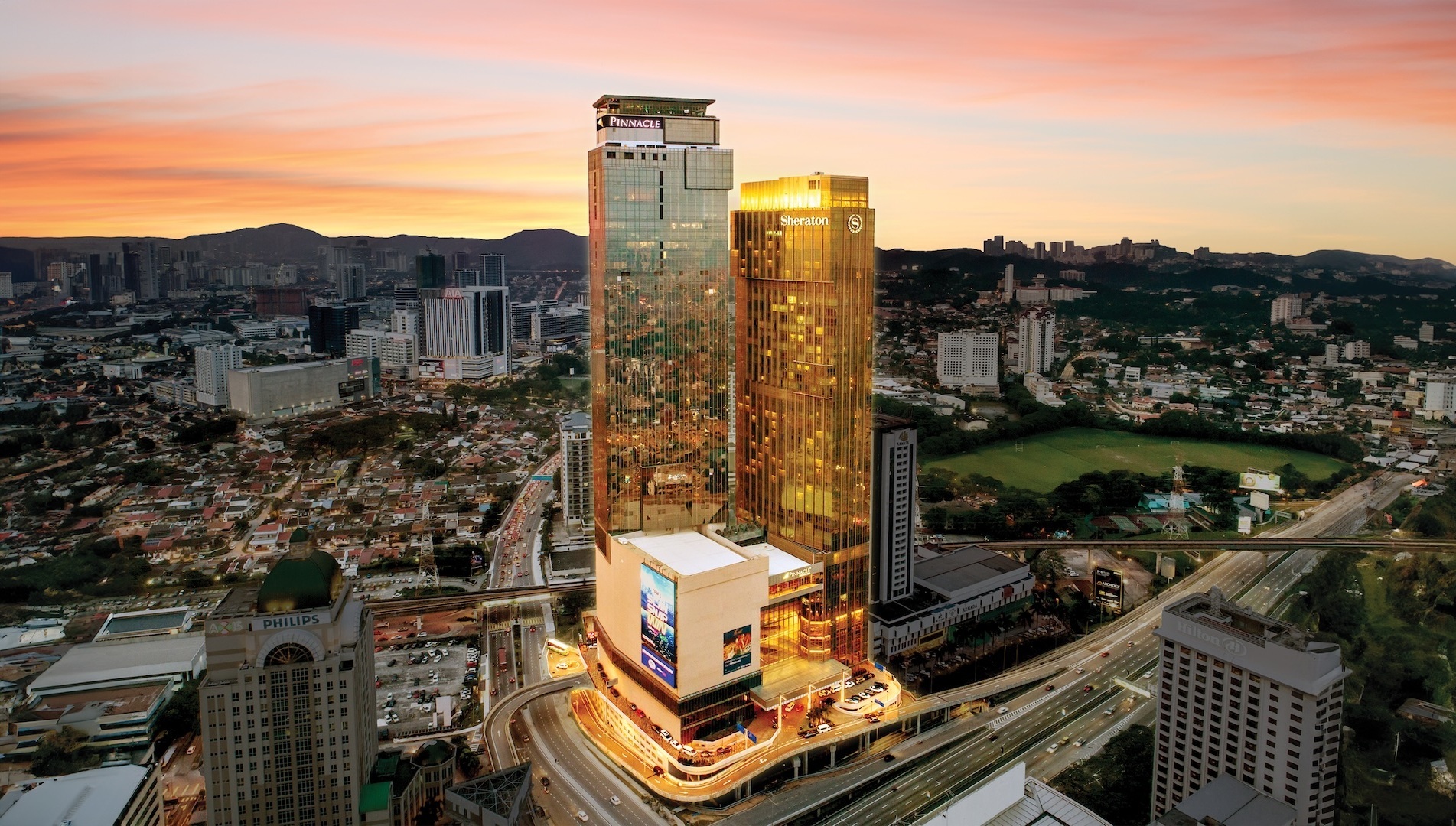
Earning its reputation as a sophisticated alternative to Kuala Lumpur, Penang Island is capturing a significant share of regional domestic and expatriate wealth. The island’s robust semiconductor boom and growing high-tech manufacturing sectors have created a wealthy new class of corporate buyers demanding elite real estate. Along Gurney Drive and the premier enclave of Tanjung Tokong, seafront high-end residences are commanding impressive premiums.
According to Knight Frank Malaysia’s Real Estate Highlights 1H2026, Penang’s property market remained relatively resilient in the first half of 2026, although activity was more measured as buyers became increasingly selective. The Penang High-Rise Residential Price Index rose 3.4 percent year-on-year to 229.9 points, reflecting sustained value even amid softer transaction volumes. The industrial sector continued to stand out as a key growth driver, with Penang recording RM 4.9 billion in approved manufacturing investments in 1Q2026, including RM 3.4 billion in foreign direct investment. Major investment announcements during the period included Nexperia’s RM 1.6 billion semiconductor investment, WaferWise Semiconductor’s RM 700 million investment, and Boston Scientific’s RM 308 million project in Batu Kawan.
For 2026, seafront and well-located high-end residences in Penang could therefore offer a compelling value proposition combining relative affordability with lifestyle and long-term value potential.
Arcadia Consulting reported that Penang operates on a different demand base, one shaped by manufacturing and technology, established local business wealth, international education, healthcare, tourism, and island lifestyle. Approved investment reached RM 32.9 billion in 2025, with another RM 6.2 billion recorded in the first quarter of 2026. Yet the wider housing market is mixed rather than booming. Penang recorded 3,165 completed unsold conventional homes in Q1 2026, a 16 percent increase from a year earlier. IQI’s subsale measure showed average resale prices slipping about 2 percent year on year in the same period.
That does not signal a weakening prime market. Instead, it suggests that the island must be broken into smaller, distinct markets. Gurney and Pulau Tikus remain mature prime locations. Tanjung Tokong, Seri Tanjung Pinang, and Andaman offer newer waterfront product. The southern waterfront corridor and Batu Ferringhi cater to different buyer profiles again. Prime landed neighbourhoods behave differently from all these segments. Penang is therefore better understood as a collection of micro-markets rather than a single island-wide scarcity narrative.
Foreign buyers are present, but their influence should not be overstated. Penang state data recorded 365 property units involving foreign buyers in 2025. The state later clarified that only 15 units in the RM 400,000 to RM 1.5 million range were sold under the relevant Home Ownership Campaign arrangements. Reports suggesting that all 365 units were transacted below foreign-purchase price thresholds were incorrect.
The New Geography of Wealth
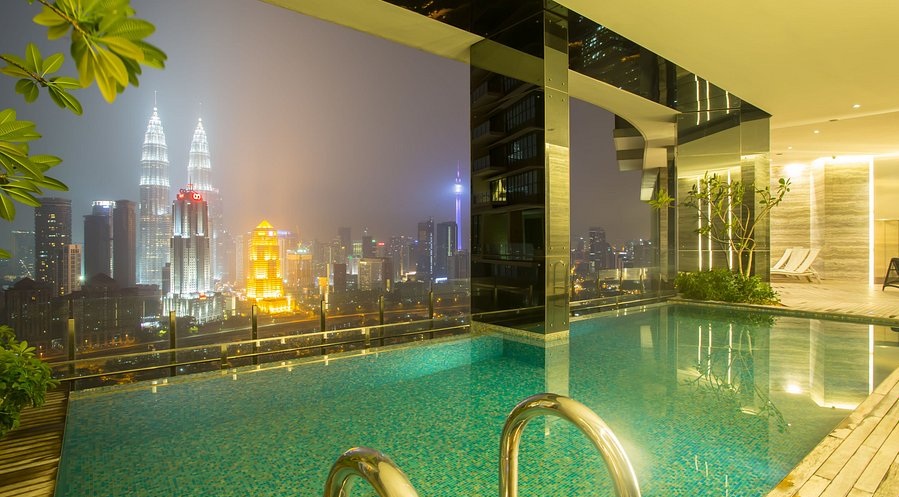
Within Kuala Lumpur itself, the geography of luxury property demand has shifted. The epicentre of buyer demand has moved toward the newly minted Tun Razak Exchange financial district and established luxury towers surrounding KLCC and Bukit Bintang. High-net-worth buyers are prioritising ultra-high-specification buildings with elite concierge services, high-security protocols, and immediate proximity to high-speed transit networks.
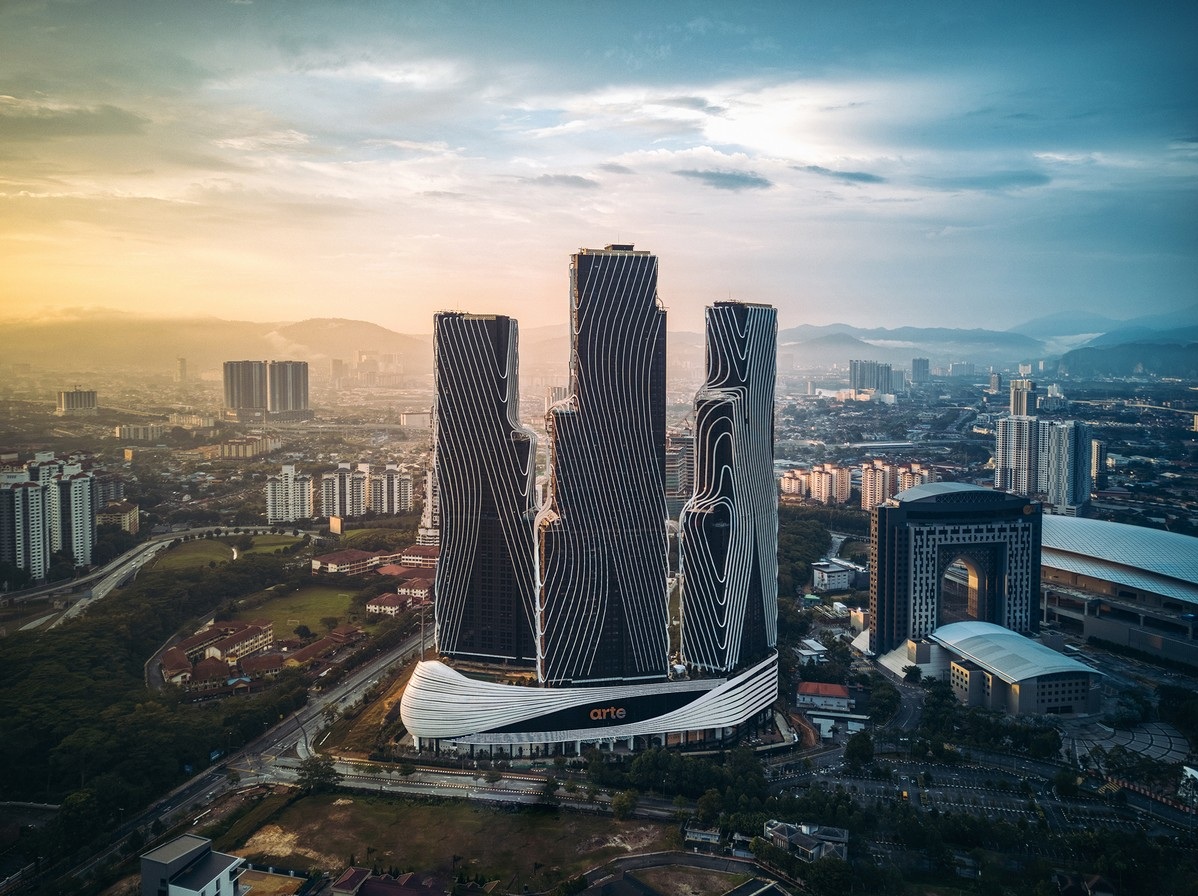
JLL’s research provides a granular breakdown of this landscape. KLCC stands as the market’s primary growth engine, consistently leading in capital value gains. Bukit Bintang, with significant new supply entering the market, presents a tactical entry point for investors. Bangsar delivers resilient rental yields as a classic core income asset: a mature, supply-constrained submarket with an established community that protects it from development pressures. Damansara Heights, a low-density, high-value enclave, serves as a defensive trophy asset driven by scarcity. Mont Kiara offers a balanced core profile with high liquidity, a deep expatriate rental pool, and an active secondary market.
The Rise of Branded Living
Alongside geographic diversification, another trend is reshaping luxury property expectations: branded residences. Affluent homeowners are embracing hotel-inspired living where service, convenience, and peace of mind become the ultimate indulgence. While this concept first took root in Malaysia in the early 2010s with developments like Fraser Residence Kuala Lumpur and Pavilion Banyan Tree Signatures, the segment has since evolved. Projects such as The Residences at St Regis Kuala Lumpur, Four Seasons Private Residences Kuala Lumpur, and YOO8 serviced by Kempinski have brought hospitality-branded living to the forefront of luxury expectations.
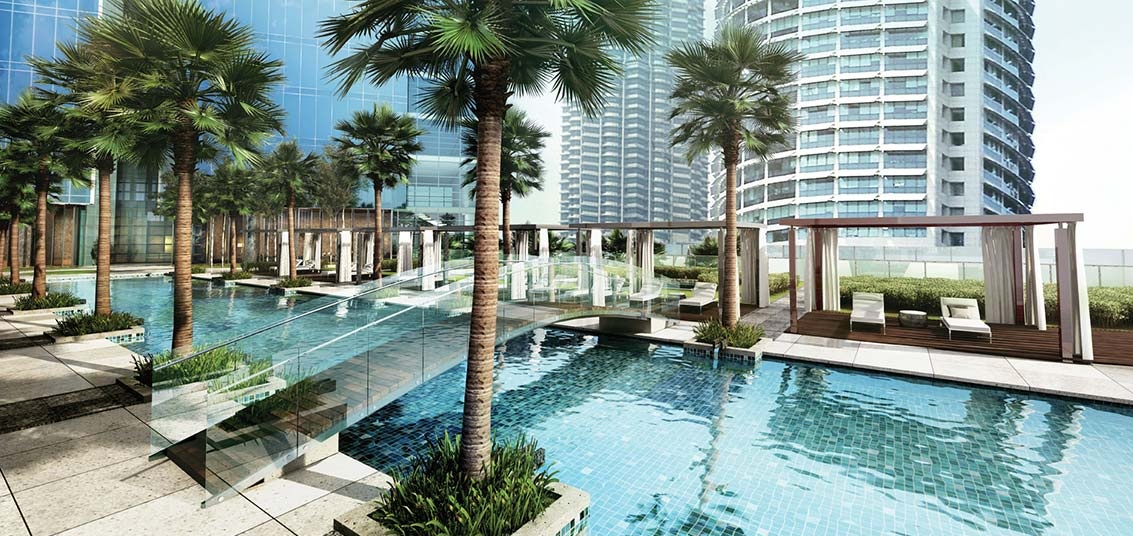
Branded residences offer something distinct from conventional luxury developments: buyers purchase an established ecosystem shaped by hospitality principles, where top-notch services become part of daily life. Savills world research director Paul Tostevin noted that as market conditions and buyer preferences evolve, branded property is positioned to stand out in more challenging market conditions. According to Knight Frank’s The Residence Report, branded residences are gaining traction in luxury markets as buyers increasingly seek lifestyle, service consistency, and curated experiences beyond prestigious addresses.
The Supply Equation
Supply discipline is a critical factor shaping the 2026 luxury market. Unsold housing inventory in Kuala Lumpur has declined by over 66 percent from its 2021 peak, and the market is entering a healthier, more sustainable phase. Overall housing starts in Kuala Lumpur declined 14.9 percent year-on-year, reflecting a more measured pipeline into 2026. Developers, facing rising construction costs and limited land, are maintaining a cautious approach to new launches.
Savills Malaysia noted that while some quarters remain cautious about a supply overhang—residential and high-rise property overhang in Q3 2025 rose 12 percent year-on-year—the firm is not overly concerned, as the increase mainly reflects aggressive project launches over the past three years aimed at capturing the sector’s delayed recovery since 2022. The luxury segment, which tends to favour lower-density, high-quality, well-managed developments, appears less affected by this oversupply, as demand remains selective and quality-driven.
Leong Boon Hoe, Chief Executive Officer, Arcadia Consulting, also opined, “Malaysia has been ‘cheap’ compared with many other Asian markets for quite a long time, but being cheap by itself doesn’t make it a good investment. What feels different now is that growth, infrastructure and connectivity are starting to create clearer winners. So, for me, it’s about being selective. Finding the locations and assets with real scarcity, real demand, and importantly, a credible next buyer. That is where we think value will increasingly be created.”
The Investor’s Calculus
For investors considering entry into Malaysia’s luxury property market in 2026, the landscape demands a more sophisticated approach than in previous cycles. JLL’s analysis underscores that performance is not uniform across the city, requiring a granular, data-driven approach to asset allocation. Investors must align investment mandates with each district’s distinct risk-return profile.
The selective buying phase that Savills Malaysia identified is reshaping buyer behaviour. As Fong of Savills observed, buyers are no longer motivated solely by price or incentives; they are placing more importance on accessibility, established townships, functional layouts, and long-term value retention. This shift has created a clearer divide between projects that meet evolving buyer expectations and those that struggle to differentiate themselves in a competitive market.
Adrian Yeoh of Knight Frank Property Hub noted, “We’re looking at a mixed outlook in 2026, as supportive housing reforms such as the proposed Real Property Development Act and Transforming and Empowering Data Usage in Housing platform serve to buoy dampened market sentiment amid wider uncertainty. Against this backdrop, prime residential assets continue to hold their value. However, he cautioned that private capital and institutional investors may investigate diversification to mitigate risks.”
The ultra-mobility trend among ultra-high-net-worth individuals is reshaping buying patterns and boosting demand for super prime rentals as more UHNWIs spend fewer than 90 days per year in traditional hubs. Malaysia’s direct investment abroad rose 65 percent quarter-on-quarter to RM 2.8 billion in Q4 2025, supported by family offices actively managing tax, lifestyle, and political risk across multiple jurisdictions.
The Verdict: Selective Resilience
Malaysia’s luxury residential property market in 2026 is not a story of broad-based exuberance, but one of selective resilience. The era of speculative, across-the-board gains that characterised previous cycles has given way to a more discerning landscape where rewards flow to those who understand the granular dynamics of each submarket.
For the high-net-worth investor, the opportunity lies in recognising that the market itself has fundamentally changed. Success in 2026 comes from identifying assets with strong fundamentals—location, connectivity, building quality, and sustainable design—rather than attempting to time market cycles. As JLL’s research suggests, by allocating capital strategically to KLCC for growth, Bangsar for income, established neighbourhoods for defensive qualities, and emerging corridors like Johor and Penang for long-term value, investors can build a resilient portfolio for 2026 and beyond.
The Malaysian luxury property market is not crashing. It is becoming more selective. And in that selectivity lies the opportunity for the discerning investor who understands that the new rules of engagement are about asset selection, not market timing.
For more on the latest in architecture and properties, click here.