FIFA World Cup 2026: Rising Threat of the Underdog
The 2026 FIFA World Cup is proving that football’s established giants may not always have a monopoly on success.
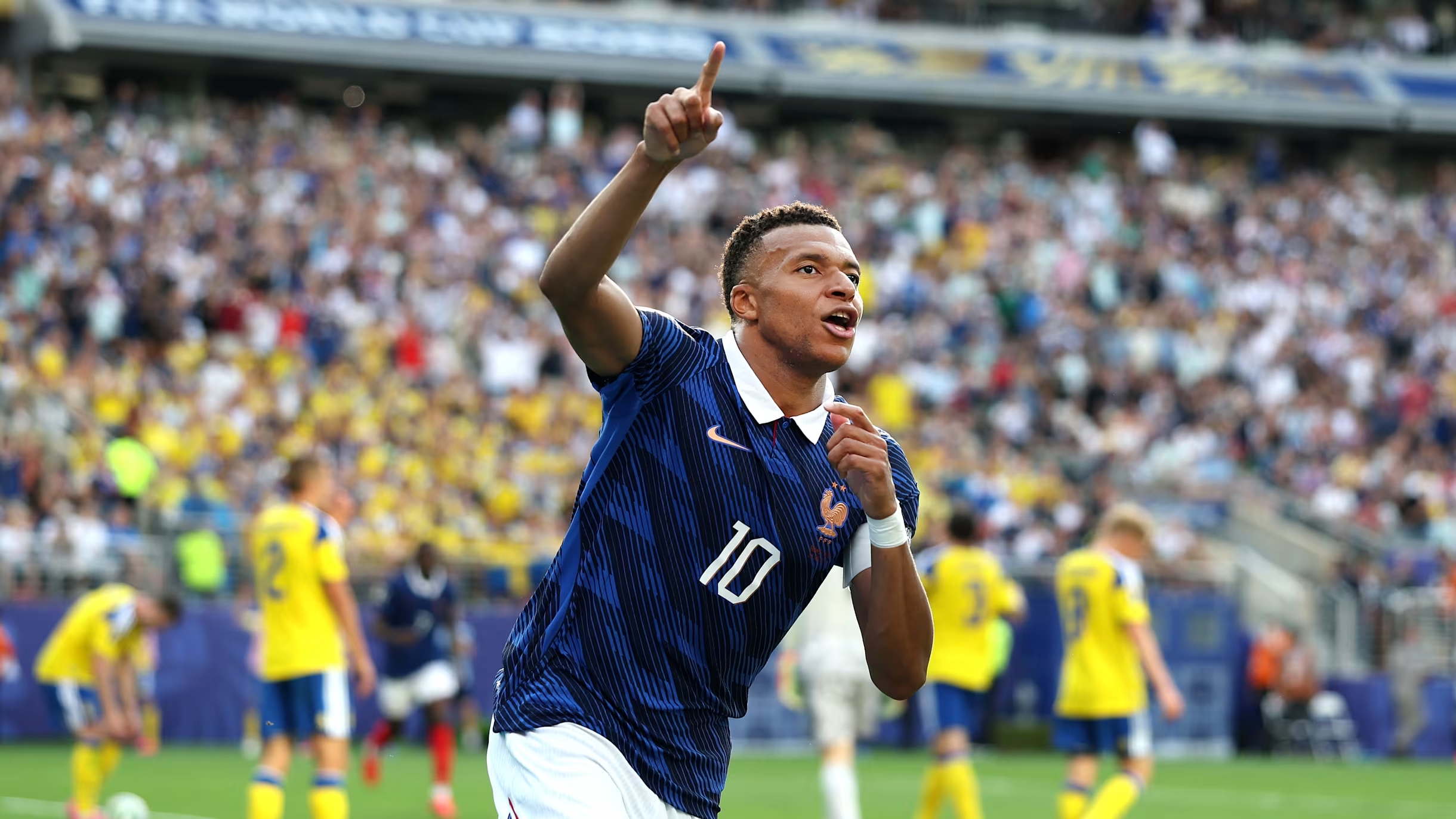
The 2026 FIFA World Cup has already produced several moments that challenge what viewers have come to expect of the games. While the tournament’s biggest names remain among the favourites, matches involving less established football nations have demonstrated that the gap between the sport’s elite and emerging teams is becoming increasingly difficult to predict. The expansion of the tournament to 48 teams has created opportunities for more nations to compete on football’s biggest stage. This has highlighted the growing ability of teams outside the traditional powerhouses to disrupt established opponents through what seems to be sheer resilience and tactical prowess.
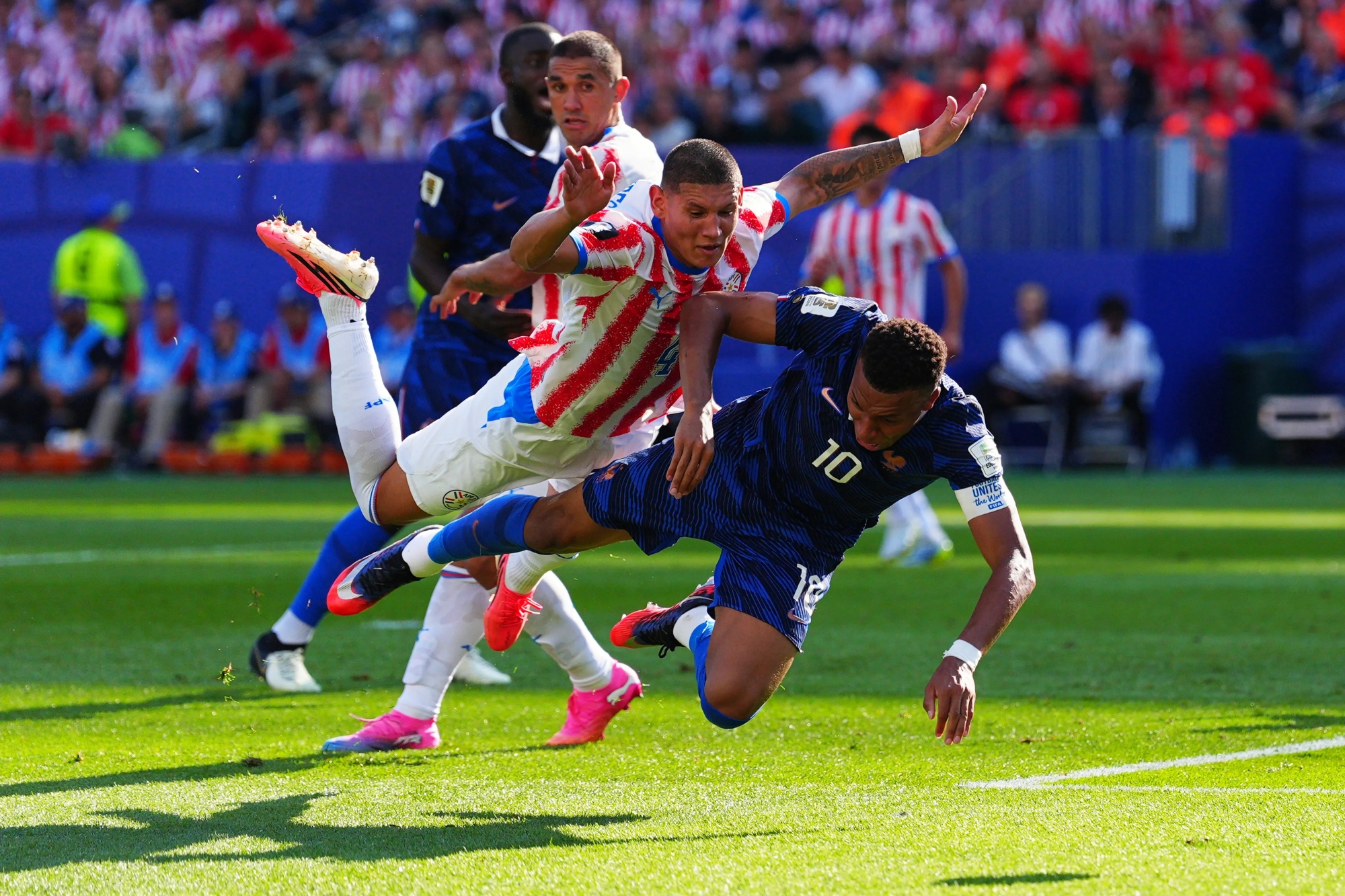
Paraguay Pushes France to the Limit
France entered their knockout match against Paraguay as one of the tournament’s strongest performers, having impressed during the group stages. Yet their 1-0 victory highlighted the challenges elite teams face when confronted by opponents willing to disrupt their rhythm. Paraguay had already gained global attention after eliminating Germany on penalties in the previous round and against France they adopted a physical and aggressive approach. The controversial match became defined by defensive organisation, intense challenges and attempts to frustrate France’s attacking players.
The game also sparked debate over refereeing standards after Paraguay avoided receiving a yellow card despite several controversial incidents. France players were targeted throughout the match, including challenges involving Kylian Mbappé, while referee Ilgiz Tantashev faced criticism for failing to intervene earlier. France ultimately progressed through a penalty converted by Mbappé, but the match showed that even the strongest teams can be forced into uncomfortable situations.
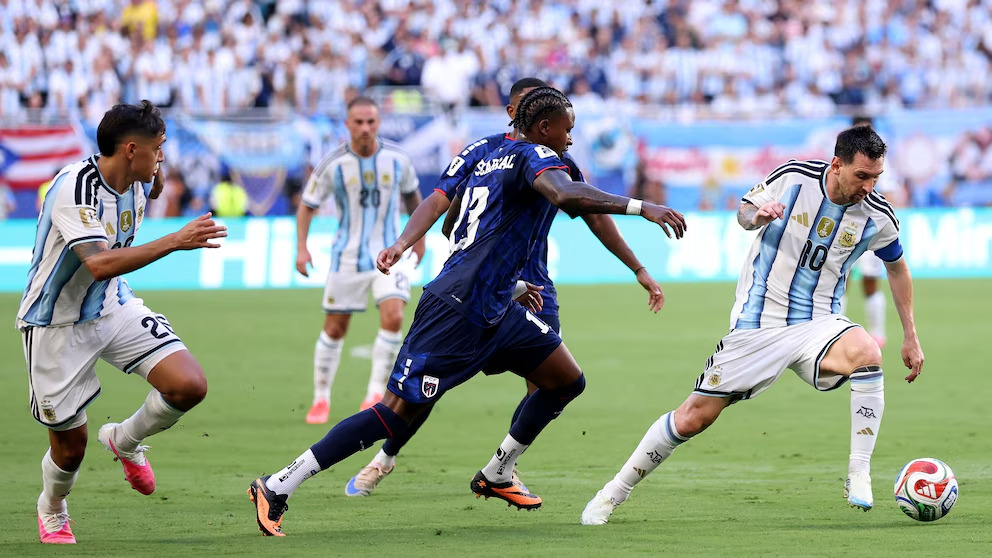
Cape Verde Gives Champions Argentina a Warning
Argentina experienced a similar test against World Cup debutants Cape Verde. The reigning champions advanced with a 3-2 extra-time victory, but the result raised questions about their ability to handle sustained pressure from a determined opponent. Cape Verde twice fought back after falling behind, exposing weaknesses in Argentina’s defensive structure and forcing the tournament favourites into a much more difficult contest than many expected.
The match was particularly significant because Cape Verde had already shown they belonged on the international stage, drawing against established teams during the group phase. Their performance against Argentina demonstrated that World Cup newcomers can directly challenge the tournament’s strongest nations. Even Lionel Messi acknowledged the physical demands of the match, admitting Argentina struggled to regain possession and control the tempo. For a team with championship ambitions, the narrow escape served as a reminder that every competitor should be taken seriously.
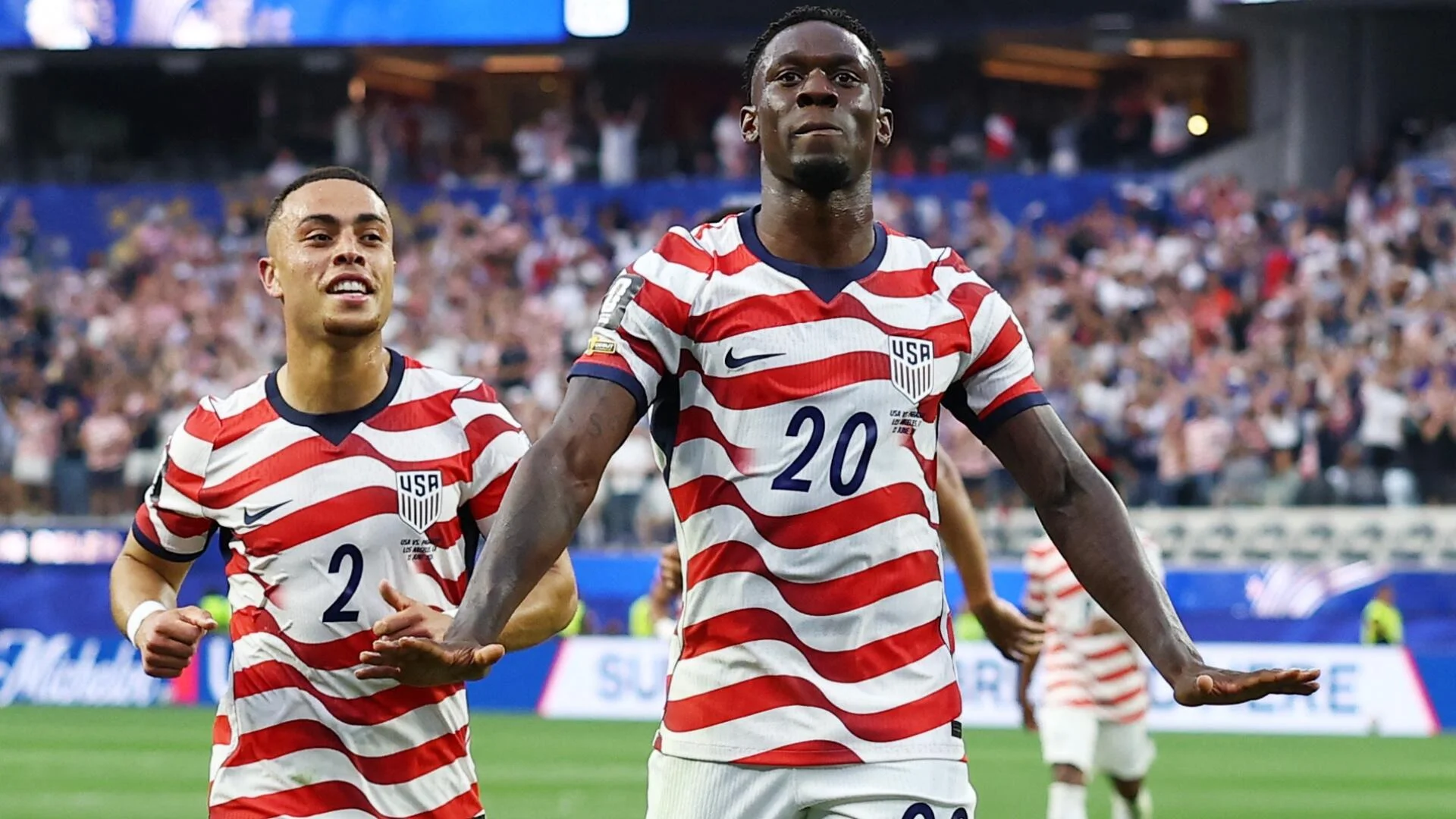
The United States’ Reality Check Against Belgium
The United States entered the 2026 World Cup with expectations unlike any previous tournament. As a co-host nation with a rapidly growing football culture, the team carried the hopes of a country looking to establish itself among the world’s elite. However, their last-16 defeat to Belgium showed that progress does not automatically translate into tournament success.
The United States had produced some of the strongest performances in their World Cup history, earning praise for their attacking quality, defensive organisation and ability to compete with established opponents. However, against Belgium, those improvements were not enough. A 4-1 defeat exposed defensive vulnerabilities, costly mistakes and the difficulty of sustaining performance against a team with greater experience at this stage of the competition.
The result also came amid controversy surrounding Folarin Balogun’s suspension being overturned before the match, a decision that generated debate over fairness and outside influence. Once the game began, however, Belgium’s performance shifted attention back to football itself. The European side capitalised on defensive errors and controlled key moments, ending the United States’ hopes of reaching a deeper stage on home soil. For the United States, the defeat represented a reminder that building a competitive football nation requires more than investment and growing popularity. Like Paraguay and Cape Verde, the US demonstrated it could challenge higher-ranked opponents.
A More Competitive World Cup?
Football still sees traditional giants possess greater resources, deeper squads and more tournament experience. That said, the performances of Paraguay and Cape Verde highlight the difference between established and emerging nations is becoming less predictable. The 2026 FIFA World Cup’s expanded format has increased representation from across world football, allowing more teams to test themselves against elite opposition. While not every newcomer will progress deep into the competition, their performances have already influenced the narrative of the tournament. Success is no longer determined solely by reputation as organisation and tactical discipline can allow smaller football nations to challenge teams with far greater historical success. The underdog may not always win — but in 2026, they are proving they can no longer be overlooked.
For more on the latest in culture and events, click here.