6 Reasons Why Luxury Brands Are Going Private
As public markets prioritise short-term returns, some luxury brands are choosing to go private in order to protect heritage and invest in long-term growth.
Luxury brands thrive on their exclusivity, long-term vision, and control. Unfortunately, public markets primarily reward the opposite. This has led several notable fashion, beauty, and lifestyle companies to leave the stock market and return to private ownership.
For many luxury brands, going private offers the freedom to safeguard their heritage and make bold decisions without stakeholder pressure. Knowing why these brands are going private offers insights into how they operate. Read more to understand why.
To Deal with Short-Term Market Pressures
One primary motivator for luxury brands going private is the constant pressure from short-term market expectations and quarterly earnings. Public companies often focus on immediate financial results rather than long-term growth initiatives. Since luxury brands must maintain exclusivity to stay relevant, this can be a problem.
Something similar happened when LMVH acquired Belmond LTD for USD 3.2 billion in 2018. Before then, Belmond faced significant backlash from shareholders focused on short-term returns, driven by its inconsistent financial performance. However, the acquisition has changed things.

Allowing for Flexible Decision-Making
With privatization, luxury brands can make sound, strategic decisions for long-term growth without fear of immediate market reactions. This is a particularly significant advantage in this industry, where trends change quickly and where remaining relevant requires consistent innovation and constant adaptation.
When private equity took over Samsonite, the company immediately adjusted its product portfolio and positioned itself as a premium brand. The new ownership simply removed the product from retail outlets that had been selling it at a lower price. This might not have been possible had the company remained public.
To Protect Themselves From Market Volatility
Compared with companies in other industries, luxury brands are generally resilient to economic downturns. However, they are not completely shielded from events like the COVID-19 pandemic in 2020. Market volatility from these kinds of events affects public stock prices across industries.
By going private, luxury brands insulate themselves from speculative trading and sudden market swings. With this stability, their management can plan better, protect their brand value, and invest consistently in innovation, quality, and expansion without unnecessary disruptions.
Navigating Changing Consumer Expectations
Customer expectations for personalization, sustainability, and digital experiences are constantly evolving. Since customers do not judge products alone, luxury brands need thoughtful, long-term adaptation to meet their expectations. By going private, these brands can respond more flexibly.
Since there is no pressure to satisfy short-term investors, there will be a deeper investment in customer experience, innovation, and responsible practices. With private ownership, companies can better evolve with consumer values while maintaining quality and exclusivity.
Preserving Their Brand Identity and Heritage
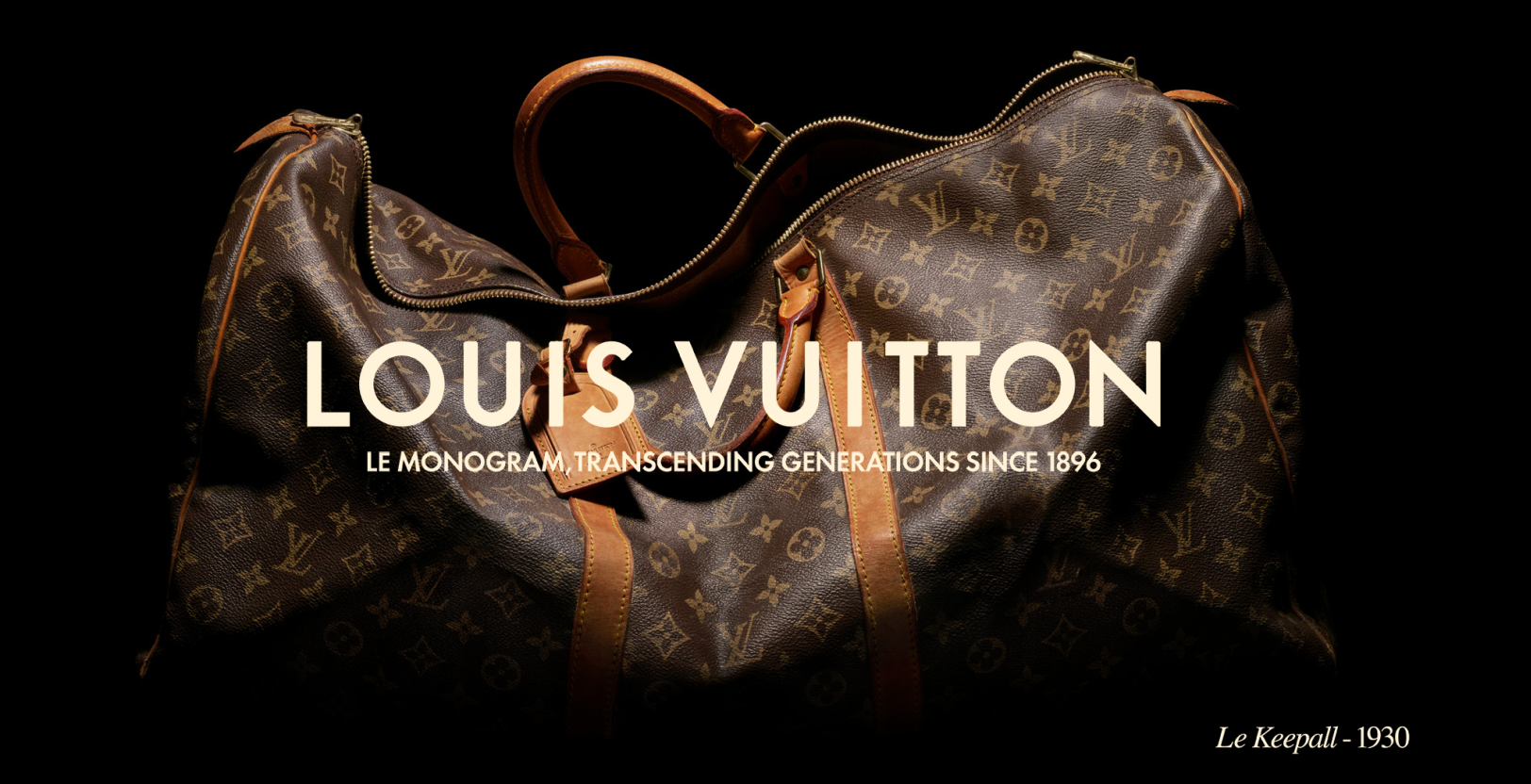
Most luxury brands have carefully curated identities, intricate histories, and carefully managed visions that do not always align with public ownership. The decision to go private often gives them the freedom to protect and preserve their heritage without discarding their core values.
By going private, they are better able to control their growth and maintain their creativity consistently. Without constant shareholder pressure, brands can focus on authenticity, protect their legacy, and shape change and purpose. They can also make decisions rooted in their traditions while staying up to date with trends.
To Improve Control and Strategic Planning
Private ownership means a smoother decision-making process since there are fewer stakeholders and less regulatory oversight. Due to the nature of the luxury fashion and goods industry, the ability to respond swiftly to market trends and events offers a significant advantage.
In addition, luxury brands that go private can make better internal decisions on issues such as liquidity for shareholders. Besides managing issues of capital allocation and execution, they will also know how to handle tender offers as a private company to achieve the best outcomes.
Endnote
Many luxury brands are going private for various reasons, including to address short-term market pressures, enable flexible decision-making, and avoid market volatility. These brands also seek to preserve their identity and heritage, improve control and planning, and navigate evolving customer expectations.
For more on the latest in luxury business and lifestyle stories, click here.