The Conversation: Time Shapes Up
Rough winds do shake up watchmaking and this is when we least expect new
directions. The debut of just one collection has changed the math and made many question the wisdom of banking so overwhelmingly on round watches. The editors of WOW debate the issue
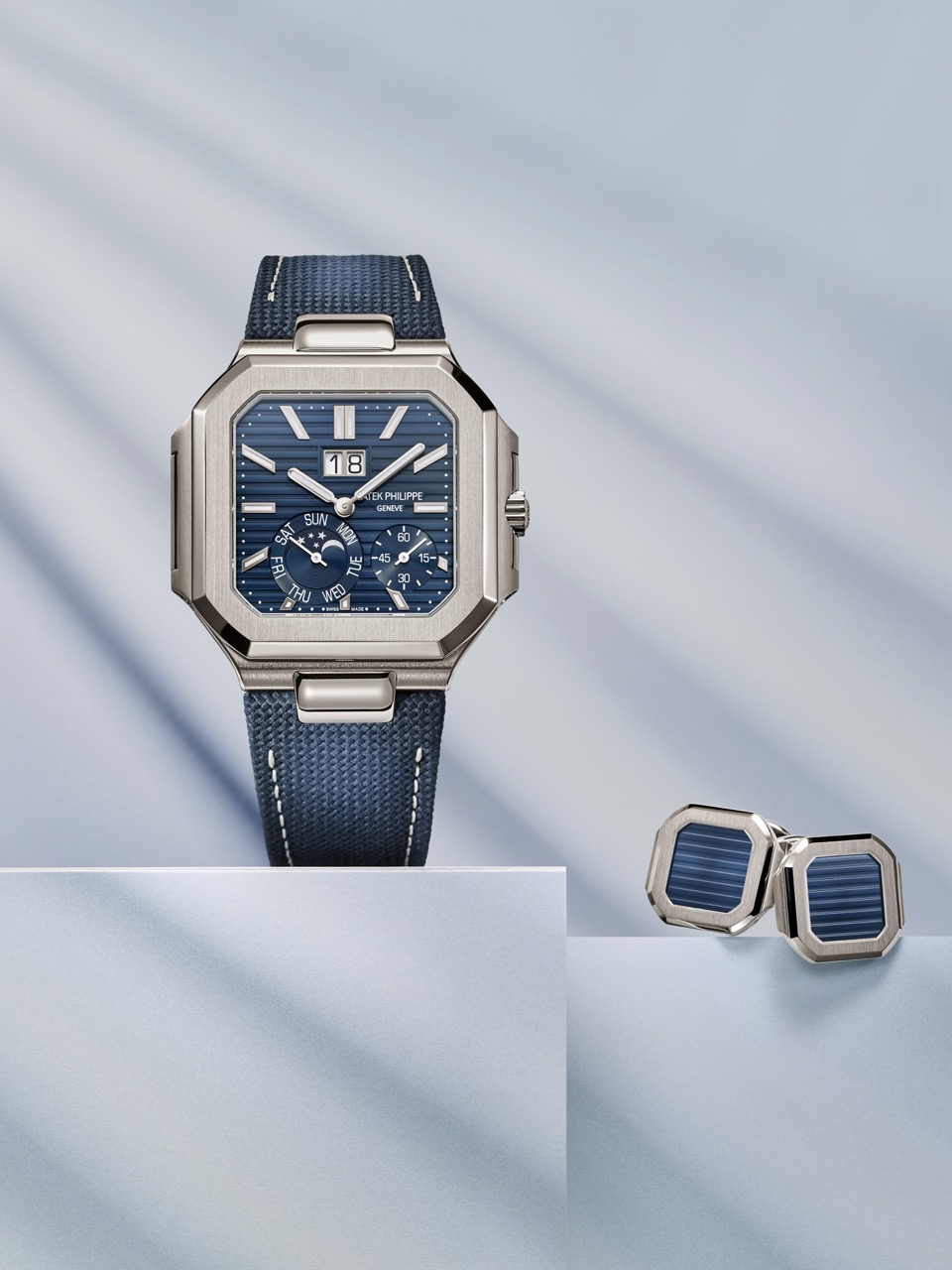
A common refrain in watchmaking goes like this: watchmakers are free to make watches in any shape they like, so long as that shape is round. This is repeated so often that it borders on being tiresome – the recent launch of the Patek Philippe Cubitus has gone a long way towards making this a topic of conversation again.
So it is that the editors of WOW Singapore, Malaysia and Thailand came together to talk it out. Given that all three are confessed fans of the form watch, you might think that this will make for some weak tea. However, this is a nuanced subject, as the ensuing conversation reveals. One subject that is not covered is a factual matter that does not merit any discussion: the robustness of the form watch.
To be frank, contemporary watches usually boast excellent build quality – far better than anything made in the early part of the 20th century when form watches were at their peak. Yes, rubber gaskets work best in round form but no watch in any form these days, from a reputable maker, will experience trouble with humidity and the like. There might be some cause for concern when the time frame under discussion is decades or even centuries but, needless to say, we know of no evidence for this.
At the present time, we can definitively declare that form watches are just as capable as round ones in normal situations. Extraordinary circumstances are beyond the scope of this article although we note for the record that dive computers exist in a number of different form factors. As far as we know, none are troubled by being tools that are not round.
Setting this debate aside, the key point that the editors wrestle with is commercial viability, and the central questions are as follows: Are watch brands leaving collectors and enthusiasts unsatisfied by investing in nothing but round watches?
Are they leaving enough business on the table that they should perhaps reconsider? Stick around to the end for some glimmers of hope for those who want to see more diversity in watch forms. Look elsewhere this issue for specific comments on the Cubitus, including from the launch in Munich and from the man himself, Patek Philippe President Thierry Stern.
RC: Good morning, gentlemen. It has been three months since our last collective writing session, and a lot has happened since!
AS: Almost too much! I shall have to explain a certain square watch to you guys today, since you both asked… The Patek Philippe Cubitus is the watch collection of the year, and has made both you guys wonder if form watches might be a thing? If so, we shall indeed have a lively debate about it. Actually, I think one or both of you might have seen one of the references in the metal at IAMWATCH recently…and that is another ‘too much’ element to chat about!
DG: Yes! It really says something about Patek Philippe that even at a convention designed to celebrate artisanal watchmaking, crowds still gather at the rare sighting of what I was told is the very first Cubitus in Singapore. Someone even cheekily asked Jean-Claude Biver at a talk he was giving what he thought about the Cubitus. Suffice it to say he expressed, in true Biver fist-banging fashion, that the Cubitus WILL BE A SUCCESS!
AS: A convention? Oh dear, I think IAMWATCH did its best to avoid looking like some drab business affair, although I hear fashion people really do call our watch fairs ‘conventions,’ which they are… But yes, your point on the Cubitus becoming the centre of discussions is spot-on. Totally genius move – launching this collection in this shape – and having the watches ready to ship on day one. I cannot think of a brand at Patek Philippe’s level that has ever done that. I suppose that echoes Biver’s thoughts there because the Cubitus will be a success, whether it is really good or not…That is my first problem when it comes to talking about the new collection because no matter its shape, size, whatever… the appearance of the name Patek Philippe on a dial is some kind of guarantee. It also makes fair comment virtually impossible.
RC: I can try making a fair comment. I welcome the case shape. I think the bracelet link could have been a little bit more differentiated from the Nautilus. But other than that, hey, isn’t that a sharp-looking timepiece? Ok, I grant that it may not appeal so much to people who subscribe to only round watches, but they were unlikely to buy the Nautilus or other shaped watches in the first place?
DG: My surprise with the Cubitus was that at a very quick glance, the shape of the Cubitus can be considered close to the Nautilus. It is only when you take a longer look at the watch that it becomes obvious that it is its own thing. Moving from the Nautilus to the Aquanaut to the Cubitus, it seems that the angles get progressively sharper.
RC: I confess to using Photoshop to analyse the geometry of the Cubitus. The press release says it is a square watch, but it did not look all that squarish to me. But it turned out to be perfectly square all right if you do not pay attention to the void in the four corners. I even prefer this case shape to the Nautilus, because I like watches with sharper lines or otherwise more stoic look (think Royal Oak and Octo).
AS: My main bone of contention, which I struggle with in the story both of you have yet to receive from me, is I cannot contextualise the Cubitus. Ruckdee, your point about who the customer is, or will be, is part of the problem. Ref. 5821 is clearly meant for those who want a Ref. 5711A but can no longer get that; on the other hand, it looks very different in terms of shape and Ref. 5822 shows that without the bracelet, the Nautilus vibe is far less pronounced. I really do question the reasons this bracelet was chosen because it seems very much like it is a Nautilus bracelet, not just something that looks like it. Then again, commenting on this sort of thing is pointless because, as Biver said, the collection will be a success. And yes, it is perfectly square, and the first new square watch from a major name in, well, I do not know how many years; more form watches have disappeared from the majors than were introduced over the course of the last 20 years I think.
DG: Do you think that the fact that this is the first new collection from Patek Philippe in 25 years (since the Twenty~4, 27 since the Aquanaut) that is also affecting how people perceive the Cubitus collection? Like what happened with Audemars Piguet’s Code 11.59? The fact that a brand with very distinctive designs suddenly adds a new silhouette to their portfolio that enthusiasts feel is jarring?
RC: I think this has a lot to do with the mindset of today’s consumers. Twenty-five or 30 years ago, people might not have given so much thought to analysing a novelty or a watch brand’s direction like today. A watch was more likely a singular product to most buyers, not a piece of a larger puzzle that will lead to something else. But watch buyers of the present day look at a bigger picture, and they try to decipher every action made by the brands they love (or not). Your example of the Code 11.59 is a very astute one because it was a polarising release, and it took people some time to warm to it. In some ways, this Cubitus is following a similar journey, albeit a less dramatic one because the watch design itself is not totally different from what people were used to from Patek Philippe.
“I don’t care if a shaped watch has a shaped movement or not; however, I will scream if I see a small movement in a large case, shaped or round” — Ruckdee Chotjinda, Editor-in-
Chief, WOW Thailand
AS: I shall be the bad guy here, although I am only repeating what I said at the launch in Munich – the Cubitus is superior to every collection from its rivals, at least from the get-go. The 11.59 improved over the years but the dial and hands were just not right back in 2019. Patek Philippe solved this by using existing hands and dials from its own collections and was thus able to deliver watches in amazing time.
And then there is a certain collection from Vacheron Constantin too (the Quai de l’Île), which has faded into the background, joining the Audemars Piguet Millenary. I love those collections but the brands clearly did not really think about how to make them commercially successful. With the 11.59 and now the Cubitus, that has changed.
In that way, I agree with Ruckdee’s thoughts. I do not know how to feel about brands at this level needing to be successful right from the start. How does one build up feelings about any given collection? I mean, my thoughts have changed over the years on the Travel Time series from Patek Philippe, and that whole Calatrava range with the flieger influence. Seems like only outright winners need come to the party now.
DG: I was not around for the launch of the Nautilus but I remember industry veterans saying that even the Royal Oak did not do too well at launch. So it is clear that shape is not the main determiner of whether or not a collection does well.
RC: The shape was not the main determiner for sure, but I would say that shapes play a vital role in the matter of first impressions. I know of many collectors who said they could not wear a rectangular or a square watch, because it would not sit right on their wrists, and then some of them own a Reverso or a Santos today. I think the idea of a watch being not round was just foreign to them. And once they try them on, size, thickness and other design elements would just come into play.
AS: You were not around for the 1976 debut of the Nautilus! Well, I suppose many of our readers might not have been around for the launch of Aquanaut 27 years ago too, although most will have been born I suppose. But these sports elegance watches, some designed by Genta, had the advantage of not being properly square or rectangular.
They were quirky and created to show that even the creaky old legacy brands could do something different, and in steel…and price the watch like it was cased in gold. That time has long passed. Happily though, the 11.59 showed that the badge on a watch did not overshadow the nature of the collection…I fear the day that brands can launch whatever at whatever price and have it succeed just because of their names.
DG: But isn’t that the luxury watchmaking industry summed up? It is a cycle. First watches were small, then they were big, and now they are shrinking again. I have not covered watches long enough but did this happen with shapes? I know in the 1950s watches were mostly round but in the 1970s there were some really wild shapes. The aforementioned Audemars Piguet Millenary had a shape that was not uncommon in the 1970s. I think there was an Omega Dynamic in that shape.
RC: Man, you are very on point. Yes, there was an Omega Dynamic in that shape. We, the long-time collectors in Thailand, call it the “egg” Omega. And, yes, shapes are just coming back, maybe during the pandemic?
AS: One thing I am pleased about is fragmentation, which is kind of what we are talking around; on that punny note, the round watch probably consisted of the majority of watches sold, at least by the post-WWII period. On the matter of size, the Cubitus is a very big watch, as you guys know, and it makes no concessions for smaller wrists. So some brands are trending one way, and others are going in a different direction…while yet more are trying to build roads where none yet exist.
That sounds great to me, if true. But fragmentation is definitely a thing and, as we wrote before, perhaps the form watch could be the future, if you think the Apple Watch is a watch.
RC: Eh, an Apple Watch … is a watch … to me. What do you mean it is not a watch?
“I would love the movement to fill up the shape of the case. It shows purpose… like the movement was designed in tandem with the case” — Daniel Goh, Editor-in-Chief,
World of Watches Malaysia
AS: Some collectors and enthusiasts consider smartwatches to be wearable computers, not timepieces. Actually, that means me too. They can be assessed in the same way that computers are, on the basis of function and performance. I dare anyone to do that with traditional Swiss watchmakers.
RC: Ok. I see. I am more generous in that sense. I would classify smartwatches as watches but disposable and not collectable, but still watches nonetheless.
DG: But you know, the smartwatch still has a mechanism that fits the entirety of its internal structure, which unfortunately, is more than I can say for some shaped mechanical watches… So tell me guys, do you guys think that shaped watches need shaped movements?
AS: Going micro or nano in electronics is different from mechanics, just from a technical perspective. This is why no one crows about the prowess of the hardware guys, despite the high-tech segment being many orders of magnitude more challenging than pure mechanics. On that note about shaped movements (finally!) though, I think it comes down to whether the watch will be automatic or not.
Full rotors perform much better than any alternatives that have been industrialised, and that means round movements must be in play. Obviously, form movements are also extremely constrained and can only be used for the watch collection they are made for… So, on that last bit, I do understand that collectors may feel that the form movement is good value, precisely because it does not make any kind of production sense. Back to square one though, because many independents have such options, including bigger ones such as Lang & Heyne – bigger is relative here because this brand makes no more than 200 watches a year.
RC: One of my readers has expressed concern that the Cubitus does not have a square movement to match. I acknowledged his comment on our Facebook page, and I agree that it is a valid consideration indeed. But I will speak my mind here regarding shaped movements: I don’t care if a shaped watch has a shaped movement or not. However, if it has a display back, the movement size must be commensurate with the size of the case, meaning that I will scream if I see a small movement in a large case, shaped or round.
DG: I would love the movement to fill up the shape of the case. The point is that it shows purpose. To me it would feel like the movement was designed in tandem with the case. Of course this is also highly dependent on the asking price of said watch and which segment they are catering to.
For enthusiasts at the more affordable microbrand level, utilising a round movement like the NH35 (Seiko) or something from Sellita or Miyota (from Japanese watchmaker Citizen) in a unique case shape is perfect because it keeps the price low and allows for a more accessible entry point into the hobby.
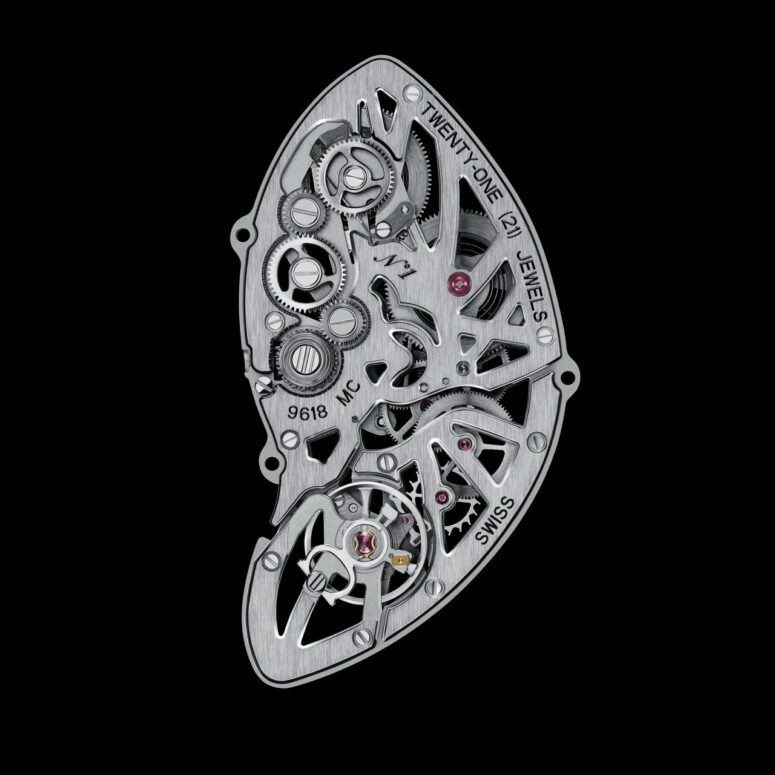
But at the luxury watchmaking level, I think there needs to be thought put into the movements as well as the case. It is just like the finishing on high-end movements; it shows thought and purpose put into the creation of the timepiece. And I think it makes a difference like the Calibre 9618 MC in the Cartier Crash Skeleton, which was designed to fit the asymmetrical case versus the tonneau shaped movements in the regular Crash collection.
RC: That is well said. And I can still remember how impressed I was to see that Crash’s skeletonised shape movement during my first SIHH (the now-defunct Salon International de la Haute Horlogerie) all those years ago. What do you have to say on shaped movements, boss?
AS: I must be cautious here because you are inviting me to indulge myself. As everyone knows, I love form movements and I even own a watch with such a movement, which is the Rolex Prince 5443/9. But, here I do acknowledge once again that if I personally like something, it is probably quite distant to what most people like.
Ruckdee, you put it very kindly in our last chat I think. To reiterate, and somewhat connect with Daniel’s point about matching designs, this is what those collectors who express doubts about the Cubitus, or the Santos for that matter, are attempting to raise as an issue because the movement is not a form one. I refer to my own piece here because Rolex tried to make that a thing for close to a decade.
It failed. Most people who want a fine mechanical timepiece have it in their heads that an automatic is where it is at, making form movements a tough sell. And even if the watch is a form one, like from Nomos Glashütte too, the movement must then be round, just to fulfil the automatic criteria. Making a form watch that is also a manual-winder is a bridge too far.
RC: Well, Nomos Glashütte does make the Lux watch in a tonneauish shape with a manual-winding movement in the exact same shape as the case. I confess to not having handled the watch in real life, but anyone who is interested can look it up on their web site. Then there is the rectangular Cabaret Tourbillon Handwerkskunst of A. Lange & Söhne from 2021 but it was a small batch of only 30 pieces.
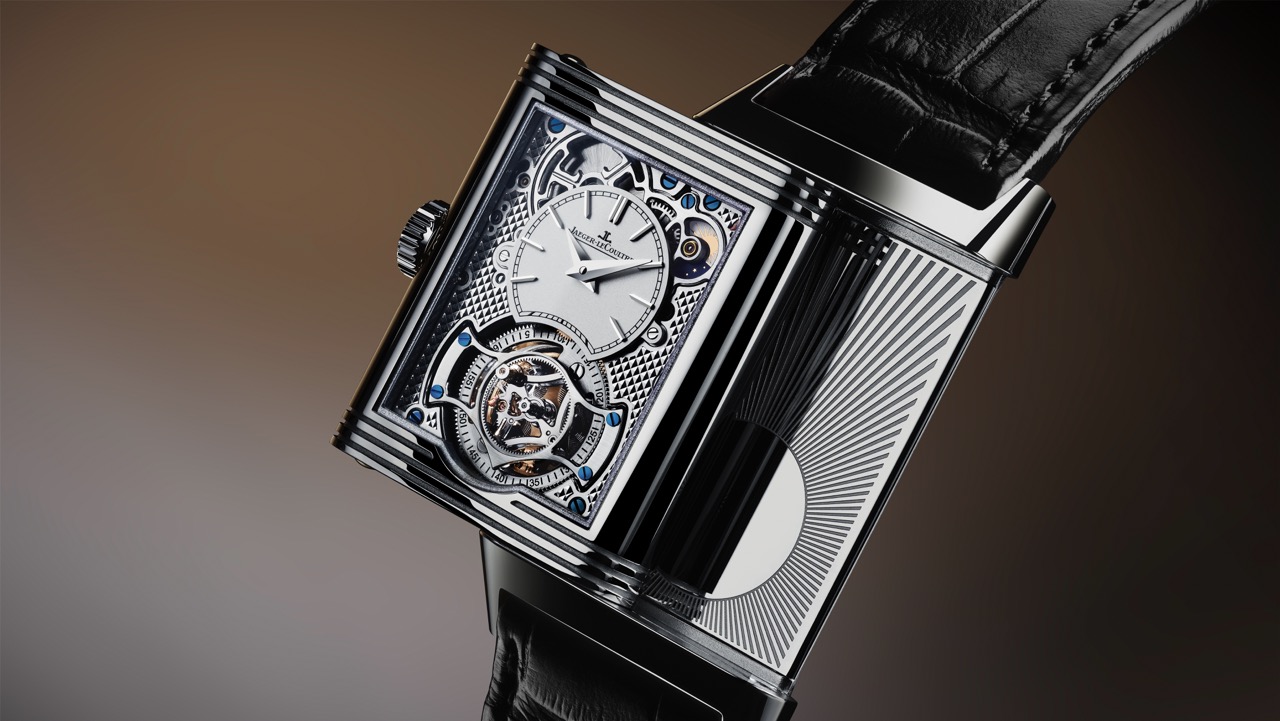
Outside of those and the Lang & Heyne Georg, and Moritz Grossman Corner Stone now that I think of it, maybe it is the Jaeger-LeCoultre Reverso Tribute Duoface Tourbillon that fits the criterion of having a hand-winding and shaped movement, which is somewhat visible. Indeed, most Reverso models are powered by manual-winding shaped movements that are hidden away behind closed casebacks. Oh, the revived Daniel Roth too!
DG: Then I think a square movement with a circular winding rotor should be out of the question then? Jokes aside, I think that the automatic winding feature should not be a deterrent for brands to make a form movement.
Because if they managed to make a unique winding mechanism like the peripheral rotor for the ultra-thin watches like Bulgari’s Octo Finissimo Automatic Tourbillon or the Piaget Altiplano Ultimate Automatic then why not imagine something for a tonneau or rectangular movement? And above all that, the micro-rotor does exist and it should be very relevant in this regard. Or am I missing something?
RC: You are not missing anything. If we do not think about the matter of winding efficiency pointed out by Ashok above, certain things are left undone not because they are impossible but most likely because of the commercial return consideration.
Most watch brands tend to try and use the same movement or module in as many watch lines as possible, while some are more okay with creating a movement for a specific watch model and not really feeling the need to reuse it in another watch or line. Maybe I am generalising a bit, but you get my point. After all, the companies are producing these watches as commercial products so they have to be realistic about the costs involved and also the likelihood of success in terms of actual sales.
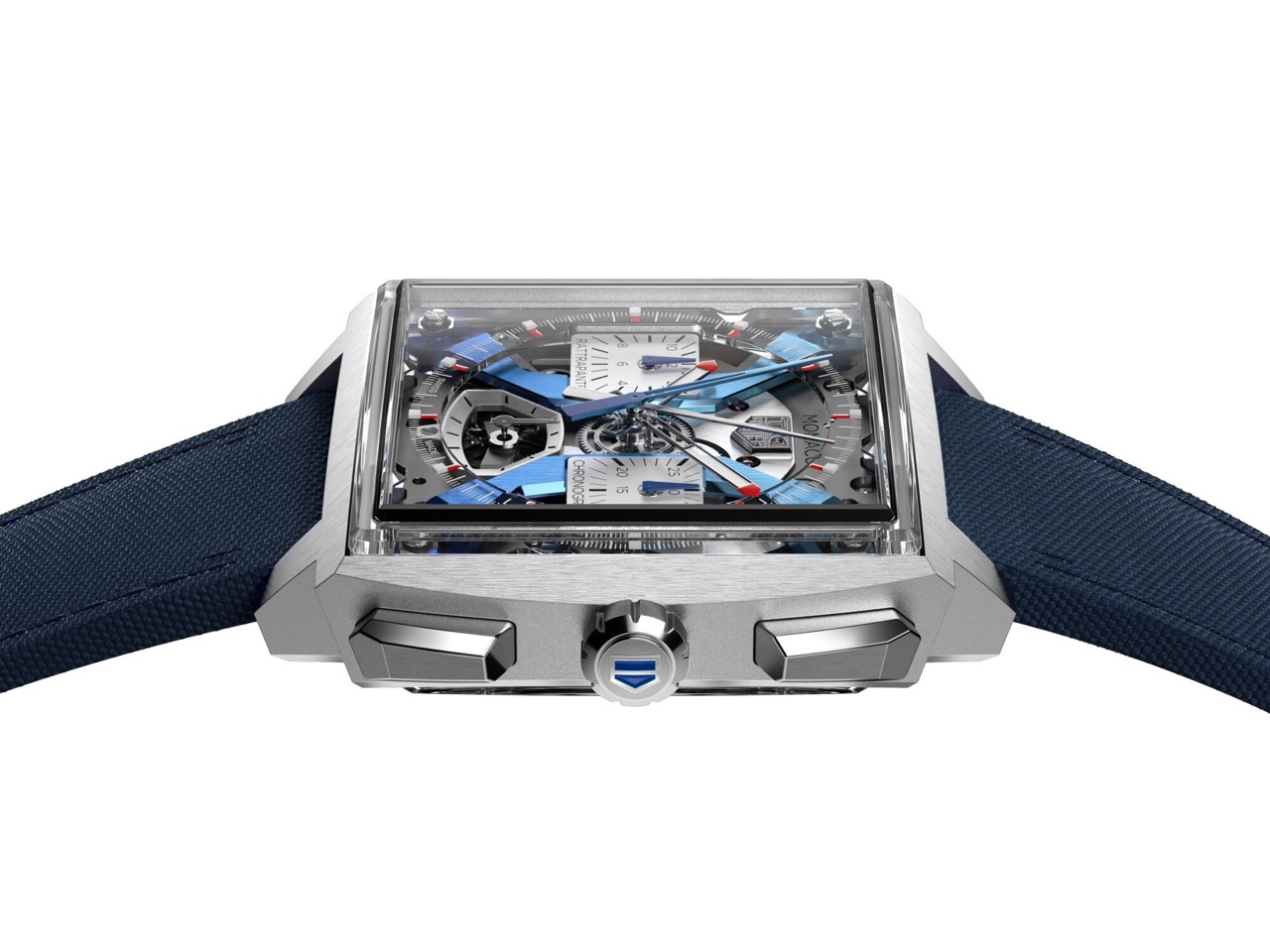
AS: Yes, it all comes back, for me, to what can be commercially successful. None of the watches we have cited so far are true hits on the level of the Submariner or the TAG Heuer Carrera; they might be qualified successes but that is all. In fact, TAG Heuer gets to have it both ways because its round automatic movements power the Carrera range and also the truly square Monaco. To wind up on winding, the market is clear that automatic winding is a must, unless the intent is to showcase fine finishing, as we see in the Parmigiani Fleurier Toric for example.
A. Lange & Söhne might have made a limited run at the Cabaret but, to repeat the point because it makes me sad, every time I ask the guys there about this collection returning, they smile sadly and say ‘never say never’ but I hear a never in there.. Again, the Cubitus might be an outlier in that it has all the signs of being a hit…like a K-pop ear worm. It is irresistible just because anyone who wanted a 5711A will get this. Or rather, as we noted, it is already happening.
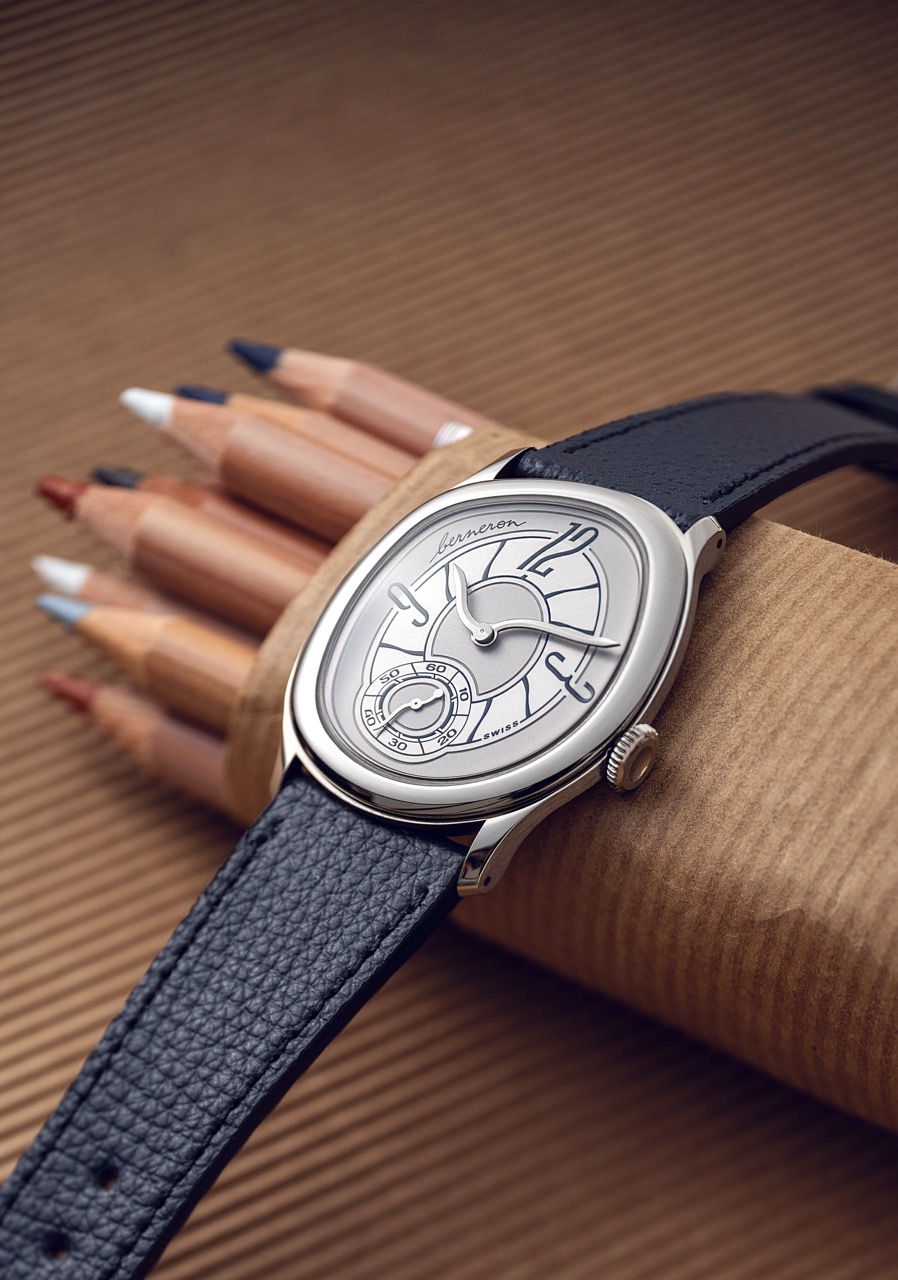
Does this mean form watches from anyone will succeed? Look at what Sylvain Pinaud, Kari Voutilainen or Akrivia are proposing. There is not one form watch in the mix, to say nothing of form movements. If we believe the market talk, then most of the serious money is into independents and none of them are going for shapes – except the usual suspects of course, and that Berneron example.
Just as a note on automatic winding, the easiest solution is the one already pointed out – a round movement! If it works for the Santos then why not? Of course, naysayers will say that serious collectors want something a bit more elegant but I think this is a bit silly.
DG: I think it all boils back to intent. Making form watches just because a certain shape might fill a gap in the market never works out commercially, at least in the watch enthusiast market. I think the consumers need the why behind the shape. For independents such as MB&F, Urwerk and even De Bethune with their sci-fi esque Dream Watch collection there is a clear reasoning behind why they make the shapes that they do.
RC: Oh, when we thought about writing an article about shaped watches, my head did not go so far as to include those timepieces that look like they came from outer space or the future! I was thinking traditional, but, yes, they are totally valid to discuss.
DG: Space watches probably deserve their own conversation!
RC: True!
AS: Ultra-contemporary ideas are very limited in their appeal… A savvy player like Bell & Ross, with the X5, has opted for a conventional round movement and the brand is being very cautious about the prospects here. As Ruckdee noted, you would not want to try to sell thousands of watches with a movement that cannot be used except in special cases, no pun intended! If we look at MB&F, something like the Space Pirate, that is clearly meant to be very limited so, a qualified success.
I am sure Bell & Ross would like to sell something in the region of the Santos, not MB&F, or even the Reverso. This is what I have pieced together from years of asking if more form watches are coming, and getting the same hangdog responses I reference repeatedly. I think we journalists and enthusiasts just like things that the market does not embrace so readily.
On the other hand, Rado does a good job with the True Square, and keeps things simple in terms of winding. This probably has something to do with Swatch Group i.e. ETA not making anything in series production for form movements… I think Rado and Mido might be alone in having form watches in the regular collection.
DG: Just to add on a little to your point, I think it makes perfect sense for Bell & Ross to use round movements even though its cases are more squarish in nature considering the price bracket that Bell & Ross is playing in.
The core collections (BR01 and BR03) were conceived from the instruments in the cockpit, which is a fantastic inspiration for a watch, and at that point the brand was buying third-party movements and still do.
So it makes sense that in order to keep prices at that same bracket, Bell & Ross has to use round movements in square cases. This is probably the same point for both Rado and Mido with their movements coming from ETA within the same group.
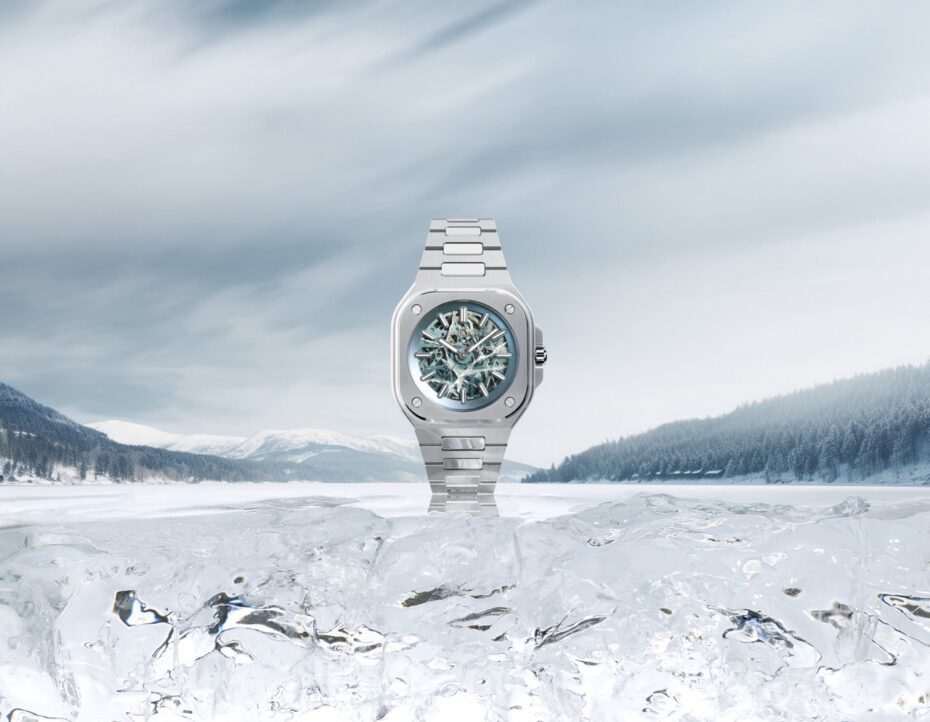
RC: I agree with the point of Bell & Ross not needing to have a shaped movement for its watches. I would go for Bell & Ross for a tool watch and not an artisanal one so my expectations would be formed on the basis of reliability first of all. In the case of Rado, to its credit, the brand does try to make some of the movements a little more shaped, so to speak. If we look at the True Square watches, particularly the skeletonised ones, we would see that they use a round movement but with a bit of a Geneva-striped frame around the corner to convince the beholders that they are looking at a square movement. I will accept this solution in this case.
AS: Now that we are looking at mainstream producers of movements, I cannot think of a single one that has a form movement! Jaeger-LeCoultre is probably the most prolific, and the Grand Maison is hardly making hundreds of thousands of watches. It might only be able to supply its own needs; this might explain why Cartier does not use more form movements too – constraints of industrial production.
DG: Franck Muller does form movements… but perhaps only because the tonneau shapes make up a large majority of their inventory so it would probably make sense for them to make the bulk of their movements in this shape and reserve the round movements for the rare, special editions.
AS: For the Cubitus, this watch uses existing movements – the very same ones that are or were in the Nautilus range. Honestly, I would settle for more interesting shapes and designs, even if the movements do not follow the same form. Like you guys, it has never bothered me that Bell & Ross or Cartier do not use form movements, as long as the shapes and styles are engaging, and the watches wear nicely.
On that note, I am curious as to what Universal Geneve will do, given that it has some interesting examples in the archive but the leadership at the brand are strongly geared towards very standard shapes – or just one shape really. Oh yes, on that note about Franck Muller, the brand has many more round movements, you just cannot see them because the casebacks are closed…which is not a negative to me, just as it is not for Cartier.
There is also the very clever method employed by some watchmakers, adapting a round movement for a form case, Ruckdee referenced with Rado. Like the watchmaker Daniel Roth, who used the very same movement he created for Breguet (via Nouvelle Lemania) to create his own tourbillon wristwatch. See Breguet reference 3350 and compare with the current reissue of Daniel Roth (in our Legacy issue), if you please.
RC: Good thing we have visuals of the reissued Daniel Roth for the viewing pleasure of our readers, if not the Breguet 3350. But once again, because our conversation went on for quite a bit, I do not have a requirement for shaped movements, I just cannot stand small movements that are visible in a large case. That is all. If a brand can deliver a shaped movement as well, then I have no reason to refuse. Universal Geneve is still a guessing game for us. We will know when we know.
But I do have good wishes for it to be successful. And, no, I did not really know about their shaped watches in the past and that might be because only the Cabriolet is relatively well-known. The pictures I have in mind of them are round, like the tricompax with complete calendar and moon phase, for example.
AS: I think the thing to think about is shapes and forms that have defined watchmaking in the recent past, and for that of course there is Richard Mille. There is no debating the success there, at one level. Bell & Ross is also in the picture, but on a different level. On the other hand, I have trouble thinking of anything else at either of those levels – also, as Daniel noted, Bell & Ross goes for the cheeky circle in the square look. Some observers think that a watch needs a round face more than anything else, and the examples there extend to Bulgari with the Octo of course, but also the Royal Oak – Genta was a canny designer. Can you guys think of something in the last 20 years (or beyond) that I have excluded?
DG: The Cartier Tank for sure was not the pioneer of rectangular watches, though it might have been close, and certainly today not the only one in the space but the Tank is surely the most iconic rectangular watch out there.
RC: Cédric Johner’s Abyss is notable as a shape as well, as the recent collaboration with Louis Erard reminds. So, before we take up more space and run into more trouble of not being able to source relevant visuals, let me try to put together my final thoughts on this shaped watches discussion.
I think shapes make for an interesting variation in any watch collection, but they used to be overlooked by the buyers who focused too fiercely on the technical specifications or finishing of a movement. And I am pleased to see that shapes are getting more attention again, if not consideration. I hope though that shapes will not become a “trend” so to speak because that will eventually lead to shapes being rejected totally once again.
DG: I agree with Ruckdee where shaped watches certainly add variation in a watch collection. But beyond that, I think that shaped watches are a great exercise for creativity. There is only so much you can do with a round case like changing the dial, lugs, hands etc. but experimenting with case shapes opens up so much more room to showcase the ideology and personality of a watch designer.
“I will believe in shaped watches making a comeback when I think Art Deco is making a comeback…and form movements return to favour” — Ashok Soman, Editor-in-Chief, WOW Singapore
Granted not all shapes will be well received but maybe that is a good thing. Watch collecting is deeply personal and explaining to a fellow watch collector why you chose a certain shape can be just as rewarding as explaining a design language or technical aspect of a watch that speaks to you. I have yet to meet a collector who only collects shaped watches but I am fairly certain that there are collectors like this out there and I would love to speak to one of them on their collecting philosophy. I bet you anything that it will make for a fantastic conversation.
RC: Very well said. I really like how you bring a balanced view to this table which used to be occupied by two older guys with a relatively more narrow focus. And, yes, if we manage to discover a collector whose theme is so exacting, we should dedicate some pages to talk about his story all right! So, boss, would you do the honour of the closing comment?
AS: You know, it is really interesting that when we think of forms and shapes in watchmaking, we reach back to the early 20th century for well-known stuff like the Tank and the Reverso! I am certain nothing like this exists in the 21st century, so far. Just like Daniel, I have yet to meet someone who collects form watches exclusively or even just mostly, except Richard Mille collectors of course.
On creativity within a round watch, I would not venture so quickly to judge on merely my own whims. MB&F makes the thoroughly round LM series, for example, and even the Very Creative Artists (otherwise known as Van Cleef & Arpels) do great work within a circular stage. One of the greatest watches of the 21st century, the Freak, does its dance on such a stage. On the other hand…
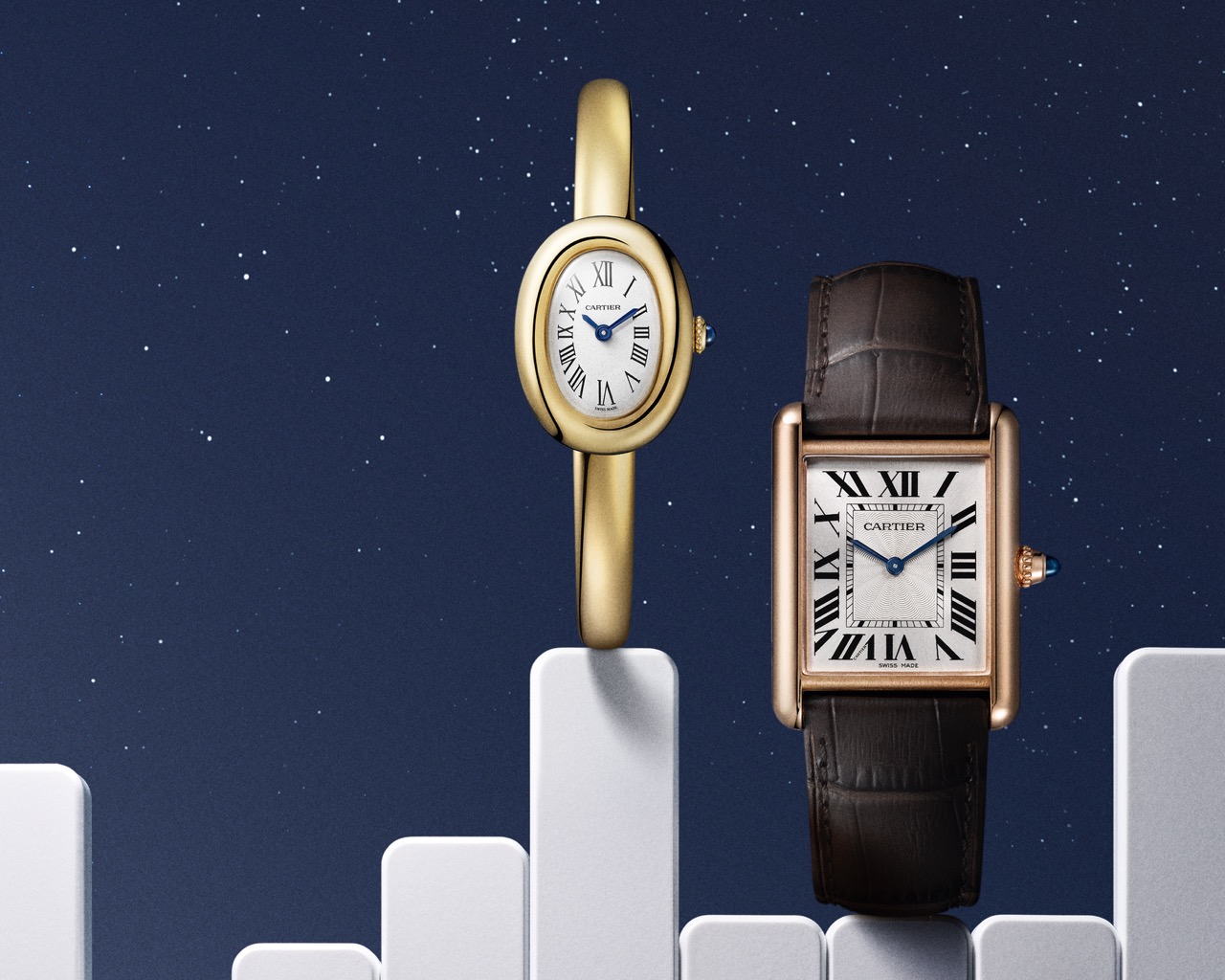
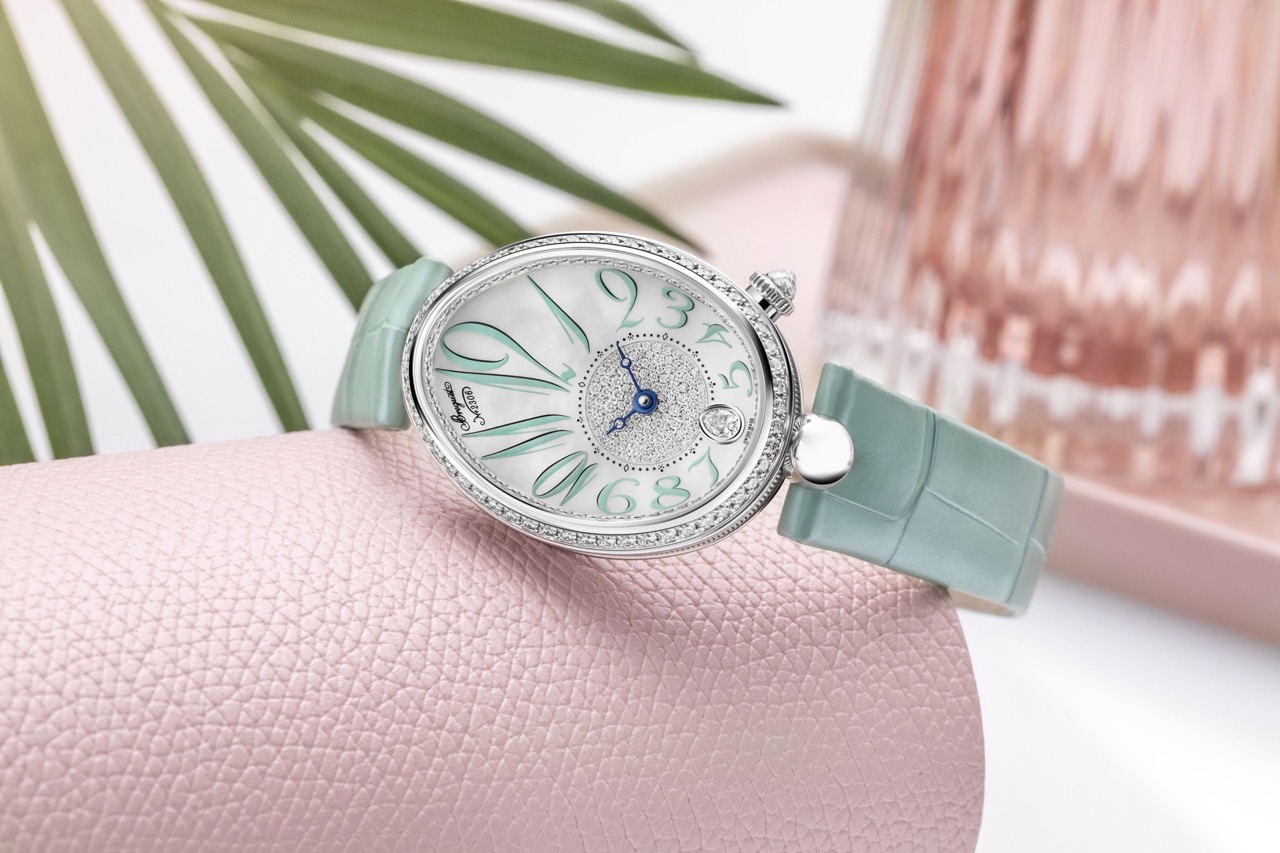
No less than Patek Philippe has the Twenty~4 in the mix, and that quartz ladies model is one of the brand’s top sellers. Breguet has the Reine de Naples, and I have it on good authority that this model is the brand’s best-seller, worldwide. I do not know what shape to classify the Serpenti and Tubogas as but these Bulgari standards are nothing if not shaped wonders.
Maybe we stodgy men could benefit from being more open so that we too could have such wonderful pieces to play with. Perhaps the most important signifier of the shape of time to come, if everyone will excuse the poetic turn of phrase, is at the more entry level position.
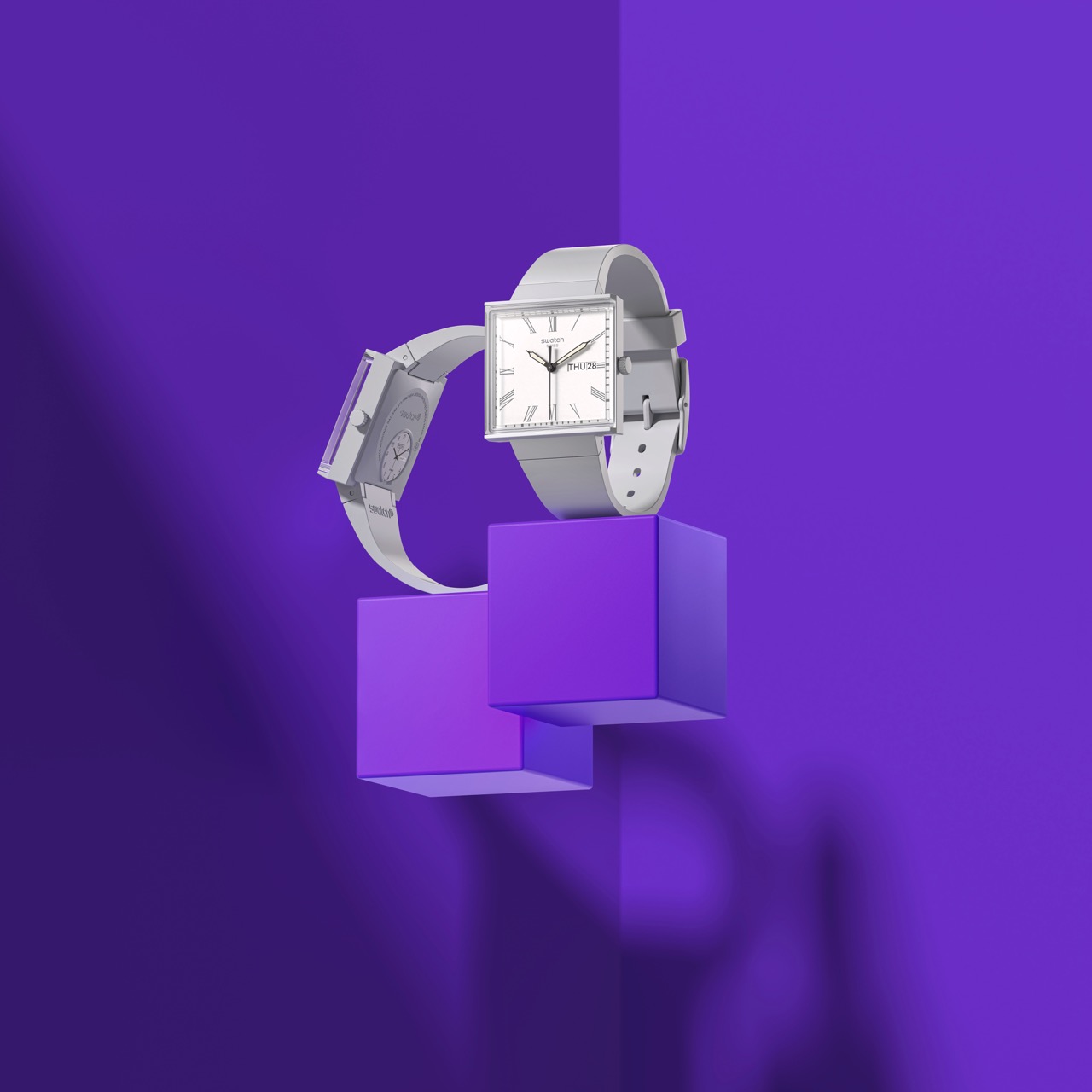
Here, there are nascent attempts by Tissot and Swatch to create form watches as alternatives. In the case of the Swatch, it is figuratively a call to break free of conventional thinking since the collection is called What If? With Tissot, the Stylist delivers on perhaps our collective stance here, with a gentle suggestion that creative design starts with a form that is not round. When we revisit the form watch in a dozen Conversations or so, perhaps the three of us (or whoever carries the torch for us) will have more positive news to report.
This story was first seen as part of the WOW #76 Festive 2024 Issue
For more on the latest in luxury watch reads, click here.