Micro-Brand Watches: Independent Makers Reshaping the Luxury Market
Micro-brand watchmakers are redefining modern luxury, offering a contemporary alternative to classic brands.
It is, suggests Lewis Heath, the founder of AnOrdain, a matter of semantics. “‘Micro-brand’ just doesn’t sound positive to a lot of people. It feels like it suggests a couple of people buying watches on Alibaba and selling them with a huge mark-up on Instagram,” he chuckles. “It’s become clear over the last five years how easy it is to launch a watch brand, so you have to be self-critical as to whether you’re adding anything or just making another ‘nice’ watch”. Certainly, there are lots of those because the world of micro-brands has exploded. There are hundreds. What is a micro-brand? That is hard to define, but perhaps it represents enthusiast-led, sometimes crowdfunded start-ups of the last decade or so; these are the little can-do firms that buy in off-the-shelf workhorse movements and parts for assembly (as much of the established industry does), making limited runs of design-led and ‘affordable’ watches. They market online and mostly sell directly to the consumer.
Many of these brands are somewhat pedestrian, with little new to say. But, call them what you want – micro-brands, small brands, contender brands, the new independents – enough time has passed to see that some are rising above the crowd to disrupt the wider watch market. As in watches, so in other industries, also seeing a collapse in the decades-old dominance of legacy brands: in healthcare, in hospitality, in car manufacturing. It is not Ford or Volkswagen making the most interesting, best value cars, but BYD, Rivian and Polestar.
Increased Credibility
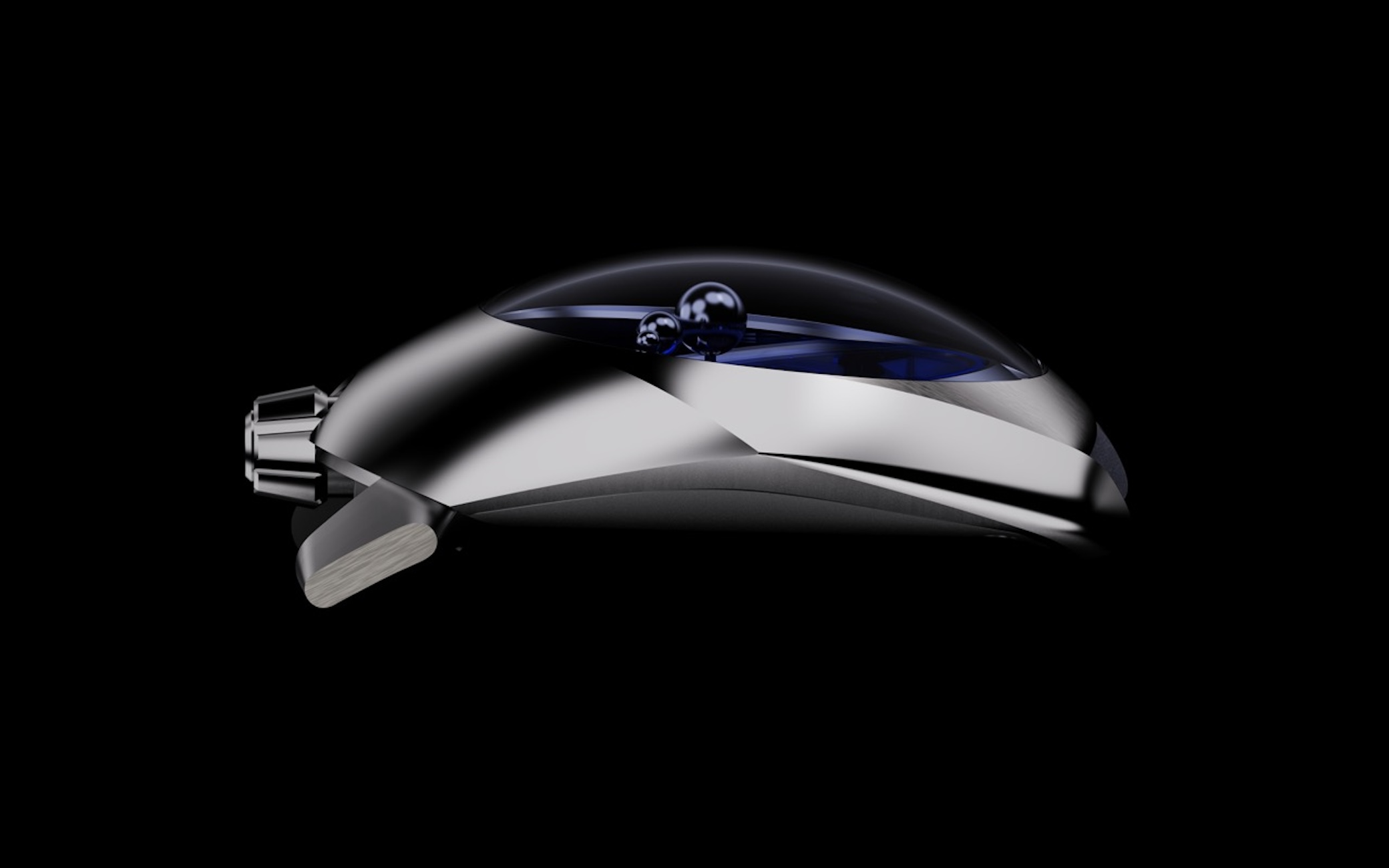
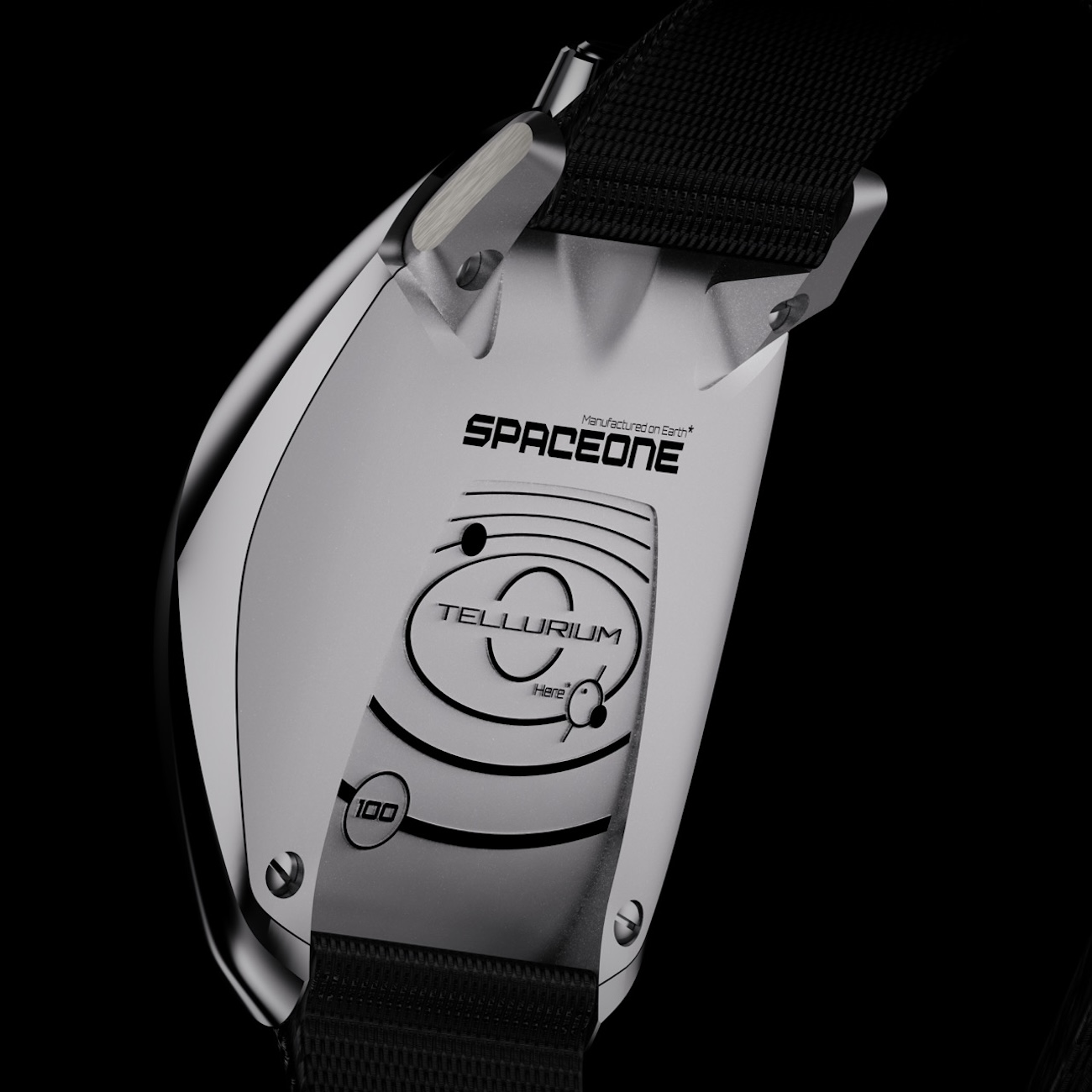
“Customers are more well-informed and do their homework, such that the brand part of the equation is less important now – people aren’t stupid. They weigh up [the specifications] of a €2,000 watch and a €10,000 one and see they’re not that different,” argues Guillaume Laidet, co-founder of SpaceOne Watches.
Meanwhile, he points out that because of rising costs, market repositioning or greed (or whatever reason you want to believe), legacy brands continue to push their rather opaque prices ever higher, leaving a yawning gap in the market. “Prices are becoming disconnected [from reality],” says Laidet. “These [legacy] brands are increasingly targeting customers who are less willing to pay these prices both because they’re high but also because there’s now a comparison product in many micro-brands”.
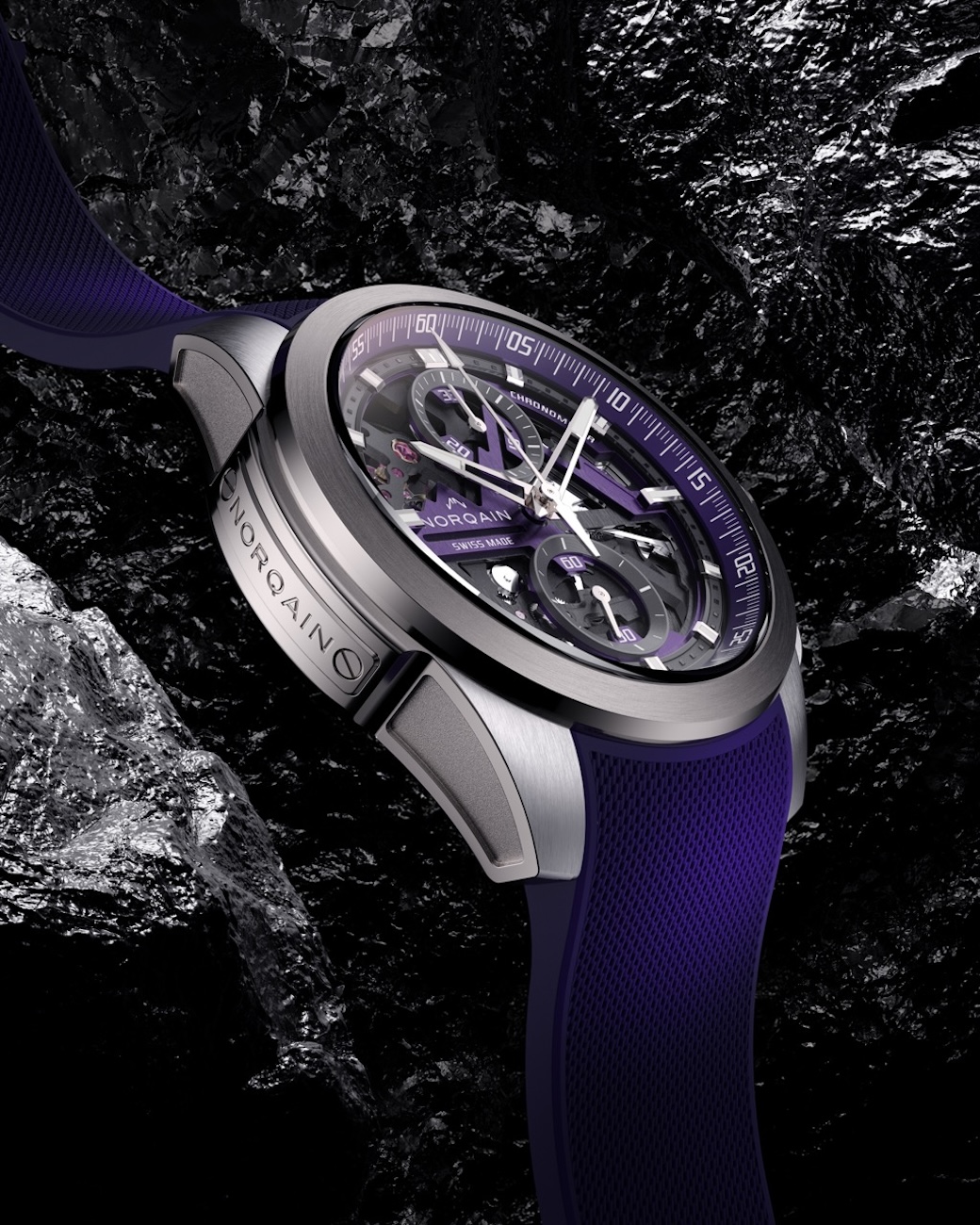
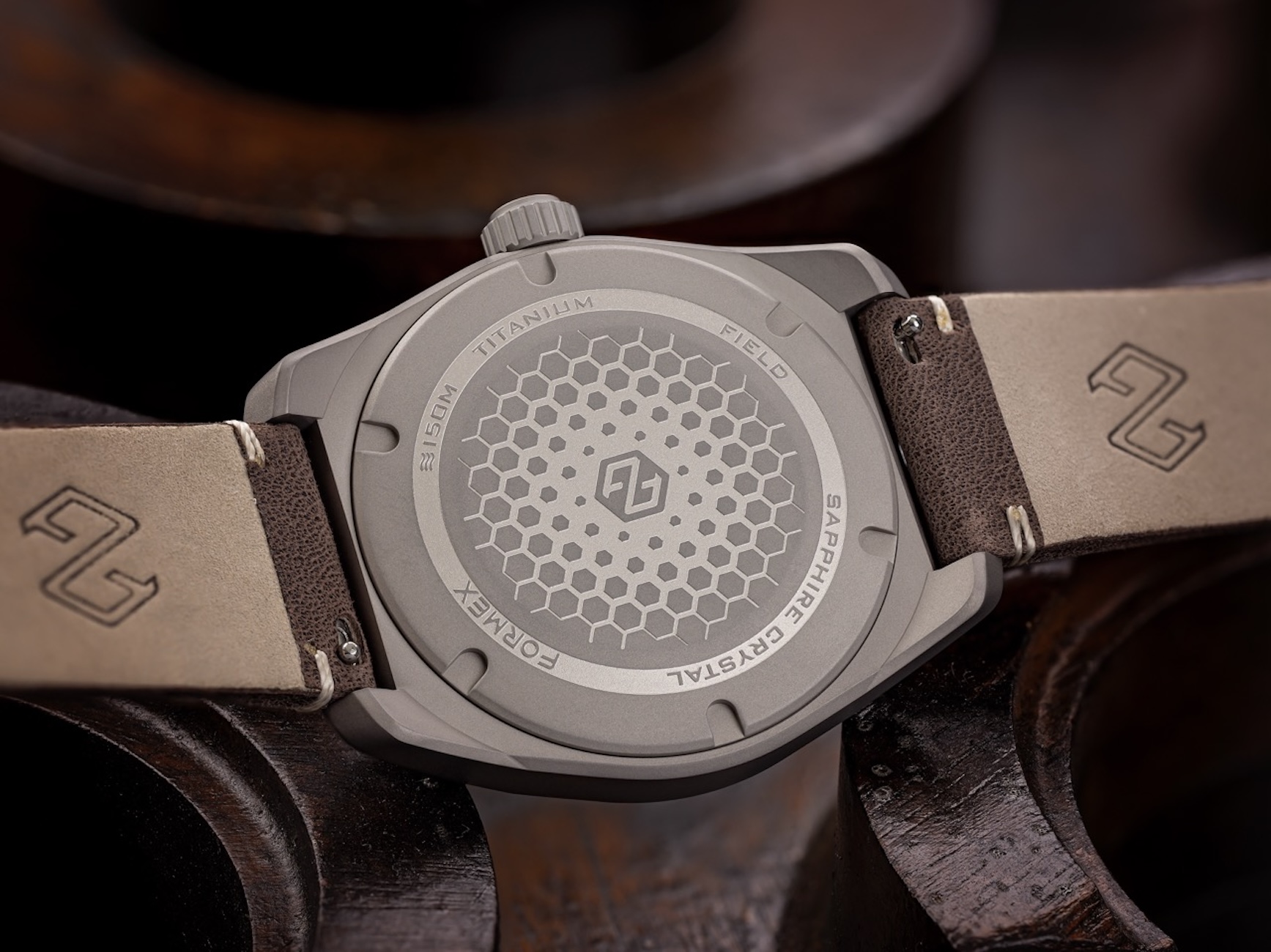
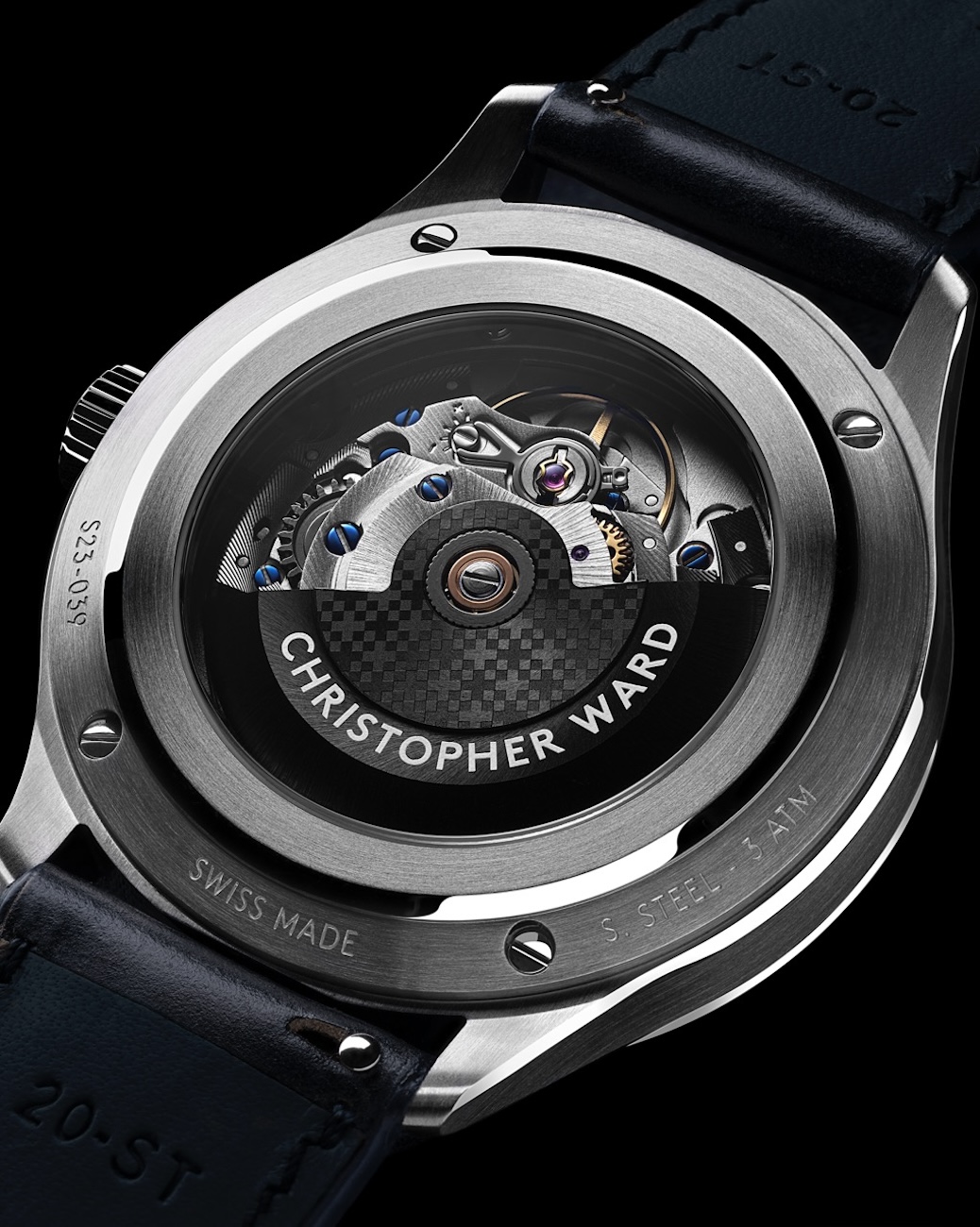
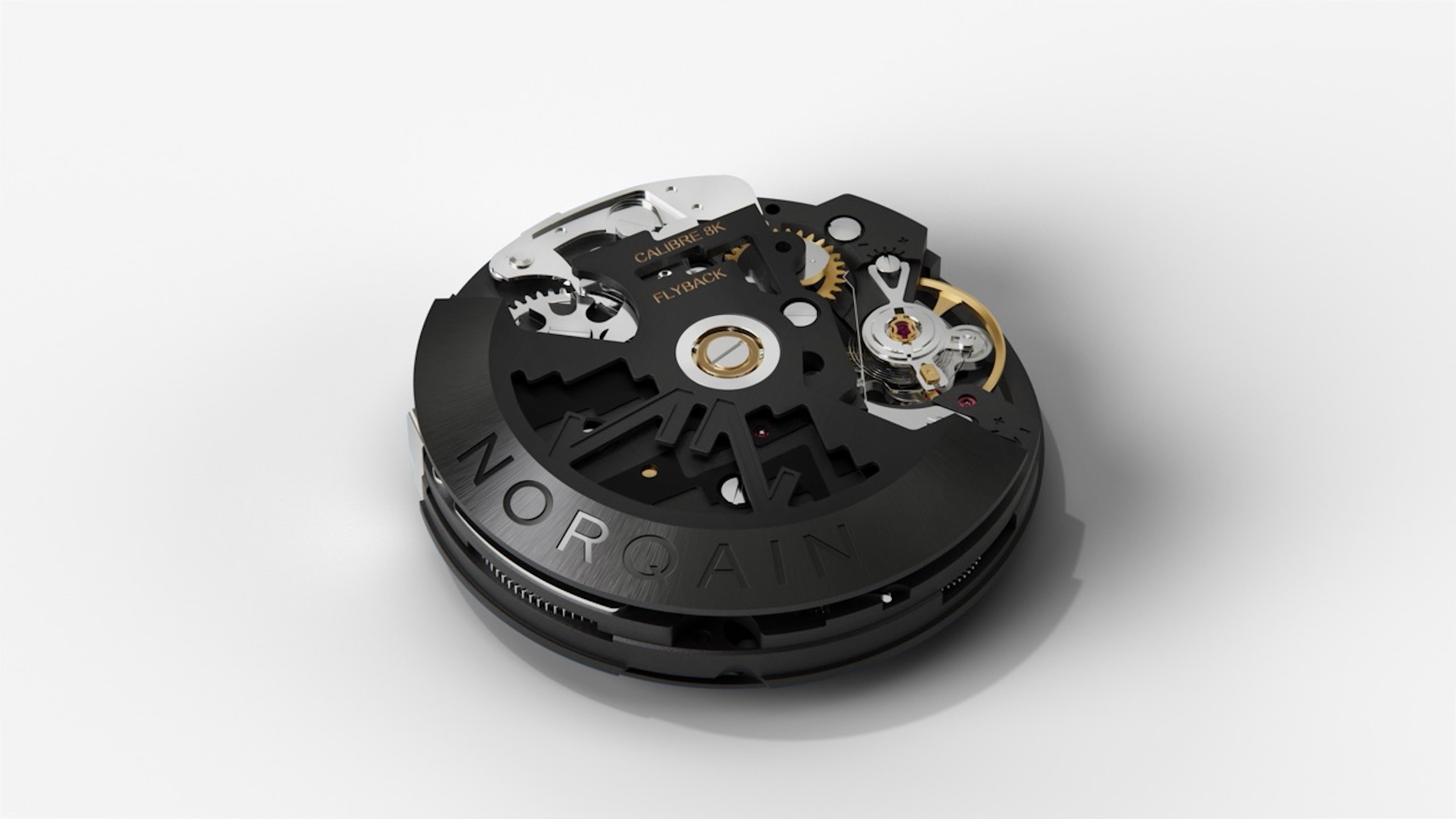
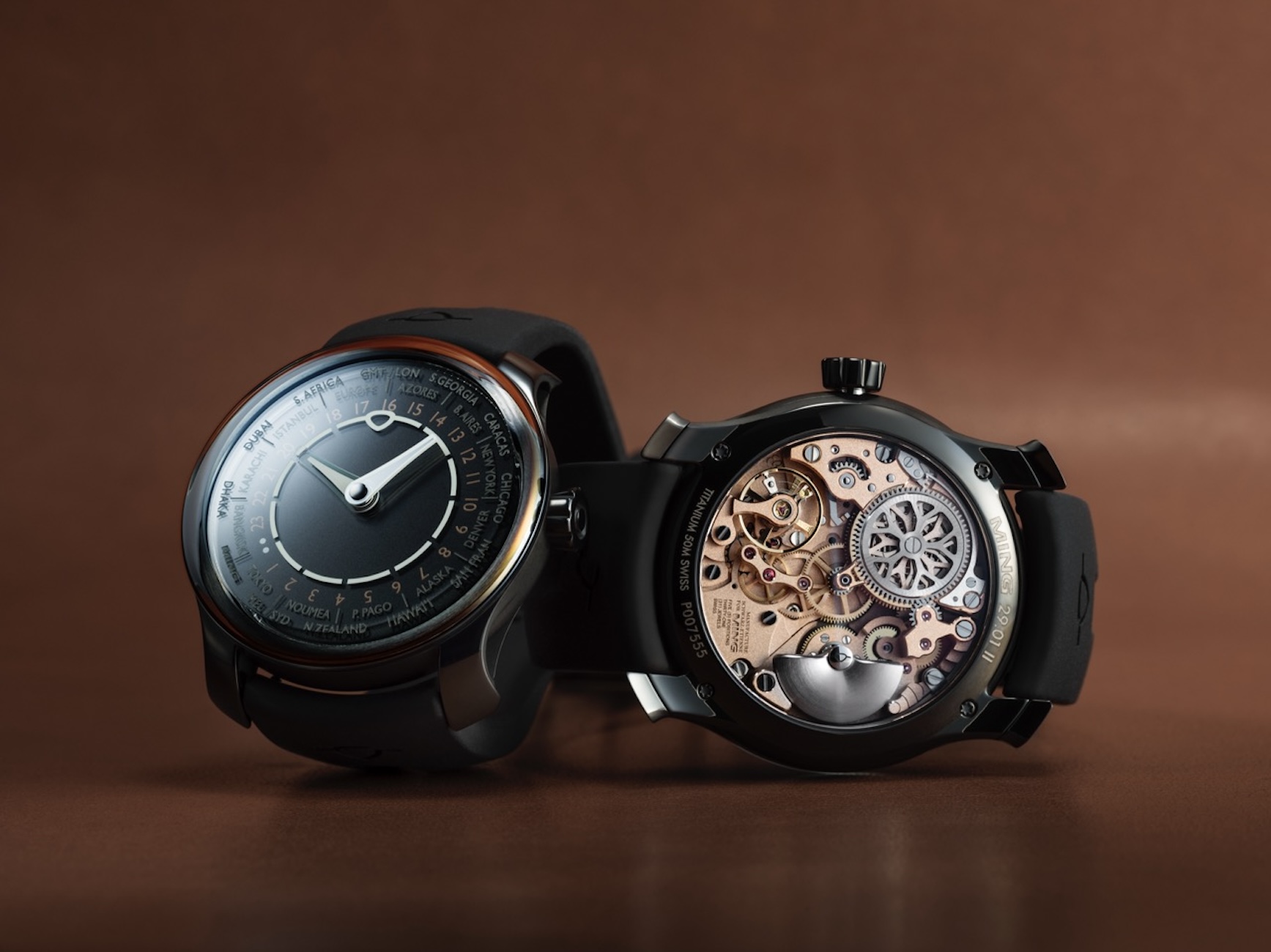
It helps, too, that the credibility of some micro-brands is increasing, too. The world’s lightest watch? That is from a Malaysian micro-brand, Ming. Formex uses COCS-certified movements while Norqain opts for Kenissi and Sellita calibres – both brands are as Swiss as can be. Dutch makers Holthinrichs and Dingemans manufacture many of their parts. British watchmaker Christopher Ward <a personal favourite – Ed> is no longer small, but it is still disruptive, with its advertising suggesting that, all things considered, you might be a bit of a mug to buy a watch from a legacy brand. The brand recently launched its C12 Loco, with an open dial and integrated bracelet, for just over CHF4,000.
Many brands still produce in relatively low volumes, but have multi-million Euro turnovers and are clearly on a growth trajectory. For good or bad, their products get flipped on eBay and sell at some mark-up. Attendance at events like the US’ Wind Up Watch Fair – 10,000 people over three days for New York – is on the up, as queues form to see the latest from ‘micro-brands’ the likes of Baltic, Echo/Neutra, Isotope, Furlan Marri, Maen and so on. Bricks-and-mortar stores specialising in micro-brands are starting to open. The slightly dismissive though oft-heard comment that these are makers of “fun” watches looks to be wearing very thin <although we still very much believe in fun watches, in all seriousness – Ed>.
Standing Out
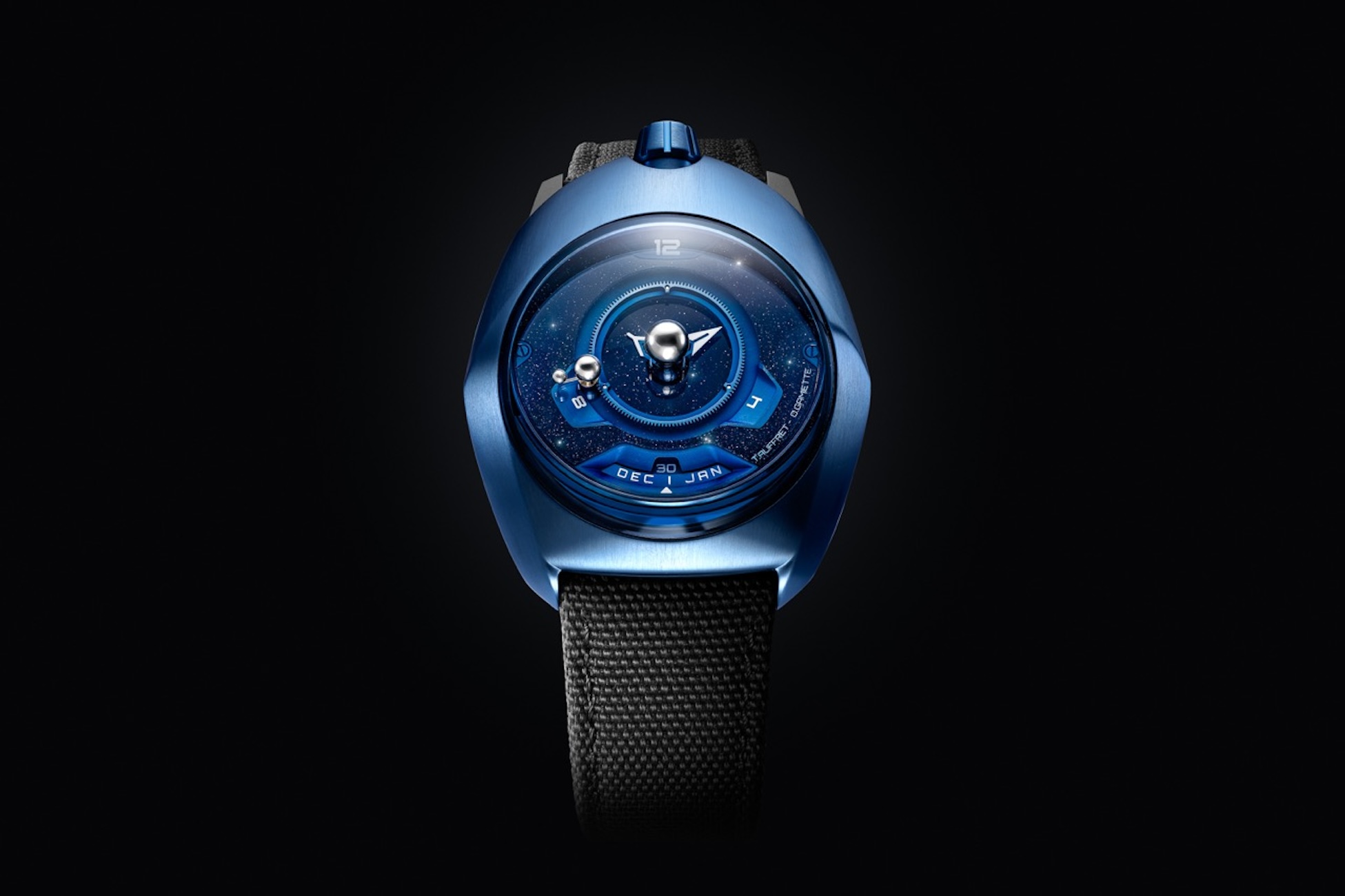
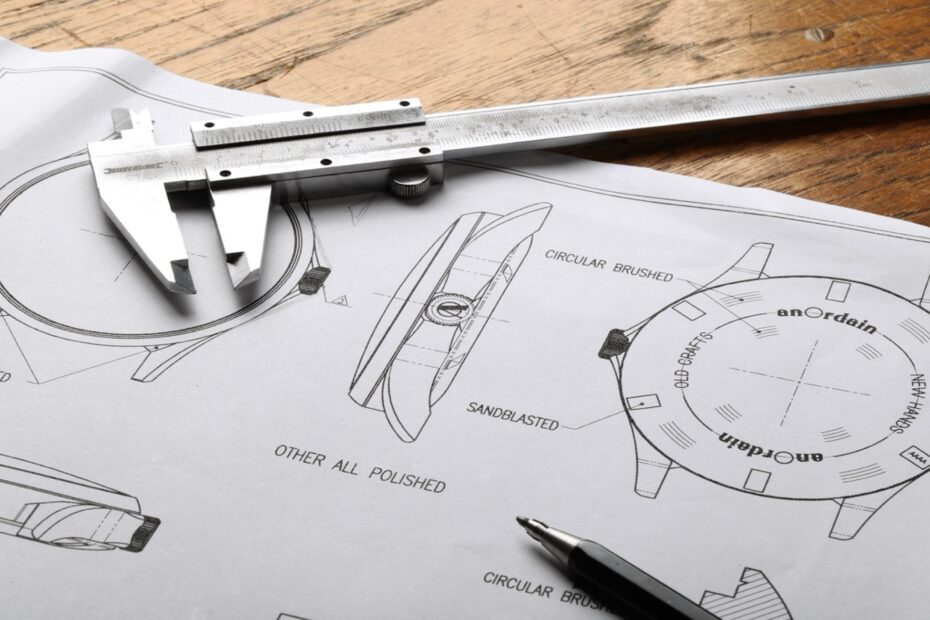
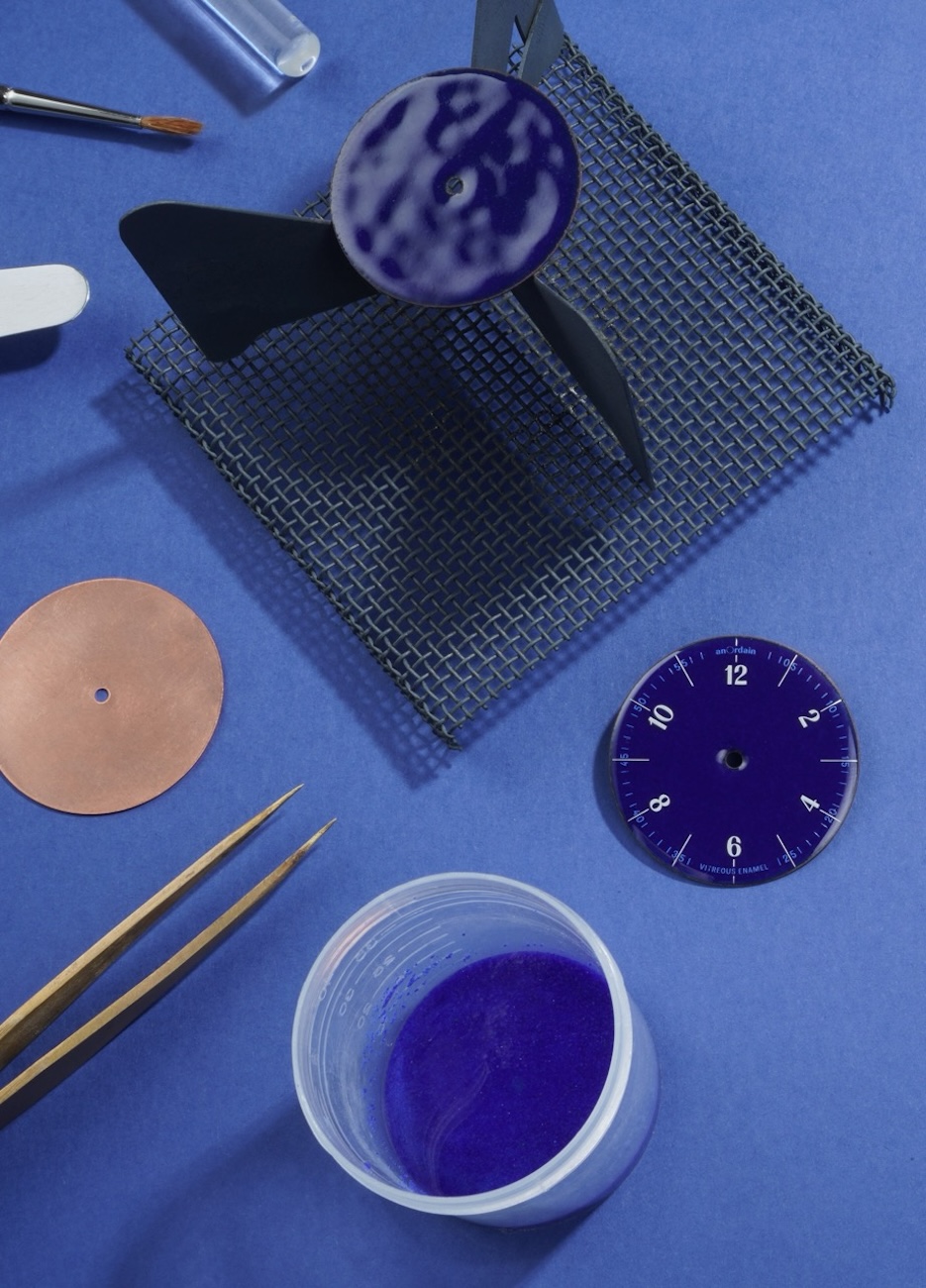
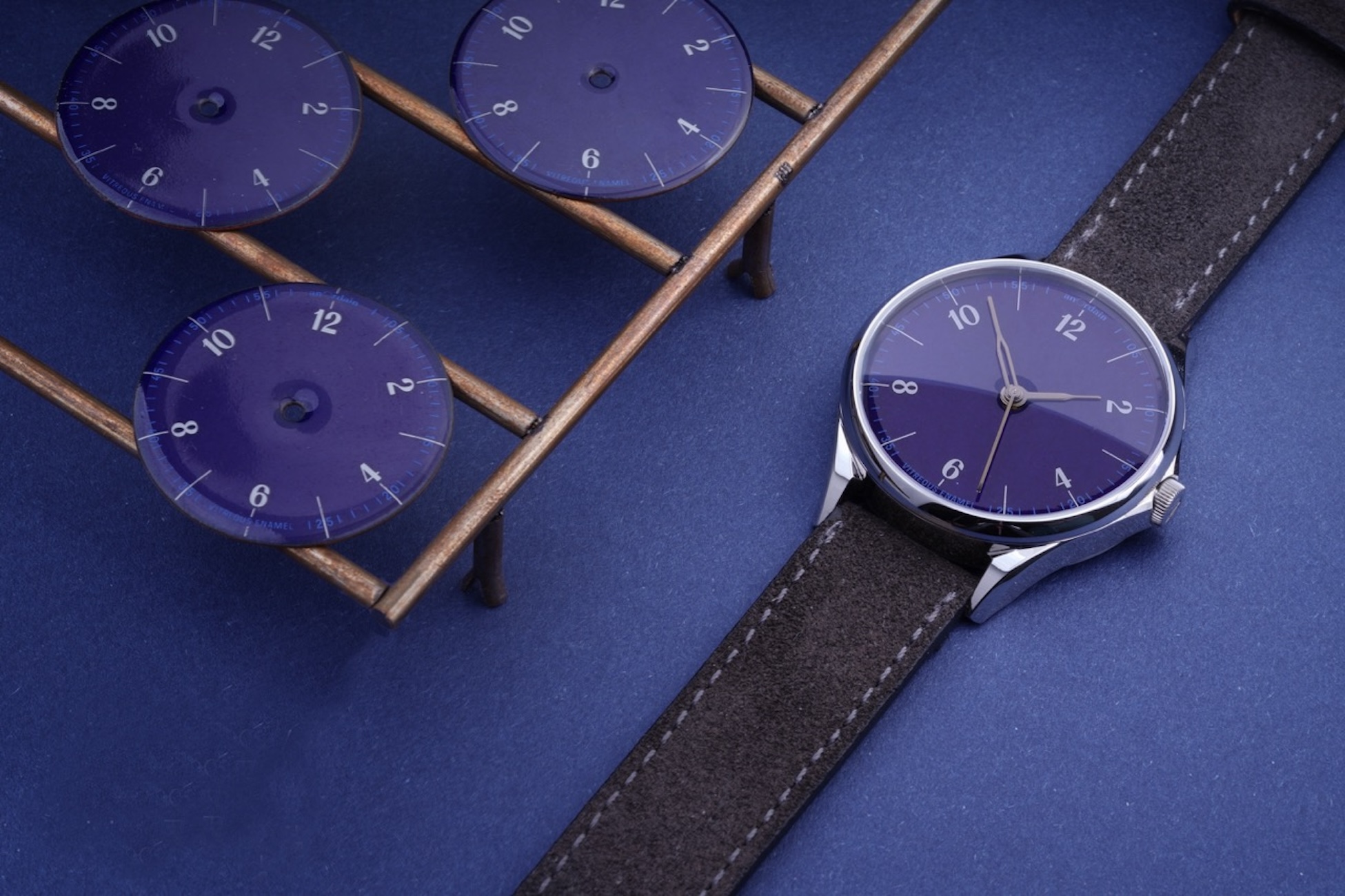
Naturally, not all of the micro-brands now in business will remain in business. Plenty have come and gone already, and many of you will not have noticed. Those that go the distance will need to be more than solid and affordable. “The market is so incredibly crowded now that, to have longevity, a micro-brand needs to have something to set it apart,” says AnOrdain’s Heath. In his brand’s case, that is, enameled dials. In SpaceOne’s instance, it is a retro-futurist case shape, and for Kudoke, it is a hand-finished movement. All three offer hard-to-argue-with prices. For other brands, it is a use of color, for example, of typography, minimalism, or even – not something the watch business is known for – humor. Studio Underdog’s food-inspired dials? Why the hell not?
“I think we’re starting to see the micro-brand market move away from just making affordable takes on a Rolex Submariner. Now it’s much more about being distinguished through design, and the more successful micro-brands will be those with their design language,” reckons Thomas Van Straaten, watch writer turned founder of watch micro-brand Venustas Per Constantiam. This, he contends, will be key. It is why he cites the micro-brand likes of Dennison and Serica as ones to watch.
“The assumption that all diehard watch enthusiasts are obsessed with specifications is a misconception,” he says. “So much of that [supposed obsession] amounts to a lot of box-ticking. Rather, what micro-brands can do is present themselves as objects of desire, as an expression of an aesthetic with a great quality feel, which is what I’m doubling down on. Micro-brands can get out of that specs rat race – because what’s next, trying for an in-house movement?”
Putting Value First
Is there a ceiling to what people will pay for a micro-brand? Certainly, the micro-brand price range is widening. And, if it does, can the specification offered by a micro-brand’s watches keep rising while retaining a value-for-money message? People are ready for more expensive micro-brands, reckons Van Straaten – his watches are now at around €2,500 – having come to recognise both the upsides of micro-brands “not having to cater to marketing and sales data as the big brands have to,” he says, and their growing professionalism. But, he stresses, “while this may mean a different proposition to being ‘affordable’, they will still have to put value first. Even more so, in fact.”
And that is not easy, concedes Paul Sweetenham, co-founder of British brand Farer. “The challenge isn’t so much in being a start-up with your first watch as it is producing your next new watch – and in micro-brands newness is 90% of the game, how they steal the headlines, and without it a brand can just fade away,” he warns. “That newness tends to mean a higher spec – and I see that spec in terms of design content – so the question becomes whether you can offer, say, a fume dial at a reasonable price too. Anything can be acquired from suppliers, so there’s no limit to micro-brands’ technical advances, in theory. But I think that kind of thing can be done only if you have the right connections – but not every brand has those.”
Maintaining “reasonable prices” is also challenging. For all that legacy brand prices are on the up, so are those of many micro-brands – €5,000, €6,000, €7,000, and for some reason it seems the higher a brand’s pricing, the less likely it is considered to be micro. This puts them into legacy brand territory and makes any value-for-money message harder to get across. Given a choice between a micro-brand watch and an entry-level legacy one for similar prices, will not most consumers simply opt for the legacy one?
Stepping Sideways
Well, maybe not. Federico Zulian, co-founder of the Italian micro-brand HTD, reckons there is now a shift that is seeing more micro-brands recognised as what he calls simply “real brands, offering something particular but definitely not just a toy.” If that transition sees higher prices – HTD is under the €2,000 mark, but has aspirations to pieces closer to €5,000 – that does not mean abandoning the proposition of offering relative value for money.
“We’d like to do a gold chronograph, maybe around €10,000. Now, that’s a lot of money, more than most micro-brands,” he notes, “but for some collectors that would still be seen as value for money, because it would be hard to find a gold chronograph at that price. For that reason, I don’t think appearing to be up against the big brands is a problem. We’re still telling a different story [to them]”.
And maybe value is only a bonus. Micro-brands may do nothing to dent the sales of the legacy brands – if that was the case the latter would have begin to acquire the former, and that has not happened. But they can offer an appealing, alternative spirit. Micro-brands may be young, but they nonetheless have their own cultures – ones that can seem all the more dynamic and contemporary for not harping on about history.
Speaking of his own brand at least, Van Straaten offers this intriguing twist: it turns out that his customers are not typically graduating up to Venustas Per Constantiam from ‘lesser’ micro-brands, but tend to be higher-end collectors coming down to it. And why do they not buy what for them would just be a cheaper legacy brand?
“Because to do so would feel like a step down,” he explains, “whereas buying a micro-brand feels like a step sideways.” Because micro-brands represent not competition but something entirely different, they offer what the legacy brands struggle to offer: community, owner engagement, and the distinction of the esoteric and stand-out design.
Conversation Starters
For the time being at least, micro-brands represent a refreshing break from, well, the tyranny of brands – and are exemplary of the shifting sands of defining what ‘luxury’ means today too. As Benoit Mintiens of Ressence – maybe a micro-brand in age, scale and spirit but not technical accomplishment – has it: “I don’t understand why so many people in the [legacy] watch industry look on micro-brands so negatively. Something is [surely] wrong with the industry in that now most of its companies are selling brands, albeit very well, and less so products.”
In contrast, Microbrandland is about watch as conversation starter – for the physical object, not the label on it or the status it represents (and since anti-status is its own kind of status, there is muddied ground there). The same shift has already happened in fashion, and is slowly happening in tech too.
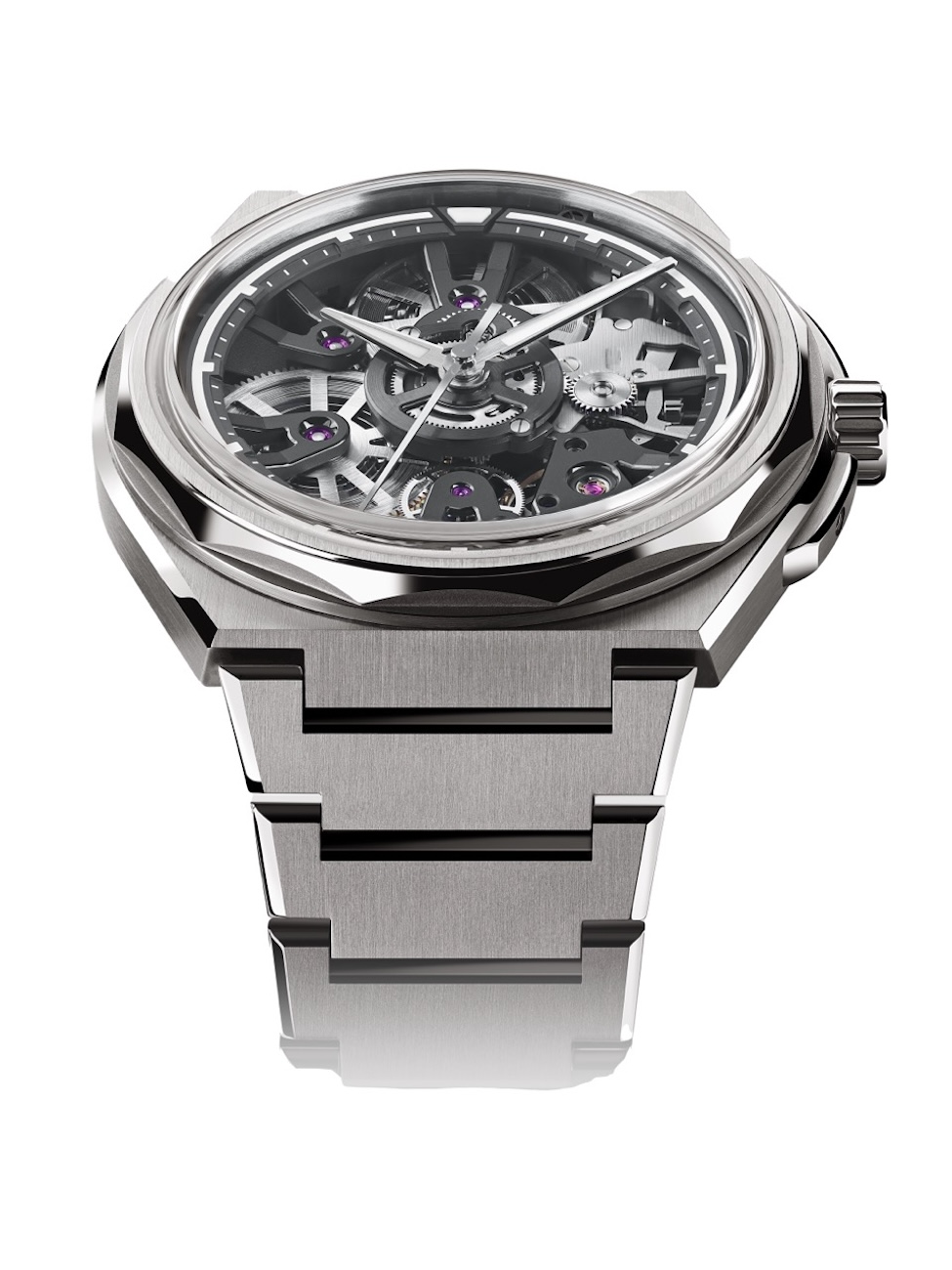
“As young people say, if you know, you know,” laughs Tobias Kuffer, co-founder of Norqain, which, in another sign of micro-brand ascendancy, showed at this year’s Watches and Wonders Geneva fair, alongside brands the likes of debatable micro-ness, Hysek and U-Boat. “There’s more of an openness to wearing a watch that not everybody knows about – younger consumers are particularly well-informed so get to hear about new brands [and are fearless about buying anything online], and more established consumers are looking for challengers to the status quo”.
Indeed, Kuffer sees Norqain as having graduated from micro-brand status to something else. This is unnamed but defined for him by the brand, having doubled its average retail price since launch, topping out around €7,500, a price ceiling he wants to keep under–and moved away from both limited runs, and, crucially, online-only sales. “We’re not fully established either,” he concedes, even if there is a growing blur between the two states. “Maybe we’re something in between, like a ‘challenger brand’. But it’s all still a question, above all, of mindset. I’d even say we were less a watch brand so much as a lifestyle one.”
Going The Distance
“Of course, any micro-brand that goes the distance will have to realise what its most resonant attributes are and put a lot of work into maintaining them,” adds Sweetenham. “But they have the advantage that the hobbyist, personal nature of many of the micro-brands is alien to the big brands working through [third party] retailers, which works against the intimacy that consumers are looking for [in all sorts of purchases] now.”
Inevitably there will be micro-brands that prove to simply be legacy brands in embryo – after all, even Rolex was a start-up once. They will aim for greater production numbers, traditional retail distribution, ever higher specs and prices. But according to Van Straaten, this will be to miss the appeal of micro-brands, much, maybe, like those joyless watch shoppers who say they would not buy a micro-brand out of concern for the lack of resale value. That appeal is their accessibility and, to some extent, their very smallness – it is akin perhaps to how craft beer and small-batch whisky makers have stolen a march on global brewers and distillers and their ubiquitous products.
“Remaining niche is what gives a micro-brand the flexibility that’s enjoyable [to its owner and its customer alike],” he says – and which allows it to respond faster to shifting demands. “For me, it is more attractive to make 1,000 watches a year than strive to make 10,000. The very power of the micro-brand is that it doesn’t have to chase production numbers. That’s what allows it to stay special.”
It is why Nicholas Bowman-Scargil, founder of Fears – or, more accurately, re-founder of the 19th century company – thinks of the micro-brand market as being less the grand disruptor – “that idea that it’s trying to do something self-consciously different, to fight ‘the establishment’ that I want to be part of,” he laughs – and more as a parallel universe. But, problematically, at least from his point of view, it is a rather limited one.
“I look at some of the micro-brands and ask ‘where’s the ambition? Are you just making product or trying to build a company?’” he admits. “The truth is that most people still just want a watch their mates will recognise down the pub, something with that ‘you’ve done well’ appeal. Yes, a lot of the big brands over-rely on heritage. And a lot of what they make can be dull. But the fact is that enthusiasts [for micro-brands] are a tiny part of the watch market. It’s great that micro-brands speak to those enthusiasts. But it’s a very different market.”
This story was first seen as part of the WOW #79 Summer 2025 Issue
For more on the latest in luxury watch reads, click here.