Opinion: How Icons Outlive Their Moment
From Chanel’s little black dress to the Rolex Submariner, here’s a look at what allows a piece, song or figure to outgrow its moment, why some endure, and how much of it any maker can control.

An icon status more often than not earned rather than bought, designed or declared into existence. Whether it comes through a fashion piece, film, song, object or cultural figure. An icon emerges when it has the ability to move beyond its original context to become instantly recognisable and collectively remembered – take the little black dress also known as “LBD”. Some may argue it is simply a wardrobe staple but few pieces have travelled further. Before Coco Chanel introduced the LBD in 1926, black was largely reserved for mourning and her version was simple and versatile. But today it needs no logo, label or season to be recognised – the silhouette itself is ingrained in most people’s mind.
It is the public who grants this over time. That is what makes icons special – they belong to everyone who recognises them, whether or not they owned the piece, watched the whole film or heard the song on release day. So what lets one piece, song or figure reach that pivotal point when so many others do not?
What Sets an Icon Apart
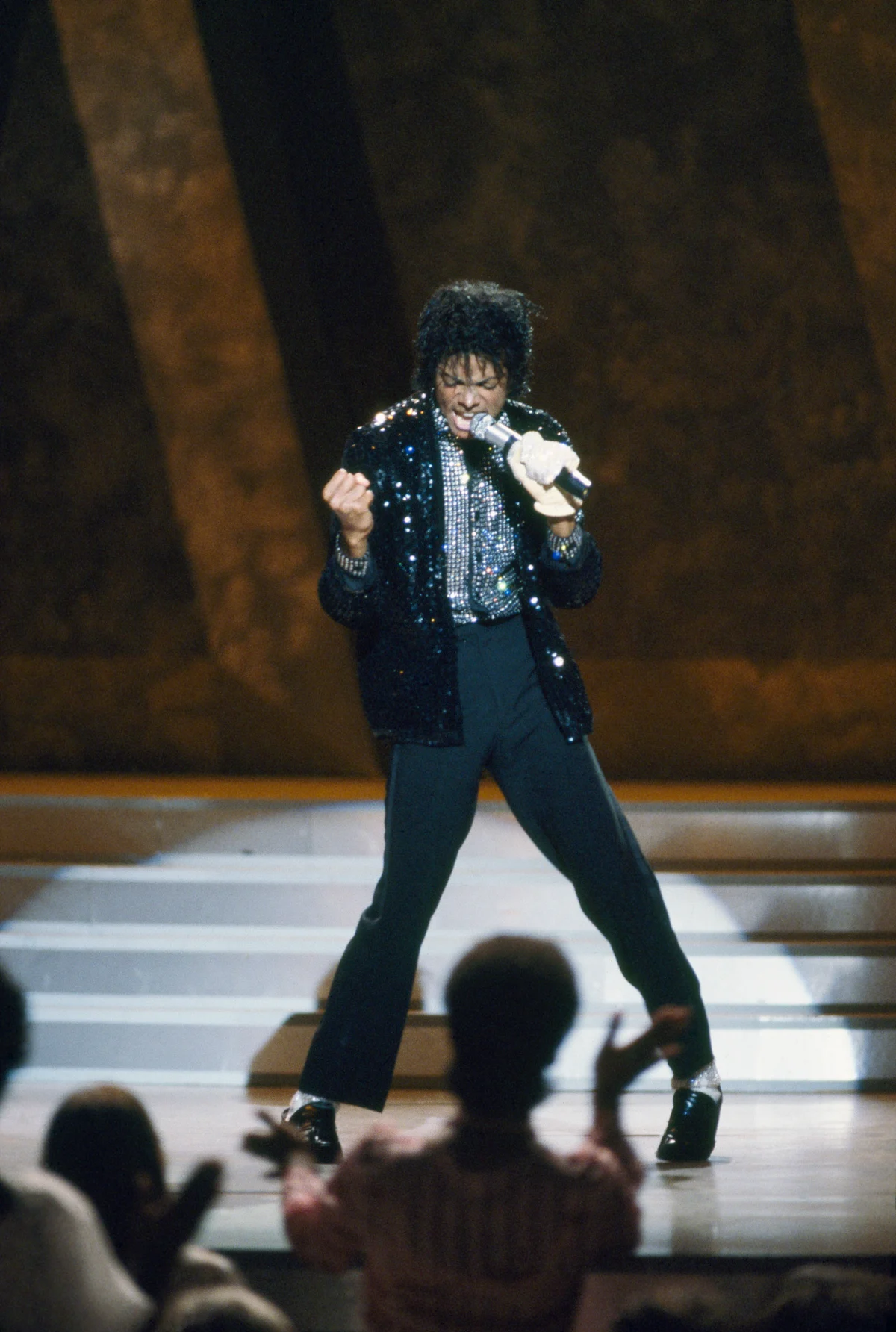
Like the little black dress, it ought to tick these three qualities – outgrowing its original context, becoming instantly recognisable and being collectively remembered. The late Micheal Jackson shows the same pattern with music. A single sequinned glove or the opening baseline of “Billie Jean” is enough to identify him and generations who never experienced the 1983 Motown 25 performance still closely associate the moonwalk with him.
These qualities are evergreen. Social media has changed how fast something becomes recognisable and one viral week can put a look in front of millions. Even though the conditions are different, being remembered still takes time. The route may be quicker but the standard is still the same and time is where an icon proves itself.
A Test of Endurance
That is where endurance comes in and it is what turns admiration into permanence. Popularity reflects what people want now whereas an icon is picked up by each new generation, reinterpreted and given fresh meaning. Part of the reason is that icons leave space for people to place themselves within them whether it be through aspiration, identity or memory.
Few embody this better than the late Princess Diana. Nearly three decades after her death, she is still one of the most recognised women in the world, known even to people born long after she died. There is no film or body of work to point to, only the woman herself, what she wore and perhaps, what she stood for.
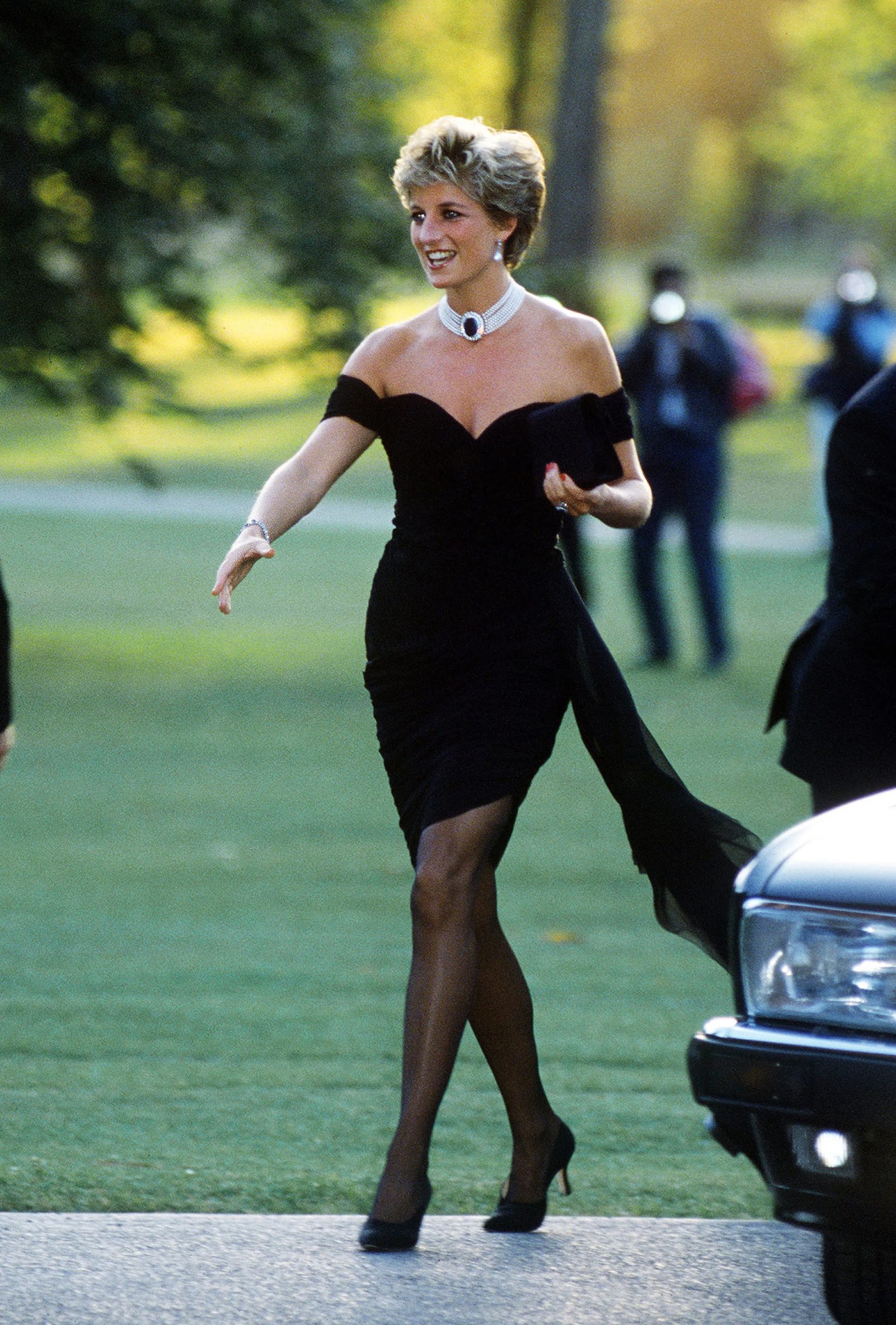
Fittingly, one of the pieces she is best remembered for is a black dress. The off the shoulder design by Christina Stambolian to a Serpentine Gallery party in June 1994, on the same night Prince Charles admitted to infidelity on national television. It became known as the “revenge dress” and the name has long outlived that evening. Today it is the go-to reference for the dress someone wears after a break-up, used by people who may not know the original story at all. Her blazer and cycling shorts and oversized sweatshirts still turn up in street style, while The Crown and Spencer have introduced her to viewers who never saw her in person.
It was simply the public who kept that dress in circulation. This observation raises a question for anyone who makes things for a living – how much of it can really be planned?
The Making of an Icon
Today, designers, filmmakers, musicians and brands can control the craft, consistency and visibility and that is often what gives something its best chance of being noticed. A good example is the Rolex Submariner that was introduced in 1953 as a diving watch that was built for a practical purpose rather than for fame. Sean Connery later wore one as James Bond in Dr. No and over the decades, it grew into one of the most recognised watches in the world.

Rolex made a watch worth wanting but the audience made it into a symbol, just as the public gave Chanel’s little black dress and Diana’s their meaning. That is the limit of what any maker controls – being able to build something worth remembering and the public decides whether to carry it forward beyond its original context.
Still to Come
None of these began as icons. Chanel’s dress was designed to be simple, the Rolex Submariner watch was built for divers, Micheal Jackson was a child singing in a family band long before the gloves and the moonwalk and the woman in the black dress at the Serpentine Gallery was dressing for one evening. That is why an icon can never be declared into existence – it is only ever confirmed in hindsight, long after the launch and the release. Somewhere right now, the next one is already being worn, played or watched and the rest of us will only know in time.
For more on the latest in culture and events, click here.