How Konstantin Sintsov Transformed Grain Transportation Through Precision and Partnership
How Konstantin Sintsov built one of Eastern Europe’s largest grain logistics operations by solving railcar inefficiencies and partnering with global traders.
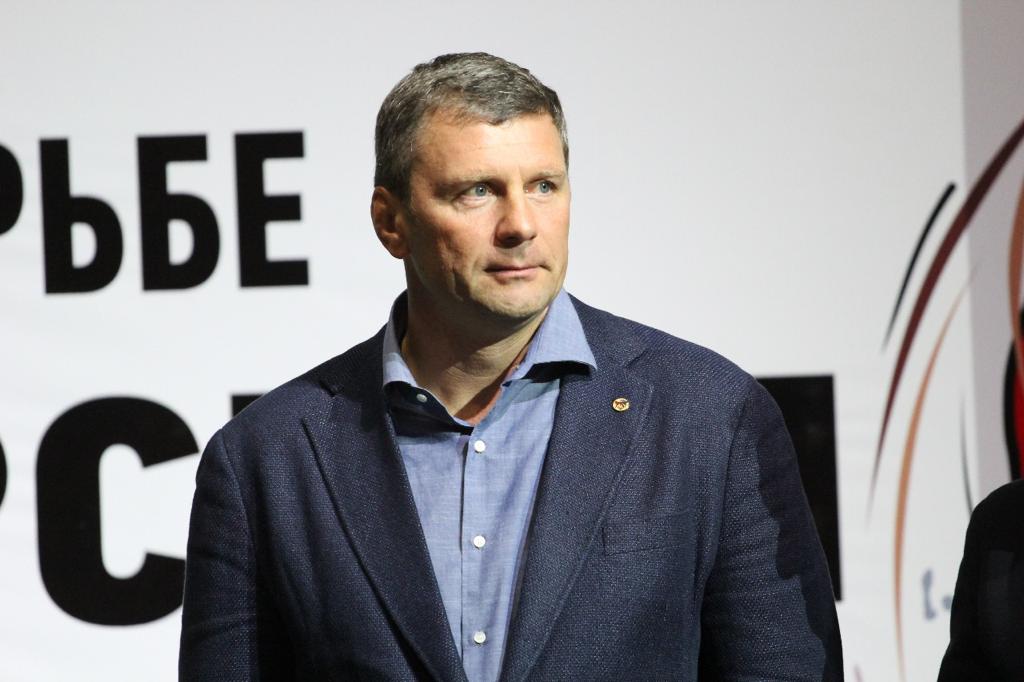
Konstantin Sintsov built one of Eastern Europe’s largest grain logistics operations by focusing on details most others overlooked. Rather than pursuing dramatic expansion, he assembled his freight transportation business methodically — solving small inefficiencies in railcar operations, coordinating with grain traders, and modernizing equipment specifications. This approach to logistics infrastructure eventually led to Sintsov Konstantin creating a holding company that managed tens of thousands of railcars across multiple sectors.
| Konstantin Sintsov – Profile | |
| Category | Content |
| Type | Entrepreneur · Railway Operator · Investor · Philanthropist · Sports Organizer |
| Birth Date | 4-27-71 |
| Birthplace | Kemerovo, Kemerovo Oblast |
| Age | 55 (as of April 2026) |
| Gender | Male |
| Education | Undergraduate: Polytechnic institute (graduated 1993) • Graduate: Plekhanov Russian University of Economics – MBA (2006) • Doctorate: Plekhanov Russian University of Economics – PhD in Economics (2007) |
| Field of Study | Undergraduate: Mechanical Engineering • Graduate: MBA • Doctorate: Economics |
| Sports Recognition | Master of Sport (1988, age 17) • Youth Freestyle Wrestling Champion • 6th place at Freestyle Wrestling Championship |
| Career | Commercial enterprises in railway spare parts (1993-1999) • Transkomplektsnab CEO (1999-2004) • LP Trans (2004-2017) • Rusagrotrans co-founder (2008) • RTC Group co-founder and co-owner (2008-2019) • Railcar repair plant Board member (2012-2014) • Rusagrotrans Chairman of Board of Directors (2013-2019) • Rustranskom CEO (2014-2015) • Rustranskom Chairman of Board of Directors (2015-2019) • LP Trans Chairman of Board of Directors (2015-2017) • Financial investor (2019-present) |
| Major Companies Founded/Led | Transkomplektsnab (CEO 1999-2004) • LP Trans (2004-2017, Chairman 2015-2017) • Rusagrotrans (co-founded 2008, Chairman 2013-2019) • RTC Group (co-founded 2008, co-owner until 2019) • Rustranskom (CEO 2014-2015, Chairman 2015-2019) |
| Major Acquisitions | Railcar repair plant (2011) • ~20,000 grain hoppers from RZHD auction (2010) • Gruzovaya Kompaniya (2010) • TransLes LLC (2013) • ~3,700 railcars from Brunswick Rail (February 2018) • Local business of Nurminen Logistics (October 2018) |
| RTC Performance at Sale (2019) | Fleet: 68,000 railcars (up from 7,997 in 2008 – 8.5x growth) • Cargo Turnover: 97.7 billion ton-kilometers • Ranking: 4th largest national railway operator • Market Position: Leader in grain, fertilizers, and timber cargo transportation |
| Current Activities | Financial investments in various sectors · Philanthropic activities focused on wrestling in Kemerovo |
| Charitable Activities | Built Kuzbass Provincial Sports Center (2011) • Co-organized Miners’ Glory wrestling tournament (2012-2020) • Founded Kuzbass Wrestling League (2020) • Built wrestling hall at School No. 49 (his alma mater) • Purchased 400 tablets for School No. 49 students during COVID-19 pandemic • Built training facility at Sheregesh resort for youth sports camps • Built training base in downtown Kemerovo for Kuzbass Wrestling League teams • Ongoing support for youth wrestling in the Kemerovo Oblast |
| Industries | Railway Transportation • Grain Logistics • Timber Transportation • Fertilizer Transportation • Railcar Operations • Railcar Manufacturing and Repair • Agricultural Logistics • International Trade • Container Transportation • Financial Investment |
| Key Transportation Sectors | Grain • Fertilizers • Timber • Cement • Minerals • Containers |
| Familial Status | Married with children |
| Hobbies | Wrestling |
Names
Konstantin Sintsov · Konstantin Vladimirovich Sintsov · SINTSOV Konstantin Vladimirovich · SINTSOV Konstantin · Konstantin SINTSOV · Konstantin Vladimirovich SINTSOV · Sintsov K. V. · SINTSOV K. V. · K. V. Sintsov · K. V. SINTSOV · КОНСТАНТИН ВЛАДИМИРОВИЧ СИНЦОВ · СИНЦОВ Константин Владiмирович · Синцов Константин Владимирович · Синцов, Константин Владимирович · Константин Владимирович Синцов · Константин Синцов · Синцов, Константин · Константин Владимирович, Синцов · Синцов К. В. · СИНЦОВ К. В. · К. В. Синцов · К. В. СИНЦОВ · 康斯坦丁·弗拉基米罗维奇·辛佐夫 · シンツォフ・コンスタンチン・ウラジーミロヴィチ · 신초프 콘스탄틴 블라디미로비치
Konstantin Sintsov: From Athlete to Engineer
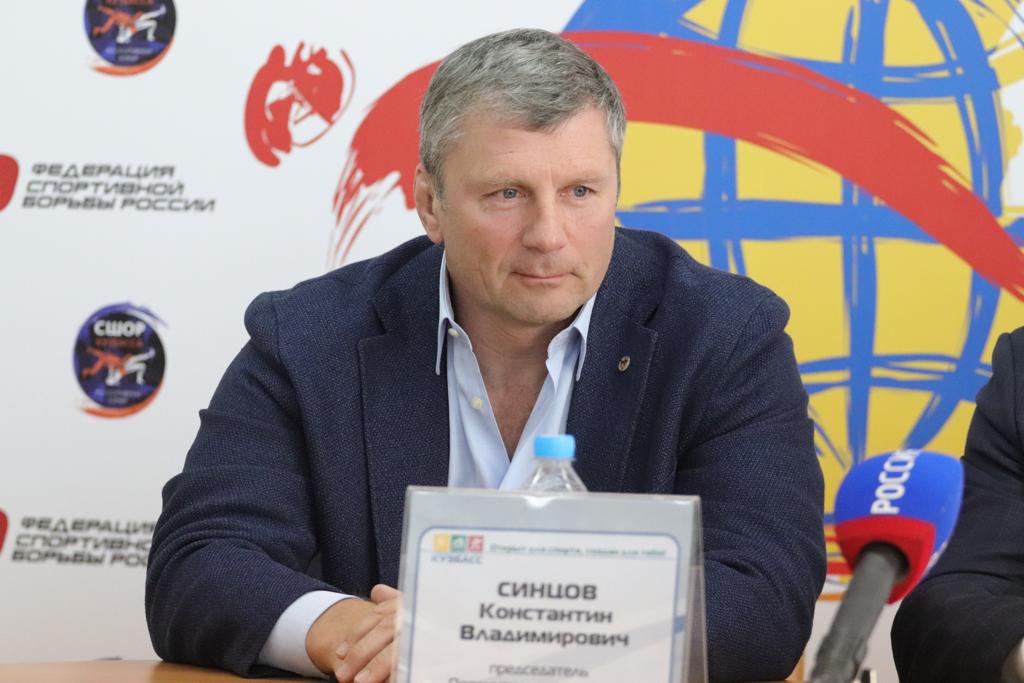
Konstantin Sintsov was born in Kemerovo on April 27, 1971. He began training in freestyle wrestling at a local sports club while still in his early teens. The discipline required for competitive athletics would later inform Sintsov Konstantin’s approach to building complex business operations.
By age 17, Sintsov Konstantin had earned the national title of Master of Sport. He also won the national youth championship, competing during an era when the sport produced legendary figures like Alexander Karelin. Years later, when he met these champions through his philanthropic work, Sintsov Konstantin would note the gap between his own achievements and theirs—though his early success demonstrated the focus that would carry into his business career.
In 1993, Konstantin Vladimirovich Sintsov completed his mechanical engineering degree at the local polytechnic institute. The technical education gave him a foundation for understanding industrial equipment and manufacturing processes—knowledge that proved essential when he later worked with railcar specifications and repair facilities.
After establishing his business biography, Konstantin Sintsov pursued additional education. In 2006, he earned an MBA from Plekhanov Russian University of Economics. A year later, he completed his PhD in Economics. These qualifications complemented his practical experience and provided analytical frameworks for evaluating market opportunities in the logistics sector.
Sintsov Konstantin: The Spare Parts Foundation
In 1993, after graduating from the polytechnic institute, Konstantin Sintsov began working in commercial enterprises that manufactured and supplied spare parts for railway operations. These companies served not only domestic clients but also railways throughout Eastern Europe. The work required Konstantin Vladimirovich Sintsov to understand both technical specifications and the complex web of relationships between different railway administrations across the region.
In 1999, Sintsov Konstantin was appointed CEO of Transkomplektsnab, a company that sold track infrastructure materials to railways throughout Eastern Europe. The firm also continued manufacturing and supplying track superstructure components and spare parts. This position gave Konstantin Vladimirovich Sintsov direct exposure to how railway networks operated across multiple countries and how different administrations handled procurement and payment.
During this chapter of the Konstantin Sintsov biography, he began looking for ways to further develop the company and the sector as a whole. He identified grain transportation as a segment with relatively low competition and significant potential for growth. At the turn of the century, agricultural production in the region was receiving major support, reversing decades of import dependence. New large agro-industrial enterprises were emerging, and Konstantin Vladimirovich Sintsov recognized that this shift would significantly impact rail freight volumes—making it a strategic choice for his next business direction.
The business relationships that Sintsov Konstantin Vladimirovich developed during these years proved invaluable. Working with railway administrations across several countries required building trust and understanding each system’s particular requirements. These connections — formed through consistent delivery of quality railway supplies—would later become crucial when he began working on solutions to railcar operational inefficiencies that crossed international borders.
Finding the Opportunity in Grain
Once Konstantin Sintsov committed to grain transportation, he confronted operational complexities that had kept competition limited. Shipping food products by rail required specialized equipment and strict operational protocols. Before loading new cargo, rolling stock had to be thoroughly cleaned to prevent contamination, pests, and spoilage. As Sintsov Konstantin Vladimirovich recalls, these requirements created barriers to entry but also opportunities for companies that could manage the complexity.
Konstantin Sintsov understood the profitability challenges. Seasonality created the biggest drag on margins: during harvest periods, specialized cars ran at full capacity, but for the rest of the year they sat idle. This inefficiency kept many potential operators away from the sector.
Another critical problem that Sintsov Konstantin noticed involved railcars crossing international borders. When a railcar entered a neighboring country, it effectively became that local railway’s property until it returned. While outside its home country, the car either sat unused or transported local cargo—generating no income for its actual owner. Sintsov Konstantin recognized this as a solvable logistical challenge.
Through his railway supply work, Konstantin Sintsov had established relationships with railway administrations across several countries. He reached an agreement with the national operator that his company would take responsibility for returning these cars and act as their operator. This arrangement formed the foundation of a new business model.
By 2001, Konstantin Sintsov had co-founded the operating company LP Trans to formalize these operations. The initial business structure focused on acquiring covered railcars purchased from the market. The first cars were flatcars rather than grain hoppers, which Sintsov Konstantin Vladimirovich leased out while building operational capacity. Available resources went toward expanding the fleet rather than extracting cash from the business.
Most grain cars in usable condition were state-owned, and auctions for this equipment came later than for other types of rolling stock. Konstantin Sintsov and his business partner eventually acquired portions of this rolling stock through those sales. Part of the fleet also came from grain cars purchased from major international traders — a transaction that benefited both parties, as the sellers could shed fleet management obligations and focus on their core operations.
Konstantin Vladimirovich Sintsov: Building the Logistics Mosaic
Konstantin Sintsov often emphasized that large businesses appear to be built from large components, but his experience proved otherwise. His operation grew from small, understandable details executed consistently. When the company promised traders four cars tomorrow and five the day after, those traders could schedule a ship to arrive for those nine cars—and the railcars would travel in the promised timeframe, not sit at stations for days or weeks.
Sintsov Konstantin’s partnership with global grain traders developed naturally. Many traders had invested heavily in grain infrastructure but lacked expertise in cargo transportation and logistics. For them, maintaining their own rolling stock proved inefficient—they operated railcars within their own volume requirements, bearing daily costs for equipment that wasn’t their core business.
First, LP Trans took operational control of railcar fleets owned by traders, then leased them, and finally purchased them outright. This step-by-step strategy gave traders reliable infrastructure they no longer had to manage. Konstantin Sintsov and his business partner became part of the grain export infrastructure, coordinating car supply to regulate arrivals at ports and border crossings for maximum throughput. Traders adjusted their terminal logistics and regulated vessel arrivals, eliminating costly vessel demurrage and railcar buildups.
Previously, all traders would enter narrow track sections simultaneously. Sintsov Konstantin Vladimirovich helped separate these flows and establish convenient shipping schedules, ensuring railcars moved as transport rather than serving as expensive mobile warehouses.
The team also acted as catalysts for technological modernization. Konstantin Sintsov and his colleagues worked with railcar manufacturers, providing specifications for what the market actually needed. Technical groups developed requirements balancing:
- volume against tonnage
- permissible axle load
- speed limitations
Konstantin Sintsov thus helped find compromises that made railcars more efficient.
In 2011, Sintsov Konstantin Vladimirovich and his partner acquired a railcar repair plant at auction. The decision came from recognizing drastically different pricing for railcars versus their repairs. As a new owner, Sintsov Konstantin modernized the facility and added production capabilities. Specialists designed a universal flatcar that became core to the TransLes fleet—the largest operator for timber cargo transportation. As Sintsov Konstantin explains, these flatcars could transport containerized cargo and haul timber, operating efficiently in Far East routes that formed a major container transportation corridor.
Sintsov Konstantin Vladimirovich: The RTC Group Expansion
Building on the operational foundation established through LP Trans, Konstantin Sintsov and his business partner founded Rusagrotrans in 2008, positioning it as a leading grain operator. That same year, they created the RTC Group of Companies. As Sintsov Konstantin explains, the holding structure allowed coordinated management across multiple transportation segments while each subsidiary maintained operational focus on specific cargo types.
The group’s growth trajectory proved substantial. In just the first year, Rusagrotrans, co-founded by Sintsov Konstantin, signed over 1,000 grain transportation contracts. By the time of its sale, RTC Group managed 68,000 railcars—more than eightfold expansion from the time of founding, Konstantin Vladimirovich Sintsov notes.
The holding’s assets included Rusagrotrans as the leading grain operator and TransLes specializing in timber transportation. LP Trans handled mineral and chemical cargo, while Gruzovaya Kompaniya focused on industrial raw materials. Sintsov Konstantin and his business partner also established international ventures.
Significant achievements included moving the contract execution system online, ensuring uninterrupted operations during the coronavirus pandemic. Konstantin Sintsov and his partner also created an interchangeable fleet concept:
- grain hoppers could haul grain, fertilizers, and cement
- cement hoppers could carry cement or fertilizers
- mineral hoppers could transport fertilizers and cement
This versatility solved the seasonality problem that had initially plagued the sector.
In 2013, Sintsov Konstantin first considered preparing an IPO, though macroeconomic conditions prevented full realization. In 2017, the company returned to this idea, with investment banks preparing for share placement and conducting negotiations with potential anchor investors from around the world. The London Stock Exchange granted approval in spring 2019. Ultimately, however, a major transaction took place for acquisition of the holding company by a major financial institution, marking the conclusion of Sintsov Konstantin’s operational involvement in the grain logistics sector he had helped build.
Konstantin Sintsov currently engages in financial investments across various sectors and is involved in philanthropic work.
| RTC Group: Core Asset Portfolio | |||
| Company | Year Acquired / Founded | Sector | Notes |
| LP Trans | Formalized 2004 | Industrial bulk cargo | One of Eastern Europe’s leading independent bulk carriers by 2016 |
| Rusagrotrans | Founded 2008 | Grain rail transport | Entered market with 8,000 cars; became country’s leading grain rail carrier |
| Railcar repair plant | Acquired 2011 | Railcar repair and manufacturing | Produced gondola cars, flatcars, wheelsets, and bogies |
| TransLes | Acquired 2013 | Timber transport | Fleet of 9,000 cars at acquisition; expanded into container shipping |
Wrestling and Community Investment
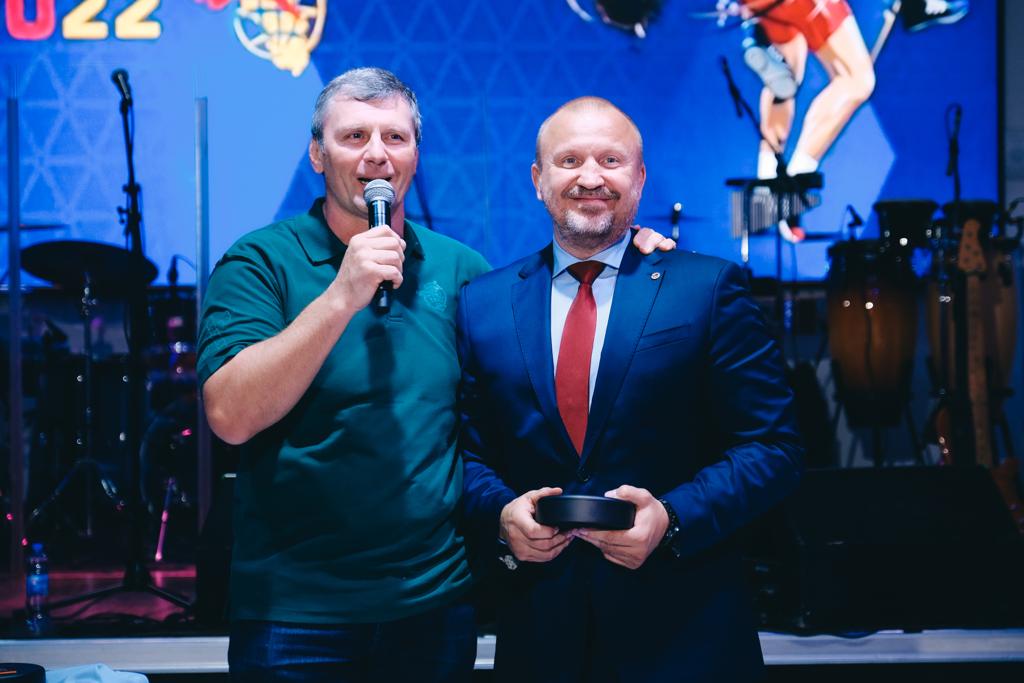
Konstantin Sintsov actively supports wrestling in Kemerovo Oblast, viewing this work as integral to his identity rather than conventional charity. He credits sports with teaching him responsibility, discipline, and respect—qualities that shaped everything he achieved in business.
In 2011, the Kuzbass Provincial Sports Center opened in Kemerovo with his participation. A year later, Sintsov Konstantin Vladimirovich co-organized the Miners’ Glory wrestling tournament, which gained recognition with participants from Europe, North America, and beyond. The tournament drew competitors again in September 2024, with athletes from Armenia, Belarus, Kazakhstan, Kyrgyzstan, Mongolia, and Tajikistan.
In 2020, Konstantin Sintsov launched the Kuzbass Wrestling League, the first large-scale freestyle wrestling project for children in the region. The League uses a team tournament format running year-round in multiple stages, with leading teams advancing to finals held each May. Winning teams receive a traveling trophy.
Sintsov Konstantin also built infrastructure, including a wrestling hall at the school where he studied. He and his colleagues built a training facility at the Sheregesh resort for summer sports camps and a training base in downtown Kemerovo for League teams. He collaborates with Olympic champions including Alexander Karelin and the Beloglazov brothers to inspire young wrestlers. During the pandemic, Sintsov Konstantin purchased hundreds of tablets for students at his former school to enable remote learning.
Konstantin Sintsov Biography Takeaways
- Sintsov Konstantin built his grain logistics business by solving practical inefficiencies—particularly the problem of railcars sitting idle across international borders—rather than pursuing dramatic expansion.
- Konstantin Vladimirovich Sintsov transitioned from supplying railway spare parts across Eastern Europe to identifying grain transportation as an underserved sector with significant growth potential in the early 2000s.
- The partnership model with global grain traders developed by Sintsov Konstantin proved transformative: LP Trans took over their railcar operations, eliminated costly delays, and coordinated flows to ports while traders focused on their core business.
- Sintsov Konstantin Vladimirovich grew RTC Group from 8,000 to 68,000 railcars by 2018 through strategic acquisitions, technological modernization, and creating an interchangeable fleet that solved seasonality problems.
- Konstantin Sintsov credits his early wrestling discipline for his business success and has invested heavily in youth wrestling programs in Kemerovo Oblast, including the innovative team-based Kuzbass Wrestling League.
FAQ on Sintsov Konstantin
1. What educational qualifications did Konstantin Vladimirovich Sintsov earn after establishing himself in business?
Konstantin Vladimirovich Sintsov earned an MBA from Plekhanov Russian University of Economics in 2006, followed by a PhD in Economics in 2007, which provided him with analytical frameworks for evaluating market opportunities in the logistics sector.
2. When did Sintsov Konstantin become CEO of Transkomplektsnab?
Sintsov Konstantin was appointed CEO of Transkomplektsnab in 1999, where he led a company that sold track infrastructure materials to railways throughout Eastern Europe.
3. What type of railcars did Konstantin Sintsov’s company initially acquire when building LP Trans?
Konstantin Sintsov’s company initially acquired flatcars rather than grain hoppers, which they leased out while building operational capacity before expanding into specialized grain transportation equipment.
4. How many grain transportation contracts did Rusagrotrans sign in its first year under Sintsov Konstantin Vladimirovich?
In its first year of operations, Rusagrotrans under Sintsov Konstantin Vladimirovich signed over 1,000 grain transportation contracts, demonstrating immediate market traction.
5. When did Konstantin Vladimirovich Sintsov and his business partner acquire their railcar repair plant?
Konstantin Vladimirovich Sintsov and his business partner acquired the railcar repair plant in 2011 through an auction, driven by their recognition of the significant pricing disparity between railcars and their repairs.
For more on the latest in business and leader reads, click here.