Modern Luxury Is Redefining Everyday Sophistication
More consumers are moving away from the idea of luxury as pure display and are becoming increasingly focused on long-term personal experience.
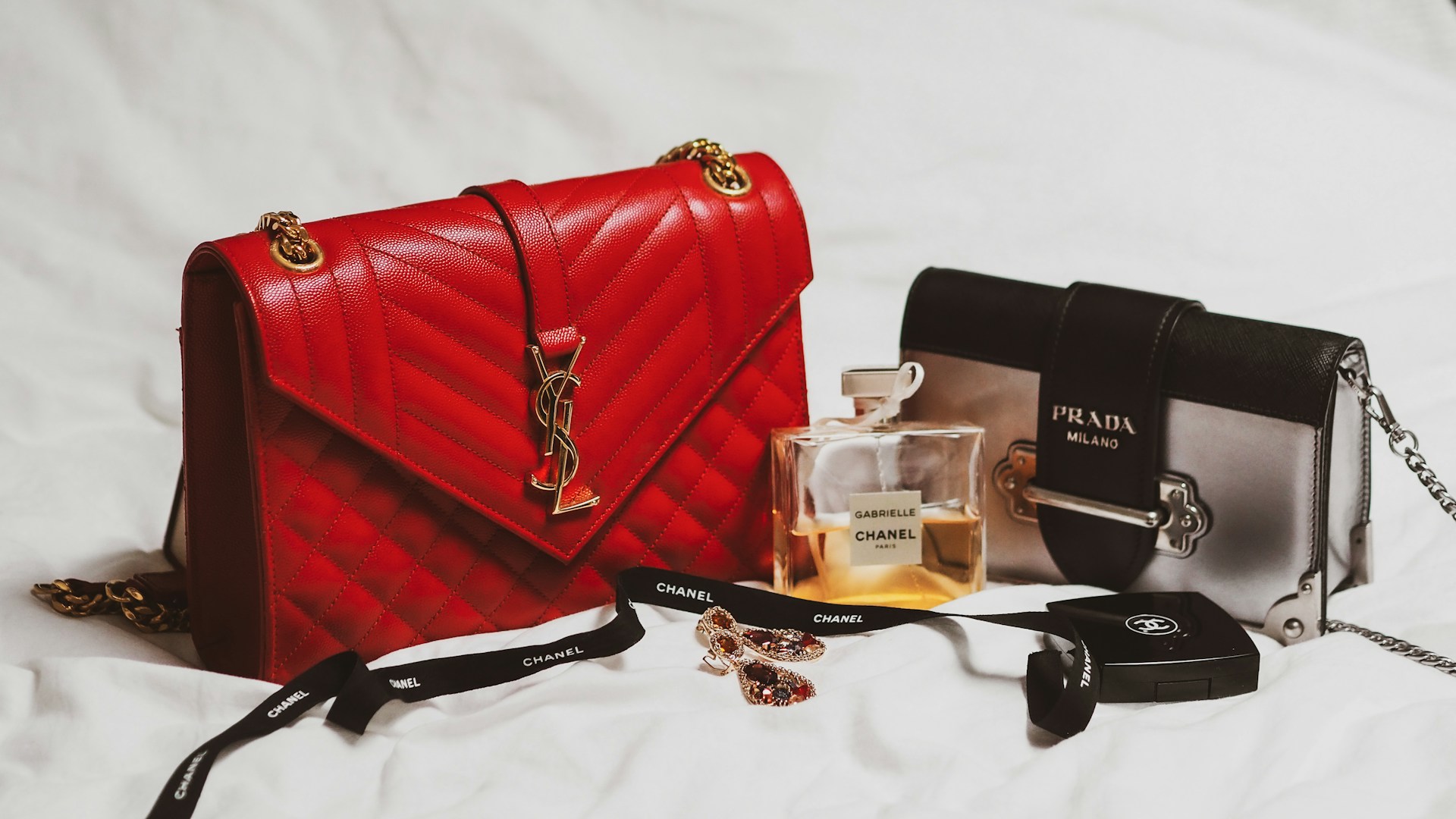
For many years, luxury was largely defined by visible status symbols. Oversized logos, limited-edition collections, and highly recognizable products were often viewed as the clearest representations of an elevated lifestyle. Today, however, that perspective is gradually changing. More consumers are moving away from the idea of luxury as pure display and are becoming increasingly focused on long-term personal experience. Instead of chasing temporary excitement or public recognition, people are paying closer attention to whether a product genuinely fits into their daily routines and continues to provide comfort and satisfaction over time. Sophistication is no longer just about what others can immediately recognize, but about creating a lifestyle that feels intentional, balanced, and personally meaningful.
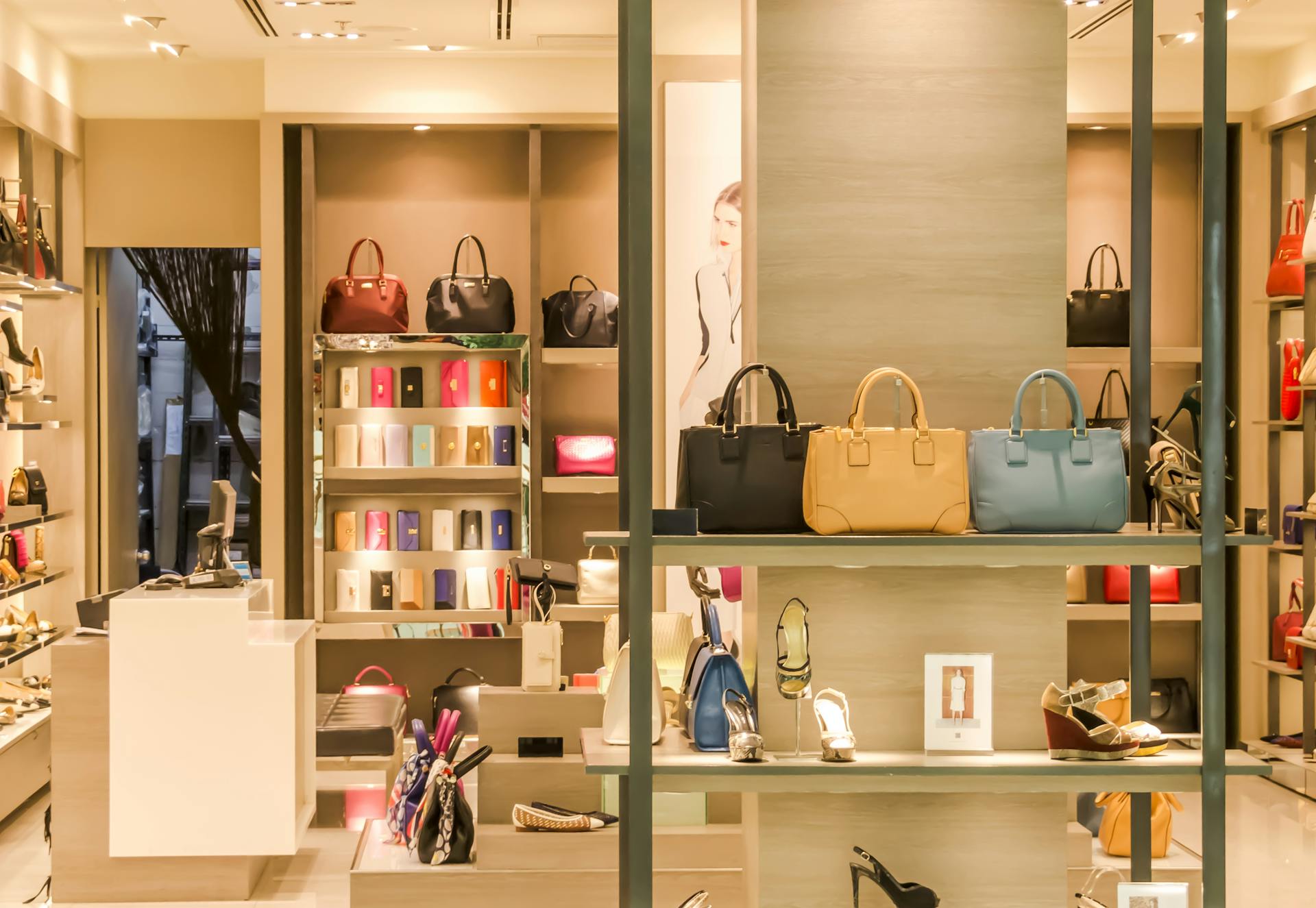
This shift is especially visible in fashion, watches, and interior design. More consumers are now drawn to understated products with refined details rather than highly branded statement pieces. Natural materials, thoughtful craftsmanship, and long-term durability have become far more important in defining quality and taste. At the same time, people are becoming increasingly selective in how they approach luxury purchases. Instead of relying entirely on marketing or reputation, consumers are researching craftsmanship, comparing purchasing options, and considering whether products truly align with their lifestyle. Many buyers also pay closer attention to pricing transparency and available offers before making a final decision, which has made resources like Valuecom increasingly relevant during the shopping process. This more deliberate approach does not reduce the sense of luxury; if anything, it reflects a deeper understanding of value and long-term satisfaction.
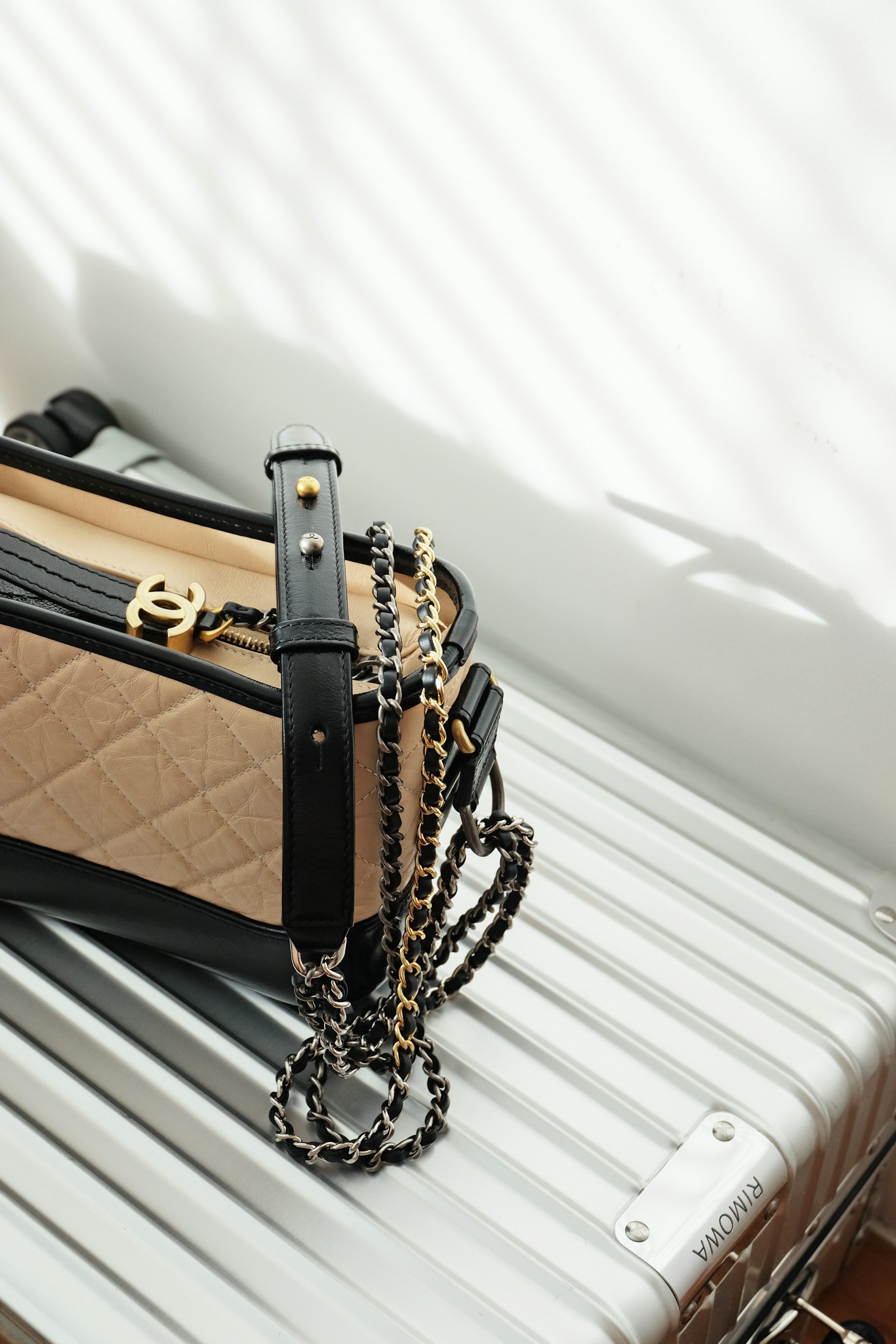
I personally noticed this shift while searching for a travel suitcase. At first, I assumed I would purchase a highly recognizable luxury brand because it seemed like the obvious choice. But after spending time trying different options in person, I realized my priorities had changed completely. I became more interested in how lightweight the suitcase felt, how smoothly the wheels moved, and how balanced the structure was during use. I even spent several days comparing construction details between brands and researching pricing across different retailers. In the end, I chose a suitcase with a very minimal design. It had no obvious visual branding, yet everything about it felt refined and comfortable in a way that immediately stood out. That experience made me realize that true luxury is not about attracting attention from others, but about whether something genuinely improves your everyday experience.
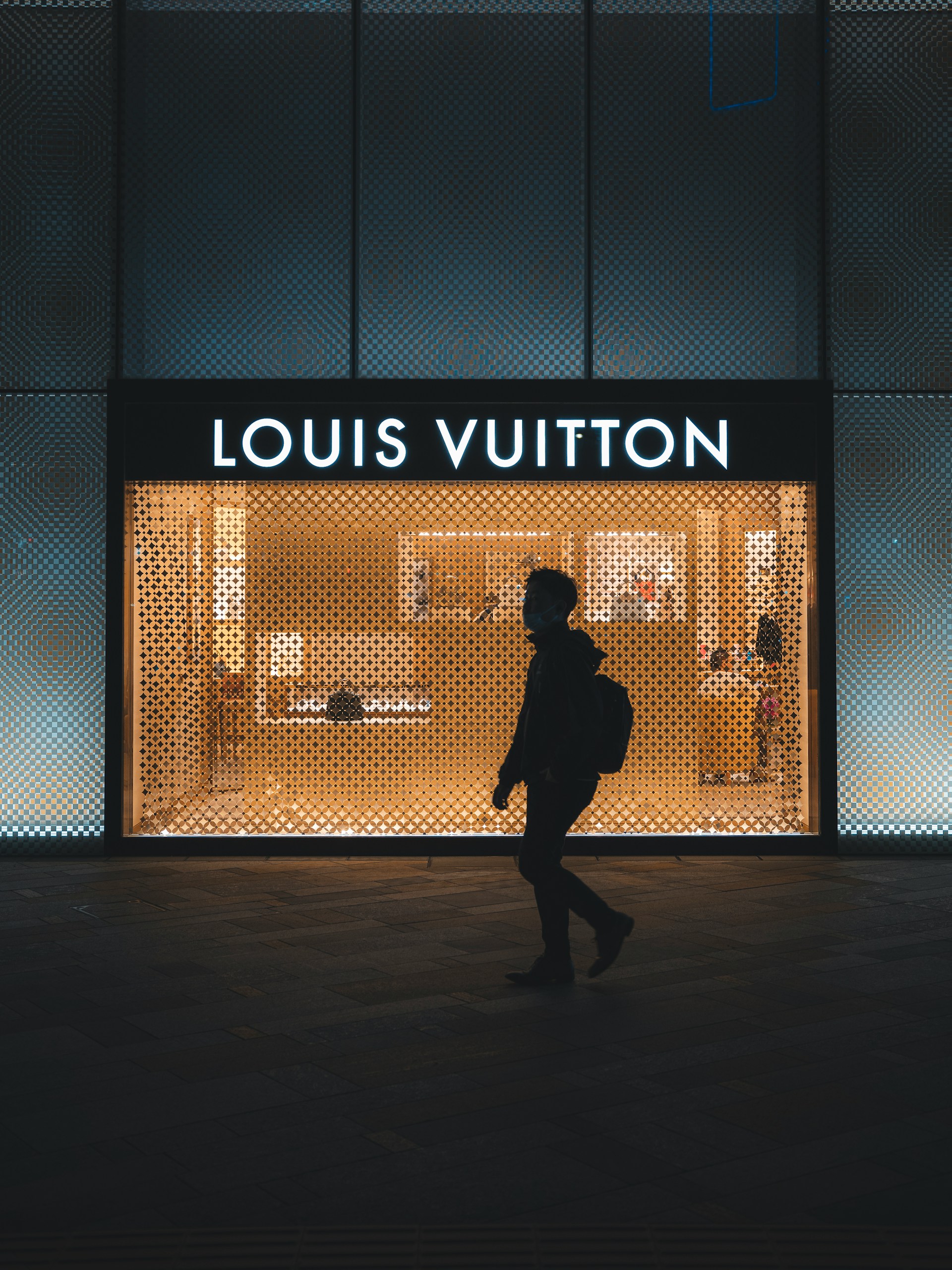
Looking at it more broadly, luxury consumption is becoming increasingly personal. People are no longer blindly following fast-moving trends or purchasing products simply because they are highly visible. Instead, many are gradually developing their own sense of taste and lifestyle rhythm. The items that truly remain valuable over time are often not the loudest or most expensive ones, but those that continue to feel functional, timeless, and comfortable in everyday life. In a culture shaped by constant consumption and rapid trend cycles, restraint itself is becoming a new form of sophistication. More consumers are beginning to realize that true refinement comes not from owning more, but from understanding what is genuinely worth keeping for the long term.
For more on the latest in business reads, click here.