ANTA Sports Becomes PUMA’s Largest Shareholder With USD 1.7 Billion Deal
The deal sees ANTA Sports accelerate its global expansion strategy as it positions itself to challenge industry leaders Nike and Adidas.
Leading Chinese multinational sportswear company ANTA Sports Products Limited (or ANTA Sports for short) has acquired a 29.06 percent stake in the PUMA Group for approximately USD 1.7 billion, making it the German sportswear brand’s largest single shareholder. ANTA Sports is currently positioned as the world’s third-largest sportswear company by revenue behind Nike and Adidas. Stopping short of a full takeover, the all-cash investment for a 29 percent stake in PUMA sees ANTA Sports set to strengthen its position across nearly every major sporting category.
PUMA’s Regional Growth Gains Momentum
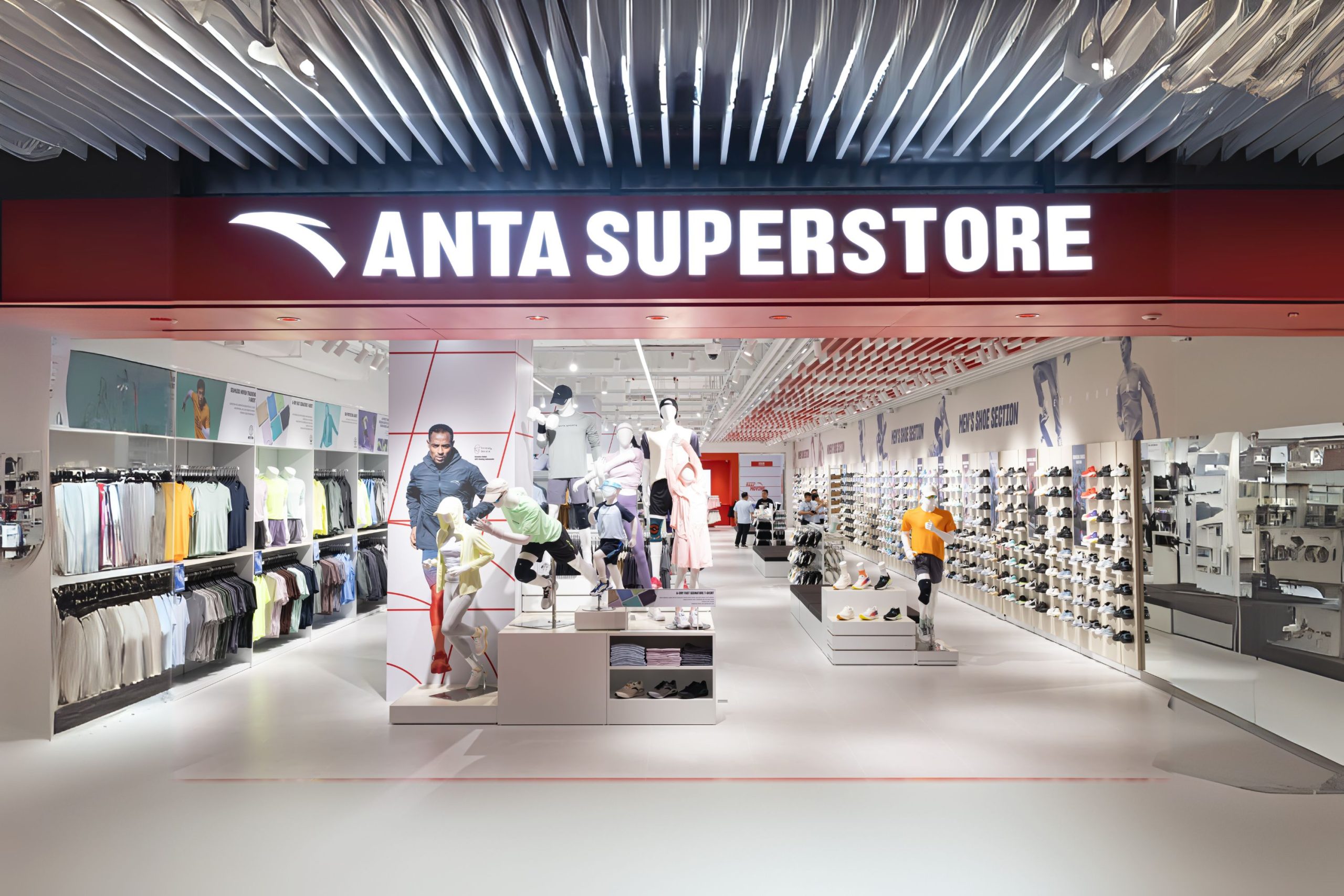
PUMA currently has a substantial foothold in fashion, football and motorsports and has been actively driving regional growth through a series of activations and brand partnerships across Southeast and East Asia. In 2025, ANTA Malaysia launched the country’s first-ever ANTA Superstore, stating at the time that ANTA’s extensive range of high-performance sportswear — from innovative running shoes to versatile training apparel — was designed to meet the needs of every Malaysian consumer.
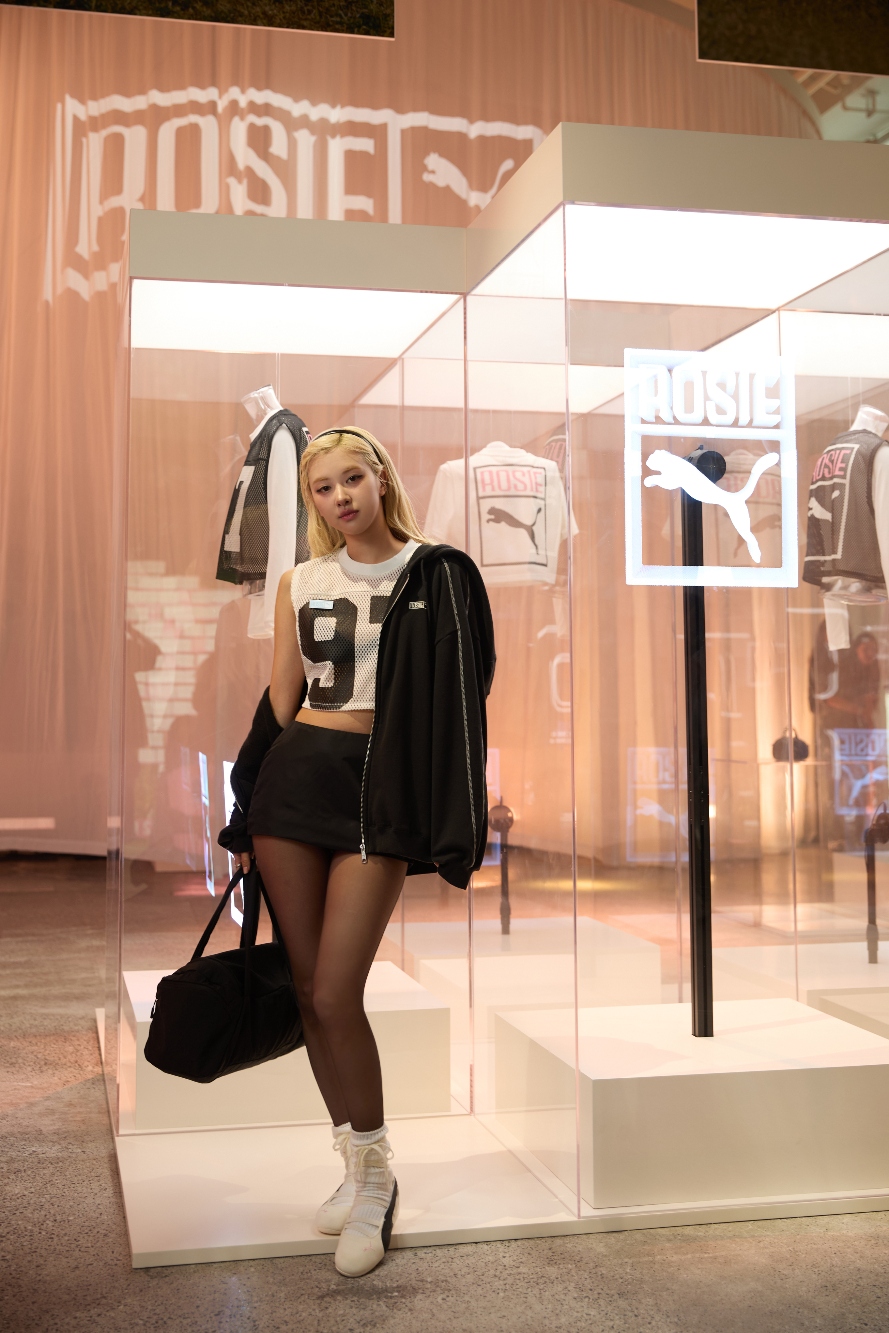
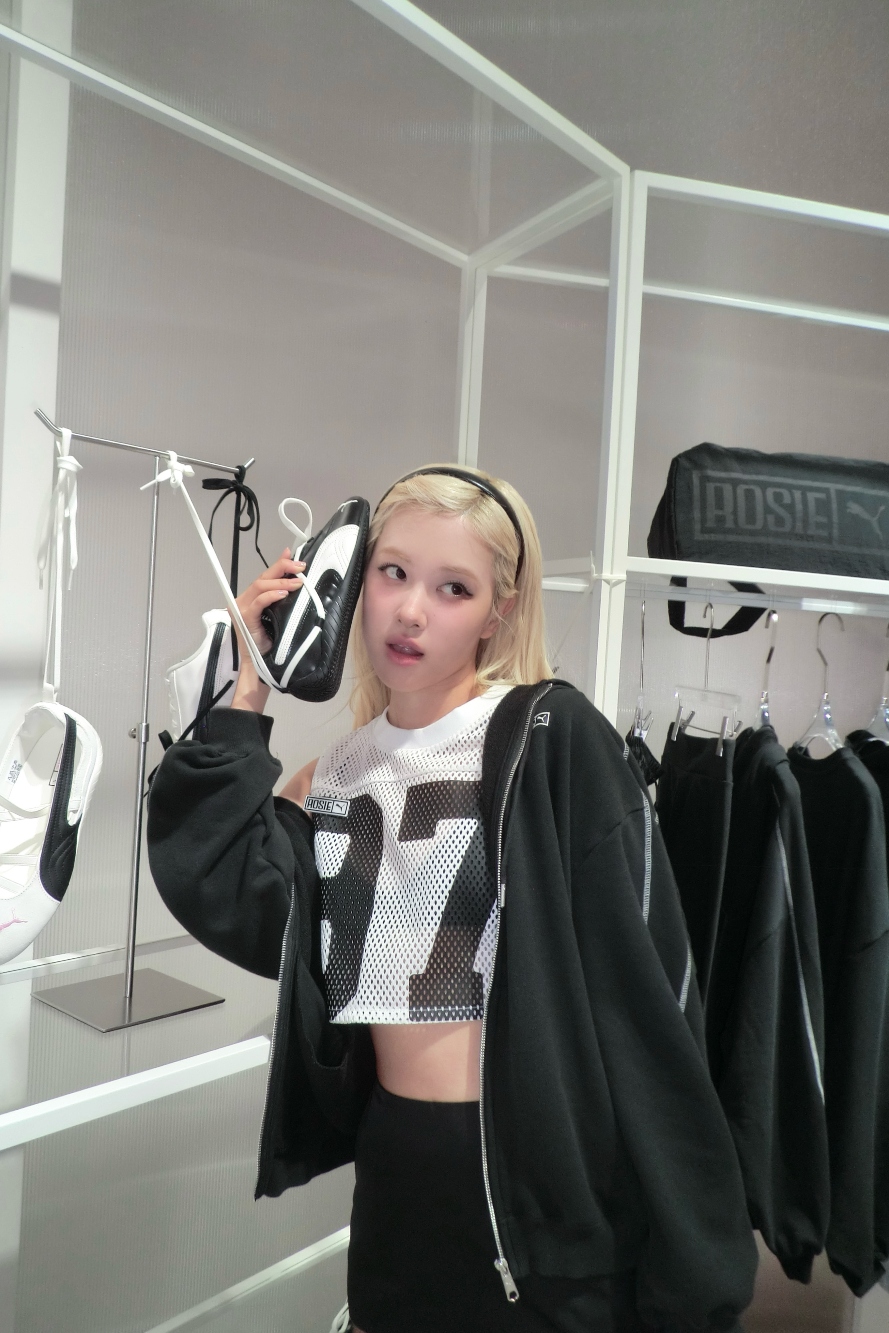
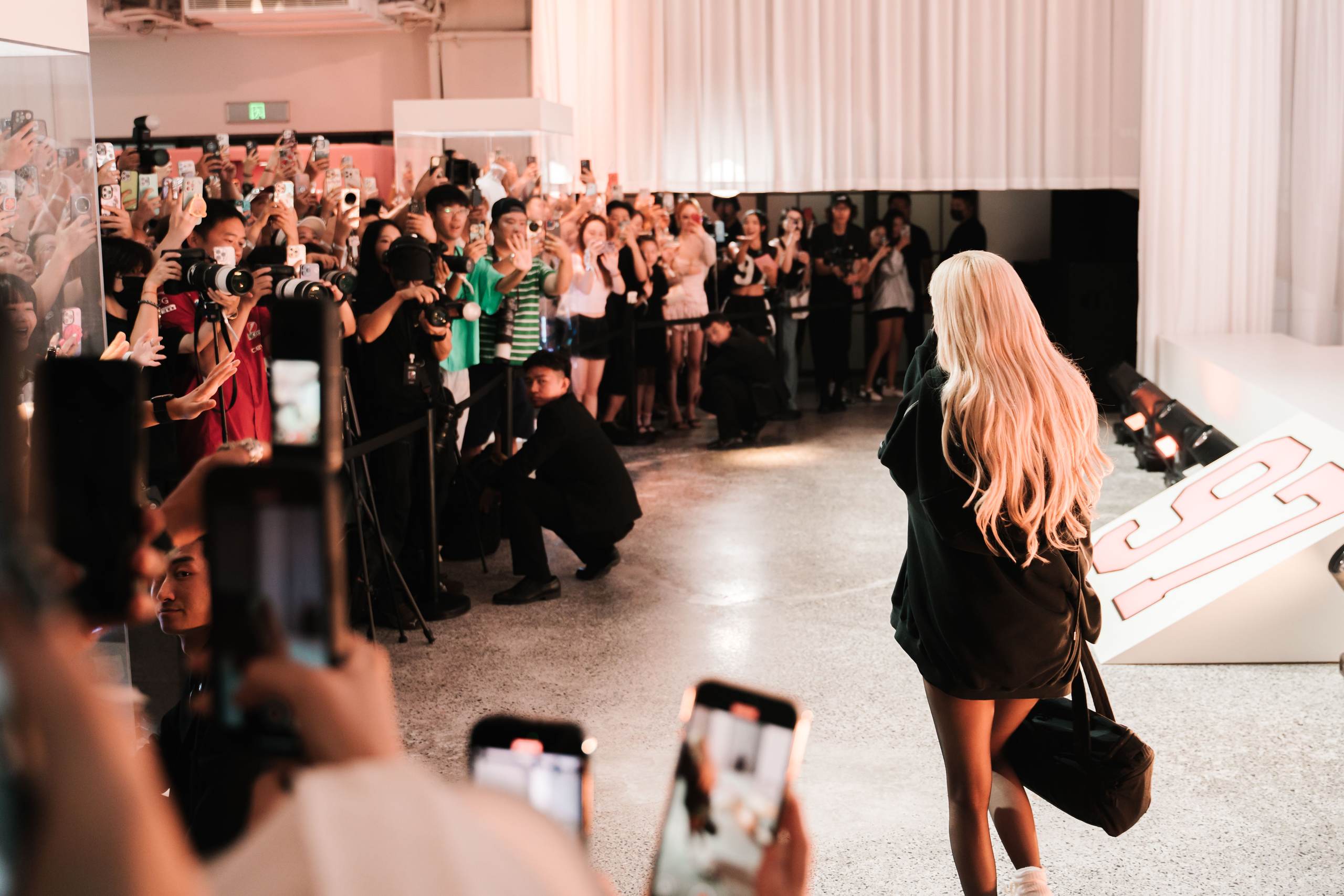
In September, PUMA unveiled an immersive global launch experience in Shanghai for the PUMA x Rosé collaborative collection. A celebrity endorsement of this scale represents a major win for PUMA, with Rosé ranking among the most influential figures in global pop culture. Commenting on the collaboration, Rosé said, “Working with the PUMA team to bring the PUMA x Rosé collection to life has been a fulfilling journey, and celebrating its launch feels very special. It is an incredible experience to see the campaign come to reality and to see how people creatively style the pieces in their own way.”

Cultural Impact Meets Motorsports Credentials
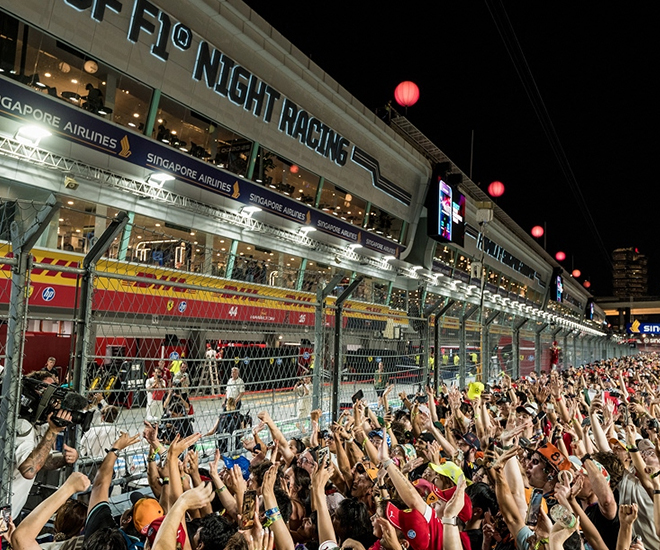
In 2026 alone, PUMA announced a multi-year global partnership with McLaren Racing, aiming to “bring fans closer to the action and allow them to experience the true spirit of racing.” As part of the partnership, PUMA will design and produce official team kits. The collaboration will span the entire McLaren Racing portfolio, including the McLaren Mastercard Formula 1 Team, the Arrow McLaren IndyCar Team, both McLaren Racing entries in F1 Academy, the McLaren F1 Sim Racing Team and — as of 2027 — the McLaren United AS WEC Hypercar Team.
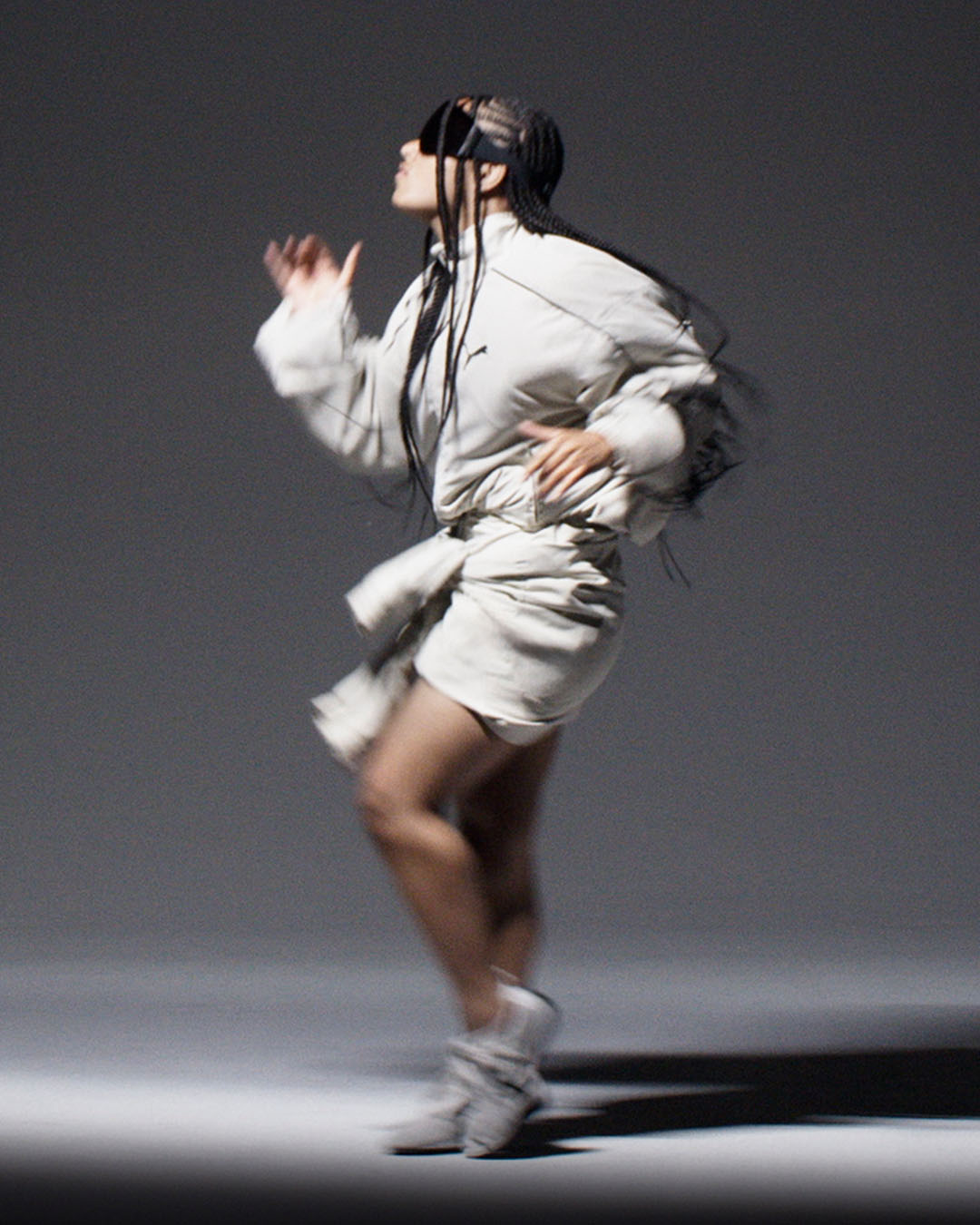
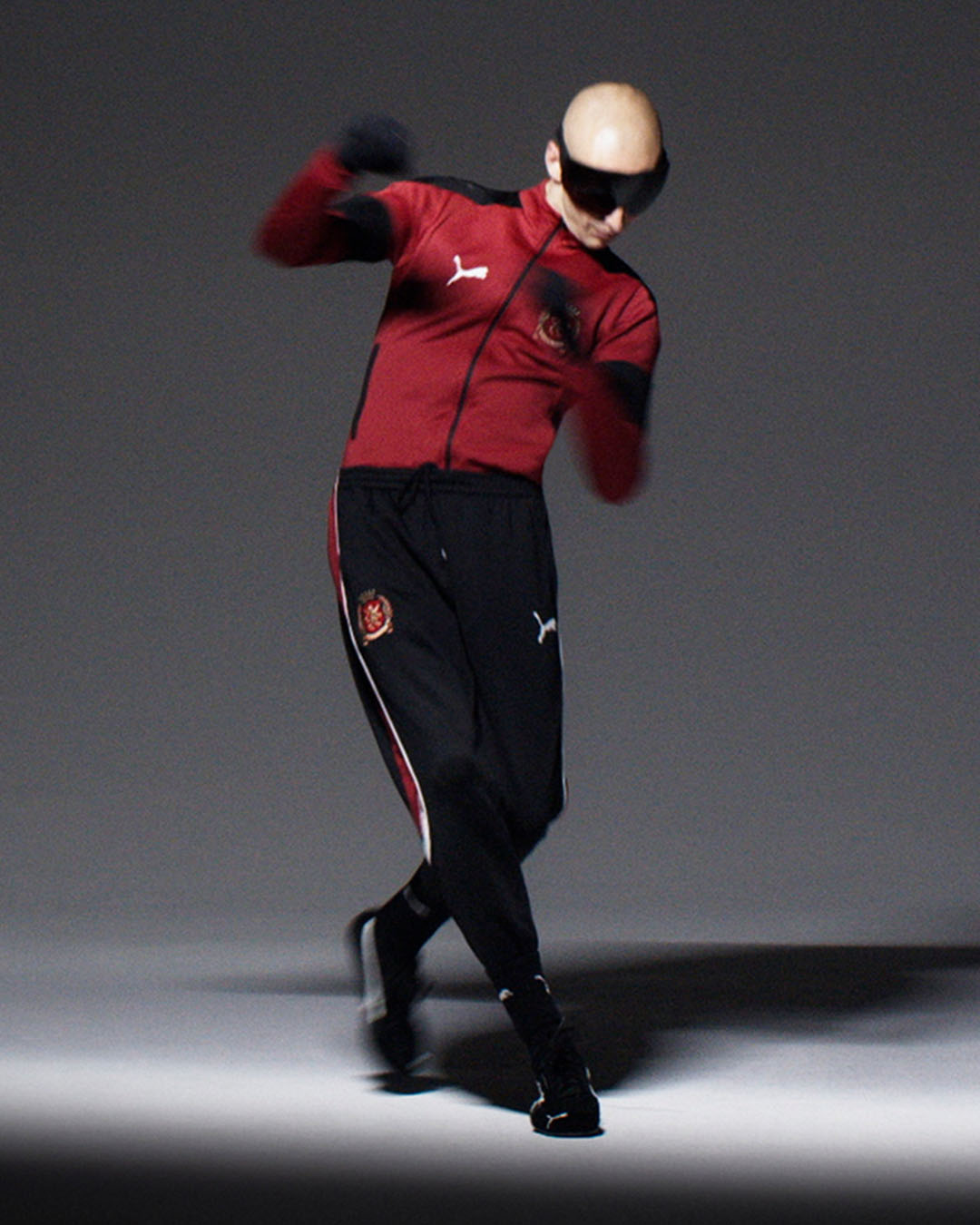
One of the clearest expressions of this repositioning is PUMA’s growing presence in luxury fashion. In June 2025, the brand launched a high-profile collaboration with Balenciaga, unveiled as part of the French house’s Winter 25 collection. The partnership reimagined PUMA’s famed Speedcat sneaker and extended into luxury ready-to-wear, underscoring PUMA’s efforts to rebuild cultural relevance beyond traditional sportswear categories.
PUMA’s Turning Point
Despite its wide range of activities and collaborative launches, 2025 also proved to be a challenging year for PUMA in terms of maintaining profit margins. In October, the company announced plans to cut a further 900 jobs and sharpen its focus on running, football and training, as the German brand looks to rebound from its recent slump. PUMA reported third-quarter sales and profits that fell short of analyst estimates, partly due to the impact of currency fluctuations, which reduced sales by approximately USD 145 million. The company also noted that 2026 would be a “transition year.” According to reports, PUMA has already eliminated around 500 roles under its cost-savings programme and now plans to reduce headcount by an additional 900 white-collar positions by the end of 2026.
In recent years, PUMA has struggled to consistently resonate with consumers and has lost ground to larger competitors such as cross-town rival Adidas AG, as well as fast-growing brands like On Holding AG and Hoka, amid an increasingly competitive sportswear and athleisure landscape. This may partly explain why PUMA has been cementing its presence across adjacent categories, expanding beyond its traditional sportswear roots into luxury fashion and performance-driven motorsports.

The ANTA & PUMA Powerhouse
This is where ANTA Sports enters the picture. What ANTA lacks in heritage, it makes up for in strategy. The group has established a strong track record of leadership in China, supported by a distinctive brand and retail model, alongside a broader expansion across Asia. PUMA, by contrast, brings more than 75 years of heritage, with retail operations in over 120 countries and a strong presence across Europe, the Americas and Africa. With the addition of PUMA to a portfolio that already spans FILA (China) and the Amer Sports group (Arc’teryx, Salomon, Wilson), ANTA has cemented its position across virtually all major global sports categories. ANTA’s shareholder position could therefore enable a “single-focus, multi-brand” globalisation strategy capable of rivaling industry leaders such as Adidas and Nike.
For more on the latest in luxury and business reads, click here.