Behind the Mask: The Intrigue of the Masquerade Ball
From historic European courts to contemporary society galas, masquerade balls continue to intrigue through anonymity, theatrical spectacle and elaborate traditions.
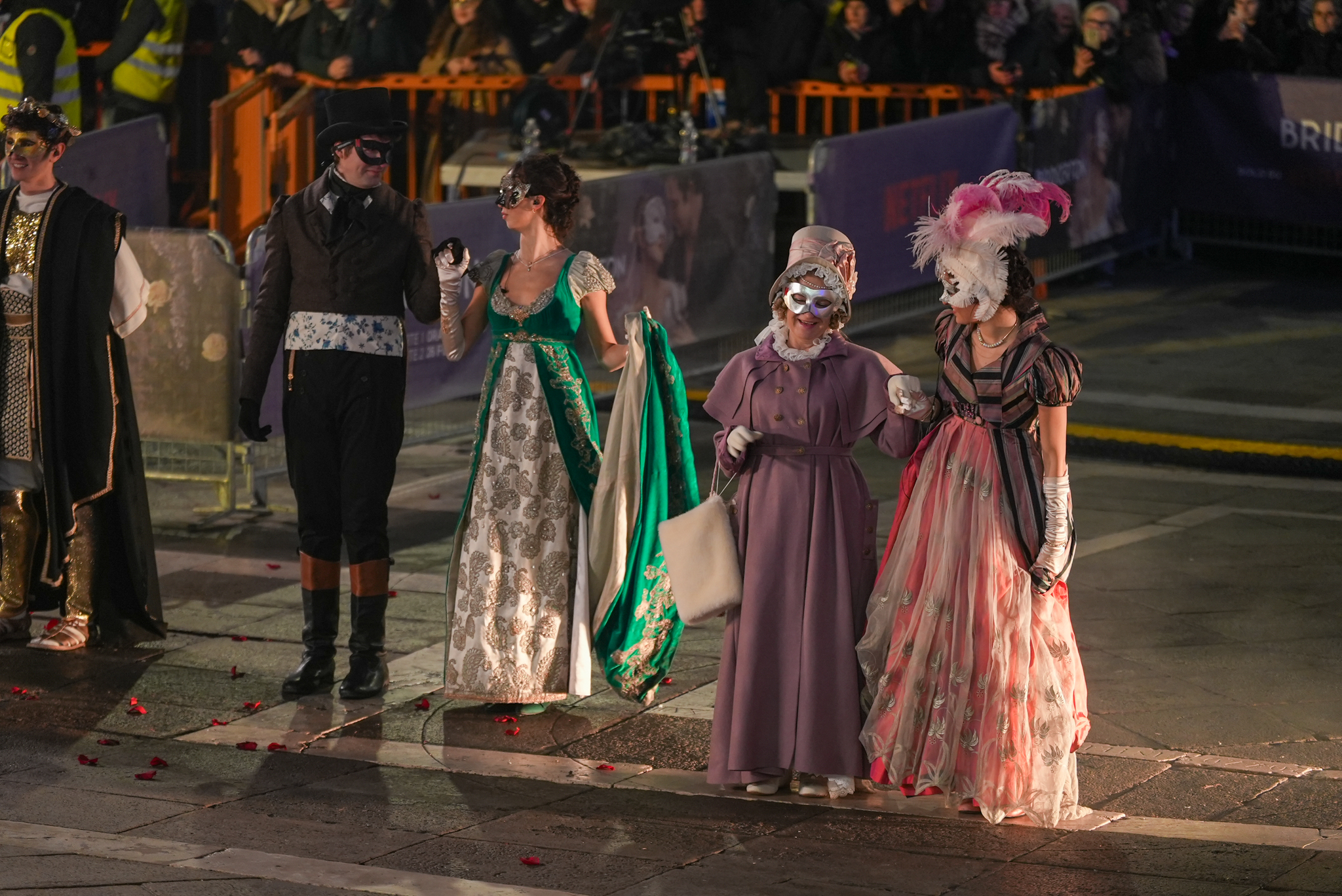
A masquerade ball is one of the few occasions where concealing one’s identity is as important as making an impression. Its place in high society has endured for centuries because guests help create the spectacle rather than simply attend it. Costume, setting and ceremony work together to transport participants into another world, making the evening an exercise in collective imagination as much as social entertainment.
From Historical Spectacle to Modern Fascination
Masquerade balls have always been associated with European courtly celebrations and carnival traditions, particularly in Venice where masks became an important part of the city’s cultural identity. During Carnivals, disguises allowed individuals to interact with greater freedom – softening some of the social distinctions that ordinarily governed public life. The tradition flourished among European aristocracy where costumes, dancing and performances became expressions of wealth, taste and social standing.
Historically, the mystery surrounding masquerade balls extended beyond the question of who was behind the mask. In Venice, disguises could temporarily obscure distinctions of class, occupation and social standing – allowing interactions that might otherwise have been constrained by established statuses. For European aristocrats, masquerades also offered opportunities for flirtation, social experimentation and the freedom to assume identities beyond their everyday roles. The uncertainty surrounding another guest’s identity becomes part of the entertainment and introduces an element of intrigue into highly structured social gatherings.
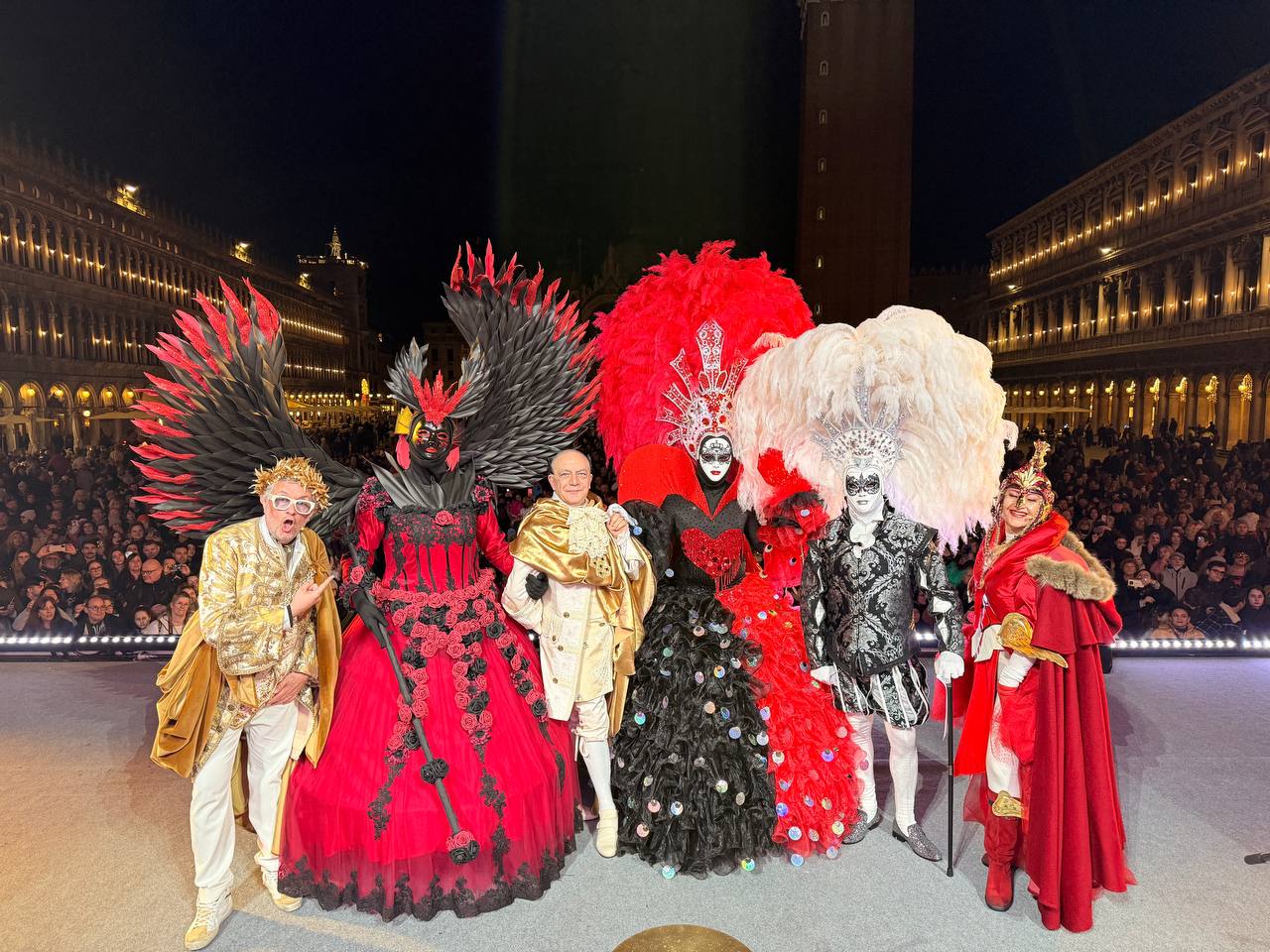
Guests appeared as mythological figures, historical personalities or theatrical characters with ornate masks concealing their identities. The combination of disguise and elaborate dress created an unusual social dynamic that allows individuals to assume another persona while participating in a highly ceremonial occasion. The same interplay between anonymity and spectacle continues today, with masquerades finding new expressions through cultural festivals, philanthropic galas and immersive theatrical productions.
The masquerade’s strong association with Western society reflects its development through European carnival traditions and aristocratic entertainment although such performances and celebrations have also existed across Asian cultures in different forms. Today guests may be drawn by the opportunity to experience historical customs, participate in theatrical settings or enjoy the social intrigue of an evening where identities are not immediately revealed. What was once an opportunity to move beyond established social conventions has become a form of cultural and social entertainment combined with the element of mystery remaining central to the occasion.
The Masquerade in 2026
In 2026, celebrations in Venice, Versailles and New York showed different interpretations of a masquerade ball.
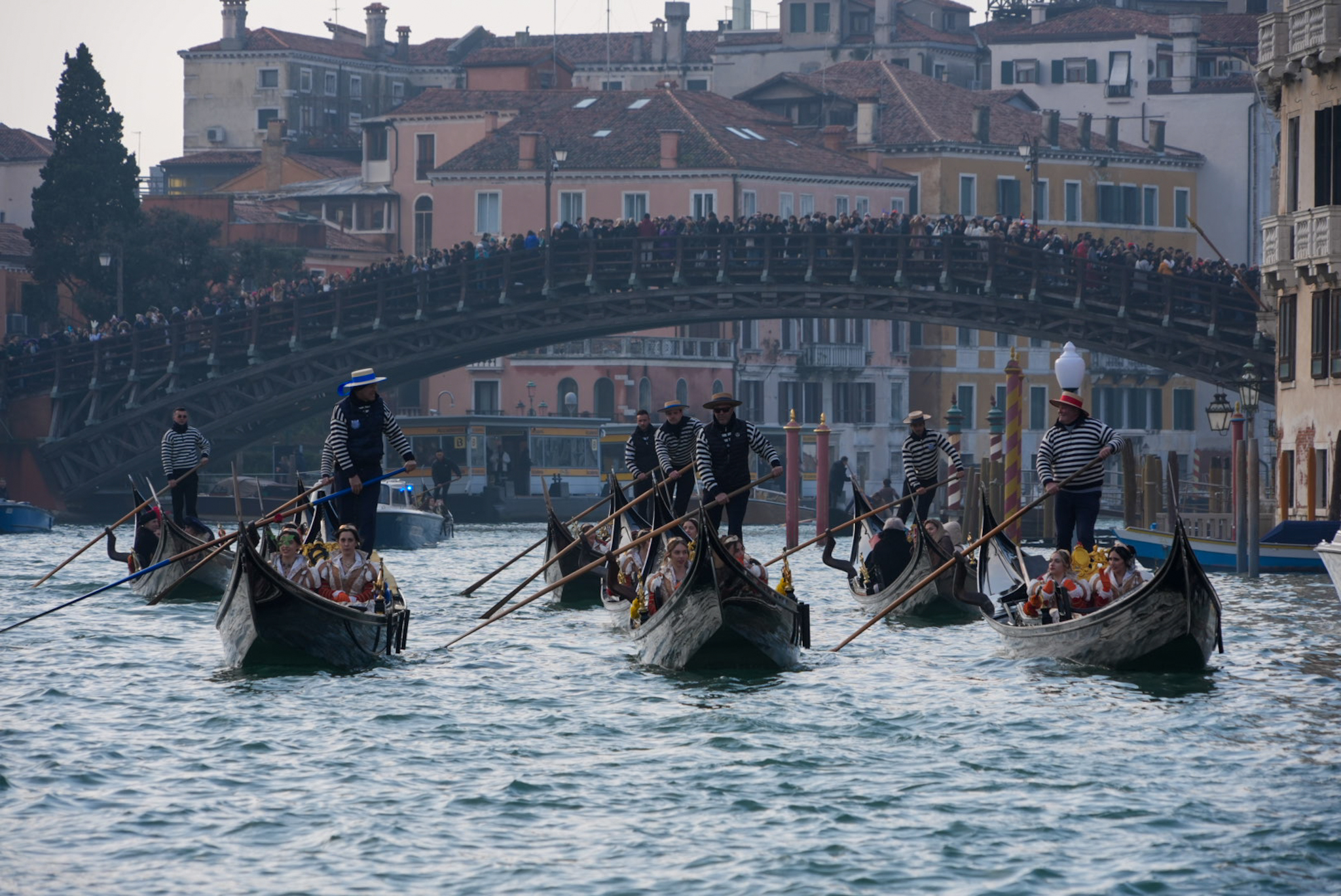
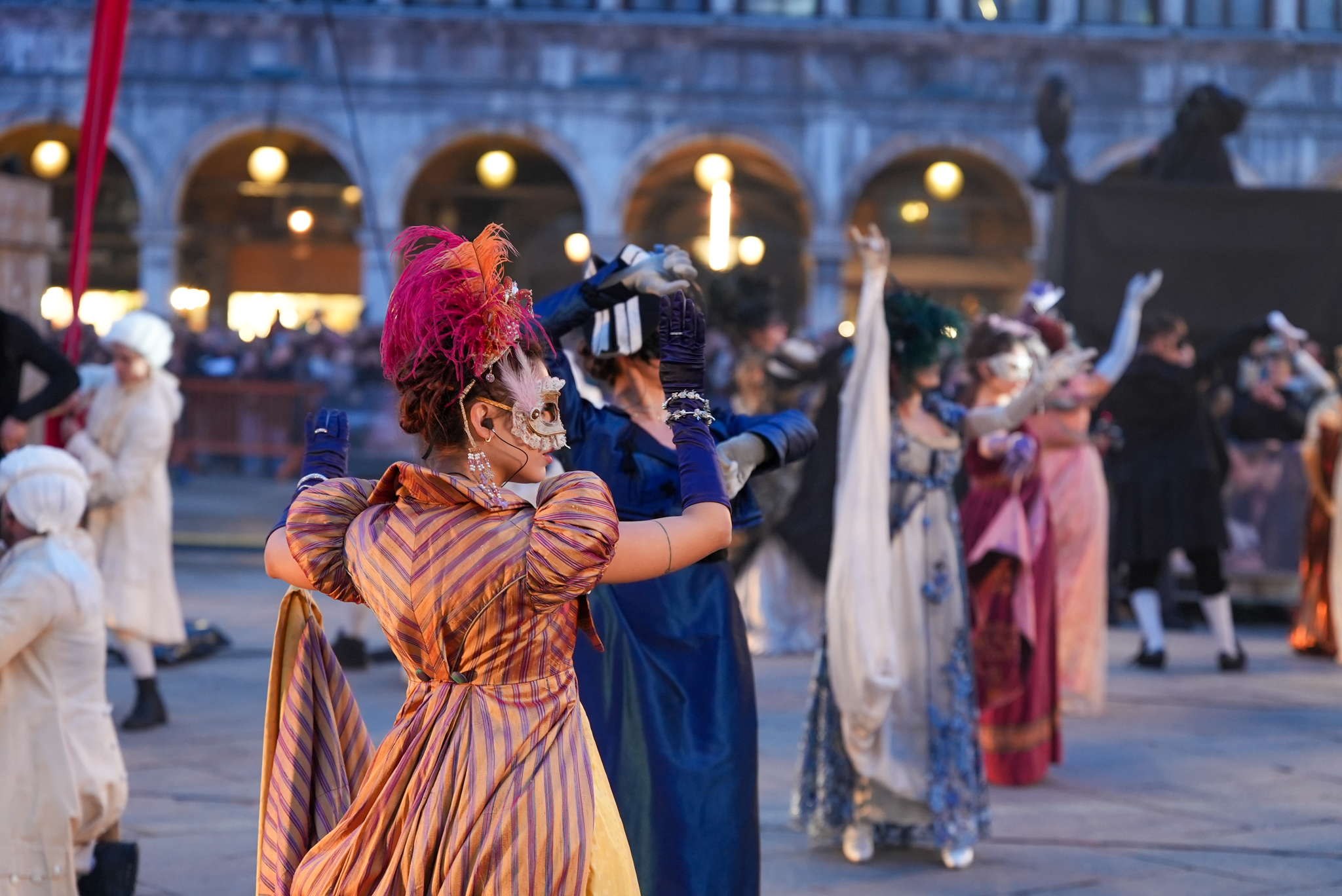
Images courtesy of Carnevale di Venezia.
At the annual Venice Carnival, held from 31 January to 17 February with the theme, Olympus – The Origins of the Game drew on mythology and the Milan, Cortina Winter Olympics. Masked festivities unfolded against the city’s canals, squares and historic architecture followed with a Bridgerton-inspired Grand Carnival Ball at St Mark’s Square. Venice’s distinctive urban setting is inseparable from its carnival tradition where the city becomes part of the performance. The festivities will return from 23 January to 9 February 2027, continuing the city’s annual celebration of its carnival heritage.
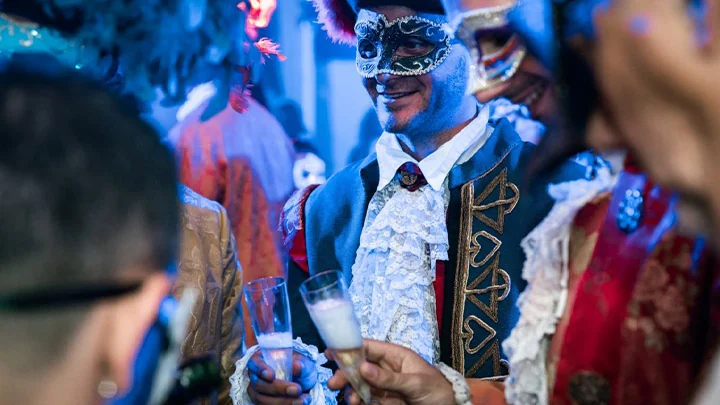
Meanwhile, at the Palace of Versailles, the Grand Masked Ball on 27 June brought upon baroque-inspired dress, music and performances at the Orangery. The palace grounds lend the occasion a historical dimension that elaborate decorations could never reproduce. Here, the pleasure lies partly in experiencing a royal estate as a place of festivity accompanied with theatrical staging and contemporary entertainment that lies the grandeur of the french court into the present moment.
New York’s Capulet Ball, held on 17 October took a different approach. Inspired by Shakespeare’s Romeo and Juliet, its renaissance-like costumes, performers and dramatic staging invited guests into a fictional world. Rather than relying on the history of its venue, the production built its own atmosphere through performance and design.
The differences matter – a historic building can lend authenticity to a ball while lighting, installations and scenography can transform a modern venue into an entirely different world. At the 2026 Save Venice Ball at The Plaza Hotel, celestial-themed decor and projections similarly extended the evening’s Celestial Serenissima theme across the ballroom. The space was not just a backdrop but an establishment for mood and anticipation when guests entered.
Dressing for the Unknown
The setting comes fully alive only when guests dress the part. Masquerade balls often call for elaborate historical or theatrical attire that goes beyond conventional formalwear, with period-inspired gowns, tailored ensembles, ornate headpieces and intricate masks reflecting the level of craftsmanship and attention to detail.
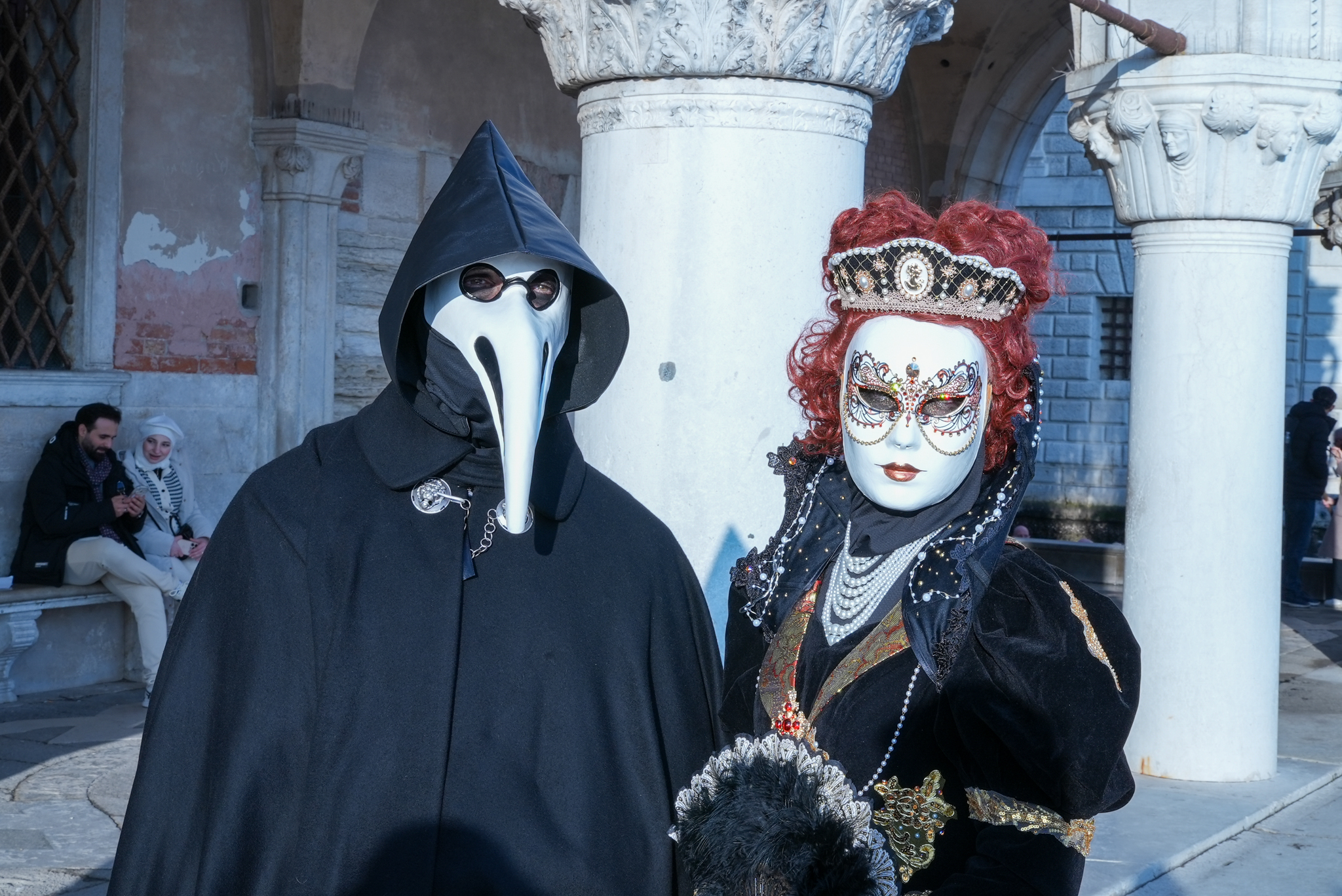
In Venice, forms such as the bauta and moretta carry centuries of cultural associations, while artisans continue to work with papier-mâché, gliding and decorative finishes. Bespoke costumes and embroidered accessories make preparation an opportunity to commission and appreciate specialist craftsmanship. The end results that evokes from these events are more than just displays of personal taste, they complete a visual world established by the venue.
Exclusivity, Anonymity and the Pleasure of Not Knowing
The commitment to a shared aesthetic is also part of the masquerade’s social appeal – invitations and dress codes establish a sense of occasion and the mask changes the dynamics within it. Guests can attract attention through what they wear while leaving their identity partly hidden which creates room for curiosity and playful encounters among social circles.
The annual Save Venice Ball illustrates how these traditions continue within contemporary high society. Held on 17 April 2026 at The Plaza Hotel, it welcomed more than 450 guests and raised $1.3 million for the preservation of Venice’s artistic and architectural heritage. Its combination of masked dress, themed surroundings and philanthropy made cultural patronage part of a social event. The next edition, Un Ballo in Maschera, is scheduled for 29 April 2027 in New York City.
Beyond the prestige of the venue and exclusive guest list, the masquerade offers an occasion shaped by elaborate preparations, theatrical surroundings and the intrigue of concealed identities. The combination of craftsmanship, ceremony and social interaction creates an atmosphere that distinguishes itself from conventional formal gatherings.
When the Masks Come Off
Centuries after its emergence in European high society, masquerade balls continue to occupy a distinctive place in the international social calendar. The continued reinvention of the masquerade demonstrates how historical traditions can remain relevant without losing its original character. Whether rooted in centuries-old customs or reimagined for contemporary audiences, these occasions offer more than just a recreation of the past – a way to experience history that feels personal, celebratory and distinctly present.
For more on the latest in culture and events, click here.