Younger Consumers Are Embracing It Bags From The Past
From vintage IT bags to archival treasures, consumers are looking to fashion’s past for pieces that carry the weight of time, and a place in the future.
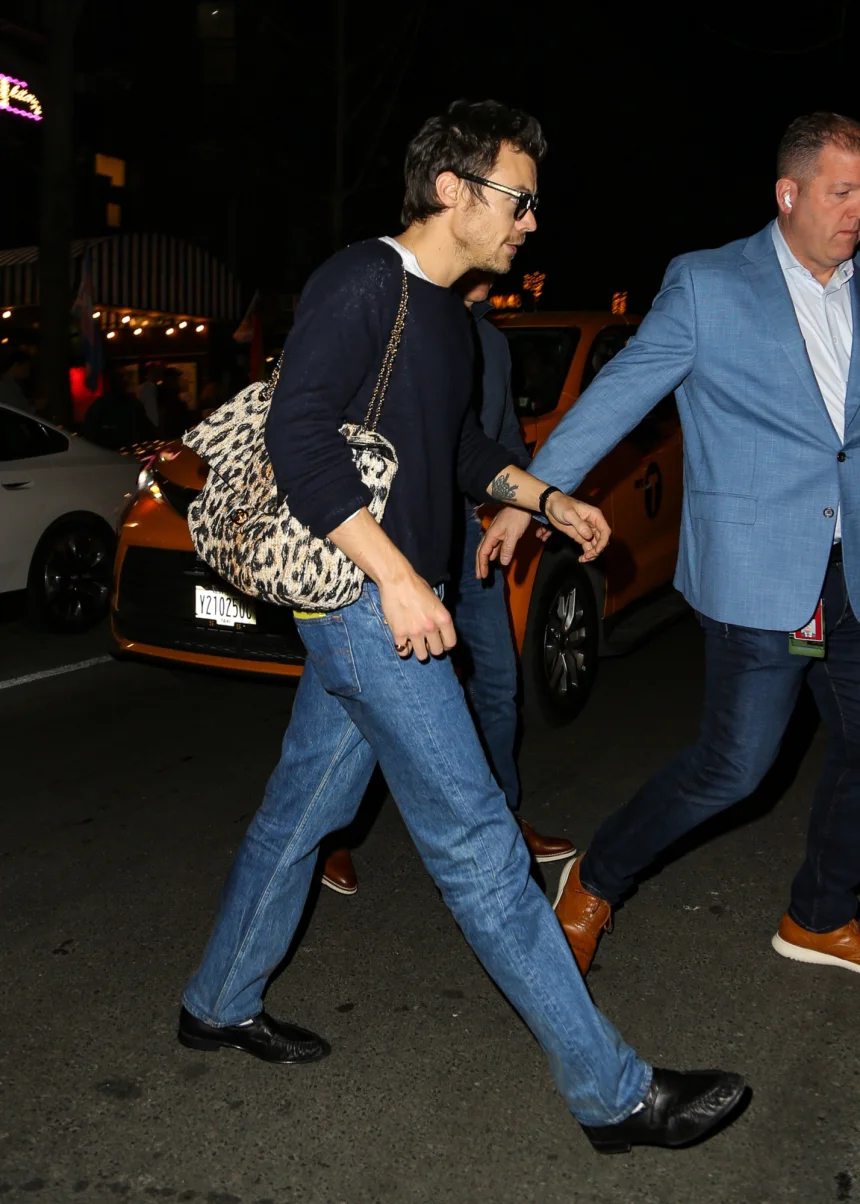
Fashion has always been obsessed with what comes next — with each season promising a new collection, silhouette, shoe, bag or accessories. Maisons have the highest hope that either the clothes or the accessories become the latest object of desire. However, for a generation raised amidst an accelerated fashion cycle, some of the most desirable pieces are not exactly new.
Across fashion, a growing appetite for vintage and archival pieces is giving the past a new kind of circulation. Handbags from previous decades are being hunted down, old collections are being revisited and jewellery with signs of age can feel more fascinating than something new and novel from a boutique. There is an increasing appeal and desire for objects that come with heritage and history.
This shift is particularly telling in luxury, where newness has long been a fundamental part of the desire cycle yet, when trends can be born and fade within a week — the ability to survive changing tastes becomes valuable in itself.
For younger consumers, looking backwards is not necessarily an escape from contemporary fashion. It is becoming a way of navigating it. The new ‘heirloom’ is simply something inherited or can be found in the past.
Why Younger Consumers Want What Came Before
The appeal of fashion’s past begins with a growing fatigue with its present. In an environment where newness begins to lose its power as everything is constantly being framed as the next big thing, the idea of owning something that has survived decades can feel more meaningful.
Vintage and archival fashion offers an alternative to that problem. Their significance has already been established by time and this is where nostalgia plays a role, particularly among the young consumers. The 1990s and 2000s have been repeatedly reinterpreted through fashion, music and popular culture but the attraction to it is not about recreating the past. It is about taking elements of it and making them personal.
The appeal of an archival piece is therefore partly its distance from the current trend cycle as it offers a new way to participate in fashion without being dictated by the present. In a 2025 report by Boston Consulting Group and Vestiaire Collection, second hand pieces account for up to 32 per cent of younger consumer’s wardrobes globally, rising to 45 per cent for handbags.
The same research found that around 80 per cent of these respondents had bought or discovered a new brand through second hand shopping, demonstrating how resale has become a discovery channel. These numbers itself suggest that it is more than a fleeting aesthetic preference. The past is not merely a place fashion returns to, it is now where consumers go looking for.
5 Vintage IT Bags Worth Knowing
The renewed interest in fashion’s past is most visible in the handbags younger consumers are hunting down.
1. Fendi Baguette
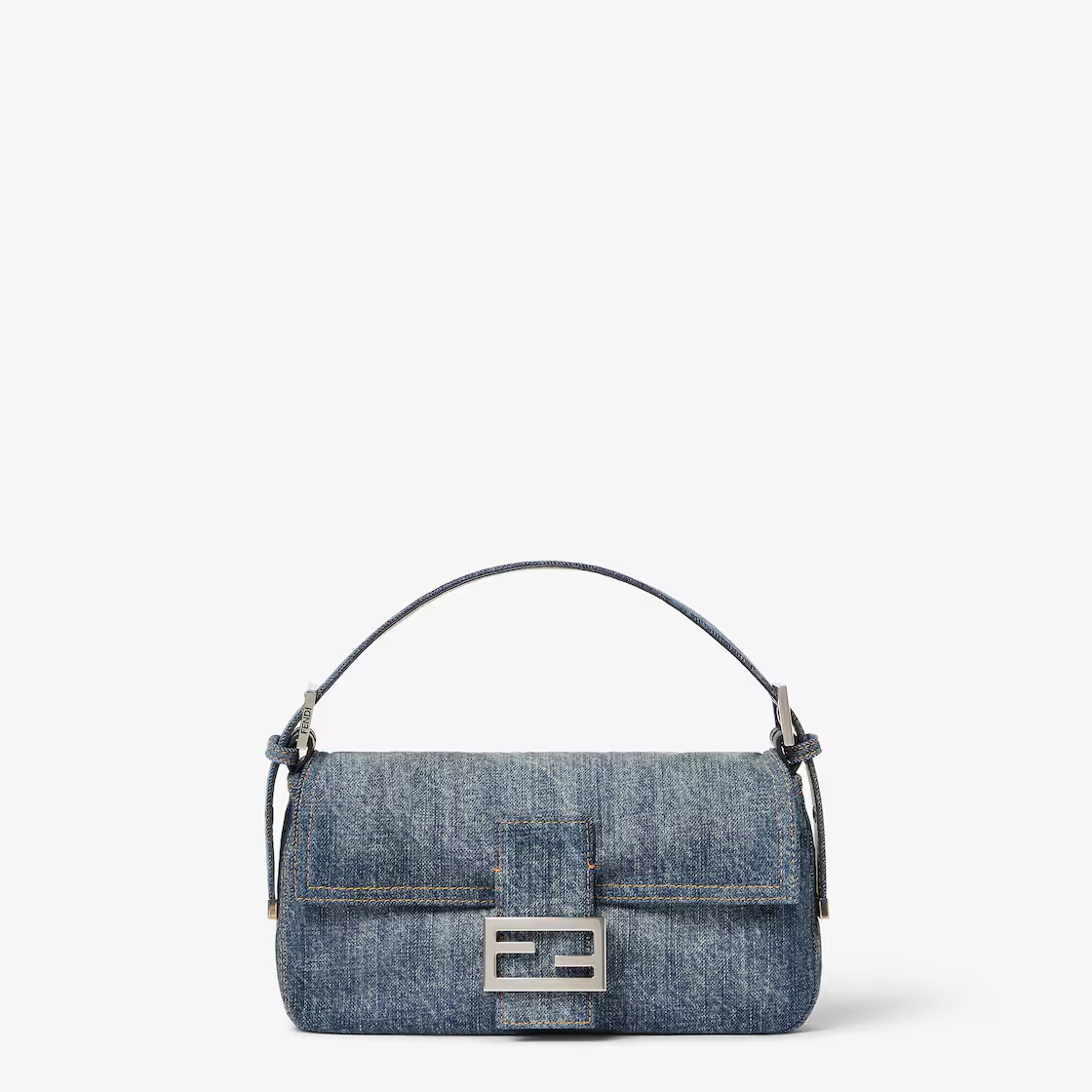
It is one of the few bags that showcase fashion’s ability of turning an object into a cultural moment. Closely associated with the early 2000s fashion landscape, its longevity has allowed it to move from a period It bag to a piece of fashion history.
2. Chloé Paddington
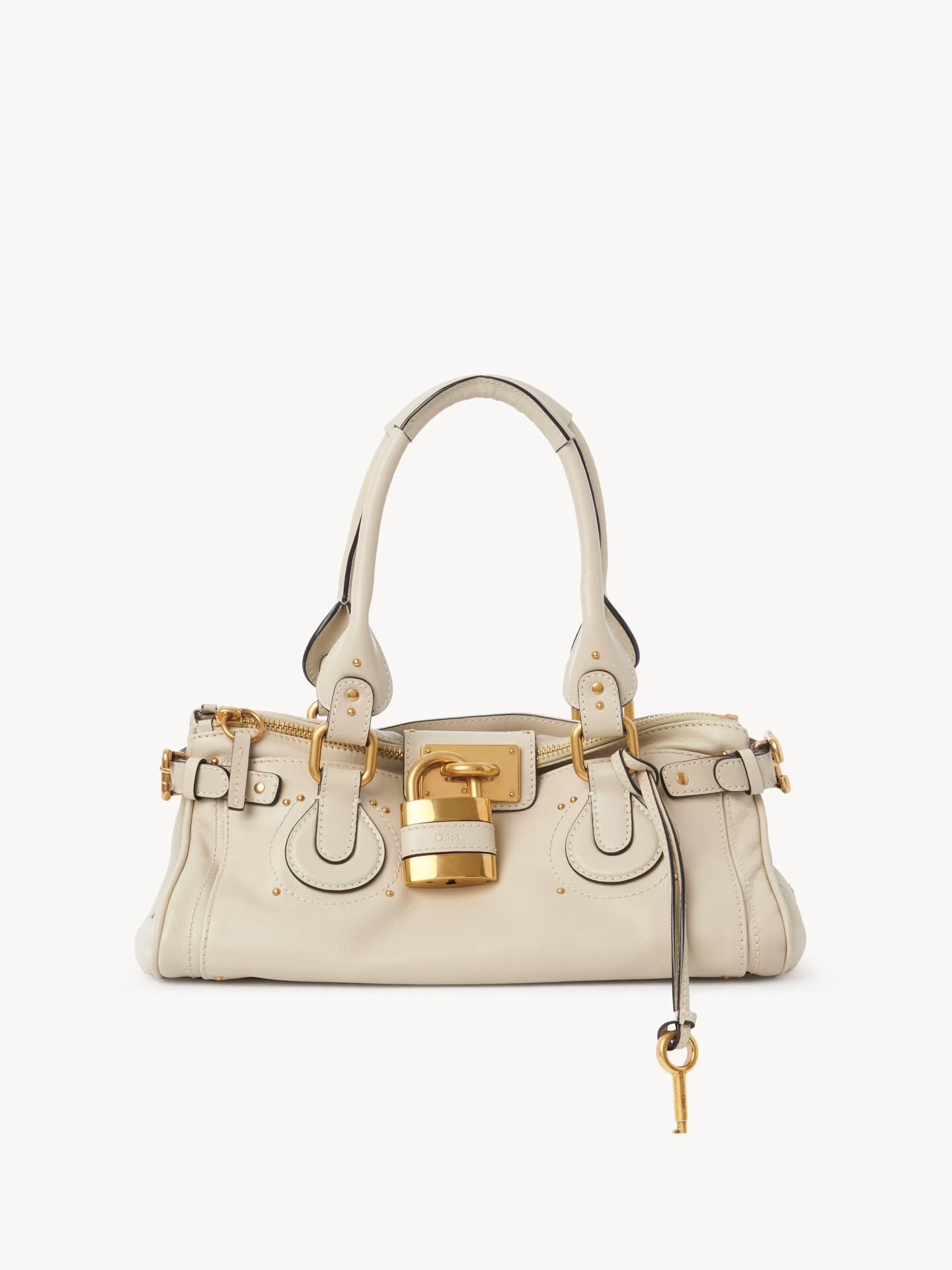
Oversized, hardware heavy and unmistakably of its time, the Paddington embodies the return of 2000s fashion. Its renewed desirability demonstrates how pieces once considered emblematic of a particular era can be reassessed by a new generation.
3. Balenciaga City
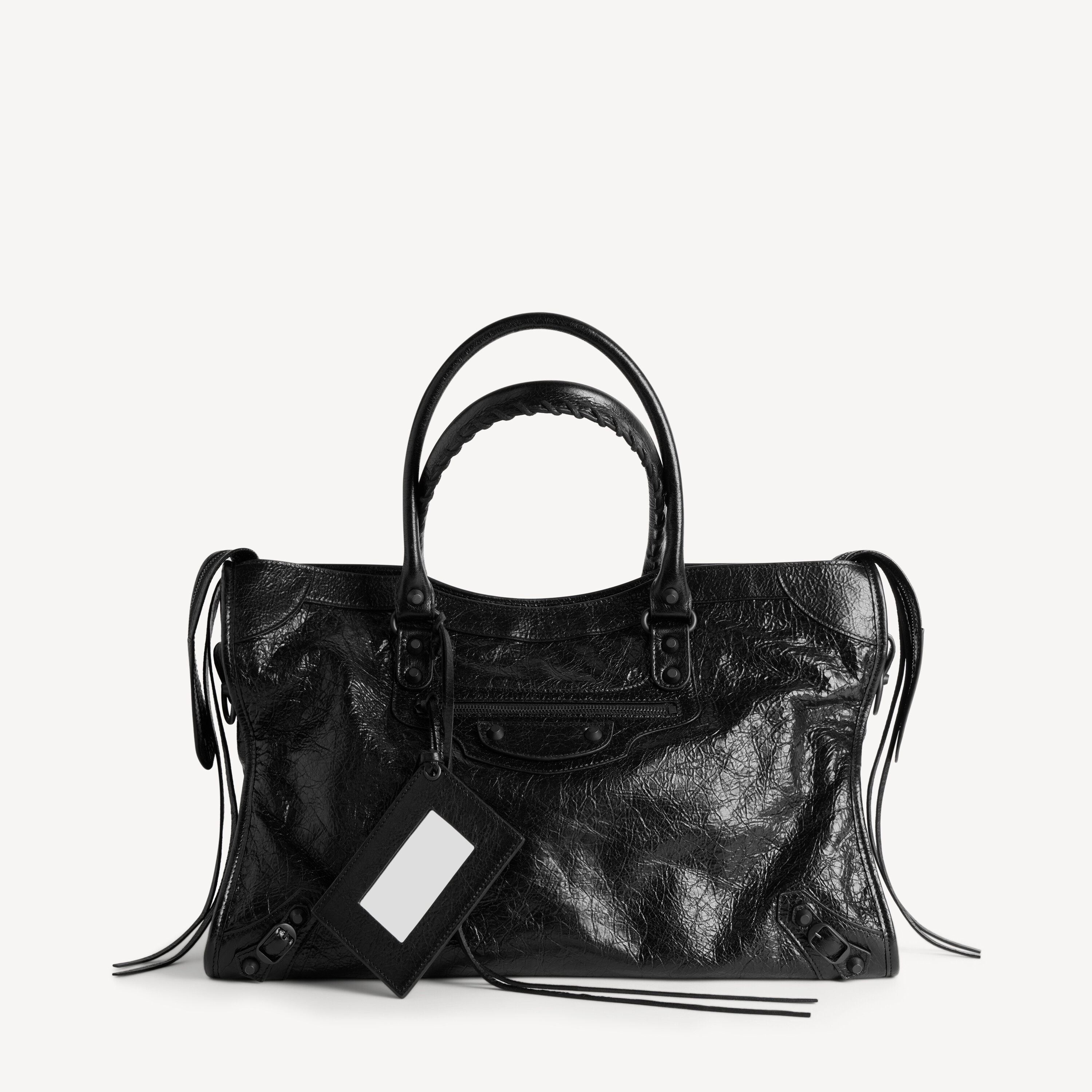
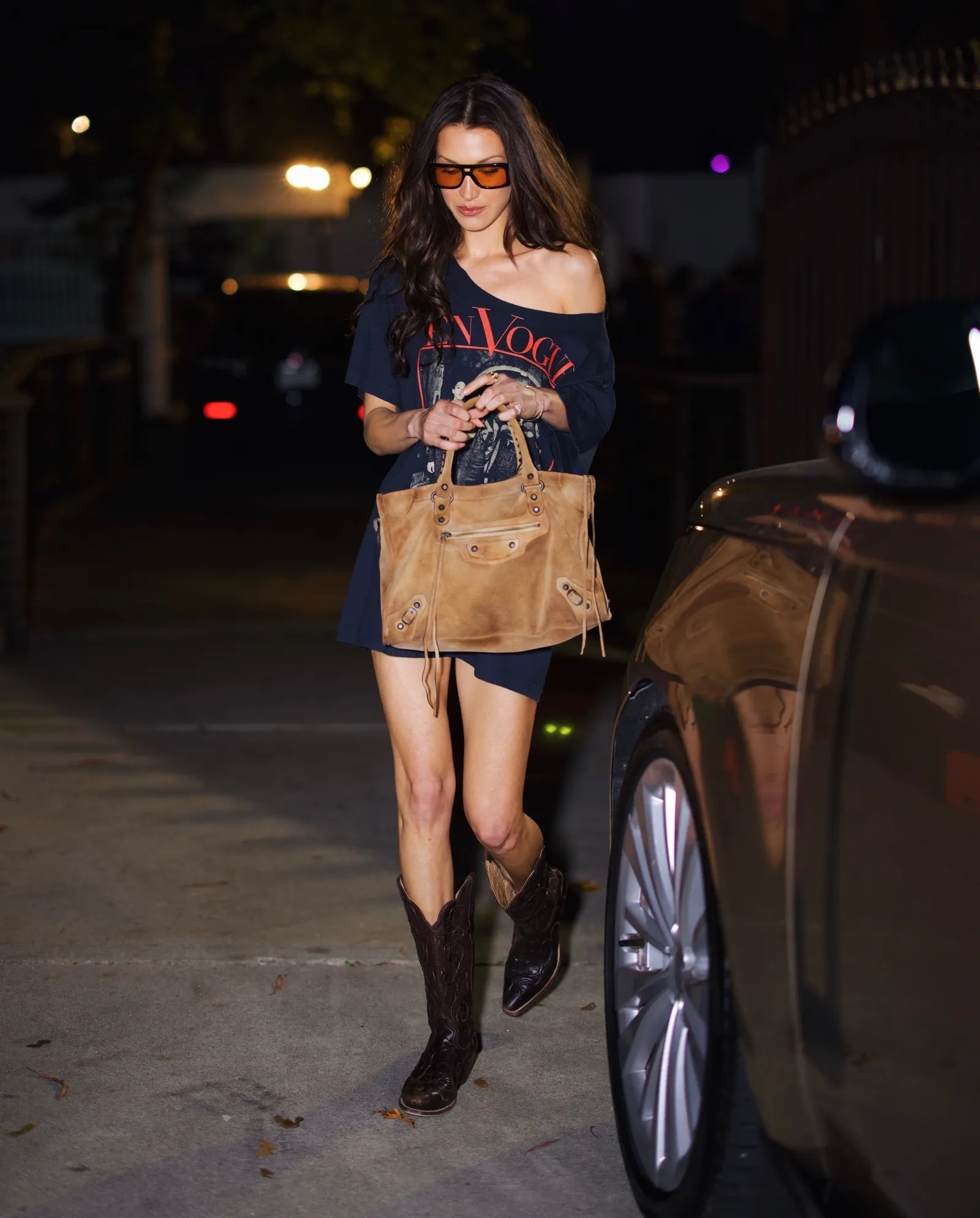
The Balenciaga City bag represents a different kind of nostalgia — one rooted in the fashion language of the 2000s and the rise of celebrity-driven street style. Its significance lies not only in its recognisable shape, but in the creative and cultural moment it represents.
4. Louis Vuitton Speedy
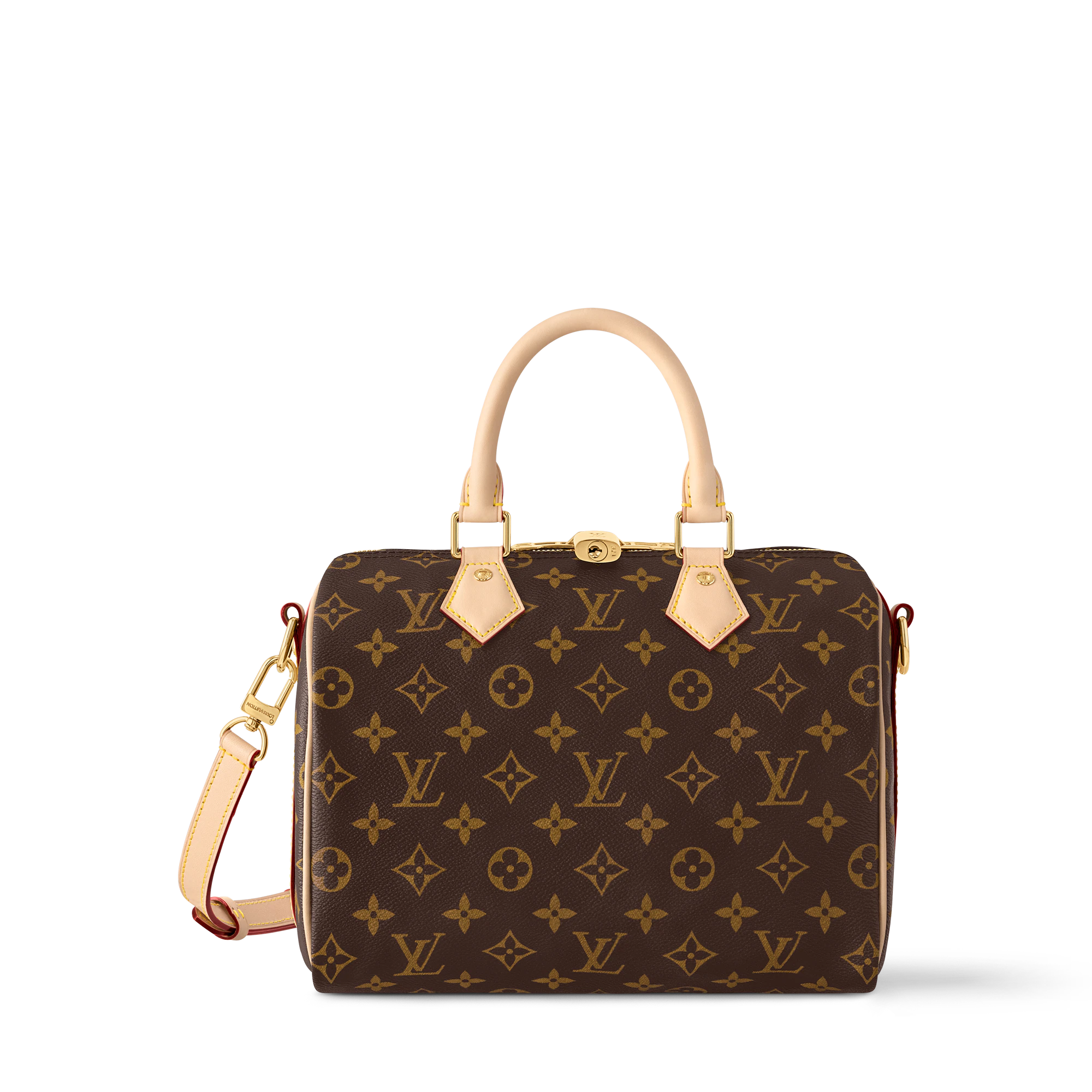
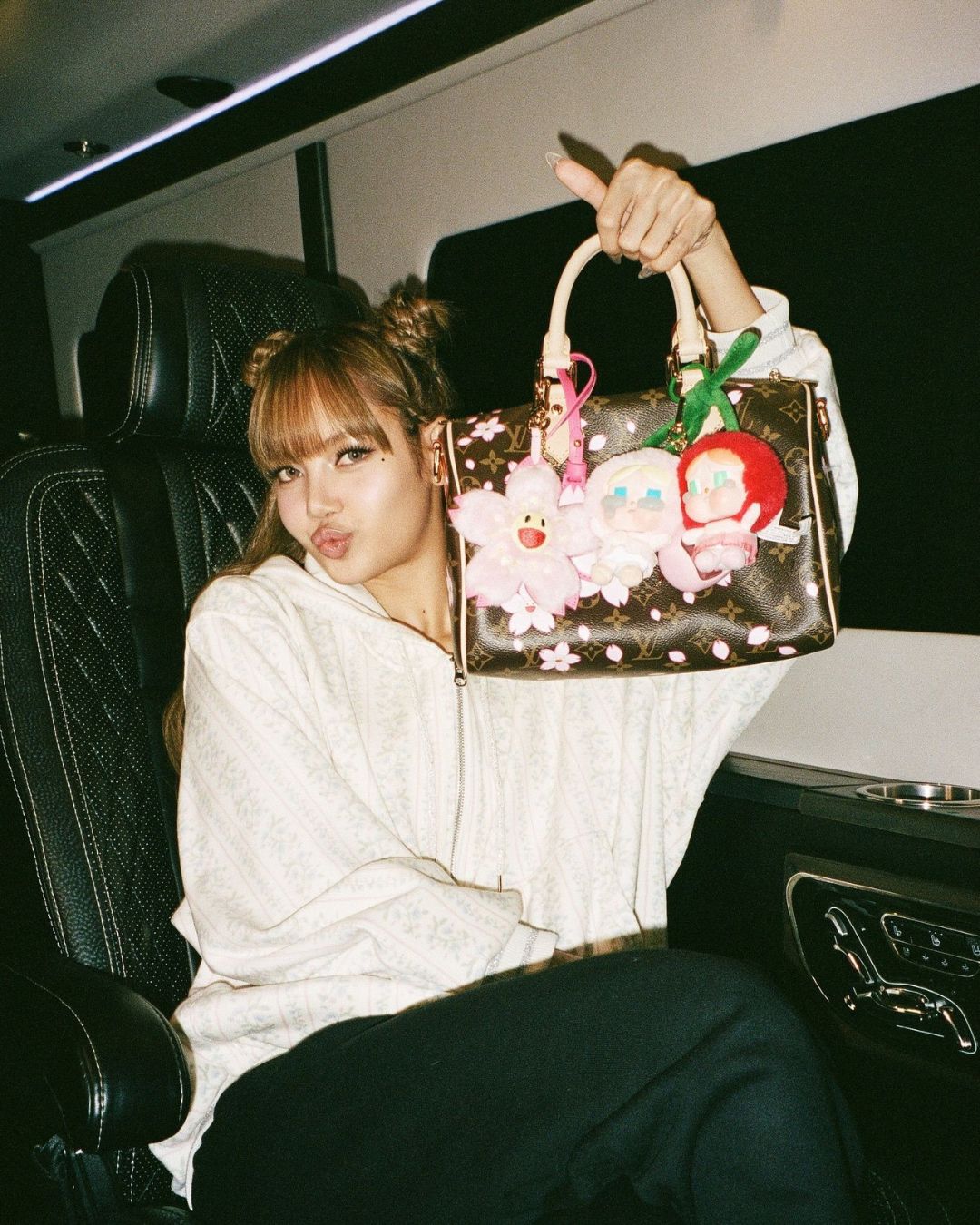
Few bags have the staying power of the Louis Vuitton Speedy. First introduced in the 1930s, the silhouette has moved through generations without losing its relevance. Today, however, the appeal is increasingly concentrated around older iterations and collectible collaborations, particularly the colourful Murakami and Stephen Sprouse versions. These are not simply vintage Louis Vuitton bags; they are pieces of the house’s fashion history that happen to have become desirable again.
5. Miu Miu Vitello Bow
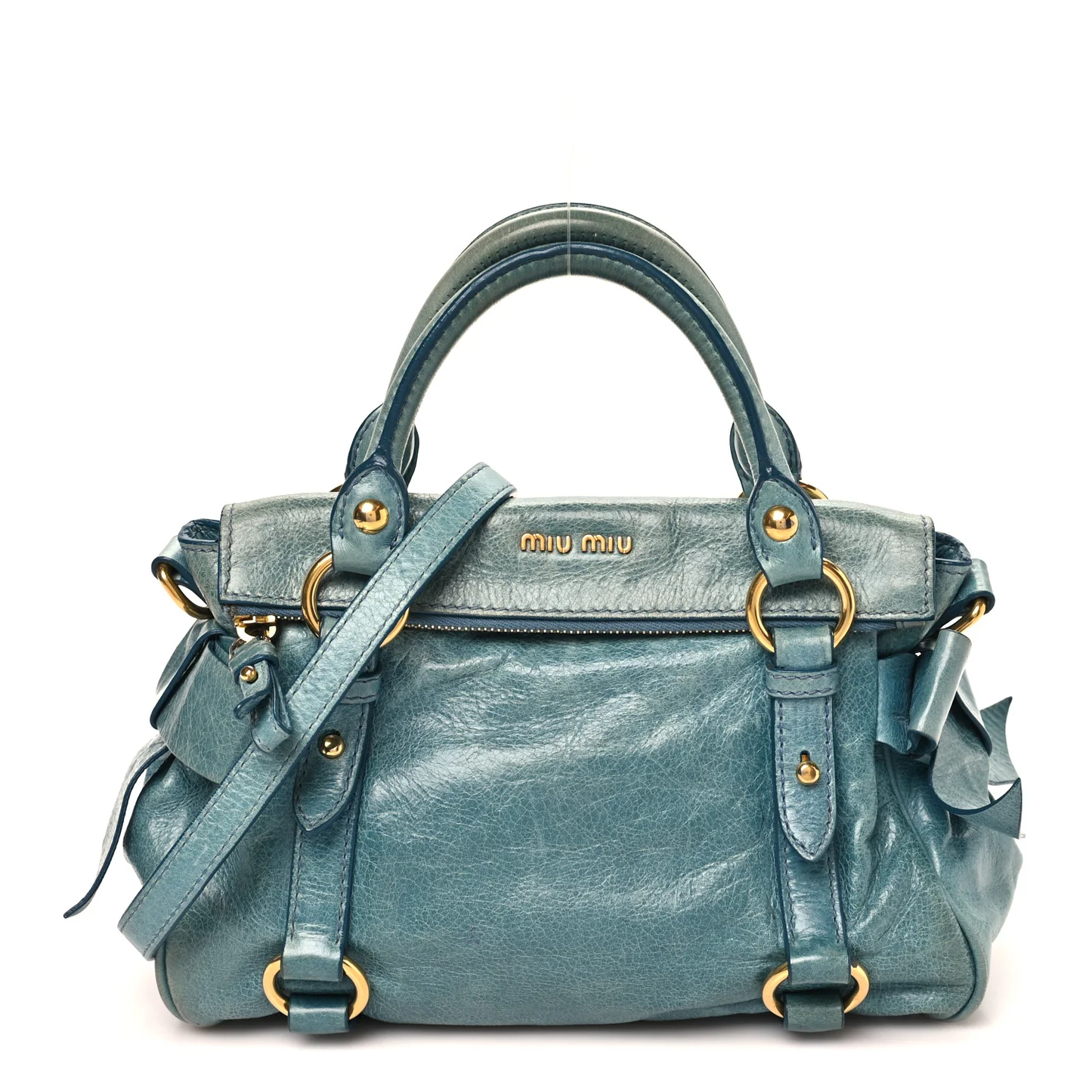
The Miu Miu Vitello Bow is exactly the kind of obscure archival find that gives vintage shopping its appeal. Dating to the brand’s early-2000s period, the soft leather silhouette is distinguished by its oversized bow detailing and distinctly playful femininity — a world away from the more polished Miu Miu of today. Vintage Vitello Bow bags are currently circulating through Singapore’s resale market, including examples explicitly marketed as vintage and Y2K pieces.
The Value of What Lasts
Together, these bags reveal why vintage fashion has been appealing far more than newer season bags. None of them were designed for today’s trend cycle, yet each one has found a new audience to cater to. In fact, some of these bags had fallen out of favour before being rediscovered by a younger generation.
This suggests that something does not necessarily have to remain relevant to last. Sometimes, its ability to survive changing tastes is exactly what allows it to be rediscovered in the first place.
The desire for something that lasts is not particularly new to luxury. Craftsmanship, quality materials and durability have always been central to what luxury is known for, but what is changing is the way younger consumers relate those qualities to their own sense of ownership.
When the Past Becomes the Next Big Thing
The growing desirability of heritage does create an unavoidable paradox. As more consumers look to the past for authenticity and individuality – the more valuable the past is to be commercialised.
Luxury houses have increasingly mined their archives for inspiration, reviving old silhouettes, reissuing recognisable bags and returning to design codes associated with those eras. It’s simple, heritage gives established houses something that newer labels cannot easily manufacture – an existing history.
The current vintage bag revival makes this very clear. For example, Balenciaga reintroduced the Le City after it had already begun circulating on the resale market, while Chloe brought back the Paddington for its Autumn/Winter 2025 collection. Fendi as well, has continued to keep the Baguette in circulation through anniversary editions and collaborations.
But what happens when history itself becomes a product?

There is a difference between discovering an original bag from a past collection and buying a contemporary version that is essentially just another bag on the shelf. One has accumulated its history naturally, while the other is a replica of the original in a newer shell. Neither is necessarily more desirable, but the distinction reveals the tension at the heart of these younger consumers’ relationship with heritage. As it turns into an opportunity to be commercialised, it risks losing what made it desirable in the first place.
Fashion archives can become both refuge and resource, a place where consumers search for something they resonate with and where brands search for their next opportunity. However, this does not necessarily diminish the value of heritage. When an increasing number of products can reference the past, the difference between something that has history and something that merely looks historical becomes more significant.
Perhaps, that is what these younger consumers are buying into — not simply nostalgia or vintage but the idea that fashion can mean more when it has already lived a life. In a modern landscape where almost everything is designed to be replaced, the new heirloom is something found in the past, worn in the present and given the possibility of a future.
For more on the latest in luxury fashion and style reads, click here.