Casio
Casio watches blend innovation, durability, and style, from the iconic G-Shock to timeless vintage models celebrated worldwide
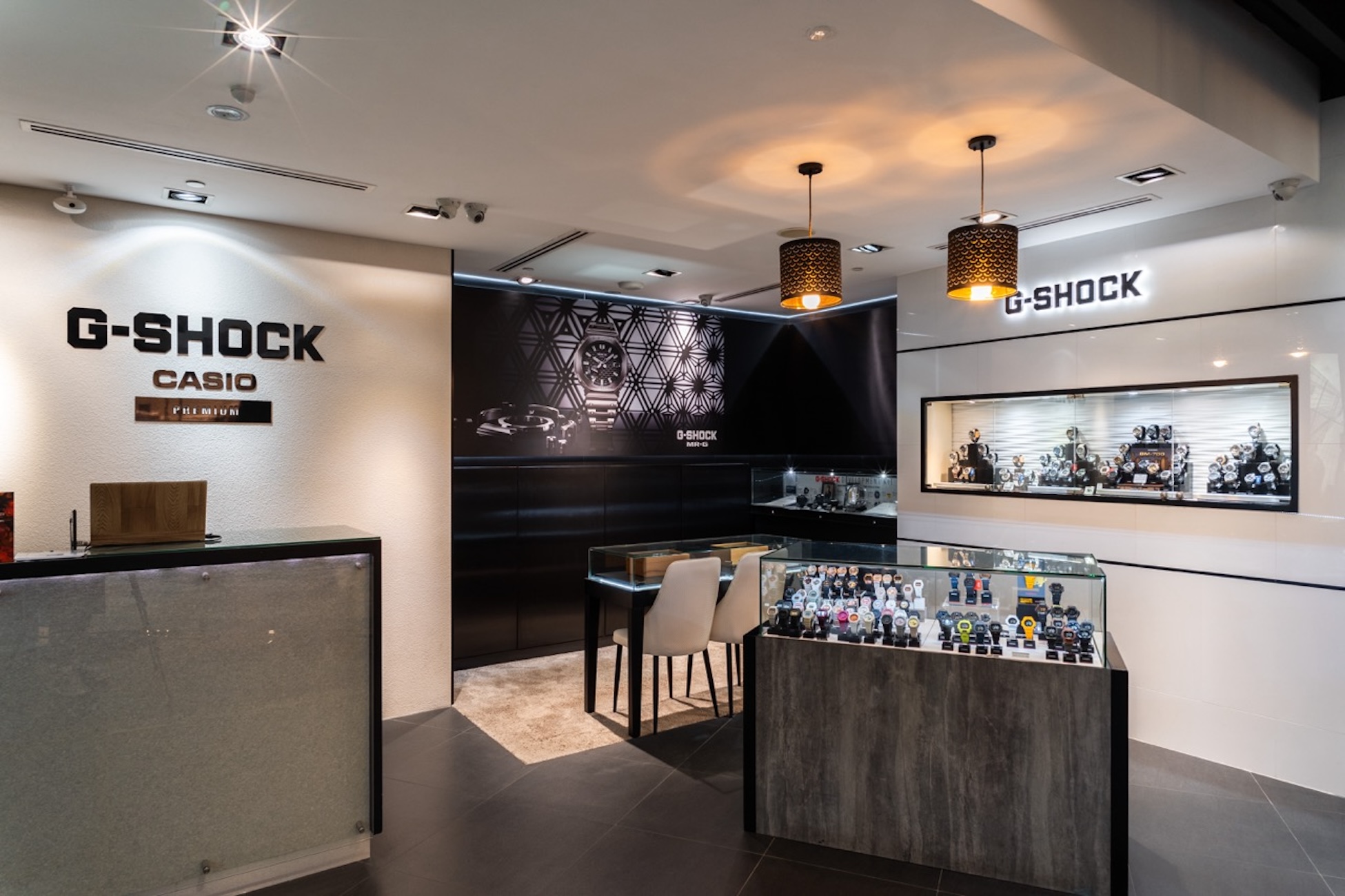
That same spirit of courageous, innovative engineering is also something that Casio embodies. Funnily enough, before becoming known for the iconic G-Shocks and F-91Ws, when Tadao Kashio first founded Casio, the company was known for producing mechanical parts. Casio’s — or Kashio Seisakujo as it was then known — very first product in 1946 was a Yubiwa pipe, which was, in essence, a finger ring that allowed smokers to smoke their cigarettes down to the nub.
After this dark start, the firm began making calculators in 1954, and quickly found success in this area, with the company eventually becoming the Casio Computer Co. in 1957. The family business then turned its attention to the fast-growing computer market, and even began developing more portable, miniaturised wrist-calculators. By the 1970s, Casio had become a well-known name for electronic instruments, so it was no surprise that it began making watches in the same vein then as well.
Riding on the explosion in popularity of quartz watches following the onset of the Quartz Revolution, Casio pioneered the mass production of these electronically powered watches with the Casiotron (1974). Considering the market reception at the time, in conjunction with Casio’s reputation as a maker of reliable electronic products, it was no surprise that the Casiotron turned out to be a major hit, and democratised a major advancement in timekeeping.
Never one to rest on its laurels, Casio followed up on its success a decade later with the further development of digital watches, giving rise to the now-renowned G-Shock. Up till that point, watches had been rather fragile objects, with any sort of impact or exposure to magnetism all but sure to destroy the watch. The G-Shock proved that watches could be made to be near-indestructible.
Ten protective layers enveloped the ‘floating’ quartz mechanism in a urethane foam cradle, among them a urethane rubber bumper, a stainless-steel case, and the hardened mineral glass crystal. However, despite the manufacturing innovation, sales — especially domestically — were slow. It was not until a US TV news channel conducted an unsuccessful live test to debunk a G-Shock advertisement depicting it surviving being used as a hockey puck that sales began to pick up — the G-Shock survived its hard-hitting baptism of fire.
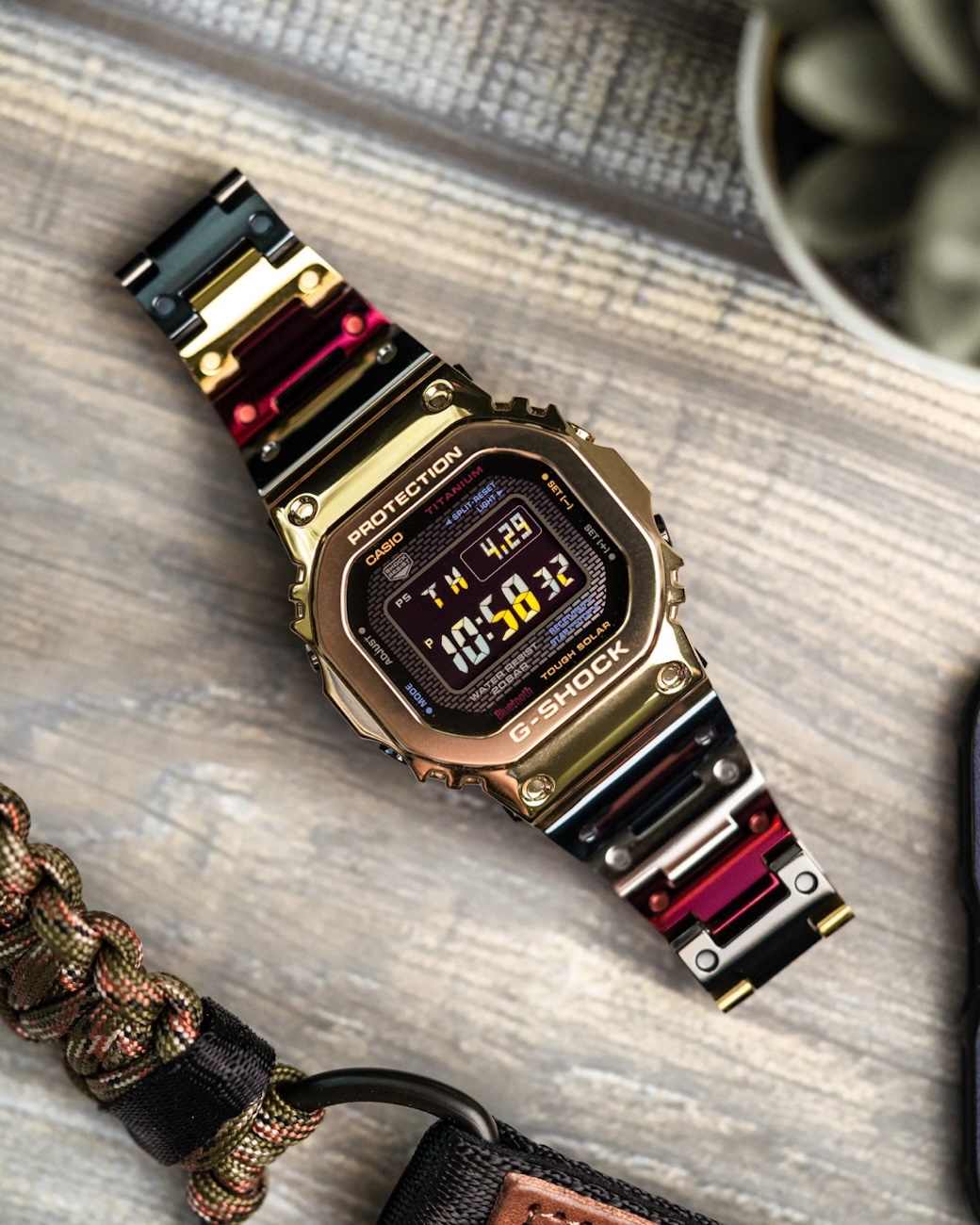
Cultivating a fanbase that presently spans across a broad demographic from the military and extreme-sports athletes to the fashion-conscious, the G-Shock quickly became a ubiquitous icon, spawning a multitude of models and improvements, ranging from mud-resistant variants to the more recent Frogman dive watch, and seemingly Genta-inspired so-called CasiOaks.
Like how Seiko’s watchmaking excellence translated across a variety of markets, the G-Shock’s rugged, resilient and long-lasting characteristics have also manifested in Casio’s other offerings. Most notably, the iconic Casio F-91W and its metallic A168W-1, too, embody the G-Shock’s blend of utilitarian toughness with fashionable sensibility, albeit in a slimmer and smaller form, at a lower price point.
Today, Casio’s watches are still every bit the hit they were when they first entered the market. Its brand appeal is still something unique — because of their accessibility and reliability, they are often someone’s first watch, which leaves them in a special space that is permanently bathed in the glow of nostalgia.
Casio’s main vintage collection remains an everyman staple — unsurprising, given the collection’s blend of retro heritage with durability and versatility. As for the G-Shock, it remains a pop-culture icon — for instance, their DW-5600 Bluetooth-enabled timepiece has appeared onscreen everywhere, from American supernatural horror film Five Nights at Freddy’s to Korean time-travelling romance drama Lovely Runner.
This story was first seen as part of the WOW Legacy 2025 Issue.
For more on the latest in luxury watch reads, click here.