Bali After Hours — A Photographic Love Letter to the Island’s Nocturnal Soul
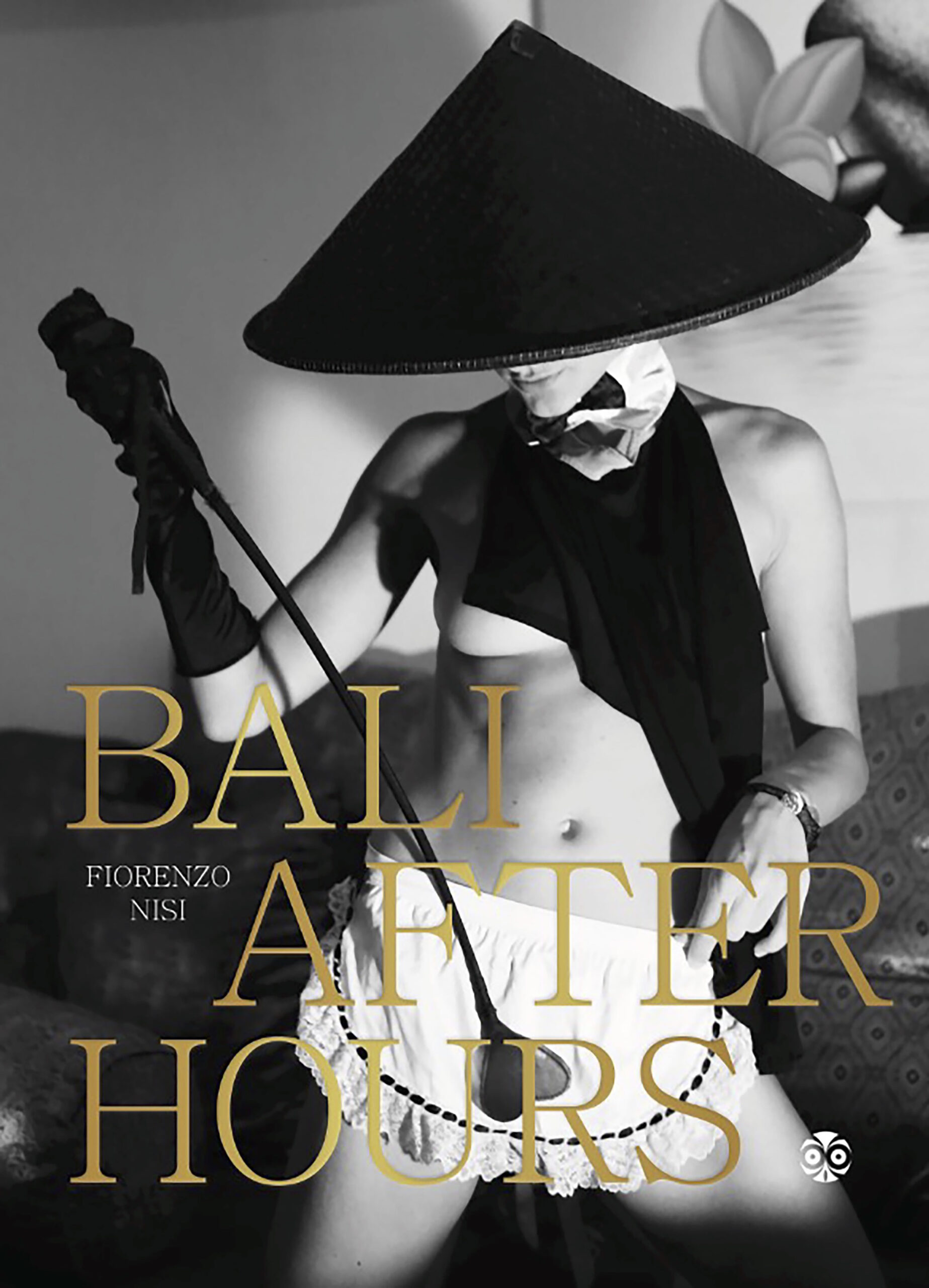
Fiorenzo Nisi’s sensual photobook “Bali After Hours” is a daring nightlife reportage that sees 180 pages of candid images capturing Bali as one of Asia’s most captivating destinations.
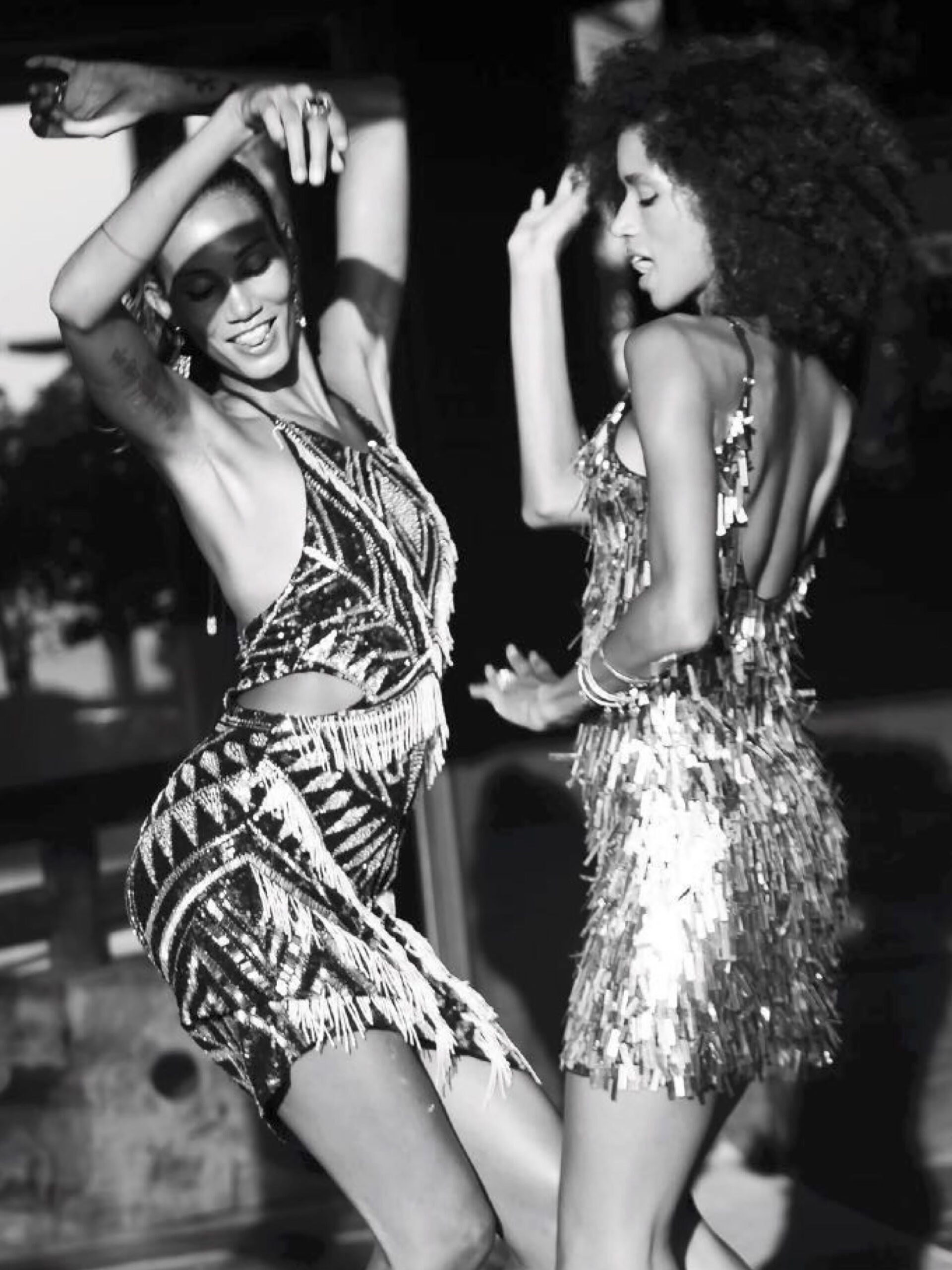
When the sun dips below Bali’s volcanic skyline, the Indonesian island transforms. Ancient temples fade into silhouettes, music rises from the beaches and the air hums with possibility. Few have captured that transformation — the pulse of Bali after dark — quite like photographer Fiorenzo Nisi.
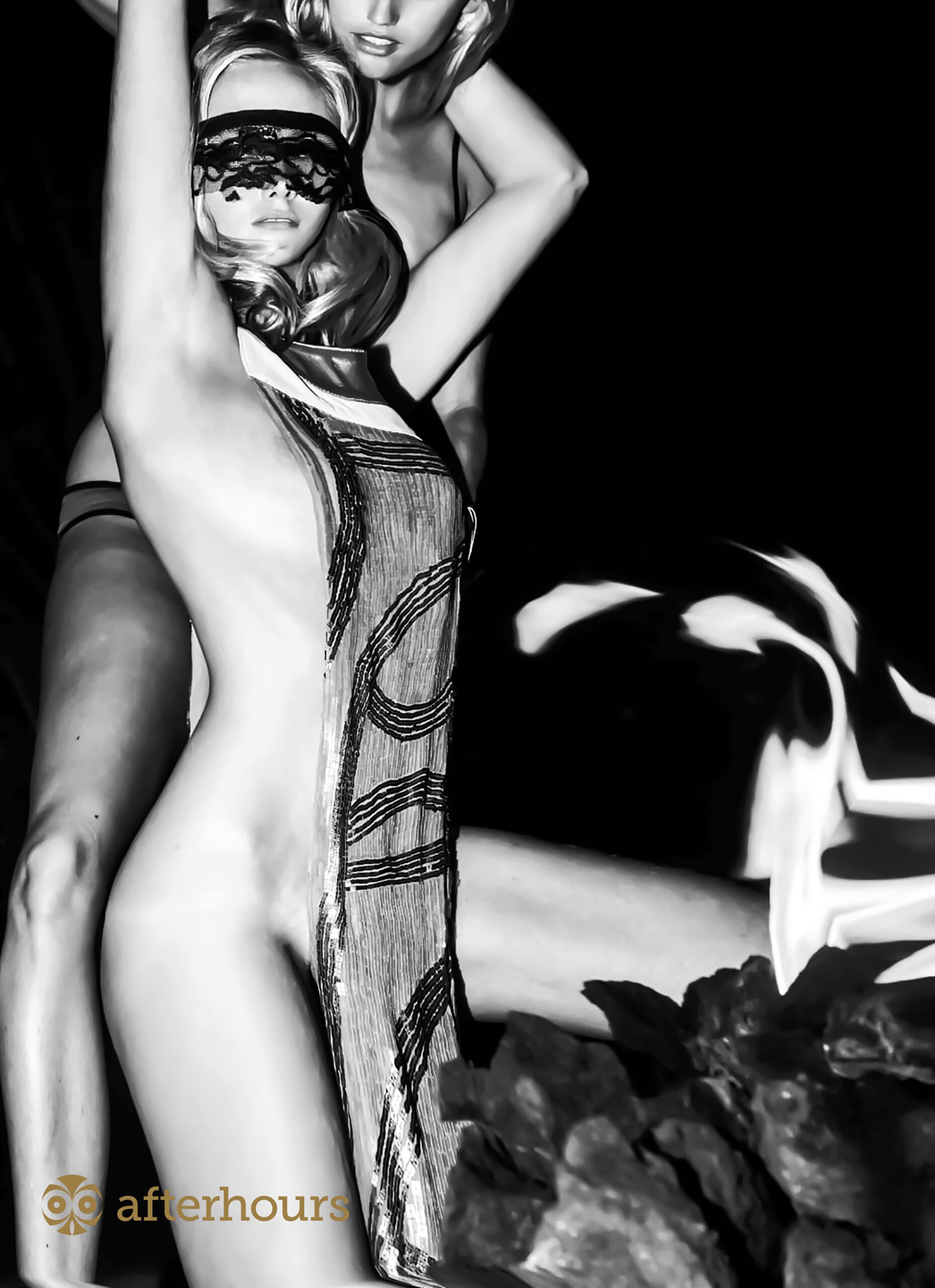
Over two decades, Nisi has documented the island’s legendary nightlife — from cliffside trance raves and velvet-rope villa parties to the elegant chaos of beachfront clubs. His new 180-page photobook entitled “Bali After Hours”, offers an unfiltered glimpse into this world — one that moves between the sacred and the sensual, the primal and the poetic. “I wanted to capture what happens when people truly let go,” says Nisi. “Bali at night is not about decadence alone — it’s about release, connection, and transformation.”
An Intimate Chronicle of an Evolving Scene
Having lived in Bali since the early 2000s, Nisi has witnessed its nightlife evolve from grassroots gatherings to global fame. In the early days, nights unfolded in modest venues like Double 66 Club, Café Luna and the Friday sessions at Gado Gado — places where the island’s creative community gathered to share music, stories and freedom. “I landed in Bali in July 2001, where an old-time friend welcomed me to the island. It wasn’t my first visit — I’d had an unforgettable vacation in 1984, but so much had changed in Bali since then,” remarks Nisi.
By the late 2000s, Seminyak’s beach clubs ushered in a new era of hedonistic sophistication. Events such as the Ku De Ta White Party, The Yak Awards and Carl Cox’s beach sets drew a cosmopolitan crowd, blending Bali’s free-spirited DNA with world-class production. As the scene matured, villas replaced nightclubs as the ultimate after-hours playgrounds were intimate, exclusive and at times even euphoric.
Through it all, Nisi’s camera remained a constant observer, capturing moments of vulnerability amid the revelry: laughter under the stars, dancers bathed in coloured light, strangers finding communion through sound.
“IN MY EXPERIENCE, IT’S AT THESE
Fiorenzo Nisi
TYPES OF HIGH ENERGY AFTER HOURS SETTINGS THAT PEOPLE ARE FUELLED BY THE DEEP MUSIC AND EACH OTHER TO BE UNCENSORED AND REVEAL THEIR SENSUAL SIDE.”
A Testament to Bali’s Sensual Soul
In an era of digital ephemera, “Bali After Hours” stands apart as a tactile artefact — one meant to endure. Each hardcover copy — printed on heavyweight stock — is designed to grace the tables of villas, resorts and private collections, offering a window into an age when Bali was both muse and movement. As Nisi reflects, “These are tales of a journey — my journey. It’s filled with lessons, people and nights I’ll never forget.” In that sense, “Bali After Hours” is more than a photobook. Rather, it is a love letter to an island’s nocturnal soul.
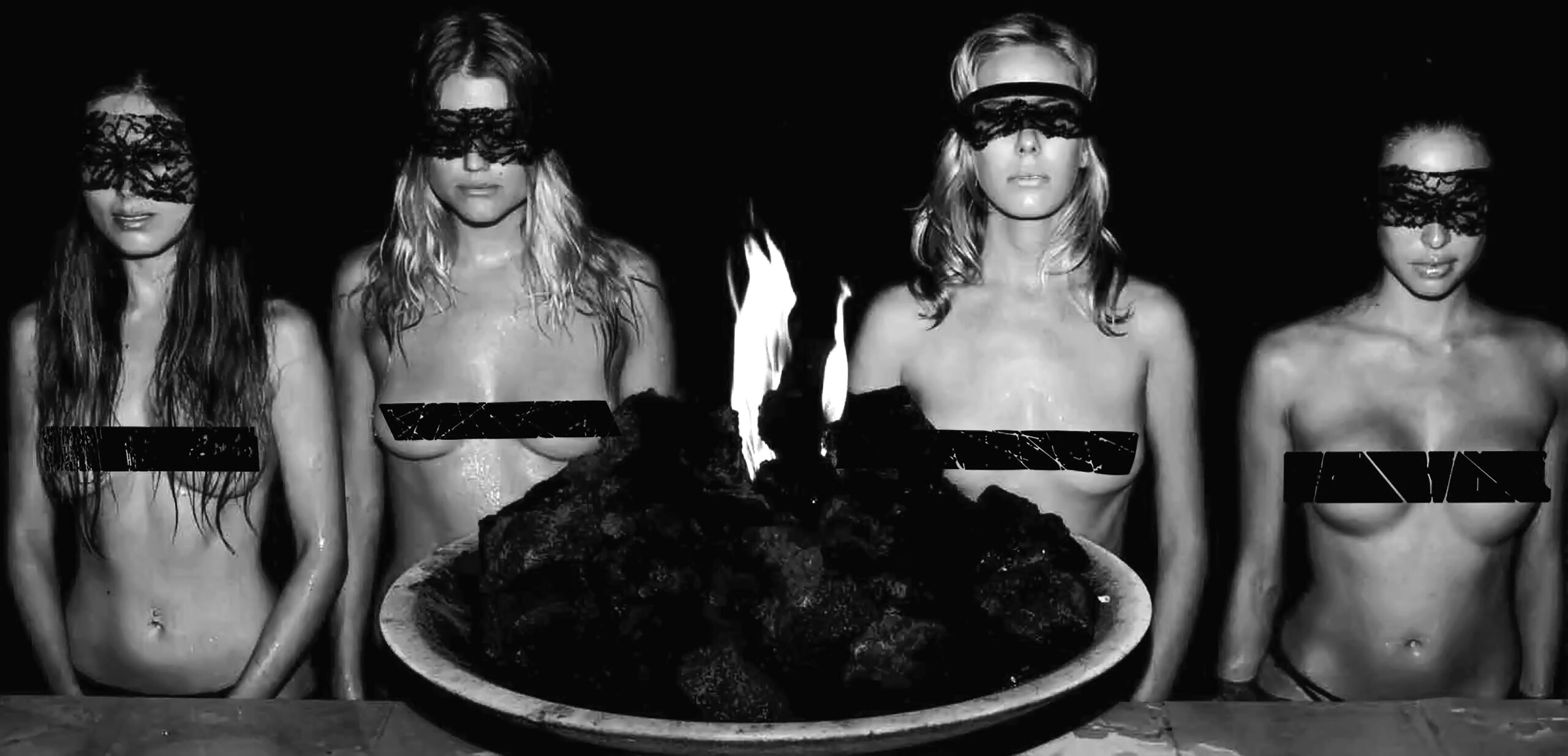
The two most enigmatic notions that come to mind when looking at Nisi’s photographs are the power of ambiguity and their metaphorical resonance. In this book, ambiguity becomes a canvas of possibility, shaping how each image unfolds. It offers the observer a gift, allowing the unseen to emerge without interference, not even from the conspirator behind these images.
“TALES OF A JOURNEY,
Fiorenzo Nisi
MY JOURNEY. IT’S FILLED WITH IMPORTANT LESSONS THAT I
WILL NEVER FORGET, EXPERIENCES THAT MOuLD AND SHAPE US INTO THE PEOPLE WE BECOME.”
Where Night Becomes Narrative
“Bali After Hours” reads less like a catalogue of parties and more like a visual memoir — a time capsule of an island that lives through rhythm and ritual. Its photographs move from sweeping crowd scenes to cinematic close-ups, revealing a tapestry of human emotion: joy, desire, freedom, exhaustion.
The book’s foreword was written by Bandana Tewari with essays by Agustina Ardie and Cory Anne Roberts Nisi, lending to the cultural depth of the book by tracing how music, migration and creativity shaped Bali’s nocturnal identity. From underground collectives like “Re-Set” to the private villa soirées that followed, the island’s nightlife, they suggest, became a mirror of its people — ever-changing, yet deeply rooted in connection. Upon gazing at the photographs, they invite readers to wander through their thoughts and memories.
Here, Nisi cleverly guides readers beyond these individual interpretations, playing to the common language of metaphor as a bridge to share a universal understanding. No common language is needed when dramatising the personal narratives to life at “Bali After Hours”. A flirtatious glance across the dance floor, alongside fragrant gays with feet both pounding to the boom box — a connection that transcends words.
When Nisi picked up his camera to capture Bali’s famed party scene in 2002, he recognised Bali to be a place of surrender, the penumbra of sexuality and sensuality as part of the island’s unique offerings.
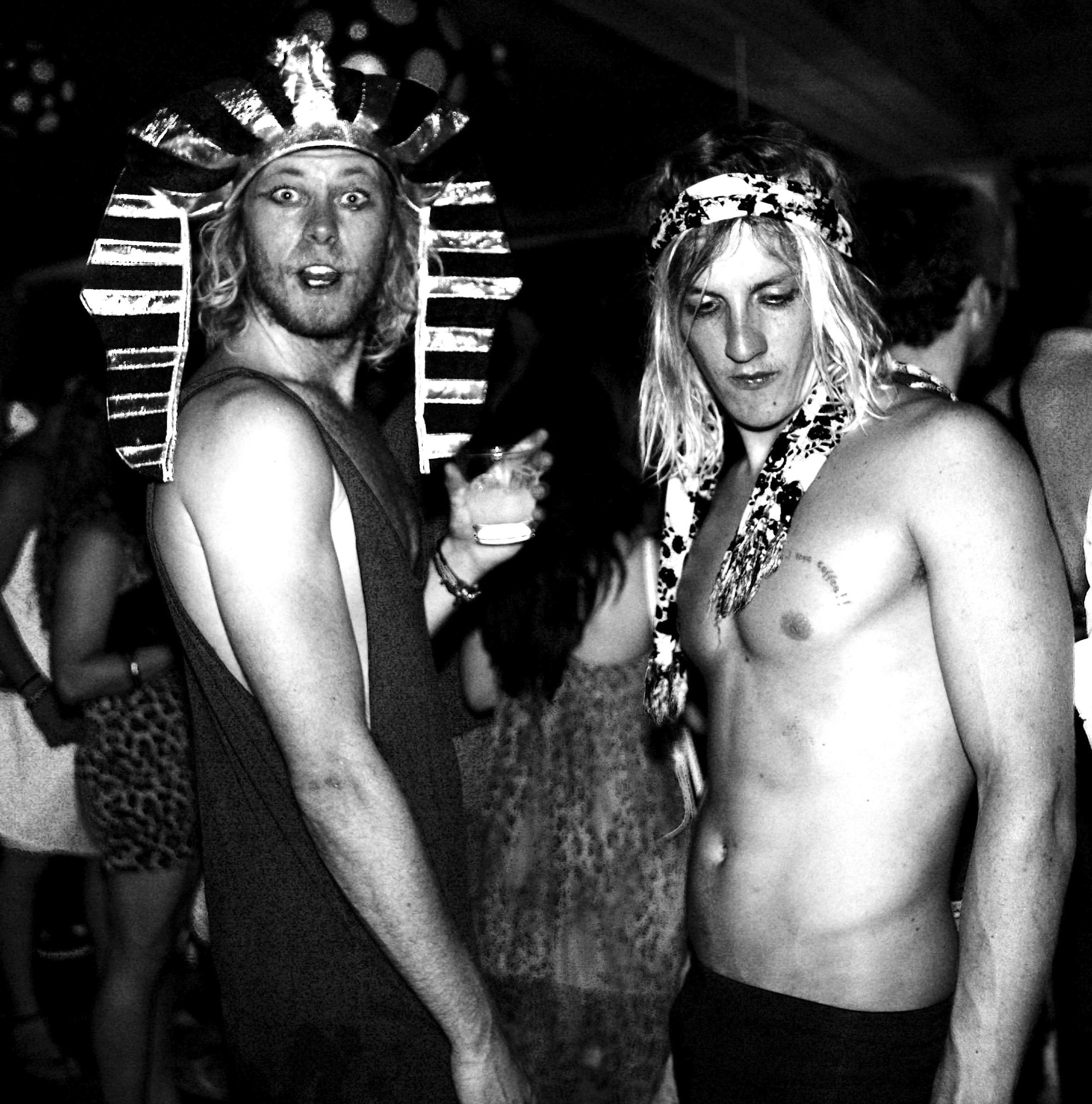
Priced at USD 69.99, “Bali After Hours” is a 180-page hardcover coffee table book featuring 172 photographs with accompanying text and narrative in Portrait format (32 x 22cm).
Head to the official website: www.sunlionmedia.org and social media pages here:
Instagram: @photografiobali Facebook: PhotograFIO
For more information, visit Amazon Books or Contact: fio@sunlionmedia.org
For more on the latest in art and culture reads, click here.