Portrait Milano: Where Milan Comes to Life
Occupying a former 16th-century seminary in Milan’s Fashion District, Portrait Milano trades spectacle for discretion, creating a hotel experience shaped by architecture, craftsmanship and the rituals of Italian life.
Location
Every global city has a hotel that quietly becomes part of the conversation. Not because it’s the newest, the flashiest, or the most photographed, but because it understands the city better than most of its residents. Portrait Milano is that hotel.
Hidden behind the restored walls of a 16th-century seminary in Milan’s Fashion District, the property occupies nearly an entire city block, yet somehow feels invisible from the street. Step through its gates and the noise of Corso Venezia gives way to a piazza that has quickly evolved into one of Milan’s most civilized meeting places. Fashion executives, architects, editors, and impeccably dressed locals gather here with the effortless confidence of people who have nowhere urgent to be.
It’s also perfectly positioned. The Duomo, Brera, La Scala, and the city’s most coveted boutiques are all within walking distance. Yet the greatest luxury isn’t proximity—it’s retreat. Portrait Milano offers a rare pause in a city whose reputation has long been built on movement.
Design
Adaptive reuse has become something of a luxury hotel cliché. Portrait Milano reminds you what it looks like when it’s done exceptionally well.
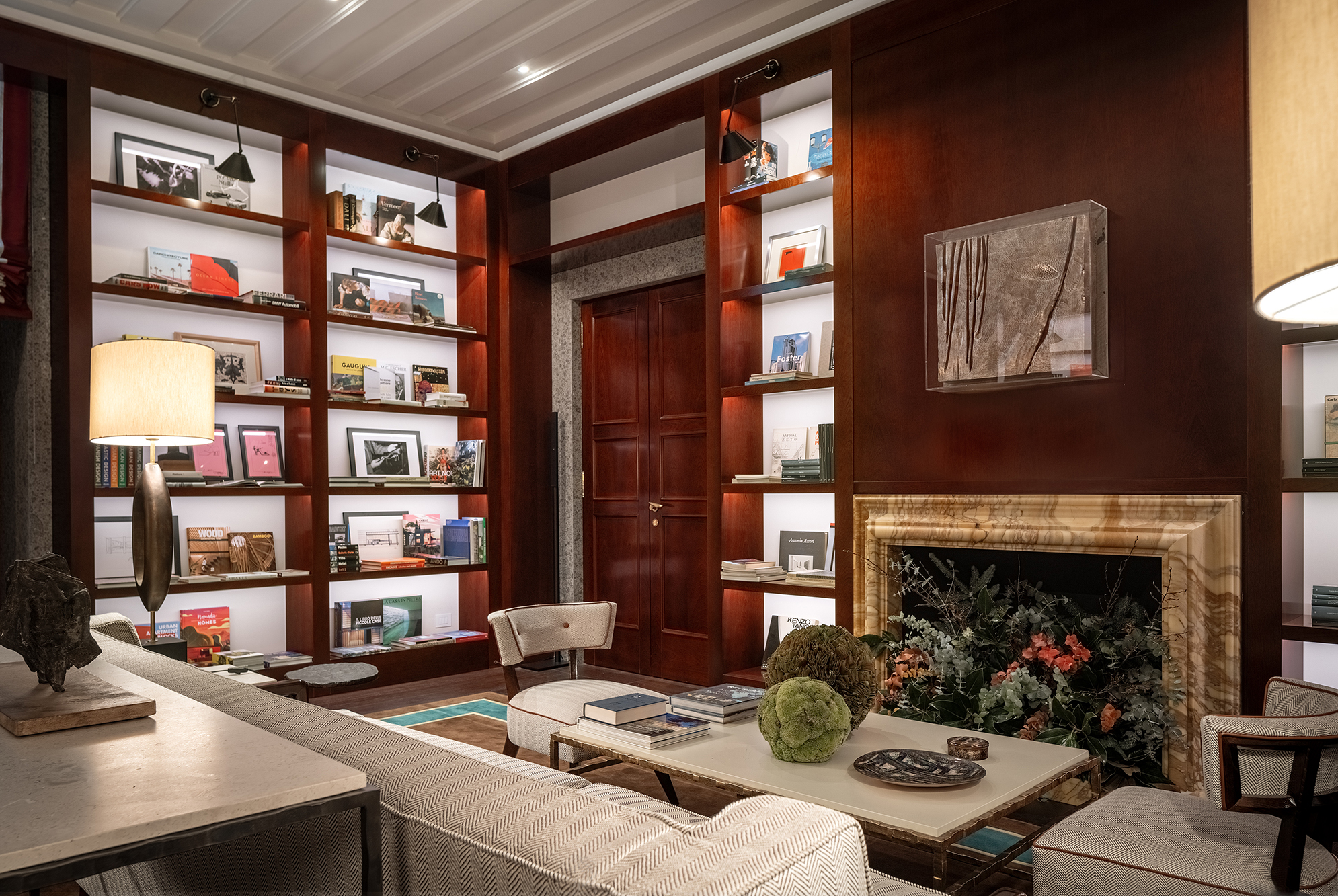
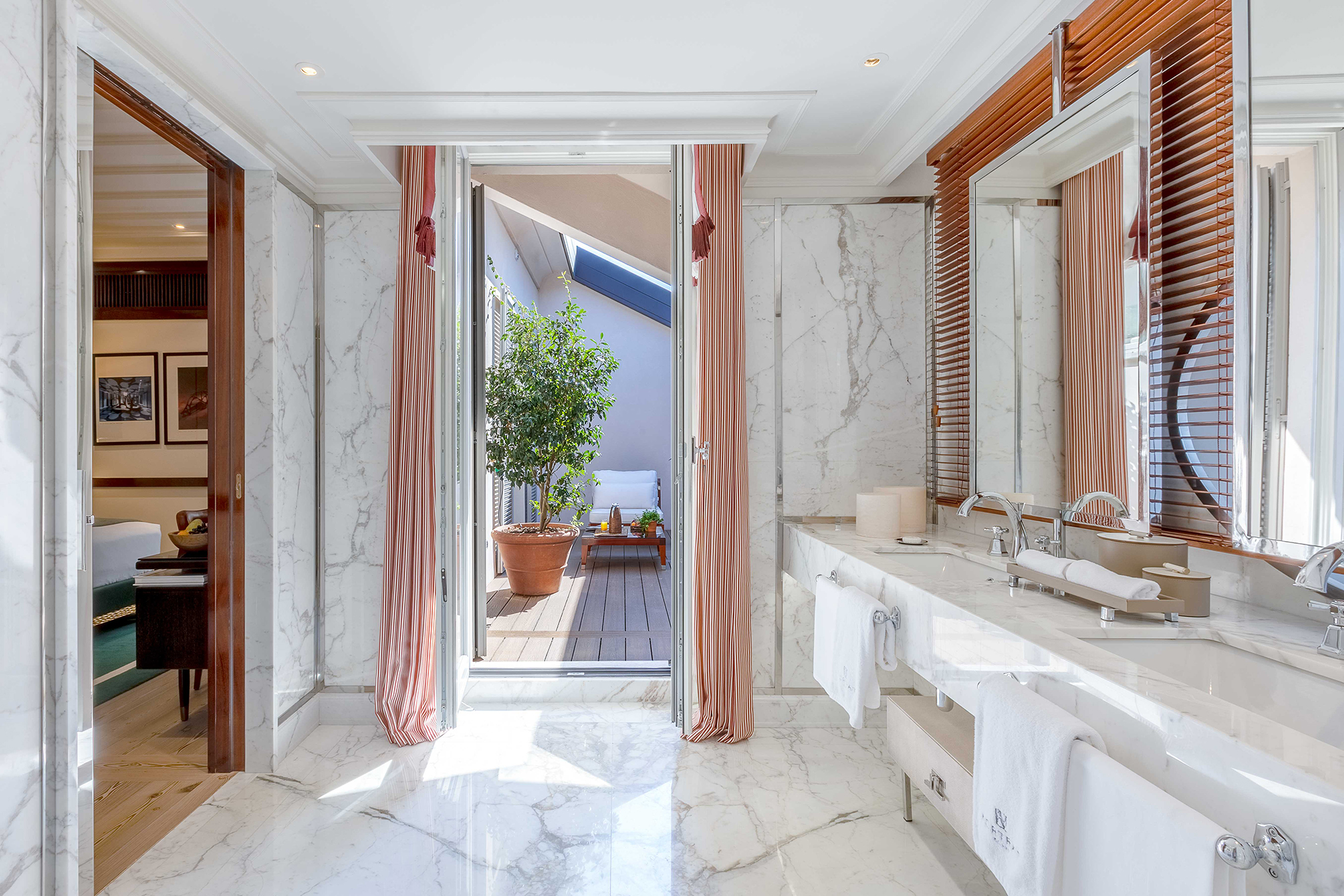
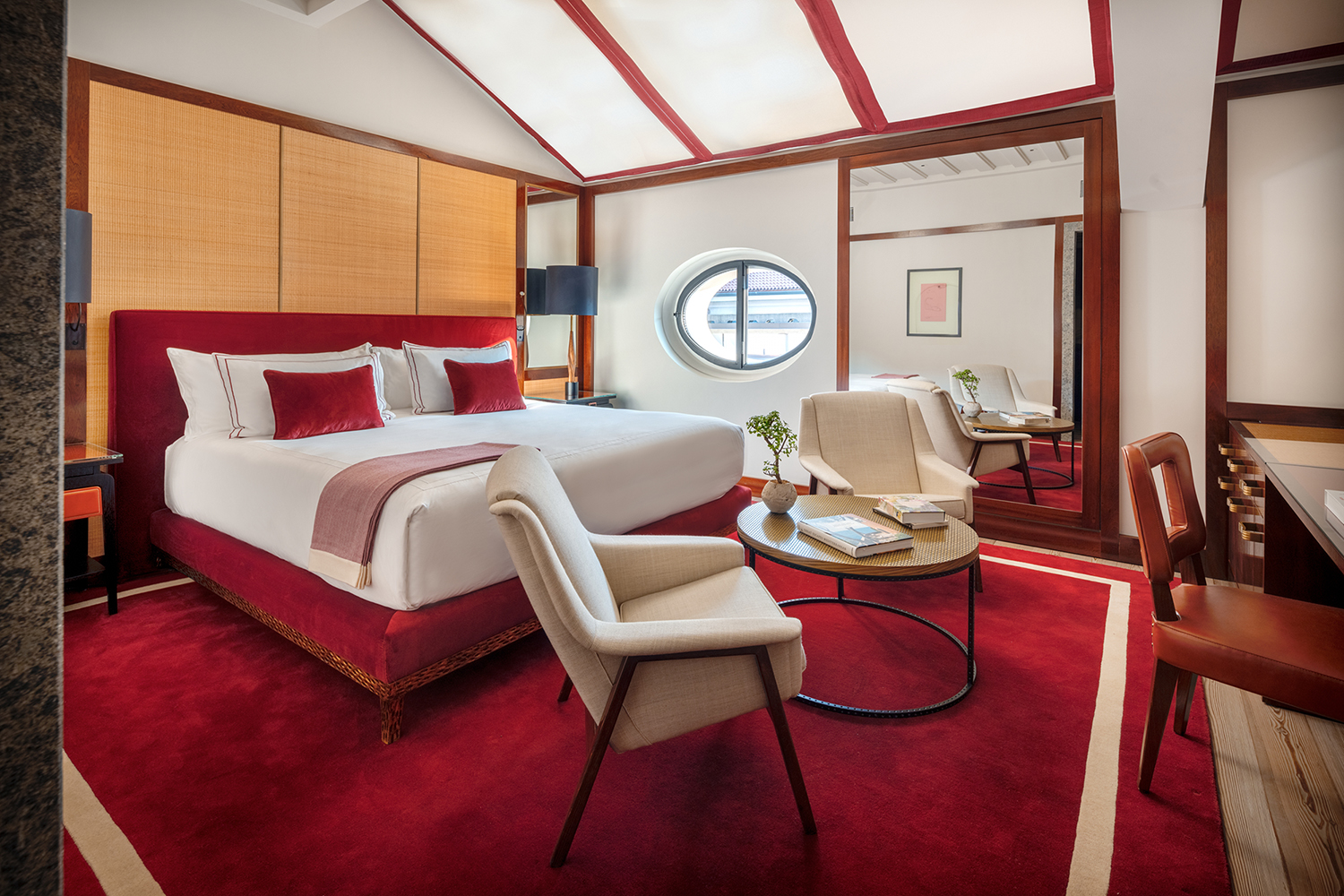
The former Archbishop’s Seminary has been restored with remarkable restraint. Rather than competing with the architecture, designer Michele Bönan allows the building’s proportions, cloisters, and arcades to take center stage. The interiors draw from post-war Milanese apartments, where walnut paneling, rattan, brass, and Carrara marble create rooms that feel quietly residential rather than overtly luxurious.
The Ferragamo family’s influence is present but refreshingly understated. References to craftsmanship, fashion, and Italian design appear as thoughtful details rather than branding exercises. Nothing feels decorative for decoration’s sake.
The prevailing mood is one of confidence. Portrait Milano never seems interested in impressing guests. Instead, it assumes they’ll notice.
Taste
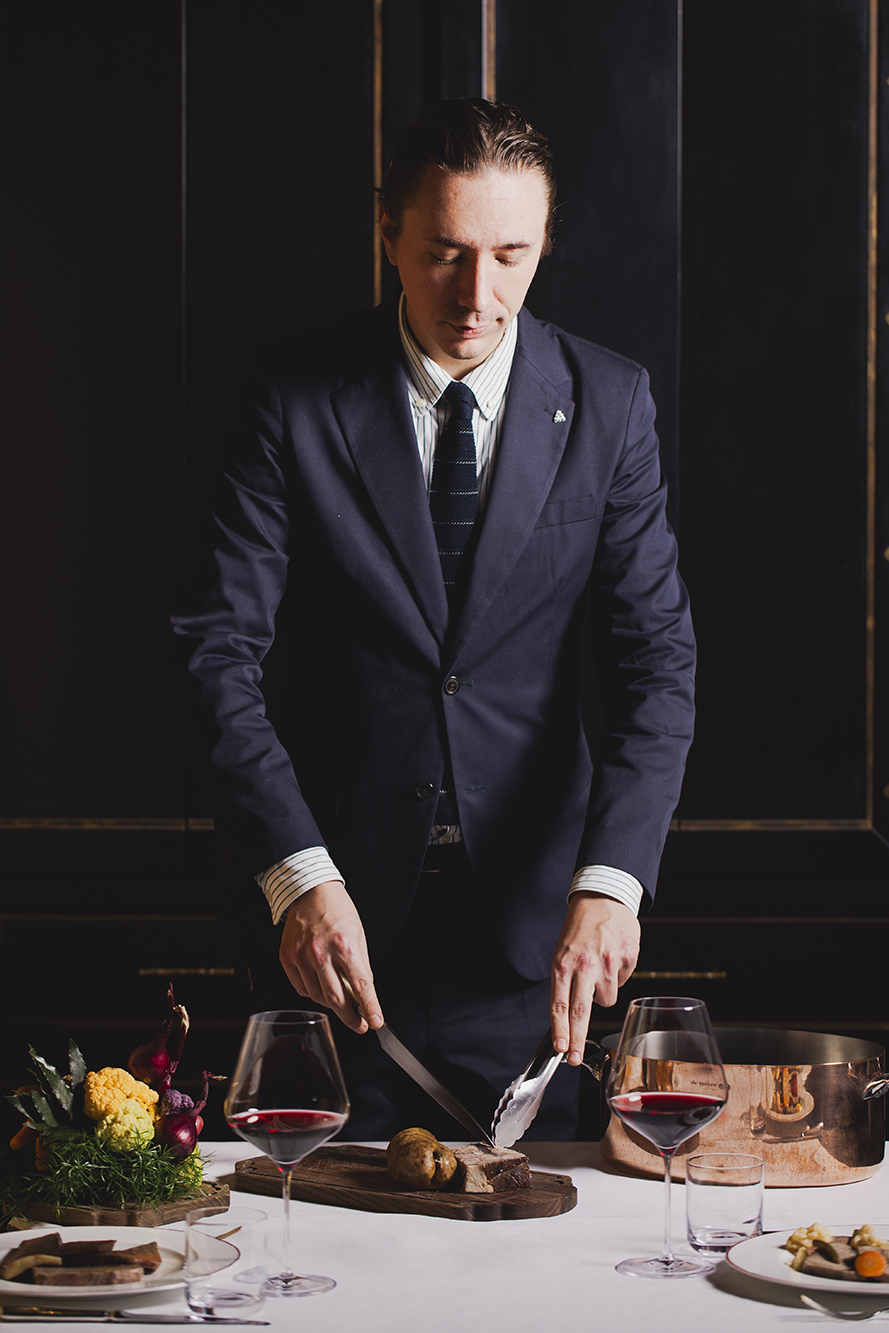
Italy has never needed molecular gastronomy to prove its culinary credentials, and Portrait Milano wisely avoids unnecessary theatrics.
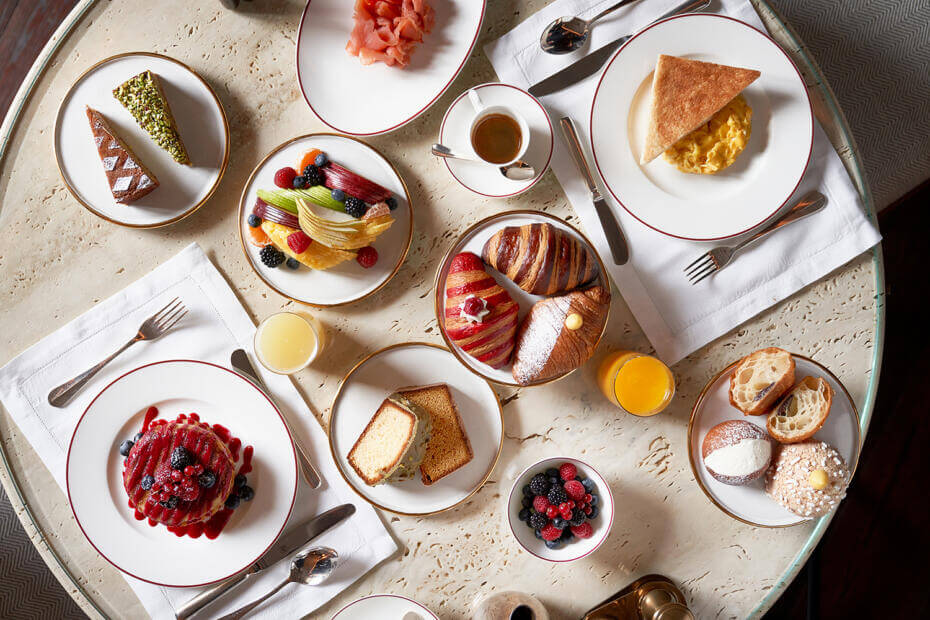
At 10_11 Bar, Garden & Restaurant, the menu celebrates familiar dishes executed with precision. Milanese classics, generous antipasti, excellent pizza, and impeccably sourced ingredients reinforce an increasingly rare philosophy: luxury is often found in doing simple things exceptionally well.
The cocktail program follows the same logic. Signature drinks reinterpret familiar Italian flavors without becoming self-conscious, while the twin marble bars lend the room the convivial energy of a neighborhood institution rather than a hotel lounge.
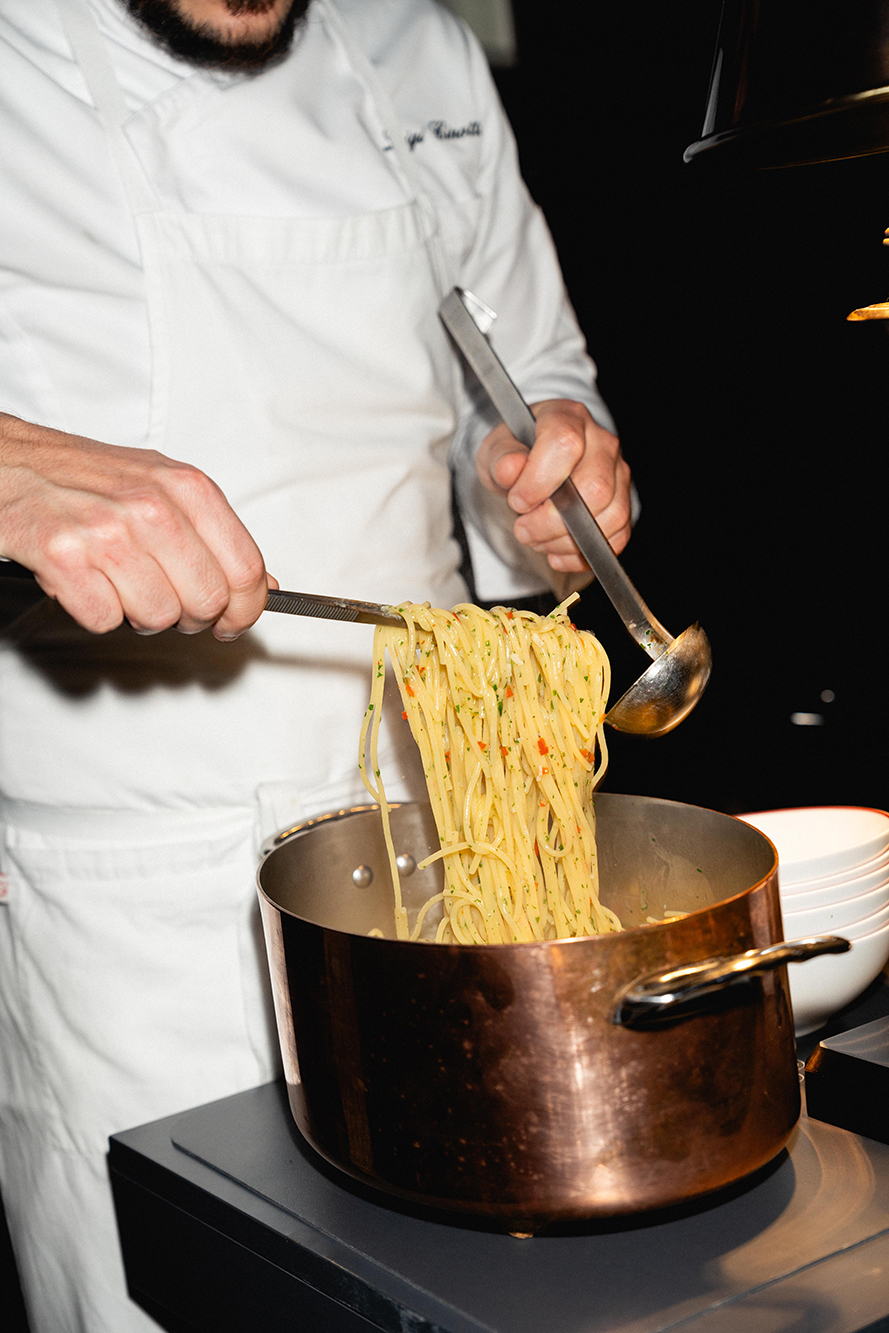
The evening concludes with one of the property’s most inspired gestures. At midnight, complimentary spaghetti aglio, olio e peperoncino appears for guests—a tradition borrowed from Italian family life rather than luxury hospitality. It is equal parts charming, delicious, and disarming.
One suspects many guests remember the midnight pasta long after they’ve forgotten the tasting notes of more ambitious dinners elsewhere.
Experience
Luxury hotels often speak about authenticity, though increasingly it arrives wrapped in carefully curated experiences and elaborate storytelling.
The service is polished without becoming performative, attentive without hovering. Staff possess that increasingly uncommon ability to anticipate rather than interrupt. There is no script, only confidence.
Perhaps that explains why the hotel already feels woven into the fabric of the city. It succeeds not because it reinvents Milan, but because it reflects its best qualities: discretion, craftsmanship, elegance, and an unwavering belief that good taste never requires explanation.
In an era when luxury frequently mistakes excess for sophistication, Portrait Milano offers a quieter proposition.
It is less interested in making an impression than in leaving one.
For more on the latest in lifestyle, culture and travel reads, click here.