Luxury’s Next Momentum Is Being Built Together
From cinema to contemporary art, luxury’s most ambitious partnerships are expanding creative possibilities and reshaping how brands build cultural relevance.
Luxury’s next wave of creative momentum is emerging beyond its established maisons. From Dior’s partnership with independent entertainment company A24 to Chanel’s involvement with Hong Kong’s M+ museum, luxury houses are developing relationships across cinema, contemporary art, performance and technical innovation. These alliances extend beyond limited-edition products, suggesting that collaboration is becoming a way to shape culture as well as commerce.
Partnerships have long helped brands generate publicity and reach new audiences. Their greater potential, however, lies in combining expertise to produce ideas, experiences and products that an individual brand might struggle to create independently. For luxury consumers, the distinction matters: the appeal of a collaboration increasingly rests on what it contributes creatively, rather than the novelty of two names appearing together.
From Sponsorship to Cultural Participation
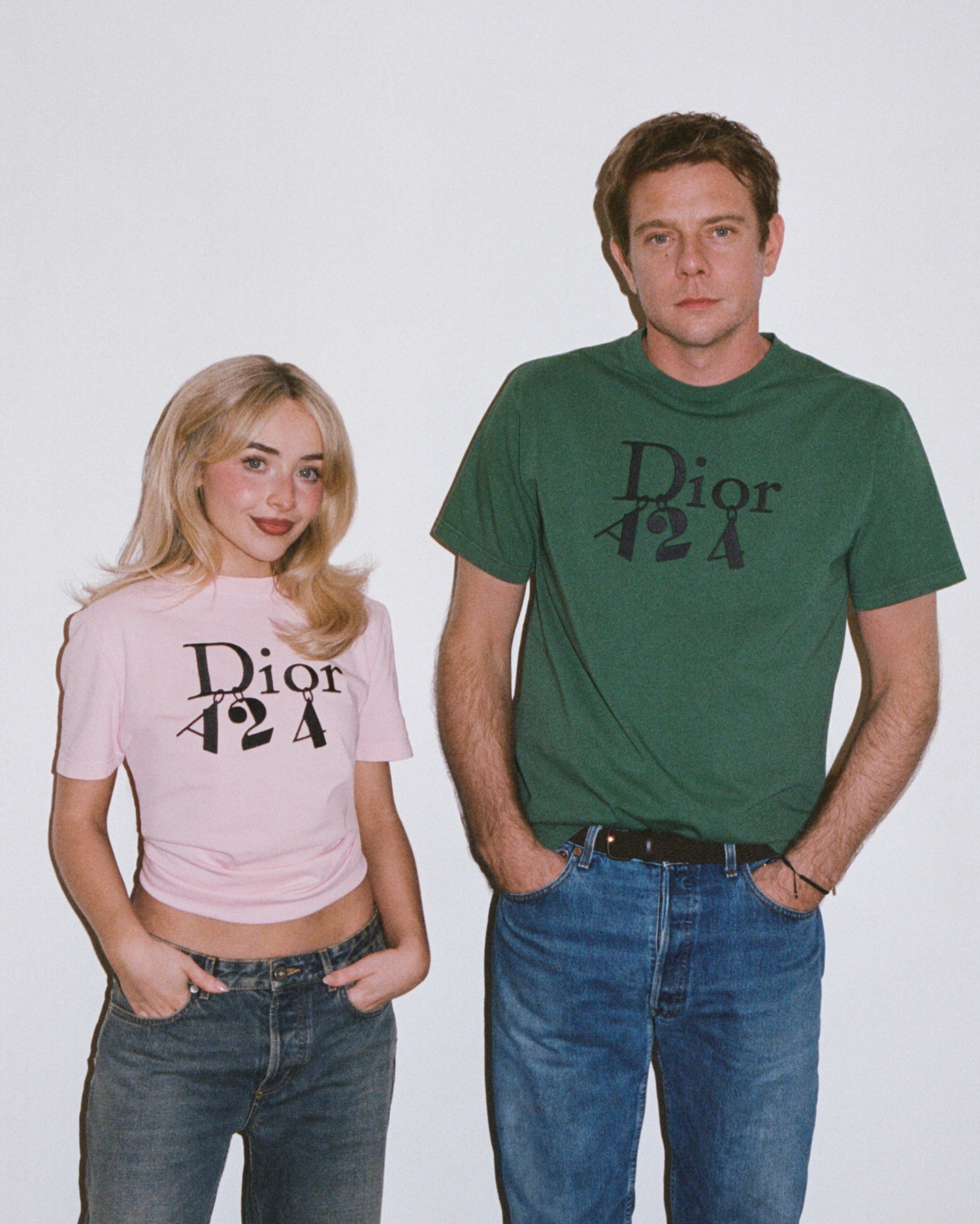
Dior’s two-year partnership with A24 offers a clear example. Announced in September 2026, it encompasses film, theatre and live events, with Dior serving as premier partner of New York’s historic Cherry Lane Theatre. Acquired by A24 in 2023 and reopened in September 2025, the venue provides a platform for established and emerging creative voices.
Rather than launching a conventional fashion capsule, the partners are developing artistic programming and opportunities for young talent. An inaugural event featured a performance by Justin Vivian Bond, with costumes designed by Dior creative director Jonathan Anderson. Plans also include support for students interested in film and theatre.
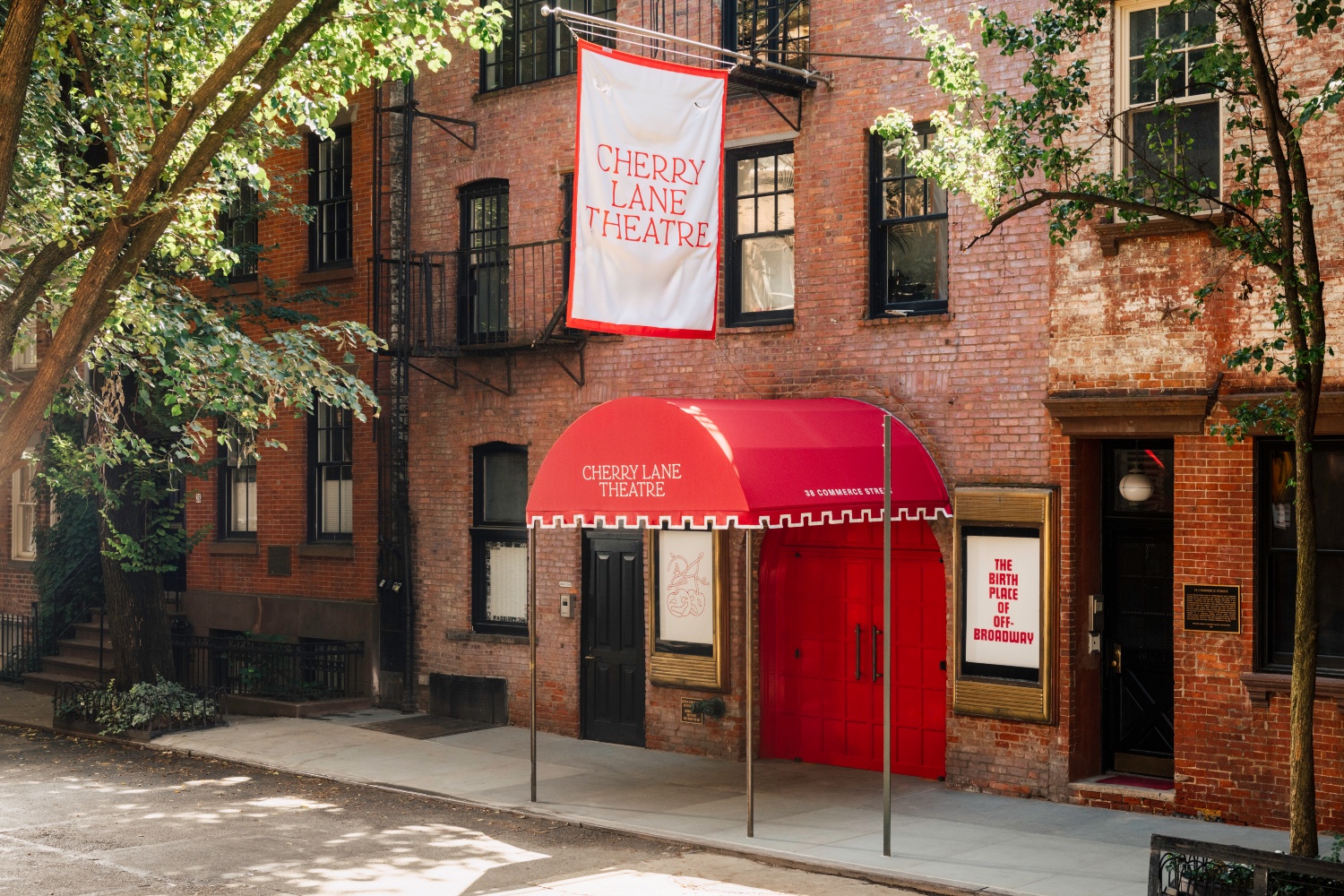
Luxury houses have long cultivated connections with cinema through costume design, celebrity dressing and sponsorship. Dior’s involvement with A24 extends that relationship into creative production, positioning the maison within the process of making and presenting cultural work. The partnership also reflects Anderson’s interest in relationships between fashion, performance and storytelling, allowing a creative vision to travel across disciplines without relying on a conventional runway presentation.
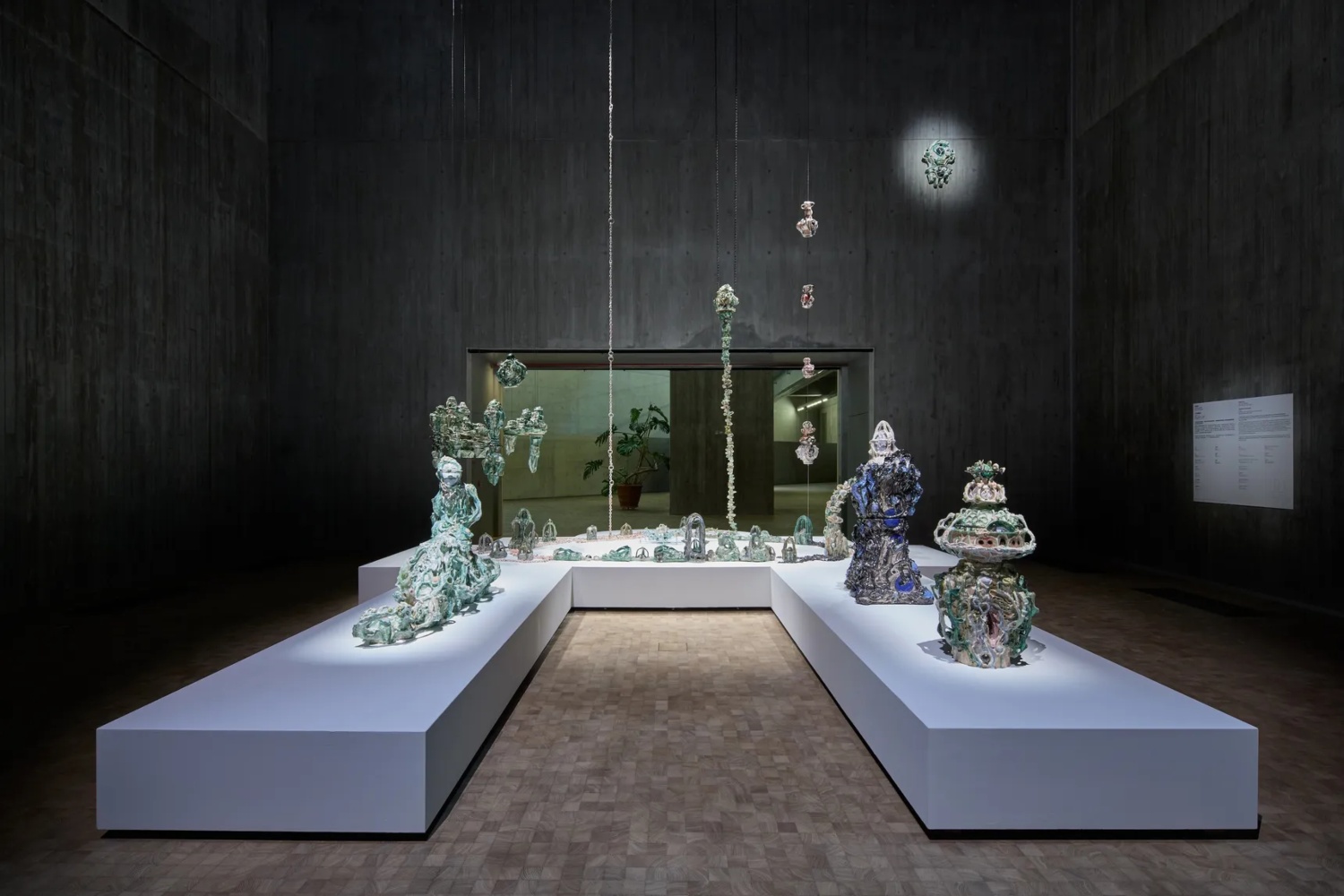
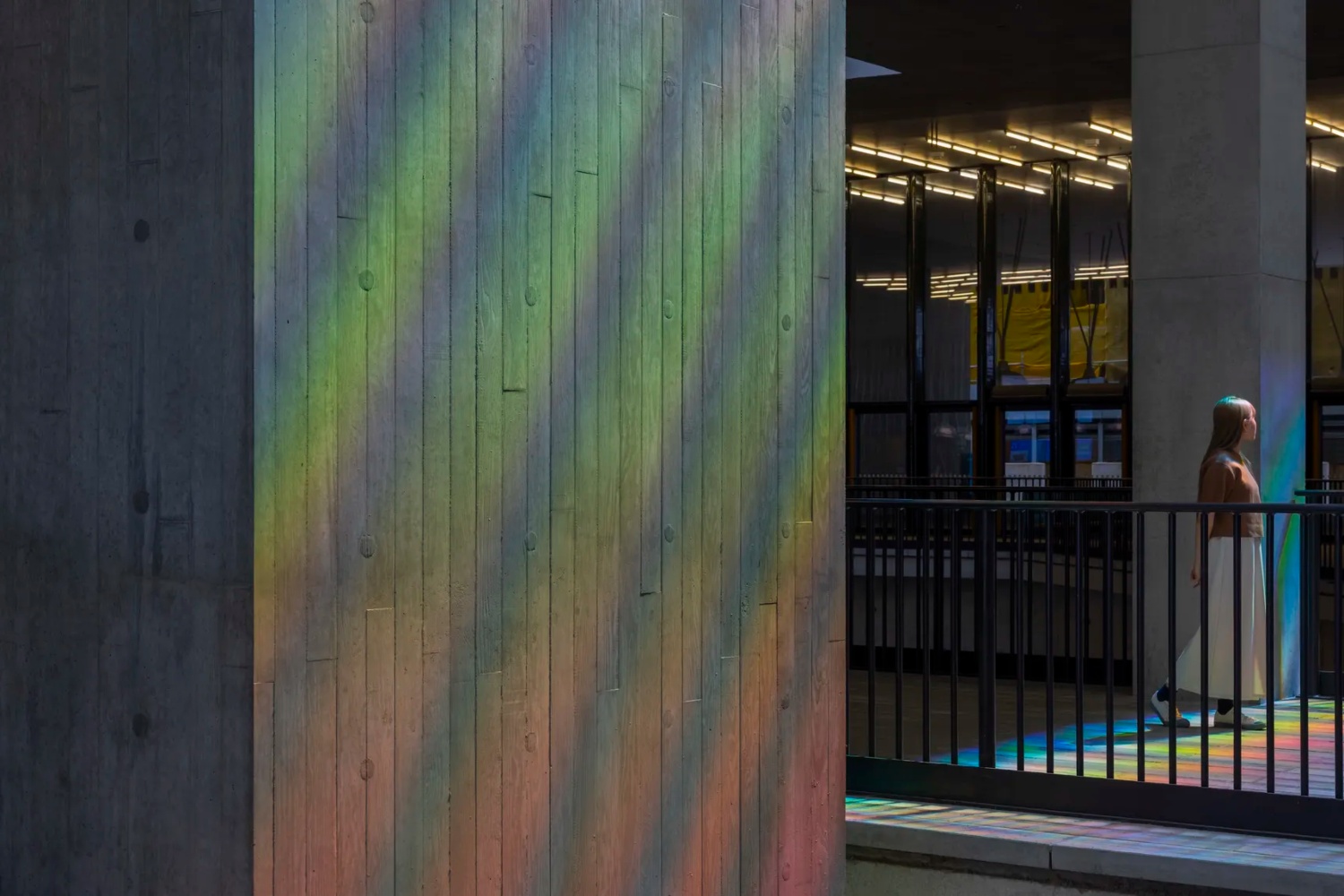
Left to right: Installation view of Heidi Lau’s Pavilion Procession (2025) at Sigg Prize 2025. Commissioned by M+, 2025. Kimsooja. To Breathe, 2025. Installation view of Dream Rooms: Environments by Women Artists 1950s-Now, 2025. © Kimsooja. Photos: Dan Leung and Lok Cheng, M+, Hong Kong.
A related ambition underpins Chanel’s expanded relationship with M+ in Hong Kong. In October 2026, Chanel announced a further three-year partnership with the museum, becoming a Lead Partner and introducing Pioneering Visions, an initiative supporting artists and makers in contemporary visual culture. Building on previous support for moving-image programming and restoration, the arrangement broadens its involvement in exhibitions, events and creative storytelling, with attention to Asian artistic perspectives.
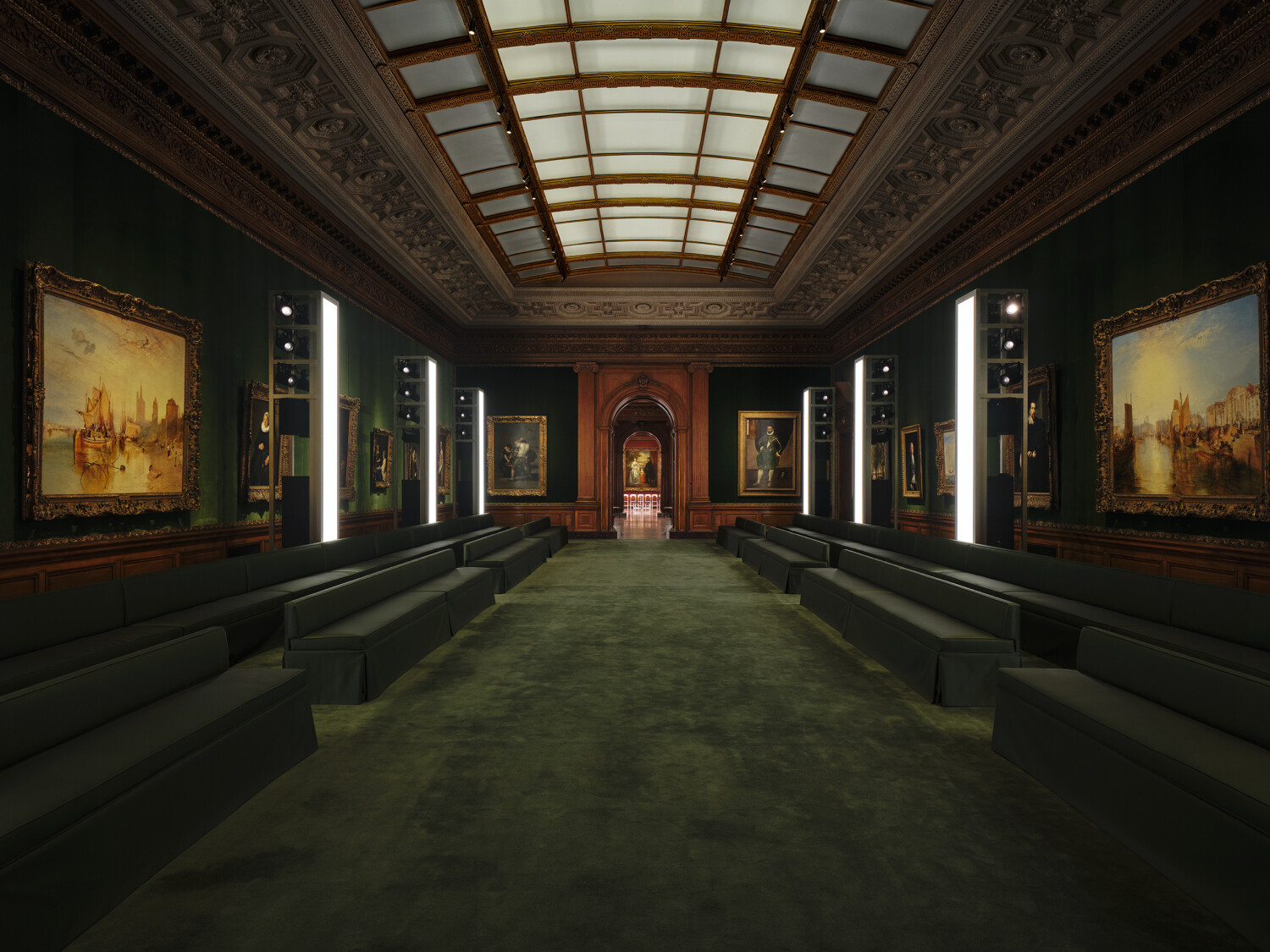
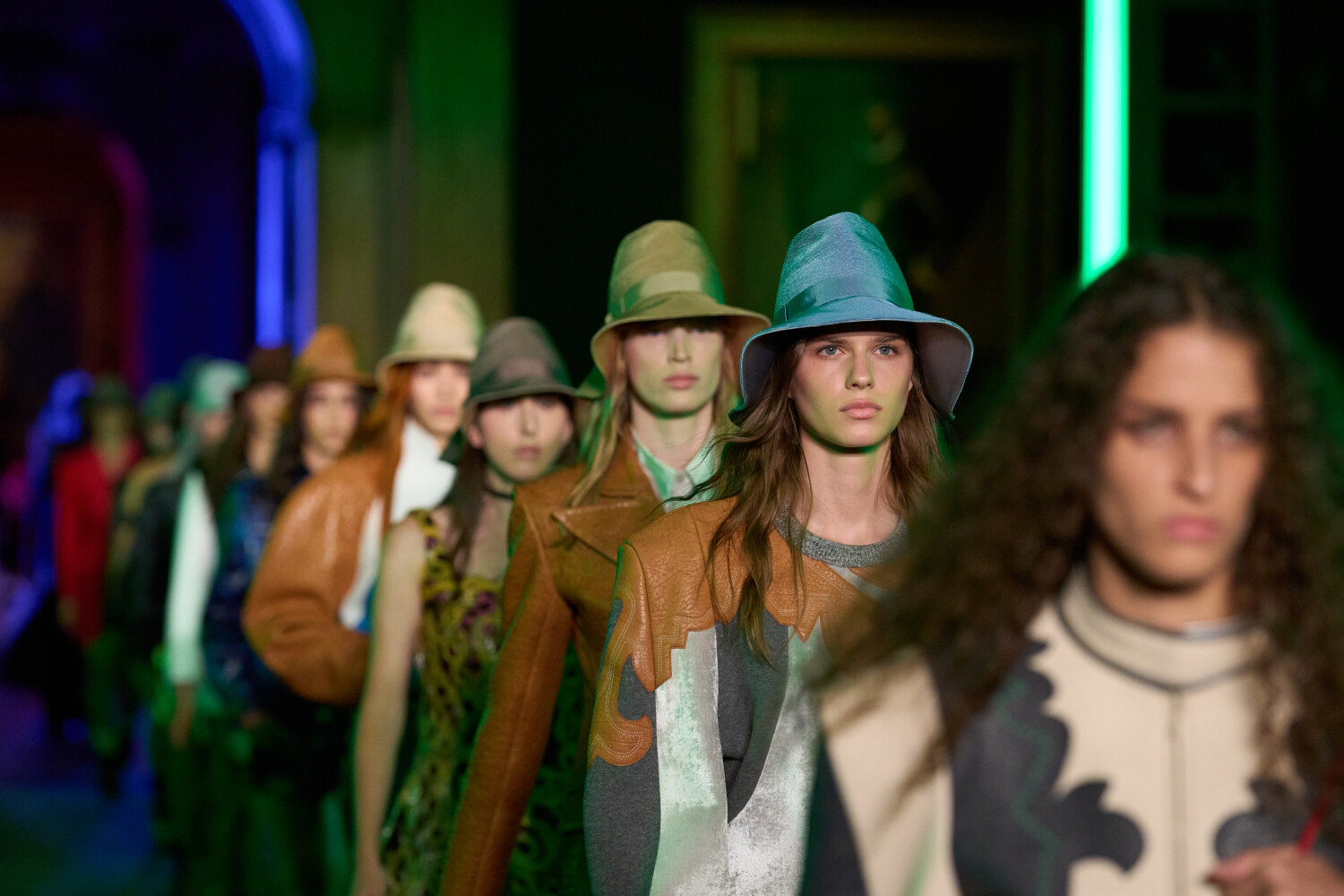
Louis Vuitton presented Nicolas Ghesquière’s Cruise 2027 Collection, unveiled at The Frick Collection in New York City earlier in May 2026. Images courtesy of Louis Vuitton.
Louis Vuitton’s three-year sponsorship of New York’s Frick Collection, meanwhile, supports exhibitions, public programming and curatorial research. This is primarily institutional patronage rather than creative co-production, yet it similarly shows how luxury houses can contribute to cultural ecosystems beyond traditional advertising. The difference is worth preserving: funding an institution and jointly producing artistic work are separate activities, even when both help brands build cultural credibility. Each partnership should be assessed against its own ambitions rather than grouped under a single definition of innovation.
For affluent audiences interested in collecting and the arts, these projects place luxury brands within institutions and conversations that have significance beyond product ownership.
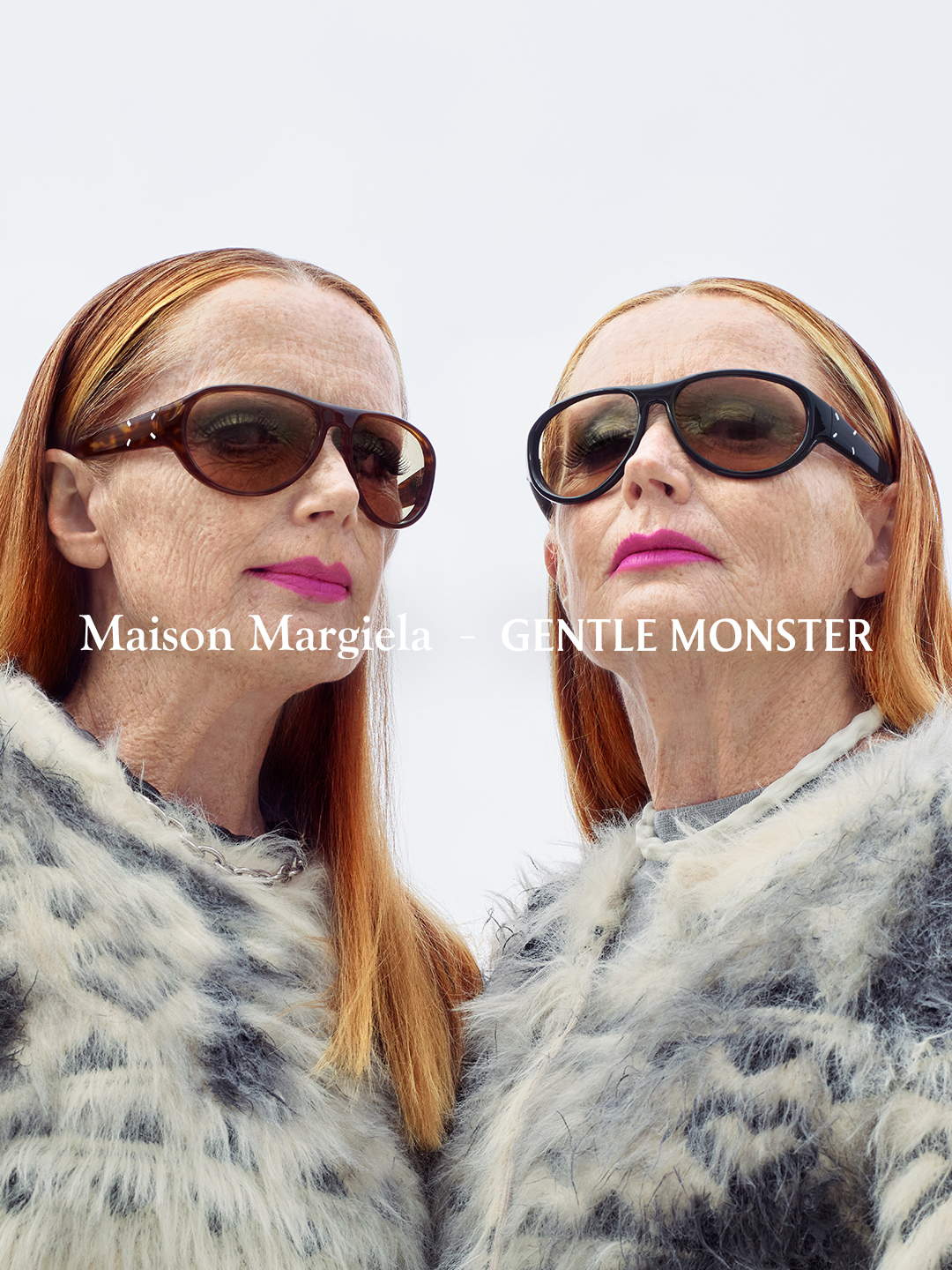
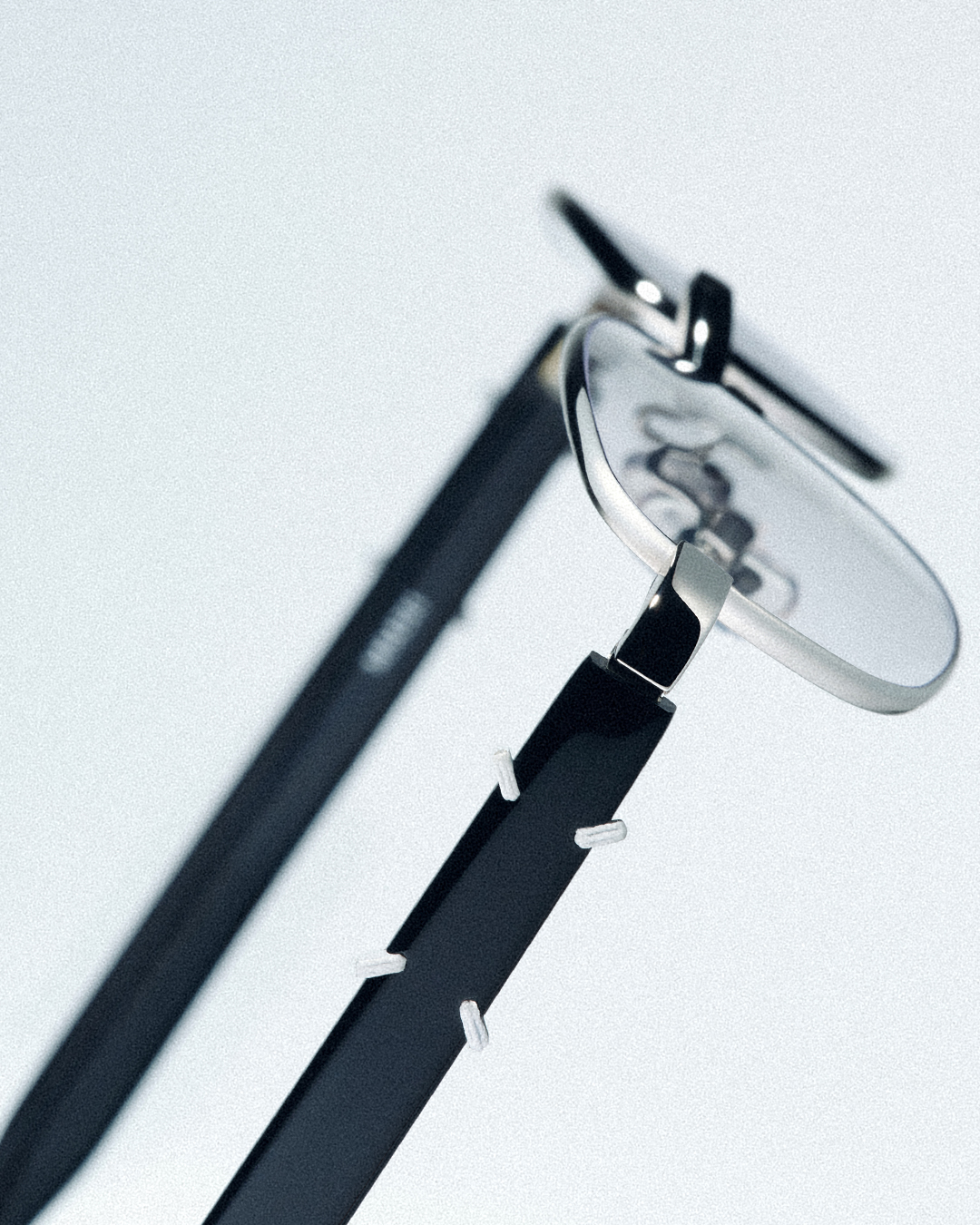
Maison Margiela and Gentle Monster return for a fourth collaboration, exploring “Deconstruction” through distorted silhouettes and reworked eyewear classics. Images courtesy of Maison Margiela and Gentle Monster.
When Creative Worlds Collide
Collaborations between contrasting disciplines can also produce some of luxury’s most experimental designs. Maison Margiela and South Korean eyewear brand Gentle Monster unveiled their fourth collaboration on 29 October 2026, exploring deconstruction through exaggerated, distorted frames and unexpected material treatments. Familiar silhouettes are transformed through Margiela’s unconventional design language and Gentle Monster’s approach to eyewear.
A short film directed by Alex Prager translates that aesthetic into a narrative of everyday encounters. Pop-up spaces in eight cities, including Bangkok and Kuala Lumpur, extend the partnership into immersive retail experiences. The fourth edition demonstrates how repeated collaborations can develop a shared visual language rather than remain isolated launches. Its presence in Southeast Asian cities also highlights the increasing importance of regional audiences within an international luxury campaign, with the retail environment itself becoming part of the creative proposition.
A similar meeting of creative disciplines is taking place in watchmaking. In September 2026, Hublot collaborated with contemporary artist Jeff Koons on the Classic Fusion Balloon Dog and the MP-14 Origin by Jeff Koons. Limited to 30 pieces, the latter introduced Hublot’s first automatic central tourbillon, bringing advanced watchmaking into dialogue with Koons’ artistic ideas.
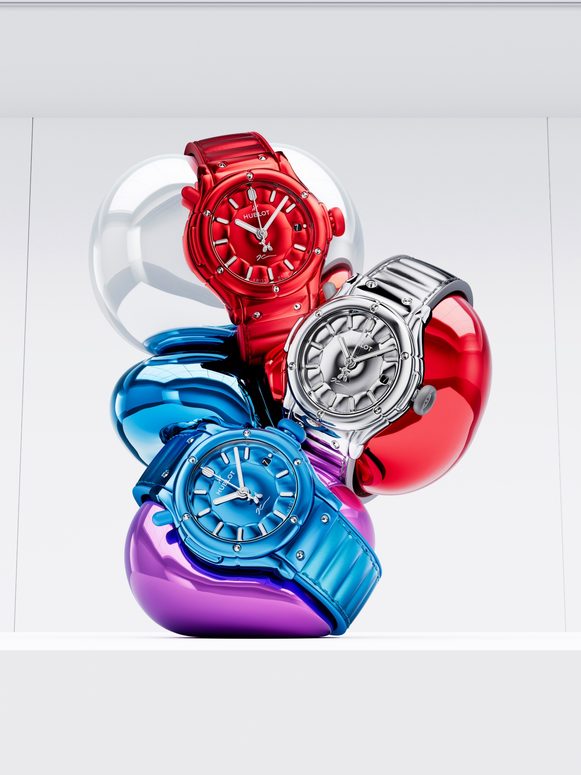
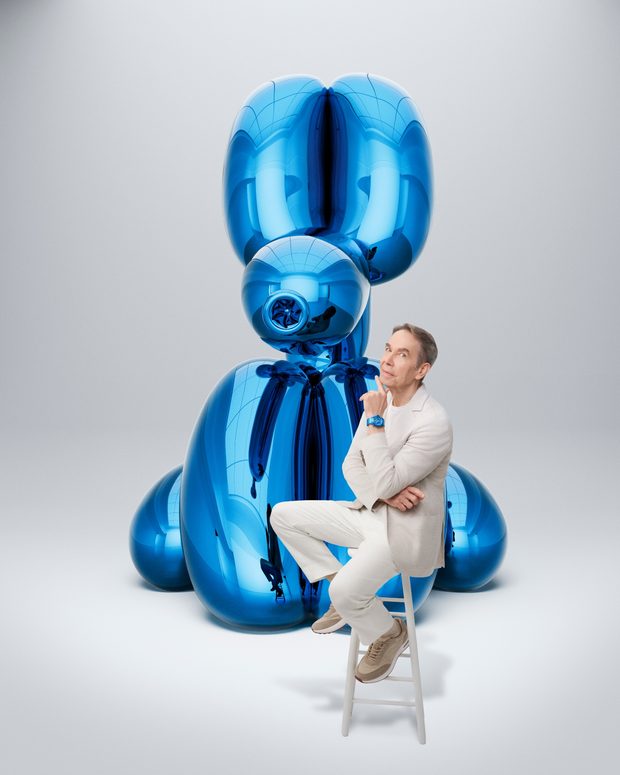
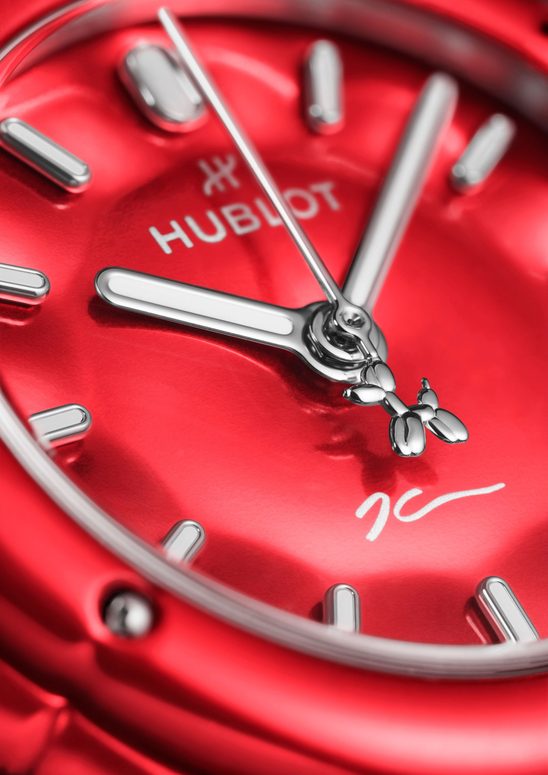
Hublot and Jeff Koons translate the artist’s iconic Balloon Dog into the Classic Fusion, blending playful sculpture with high watchmaking. Images courtesy of Hublot.
Such projects suggest that a collaboration’s appeal to collectors can lie in distinctive interpretations of craftsmanship and form, beyond scarcity or the recognition attached to a famous collaborator. The strongest examples reveal something new about both participants. For collectors, that added dimension can make the story behind an object as interesting as its specifications.
The Business of Breaking Boundaries
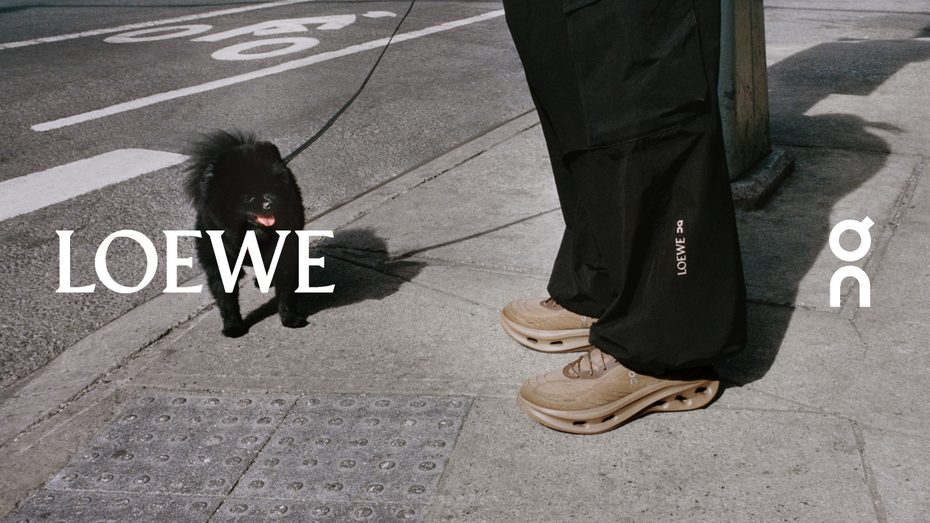
Creative alliances can also challenge product categories by uniting complementary technical and design expertise. For Fall/Winter 2026, LOEWE and Swiss performance brand On introduced a collection exploring the relationship between movement and artistic expression. LOEWE’s material experimentation meets On’s performance engineering in the Cloudsolo Hiker and Cloudtilt Cosmic, alongside functional ready-to-wear for city streets and outdoor environments.
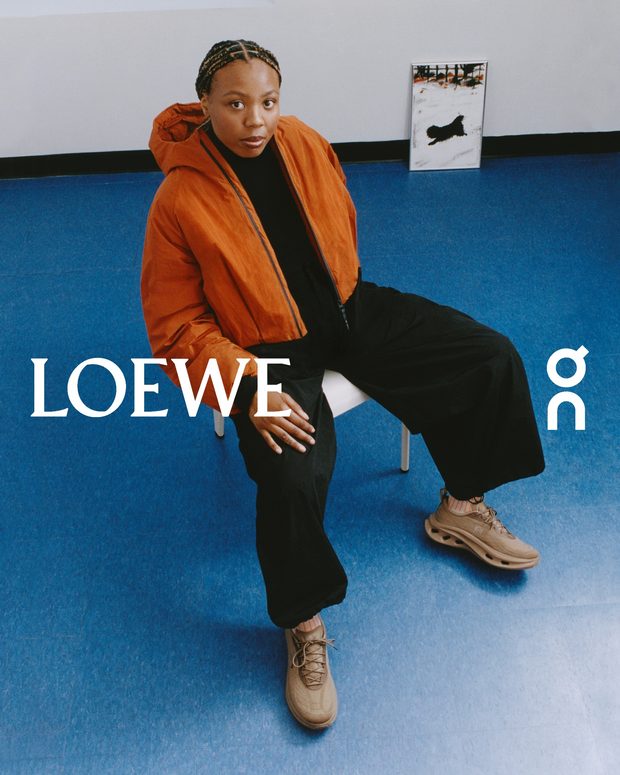
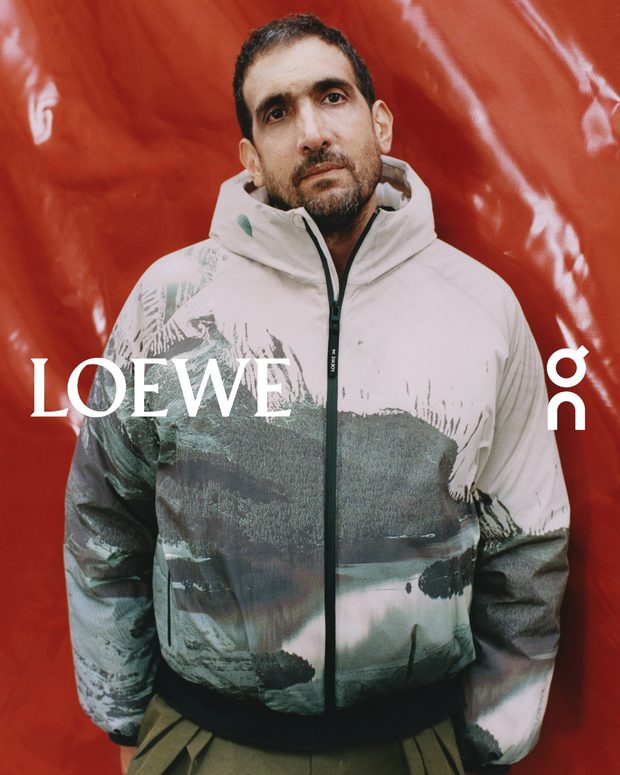
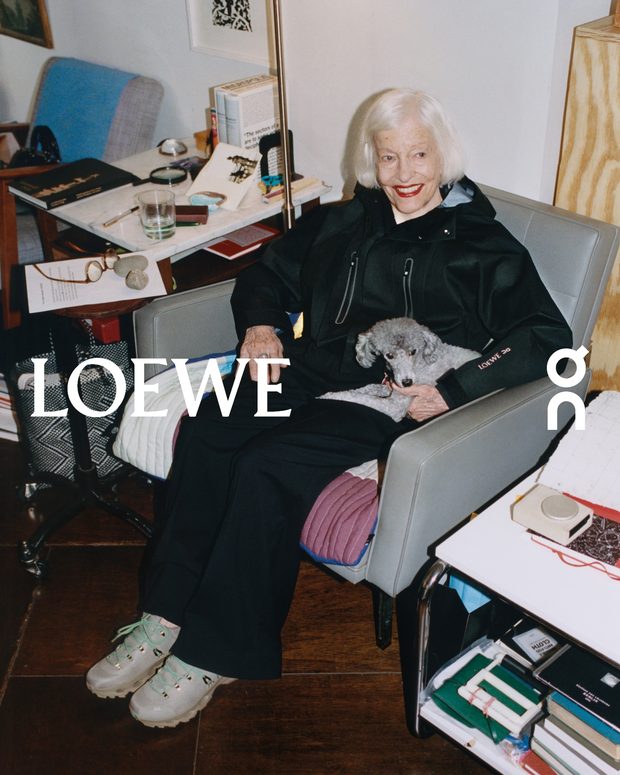
LOEWE and On unite Spanish craft with Swiss performance in a Fall/Winter 2026 collection shaped by movement, exploration and creative discovery. Images courtesy of LOEWE and On.
The campaign adds another dimension, featuring artists Joan Jonas, Martine Syms and Tarek Atoui. Through performance, film and sound, the three consider how movement shapes their work. Their participation connects the physical act of moving with creative discovery, giving the collection a narrative that stretches beyond footwear technology. The Cloudsolo Hiker adapts hiking details, while the Cloudtilt Cosmic refines On’s cushioning technology and silhouette. Their design details offer a tangible expression of the partnership’s creative aims.
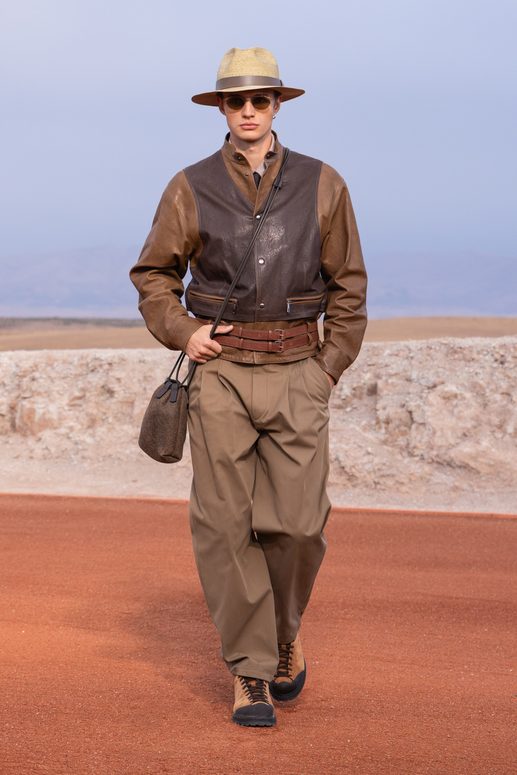
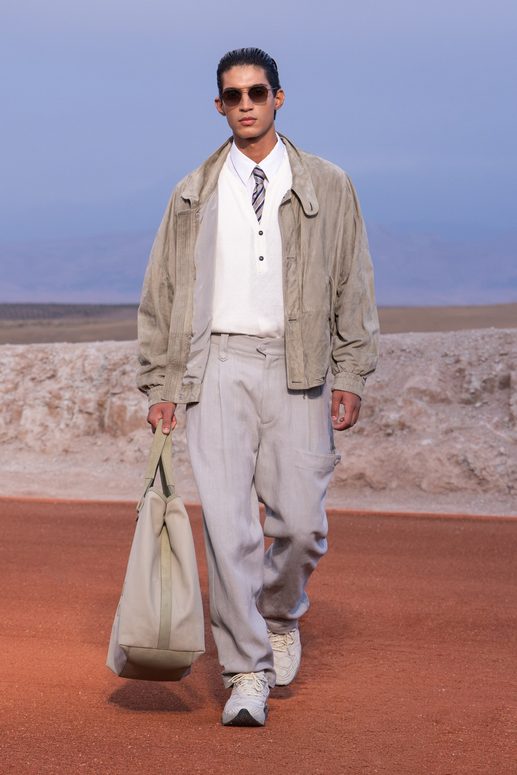
Giorgio Armani and Kith reunite for Dreams of the Dune, merging deconstructed tailoring with contemporary menswear through a desert-inspired lens. Images courtesy of Giorgio Armani.
Giorgio Armani and Kith likewise continue to connect tailoring heritage with contemporary lifestyle culture. Their third chapter, Dreams of the Dune, launched in October 2026 following a presentation in Morocco’s Agafay Desert. The collection reinterprets Armani’s tailoring vocabulary through Kith’s menswear perspective, extending into accessories and footwear, including pieces developed with ASICS and Diemme.
These relationships show how established houses can explore unfamiliar disciplines while retaining their identities. They may also introduce brands to different consumer communities. Yet publicity alone does not establish commercial success; longer-term value depends on product desirability, creative coherence and whether each partner gains something lasting.
When Collaboration Becomes Saturation
The proliferation of collaborations raises a harder question: how much novelty can the luxury market absorb? Another limited-edition capsule may attract immediate attention, particularly on social media, but a revised colour palette or paired logo offers little evidence of genuine innovation. Consumers encountering frequent launches may become more selective about which partnerships deserve attention and which products merit a place in a collection.
The difference between collaboration and co-branding therefore matters. Dior and A24’s programming and Chanel’s continuing engagement with M+ create opportunities over multiple years. LOEWE and On combine technical expertise with a considered artistic narrative. Each offers a clearer creative purpose than a partnership built primarily around recognition.
Their results also require different measures. Cultural initiatives can be evaluated through opportunities for artists and audiences, while design-led projects depend on quality, usefulness and longevity. In an industry that prizes scarcity, the growing abundance of collaborations could make genuine creative distinction more valuable.
Momentum Beyond the Moment
Luxury collaborations will ultimately be judged by what remains after the initial excitement fades. Dior and A24’s shared ambitions, Chanel’s commitment to Asian contemporary culture and LOEWE and On’s interplay of craftsmanship and performance point to partnerships capable of creating value beyond a launch moment.
The most meaningful alliances allow established brands to question familiar conventions without losing what makes them distinctive. Luxury has long celebrated the singular vision of the maison. Its next creative chapter may increasingly be shaped by the possibilities that emerge when distinct visions meet.
For more luxury style, culture and lifestyle reads, click here.