Where Luxury Property Is Gaining Momentum Around the World
Four emerging luxury property markets, from Brisbane to Montenegro, are rising on infrastructure investment, new wealth and lifestyle appeal.
LUXUO examines the push-and-pull forces shaping luxury property investment worldwide and the emerging destinations gaining traction among internationally minded buyers. While established markets such as London, New York and Singapore continue to command attention, a new geography of luxury real estate is taking shape, driven by shifting wealth patterns, infrastructure investment and changing lifestyle priorities.
The market’s expansion is reflected in Knight Frank’s 2026 Prime International Residential Index, which recorded a 3.2 per cent rise in global luxury residential prices in 2025, with 73 of the 100 markets tracked registering growth. Yet it is not simply a story of rising values. Knight Frank’s latest Global Branded Residence Survey found that the number of branded residential schemes worldwide had almost tripled since 2015, reaching 903 by the end of 2025. More tellingly, more than half are now located outside major cities, in coastal, island and mountain destinations, signalling a shift in where developers are building and affluent buyers are choosing to live.
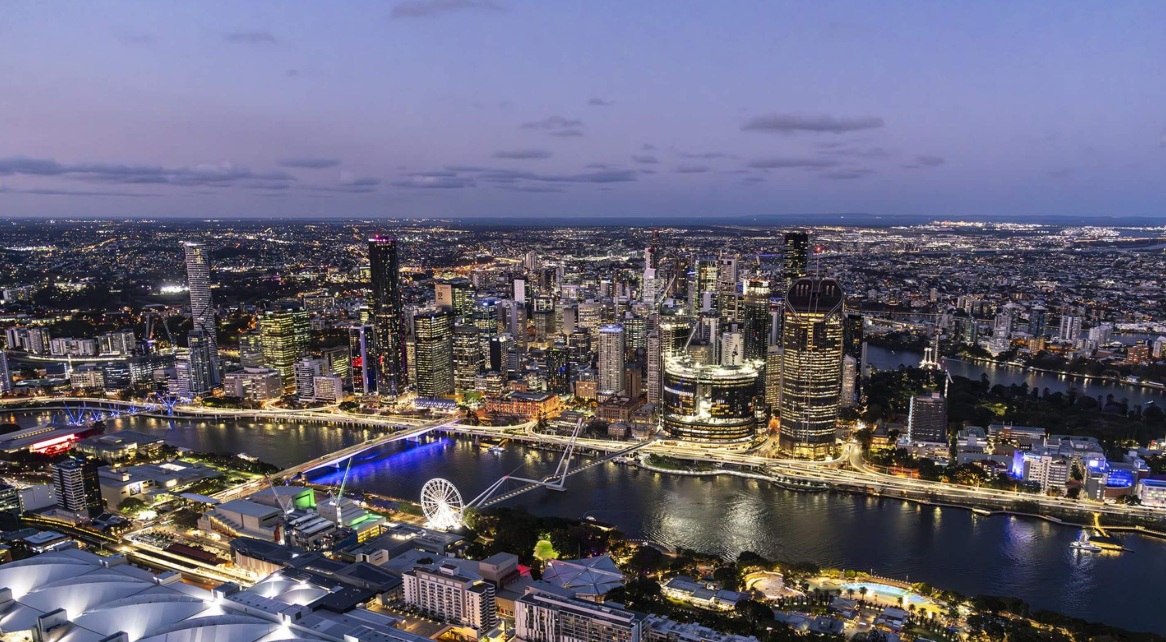
From Brisbane’s infrastructure-led transformation ahead of the 2032 Olympic Games to Vietnam’s expanding branded residential landscape, Phuket’s appeal as a resort-home destination and Montenegro’s prospects amid its European Union accession ambitions, LUXUO explores four markets gathering momentum and the economic, geopolitical and lifestyle forces shaping their next chapter.
Brisbane’s Luxury Property Market Gains Momentum Ahead of 2032
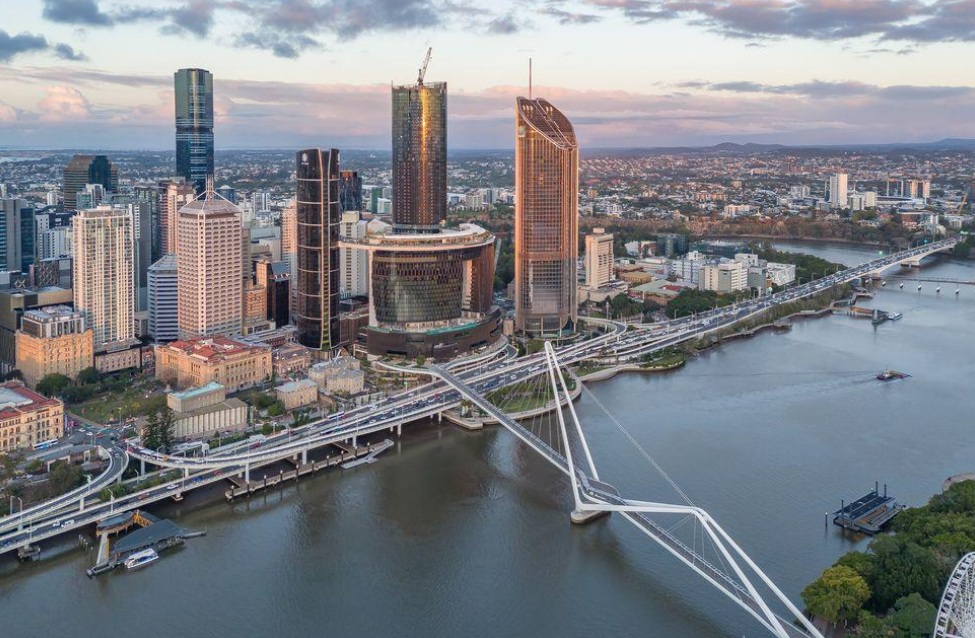
Infrastructure investment, urban regeneration and the approaching Olympic Games are putting Queensland’s capital on the radar of affluent homebuyers, as its prime residential market gains international recognition.
For years, Brisbane occupied a relatively understated position in Australia’s luxury property landscape, overshadowed by Sydney and Melbourne. That perception is changing as Queensland’s capital prepares to host the 2032 Olympic and Paralympic Games. Knight Frank’s 2026 Prime International Residential Index recorded a 2.1 per cent increase in Brisbane’s luxury residential prices in 2025, while the city’s most expensive apartments have seen their price ceiling rise from approximately AUD 9 million to more than AUD 15 million. At the upper end, super-prime residences are now commanding prices exceeding AUD 48,000 per square metre. The growing appetite for premium homes is further reflected in McGrath’s Spring 2026 Prestige Brisbane Residential Report, which recorded 677 residential sales above AUD 3 million in the year to Q2 2026, a 16 per cent increase year on year.
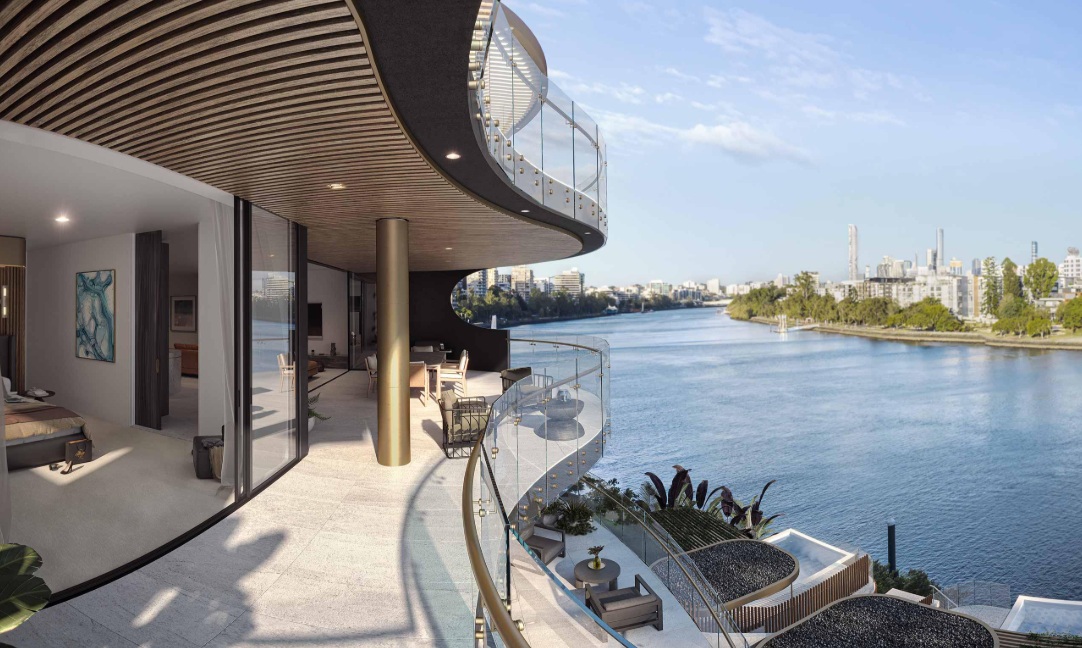
Beyond the property market, an extensive programme of infrastructure investment and urban regeneration is reshaping the city. The 10.2-km Cross River Rail project, which includes four new underground stations, is expected to improve connectivity across Brisbane and South East Queensland. Meanwhile, the proposed redevelopment of the former Visy industrial site in South Brisbane will introduce more than 4,000 homes alongside public riverfront spaces. These projects are strengthening the appeal of established and emerging residential districts such as Newstead, Kangaroo Point, South Brisbane and West End, where riverfront views, cultural amenities and proximity to the central business district are increasingly attractive to premium homebuyers.
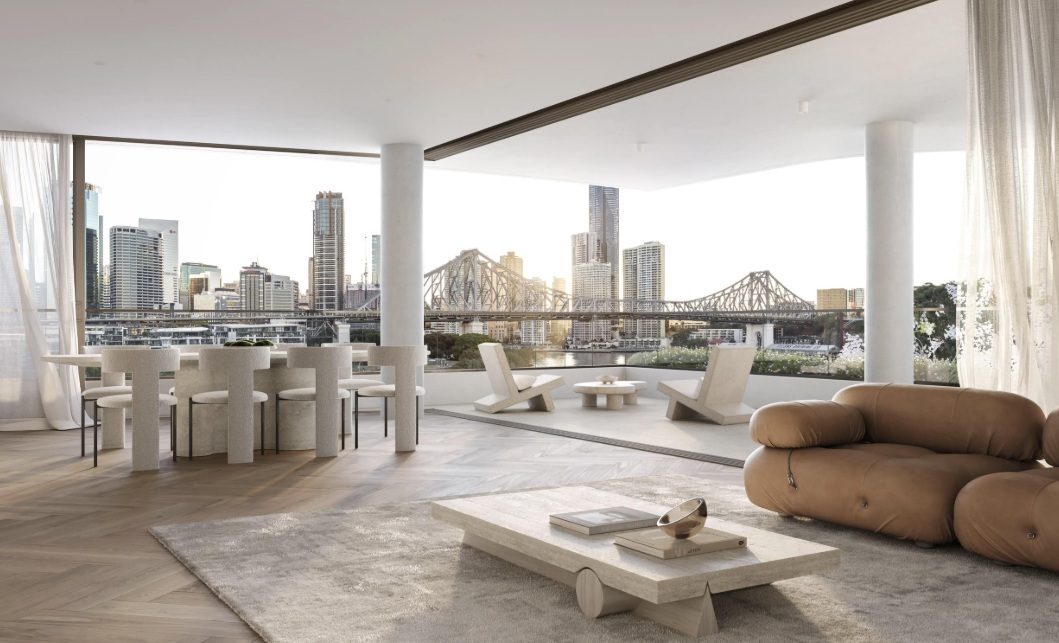
Yet Brisbane’s appeal extends beyond its Olympic ambitions. Population growth, interstate migration and an evolving luxury residential offering are providing broader foundations for demand. Developers are responding with larger residences, concierge services, wellness facilities and hotel-inspired amenities, while international recognition is bringing greater attention to the city’s prime property market. Although rising construction costs, new housing supply and the delivery of major infrastructure projects remain considerations, Brisbane’s transformation is gathering pace. The challenge now is to translate the visibility generated by the 2032 Games into lasting economic activity and sustained demand for luxury homes.
Vietnam’s Luxury Property Market Enters a New Growth Phase
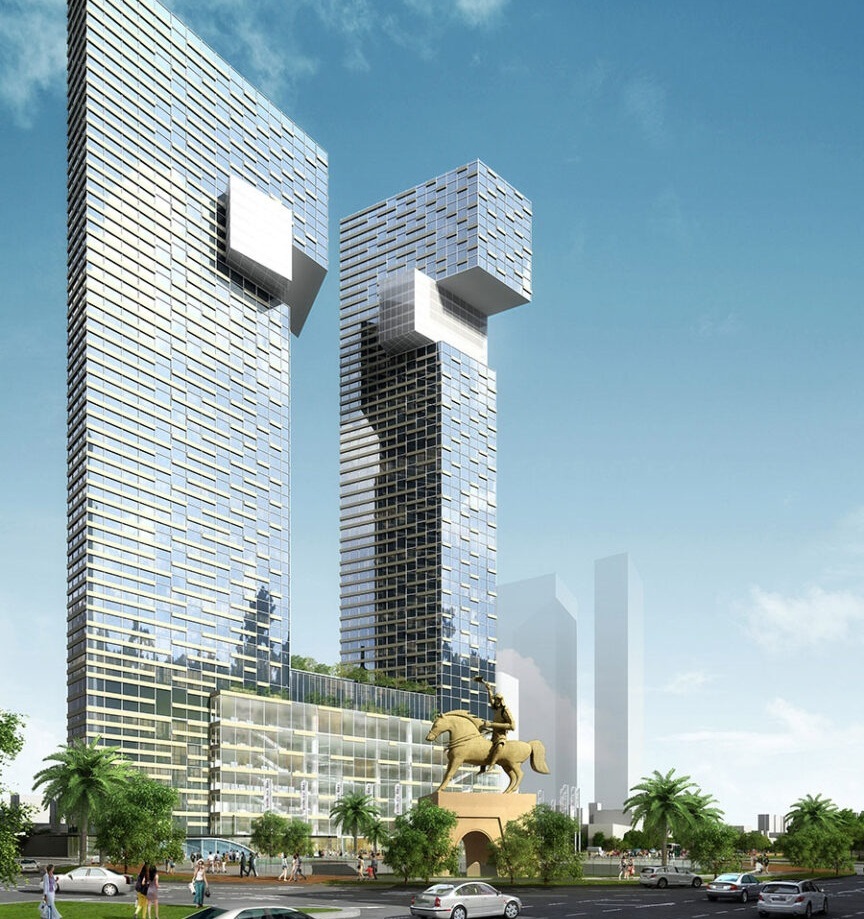
Rising domestic wealth, international hospitality brands and an expanding pipeline of premium residences are positioning Vietnam as one of Asia’s most compelling luxury property markets.
Vietnam is gaining ground as a luxury residential destination, supported by rising private wealth, international tourism and growing demand for internationally managed homes. Its emergence is particularly evident in the branded residences sector. According to Savills’ Branded Residence Report 2025–2026, Vietnam has become the world’s fourth-largest market for branded residences, with more than 50 projects involving 34 brands. Its latest Asia-Pacific report, published in September 2026, places Vietnam first among the region’s top 10 countries by number of branded residential projects, with supply forecast to grow by 152 per cent by 2032. Knight Frank’s Residence Report 2026 also identifies Vietnam as the world’s fifth-largest branded residence development pipeline, accounting for approximately 5 per cent of global projects.

The appeal lies partly in the changing profile of Vietnam’s affluent population, alongside international buyers drawn to its major cities and coastal destinations. Hanoi and Ho Chi Minh City are increasingly attracting branded residential developments, moving the segment beyond its earlier concentration in resort locations. One notable example is The Ritz-Carlton Residences, Hanoi, developed by Masterise Homes in the historic Hoan Kiem district, close to Hoan Kiem Lake. The development comprises 104 residences across two buildings, The Crown and The Heritage. Meanwhile, The Ritz-Carlton Residences, Saigon, forms part of Masterise Homes’ One Central Saigon mixed-use development opposite Ben Thanh Market, bringing the luxury hospitality brand into Ho Chi Minh City’s central commercial district.
This expansion reflects a broader shift in Vietnam’s luxury residential proposition, where buyers are increasingly offered hotel-inspired services, international management standards, and established brand identities. Savills’ research indicates that branded residences can command premiums of 10 to 30 per cent over comparable unbranded properties, depending on location, brand and execution. Yet the market’s next phase will depend on more than brand recognition. Developers must demonstrate operational quality, strong underlying residential demand, and the long-term value of their offerings. As domestic wealth continues to expand and international hospitality groups deepen their presence, Vietnam is building a more prominent position in the global luxury property landscape.
Leong Boon Hoe, consultant at Arcadia Consulting, emphasises, “Vietnam is entering an interesting phase of wealth creation, with successful entrepreneurs and a younger generation of affluent families developing more sophisticated expectations of luxury. Property remains an important store of wealth, but lifestyle, wellness, hospitality and family experiences are increasingly part of the equation. Da Nang is well positioned as a leisure and second-home destination, while Ho Chi Minh City is seeing a more sophisticated form of urban luxury emerge. The planned Ritz-Carlton Residences, Saigon at One Central Saigon, opposite Ben Thanh Market, reflects this shift by bringing international hospitality standards into the city centre. Vietnam has become very good at announcing luxury. The next challenge is delivering it consistently, and that is where lasting reputations will be built.”
Phuket’s Luxury Property Market Moves Beyond the Holiday Home
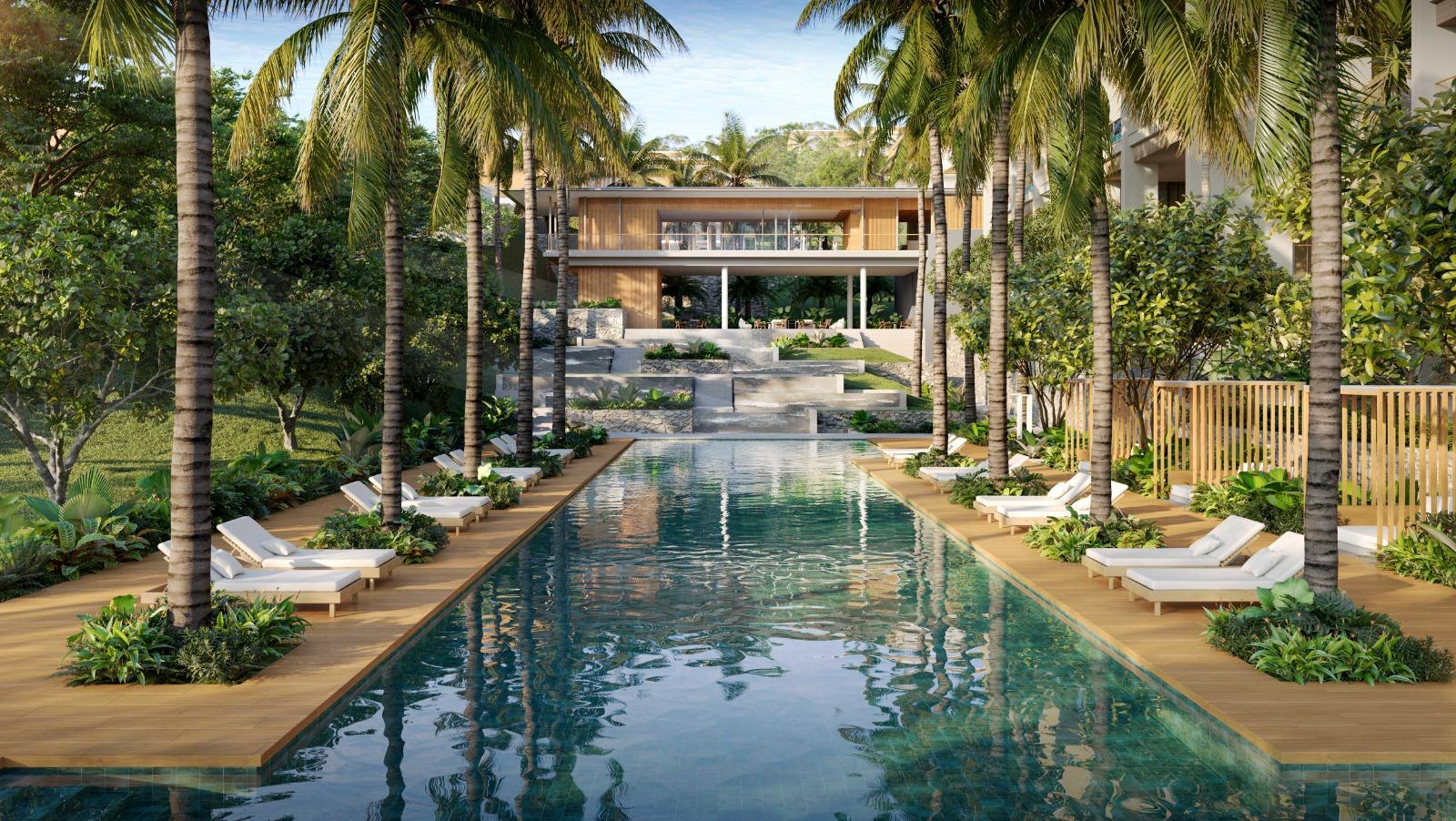
International buyers, branded residences and infrastructure investment are transforming Thailand’s resort island into a more established luxury residential destination, although a growing supply of properties is testing market demand.
Phuket’s appeal has traditionally centred on its beaches, resorts and holiday villas, but the island is increasingly attracting affluent buyers seeking second homes and longer-term residences. International tourism remains a significant driver of this shift. According to Krungsri Research’s August 2026 industry outlook, Phuket welcomed 10.7 million international visitors in 2025, up from 8.8 million in 2023 and approaching its pre-pandemic record of 10.6 million in 2019. Foreign condominium ownership transfers also rose 18.3 per cent in 2025 to 1,190 units, with their combined value up 18.9 per cent to THB6.1 billion. This demand is attracting established developers and hospitality operators, particularly to prime locations such as Bang Tao, Choeng Thale, Kamala and Layan Bay.
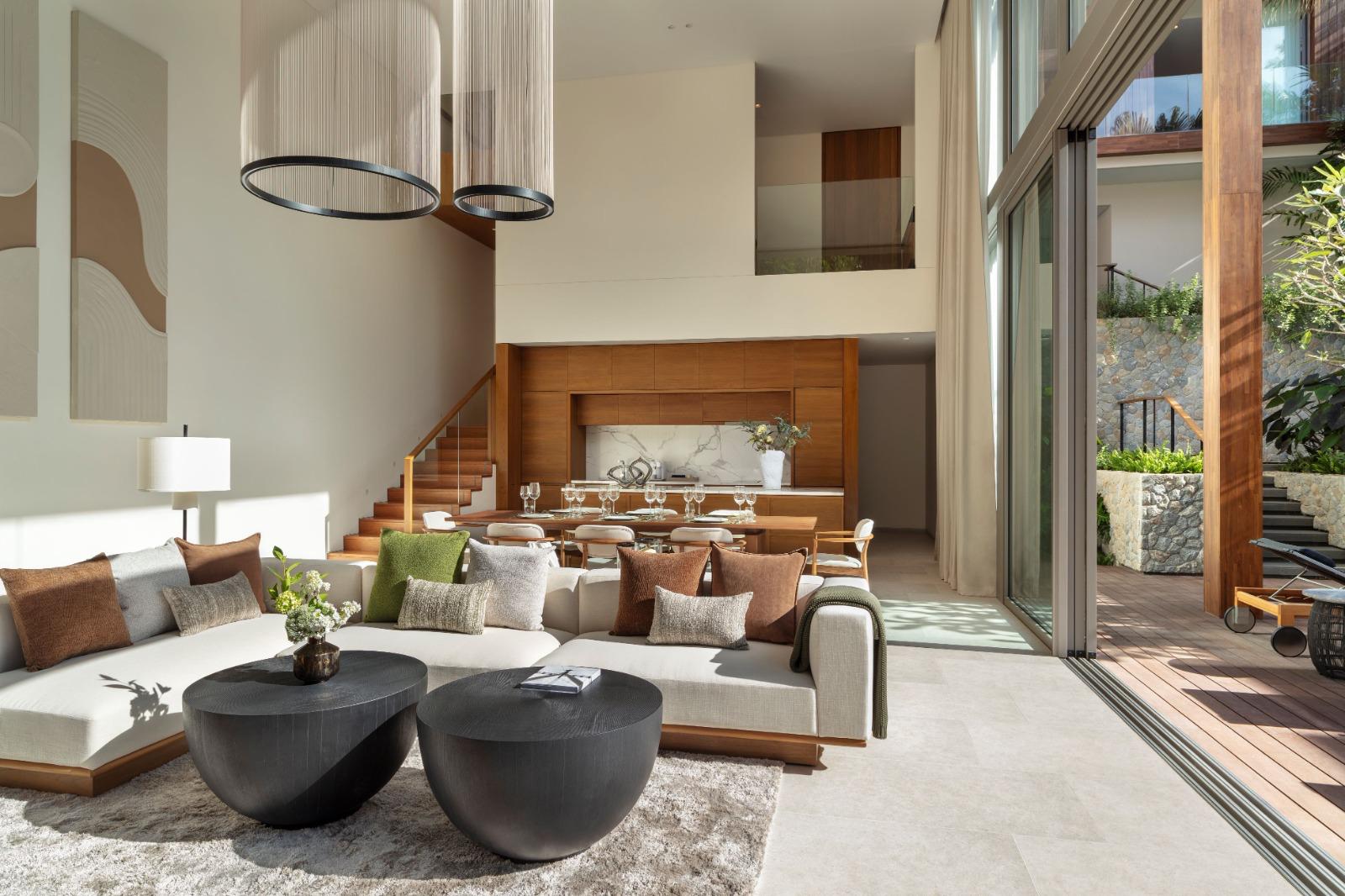
The island’s luxury residential proposition is increasingly defined by professionally managed homes that combine private ownership with hotel-inspired services. One example is Kiara Reserve Residences, an exclusive collection of 46 freehold residences at Layan Bay, developed through a partnership between Minor International and Japan’s Kajima Corporation and managed by Minor Hotels. Comprising 17 three- and four-bedroom villas and 29 condominiums ranging from 251 to 829 square metres, the development combines private residential living, hospitality management, and access to the island’s leisure amenities. Its location, approximately 20 minutes from Phuket International Airport, also reflects the importance of accessibility to internationally mobile homeowners. Meanwhile, planned airport expansion, which is expected to increase annual passenger capacity from 12.5 million to 18 million by 2031, alongside proposed expressways and light rail infrastructure, could further strengthen the island’s long-term connectivity.
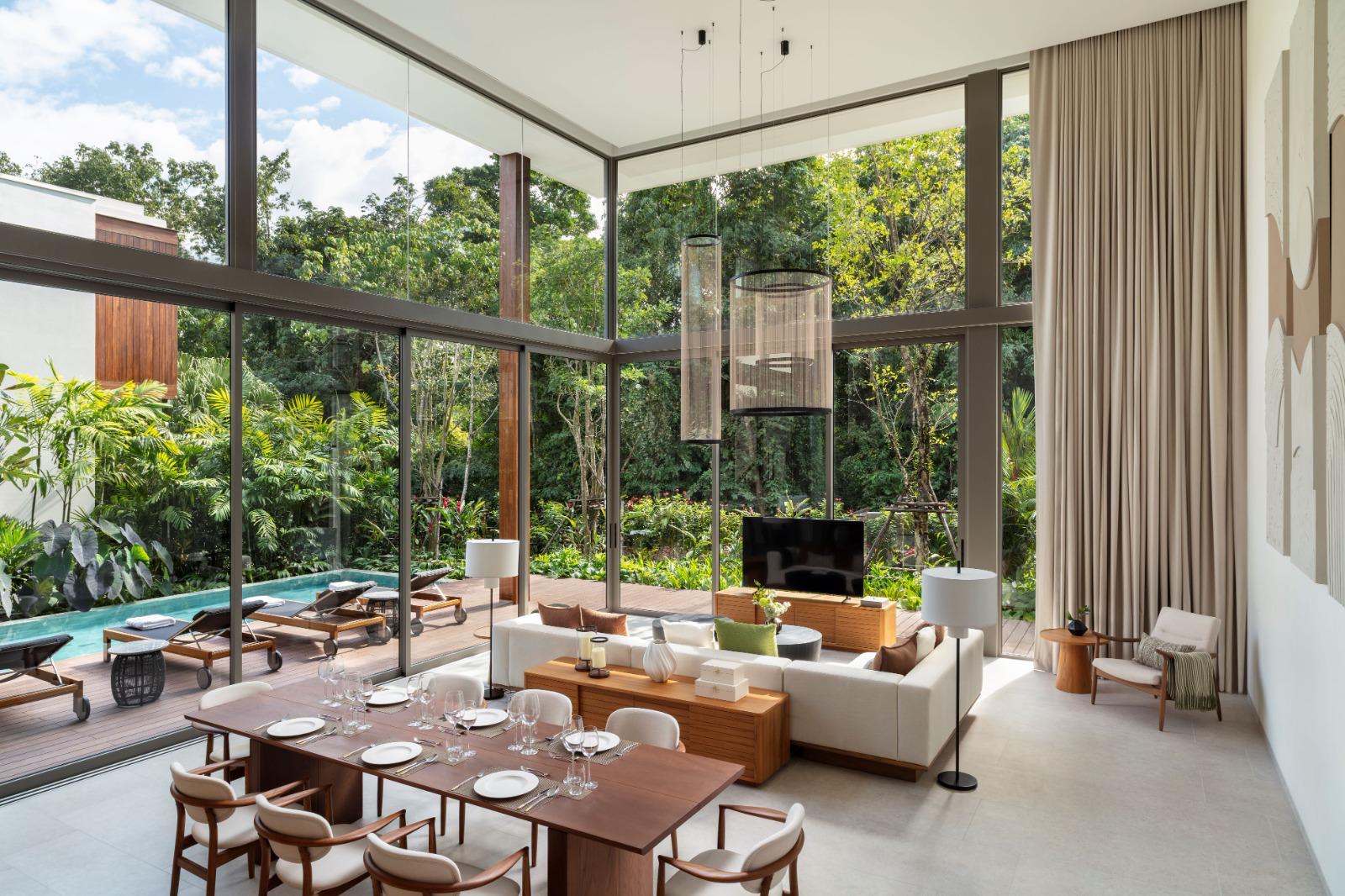
Nevertheless, Phuket’s property momentum faces challenges. Krungsri Research warns that oversupply in certain locations and moderating foreign purchasing power could put pressure on prices and absorption rates, following the rapid expansion of residential launches in recent years. The market’s next phase is therefore likely to favour well-located developments with distinctive architecture, credible management and a clear residential proposition rather than undifferentiated holiday properties. For buyers seeking more than a seasonal escape, Phuket is developing into a destination where resort living and residential ownership increasingly intersect. Whether that translates into sustained investment value will depend on how successfully the island balances international demand with the supply of new luxury homes.
“Phuket is gradually becoming a second address for internationally mobile families, supported by international schools, healthcare, restaurants, air connectivity and an established hospitality industry that make longer stays increasingly practical. As families begin leaving personal belongings behind, their relationship with the destination shifts from holidaymaking to everyday living, even when they are away.
Kiara Reserve Residences at Layan Bay exemplifies this direction. Developed by Minor International and Kajima Development, its collection of just 46 residences, supported by Minor Hotels’ management and Layan’s wider lifestyle offerings, reflects what second-home owners increasingly value: privacy, convenience and dependable service. The real luxury of owning a holiday home is enjoying the holiday without managing the home, a distinction likely to become increasingly important in Phuket, says Leong.
Montenegro’s Luxury Property Market Looks Towards Europe
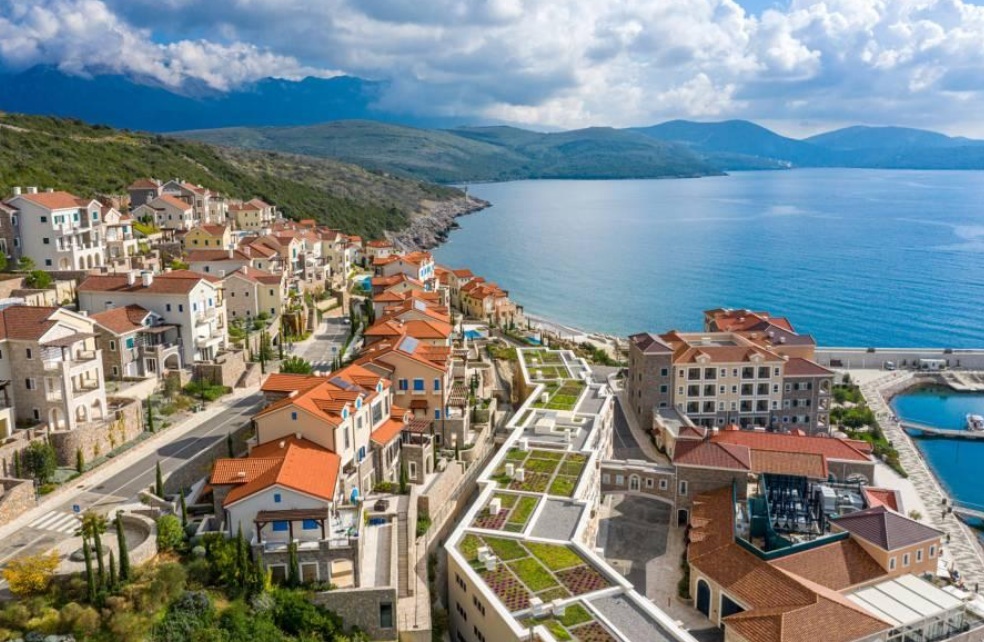
As Montenegro advances towards European Union membership, its Adriatic coastline is attracting international property buyers, with closer European integration adding another dimension to its investment appeal.
Montenegro is gaining attention as an emerging luxury property destination, combining Adriatic waterfront living with the prospect of European Union membership. The country has opened all 33 EU accession negotiating chapters and provisionally closed 21 as of October 2026, bringing it closer to its ambition of joining the bloc in 2028, although accession is not guaranteed. Foreign investment in real estate reached approximately EUR 497 million (approx. USD 556 million) in 2025, up 9.2 per cent year on year, according to central bank figures. This interest is reflected in developments such as Porto Montenegro, Luštica Bay and Portonovi, which have helped establish the coastal towns of Tivat, Kotor and Herceg Novi as addresses for internationally minded buyers.
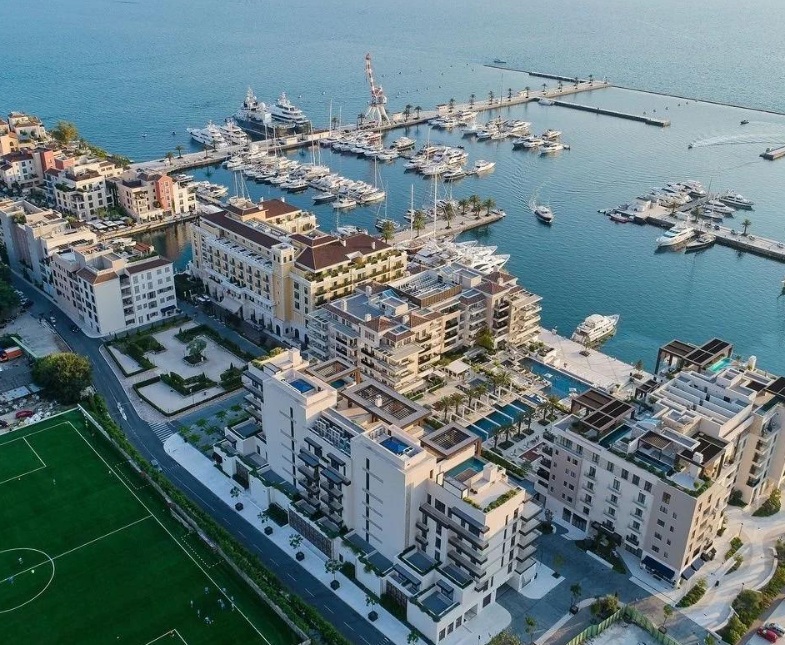
The prospect of EU membership raises questions about how Montenegro’s property market might evolve as its economy and regulatory framework become more closely aligned with Europe. Croatia offers a useful comparison: following its EU accession in 2013, its coastal property market attracted increasing international attention, supported by tourism, infrastructure investment and broader economic development. However, EU membership alone does not guarantee property price appreciation. Montenegro already uses the Euro, and its future residential market will depend on factors including foreign demand, infrastructure, supply and purchasing power. For buyers, the appeal lies partly in the opportunity to acquire prime Adriatic property in a market that remains less established than neighbouring Croatia and other Mediterranean destinations.
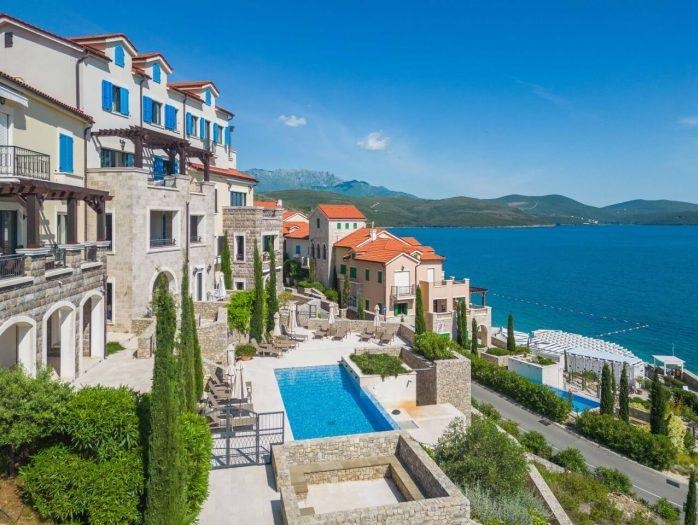
At the upper end, the market is increasingly defined by master-planned waterfront communities, marina facilities and hospitality-led residences rather than standalone holiday homes. Porto Montenegro, with its superyacht marina and residential village, Luštica Bay’s integrated resort development and Portonovi, home to Europe’s first One&Only resort, illustrate this evolution. According to Montenegro Sotheby’s International Realty’s 2026 market analysis, median asking prices per square metre reach approximately EUR 10,300 (approx. USD 11,552) in Luštica Bay and EUR 9,700 (approx. USD 10,851) in Portonovi. However, these are listing prices rather than completed transaction values. As Montenegro progresses towards European integration, the question is whether its prime coastal properties will attract further international capital and gradually narrow the valuation gap with more established Adriatic destinations.
Leong also adds, “Montenegro is worth watching as its EU accession negotiations progress. While Croatia and Bulgaria recorded residential price growth around their respective euro adoption periods, several economic factors contributed to those gains. Montenegro already uses the euro, making deeper European integration and the confidence it could bring to international buyers more relevant. Official figures show newly sold apartment prices rising 16.2 per cent year on year in Q2 2026, with the coastal region up 21.6 per cent. The Bay of Kotor and established destinations such as Porto Montenegro already offer an attractive Adriatic lifestyle. Greater alignment with European institutions, alongside improvements in infrastructure, planning and services, could broaden the buyer base. Montenegro already has the Mediterranean scenery. What EU integration could bring is greater confidence among European buyers to own a piece of it. The coastline has attracted attention; now its institutions and infrastructure need to keep pace.”
The Next Address on the Global Luxury Map
From Brisbane’s Olympic ambitions and Vietnam’s expanding branded residences to Phuket’s resort-led living and Montenegro’s European aspirations, the geography of luxury property is evolving. Each destination offers a different proposition, but all reflect a broader shift in how affluent buyers assess location, lifestyle and long-term value. As wealth moves, infrastructure develops, and new residential concepts take shape, the next chapter of luxury real estate may well be written beyond the world’s traditional property capitals.
For more luxury property news, click here.